Our verdict
Angama Mara Dining Pavilion belongs to the safari-lodge dining category where place matters as much as the plate. In the Mara Triangle, the meal is shaped by distance from city supply chains, the rhythm of game drives, and a Kenyan pantry that has to travel well without losing its sense of origin.

Pearl is the En Primeur Club membership app — saves, bookings, and concierge access live there. Same editors, same standards.
The menu
What to order
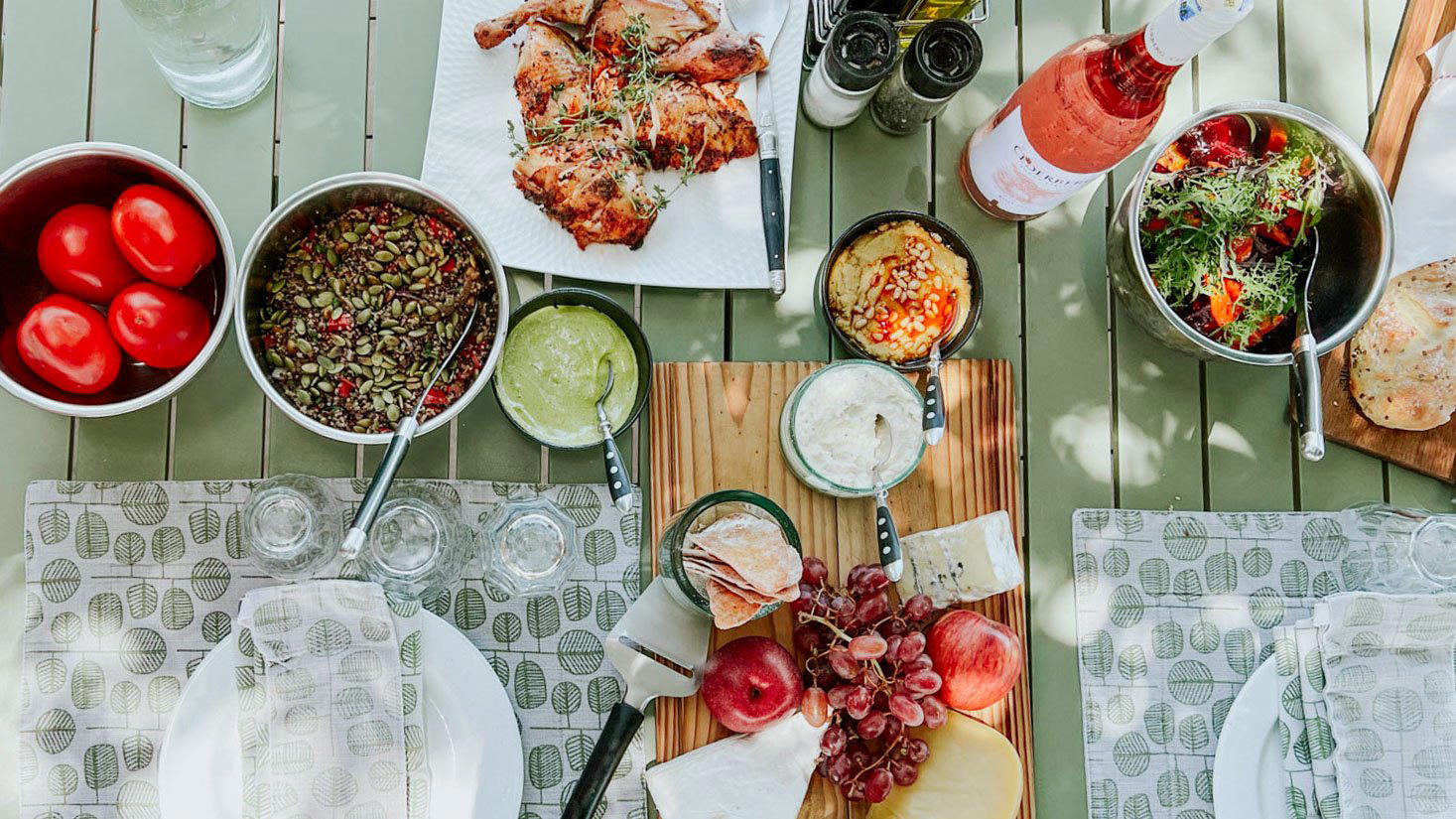
- Kenyan platter with nyama choma, ugali and kachumbari
- Forest BBQ with Swahili-spiced kuku and bread cooked on sticks
- Shamba-to-table salad with local cheese and crusty bread
- Safari picnics in tiffin boxes on the Maasai Mara plains
The approach to dining in Narok is not urban in tempo. The light drops fast, the surroundings quiet, and the meal has to fit around early starts, long transfers, and the practical reality of cooking in a remote travel setting rather than a city restaurant district. Angama Mara Dining Pavilion sits inside that safari rhythm: less a standalone restaurant than the central table of a lodge-based experience in Narok.
Safari-lodge dining depends on sourcing discipline, not menu theatre
In remote hospitality, food credibility starts before the kitchen. Produce, bread, dairy, meat, and pantry staples can move through longer supply lines than they would in Nairobi, Mombasa, or the coast, and that changes what a serious lodge dining room can do well. The stronger kitchens in this category tend to favour reliability, seasonality where possible, and formats that can flex around guests returning from the bush at different times.
That context matters for Angama Mara Dining Pavilion. The venue is in Narok, where dining is tied to a safari-hospitality setting rather than a public street. The point is not a chef-driven tasting-menu economy. It is the safari-lodge model: a controlled dining environment where the property manages the day’s pace, the guest flow, and the kitchen’s access to ingredients.
Ingredient sourcing in this setting carries a different weight from metropolitan farm-to-table language. In a city, local sourcing can become branding. In Narok, it is also logistics. The kitchen has to account for transport, storage, weather, and the limited tolerance guests have for fuss after pre-dawn wake-ups. A dining pavilion that works in this environment usually reads as composed rather than showy: familiar enough for international travelers, grounded enough to avoid feeling airlifted from a hotel elsewhere.
The safari setting changes the meal's function
Restaurants in safari country are judged by a different standard from restaurants in Narok town or Nairobi. The dining room has to absorb the emotional swing of the day: early coffee before game drives, long lunches between sightings, and dinners where the conversation is often about what happened outside rather than what is plated inside. That makes atmosphere part of the operating model, not decoration.
Angama Mara Dining Pavilion benefits from being integrated into the property’s main guest infrastructure rather than positioned as a destination restaurant for passing traffic. That matters for expectations. This is not the format for spontaneous dining in the way a city restaurant is. It is better understood as part of a lodge stay, with access, timing, and meal planning shaped by the property’s hospitality system and the realities of the surrounding travel environment.
Within Kenya’s premium travel circuit, that places it closer to lodge dining rooms such as Boma, Kifaru restaurant, Sarabi Dining, Isokon Restaurant, and Great Plains Mara than to independent urban restaurants. The comparison is useful because it clarifies the category: the competitive question is not who has the loudest menu, but who can make remote dining feel coherent across breakfast, lunch, and dinner while keeping service aligned with the safari schedule.
Where it fits in Kenya's wider dining map
Narok’s dining identity is split between local town restaurants, safari-adjacent lodges, and camp-based hospitality. The lodge end of that spectrum is built around controlled guest numbers, full-day itineraries, and access shaped by travel planning. For readers mapping the broader scene, our full Narok restaurants guide is the natural starting point, while our full Narok hotels guide explains why many of the area’s serious dining rooms are attached to places to stay.
The contrast with other Kenyan dining regions is instructive. Nairobi restaurants operate in a city market with supplier choice and repeat local traffic. Coastal dining rooms reflect a different pantry and pace, with beach traffic and resort movement shaping the table.
Inland and safari-linked dining has its own logic. Boma, Great Plains Mara, Isokon Restaurant, Kifaru restaurant, and Sarabi Dining show how wildlife travel, lodges, and full-day itineraries create dining rooms that are judged as much by timing and setting as by cuisine category.
For readers building a wider itinerary, Narok also needs to be understood beyond restaurants. Our full Narok bars guide, our full Narok wineries guide, and our full Narok experiences guide frame the area as a travel ecosystem rather than a conventional dining city. For a tighter local counterpoint, other Narok dining rooms sit within the same regional search pattern, while urban and international examples underline how different the Narok proposition is: here, the meal is inseparable from land, distance, and the day’s movement through a safari itinerary.
Frequently asked questions
Is Angama Mara Dining Pavilion good for families?
Yes, the setting in Narok suits family stays at a safari lodge. The pavilion format works well for mixed-age groups because meals are centered on the property rather than a formal standalone restaurant.
What kind of setting is Angama Mara Dining Pavilion?
It is a dining pavilion in Narok. The atmosphere is tied to lodge hospitality rather than town dining.
Where exactly is Angama Mara Dining Pavilion?
Narok.
Can I walk in to Angama Mara Dining Pavilion?
Access is generally tied to the property in Narok. That suggests a lodge-based dining room rather than a casual walk-in spot on a high-street address.
What is Angama Mara Dining Pavilion known for?
Its main distinction is the setting: a dining pavilion in Narok. That makes the experience part of the safari lodge format, with the surrounding travel context shaping the meal.
Can Angama Mara Dining Pavilion adjust for dietary needs?
Those details are not published. For any dietary requests, check the venue's official channels for the latest details.
A Quick Peer Check
Comparable venues by cuisine and price in the same metro.
| Venue | Cuisine |
|---|---|
| Angama Mara Dining PavilionThis venue — the venue you are viewing | Kenyan-influenced safari cuisine with international touches |
| Great Plains Mara | East African |
Continue exploring
More in Narok
Restaurants in Narok
All restaurants in Narok →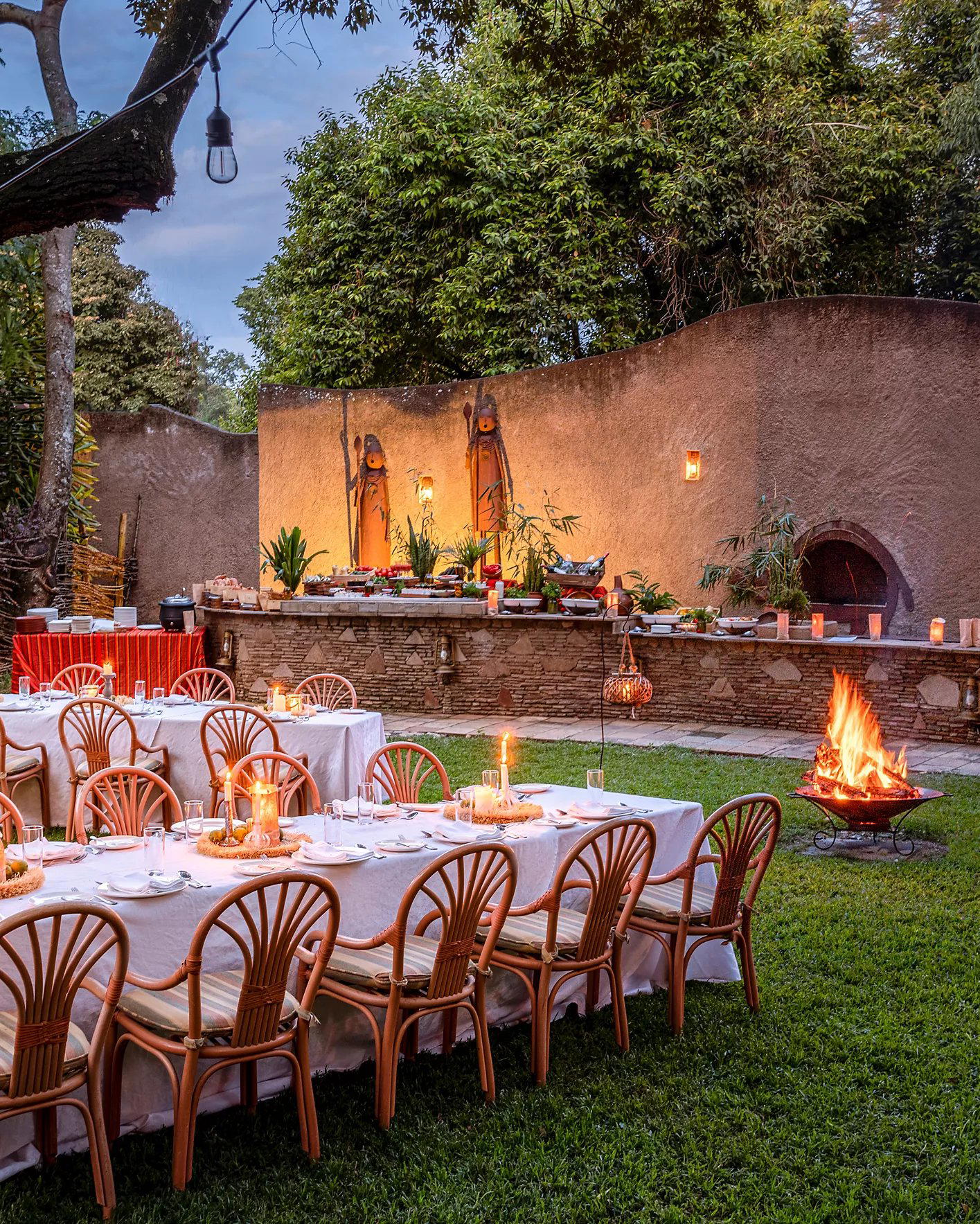
Bars in Narok
Browse all →
Details
- Romantic
- Scenic
- Elegant
- Rustic
- Intimate
- Well Known
- Date Night
- Family
- Celebration
- Special Occasion
- Group Dining
- Private Event
- Garden
- Panoramic View
- Design Destination
- Hotel Restaurant
- Private Dining
- Farm To Table
- Local Sourcing
- Sustainable Seafood
- Garden
- Mountain
- A La Carte
- Family Style
- Wine
- Beer
- Spirits
- Vegetarian Friendly
- Vegan Options
- Gluten Free Options
- Halal
- Kosher
- Pescatarian Friendly
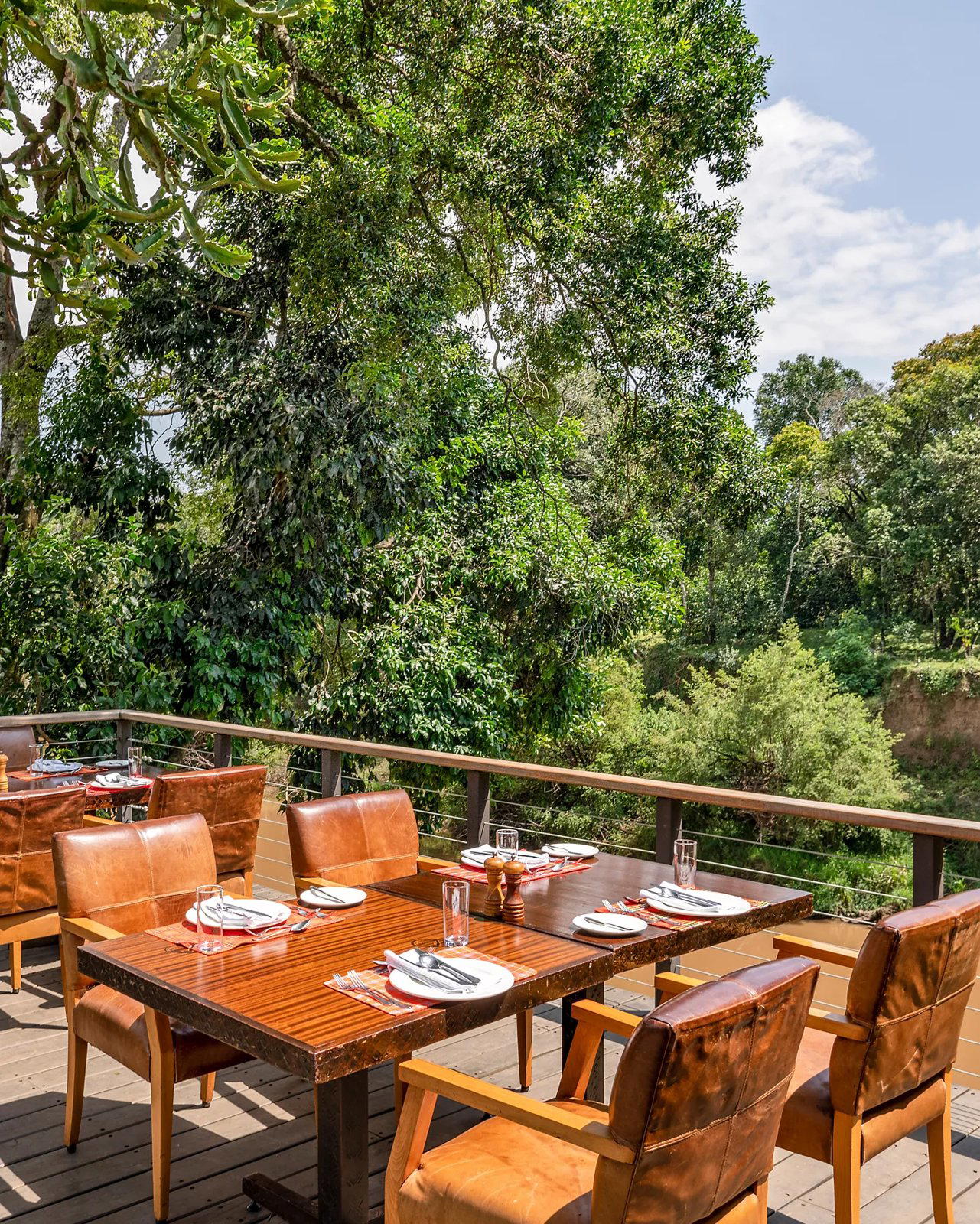
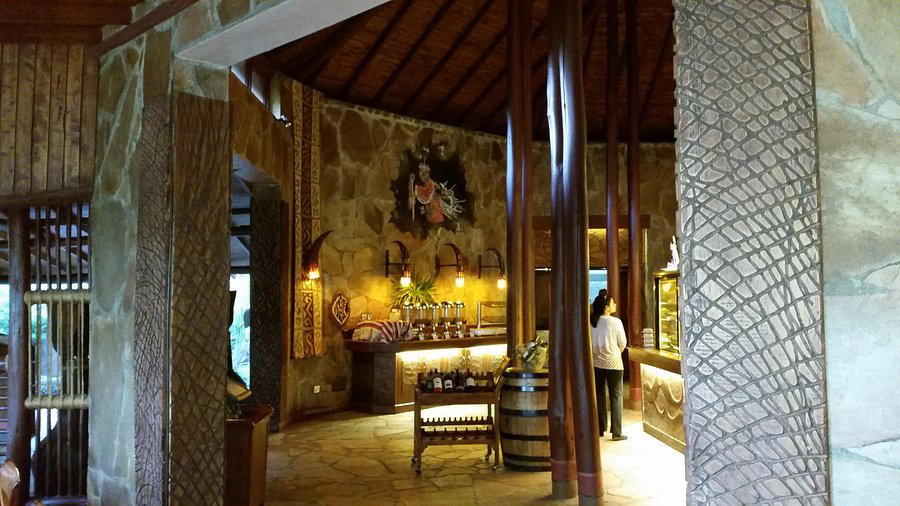
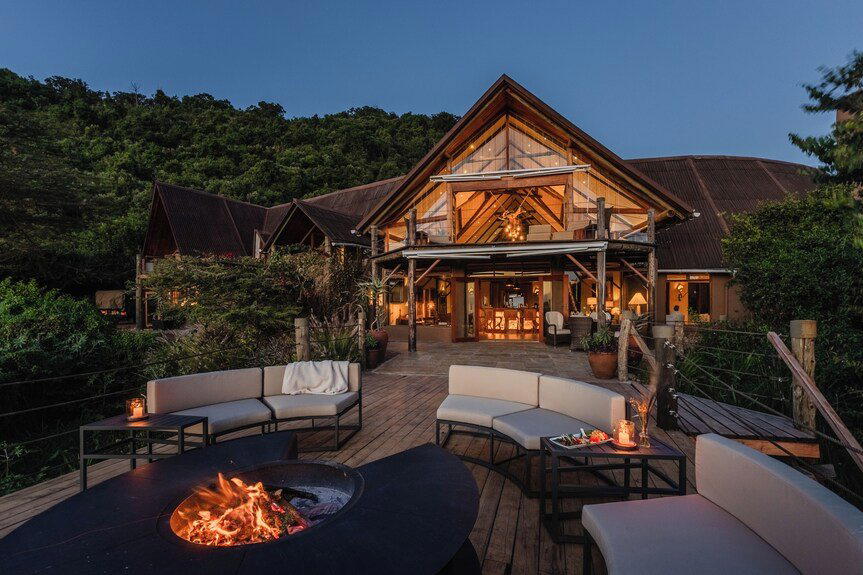
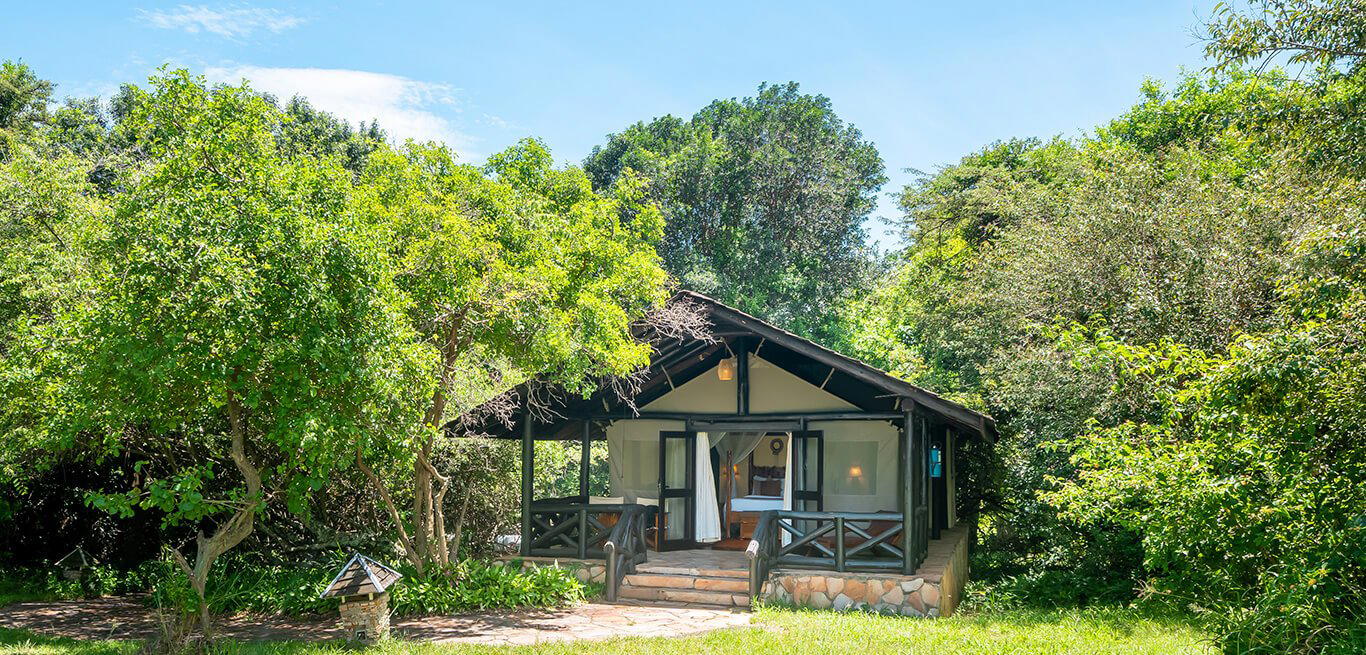
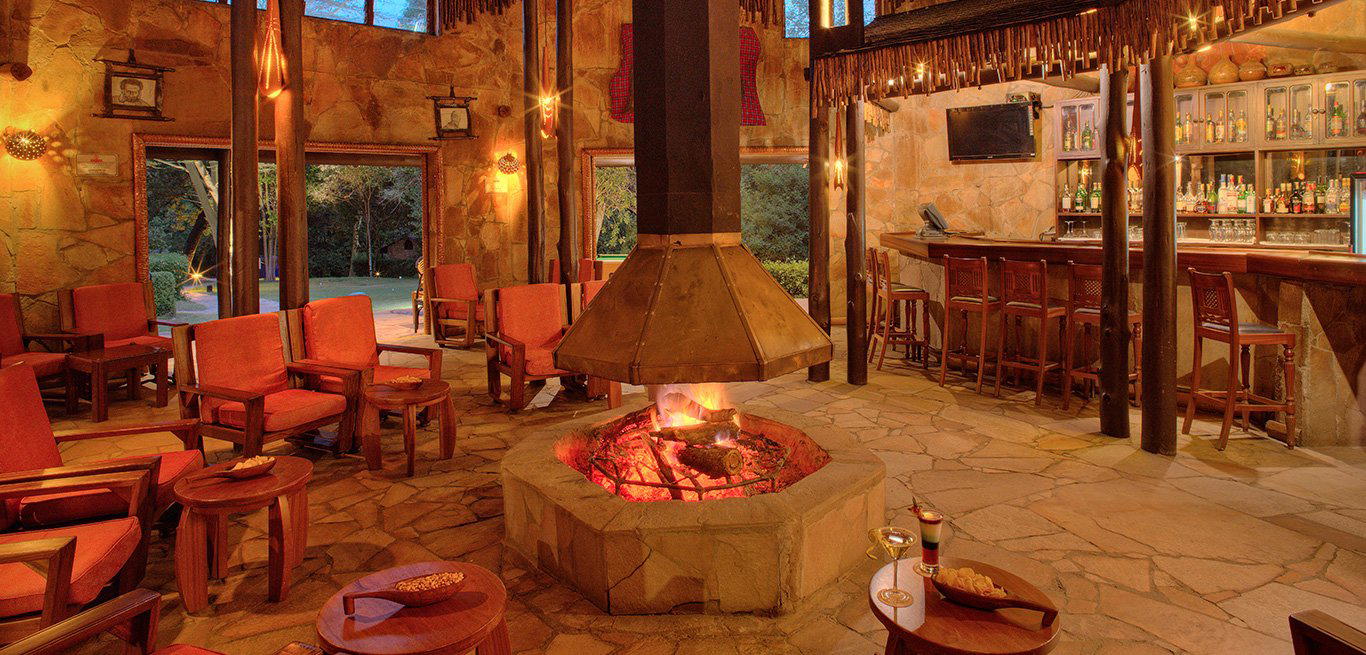
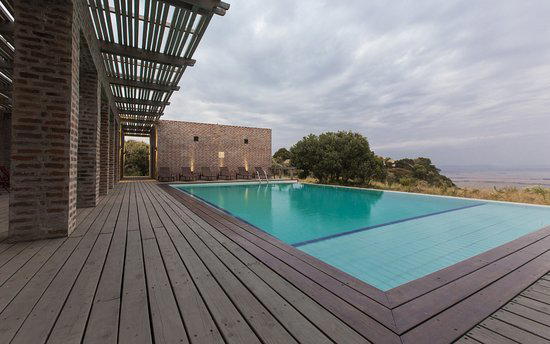
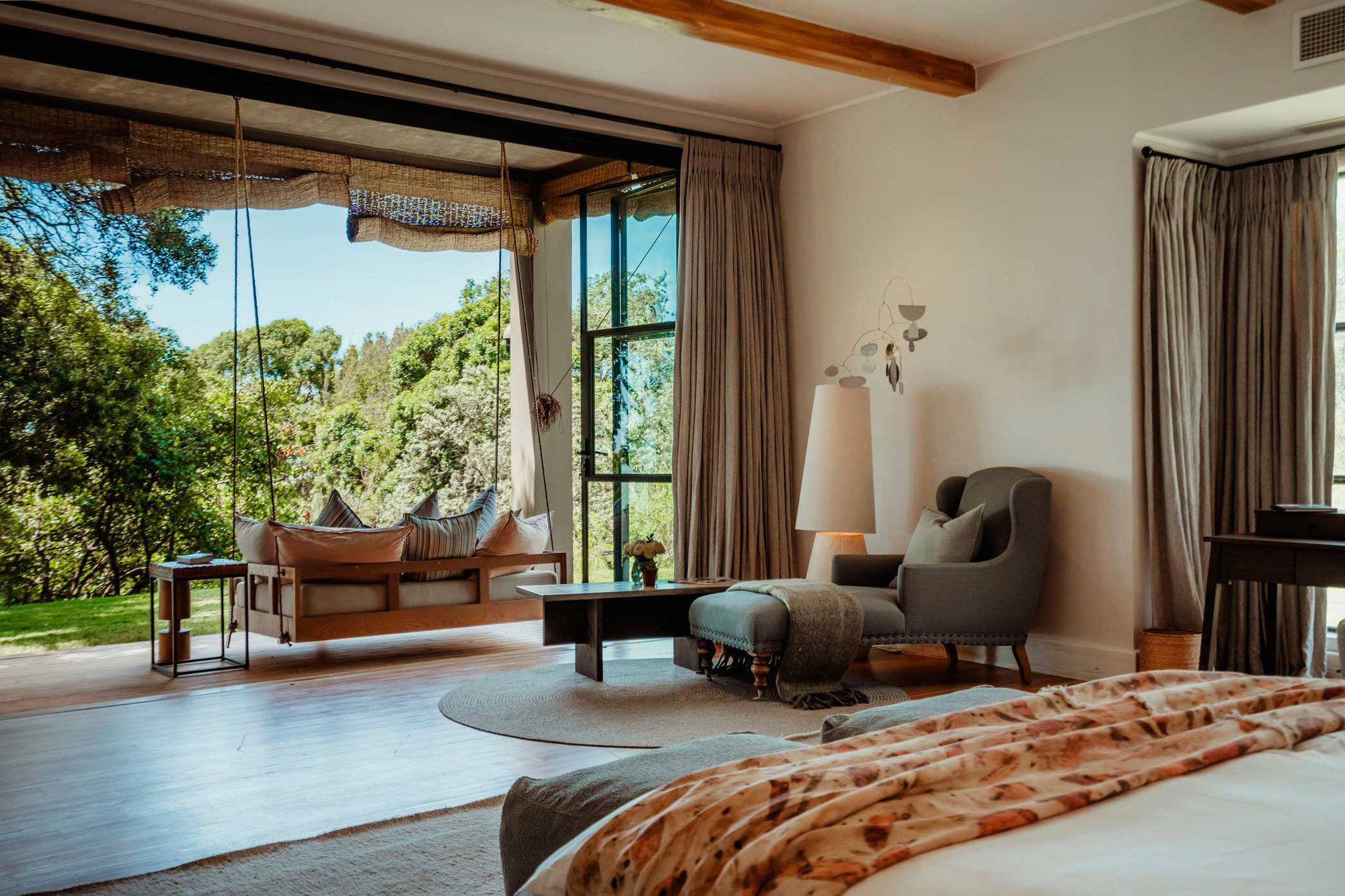
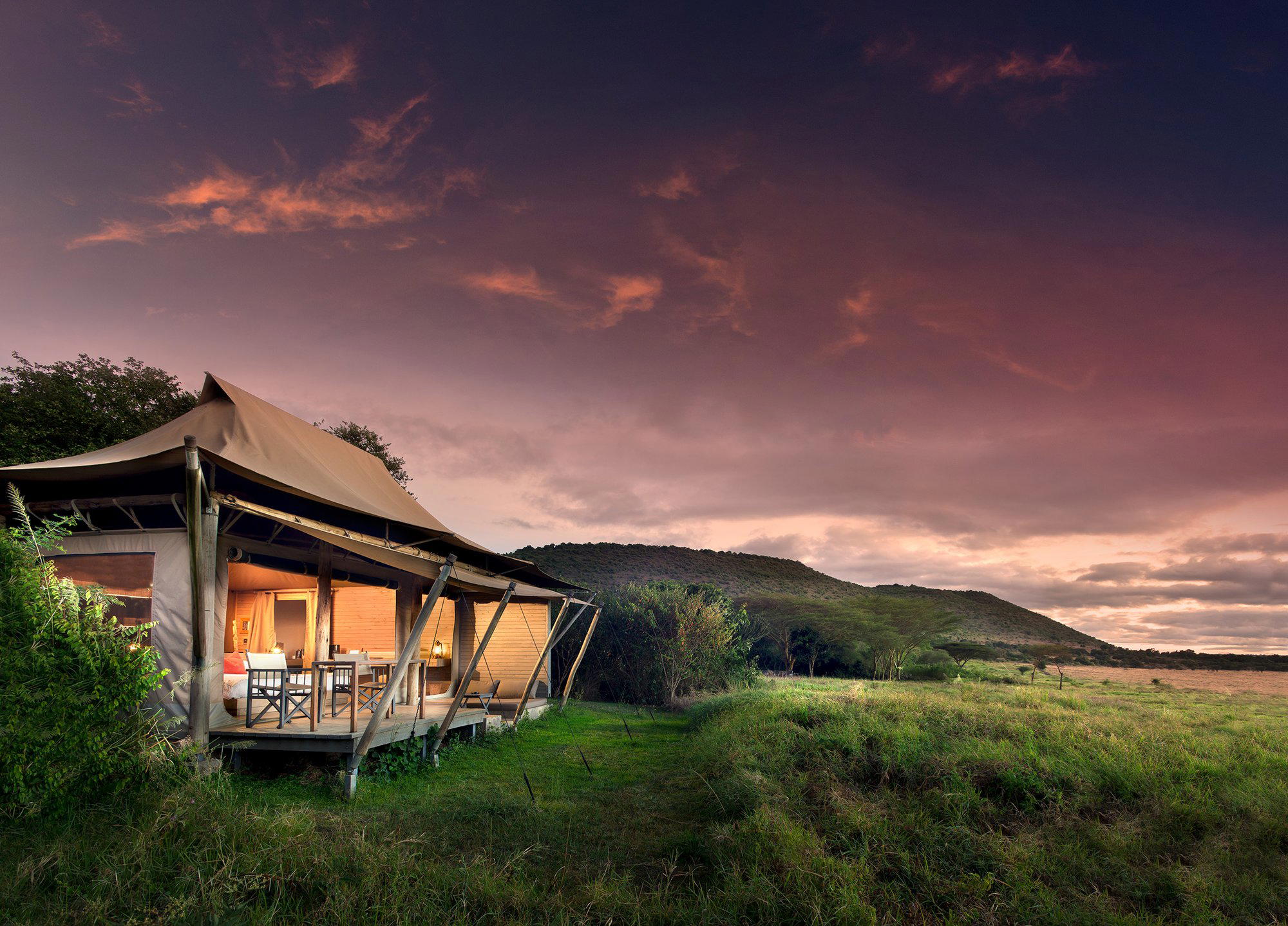
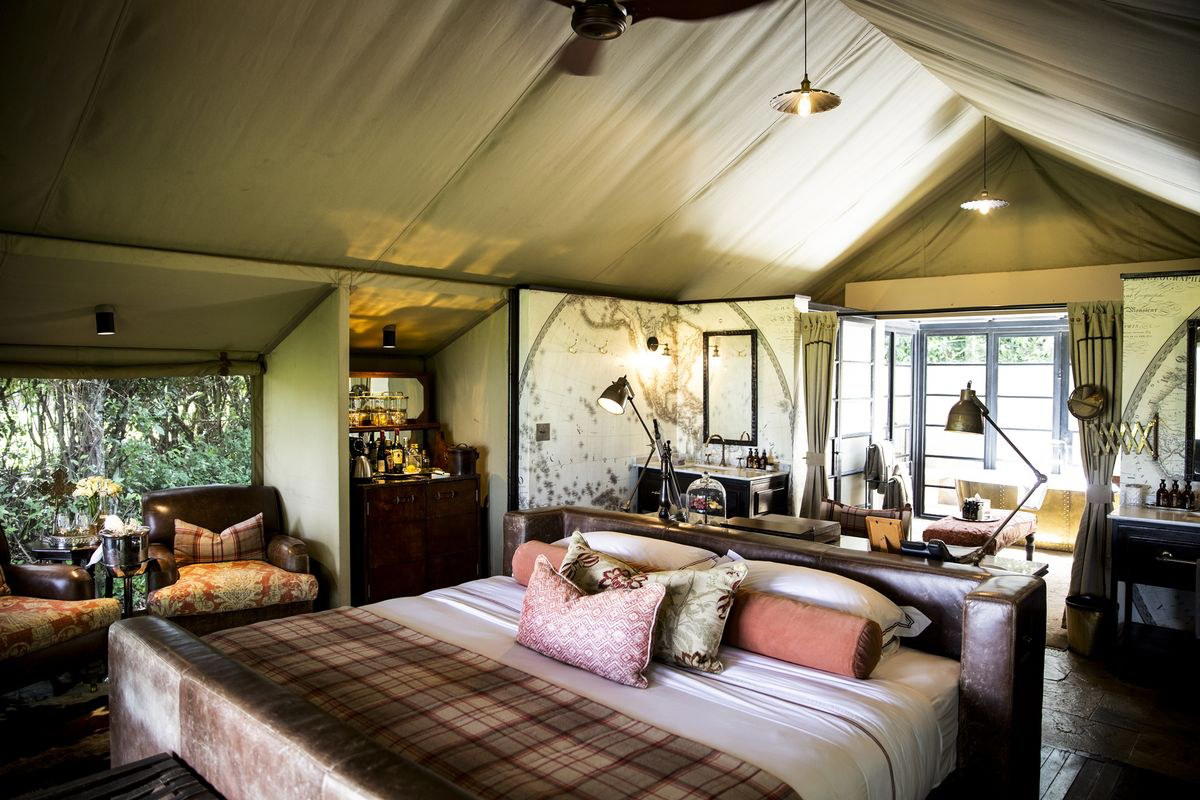
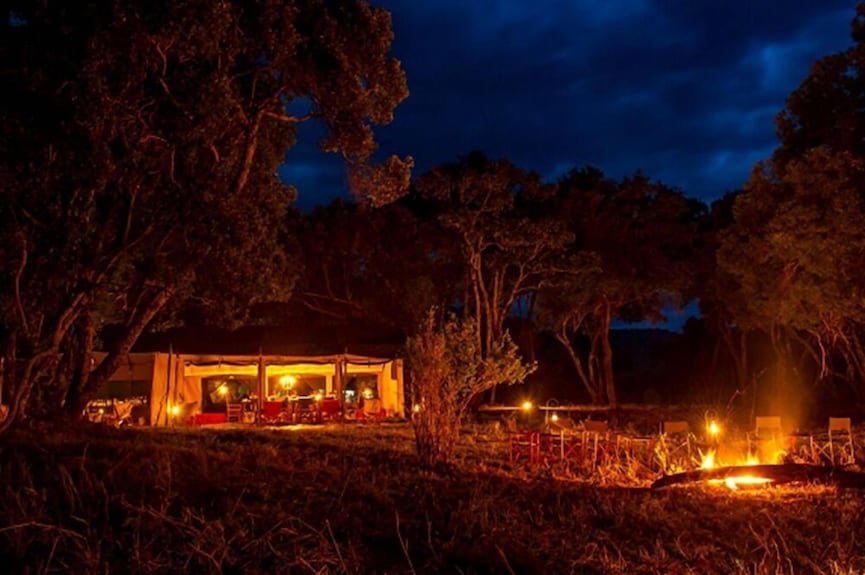
Serene and romantic safari atmosphere with warm, attentive hospitality; many meals are enjoyed outdoors or in a brick pavilion and decks overlooking the Maasai Mara, often by lantern or candlelight, creating an intimate yet relaxed lodge setting rather than a formal restaurant feel.