Our verdict
Boma in the Maasai Mara belongs to the camp-dining tradition of Kenya’s safari circuit, where provenance, setting, and timing matter as much as formal restaurant structure. Expect the editorial interest to sit less in chef-led theatrics and more in how food operates inside a reserve: practical, place-aware, and shaped by the rhythms of game drives and camp life.

Pearl is the En Primeur Club membership app — saves, bookings, and concierge access live there. Same editors, same standards.
The menu
What to order
- Grilled meats from open barbecue
- Kenyan dishes from traditional pots
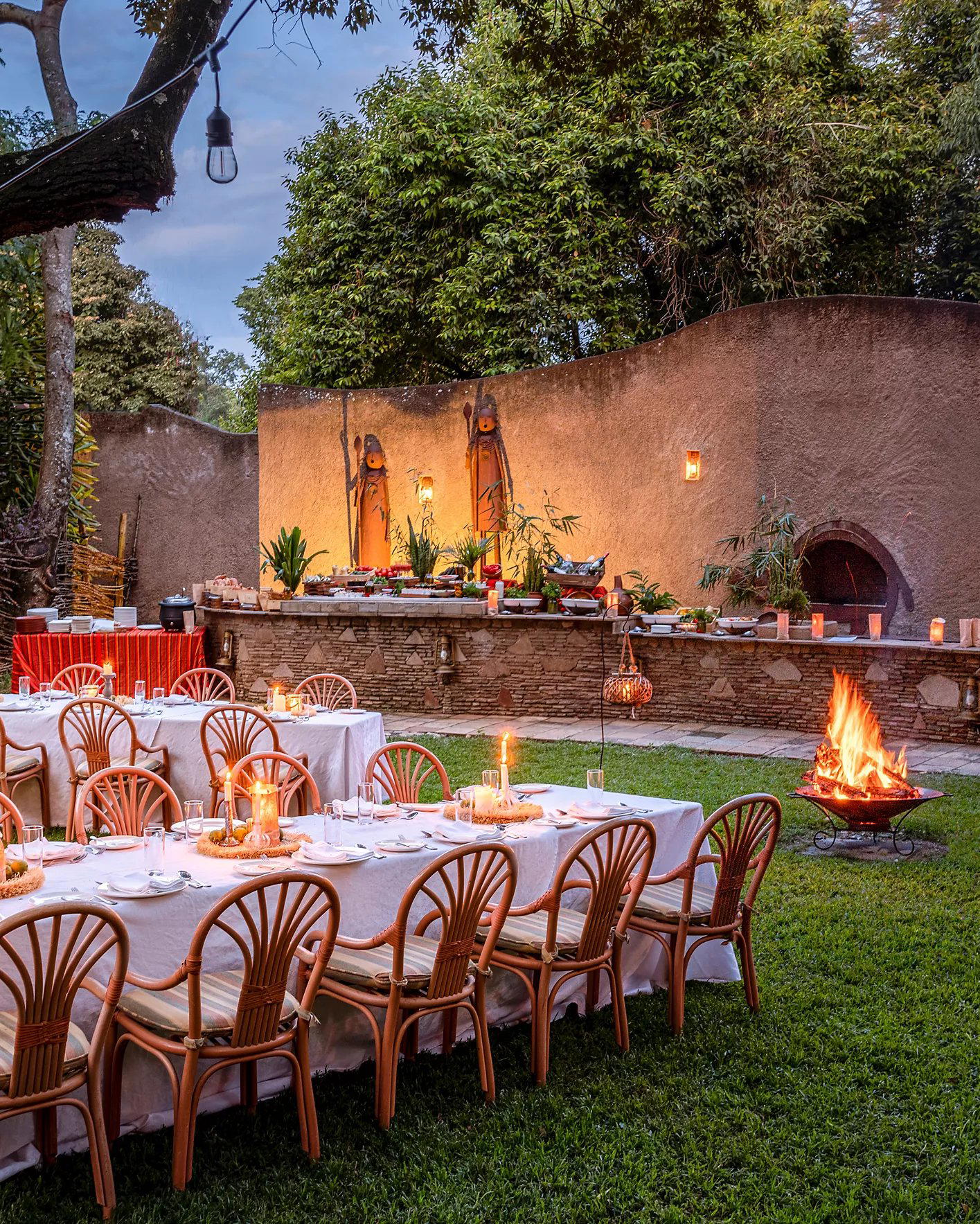
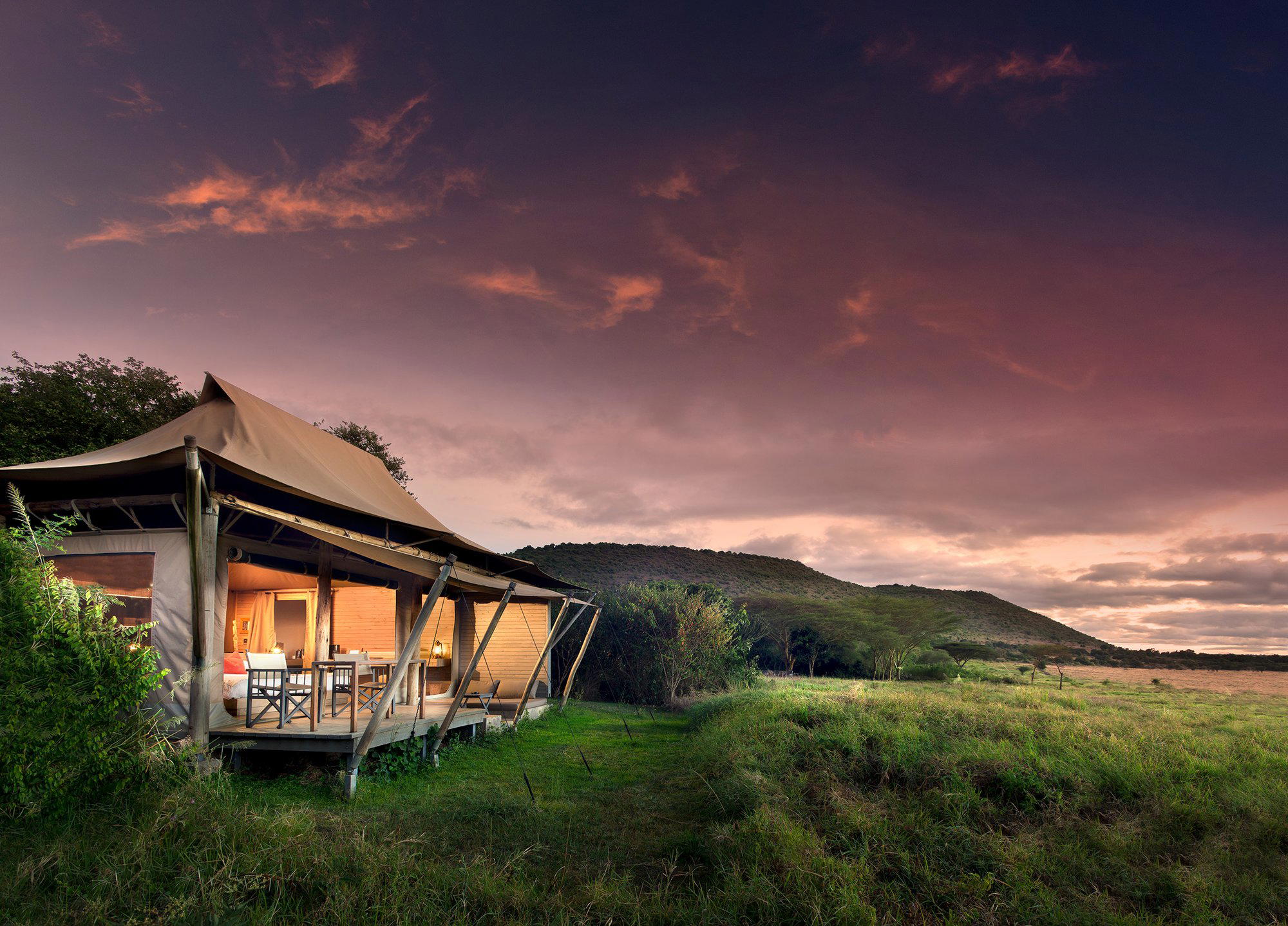
Approach dining in the Maasai Mara and the first cue is not a façade or dining room choreography, but the reserve itself: open grassland, camp paths, lantern light after dusk, and the low shift from day heat to evening cool. In this part of Kenya, restaurants rarely behave like urban destinations. They sit inside a larger safari schedule, where meals are planned around early drives, long transfers, and the concentration of guests back in camp after sunset.
Boma is part of the Maasai Mara National Reserve setting, and that matters more than any conventional restaurant label. The word “boma” carries regional weight, commonly associated with an enclosure or gathering place, and safari dining often borrows from that idea: food as a social pause after a day spent outside, rather than a separate night out. The stronger reading here is not fine-dining theatre, but place-based hospitality inside a protected landscape.
Safari dining works differently when the reserve sets the pace
In Nairobi, Mombasa, or Diani, a restaurant can compete on chef identity, standalone reservations, cocktails, or late-night energy. In the Mara, the competitive frame changes. The meal has to suit early starts, dust, weather, supply routes, and guests arriving from game drives at the same time. That makes sourcing and logistics part of the story. Freshness is not only a kitchen preference; it is a planning discipline in a remote reserve where ingredients, staff movement, and storage all require tighter coordination than they would in a city.
This is why camp restaurants across Kenya tend to reward restraint. Menus in safari settings often lean on broadly familiar formats because guests come from different countries and eat around fixed itineraries, but the better operations use local produce, Kenyan staples, and grill-led cooking to keep the meal connected to its surroundings. Boma sits within that tradition. The editorial question is not whether it behaves like a capital-city restaurant, but whether it understands the setting well enough to make dinner feel grounded rather than imported.
For broader context, compare the Mara’s camp-led model with Angama Mara Dining Pavilion, another out-of-city reference point where the room, altitude, and safari schedule shape the dining proposition. The same contrast appears when looking across Kenya: other city restaurants belong to garden-city dining cultures, while coastal dining rooms answer to the coast. The Mara is its own category: remoteness is not an accessory, it is the operating condition.
Ingredient sourcing is the quiet test in the Mara
Safari dining often gets judged too generously because the surrounding landscape does so much emotional work. That is a mistake. A reserve setting can make an ordinary meal feel more memorable than it is, but it cannot fix weak sourcing or careless pacing. The more useful test is whether the kitchen treats ingredients as part of the place rather than as hotel inventory. In the Mara, that can mean simple cooking, less decoration, and a menu built to survive the realities of distance without losing clarity.
Kenya gives safari kitchens a useful pantry: vegetables, fruit, meat traditions, fish in some parts of the country, and wider regional influences that travel inland through everyday cooking. Not every Mara table will use all of that range, and no specific dish should be assumed without a current menu, but the national context matters. A camp meal feels more convincing when it reflects Kenyan supply lines and cooking habits rather than defaulting entirely to international hotel language.
The stronger version of this format is also social. After a day in the reserve, guests do not need a hushed temple of gastronomy; they need a room or outdoor setting that can carry conversation, appetite, and the mild disorientation that follows hours spent watching wildlife. Boma’s Maasai Mara National Reserve location places it squarely in that safari rhythm. Its value lies in how it supports the day around it: a meal as recovery, orientation, and shared account of what happened outside.
How to place it within a Kenya itinerary
For travellers mapping food across Kenya, the Mara should not be compared too directly with coastal seafood rooms, Nairobi garden restaurants, or lodge dining in other reserves. It should be read as a category of hospitality where access, timing, and setting are inseparable from the plate. Boma restaurant in Maasai Mara fits that category for readers who want the dining experience to remain close to the logic of camp life.
A useful Kenya itinerary may pair the Mara with different dining registers: highland dining for upland context, Rift Valley dining for overland travel, coastal restaurants for the coast, or other lodge-led models for comparison. Readers planning the wider destination can also use Our full Maasai Mara National Reserve restaurants guide, alongside Our full Maasai Mara National Reserve hotels guide, Our full Maasai Mara National Reserve bars guide, Our full Maasai Mara National Reserve wineries guide, and Our full Maasai Mara National Reserve experiences guide.
The verdict is measured: Boma is interesting because it belongs to a dining culture where the supply chain, the camp, and the reserve carry as much meaning as the menu. Readers seeking chef biography, awards theatre, or urban polish will find stronger signals in other kinds of dining destinations. In the Mara, the smarter question is whether dinner feels properly adapted to safari life. That is the frame in which this address makes sense.
Frequently asked questions
Is Boma okay with children?
Yes, Boma’s setting in Maasai Mara National Reserve makes it a natural fit for family stays in the reserve. It reads more like lodge dining than a formal city restaurant in Kenya.
Is Boma formal or casual?
Boma is casual in tone, shaped by its location in Maasai Mara National Reserve. The setting points to safari lodge dining rather than a polished urban dining room.
How do I find Boma?
Maasai Mara National Reserve.
Do they take walk-ins at Boma?
The location in Maasai Mara National Reserve suggests advance planning is sensible, especially in a lodge-led safari itinerary. For a venue in this setting, walk-in flexibility is usually less predictable than in a city restaurant.
What's the standout thing about Boma?
Its main draw is the location: Boma sits in Maasai Mara National Reserve. That reserve address defines the experience more than chef identity or a formal tasting-menu format.
Side-by-Side Snapshot
Comparable venues by cuisine and price in the same metro.
| Venue | Cuisine |
|---|---|
| BomaThis venue — the venue you are viewing | Maasai‑inspired African barbecue |
Continue exploring
More in Maasai Mara National Reserve
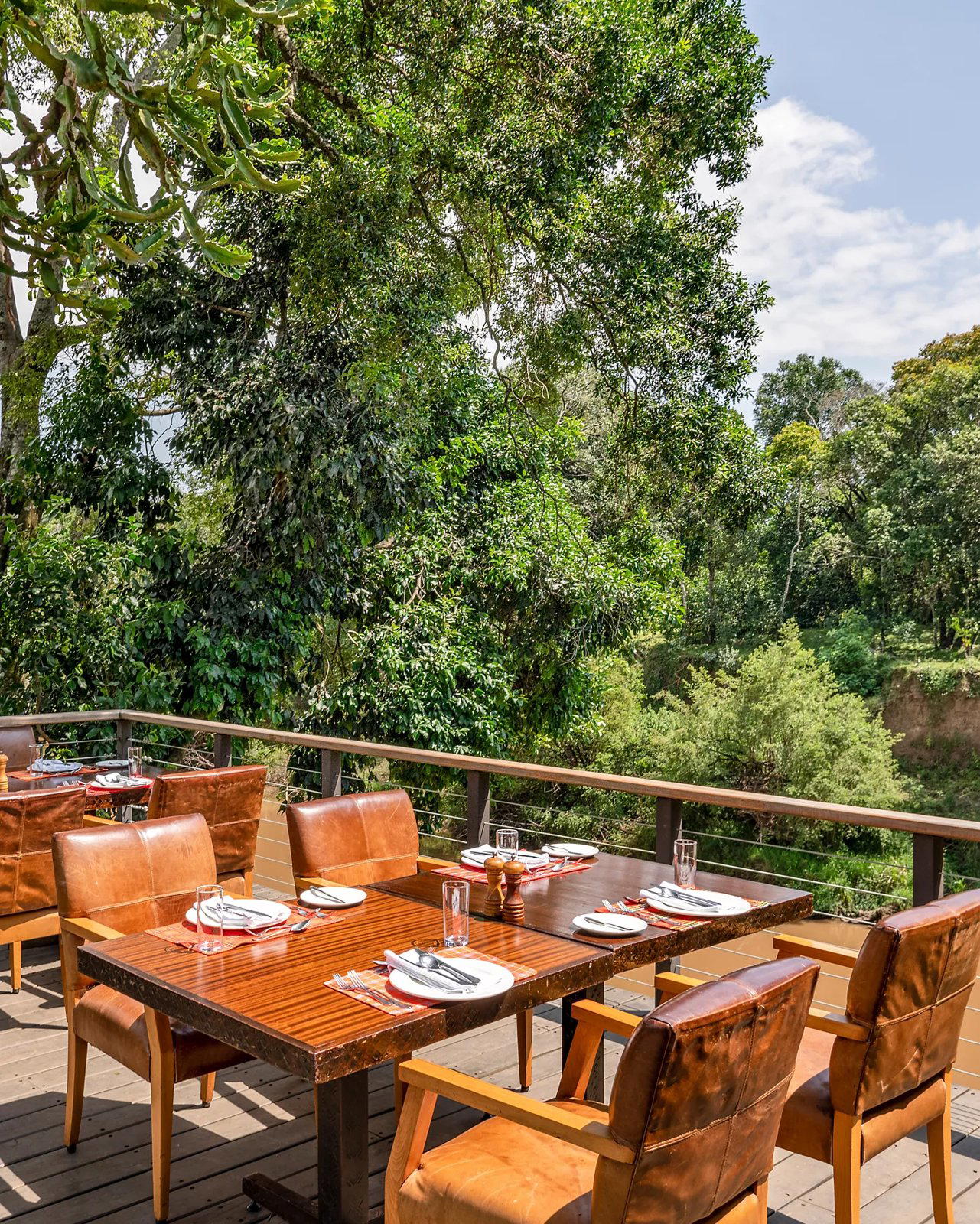
Restaurants in Maasai Mara National Reserve
All restaurants in Maasai Mara National Reserve →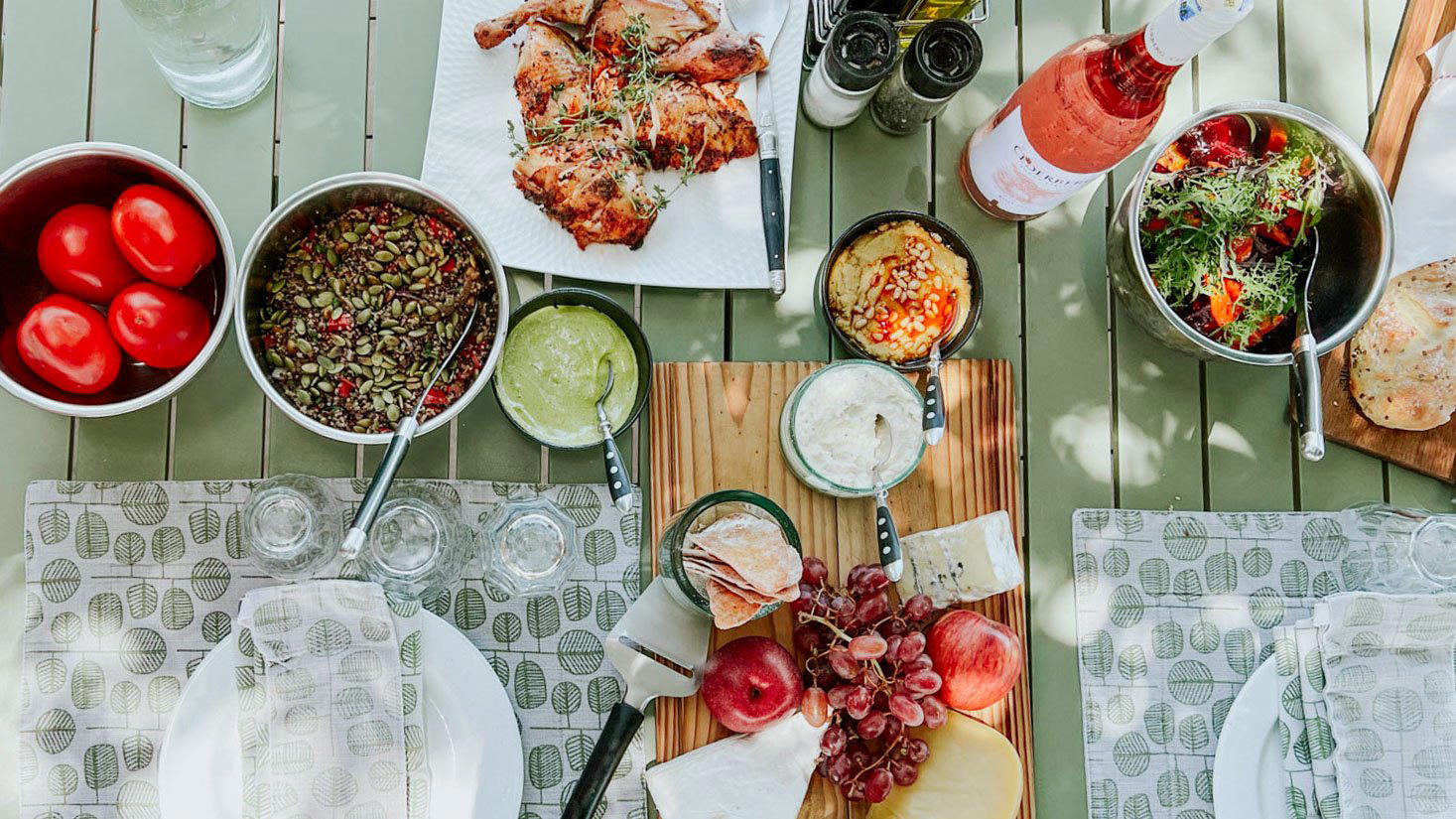
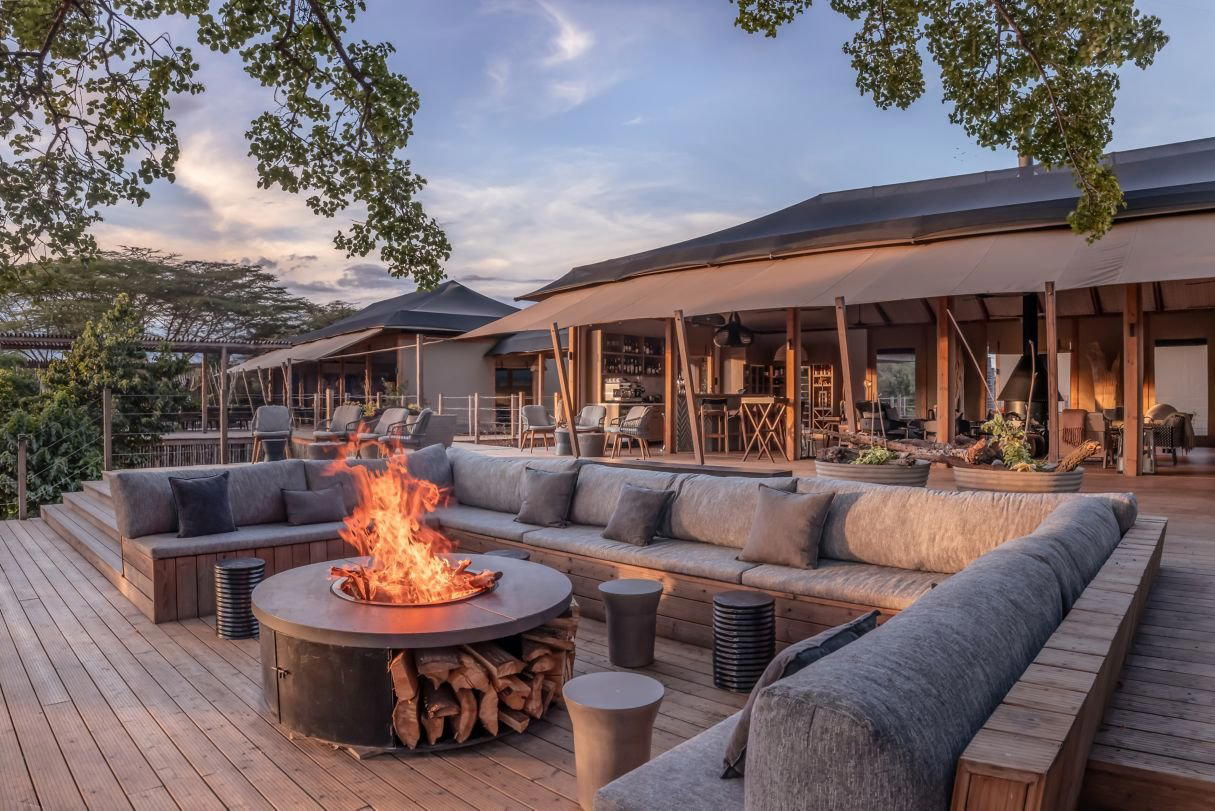
Bars in Maasai Mara National Reserve
Browse all →
Details
- Rustic
- Scenic
- Romantic
- Well Known
- Date Night
- Group Dining
- Family
- Special Occasion
- Live Music
- Garden
- Hotel Restaurant
- Terrace
- Courtyard
- Local Sourcing
- Garden
- Mountain
- Buffet
- Family Style
- Beer
- Wine
- Spirits
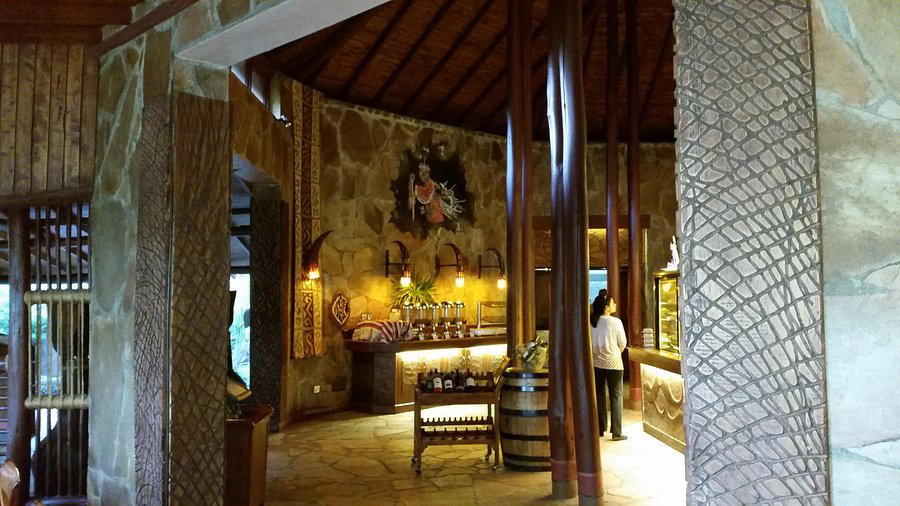
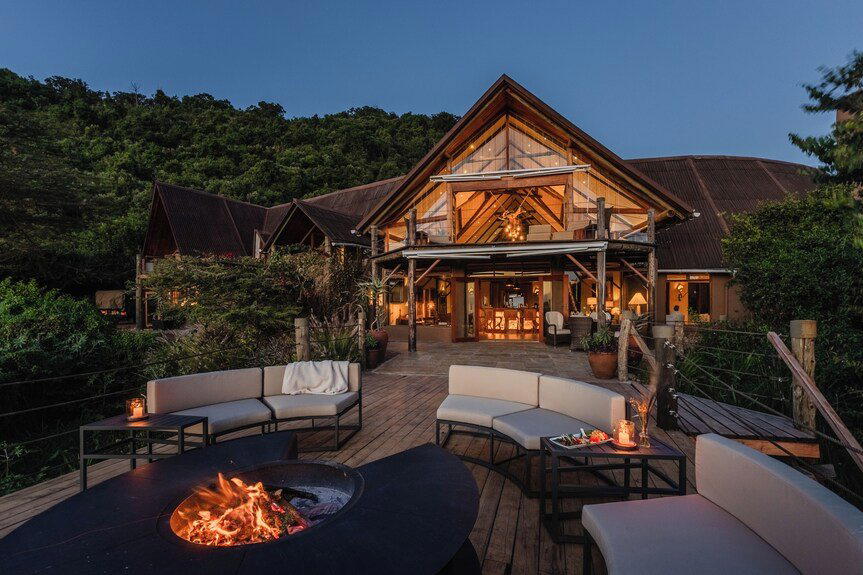
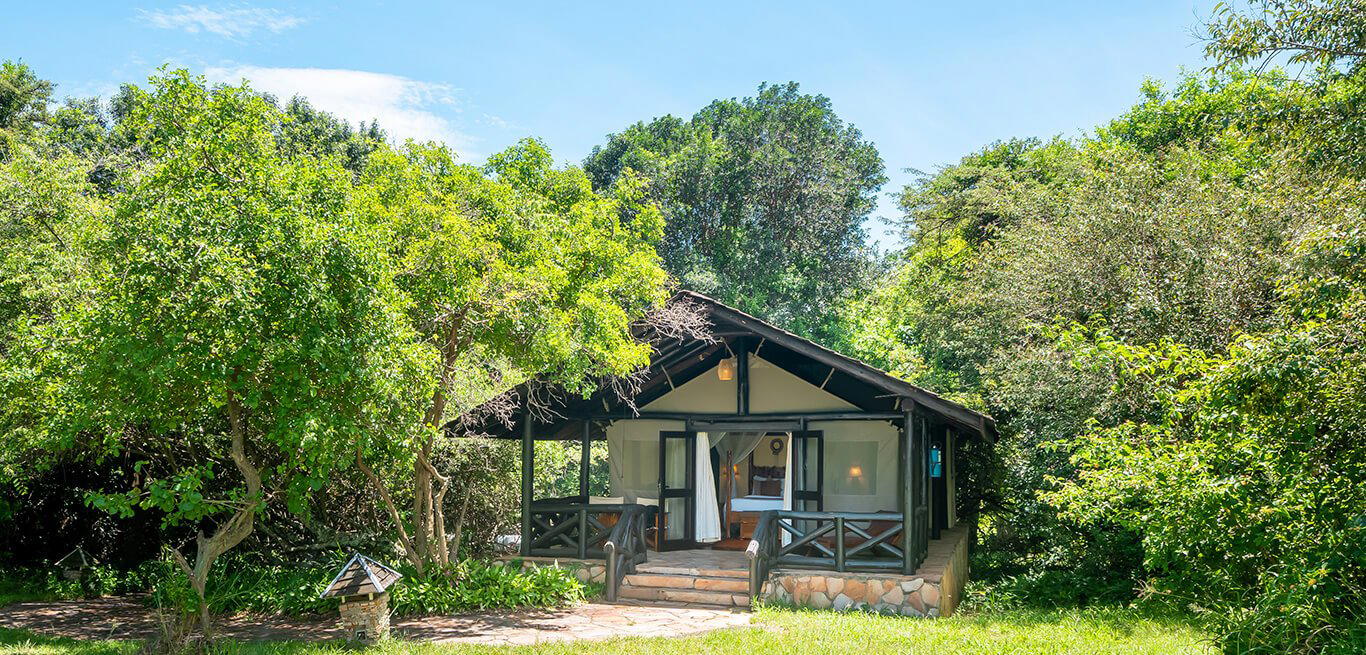
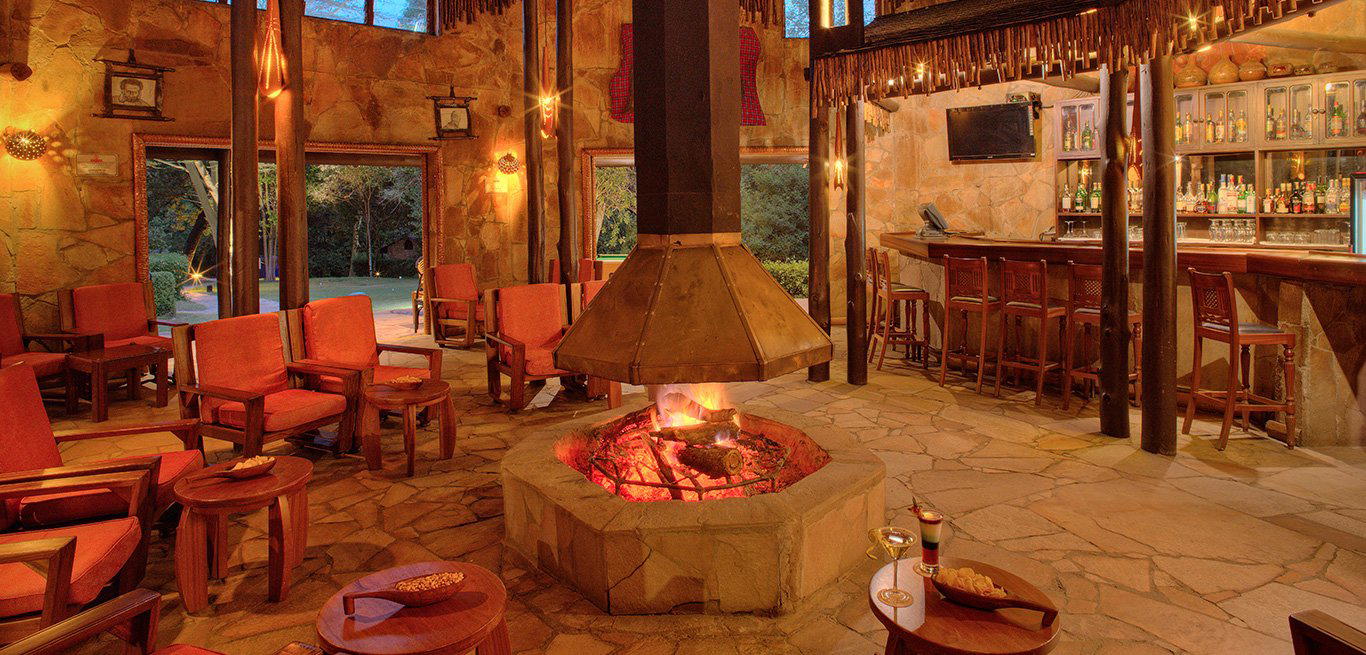
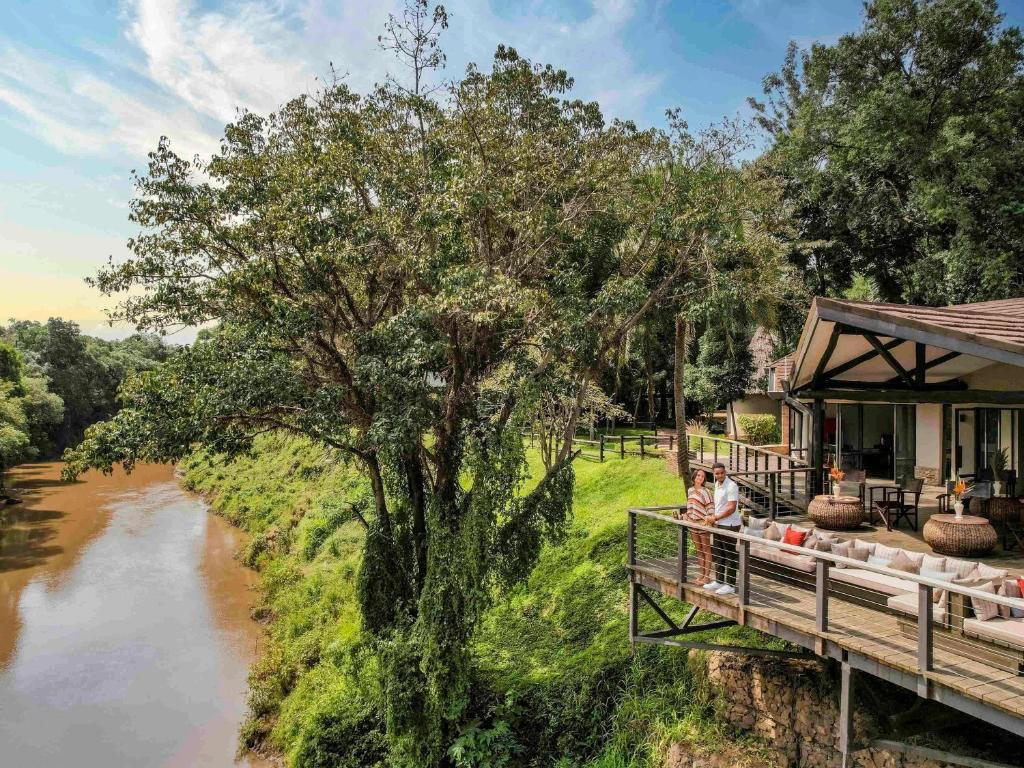
Atmosphere is immersive and rustic with a central fire, Maasai cultural elements, and open‑air nighttime dining that feels intimate yet social rather than formal hotel‑style.