Our verdict
Amber belongs in the Nassau conversation for travelers comparing resort-district dining with the city’s broader island food culture. With no public awards, chef, cuisine, price, or format listed, the useful read is contextual: judge it against Nassau’s seafood-led sourcing expectations, Paradise Island convenience, and the stronger documented formats around it.

Pearl is the En Primeur Club membership app, where members save venues, book tables and use the concierge.

Nassau dining begins with scale: resort corridors, polished dining rooms, and menus designed for travelers who may have arrived from New York, Miami, London, or Toronto that morning. Amber sits inside that orbit, where the dining question is less about discovery than fit. Nassau can do formal resort restaurants, coastal dining, comfort cooking, imported dining formats, and Bahamian casual plates within the same short radius. The smart read is to place Amber within that spread rather than treat it as a standalone claim.
Nassau dining is strongest when the island supply chain is visible
The Bahamas has a clear culinary advantage when restaurants work close to the water: conch, grouper, snapper, spiny lobster in season, citrus, pepper, rice, peas, plantain, and the sweet-salt rhythm that defines everyday island cooking. Resort dining in Nassau often softens those edges for international guests, but the better meals keep some relationship to local sourcing and coastal habits. That sourcing question matters more here than a long list of adjectives. A restaurant in Nassau earns attention when the plate makes sense in the Bahamas, not when it is reproduced in any hotel district.
Amber has no listed cuisine type, chef, price range, or signature dishes, so it should be approached as a room to assess by menu specificity. Look for whether seafood is identified with care, whether Bahamian ingredients appear as more than garnish, and whether the kitchen commits to a point of view rather than covering every resort-dining category at once. In Nassau, a broad menu is common; a disciplined one is more useful.
Nassau sits between resort polish and the wider restaurant map
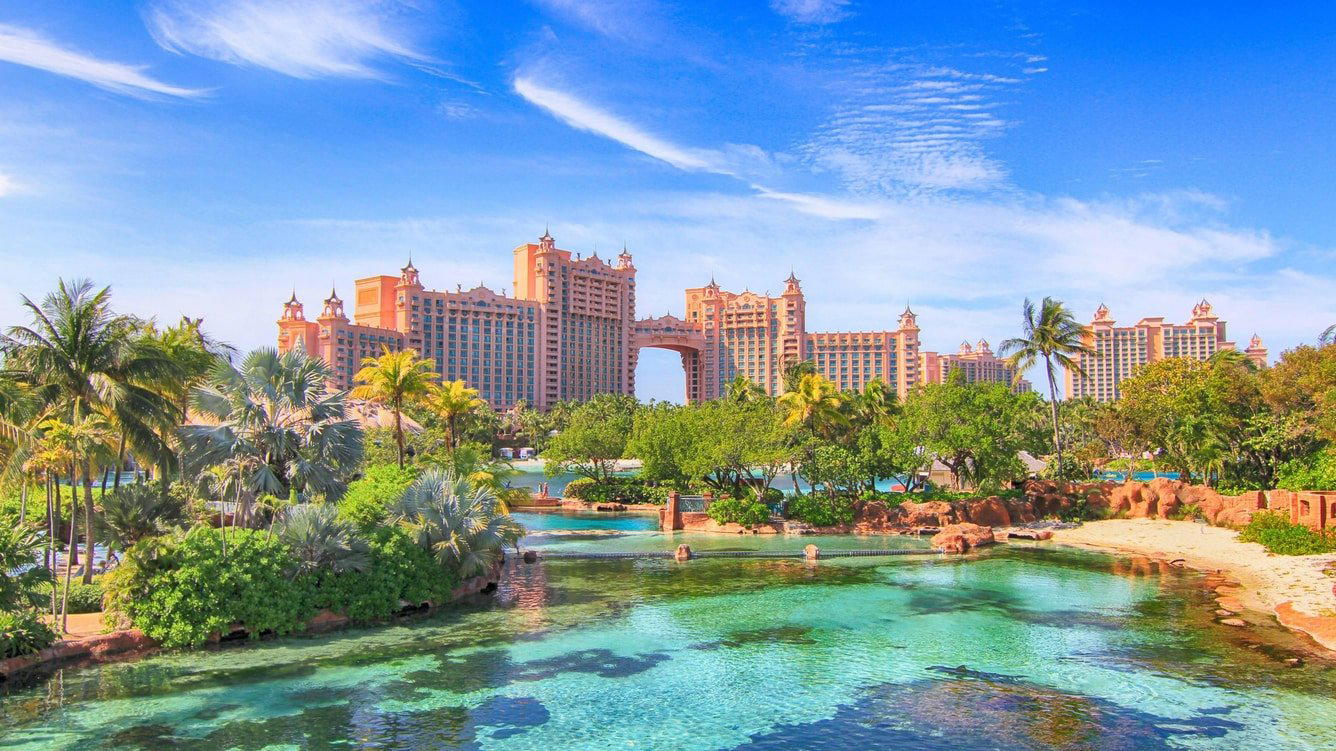
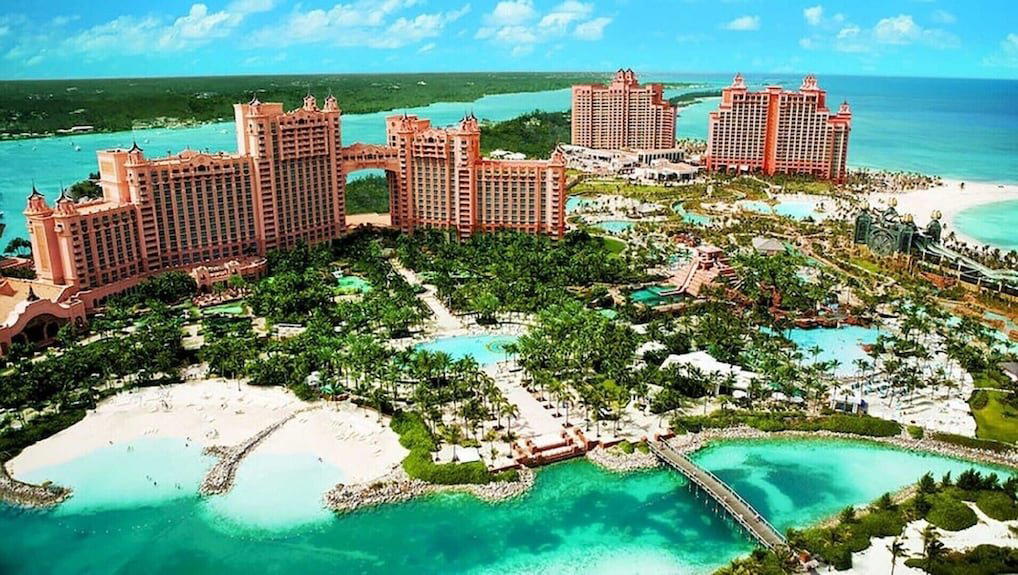
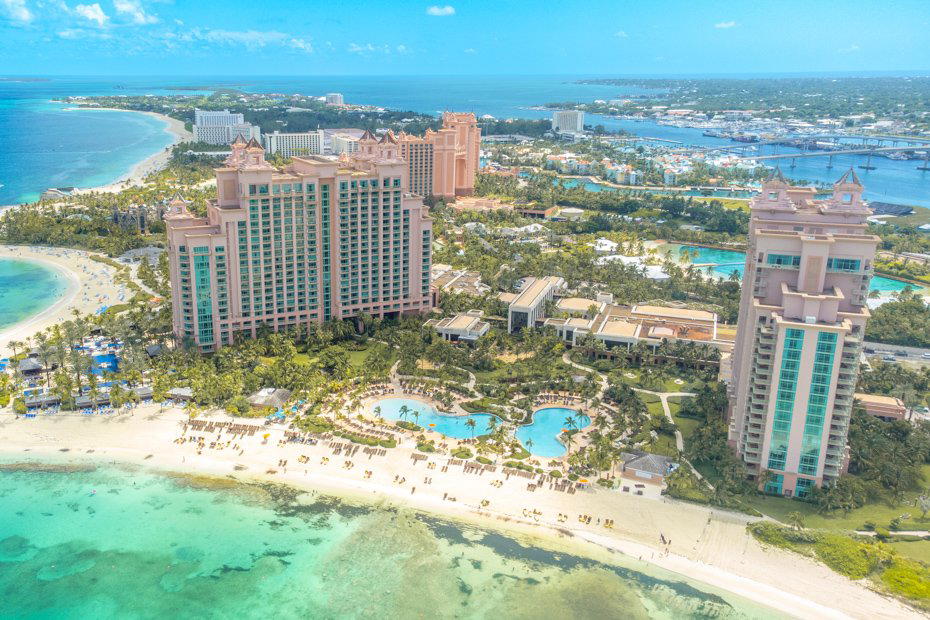
The immediate competitive set in Nassau is heavy with resort restaurants that serve visitors who value predictability, air-conditioning, and a short route back to the room. Nearby names such as Paranza by Michael White, Seafire Steakhouse, Café Martinique, Fish by José Andrés, and Nobu frame the area as a concentrated hospitality zone rather than a purely local dining neighbourhood. That matters for expectations: service format, room design, and international reference points often carry as much weight as local food culture.
For a broader Nassau read, compare Amber with other city and island restaurants that sit outside the same resort frame. Other Nassau dining rooms show how varied the capital’s restaurant field has become, from casual island cooking to international hotel dining. For planning across the city, Our full Nassau restaurants guide gives the wider restaurant map, while Our full Nassau hotels guide, Our full Nassau bars guide, Our full Nassau wineries guide, and Our full Nassau experiences guide help sort the rest of the trip around the table.
How to judge Amber against the Bahamas dining field
The useful test is direct: if Amber’s menu leans into seafood, island produce, and a coherent kitchen identity, it has a reason to exist in Nassau beyond convenience. If it reads as a general resort restaurant, its value depends on timing, group needs, and proximity. That is not a dismissal. In a city where many visitors are moving between beaches, hotels, boats, and family plans, convenience can be a legitimate dining criterion. It just should not be confused with culinary authority.
Travelers extending beyond Nassau can read Amber against a wider Bahamas and coastal dining field through other island dining rooms, where the experience can change as the setting moves away from the capital’s resort concentration. For an unrelated but useful contrast, consider highly specific dining formats in other cities, where narrow focus is the point rather than broad resort coverage.
The verdict is conditional but clear. Amber is most sensible for travelers already oriented around Nassau who want to compare the room and menu against the city’s seafood-led expectations. It is a weaker choice for diners building an itinerary around documented chef credentials or a defined cuisine format, because those signals are not attached to the listing. In Nassau, that distinction matters: the city rewards diners who separate convenience from evidence.
Frequently asked questions
Does Amber work for a family meal?
Yes, Amber in Nassau can work for a family meal, especially where resort dining usually keeps the pace flexible. The Nassau setting also makes it a practical choice for mixed-age groups staying in the city.
What's the overall feel of Amber?
Amber reads as resort dining in Nassau: practical, polished, and built around an easy city dining rhythm rather than a high-formality tasting counter. That setting suits guests who want a straightforward dinner in Nassau.
What's the address for Amber?
Amber is located in Nassau.
What's the best way to book Amber?
The most direct route is through the venue or its host property in Nassau, where reservations are typically handled for in-house dining. For a Nassau restaurant, advance planning helps more than a last-minute walk-up.
What is Amber known for?
Amber is identified as a Nassau dining venue, placing it within the city’s resort-oriented restaurant circuit. That Nassau setting is the clearest marker of the venue’s role in the island dining scene.
How does Amber handle allergies?
The kitchen at Amber should be told about allergies in advance, ideally when arranging a table in Nassau. That gives the front-of-house team time to flag restrictions before service begins.
Comparable Spots, Quickly
Comparable venues by cuisine and price in the same metro.
| Venue | Cuisine | Price | Awards |
|---|---|---|---|
| Amber | Contemporary French Fine Dining | Not listed | 3 Michelin Stars · World's 50 Best #90 |
| Paranza by Michael White | Italian Coastal Seafood | Not listed | Wine Spectator Award of Excellence |
| Seafire Steakhouse | American Steakhouse Chophouse | Not listed | Not listed |
| Fish by José Andrés | Modern Bahamian Seafood | $100–150 | Not listed |
| Nobu | Japanese-Peruvian Fusion | $150–200 | Not listed |
Continue exploring
More in Nassau
Restaurants in Nassau
All restaurants in Nassau →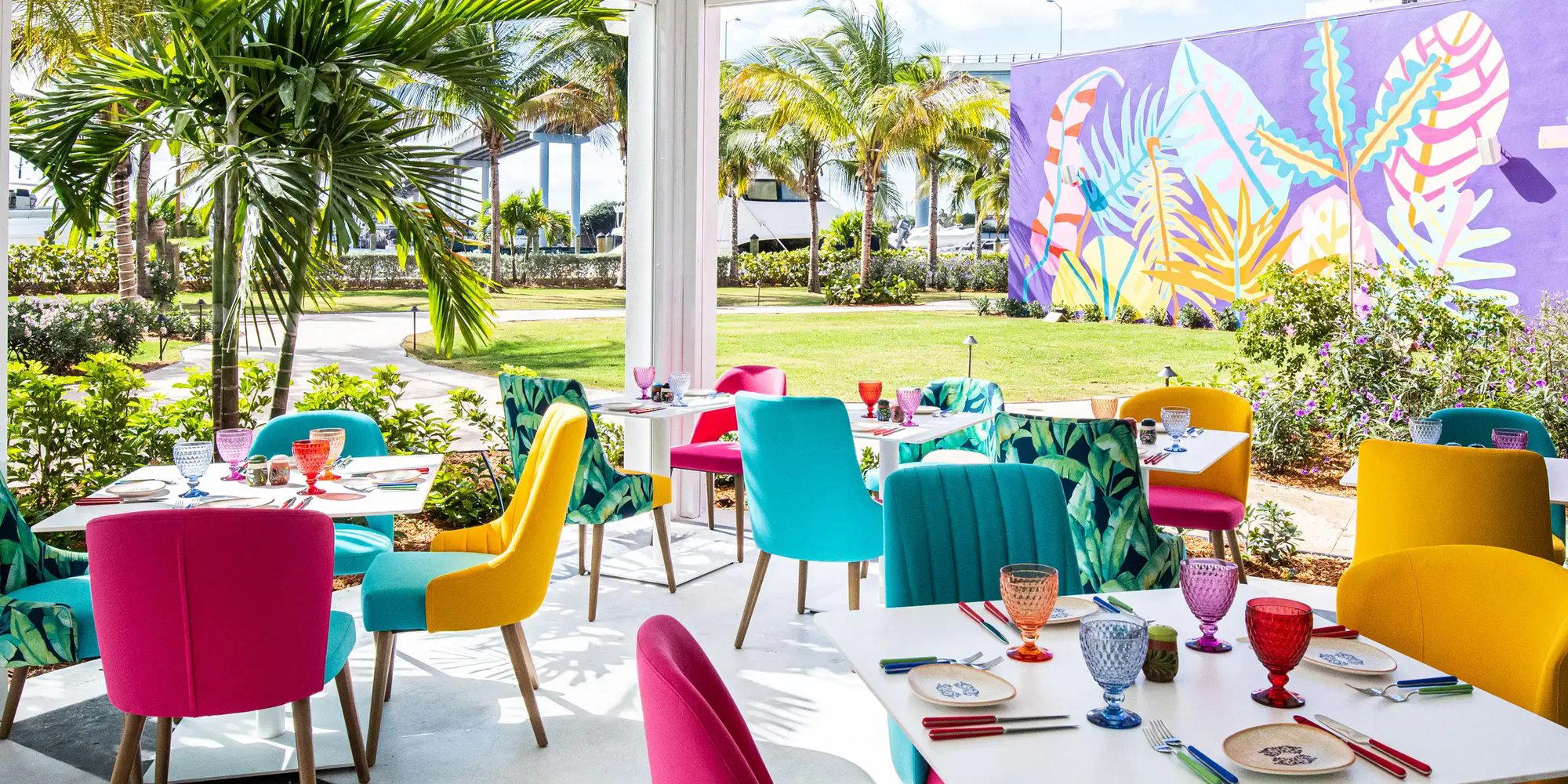
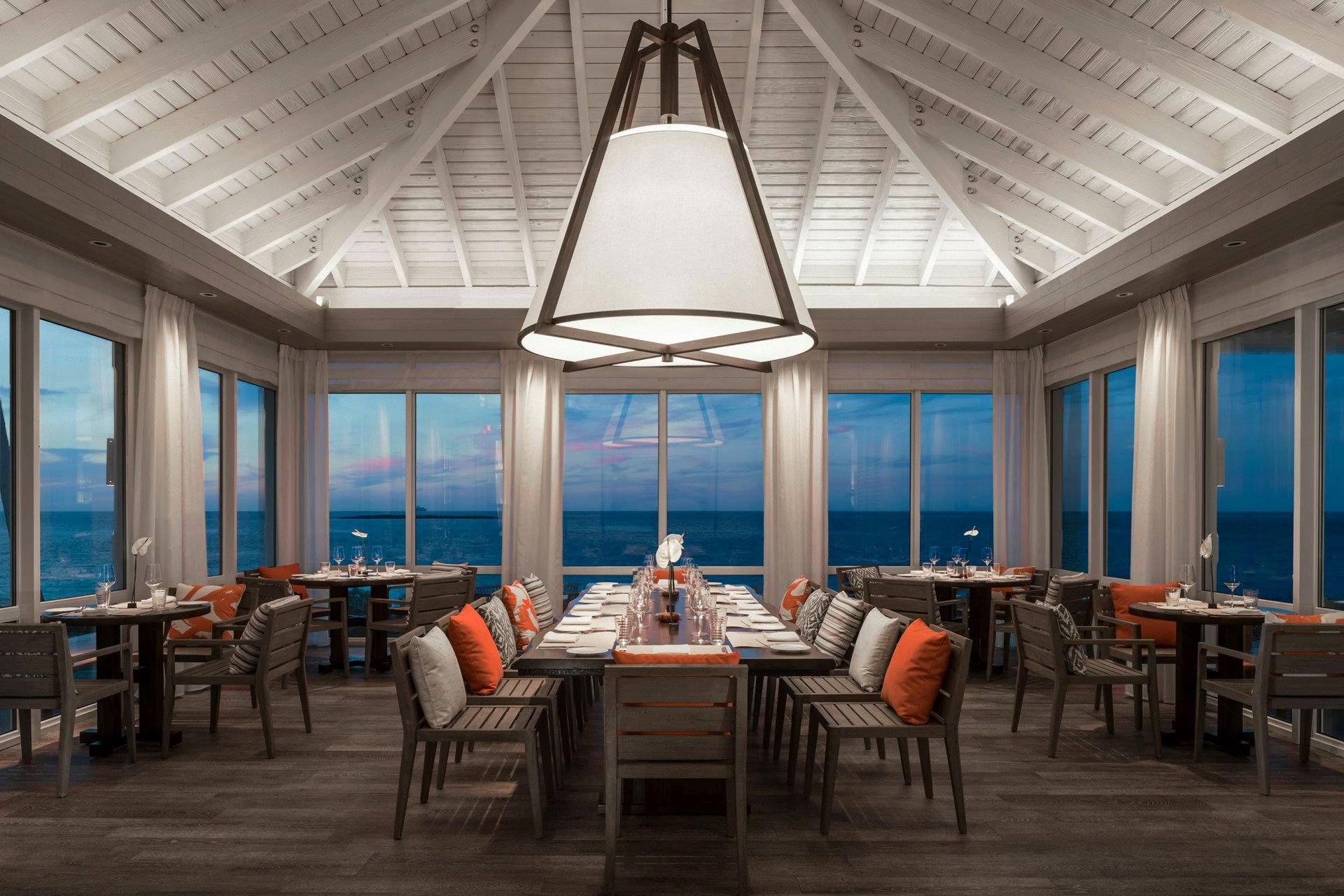
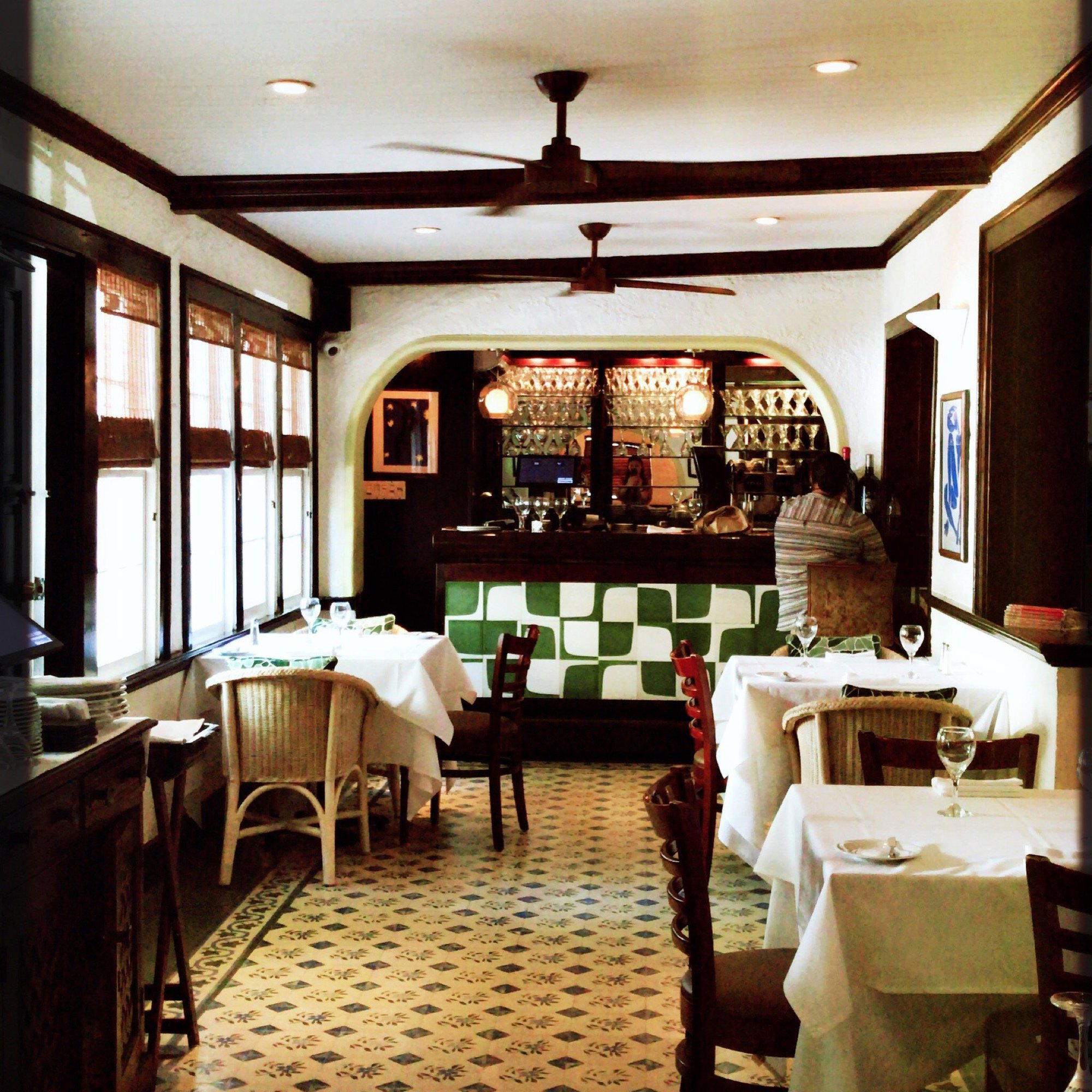
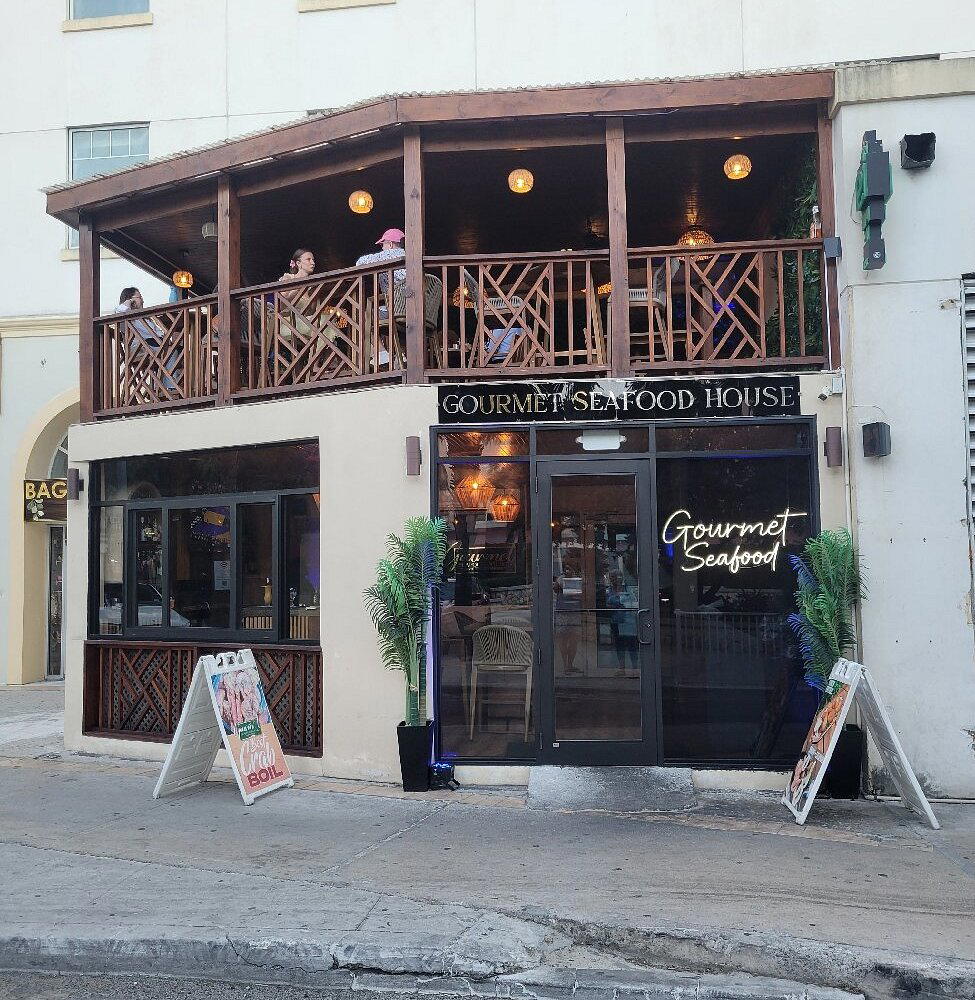
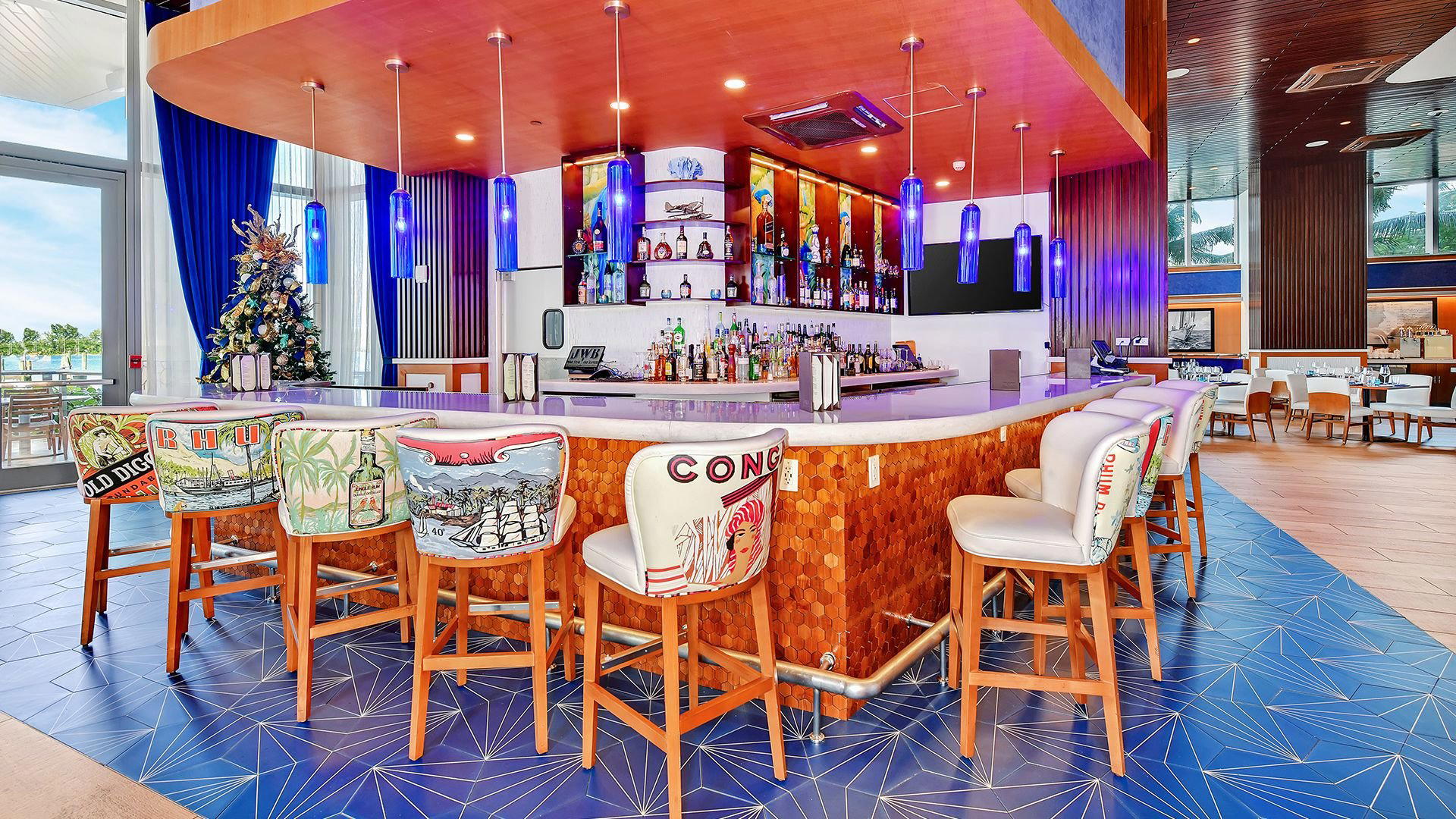
Bars in Nassau
All bars in Nassau →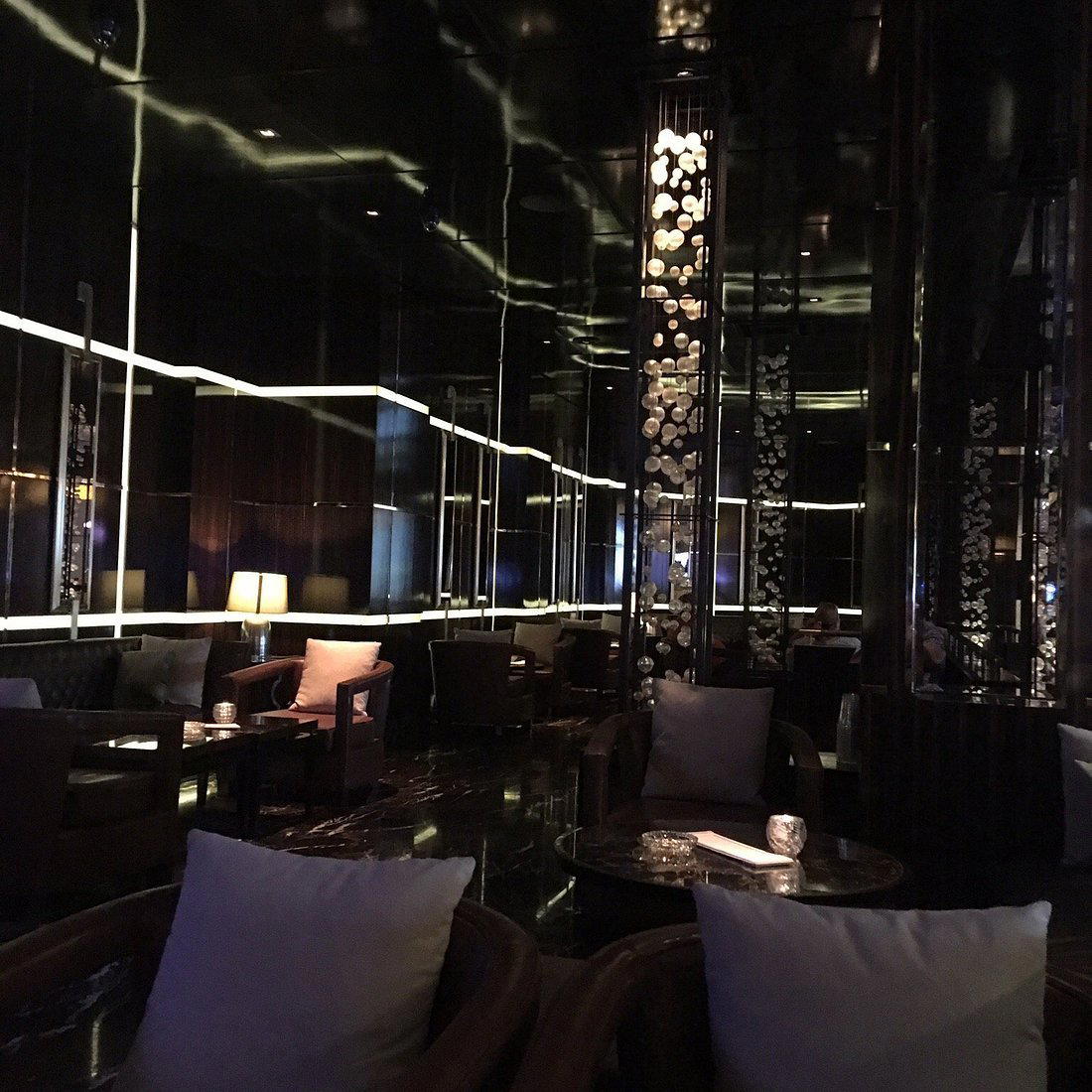
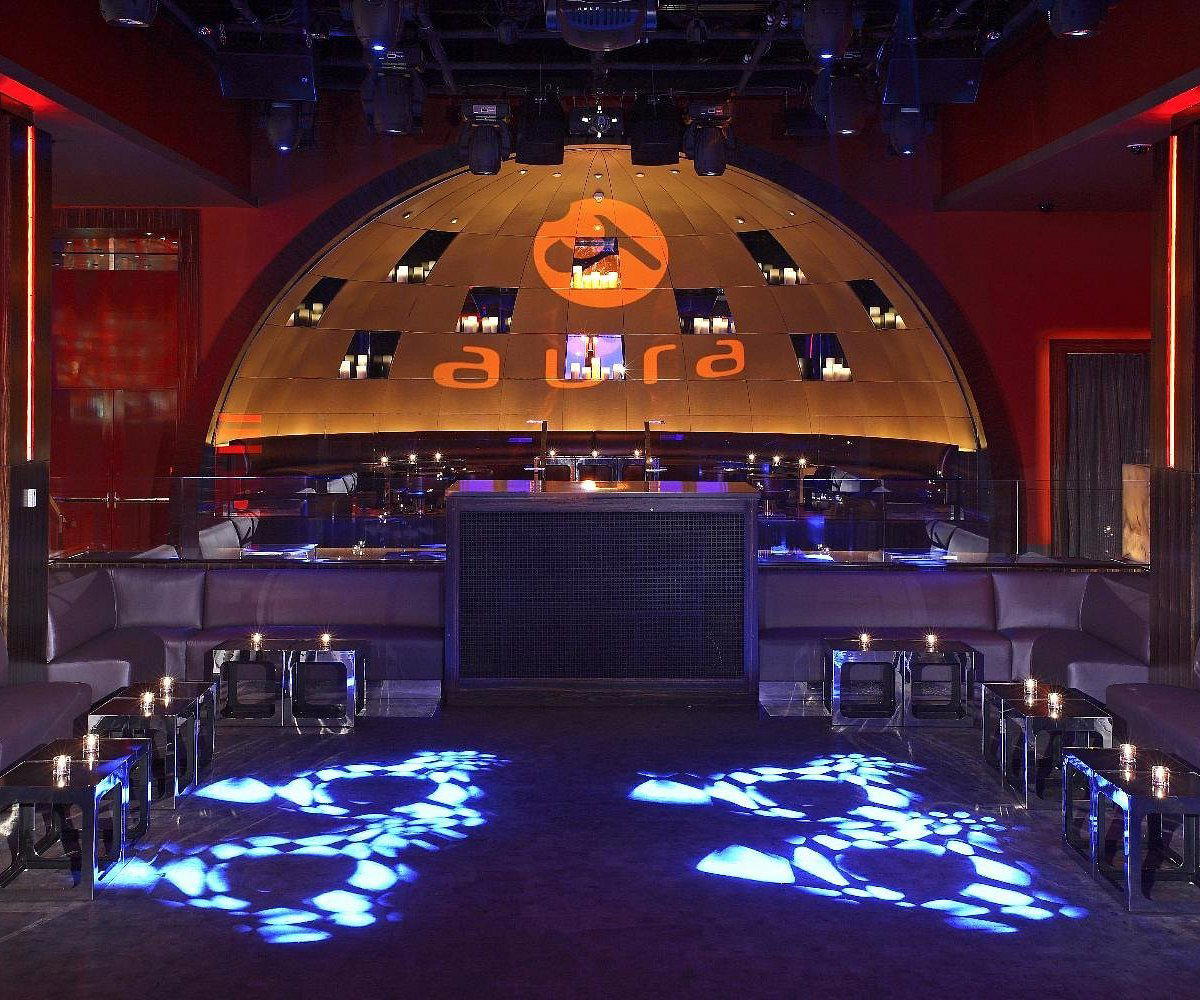

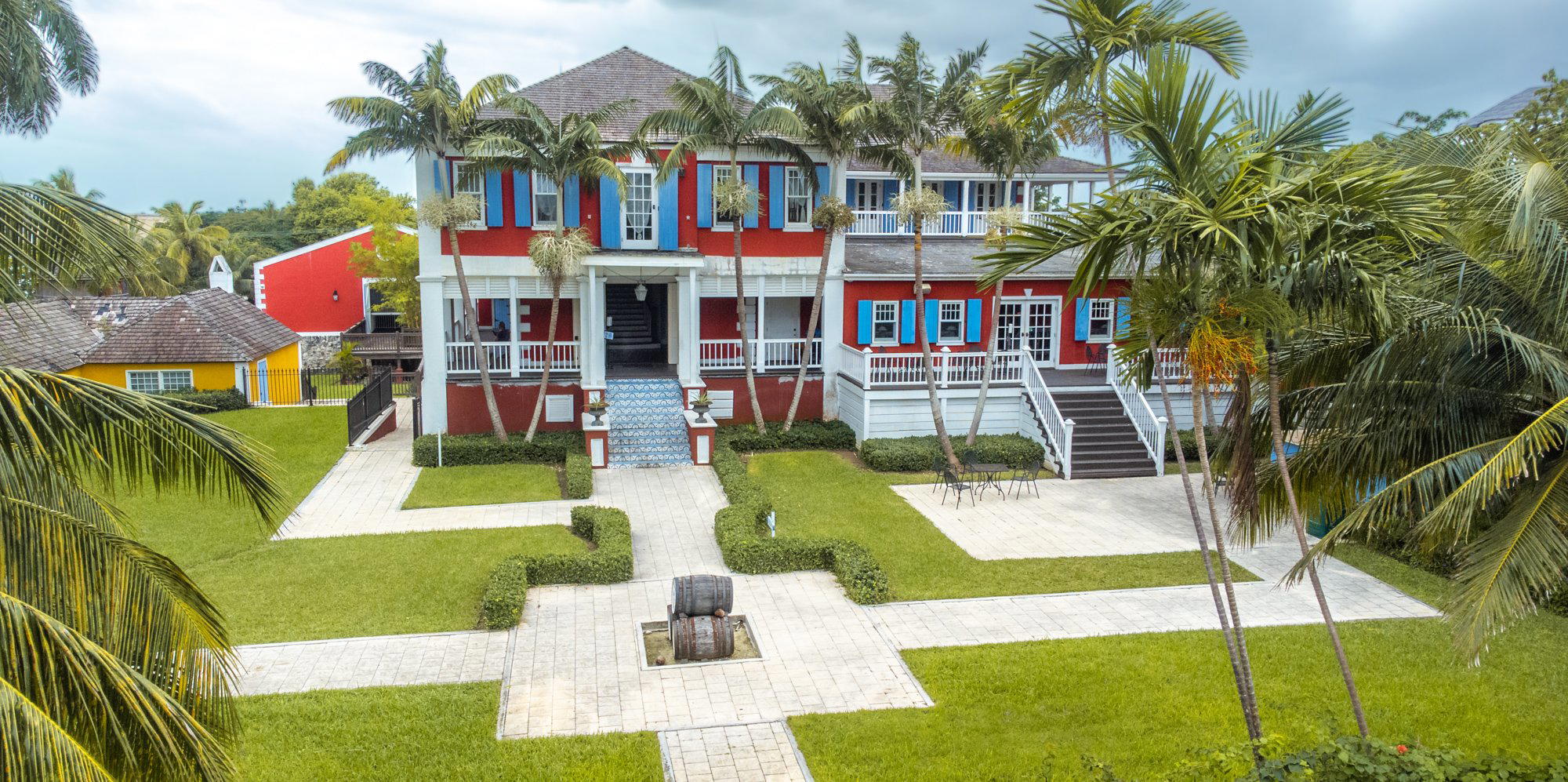
Details
- Modern
- Lively
- Scenic
- Energetic
- Trendy
- Family
- Group Dining
- Casual Hangout
- Date Night
- Celebration
- Late Night
- Hotel Restaurant
- Terrace
- Waterfront
- Design Destination
- Local Sourcing
- Waterfront
- A La Carte
Refined yet relaxed resort restaurant with warm, modern design, lively social energy, and a welcoming, family-friendly atmosphere suited to both casual lunches and polished dinners.