The Culver Hotel
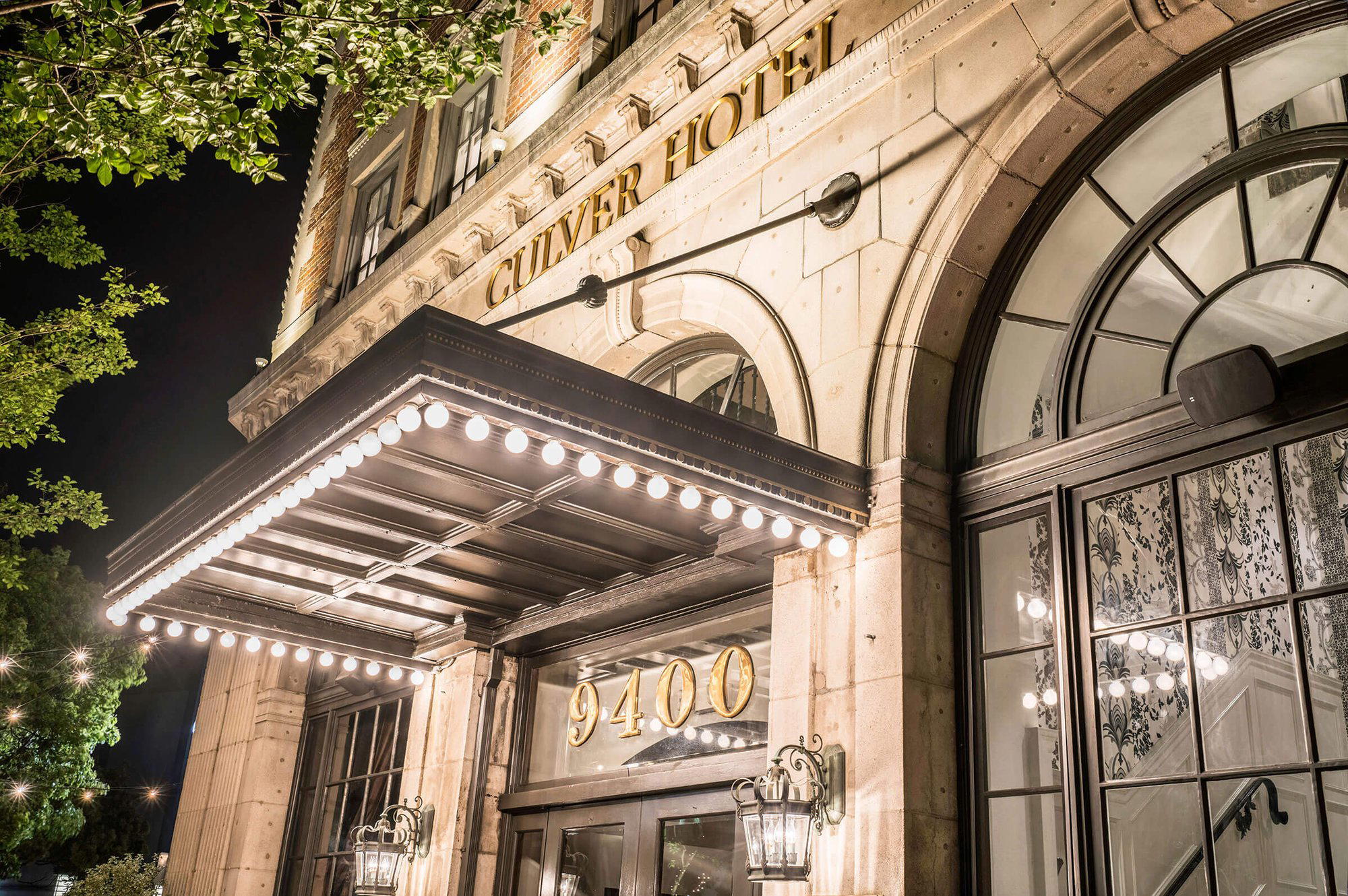
A 1924 Spanish Colonial Revival building at the center of Culver City's civic identity, The Culver Hotel has served as a landmark long before the neighborhood's current creative renaissance. The property sits at 9400 Culver Blvd, where its distinctive triangular footprint and terracotta facade have anchored the district for a century. For travelers already tracking Culver City's dining and arts scene, it functions as both address and orientation point.

Pearl is the En Primeur Club membership app, where members save venues, book tables and use the concierge.
A Building That Preceded the Neighborhood's Reputation
Culver City's rise as a creative district, home to major studio campuses, gallery clusters, and some of Los Angeles's more serious restaurant openings, has drawn renewed attention to the architecture that was already here. The Culver Hotel, at 9400 Culver Blvd, predates all of it. Completed in 1924 and designed in the Spanish Colonial Revival style that California's civic builders favored in the early twentieth century, the property occupies a triangular city block at the convergence of Culver Boulevard and Washington Boulevard. That triangular footprint is not incidental, it is the defining spatial fact of the building, visible from three directions and responsible for the wedge-shaped floor plates that give the interior rooms their unusual geometry. Few hotels in the Los Angeles area carry a comparable density of verifiable local history attached to a single address.
Spanish Colonial Revival, the stylistic framework, was more than an aesthetic choice in 1920s Southern California. It carried civic ambition: a regional identity distinct from East Coast classicism, drawing on the Spanish mission precedents of the California coast and the hacienda typology of the interior. The Culver Hotel's facade, terracotta tile, arched openings, ornamental ironwork, belongs to that lineage. In a city that frequently demolishes its own history, the building's survival across a century of ownership changes, industry cycles, and neighborhood reinventions is the kind of detail that clarifies its position relative to other Los Angeles-area hotels with historic claims. See comparisons like Hotel Bel-Air in Los Angeles for a different vintage of Southern California hospitality, or The Fifth Avenue Hotel in New York City for how pre-war architecture translates into a contemporary hotel offer in another major American market.
The Physical Experience: What the Triangular Plan Produces
The triangular building form is worth dwelling on because it shapes the guest experience in ways that a conventional rectangular hotel block does not. Corridors converge rather than run parallel. The corner rooms at the building's apex are angular rather than square. Views from the upper floors sweep across Culver City's low-rise grid in multiple directions simultaneously. This is the kind of spatial particularity that distinguishes historic adaptive-reuse hotel projects from purpose-built hospitality construction, and it is the reason that historic building hotels attract a specific traveler: one who finds the geometry of an old structure more interesting than the predictable efficiency of a modern floor plan.
American historic hotels that have remained in operation long enough to carry genuine institutional memory tend to cluster in two categories: those that traded on celebrity associations, and those that held their place through civic centrality. The Culver Hotel belongs to the second type. Its location at the intersection of two of Culver City's primary commercial streets means it has functioned as a social gathering point across different eras of the neighborhood, rather than as a destination hotel removed from the street life around it. That relationship to the public realm distinguishes it from resort-format properties in the California portfolio, such as Auberge du Soleil in Napa or Post Ranch Inn in Big Sur, where the guest experience is defined by enclosure and removal from surrounding activity. The Culver Hotel faces outward.
Culver City as Context for the Property
Understanding why the property matters to a contemporary traveler requires understanding where Culver City has moved in the past decade. Once defined primarily by its film studio infrastructure, the neighborhood now holds a concentrated patch of serious dining, contemporary art spaces, and design-focused retail between its historic downtown blocks and the former industrial corridors to the west. For the full picture of what the area offers, our full Culver City restaurants guide maps the dining context in detail. The hotel's address at Culver Blvd puts it within walking distance of most of what defines the neighborhood's current character, which is a practical advantage that a Westside traveler using a Santa Monica or Beverly Hills address would not have.
The broader California boutique and historic hotel market has expanded significantly in recent years, with properties like Bernardus Lodge and Spa in Carmel Valley and SingleThread Farm Inn in Healdsburg setting a high bar for what design-led or heritage-positioned California properties deliver at the top of the market. The Culver Hotel operates in a different register, urban, pedestrian, embedded in a working neighborhood, which makes the comparison set less about amenity depth and more about what kind of access to a city the address provides.
Planning a Stay: What Visitors Should Know
The hotel sits on one of Culver City's most central intersections, accessible from Los Angeles International Airport in roughly fifteen to twenty minutes under light traffic conditions. For guests arriving from other California destinations, the property's downtown Culver City position also connects to the Expo Line light rail, which runs to Santa Monica and downtown Los Angeles. Direct booking details and current room configurations are available on the property's own channels; the website should be the first point of contact for rate and availability checks given that pricing and room tier information changes seasonally.
For travelers building a broader California itinerary that includes this property, the state offers a wide range of reference points at different price tiers and formats: 1 Hotel San Francisco in San Francisco for sustainability-positioned urban lodging; Canyon Ranch Tucson in Tucson for a wellness-anchored alternative in the broader Southwest; Amangiri in Canyon Point for those extending the trip into the desert interior. Domestic alternatives in the adaptive-reuse and historic-building category include Chicago Athletic Association in Chicago, Troutbeck in Amenia, and Raffles Boston in Boston.
Comparison Snapshot
| Venue | Price | Awards |
|---|---|---|
| The Culver HotelThis venue (the venue you are viewing) | Not listed | Not listed |
| Aman New York | Not listed | 3 Michelin Keys · World's 50 Best #87 |
| Amangiri | $1,000–1,500 | 3 Michelin Keys · World's 50 Best #45 |
| Hotel Bel-Air | $750–1,000 | 3 Michelin Keys · World's 50 Best #57 |
| The Beverly Hills Hotel | Not listed | 3 Michelin Keys · World's 50 Best #65 |
| The Carlyle, A Rosewood Hotel | $1,500–2,500 | 2 Michelin Keys · World's 50 Best #64 |
Continue exploring
More in Culver City
Hotels in Culver City
All hotels in Culver City →
Bars in Culver City
All bars in Culver City →
Restaurants in Culver City
All restaurants in Culver City →
Wineries in Culver City
Browse all →
Details
- Classic
- Elegant
- Well Known
- Historic
- Cozy
- Romantic Getaway
- Business Trip
- Weekend Escape
- Historic Building
- Wi Fi
- Fitness Center
- Room Service
- Concierge
- Wheelchair Accessible
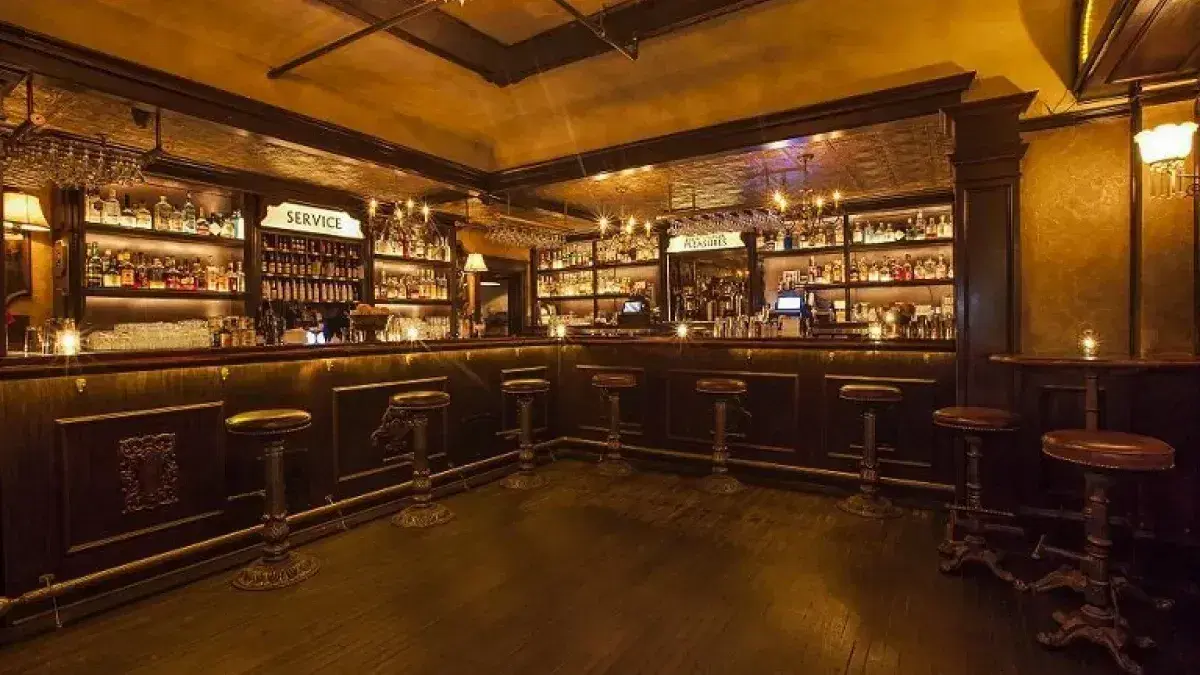
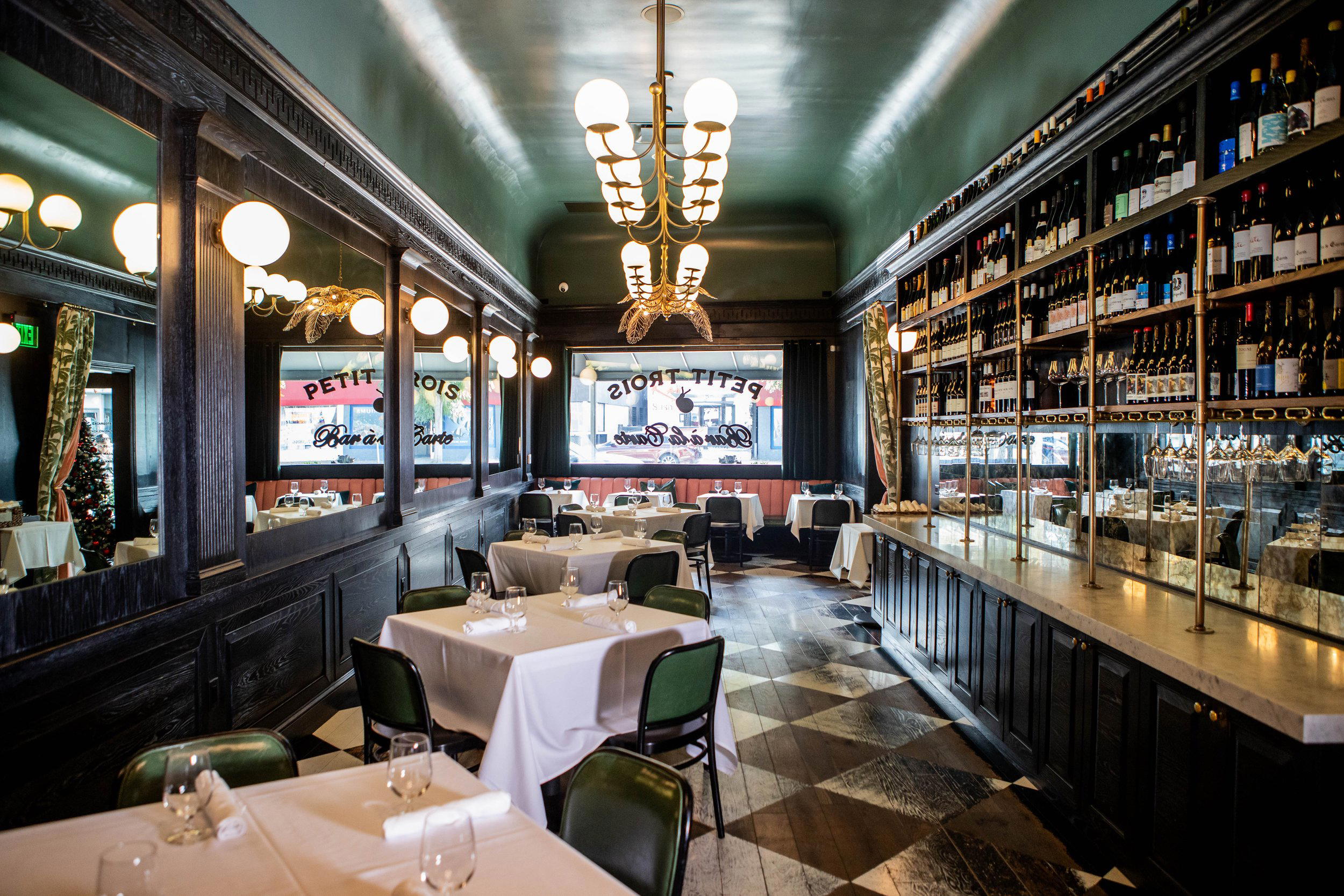
Vintage chic with European parlor atmosphere, featuring chandeliers, velvet furnishings, live jazz in the lobby turning it into a swinging supper club, and a speakeasy vibe lounge.