Pullman Residences Yerevan belongs to a newer question in Armenia’s capital: how apartment-style hospitality fits a city better known for civic squares, Soviet-era planning, and heritage hotels. With public details still limited, the useful read is comparative rather than promotional, placing it beside Yerevan’s established hotel set and the broader rise of longer-stay urban residences.

Pearl is the En Primeur Club membership app, where members save venues, book tables and use the concierge.
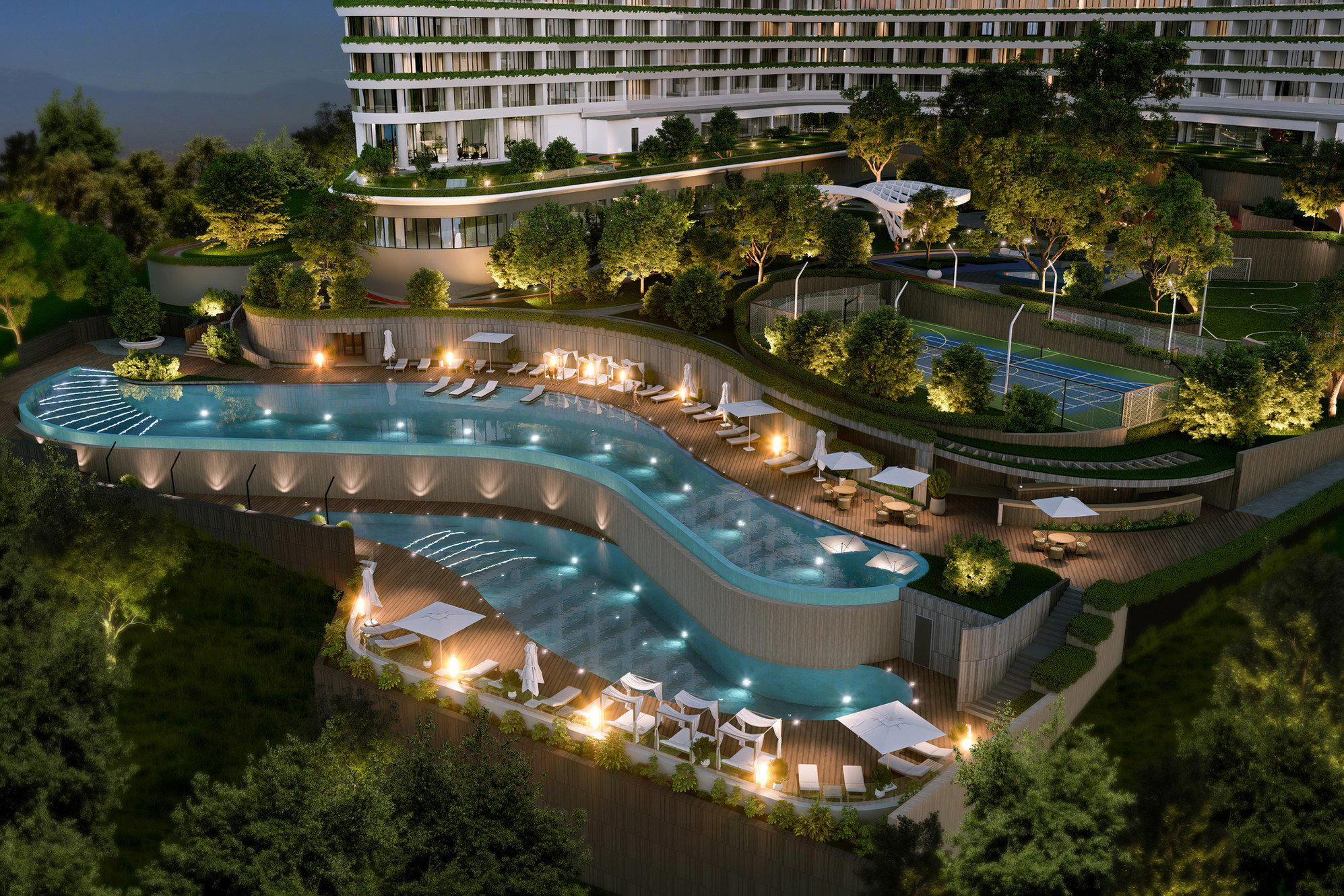
Arrival, scale, and the residence-hotel question in Yerevan
Yerevan announces itself through stone, width, and civic geometry: broad avenues, pink tuff façades, Republic Square’s formal proportions, and the sharp line of Mount Ararat when the weather allows. Against that urban language, Pullman Residences Yerevan is less a conventional hotel story than a signal of where the city’s premium hospitality is moving. The residence format changes the guest’s relationship with the capital. Instead of treating Yerevan as a two-night stop between monastery drives and wine-country excursions, it suggests a longer rhythm: morning meetings, late dinners, private space, and the ability to live with the city rather than simply pass through it.
That distinction matters in Yerevan because the capital’s hotel market has several personalities. Heritage-leaning central hotels trade on continuity and walkable access to the old civic core, while newer luxury properties point toward larger footprints, wellness infrastructure, and international-service expectations. Pullman Residences Yerevan sits in the apartment-hospitality lane, a format that has gained ground across secondary capitals where business travel, diaspora return, relocation, and extended leisure overlap. The available public record does not provide verified room count, address, star rating, awards, design studio, opening date, or price range, so any serious assessment has to begin with restraint. The relevant point is not a claimed amenity list; it is the category itself.
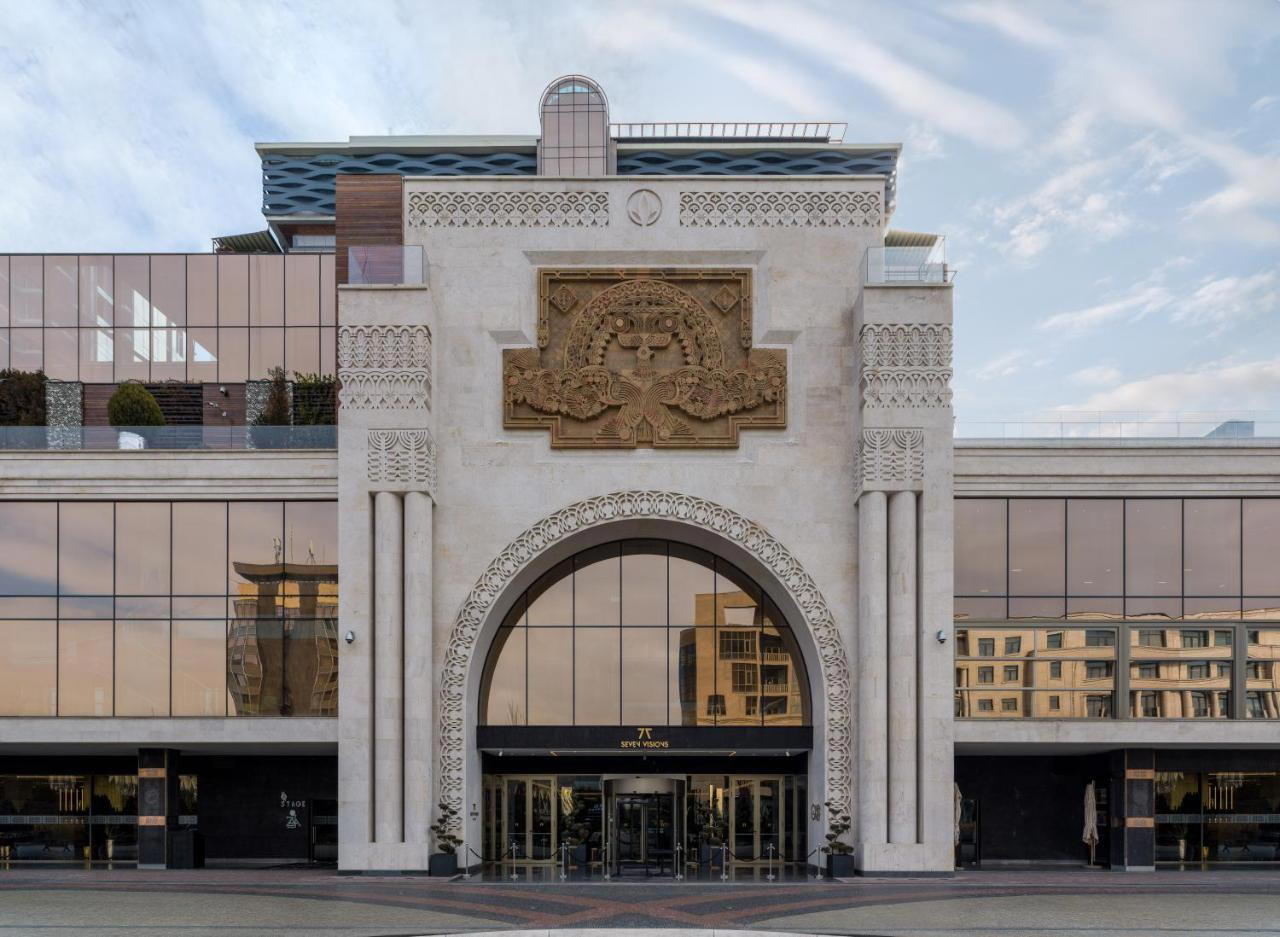
For comparison within Yerevan, Grand Hotel Yerevan speaks to the city’s classic central-hotel tradition, while Seven Visions Resort and Places, the Dvin represents the high-investment resort-hotel end of the market. The Alexander, a Luxury Collection Hotel, Yerevan gives Yerevan another international luxury reference point. Pullman Residences Yerevan should be read beside those properties not as a direct duplicate, but as part of a broader sorting of guest needs: short formal stays, resort-style urban retreats, branded luxury hotels, and residence-led accommodation.
Why design matters more in a residence format
Architecture and interior planning carry extra weight when a property is built around residences. In a hotel room, design can succeed through theatre: lobby arrival, corridor mood, a bed placed for the view, a bathroom planned for a short stay. In a residence, the test is slower and less forgiving. Storage, lighting, circulation, acoustics, work surfaces, privacy, and the transition between sleeping, cooking, meeting, and resting become part of the hospitality product. A city residence that photographs well but functions poorly loses its argument after a few days.
That is where Pullman Residences Yerevan belongs to a global pattern rather than a simple local arrival. In cities from Bangkok to Madrid, the upper end of hospitality has moved beyond the old divide between hotel and serviced apartment. Guests want hotel-grade operations without surrendering domestic space. The pattern is visible internationally: Mandarin Oriental Bangkok anchors old-school river hospitality, Mandarin Oriental Ritz, Madrid carries restored palace-hotel formality, and Aman New York shows how urban calm can become an architectural position. A residence in Yerevan has to answer a different brief, but the underlying shift is shared: design is no longer decoration after operations; design is the operating system.
Yerevan’s built environment also makes restraint valuable. The city already has strong visual identity through stone color, monumental squares, Soviet modernist remnants, and courtyard life. A residence that tries to overpower that context risks feeling imported. A more convincing approach, at least in principle, would work with proportion, light, material warmth, and privacy.
The Yerevan stay is increasingly longer and more layered
Yerevan has never been only a transit point, but its hospitality market is now being asked to support more complex patterns. Diaspora Armenians may stay for family, property, work, or cultural reasons. Regional travelers often combine the capital with temple sites, monasteries, brandy houses, and wine regions. Business guests need international reliability in a city where meetings can stretch into late dinners. Leisure travelers increasingly treat Yerevan as a base rather than a checklist stop.
This is where a residence-style property has editorial logic. It speaks to guests who care less about daily turn-down ritual and more about space, predictability, and autonomy. The appeal is not necessarily flash. It is the ability to settle into a city whose dining, bar, and cultural scenes reward repeated evenings. The relevant planning question is whether the traveler wants the compression of a classic hotel stay or the latitude of a residence. Pullman Residences Yerevan, by name and category, points to the latter.
The city’s wider ecosystem supports that longer rhythm. Readers planning meals should use Our full Yerevan restaurants guide, because the capital’s cooking ranges from lavash and khorovats traditions to contemporary kitchens working with local produce and Armenian wine. Evening planning belongs in Our full Yerevan bars guide, especially as cocktail culture and wine-bar formats have become part of the city’s younger hospitality identity. For rooms across the city, Our full Yerevan hotels guide gives the comparative frame. Wine-focused travelers should add Our full Yerevan wineries guide, while cultural planning belongs in Our full Yerevan experiences guide.
How it compares with the grand-hotel model
The classic grand hotel is built around ceremony. Arrival matters, staff visibility matters, public rooms matter, and the building often becomes part of the city’s social theatre. Europe has made an entire hotel language out of this: Hôtel de Paris Monte-Carlo in Monte Carlo, Badrutt's Palace Hotel in St. Moritz, Hotel Sacher Wien in Vienna, and Le Bristol Paris in Paris all trade, in different ways, on the authority of established hotel culture. They are destinations as much as lodging.
Residence hospitality reverses some of that logic. The public stage becomes less central; the private square footage has to do more work. The strongest examples in this category do not ask every guest to perform arrival and departure each day. They offer a quieter base, often with kitchens or residential layouts, and let the city provide the spectacle. That model suits Yerevan when the traveler has repeat appointments, family obligations, or several days of regional excursions. It also suits visitors who want to avoid changing hotels between business and leisure segments.
Pullman Residences Yerevan therefore should not be judged by the same criteria as a palace hotel or a resort compound. The better comparison is with the rise of urban properties that blend residential ease with service discipline. The Fifth Avenue Hotel in New York City approaches city hospitality through layered design and neighborhood presence. Bvlgari Hotel Tokyo in Tokyo uses vertical luxury and brand architecture to define its place in the city. Cheval Blanc Paris in Paris ties retail, river views, and contemporary luxury into one urban address. Yerevan’s version will necessarily be smaller in global visibility, but the strategic question is similar: what does a premium city stay need to feel current?
Food, drink, and the limits of available data
That absence is useful information. It means travelers should not assume the property functions as a dining destination in the way a restaurant-led hotel might. In a residence model, food and drink can matter through convenience, breakfast quality, private dining, or neighborhood access rather than through a headline chef.
This is not a weakness by default. Some of the strongest city stays work because they do not ask the hotel to solve every evening. Venice makes that distinction clear: Aman Venice in Venice and Cipriani, A Belmond Hotel, Venice in Venice offer different answers to the lagoon, one palazzo-intimate and one resort-like across the water. In Yerevan, the stronger strategy is to use the city: restaurants for Armenian cooking and contemporary dining, bars for late evenings, and wine routes for context beyond the capital. A residence format gives that plan breathing room.
Who should consider this address
The strongest fit is the traveler who measures comfort by control. That means space to work, the ability to unpack properly, and a room plan that supports more than sleeping. Families, longer-stay business guests, diaspora travelers, and visitors combining Yerevan with regional itineraries are natural candidates. A guest seeking a heavily documented hotel with published awards, visible dining credentials, and a long public reputation may prefer to compare established addresses before deciding.
Awards are also not listed, which means the property should be evaluated through format, brand signal, location once confirmed, and fit for stay length rather than trophy credentials. That is a different kind of judgment, but not a lesser one. The premium hotel market often over-rewards ceremony. Residence-led hospitality rewards planning discipline: the right layout, the right location, the right service response, and the ability to make several days in a city feel coherent.
For travelers who habitually compare across global leisure hotels, the distinction is sharp. Hotel Du Cap-Eden-Roc in Cap d'Antibes and The Beverly Hills Hotel in Los Angeles are about social mythology and leisure ritual. Castello di Reschio in Lisciano Niccone, Hotel Esencia in Tulum, and One&Only Mandarina in Riviera Nayarit lean into landscape, estate, or coastal immersion. Yerevan asks for another lens: urban base, cultural access, and enough domestic ease to make the capital usable over time.
Planning the stay with limited public detail
Confirm the exact location, cancellation terms, included services, parking or transfer arrangements, breakfast or dining availability, and any residence-specific conditions before committing. If the stay depends on workspace, kitchen facilities, laundry, connecting units, or accessibility, those details should be checked directly through the booking channel available at the time of reservation.
Timing also matters. Yerevan’s travel rhythm changes between warm outdoor months and colder periods when museums, restaurants, and indoor cultural programming carry more of the trip. Spring and autumn are typically easier for walking and regional day trips than high summer heat, while winter can suit travelers focused on work, family, and indoor dining. Without verified seasonal programming from the property, the city calendar should shape the stay more than any assumed hotel activity.
Reputation & Price
Comparable venues nearby, for context on price, style, and recognition.
| Venue | Cuisine | Price | Awards | Notes |
|---|---|---|---|---|
| Pullman Residences YerevanThis venue (the venue you are viewing) | Not listed | Not listed | Not listed | Not listed |
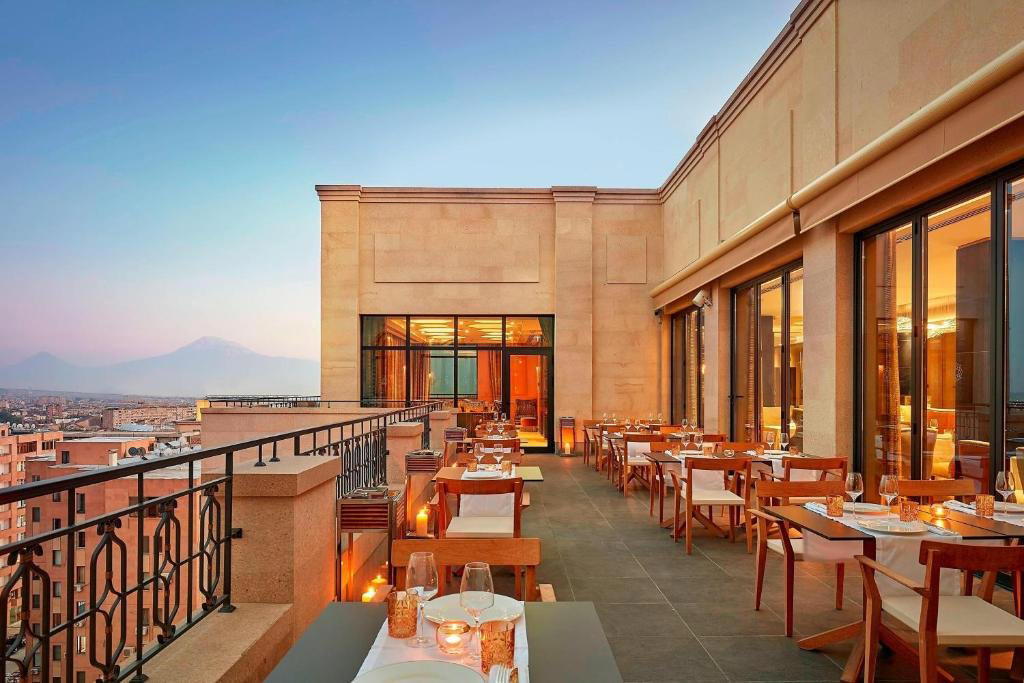
| The Alexander, a Luxury Collection Hotel, Yerevan | Not listed | $500–750 | Michelin Guide New Hotels New Hotel · Michelin Selected | Northern Avenue, Historic landmark transformed into modern luxury hotel with Armenian cultural elements. |
| Seven Visions Resort and Places, the Dvin | center, luxurious contemporary Art Deco | $200–300 | 1 Michelin Key | Not listed |
| Grand Hotel Yerevan | Not listed | $100–200 | Michelin Guide New Hotels New Hotel · Michelin Selected | Kentron, Classic luxury hotel with modern renovations in a historic building. |
Continue exploring
More in Yerevan
Hotels in Yerevan
All hotels in Yerevan →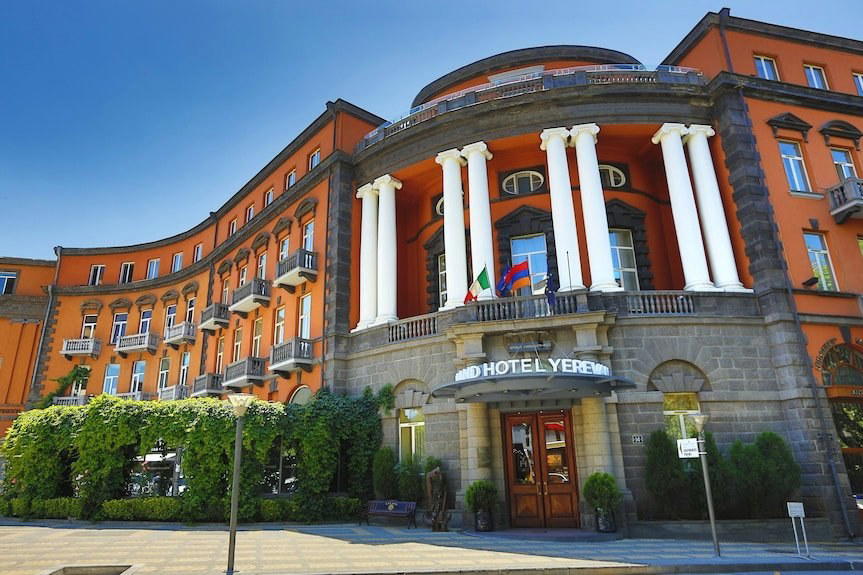
Bars in Yerevan
All bars in Yerevan →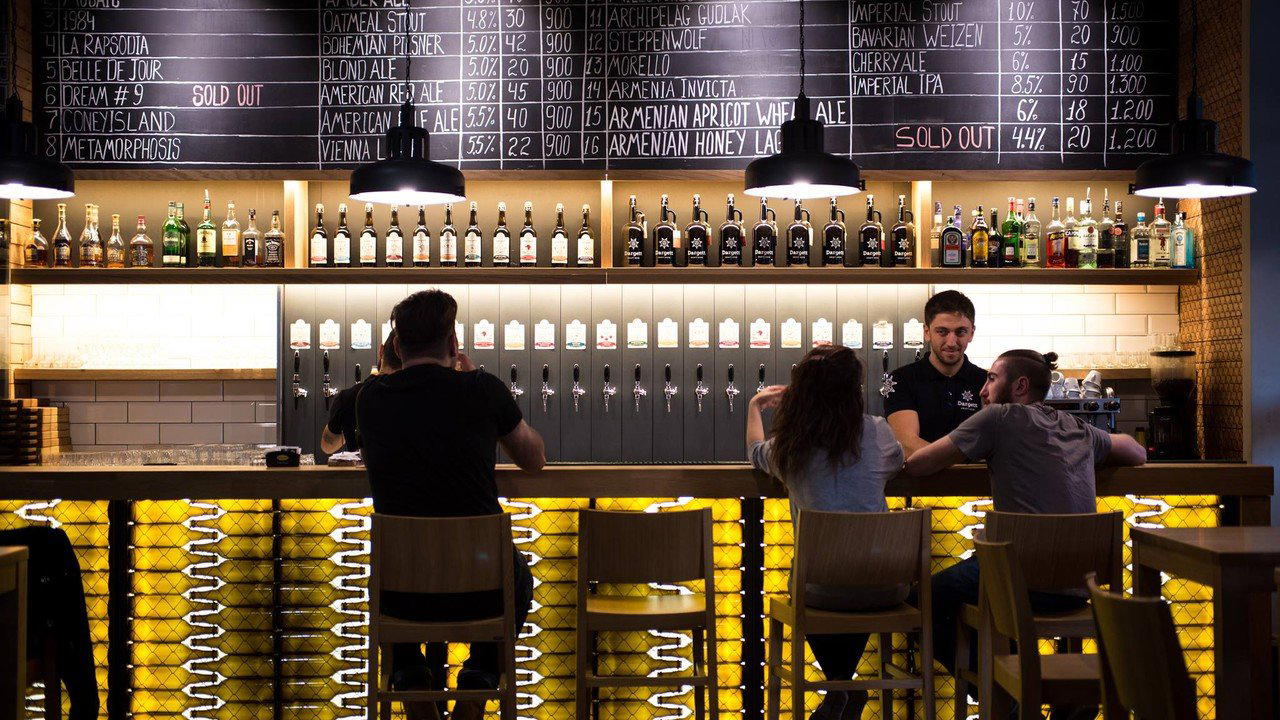
Details
- Modern
- Scenic
- Sophisticated
- Elegant
- Quiet
- Ornate
- Business Trip
- Family Vacation
- Wellness Retreat
- Weekend Escape
- Group Retreat
- Celebration
- Infinity Pool
- Rooftop Pool
- Destination Spa
- Garden
- Terrace
- Panoramic View
- Historic Building
- Spa
- Fitness Center
- Pool
- Wi Fi
- Concierge
- Business Center
- Kids Club
- Skyline
- Mountain
- Garden
- Elevator
- Accessible Parking
Upscale and resort-like yet residential, with contemporary architecture, extensive landscaped green areas, pools and wellness zones creating a calm, airy retreat above the city while maintaining a polished, international Pullman brand feel.