Orvis Hot Springs
A clothing-optional geothermal soak site on the Uncompahgre River outside Ridgway, Colorado, Orvis Hot Springs occupies a stripped-back tier of the San Juan Mountain wellness scene that most resort-oriented properties have moved away from. The pools draw from natural mineral-rich sources, and the setting prioritizes access to the water over amenity density. It operates at the deliberate, low-infrastructure end of the Colorado hot springs circuit.

Pearl is the En Primeur Club membership app, where members save venues, book tables and use the concierge.
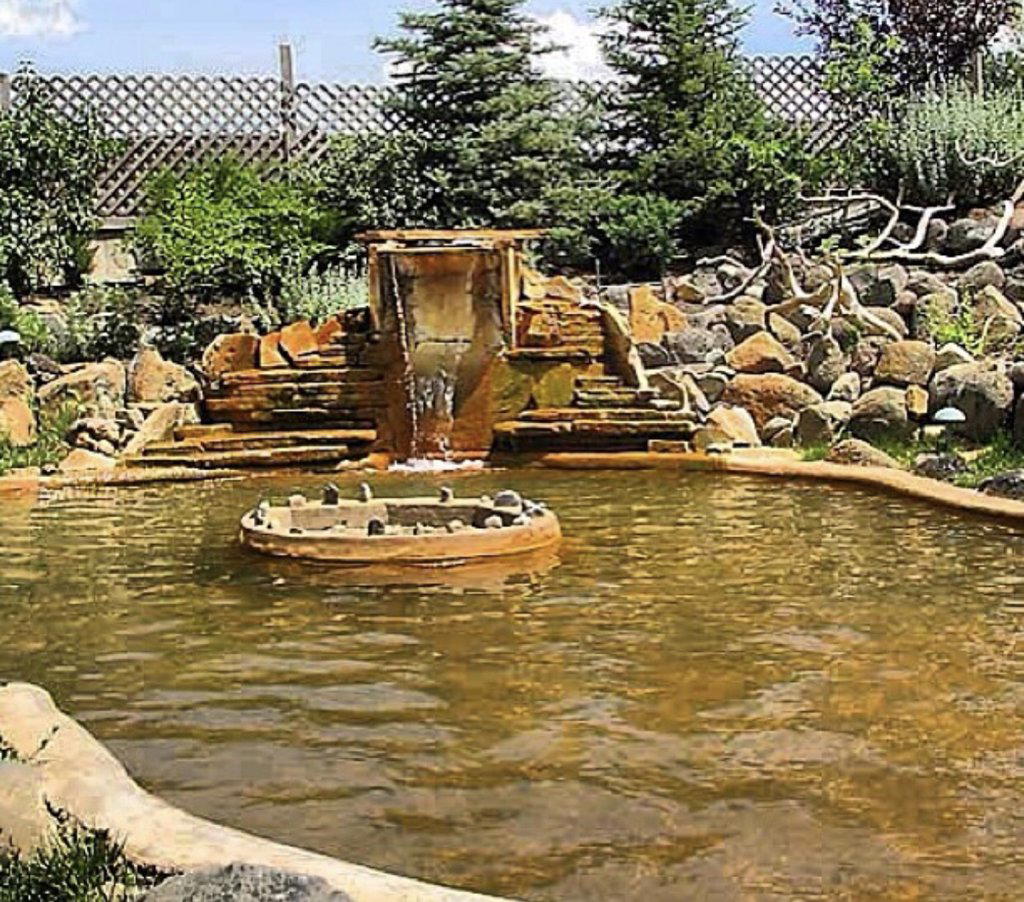
Where the San Juans Meet the Water
Southwest Colorado's hot springs circuit runs from the commercial to the ceremonial. At one end sit the engineered resort pools of Glenwood Springs, engineered for volume and year-round throughput. At the other end sits a quieter tradition: small, geothermally fed soaking sites where the architecture is geological rather than architectural, and where the point is the mineral water itself. Orvis Hot Springs, located at 1585 County Rd #3 in Ridgway, Colorado, sits firmly in that second category. It draws from the same volcanic geology that defines the San Juan Mountains, and it operates with a minimum of physical infrastructure between the visitor and the water.
Ridgway itself sits at roughly 6,985 feet in Ouray County, at the northern mouth of the Uncompahgre Valley. The town functions as a quieter base camp for travelers heading into the more trafficked box canyon of Ouray to the south, and its character reflects that position: practical, outdoor-oriented, and resistant to the resort polish that has transformed comparable mountain towns elsewhere in the Mountain West. The hot springs fit the town's register. There is no spa treatment menu, no poolside bar, no curated alpine aesthetic. What exists is access to geothermally heated mineral water against a backdrop of the Cimarron Ridge. In the American West's crowded wellness market, that restraint is itself a positioning statement.
The Physical Logic of a Stripped-Back Soak Site
The design philosophy at work in a property like Orvis Hot Springs belongs to a recognizable category: sites where the geological resource is allowed to define the visitor experience without significant overlay. This approach contrasts sharply with the direction most premium wellness properties have taken in recent years. Places like Canyon Ranch Tucson or Canyon Ranch Lenox layer extensive programming, architecture, and branded experience on top of the natural setting. Properties like Amangiri in Canyon Point or Ambiente in Sedona use high-design architecture to mediate the relationship between guest and landscape. Orvis operates from a different premise: that the water and the sky are sufficient, and that built infrastructure should not compete with either.
The pools at Orvis are fed by natural geothermal sources and vary in temperature. The site is clothing-optional, a policy that aligns it with a tradition of Western hot springs that predates the wellness industry's current branding cycle. This is not a positioning choice designed to be provocative; it reflects the historical character of undeveloped geothermal sites in the Mountain West, where the social contract around soaking was always more communal and less resort-coded than contemporary wellness culture tends to assume.
Physical setting reinforces this logic. The Uncompahgre River runs nearby, and the terrain is open rather than enclosed. The experience of soaking at a site like this is inseparable from the sky above and the ridgeline in the middle distance. There is no interior design to assess, no lobby material palette to critique. The editorial question, in this context, is not whether the architecture succeeds but whether the site's deliberate refusal of architecture constitutes its own kind of spatial intelligence. In Ouray County, it does.
Placing Orvis in the Colorado Hot Springs Tier
Colorado's hot springs range across a wide spectrum of development density. At the heavily developed end, commercial pools in Glenwood Springs attract visitors by volume. Mid-tier options include resort-adjacent pools with changing facilities, on-site lodging, and seasonal programming. Orvis sits at the low-development end of the spectrum, sharing a peer tier with a handful of small soaking sites scattered across the San Luis Valley and the Western Slope.
Within Ouray County specifically, the hot springs tradition is well established. The town of Ouray, eight miles to the south on US-550, operates the Ouray Hot Springs Pool, a municipal facility with a larger footprint and more conventional amenity set. Orvis serves a different visitor profile: those who want minimal infrastructure, a quieter atmosphere, and direct contact with the geothermal resource rather than a managed pool environment. These two options coexist in the county without directly competing, because they appeal to different points on the spectrum between convenience and immersion.
For travelers whose primary reference points are properties like Post Ranch Inn in Big Sur or Sage Lodge in Pray, Orvis represents a deliberately different mode of engagement with landscape. Those properties use high-craft design and curated amenity to frame the natural setting. Orvis removes the frame. Whether that registers as refreshing or simply sparse depends on what the traveler is looking for.
Ouray County as Context
Understanding Orvis requires understanding the county it sits in. Ouray County covers roughly 542 square miles and holds a permanent population of around 5,000 people. The county seat, Ouray, operates at a scale that keeps the town functional without tipping into the overcrowded tourism density of more accessible mountain destinations. Telluride, 50 miles to the southwest via the Mountain Village, represents the county's high-design, high-spend pole. Ridgway sits at the opposite end of that local spectrum: smaller, quieter, without the event calendar or property development that Telluride attracts.
This geographic and cultural context matters for how Orvis reads as an experience. It is not a destination in isolation; it is part of a broader Ouray County itinerary that might include the Alpine Loop scenic byway, the Ridgway State Park reservoir, and the Box Canyon Falls park in Ouray. Travelers who use Caldera House in Teton Village or Alpine Falls Ranch in Superior as reference points for Mountain West lodging will find that Ridgway offers no equivalent in the high-design, high-service bracket. The area's appeal is the landscape itself, and Orvis is one of the more direct access points to it. For more on the dining and hospitality context in the area, see our full Ouray County restaurants guide.
Planning Your Visit
Ridgway sits on US-550 approximately 27 miles south of Montrose Regional Airport, which offers the most practical air access to the area. The drive from Denver runs roughly five hours via US-285 and US-50. For travelers building a broader Southwest Colorado itinerary that includes Amangiri or properties in the Moab corridor, Ridgway sits within a reasonable driving circuit of the canyon country to the west. Seasonal considerations matter: the San Juans receive significant snowfall between November and April, and US-550 south of Ridgway involves mountain driving that rewards experience with winter conditions. Summer visits align with the area's peak hiking and festival season, while shoulder seasons in May and October offer reduced visitor volume and more available accommodation in Ridgway's limited lodging stock.
Comparison Snapshot
| Venue | Price | Awards |
|---|---|---|
| Orvis Hot SpringsThis venue (the venue you are viewing) | Not listed | Not listed |
| Aman New York | Not listed | 3 Michelin Keys · World's 50 Best #87 |
| Amangiri | $1,000–1,500 | 3 Michelin Keys · World's 50 Best #45 |
| Hotel Bel-Air | $750–1,000 | 3 Michelin Keys · World's 50 Best #57 |
| The Beverly Hills Hotel | Not listed | 3 Michelin Keys · World's 50 Best #65 |
| The Carlyle, A Rosewood Hotel | $1,500–2,500 | 2 Michelin Keys · World's 50 Best #64 |
Continue exploring
More in Ouray
Hotels in Ouray
All hotels in Ouray →
Bars in Ouray
Browse all →

Details
- Rustic
- Scenic
- Cozy
- Quiet
- Intimate
- Romantic Getaway
- Wellness Retreat
- Weekend Escape
- Destination Spa
- Panoramic View
- Pool
- Spa
- Wi Fi
- Mountain
Rugged yet soothing atmosphere with tranquil, natural rock-walled pools offering varying warmth and scenic mountain views, promoting relaxation in a serene, clothing-optional environment.