Les Cîmes

Michelin Selected
Selected by the Michelin Guide Hotels 2025, Les Cîmes sits at Le Chinaillon in the Aravis mountains above Le Grand-Bornand, occupying a position in the smaller tier of design-led alpine properties that prioritise material specificity and mountain setting over scale. The property represents the convergence of French alpine hospitality and considered architecture that defines this niche in the Haute-Savoie premium market.

Pearl is the En Primeur Club membership app, where members save venues, book tables and use the concierge.
Where the Aravis Range Sets the Terms
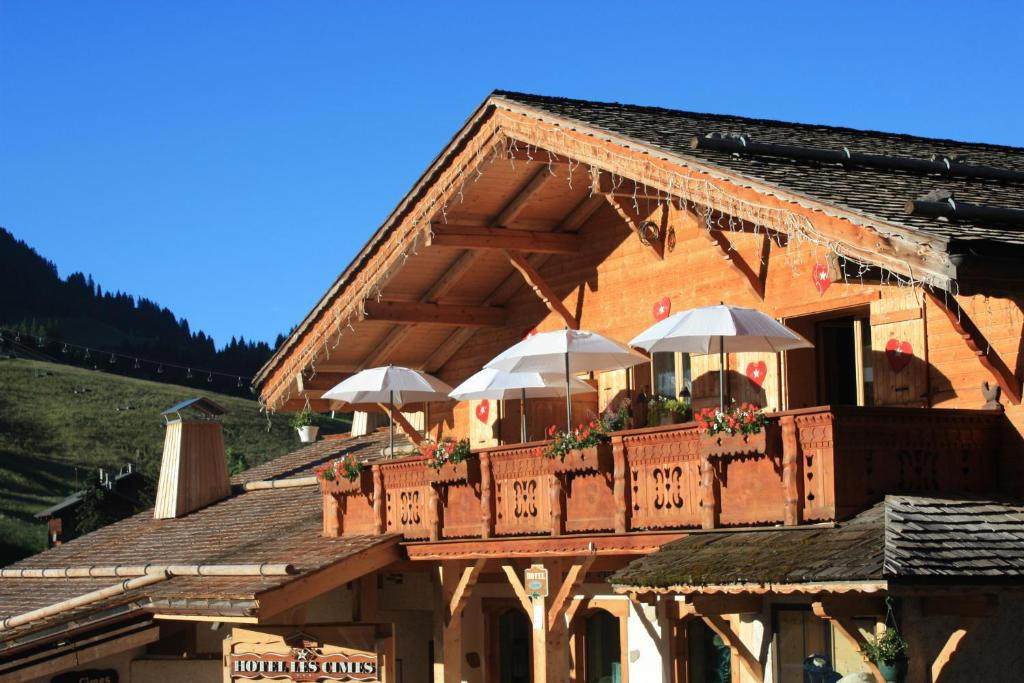
The approach to Le Chinaillon, the upper hamlet of Le Grand-Bornand sitting at roughly 1,300 metres in the Aravis massif, establishes the register before you arrive. The road narrows, the valley floor drops away, and the limestone ridgeline of the Chaîne des Aravis fills the windscreen with the kind of unmediated alpine scale that the broader Haute-Savoie tourism infrastructure tries hard to frame and package. Les Cîmes does not resist this. The property's orientation and name, which translates directly as the summits, signal a design posture that works with the landscape's dominance rather than competing with it.
This is a different proposition from the more theatrical mountain luxury found at Courchevel or Megève. Properties like Le K2 Palace in Courchevel and the Four Seasons Megève operate at a scale and with an amenity architecture that positions them in direct competition with urban palace hotels.
The Architecture of Restraint
In the Haute-Savoie and Aravis valley specifically, the dominant vernacular is the timber-and-stone alpine farmhouse tradition: steeply pitched roofs, heavy larch or spruce cladding, and an economic relationship between building mass and winter snowload that shapes every aesthetic decision. The leading contemporary alpine properties in this region do not abandon that vocabulary; they work inside it with updated material choices and spatial thinking.
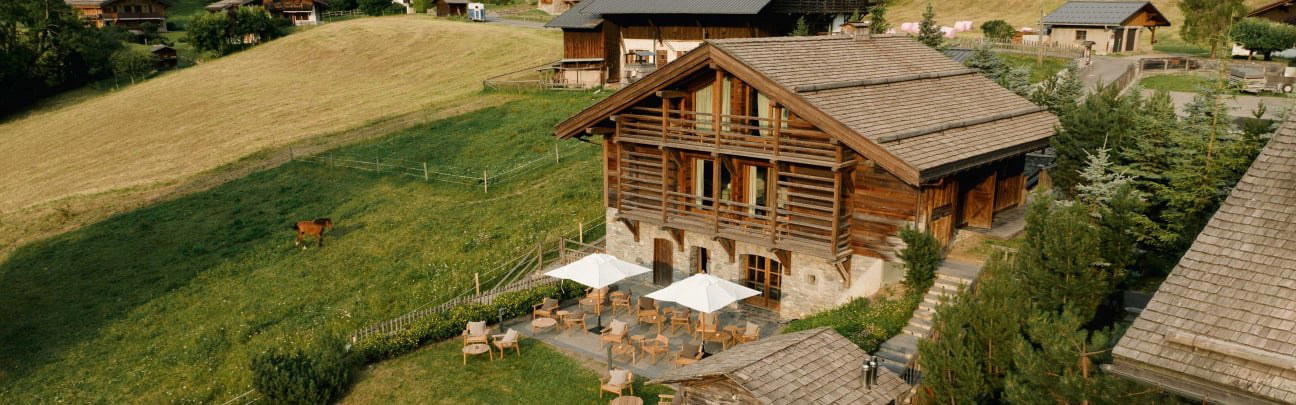
Les Cîmes occupies that territory. The visual weight of the building reads as belonging to Le Chinaillon rather than imposed on it, which matters considerably in a village whose architectural coherence is part of its appeal to guests who have consciously avoided the purpose-built resort towns. The contrast with, say, the grand coastal scale of Hotel Du Cap-Eden-Roc in Cap d'Antibes or the Haussmann-adjacent grandeur of Le Bristol Paris illustrates how differently the idea of premium hospitality architecture expresses itself across French regions. At altitude in the Aravis, the architectural brief demands humility toward terrain. Properties that get this right tend to command a loyal, repeat-visitor base rather than the trophy-stay visitor passing through.
The Michelin Hotel selection for 2025 reflects this positioning. Michelin's hotel programme, distinct from its restaurant stars, applies criteria around quality of welcome, comfort, and environment. For the traveller comparing it against The Maybourne Riviera in Roquebrune-Cap-Martin or La Réserve Ramatuelle, the distinction is meaningful: this is mountain hospitality operating at a recognised quality level within its own category rather than trying to replicate the Mediterranean luxury template.
Le Grand-Bornand and the Aravis Context
Le Grand-Bornand is a working mountain community as much as a tourist destination, and that dual identity shapes the quality of the surrounding environment in ways that benefit properties like Les Cîmes. The valley produces Reblochon de Savoie under protected designation, the alpine pastures are grazed seasonally, and the village market runs year-round with a genuine local supply chain rather than the purely tourism-oriented retail of larger resorts. This matters to guests who are choosing a mountain stay precisely because it is not Courchevel or Chamonix.
The Aravis region also offers ski access via the Grand-Bornand ski area, and the Chinaillon sector in particular provides direct piste access without the transfer distances that characterise some of the larger Three Valleys resorts. In summer, the area becomes a significant stage for road cycling, with the Col de la Colombière on the Tour de France route sitting at the head of the valley. The seasonal versatility of the location, summer hiking and cycling alongside winter skiing, gives properties here a longer operational window than single-season resort hotels.
For context within the French alpine premium tier, the closest geographic peer to Les Cîmes within Michelin's hotel framework would be found in the Megève, Annecy, or Chamonix corridors. The Aravis valley remains less commercially saturated than those markets, which is precisely the point for the guest choosing it. Compare this dynamic with how La Bastide de Gordes in Gordes operates within Provence, or Villa La Coste in Le Puy-Sainte-Réparade: both use the tension between a well-known region and a specific commune that retains some distance from mass tourism. The same logic applies in the Aravis.
Guests planning a broader France circuit that includes alpine and other French hospitality categories will find useful reference points in properties like Royal Champagne Hotel & Spa in Champillon, Domaine Les Crayères in Reims, or Les Sources de Caudalie in Bordeaux for region-specific stays that carry comparable Michelin recognition in non-alpine contexts. Our full Le Grand-Bornand restaurants and hotels guide covers the broader local scene in detail.
Planning a Stay
Les Cîmes is located at Le Chinaillon, the upper sector of Le Grand-Bornand, which sits in the Haute-Savoie department of the Auvergne-Rhône-Alpes region. The nearest major transport hub is Geneva Airport, approximately 60 kilometres to the north, making it a realistic direct transfer for international arrivals. Annecy, roughly 35 kilometres to the west, provides an alternative rail and road gateway. Winter access requires standard alpine precautions, and the road to Le Chinaillon benefits from snow chains or winter tyres during peak season. The Michelin Hotel 2025 selection reflects current standing; booking is advised well in advance for both the ski season (December through April) and the summer cycling and hiking window (June through September), when occupancy at quality Aravis properties tightens considerably.
For travellers building an itinerary across French alpine and Riviera properties, useful anchors in the EP Club portfolio include Château de la Chèvre d'Or in Èze, Le Negresco in Nice, Hôtel du Palais in Biarritz, and Casadelmar in Porto-Vecchio. Those combining alpine France with Swiss territory may also reference Badrutt's Palace Hotel in St. Moritz as a regional peer in the wider mountain luxury category.
Quick Comparison
Comparable venues nearby, for context on price, style, and recognition.
| Venue | Cuisine | Price | Awards | Notes |
|---|---|---|---|---|
| Les CîmesThis venue (the venue you are viewing) | traditional Savoyard chalet | Not listed | Michelin Selected | Not listed |
| Auberge de la Source | Charming Normandy farmhouse hotel with authentic red-brick and half-timbered architecture. | $100–200 | Michelin Selected | Barneville-la-Bertran |
| Les Roches Fleuries | Authentic mountain chalet with modern comforts | Not listed | Michelin Selected | Cordon |
| Villa C | charming 19th-century mansion with modern boutique extensions | $100–200 | Michelin Selected | north side |
| Le Clos Marcel | Contemporary redesign of a former family pension emphasizing purity, luxury, and refinement on Lake Annecy. | $100–200 | Michelin Selected | Duingt |
| Maison Nô - Hôtel et Rooftop | Intimate 4-star boutique hotel in a converted former bank in the heart of Lyon’s Presqu’île. | $100–200 | Not listed | Presqu'île |
Recognition history
Dated appearances from independent guides and award organizations, with the underlying list record or original source where available.
Michelin Selected
Michelin
Continue exploring
More in Le Grand-Bornand
Hotels in Le Grand-Bornand
All hotels in Le Grand-Bornand →
Bars in Le Grand-Bornand
Browse all →

Details
- Romantic
- Cozy
- Rustic
- Intimate
- Romantic Getaway
- Wellness Retreat
- Weekend Escape
- Ski In Ski Out
- Panoramic View
- Spa
- Sauna
- Wi Fi
- Mountain
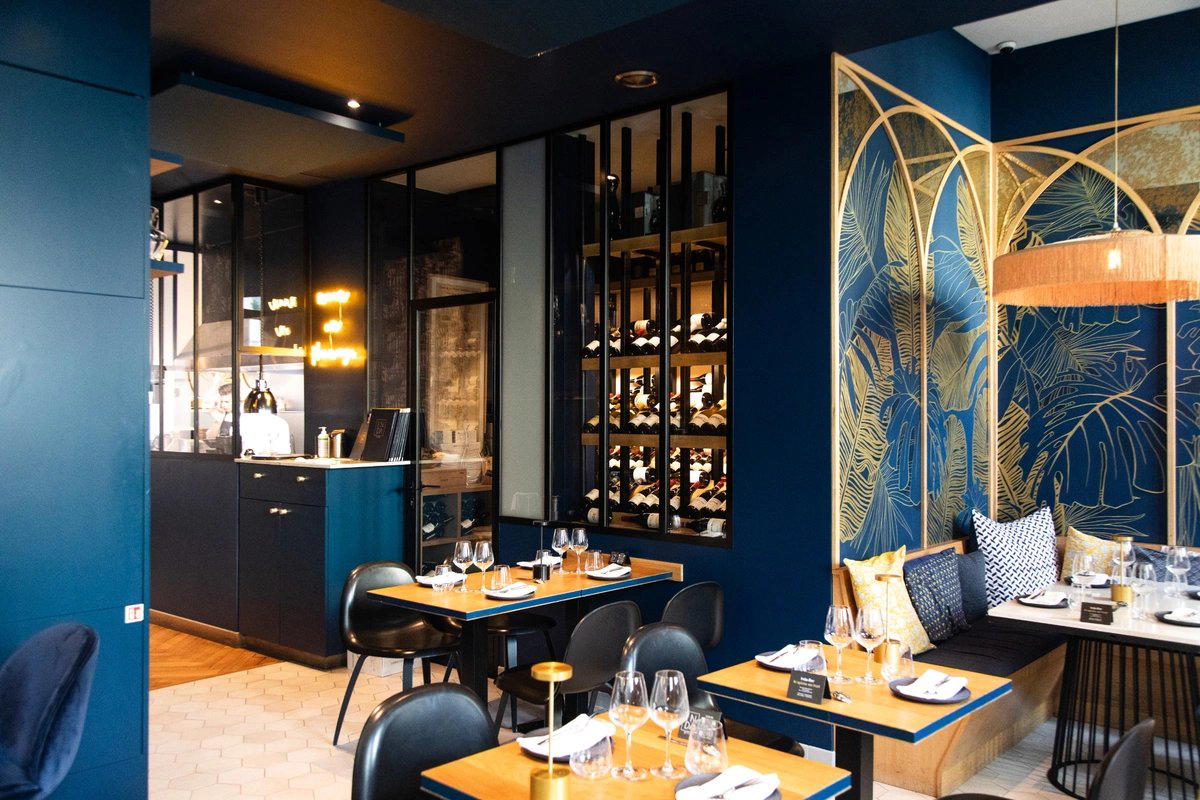
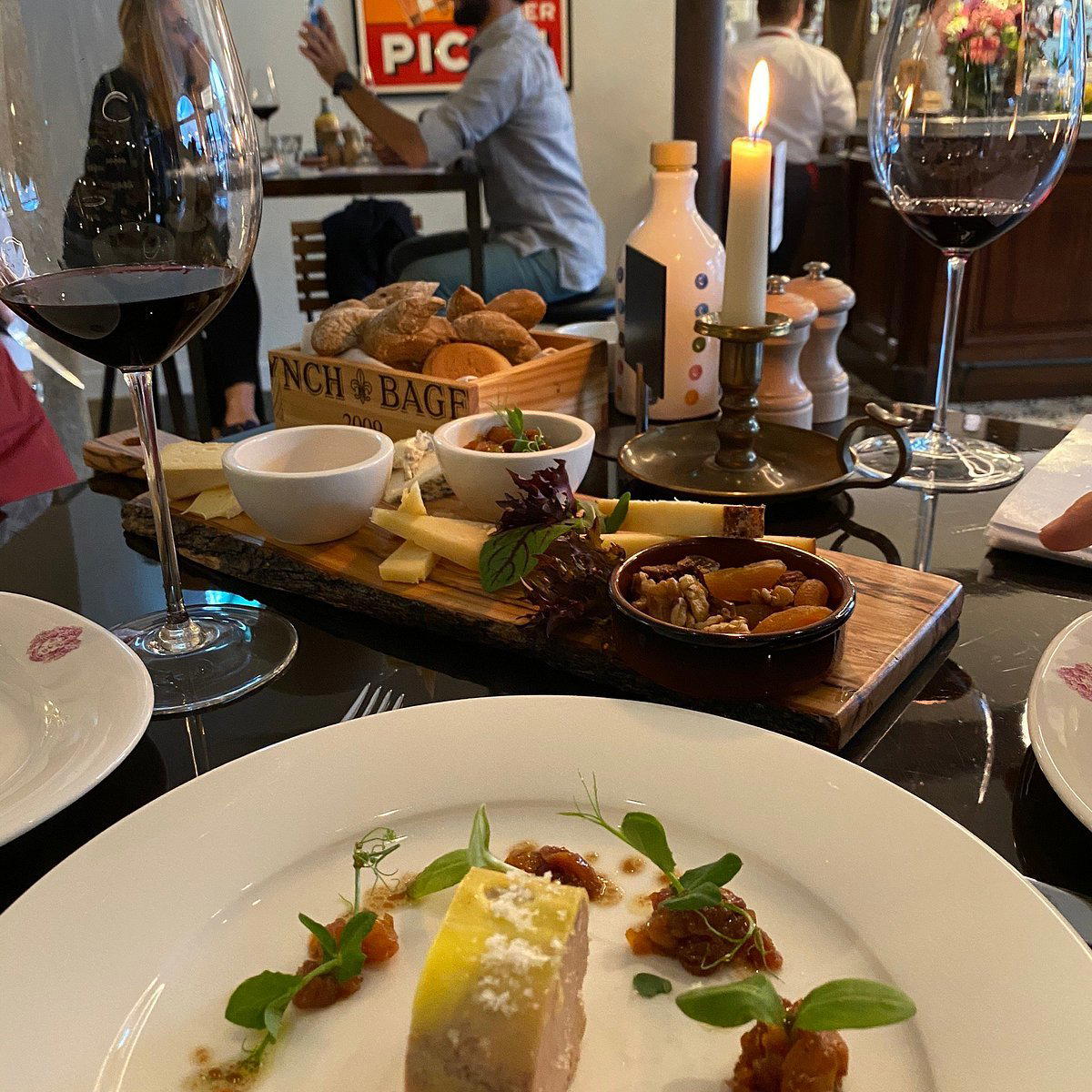
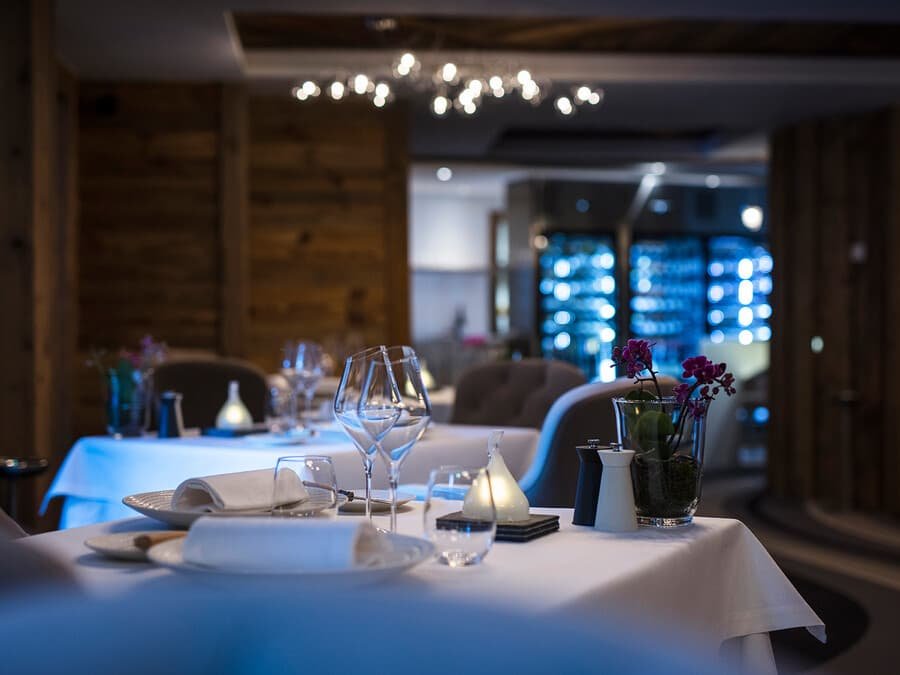
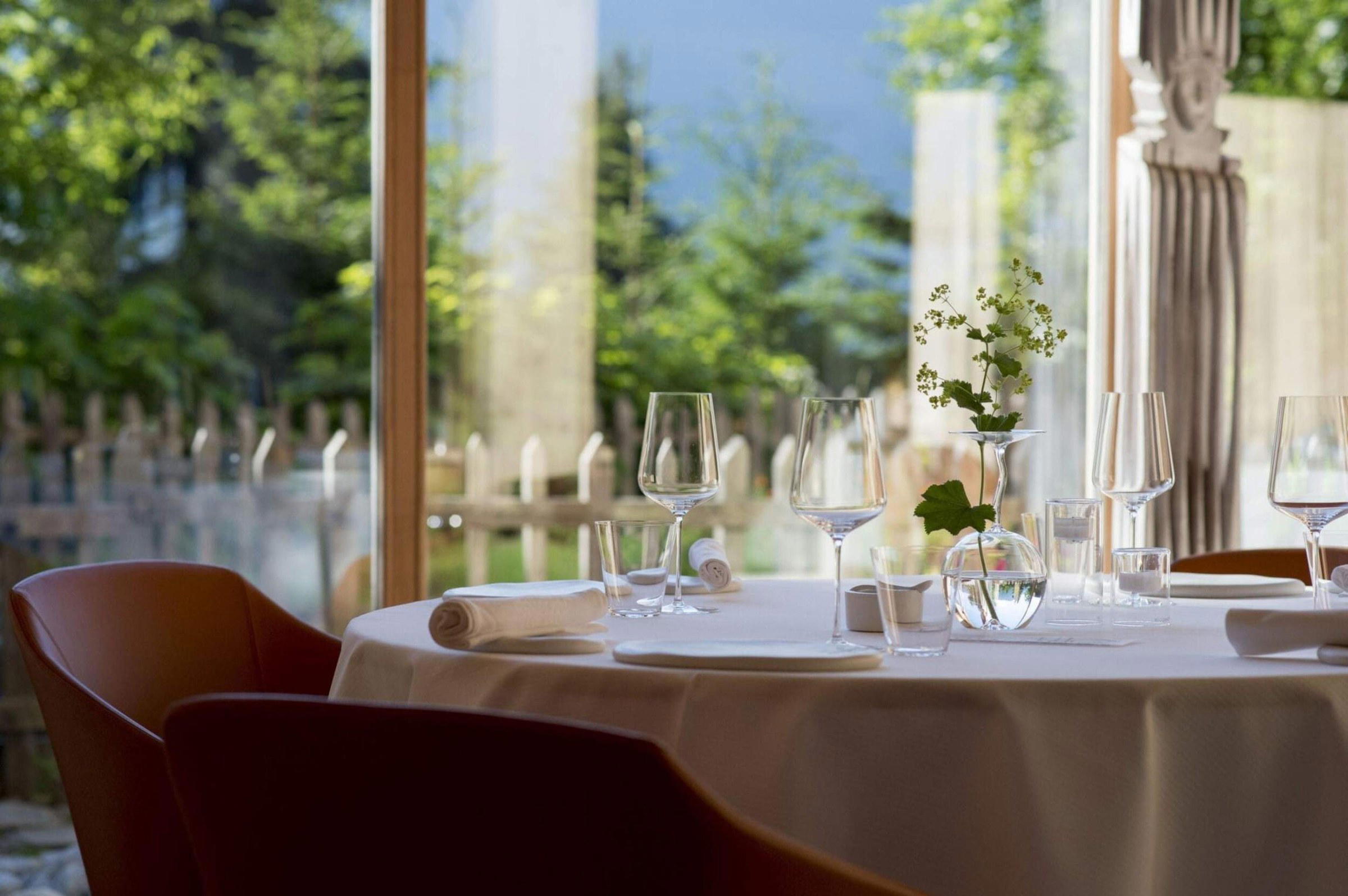
Warm and cozy traditional mountain chalet atmosphere with a focus on calmness, comfort, and relaxation.