Bar de l'Hôtel de la Cigogne
Bar de l'Hôtel de la Cigogne belongs to Geneva’s quieter hotel-bar tradition: central, formal enough for a planned drink, and better read through setting than spectacle. Its address on Place de Longemalle places it in the old-city shopping and hotel corridor, a useful choice for a composed aperitif when louder cocktail rooms feel out of step with the evening.
Pearl is the En Primeur Club membership app — saves, bookings, and concierge access live there. Same editors, same standards.
- Address
- Pl. de Longemalle 15-17, 1204 Genève (hotel)
- Directions
- Get directions
 Saves & bookings on Pearl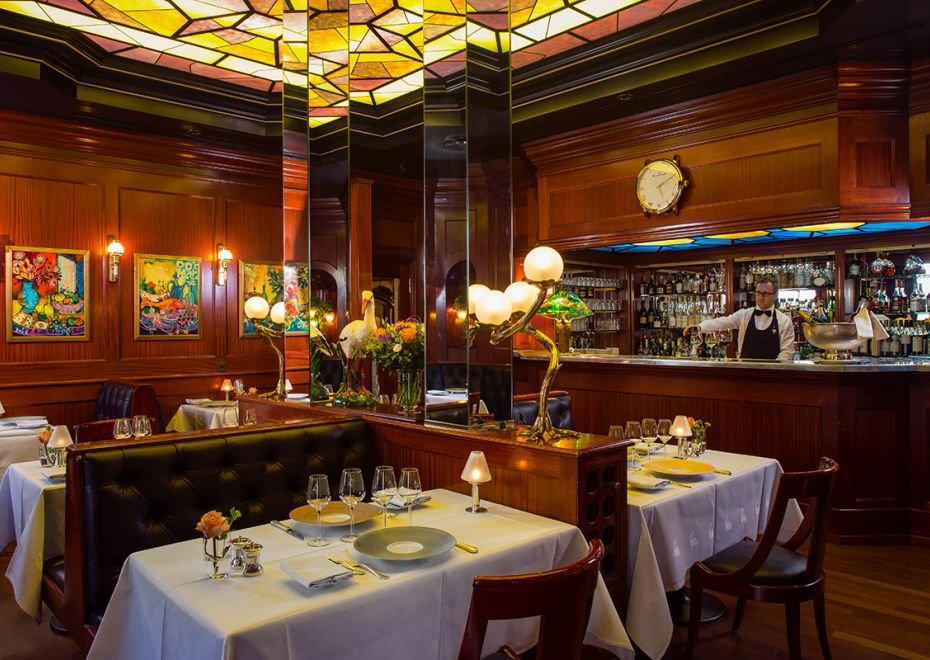
Geneva hotel-bar manners, seen from Place de Longemalle
Place de Longemalle has the controlled rhythm of central Geneva: watch windows, hotel entrances, suited meetings breaking into short walks, and the old-city edge close enough to change the pace of an evening. A hotel bar here is not competing with the late-night volume of a club district. It belongs to a more measured civic ritual, the aperitif before dinner, the after-work drink that does not need a soundtrack to prove itself, the nightcap chosen because the room is easier than another reservation.
That is the useful way to read Bar de l'Hôtel de la Cigogne. The available public record gives a precise address, Pl. Sparse information changes the editorial lens. Instead of treating the bar as a personality-driven cocktail lab, it places the venue inside Geneva’s discreet hotel-drinking culture, where location, restraint, and convenience often matter as much as a signature serve.
Geneva is a city where premium drinking splits into several distinct formats. There are contemporary cocktail rooms built around technique and bartender authorship, wine-led addresses that reflect Switzerland’s serious but under-exported cellar culture, and hotel bars that trade on calm, centrality, and the dependable choreography of hospitality. This address belongs to the last category by setting. For travellers staying near the old town, the lakefront, or the luxury retail streets around Rue du Rhône, that category can be more useful than a louder destination bar across town.
The cocktail question, and why restraint matters here
That absence should not be patched with invented martinis, clarified serves, house infusions, or seasonal garnishes. In Geneva, where international guests often move between hotel lobbies, private banking appointments, watch boutiques, and formal dinners, the bar programme in a hotel setting is often judged first on execution and suitability: can it handle a classic aperitif, a glass before dinner, or a quiet late drink without turning the room into a performance?
That makes this sort of bar different from a technique-forward counter. At a contemporary cocktail venue, the draw may be a menu architecture, a named bartender, or a recognisable house style. At a hotel bar near Place de Longemalle, the more relevant test is whether the drink fits the time of day and the social purpose. A dry aperitif before a business dinner, a Champagne glass after shopping, a digestif after a restaurant booking, or a low-ceremony cocktail between engagements will usually make more sense than chasing novelty for its own sake.
For readers comparing Geneva options, that distinction matters. Inda-Bar and Marius sit inside the same city conversation but can serve different moods depending on the night. The hotel-bar format is less about proving range and more about removing friction: central address, familiar service cues, and a room where conversation carries. For a broader meal plan around the city, Our full Geneva restaurants guide is the better starting point before deciding where the drink should sit in the evening.
What the address tells you about the room
Place de Longemalle is a practical anchor. It sits in the part of Geneva where visitors are often moving between the old town, the lake, offices, hotels, and retail streets rather than crossing the city for a single-purpose bar crawl. That geography shapes expectations. A drink here is likely to be planned around proximity: before a reservation nearby, after a meeting, or as a composed pause when the weather makes another walk along the Rhône less appealing.
The trust signal is contextual rather than award-based. There are no Michelin, 50 Best, or published bar-award details in the record, and the absence should be read plainly. The credible point is the address inside a hotel on one of central Geneva’s established squares. In a city where formality still has social currency, that location carries a different kind of value from public rankings. It tells the reader that the bar is part of the old-centre hospitality circuit, not an outer-neighbourhood experiment.
Geneva is an expensive city for drinks, and central hotel settings usually sit above casual neighbourhood bars. That does not mean the room should be judged only by cost. The more relevant comparison is opportunity cost: if the evening depends on a calm meeting point near the old town, the premium attached to a hotel address may be easier to justify than a cheaper drink that adds transport time and noise.
How it compares with Swiss hotel and wine-bar culture
Switzerland’s bar culture is not a single lane. Zürich leans into polished urban cocktail formats and café-bars such as Grande Café & Bar in Zürich. Basel has grand-hotel gravity, represented in a different register by Grand Hotel Les Trois Rois in Basel. Bern and the wider German-speaking wine circuit bring another rhythm, with addresses such as Delinat Weinbar in Bern and Viniviva Wein in Dübendorf built around bottles rather than hotel ceremony.
Geneva’s position is different. It is an international city with a compact centre, a diplomatic calendar, a watch-and-finance economy, and a hotel tradition that often prizes discretion over theatricality. A bar attached to Hôtel de la Cigogne fits that pattern. The useful comparison is not with a beach bar, a late-night music room, or a destination tasting counter. It is with the Swiss habit of orderly hospitality: service that knows when to stay out of the conversation, rooms designed for mixed purposes, and drinks that support the evening rather than dominate it.
Other Swiss addresses show how varied that category can become. The Aarburg Hotel & Café in Unterseen speaks to the hotel-café model in a mountain-adjacent setting. Vieil Ouchy in Lausanne pulls the conversation toward the lake. Champagner Bar in Saas-Fee belongs to an alpine drinking mood, while Caaa by Pietro Catalano in Lucerne signals a more authored contemporary bar culture. Against those peers, the Geneva address reads as urban, central, and deliberately low-drama.
Who should use it, and when
The strongest use case is not a pilgrimage for a named cocktail. It is a well-placed drink in central Geneva when the night calls for quiet confidence rather than discovery. Business travellers can use the hotel setting as a neutral meeting point. Couples staying nearby can make it a pre-dinner stop before moving toward the old town or the lake. Solo travellers who prefer a hotel bar’s service structure over a crowded room may find the format easier, particularly on evenings when Geneva’s weather turns the centre into a sequence of short, purposeful walks.
Confirm current opening arrangements through the hotel before building a night around it, especially on Sundays, public holidays, or during periods when Geneva’s business calendar changes the tempo of the centre. If dinner is fixed at a specific time, treat the bar as a nearby aperitif option rather than a complicated separate booking.
Drink selection should follow the room. Order the kind of serve that tests a hotel bar’s fundamentals: a classic aperitif, a neat spirit, a Champagne glass if available, or a simple mixed drink made without ceremony. Without a verified menu, there is no basis for naming a house cocktail or claiming a specialist technique. The editorial recommendation is to use the bar for poise and placement, not for novelty.
Planning notes for a central Geneva drink
The confirmed practical detail is the address: Pl. de Longemalle 15-17, 1204 Genève, inside the hotel. In practical terms, that means the safest approach is to contact the hotel directly through its current official channels before arrival, then plan the visit around nearby dinner, shopping, or an old-town walk. Geneva rewards tight geography; crossing town for an uncertain bar slot rarely improves an evening.
For travellers building a wider Swiss itinerary, the contrast is useful. A Geneva hotel bar can offer a formal city pause, while Café La Trova in Miami shows how a bar can be driven by music, cultural memory, and a very different public energy. The comparison clarifies the point: not every serious drink needs spectacle. In Geneva, the stronger move may be choosing the room that lets the conversation, the timing, and the city’s controlled elegance do the work.
A Quick Peer Check
| Venue | Awards |
|---|---|
| Bar de l'Hôtel de la Cigogne | This venue |
Continue exploring
More in Geneva
Bars in Geneva
Browse all →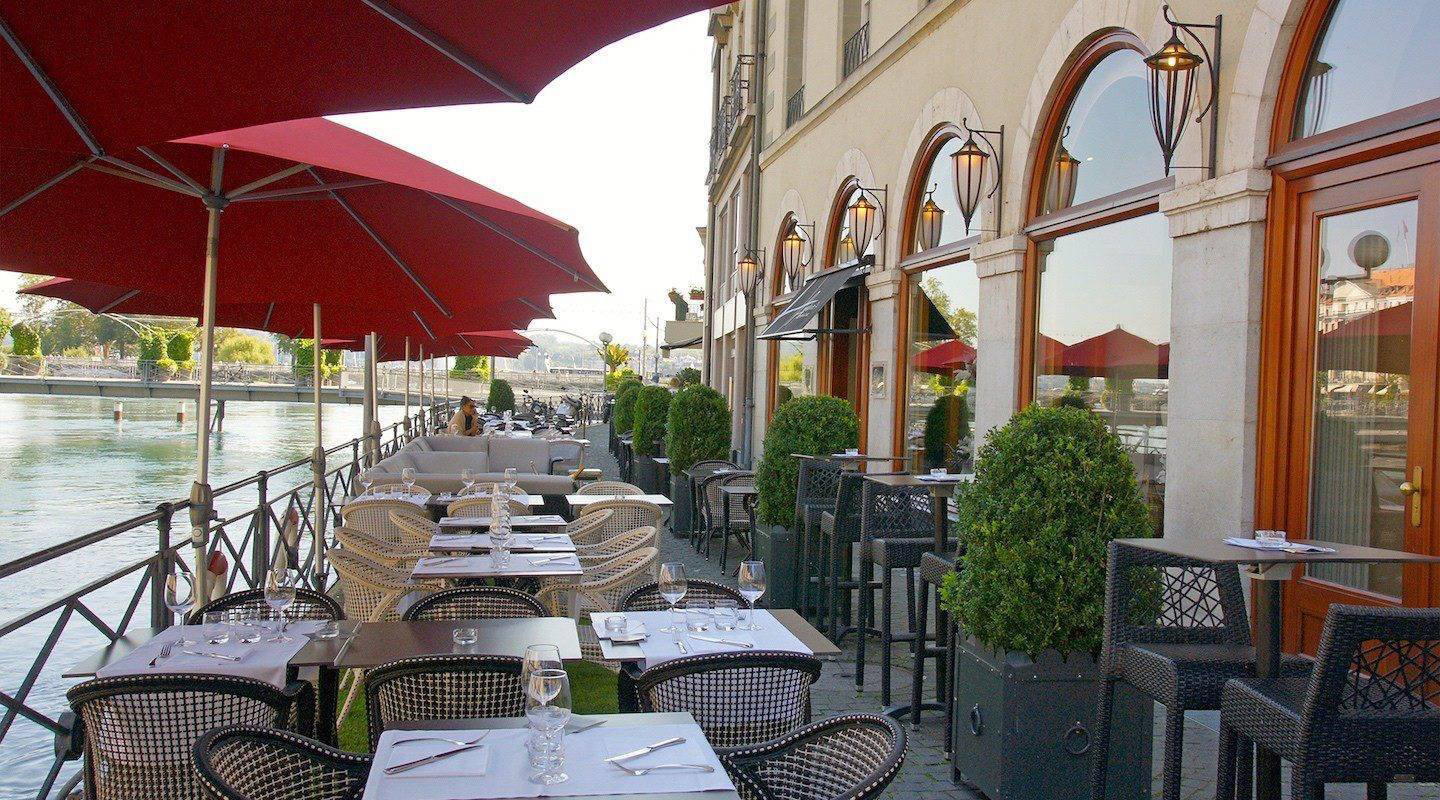
Restaurants in Geneva
Browse all →
Hotels in Geneva
Browse all →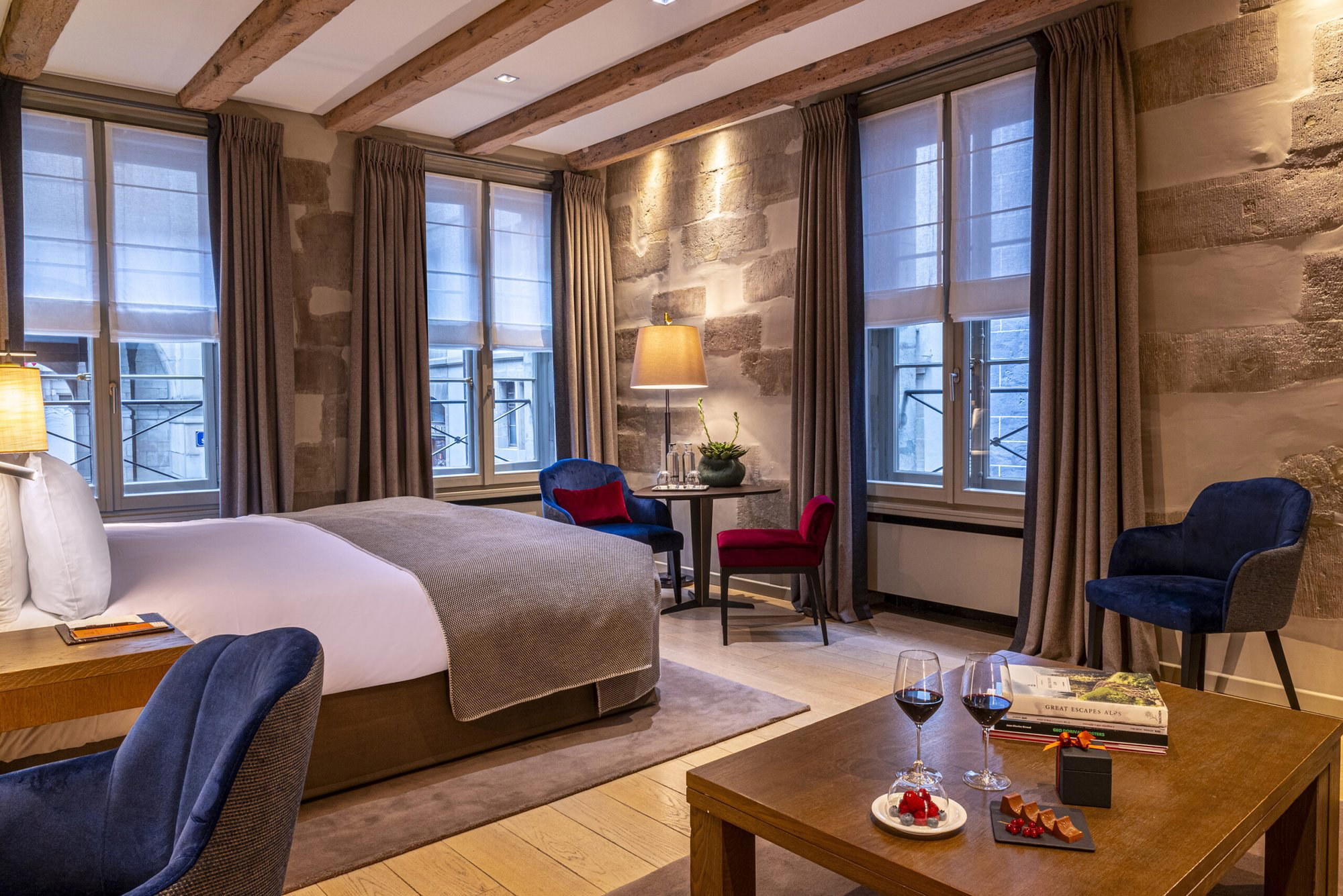

At a Glance
- Elegant
- Cozy
- Sophisticated
- Romantic
- Classic
- Intimate
- Date Night
- After Work
- Solo
- Celebration
- Special Occasion
- Casual Hangout
- Terrace
- Historic Building
- Design Destination
- Hotel Bar
- Seated Bar
- Lounge Seating
- Outdoor Terrace
- Booth Seating
- Private Rooms
- Classic Cocktails
- Conventional Wine
- Zero Proof
- Street Scene
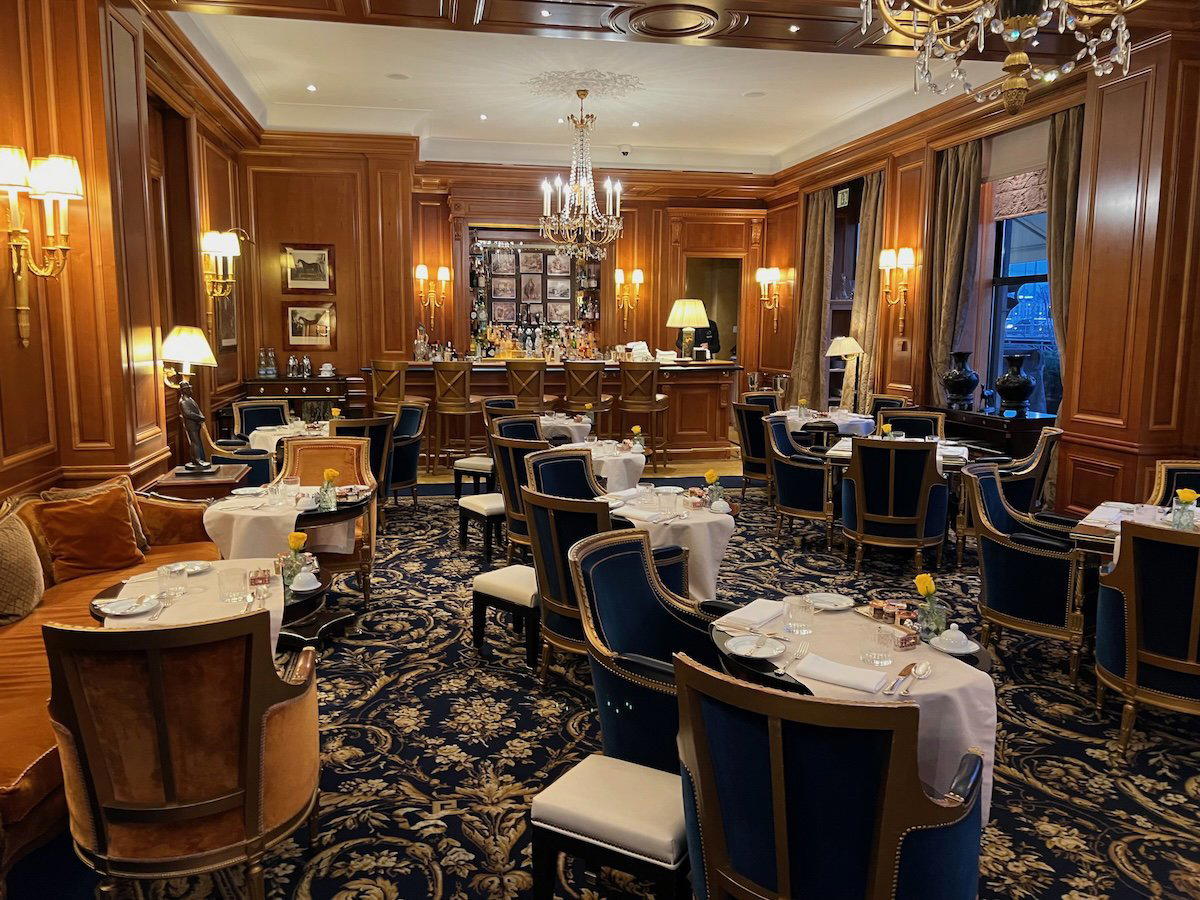
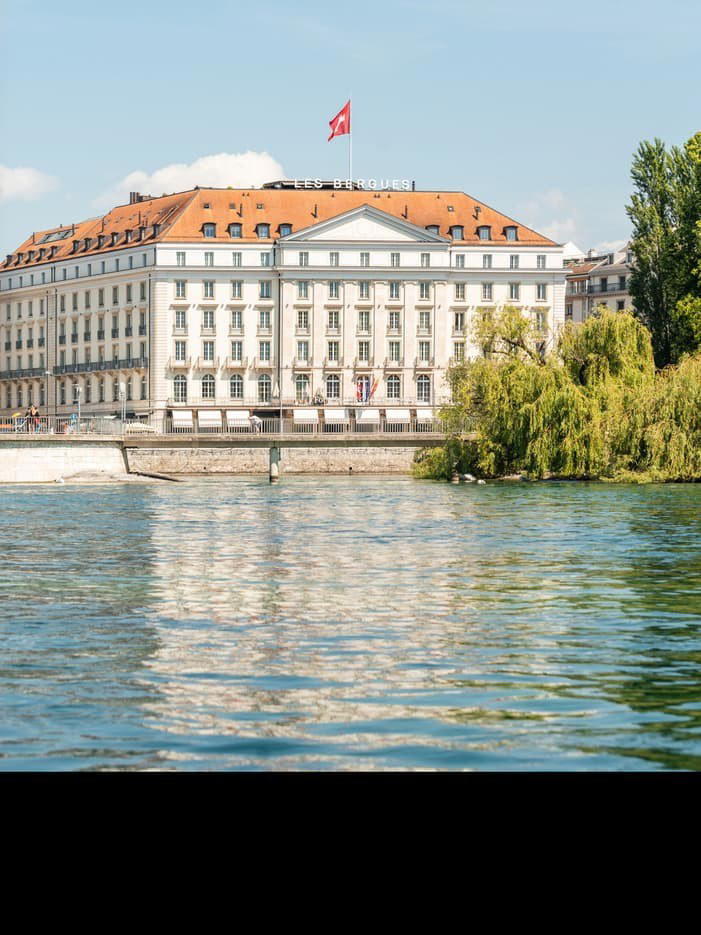
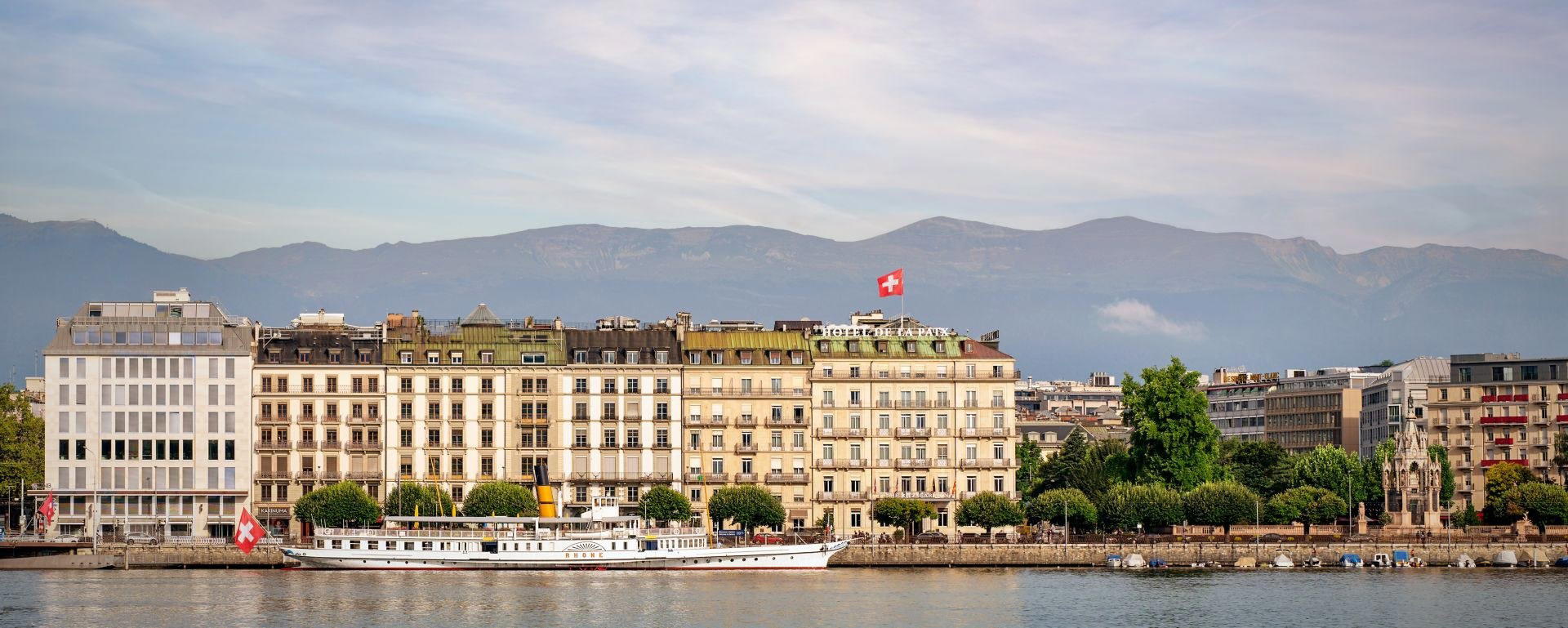
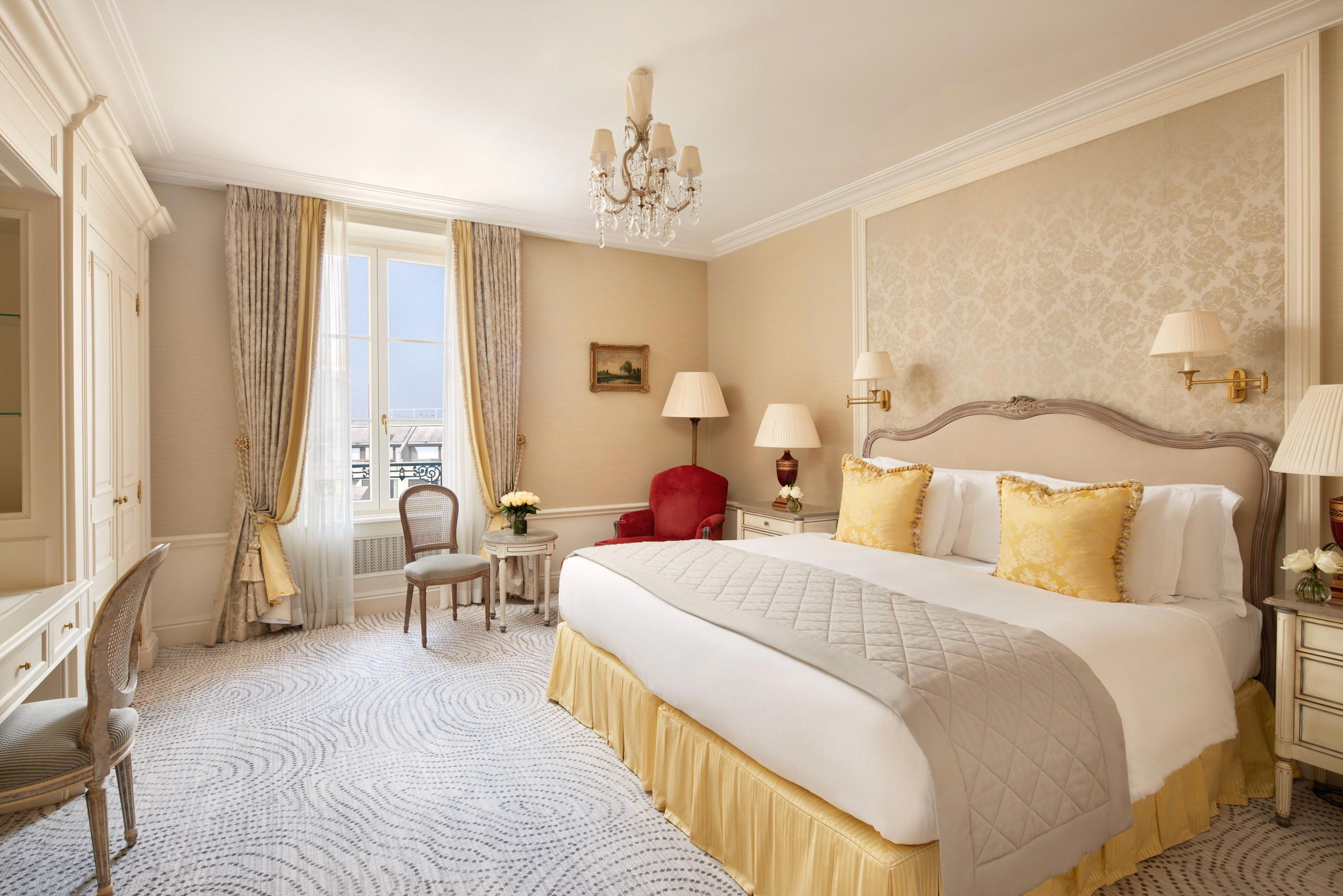
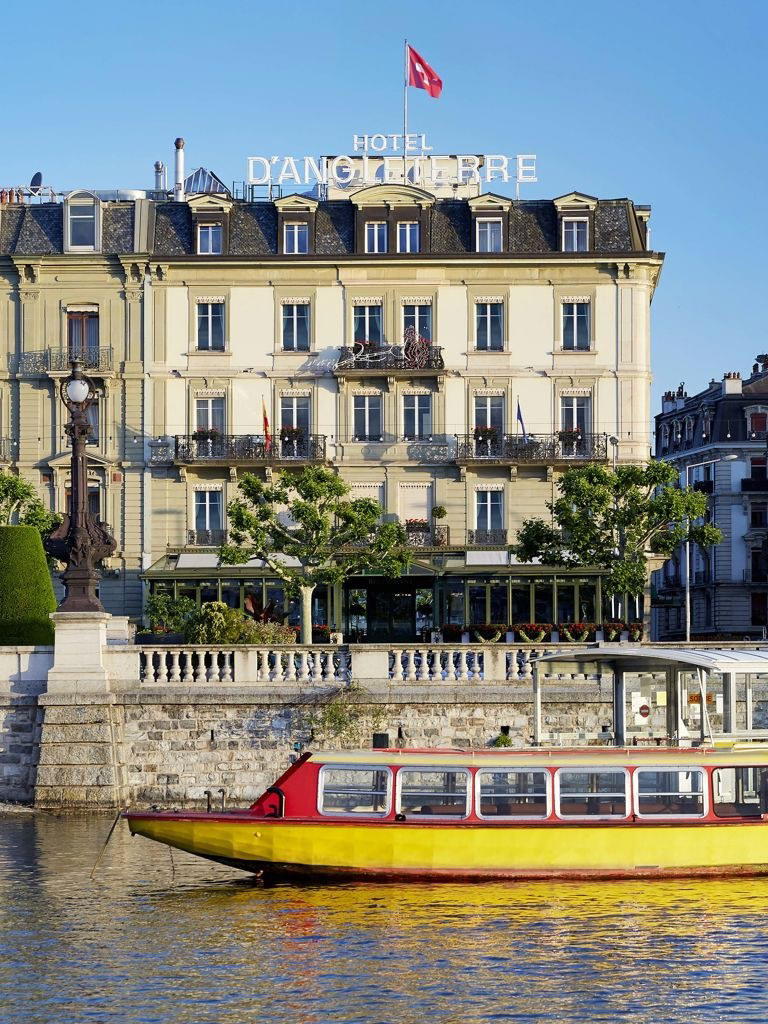
Plush and intimate inside with a hushed, lounge-like feel, complemented by a lively yet refined terrace on the square; soft lighting, classic decor and polished hotel-style service create a sophisticated, relaxed atmosphere suited to dates or after-work drinks.
Know Before You Go
- Getting there
- Pl. de Longemalle 15-17, 1204 Genève (hotel)