Great St Bernard Hospice
Few overnight stops in the Alps carry the historical weight of the Great St Bernard Hospice, positioned at 2,473 metres on the ancient mountain pass connecting Switzerland and Italy. Operating as a place of refuge for travellers since the eleventh century, it remains one of the highest continuously inhabited sites in Europe, offering shelter, meals, and accommodation at an altitude that demands respect from anyone crossing the pass.

Pearl is the En Primeur Club membership app, where members save venues, book tables and use the concierge.
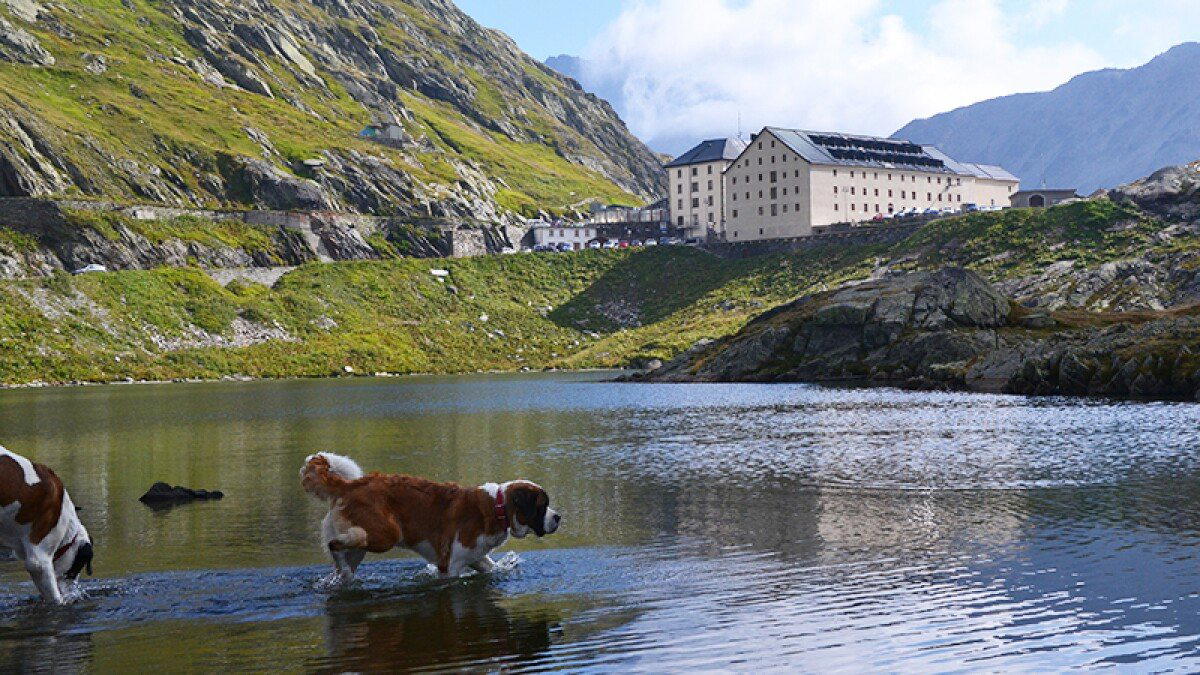
Stone, Altitude, and Nine Centuries of Passage
Approaching the Great St Bernard Pass from Bourg-Saint-Pierre, the road climbs through switchbacks that thin the air noticeably before any structure comes into view. When the Hospice finally appears at 2,473 metres above sea level, the scale of the stone complex reads less like a hotel and more like a fortified monastery dropped onto the roof of the Alps. That impression is accurate. The building has anchored this crossing between Switzerland and Italy since the eleventh century, making it one of the longest continuously inhabited sites at high altitude anywhere in Europe. The architecture is not decorative; it is functional in the way only extreme-environment construction can be: thick-walled, low-profiled, and built to absorb the kind of winter loads that close the pass for months at a time.
For those travelling through the Valais with an interest in places that carry genuine historical gravity rather than curated heritage aesthetics, the Hospice occupies a category with almost no direct comparisons. The canon of Swiss luxury hospitality, from Badrutt's Palace Hotel in St. Moritz to Baur au Lac in Zurich, operates through refined comfort delivered in carefully maintained grand-hotel formats. The Hospice operates through a completely different logic: it exists because the pass is dangerous, and travellers have always needed a place to stop. That purpose has never changed.
The Architecture of Necessity
The physical structure of the Hospice is a study in Alpine pragmatism. The main building mass has been added to and reinforced across centuries, producing a silhouette that reflects layered construction rather than any single design vision. The chapel, the main accommodation wings, and the outbuildings form a compound that reads as a self-contained settlement rather than a single structure. At this altitude, the engineering logic is clear: buildings must be connected, heat must be conserved, and the relationship between interior and exterior is managed as a survival calculation rather than an aesthetic one.
This positions the Hospice in a distinct architectural tradition that runs through high-altitude ecclesiastical construction across the Alps. Comparable pass structures in France, Italy, and Austria share the same formal language: mass over ornament, stone over timber, enclosure over prospect. What distinguishes the Great St Bernard from most of those sites is that it has remained functional as a place of lodging and not merely as a museum or heritage landmark. Guests sleep in rooms within the same walls that sheltered medieval pilgrims on the Via Francigena, one of the major pilgrimage routes connecting northern Europe to Rome.
Travellers interested in architecture that carries documentary weight rather than designed atmosphere will find few Swiss properties that match this layered physical record. Properties like 7132 Hotel in Vals, with Peter Zumthor's thermal baths, represent one mode of architectural significance in Swiss hospitality. The Hospice represents something structurally different: not a commission but an accumulation, not a statement but a response to centuries of geographic necessity.
Position in the Swiss Hospitality Spectrum
Swiss hospitality at the premium end clusters in a familiar set of lakeside and ski-resort locations. Beau-Rivage Geneva, Beau-Rivage Palace in Lausanne, and Mandarin Oriental Palace, Luzern define one end of the spectrum: grand-hotel formality, lake frontage, and service infrastructure built around leisure. At the resort end, properties like The Alpina Gstaad, CERVO Mountain Resort in Zermatt, and The Capra in Saas-Fee calibrate mountain luxury with wellness infrastructure and contemporary design language.
The Great St Bernard Hospice sits entirely outside both of those competitive sets. It is not selling luxury; it is offering refuge, meals, and an encounter with a place that has absorbed more human passage than almost any other point in the Alps. That distinction matters for how a traveller should approach it. The Hospice draws walkers completing sections of the Via Francigena, cyclists crossing the pass in summer, and travellers who arrive specifically because the building and its history are the destination. The pass itself is typically open from late May or early June through October, with precise timing dependent on snowpack in any given year, making summer the only realistic window for most visitors.
The Bernard Dogs and the Museum Record
The Saint Bernard breed takes its name directly from this pass, and the Hospice has maintained a kennel here across centuries. The dogs were used for Alpine rescue, their capacity to locate travellers buried in snow or disoriented in whiteout conditions well documented in historical record. The museum attached to the Hospice holds material evidence of this history alongside archives relating to the pass's role in European pilgrimage and military movement, including Napoleon's crossing with his army in 1800. These are not reconstructed exhibits; they represent a direct institutional archive from a site that has been continuously occupied since the Middle Ages.
For those approaching the Hospice as a heritage destination rather than simply an overnight point on a driving route, the museum adds a substantive layer. Few mountain sites in the Alps combine live institutional function with archival depth at this level. Properties in the Swiss hospitality network like Grand Hotel Kronenhof in Pontresina or Hotel Bellevue Palace Bern carry their own historical prestige, but that prestige derives from hospitality lineage rather than the geopolitical function of a mountain pass used by armies, pilgrims, and traders for a millennium.
Planning a Visit
Access to the Hospice runs through Bourg-Saint-Pierre on the Swiss side or Saint-Rhémy-en-Bosses on the Italian side. The road over the pass is closed in winter, and the Great St. Bernard Tunnel provides year-round vehicle transit for those not visiting the Hospice itself. Travellers arriving specifically to stay at or visit the Hospice should time their approach for the summer months when the pass road is open, the kennel is accessible, and the museum is operating. For those building a broader Swiss itinerary, the Hospice sits within reach of the Valais wine region and connects logically to the Val d'Aosta on the Italian side.
Visitors interested in comparing the experience against other architecturally significant Swiss stays might also consider Bürgenstock Resort, Grand Resort Bad Ragaz, or the design-led Valsana Hotel in Arosa, each of which represents a different mode of Swiss hospitality. For the full context of what Bourg-Saint-Pierre and the surrounding region offers, see our full Bourg St Pierre restaurants guide.
Quick Comparison
| Venue | Price | Awards |
|---|---|---|
| Great St Bernard HospiceThis venue (the venue you are viewing) | $1–100 | Not listed |
| Badrutt's Palace Hotel | Not listed | 3 Michelin Keys · World's 50 Best #36 |
| Four Seasons Hotel des Bergues | Not listed | 2 Michelin Keys · La Liste Top Hotels |
| Mandarin Oriental Palace, Luzern | $500–750 | 2 Michelin Keys · La Liste Top Hotels |
| The Ritz-Carlton Hotel de la Paix, Geneva | Not listed | 2 Michelin Keys · La Liste Top Hotels |
| Hotel President Wilson, A Luxury Collection Hotel | Not listed | La Liste Top Hotels · Forbes 4-Star |
Continue exploring
More in Bourg St Pierre
Hotels in Bourg St Pierre
All hotels in Bourg St Pierre →
Bars in Bourg St Pierre
Browse all →

Details
- Historic
- Rustic
- Scenic
- Quiet
- Well Known
- Weekend Escape
- Group Retreat
- Historic Building
- Panoramic View
- Wi Fi
- Mountain
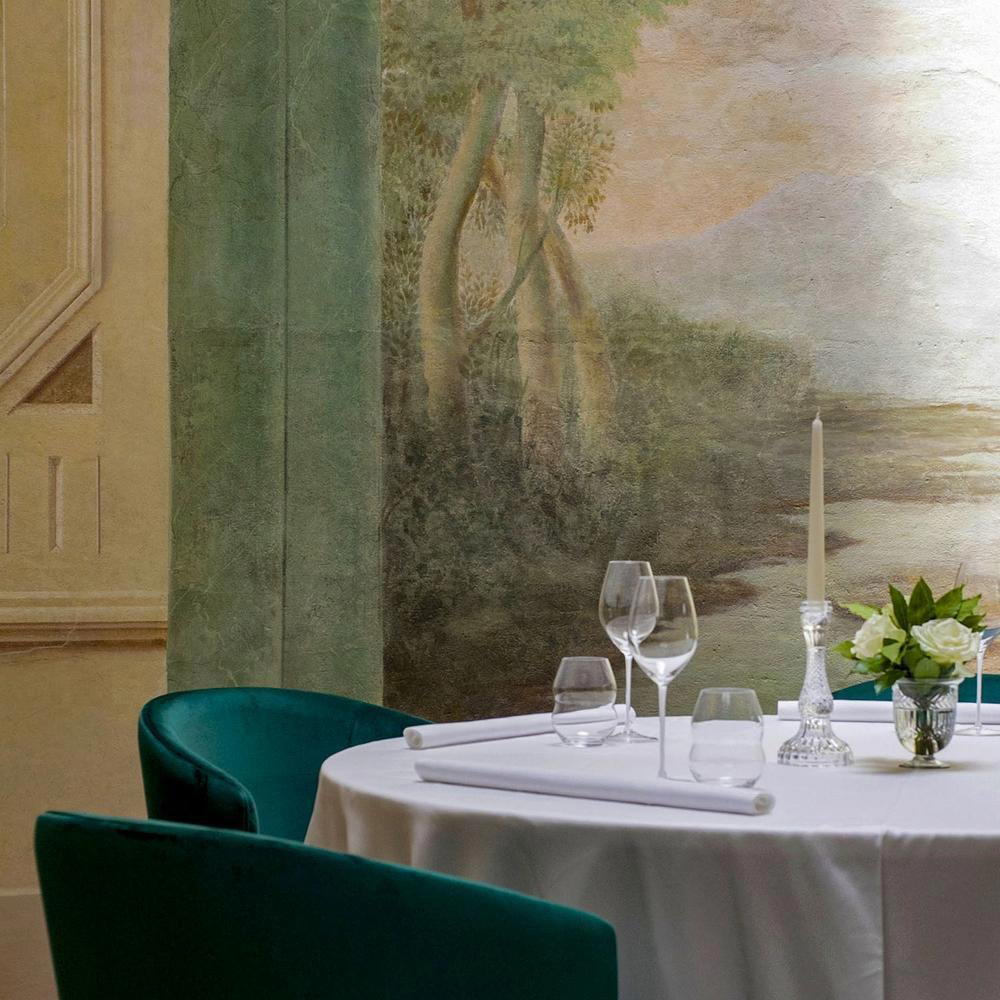
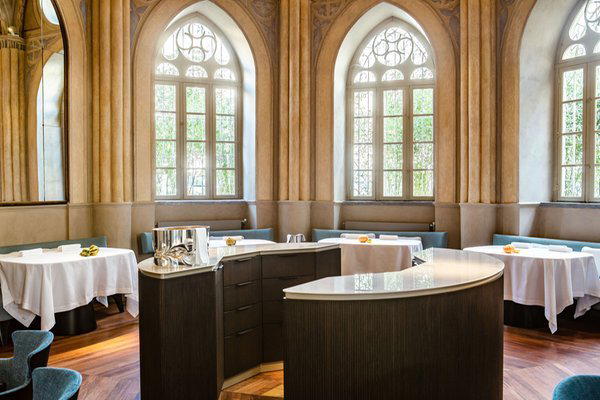
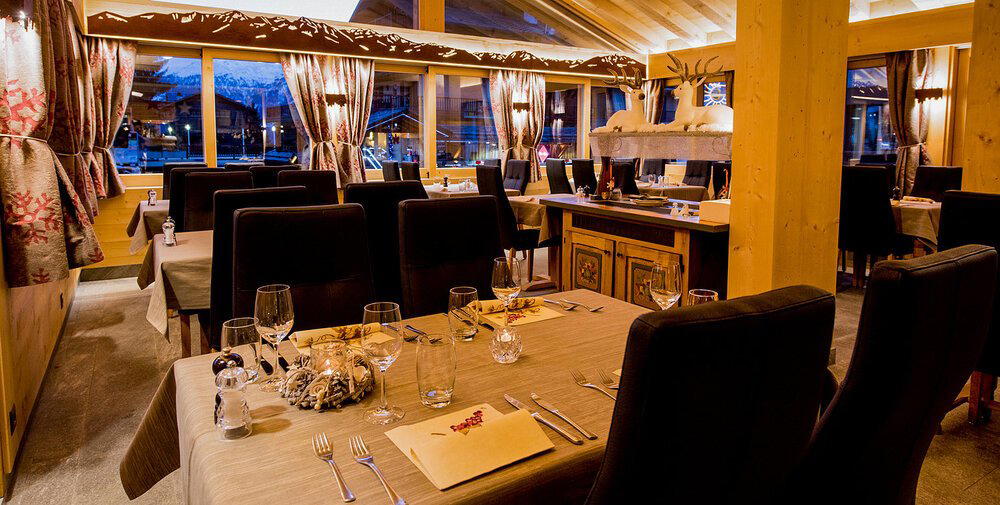
Simple, monastic atmosphere in a remote high-alpine setting with basic shared accommodations and hearty meals.