
Michelin Selected
AlmaLusa Comporta holds a 2025 Michelin Selected distinction, placing it inside the upper tier of design-led properties in one of Portugal's most deliberately low-key coastal destinations. The hotel sits on Rua Pedro Nunes in the village of Comporta, where rice fields meet Atlantic pine forest and the architecture keeps pace with the landscape. For travellers who find the Algarve's resort scale too large, this is a considered alternative.

Pearl is the En Primeur Club membership app, where members save venues, book tables and use the concierge.
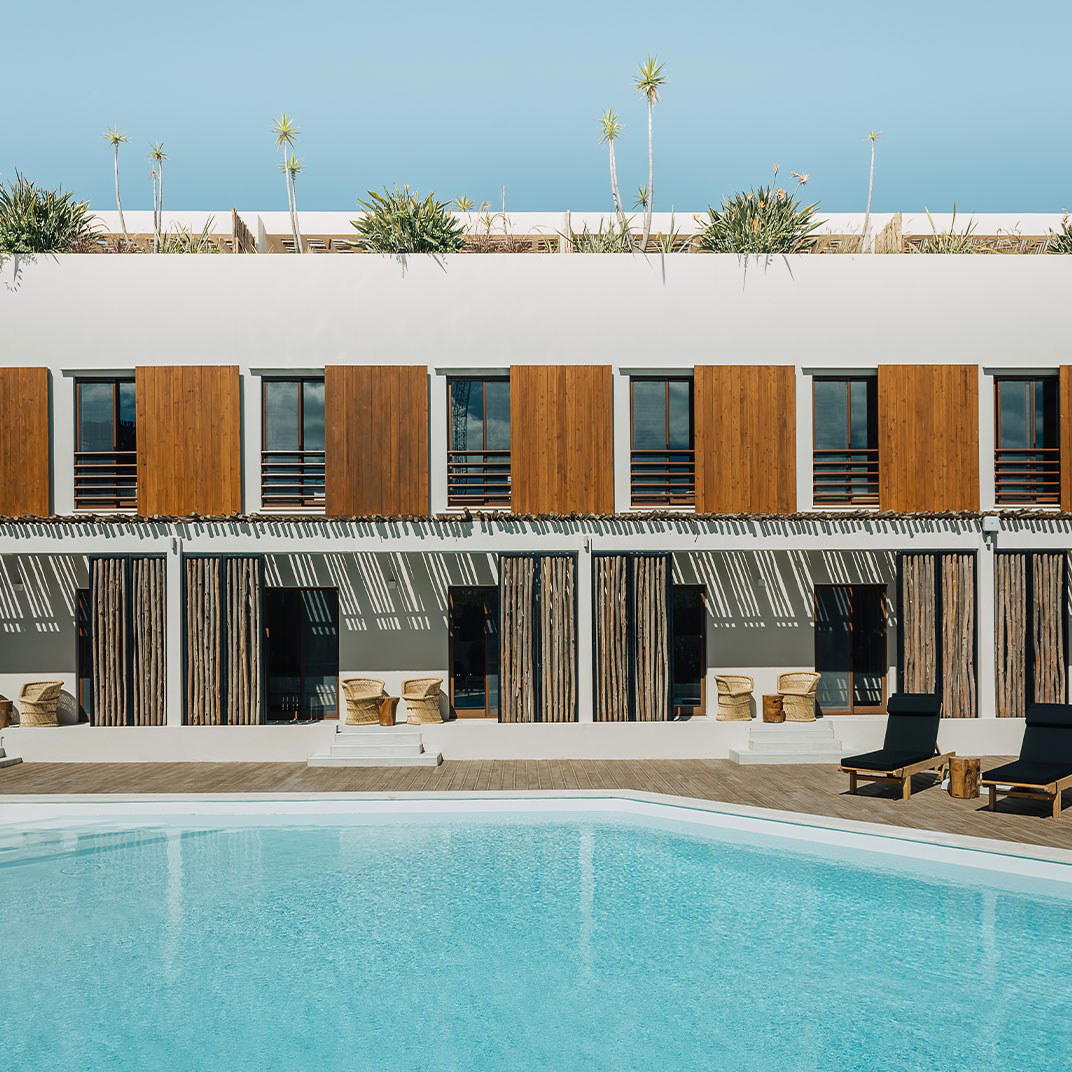
Comporta's Design Restraint, in Architectural Form
The Portuguese Atlantic coast has two distinct registers. South of Lisbon, the Algarve runs on international resort logic: large footprints, chain affiliations, golf courses mapped against hotel pools. Comporta operates on a different frequency entirely. The village sits roughly 90 minutes from Lisbon by road, behind the Sado Estuary, where rice paddies, cork oak groves, and coastal dune systems define the terrain more than any built structure. The architecture here is not incidental, it is the argument. Low, whitewashed buildings with dark timber elements repeat across the village, enforcing a visual grammar that has kept Comporta from becoming the thing it so easily could have been.
AlmaLusa Comporta sits at Rua Pedro Nunes, nº3, inside this aesthetic consensus rather than against it. The 2025 Michelin Selected Hotels distinction confirms its position in the upper tier of Comporta's accommodation market, a category where properties are evaluated not on scale or amenity volume but on coherence: how well the design speaks to place, how the guest experience holds together across its parts.
What the Michelin Selection Signals About This Tier
Within Portugal's boutique hotel scene, Michelin's hotel guide functions as a useful sorting mechanism. The Selected tier does not carry the star system's hierarchy, but it filters properties that meet a consistent baseline of design quality, guest experience, and territorial character. AlmaLusa Comporta's inclusion in the 2025 edition positions it alongside a cohort of independent and semi-independent properties across the country that have prioritised architectural and experiential coherence over loyalty-programme scale.
Nearby, Spatia Comporta and Sublime Comporta occupy the same local tier, each working within Comporta's self-imposed visual and ecological restraint. The comparison matters because Comporta is not a destination where size confers prestige. The village has resisted the high-density development that characterises coastal Portugal further south, which means the competitive set is small, carefully curated, and defined by properties that take the local design language seriously.
For travellers accustomed to larger-scale properties like Conrad Algarve in The Algarve or the resort architecture of Sheraton Cascais Resort in Cascais, AlmaLusa represents a deliberate step toward reduction: fewer keys, less branded infrastructure, more direct contact with the specific character of the place.
Comporta as Destination: The Architecture of Restraint
Understanding AlmaLusa requires understanding what Comporta decided not to be. The Tróia Peninsula, visible across the Sado Estuary, carries the development load that Comporta shed decades ago. The result is a village whose built environment reads as intentional even when it is simply the product of planning conservatism. Single-storey structures, natural materials, and a near-total absence of vertical ambition create a setting where any property that breaks the rule becomes the problem rather than the attraction.
The hotel's address on Rua Pedro Nunes places it within the village core, accessible to the rice field walks and cork oak trails that function as Comporta's primary experiential draws. The beach, one of the Atlantic coast's longer and less crowded stretches, is reachable from the village on a scale that rewards the walking rather than demanding a shuttle. This is a detail that matters in practice: Comporta's appeal is ambulatory and unhurried, and a property positioned within that logic rather than apart from it connects the guest more directly to the destination's actual offer.
For broader context on the region's hotel scene, Hotel Casa Palmela in Setubal offers a comparison point: a heritage property north of Comporta, within the Setúbal Peninsula's wine and nature corridor, that operates on similar principles of architectural specificity and limited scale. Further afield in Portugal, design-led independents like MS Collection Aveiro - Palacete Valdemouro in Aveiro, One Shot Palácio Cedofeita in Porto, and Carmo's Boutique Hotel in Ponte de Lima demonstrate how the Michelin Selected tier maps across the country's independent hotel ecosystem.
Planning Your Stay
Comporta sits in the Alentejo Litoral, a protected coastal zone whose seasonal rhythms differ from the Algarve's extended summer. Peak season runs from late June through early September, when the village fills with a predominantly Lisbon and northern European clientele drawn by the beach quality and the relative absence of mass tourism infrastructure. Booking ahead for peak months is advisable; the Michelin Selected distinction and limited room count across all of Comporta's top-tier properties means availability at this level compresses quickly in high season.
Reaching Comporta from Lisbon typically involves either the A2 motorway south followed by the Ferryboat crossing at Setúbal, or the longer inland route via the A2 and Alcácer do Sal. Either approach takes between 90 minutes and two hours depending on traffic and crossing times. There is no direct train service to the village. Self-drive or private transfer remains the practical default for most guests arriving from Lisbon, and both options pair naturally with excursions along the Alentejo coast or into the cork oak estates inland.
Travellers extending into the Algarve after Comporta might consider properties like Palácio de Tavira in Tavira, Bela Vista Hotel & Spa in Praia da Rocha, or Casa Mãe Hotel in Lagos as continuations of the same design-conscious, smaller-scale approach. For those heading further into the Algarve's resort corridor, Viceroy at Ombria Algarve in Ombria and Dunas Douradas Beach Club in Almancil represent the transition into larger-footprint coastal hospitality.
For the full picture of what Comporta offers across hotels, dining, and experiences, see our full Comporta restaurants guide.
Comparison Snapshot
Comparable venues nearby, for context on price, style, and recognition.
| Venue | Cuisine | Price | Awards | Notes |
|---|---|---|---|---|
| AlmaLusa ComportaThis venue (the venue you are viewing) | Contemporary boutique hotel celebrating local Alentejo culture with artisanal craftsmanship and regional authenticity. | $300–500 | Michelin Selected | Not listed |
| Independente Comporta | Contemporary design inspired by traditional Portuguese aldeias (small villages), blending urban sophistication with countryside authenticity | $200–300 | Michelin Selected | Comporta, Alentejo |
| Sublime Sand | Village-style resort with private villas blending modern Comporta architecture and natural surroundings | $1,000–1,500 | Not listed | Muda |
| Spatia Comporta | Contemporary resort blending modern architecture with traditional regional crafts in a pristine woodlands setting | Not listed | 1 Michelin Key · Mr & Mrs Smith Seal of Approval | Comporta |
| Sublime Comporta | Contemporary Comporta cabanas blending rustic charm with modern luxury | Not listed | 1 Michelin Key · La Liste Top Hotels | Comporta |
| Pousada Viana do Castelo | Historic Edwardian palace with modern restoration | $100–200 | Michelin Selected | Monte de Santa Luzia |
Recognition history
Dated appearances from independent guides and award organizations, with the underlying list record or original source where available.
Michelin Selected
Michelin
Continue exploring
More in Comporta
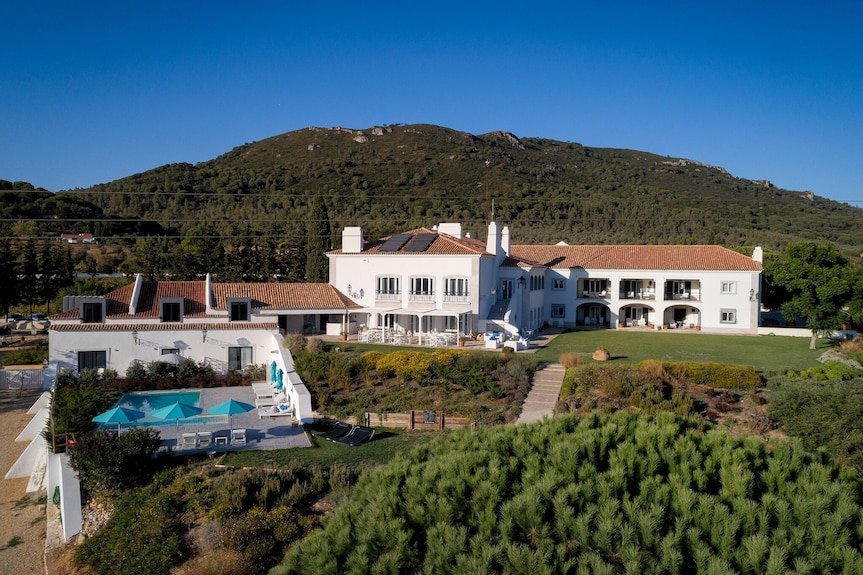
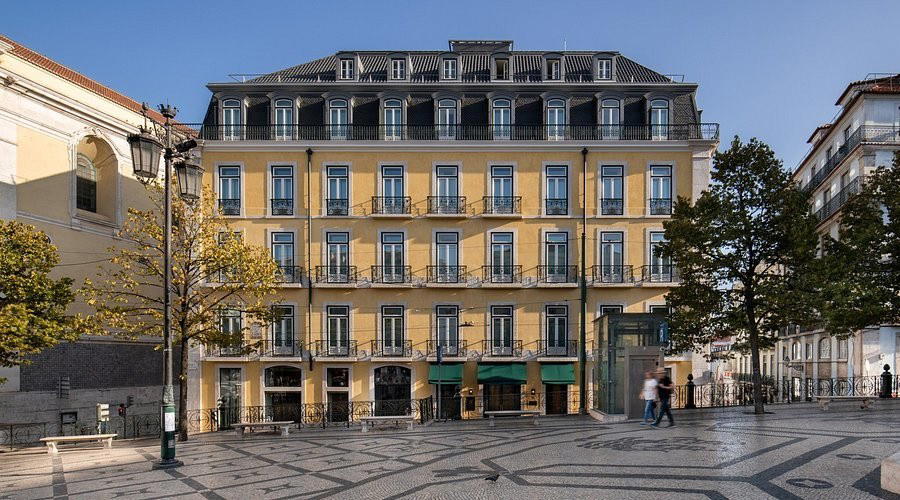
Hotels in Comporta
All hotels in Comporta →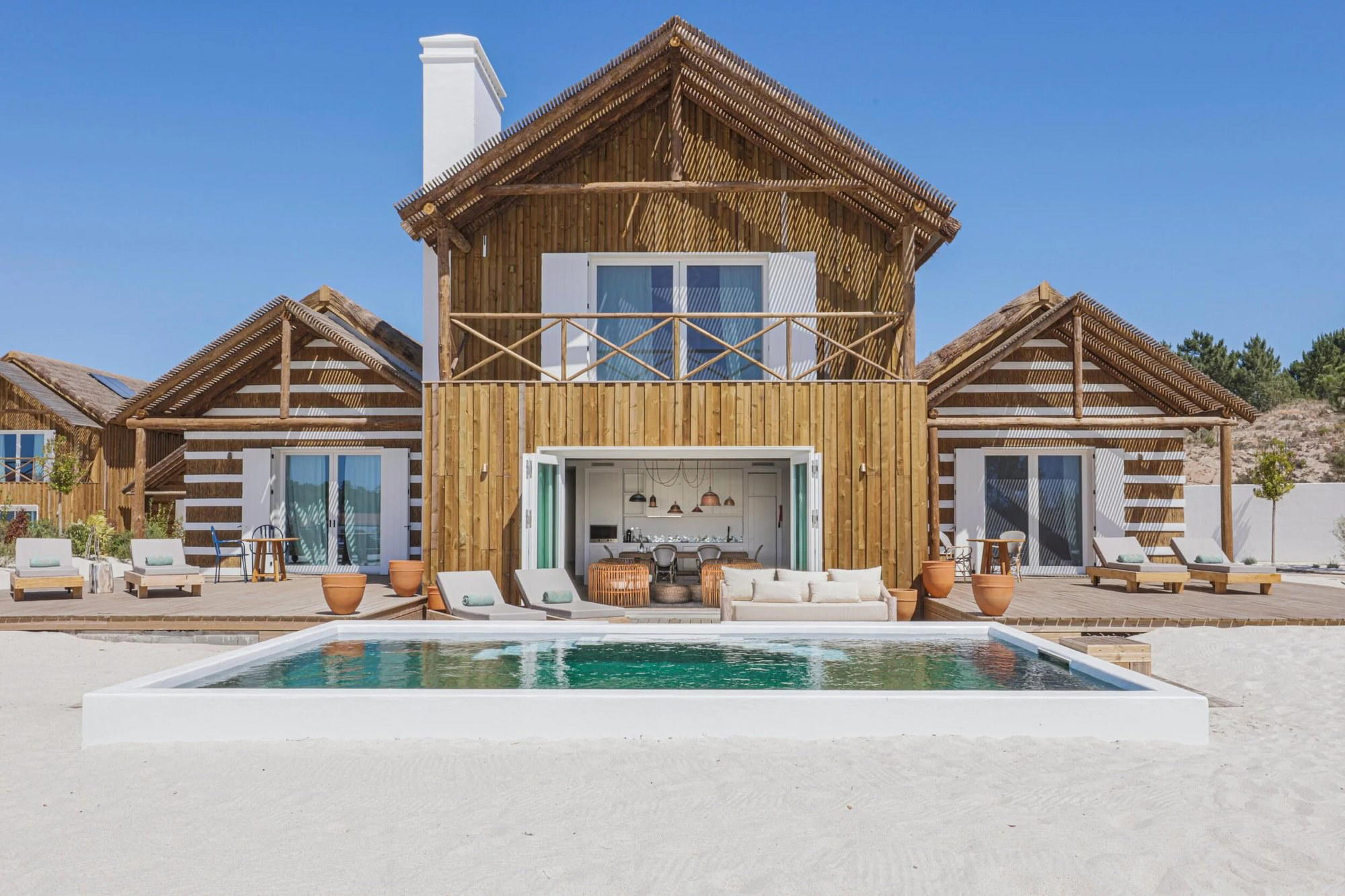
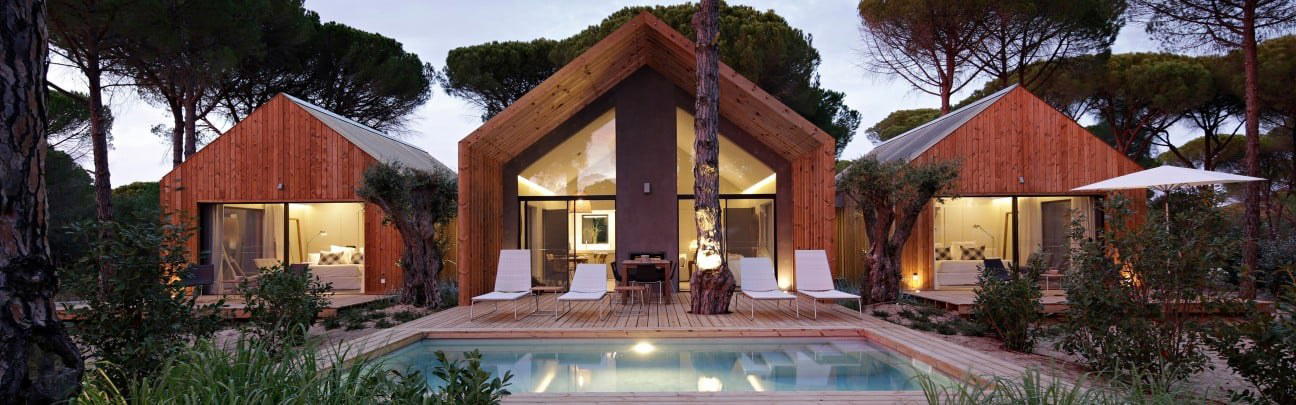
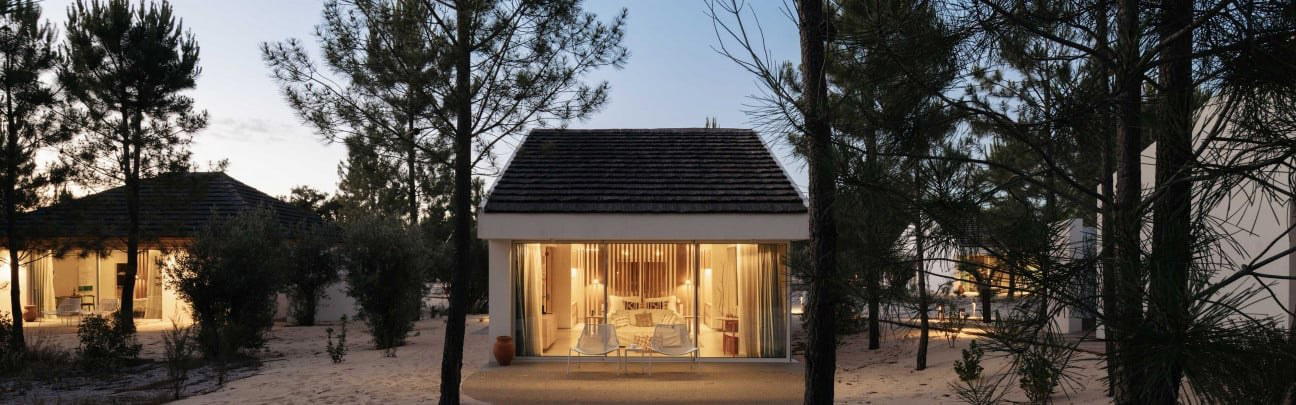
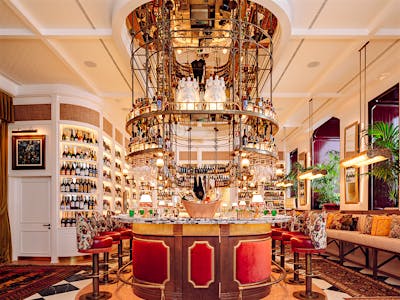
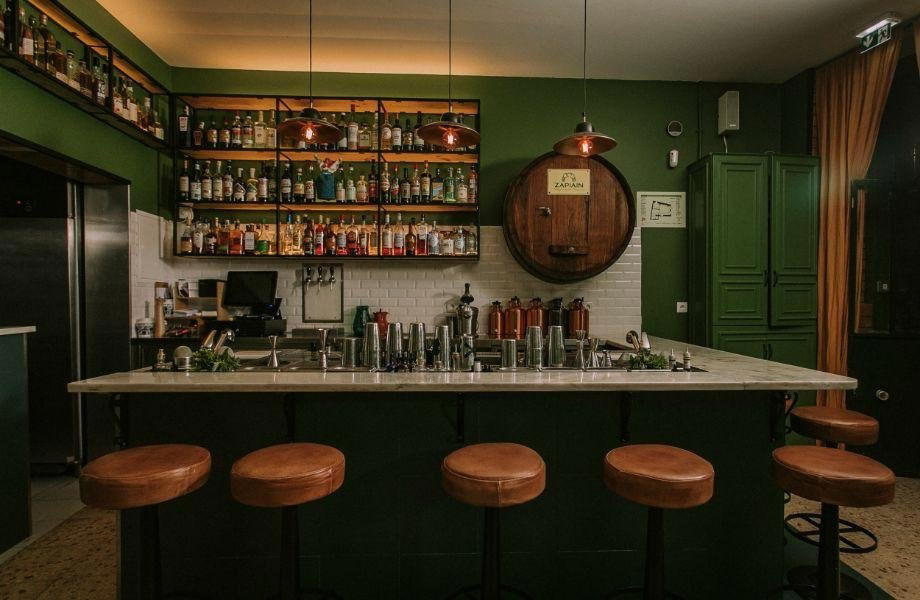
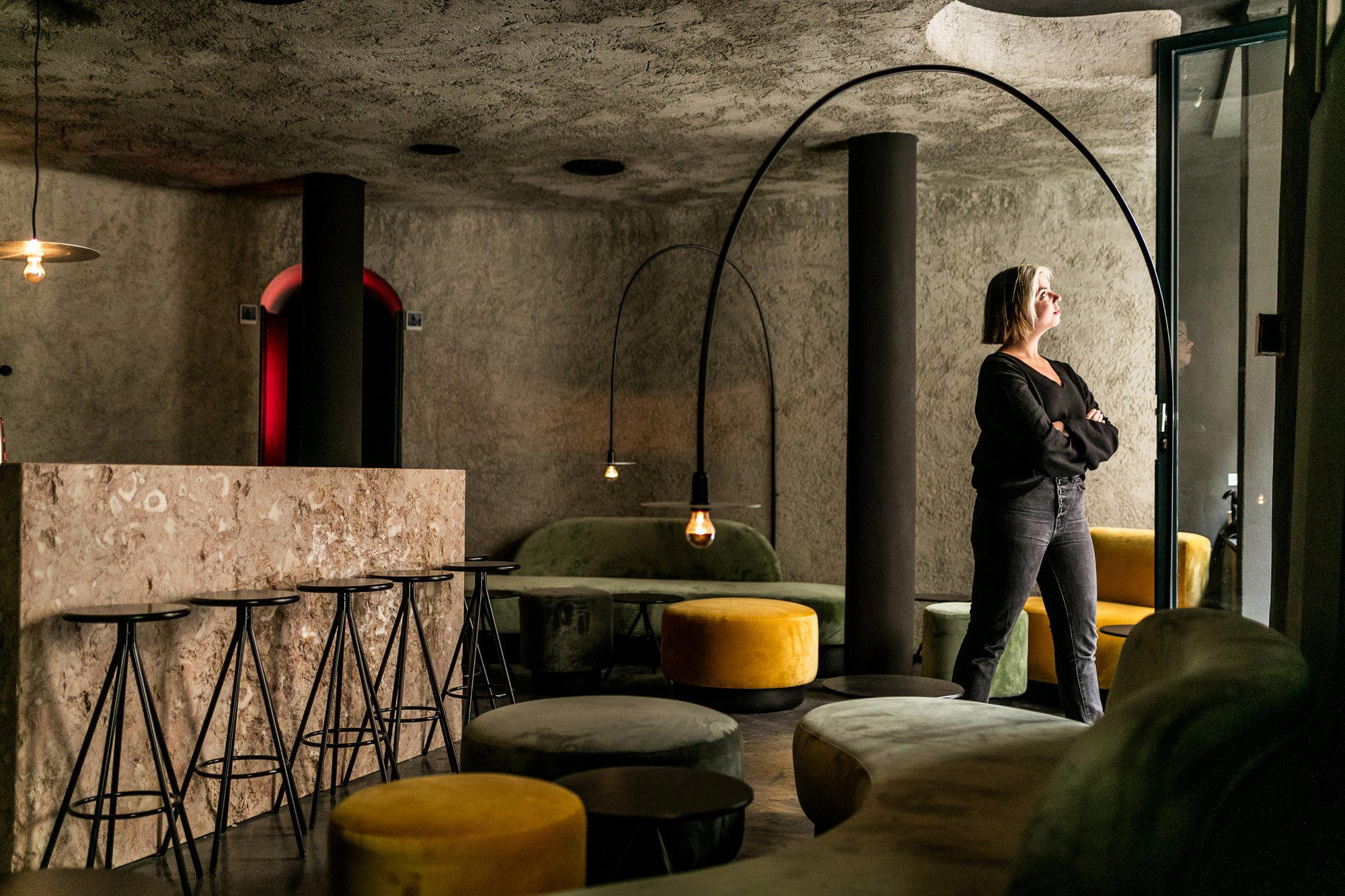
Bars in Comporta
Browse all →
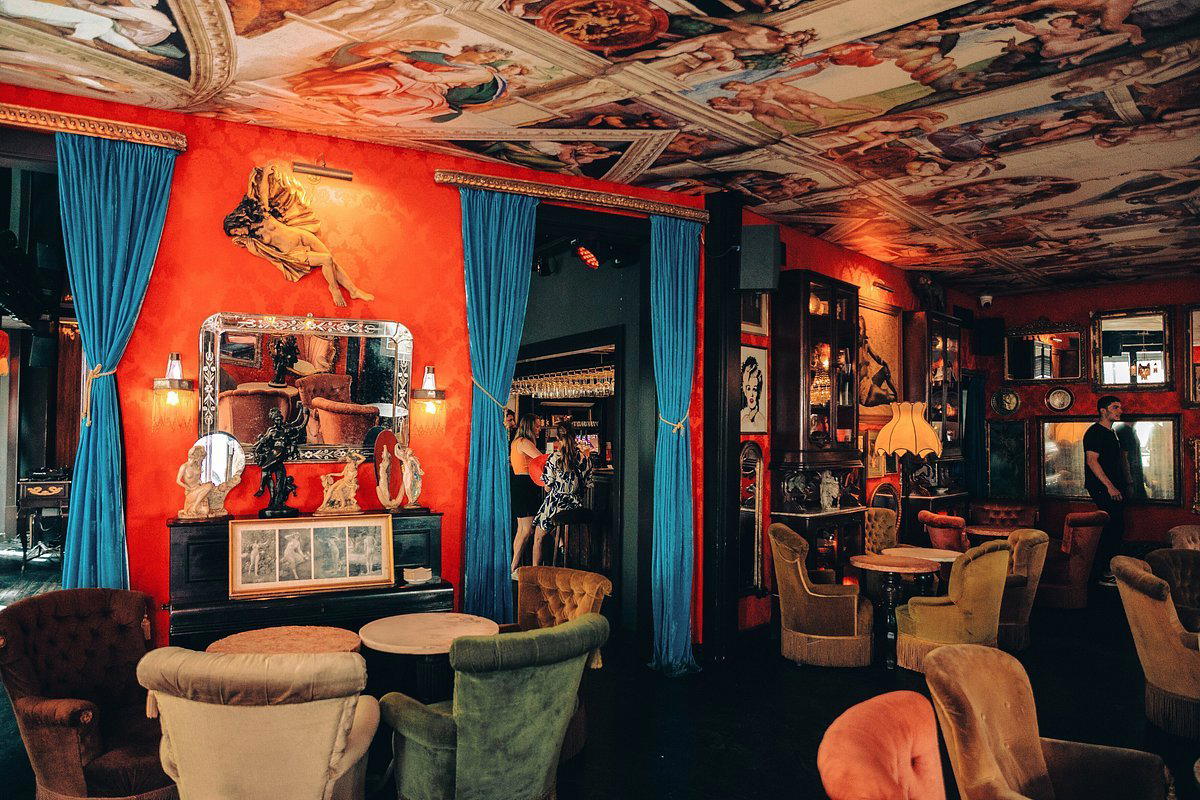
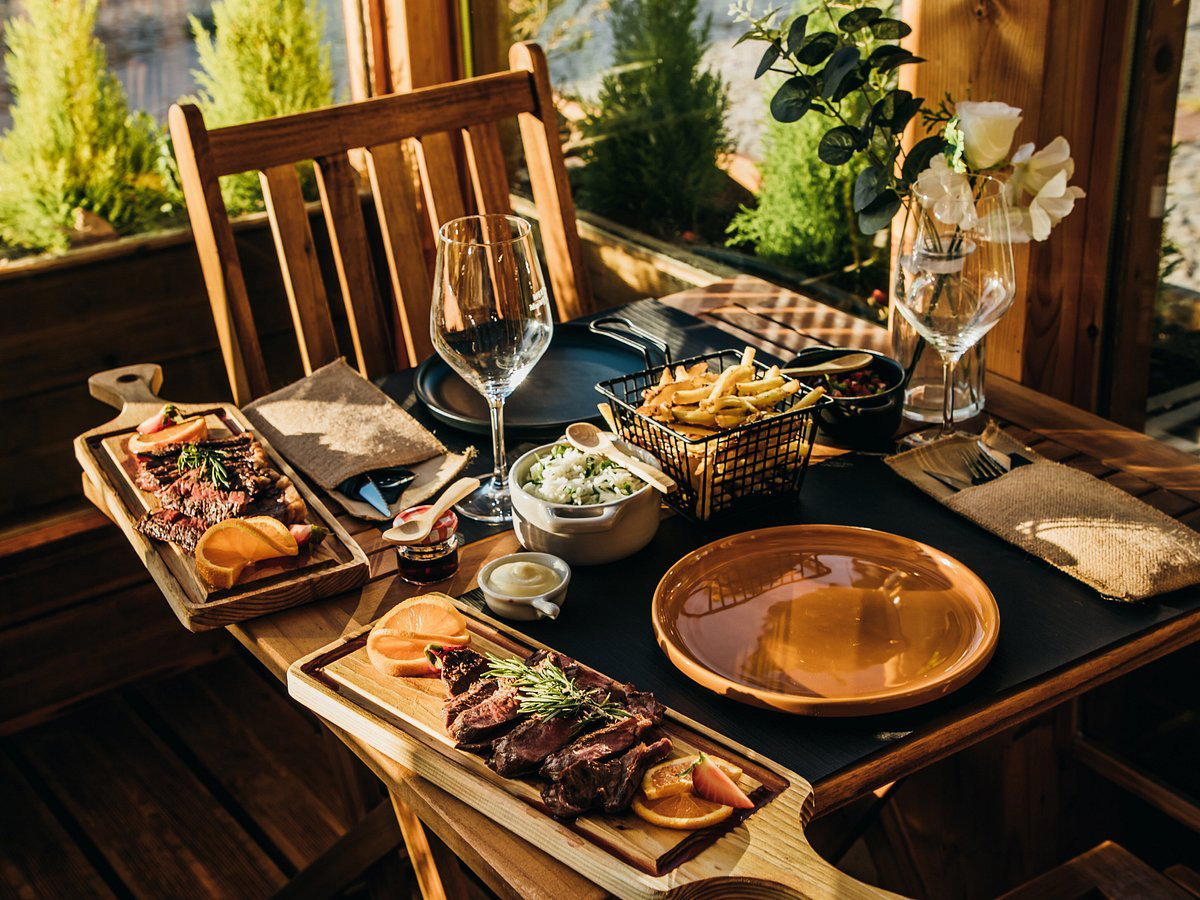
Restaurants in Comporta
All restaurants in Comporta →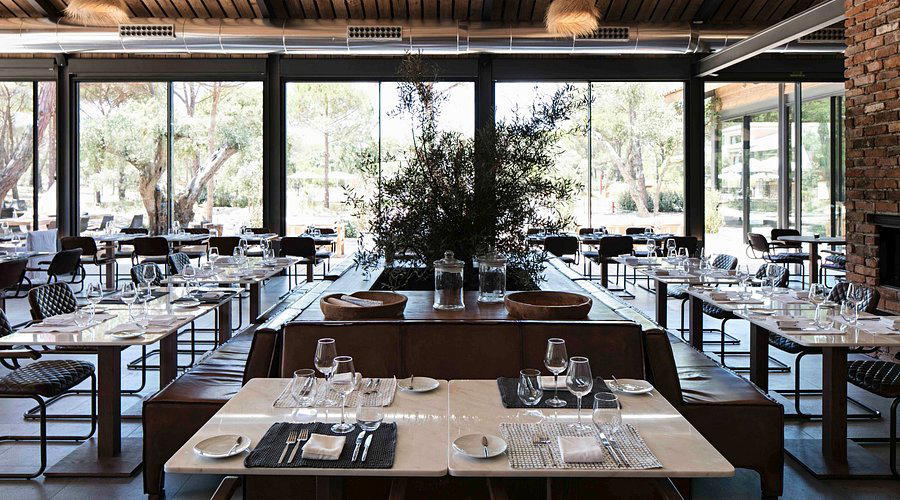

Details
- Romantic
- Modern
- Scenic
- Relaxed
- Romantic Getaway
- Family Vacation
- Weekend Escape
- Beachfront
- Rooftop Pool
- Garden
- Terrace
- Design Destination
- Panoramic View
- Pool
- Restaurant
- Fitness Center
- Concierge
- Wi Fi
- Room Service
- Waterfront
- Garden
Contemporary design with earthy tones and natural textures inspired by Comporta's relaxed atmosphere; guests gather at the rooftop bar and poolside overlooking rice fields and the Sado River.