← Guides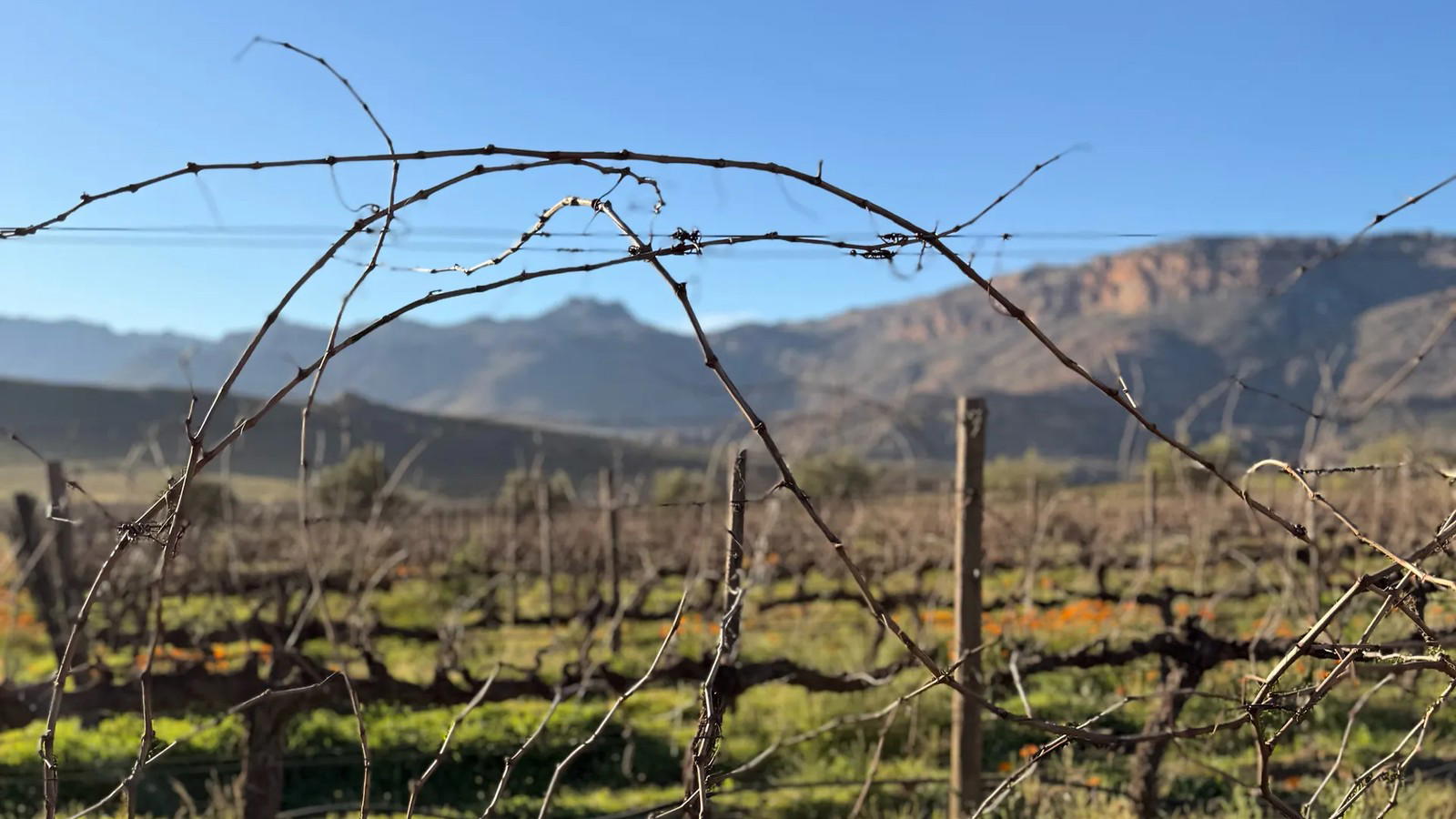
Colombia, Sweden and Bali show why new wine frontiers depend on oak, law, logistics and local education as much as vines.
Colombia, Sweden and Bali show why new wine frontiers depend on oak, law, logistics and local education as much as vines.
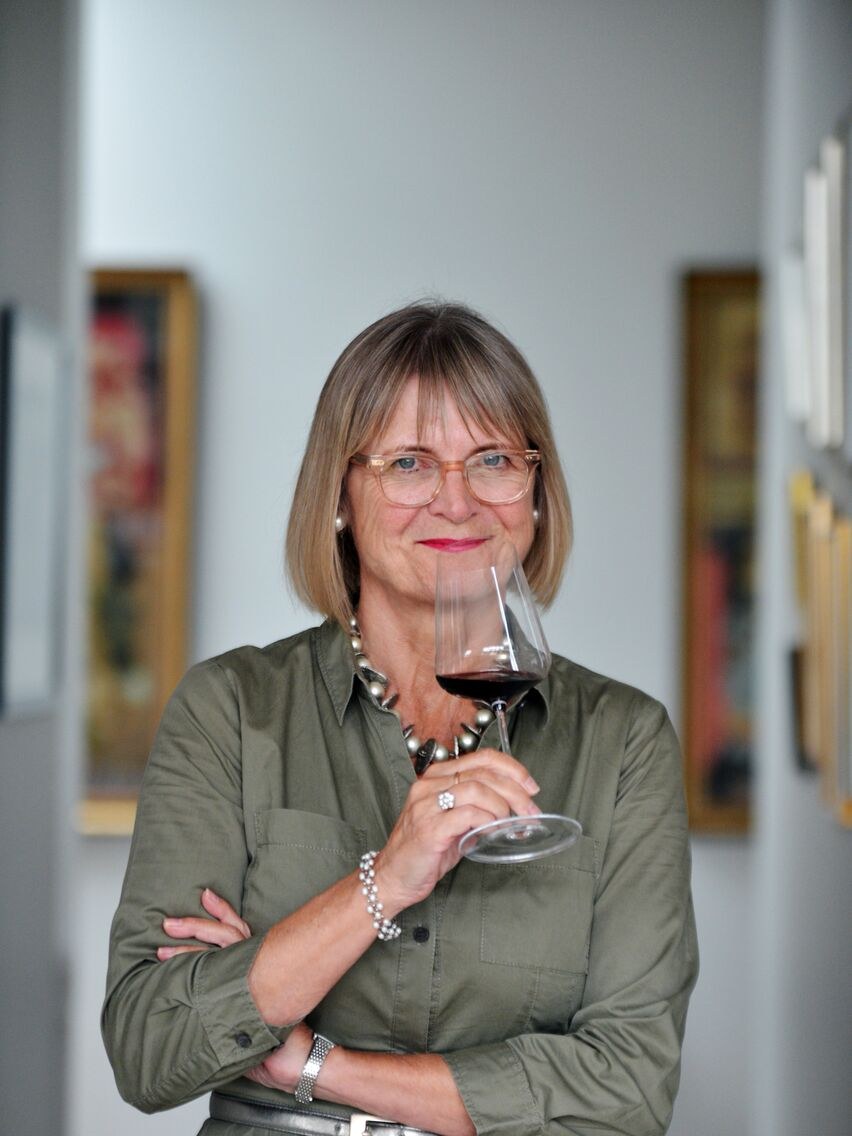
At Cantine Balita's Isola Wine on the north coast of Bali, every winery supply arrives in a single annual shipment, and one missed item can define a vintage before Giacomo Anselmi touches a tank. Pioneering wine regions are built as much through logistics, regulation and audience education as through grape selection.The recently released ninth edition of The World Atlas of Wine, co-edited by Jancis Robinson OBE MW, makes the larger map visible: vineyards keep moving toward the poles, while new clusters also appear in Southeast Asia, China, parts of Africa, Scandinavia and Patagonia.
That atlas update matters because it expands the conversation beyond novelty bottles from warm beaches or northern latitudes. Pepe Saura's Viñedo Abarán in the Colombian Andes, Murat "Murre" Sofrakis's Vingården i Klagshamn in Sweden and Giotto Castiglioni's Isola Wine in Bali show three different versions of the same test. The real test for pioneering wine regions is whether their founders can solve logistics, adapt viticulture without local precedent and teach a new audience why the glass matters.
Jancis Robinson OBE MW pointed to the expansion of vineyards toward the poles as the visible update in the ninth edition of The World Atlas of Wine. That sentence carries practical weight for anyone who buys Burgundy, Barolo or Bordeaux with one eye on future drinking windows. The wine map that shaped twentieth-century collecting, with its established appellations, merchant channels and inherited vineyard knowledge, no longer explains every bottle serious drinkers will encounter over the next decade.
Climate sits behind part of the change. Scandinavia and Patagonia now receive regular attention because warming conditions make viticulture more feasible in places that once sat outside the commercial wine imagination. Yet the broader frontier is not limited to cooler latitudes gaining ripeness. Southeast Asia, China and parts of Africa have developed new winegrowing clusters even where climate does not hand the vine an obvious advantage.
A cold-region success story and a tropical-region success story require different evidence. In Sweden, the problem includes regulation, direct sales and the absence of a long domestic wine culture. In Colombia, Saura works in what he describes as a continuous spring climate, where vines can keep growing and potentially deliver almost three crops a year. In Bali, Castiglioni runs a winery in a mountain-jungle setting where the supply chain has to be planned on an annual cycle.
Classified growth status, négociant access, mature secondary-market data, these signals work in Bordeaux, Burgundy, and the Barossa. In Sweden, Colombia, and Bali, the questions shift: Who solved the barrel problem? Who adjusted the training system after trial and error? Who persuaded harvest workers to pick for quality rather than weight? Who gained direct access to visiting tourists after years of restricted promotion? Those answers indicate the durability of pioneering wine regions more than a familiar-looking label on a hotel list.
Saura, Sofrakis and Castiglioni have not inherited a dense bench of neighboring growers, laboratory services, seasonal cellar hands and barrel brokers. They have had to assemble a working wine culture from scattered pieces. The rough edges here are information.
Castiglioni's Isola Wine gives the clearest logistical lesson. On Bali's north coast, the winery receives all of its supplies in a single annual shipment. Castiglioni describes the risk bluntly: “It's a significant technical problem because if Giacomo [Anselmi, the oenologist] makes a mistake and the container has already left, we have to wait until the following year. It's not like we can go and buy the product down the road, that stuff simply doesn't exist here.”
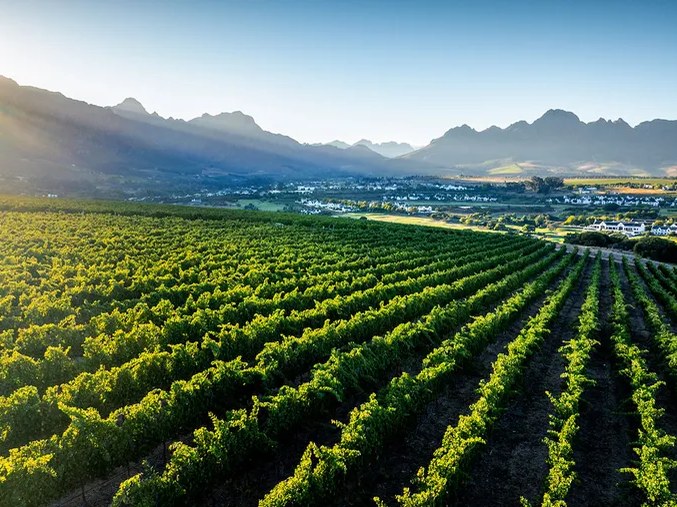
The constraint changes how a winery thinks about time. In the Côte d'Or, Rioja Alta or the Barossa, a missing cellar item can often be replaced through a supplier, neighbor or consultant's network. At Isola Wine, the annual shipment becomes part of the production calendar. The margin for error narrows before harvest begins.
Processing creates another pressure point. Castiglioni says routine analyses that small and medium-sized wineries would usually outsource have to happen on site because the winery cannot send samples elsewhere in a useful condition. His explanation is practical: by the time a sample reached Australia, the wine could have changed beyond recognition. The result is a winery that has to internalize technical work that an established region would spread across service providers.
Colombia shows the same problem through oak rather than laboratory work. Imported European oak can cost three times as much in Colombia as in established wine markets. Saura's answer at Viñedo Abarán is to use barrels made from indigenous Colombian oak, the same type of wood long used by Industria Licorera de Caldas, Colombia's leading rum producer in the coffee region. The detail matters because it shows adaptation without pretending that a frontier region can simply import an Old World cellar (Decanter1).
That choice shapes the wine. Oak origin, seasoning, cooperage tradition and vessel management shape texture, aroma and élevage decisions. Saura chose a local material with an existing track record in Colombian maturation culture rather than treating European oak as the only serious option.
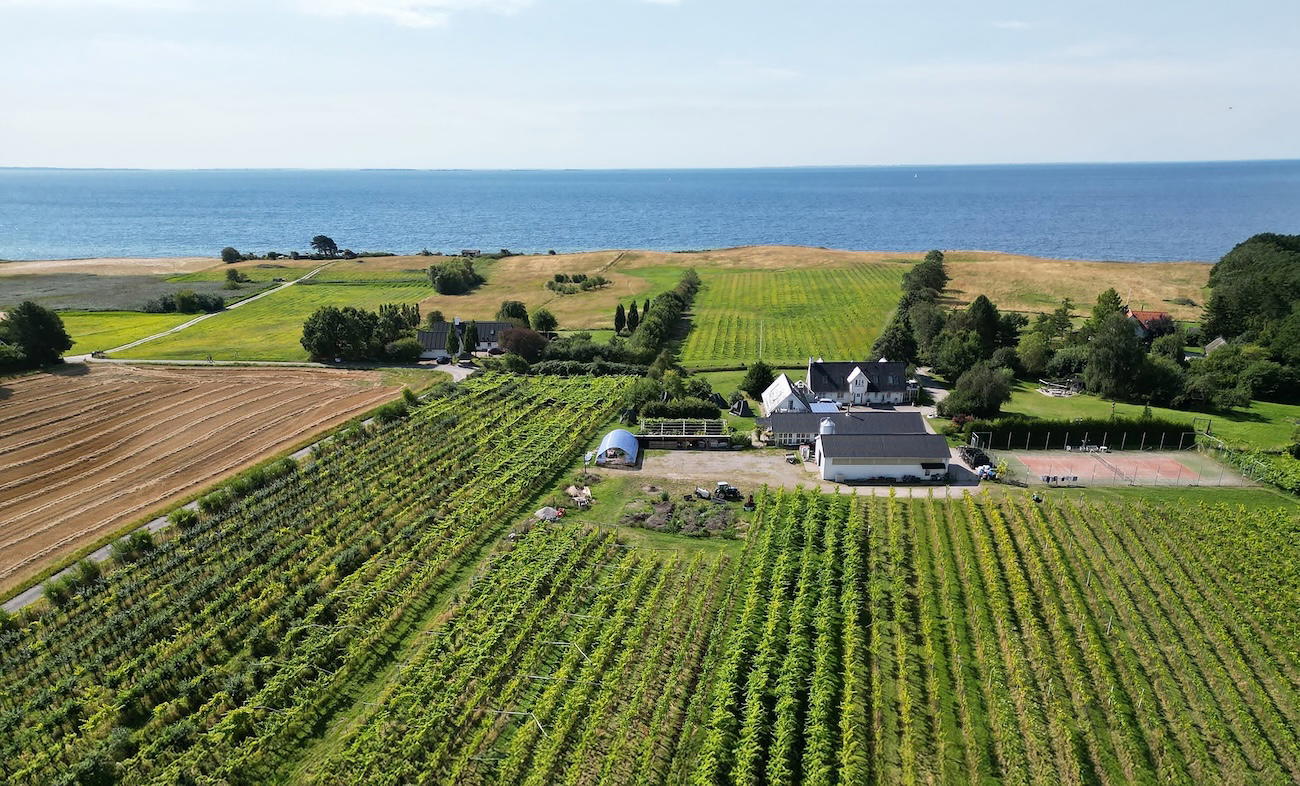
Sweden adds a regulatory version of the supply-chain problem. Sofrakis founded Vingården i Klagshamn as one of the pioneers of Sweden's wine industry, and the country's alcohol restrictions made selling and promotion harder for domestic producers. Swedish regulations recently allowed wineries to sell directly to visiting tourists. Sofrakis called the change a “game changer” because many Swedish wine producers are located where tourists already travel.
Direct sales matter in an emerging region because they shorten the distance between explanation and purchase. A visitor can stand at the property, hear why a grape was chosen, taste the current release and leave with bottles. In a young region with limited merchant infrastructure, that pathway can do more than move inventory. It can help buyers describe the wine, place it among known regions and understand the producer's work.
Saura's Viñedo Abarán in the Colombian Andes puts the viticultural challenge into 2.5 hectares. The vineyard is planted mainly to Merlot and Vitis labrusca, a species widely grown across South America and suited to tropical and subtropical climates. Saura came from Murcia, Spain, where his family has a winery, yet he said that when he arrived in Colombia he had little local knowledge to guide variety, soil and climate decisions (Decanter1).
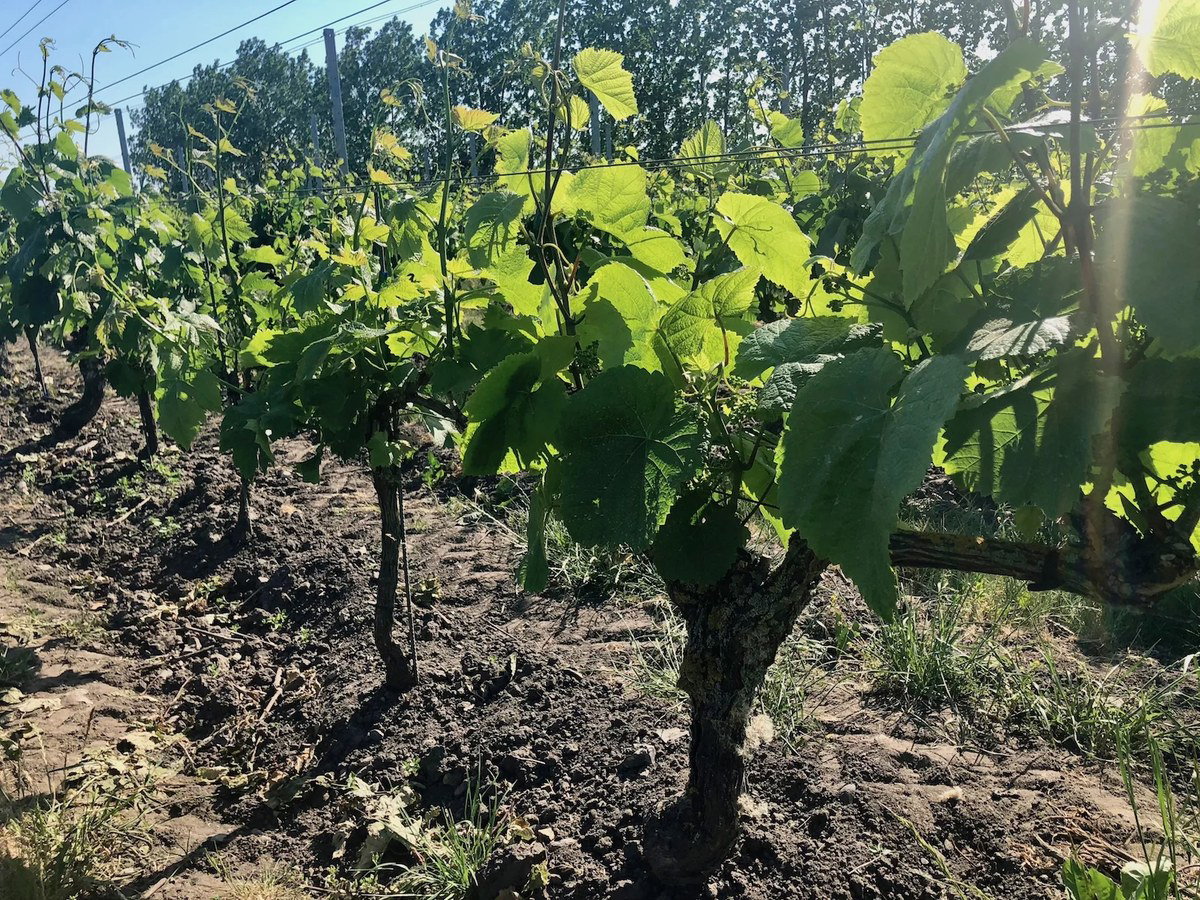
The Colombian site forced him to rethink vine behavior. In the region's continuous spring conditions, vines stay in vegetative growth. Saura eventually settled on a pergola system to help control vigor and shade the fruit from strong UV light. Combined with cool night-time temperatures from altitude, that approach allows him to harvest every seven months rather than chase the almost three crops per year that the vines could potentially yield.
That decision, every seven months rather than three possible crops, is the kind of discipline that separates a wine project from an agricultural curiosity. More fruit is not the same as better fruit. Saura's choice gives the grapes more time to ripen, and the seven-month rhythm shows a quality model rather than exploitation of the vine's capacity to crop.
Sofrakis offers the northern mirror image. At Vingården i Klagshamn, he had to work without a Swedish textbook. “Obviously, there was no textbook for what we were doing at the time,” he said. He found mentors in Denmark, where the wine industry was ahead of Sweden's, and visited top producers in Europe for advice. Yet he also makes the essential caveat: those visits could inspire, because every location behaves differently.
That caveat is the central viticultural truth of pioneering wine regions. Transplanting technique is not the same as understanding place. A pergola system in the Colombian Andes, direct-to-tourist sales in Sweden and an annual supply shipment in Bali belong to separate climates and legal systems. The shared thread is the absence of inherited local precedent.
Isola Wine in Bali adds the operational version of terroir. The winery's mountain-jungle setting may sound seductive on a travel itinerary, but isolation affects analysis, procurement and timing. The setting becomes part of the wine's conditions because every decision must be made with fewer nearby backups. That does not make the wine better by itself. The producer's competence is visible in the response to those constraints.
The temptation, especially in affluent travel circles, is to judge a frontier wine by whether it resembles a known benchmark. A Merlot from Colombia will not gain seriousness by pretending to be Pomerol. A Swedish wine will not become convincing by leaning on a borrowed French vocabulary. A Balinese wine project does not need European scenery to justify its existence. The better question is whether the producer can identify the constraint, adapt the method and keep improving without a local template.
New regions must create drinkers as well as wines. Anselmi, Isola Wine's oenologist, identifies the human factor as one of the hardest parts of the work. He said the team had to teach local harvest workers that payment would not be based simply on kilos picked, but on quality, with the possibility of earning more through better selection. That change asks people to understand ripeness, sorting and incentive in a wine context that may be new to them.
That education is usually invisible in established regions because generations of seasonal workers, cellar teams and growers already know the language of the harvest. In a frontier region, the producer may have to explain why a cluster is rejected, why timing matters and why quality can beat volume. The technical cellar choices sit on top of that social training.
Saura faces the consumer version of the same challenge in Colombia. He has said that he currently sells a lot more grape juice than wine. The line functions as market data. Wine culture cannot be assumed, even when vines grow and a winery exists. Saura is building a small museum at the finca to teach visitors about the history of wine and to cultivate a local audience.
That museum detail indicates the kind of visit Viñedo Abarán needs to offer. The tasting cannot rely on appellation shorthand or a village name that already carries meaning. The visit has to explain why Merlot and Vitis labrusca are planted there, why the pergola matters, why a seven-month harvest cycle signals intent and why Colombian oak belongs in the conversation.
Sweden's recent direct-to-tourist sales rules give producers a sharper tool. Sofrakis said that when the change began, it became a “game changer” because many Swedish wine producers are located where tourists are. That matters for Vingården i Klagshamn and its peers because the cellar door can now function as both classroom and sales channel. The visitor does not have to leave with a memory alone.
This is where pioneering wine regions become especially interesting for serious travelers. A polished château tour in Bordeaux or a long lunch in Montalcino offers depth through heritage. A visit to Colombia, Sweden or Bali offers depth through problem-solving. The infrastructure of wine culture is being assembled in real time, with founders still close enough to the early decisions to explain why they chose one path over another.
That access has scarcity of a different kind. There may be no grand cru hierarchy, no mature auction history and no long run of critics' scores to parse. Instead, the scarce asset is proximity to the people making first-generation decisions. Visitors may hear directly how a producer handled an annual shipment, a regulation change or a harvest team learning to select for quality. That kind of firsthand context can change how a bottle sits in the cellar.
Not every frontier wine is a future trophy bottle. Scarcity alone has never guaranteed quality, and a difficult production environment can produce flawed wine as easily as characterful wine. The serious case for pioneering wine regions rests on evidence of adaptation. Saura's seven-month harvest cycle, Castiglioni's on-site analytical capacity and Sofrakis's use of direct tourist sales each show a producer solving a real constraint.
Those constraints also shape tasting and buying decisions. With Viñedo Abarán, the question begins in the vineyard: how do Merlot and Vitis labrusca behave under Colombian Andes conditions, and what does the pergola system do for ripening and shade? With Isola Wine, the question moves into the cellar: how does a producer maintain consistency when supplies arrive once a year and analyses must happen on site? With Vingården i Klagshamn, the question includes access: how does direct-to-tourist selling alter the relationship between Swedish producers and the people who travel through wine country?
These questions create a more demanding itinerary than the usual tasting-room circuit. In Colombia, a visit to Saura's finca carries the added layer of a local audience still forming around wine. In Sweden, the recent ability to buy directly from wineries gives visitors a more complete cellar-door encounter. In Bali, Isola Wine's north-coast position and mountain-jungle setting frame the winery as a place where isolation is operational rather than decorative.
Strong buying lens is patience. Without long critic histories, producers are assessed by consistency of thought, technical honesty and the specificity of their solutions. A bottle that sells only on novelty offers little evidence of quality. The stronger case comes from a concrete viticultural or cellar decision: a training system chosen after trials, a local oak solution, a quality-based harvest incentive or a direct-sales route that lets the producer explain the work in person.
This is also where the new atlas matters for established collectors. If The World Atlas of Wine now has to account for vineyards moving toward the poles and new clusters emerging beyond familiar zones, then established appellation literacy is no longer sufficient. Appellation literacy remains essential. So does the ability to read a founder's choices in a place where appellation structure does not yet carry the argument.
The counterargument is simple: these regions are too early, too inconsistent and too dependent on founder energy to matter in a cellar built for longevity. That caution has teeth. Many young wine regions do not yet offer the continuity that collectors expect from Burgundy domaines, classified Bordeaux or long-established Piedmont estates. Curiosity purchases and cellar planning are separate categories.
Yet dismissing the category because it lacks mature benchmarks misses the evidence now accumulating in specific estates. Saura is not relying on climate alone; he has adapted pruning and harvest timing to a continuous-growth environment. Castiglioni is not treating Bali as a backdrop; he has built systems around annual procurement and on-site analysis. Sofrakis is not waiting for Swedish wine culture to arrive fully formed; he helped build one of its early estates and now benefits from direct access to visitors.
Pioneering wine regions succeed when a founder accepts that vines are only the first visible sign of the work. Colombia asks Saura to manage continuous vine growth, local oak and a consumer base that still buys more grape juice than wine. Sweden asks Sofrakis to translate a young national wine culture into cellar-door sales under new rules.
Bali asks Castiglioni and Anselmi to run a winery where a missed supply order can wait a year and routine analysis cannot be sent away. The next wine map will belong to producers who pair viticultural trial and error with supply-chain discipline, legal access and the element of madness required to keep working without benchmarks.
Get the App
Take the shortlist into the En Primeur Club app for concierge access, saved places, and the next step after discovery.
Get Exclusive AccessMore from the editors