← Guides
A Beaucastel winery visit is appointment only. Here is how to request access, when to go, and what collectors can expect inside the Châteauneuf-du-Pape estate.
A Beaucastel winery visit is appointment only. Here is how to request access, when to go, and what collectors can expect inside the Châteauneuf-du-Pape estate.
The gate at Château de Beaucastel does not swing open for walk-ins. You will not find a tasting room sign on the D17 between Courthézon and Orange, nor a chalkboard listing the day's pours. Access runs through advance contact with the estate, by email or phone, a confirmed appointment, and a degree of patience that filters out the casually curious. For serious collectors and oenophile travelers, that friction is manageable. You can visit, but you need to plan ahead: visits are by appointment, with published visitor hours of Monday to Friday, 10:00-17:30, and contact available by email or phone through the estate.
The Châteauneuf-du-Pape appellation as a whole draws significant visitor traffic during harvest (September, October) and the summer high season, which compresses available appointment slots at estates that do accept visitors. Beaucastel is not a large commercial operation with a dedicated visitor team; estate staff handle appointments while balancing hospitality against production demands. Access feels tighter here than at a Napa Valley estate built around the tasting-room model.
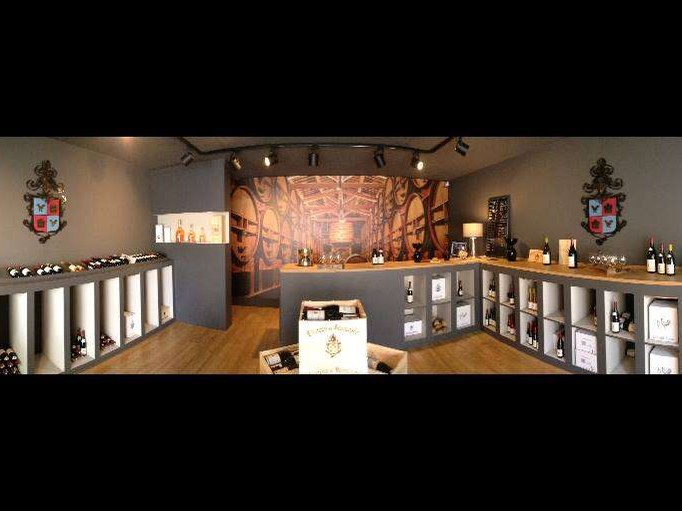
For a Famille Perrin experience without the estate appointment process, start at La Cave Famille Perrin, at 2 place du Portail, 84230 Châteauneuf-du-Pape.2 It is open Monday to Saturday, 10am to 6:30pm, year-round,2 with a selection of five wines available for tasting every day.2 Entry is free,3 sommeliers on the floor speak fluent English, and the cellar is open to individual visitors for wine purchase.2 It is not a substitute for a Beaucastel estate visit, but it is a useful first stop before you commit to the more involved appointment process.
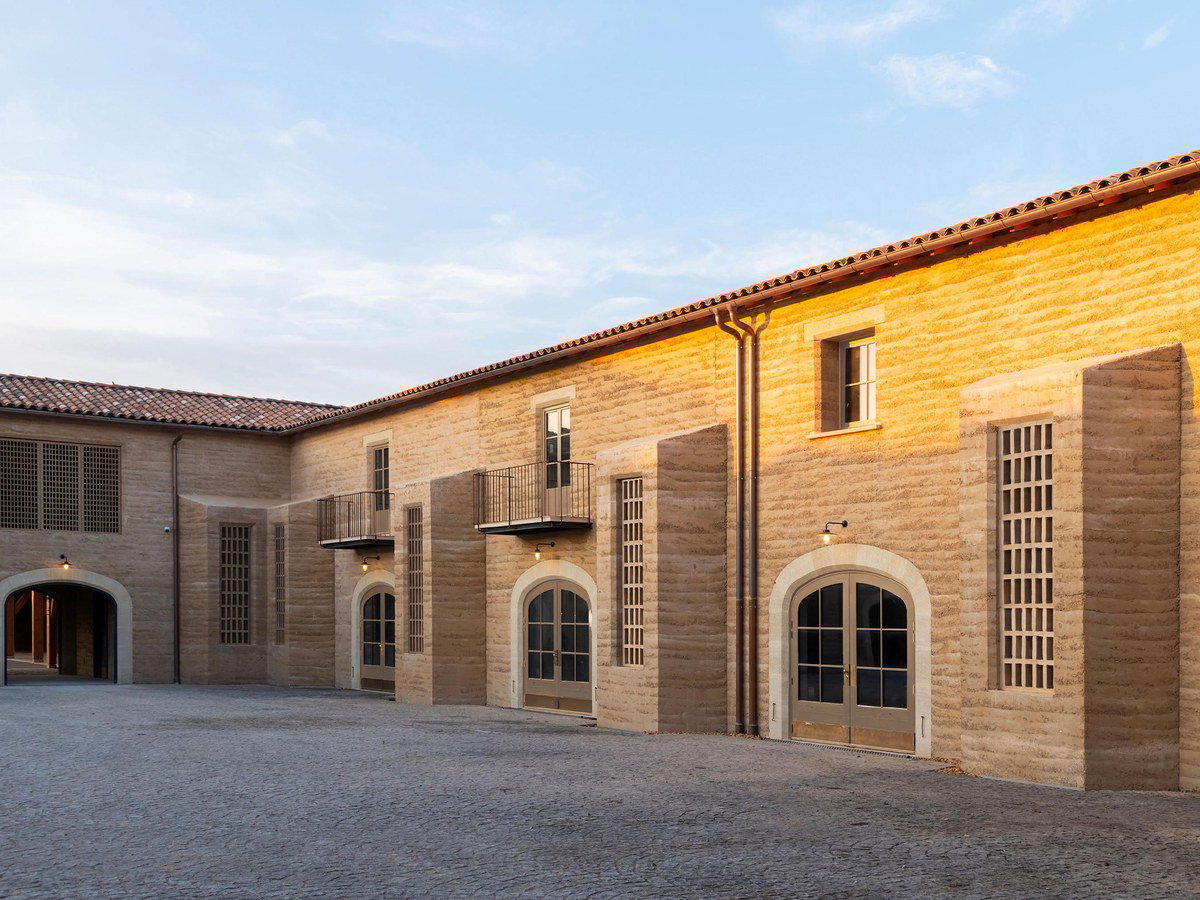
Direct contact with the estate. The primary route is emailing or calling Beaucastel directly. The estate can be reached at contact@beaucastel.com or by phone at +33 (0)4 90 70 41 00.1 Write in French if you can; it signals seriousness and tends to receive faster responses. State your dates, your party size, your familiarity with the wines, and, if relevant, your purchasing history. A brief, specific request, such as "I have been following the Mourvèdre-dominant vintages since 2015 and will be in the Vaucluse the week of your visit," lands better than a generic inquiry.
Through a wine merchant or négociant relationship. Collectors who buy Beaucastel through established Rhône specialists, négociants, or fine wine merchants with direct Perrin family relationships can sometimes request an introduction. This is the route insiders use. If your merchant has placed significant orders with the Perrins or their négociant arm, Famille Perrin, a warm introduction carries weight that a cold email does not.
Specialist wine travel operators. A small number of Rhône-focused wine tour companies include Beaucastel on curated itineraries. These operators have pre-existing relationships with the estate and can secure appointments that individual travelers cannot. Verify that any operator claiming Beaucastel access has actually delivered it recently; the claim is sometimes aspirational. Confirm directly with Beaucastel before building a travel itinerary around a specific date.
The Hommage à Jacques Perrin is released only in select vintages, and release periods generate additional traffic from collectors seeking allocation. Timing a visit around a release window can work in your favor, because the estate is engaged with buyers, or against you, because staff attention is elsewhere. Your merchant is the better source for release timing.
Collectors who have visited Beaucastel more than once tend to follow a consistent pattern. They build a purchase history first, either direct or through a Rhône specialist, before requesting a visit. They write to the estate in French, keep the request concise, and name specific wines and vintages they have followed. They do not ask for a "tasting experience"; they ask to visit the cellar and discuss the current vintage.
The mistakes that cost people the appointment:
Insiders also know that the Perrin family's négociant operation, Famille Perrin, is a separate commercial entity from the Beaucastel estate itself. Visits to Beaucastel specifically, the historic property, the old-vine Roussanne parcels, and the cellar where the Mourvèdre-heavy blends age require a direct estate appointment, not just a Famille Perrin trade relationship.
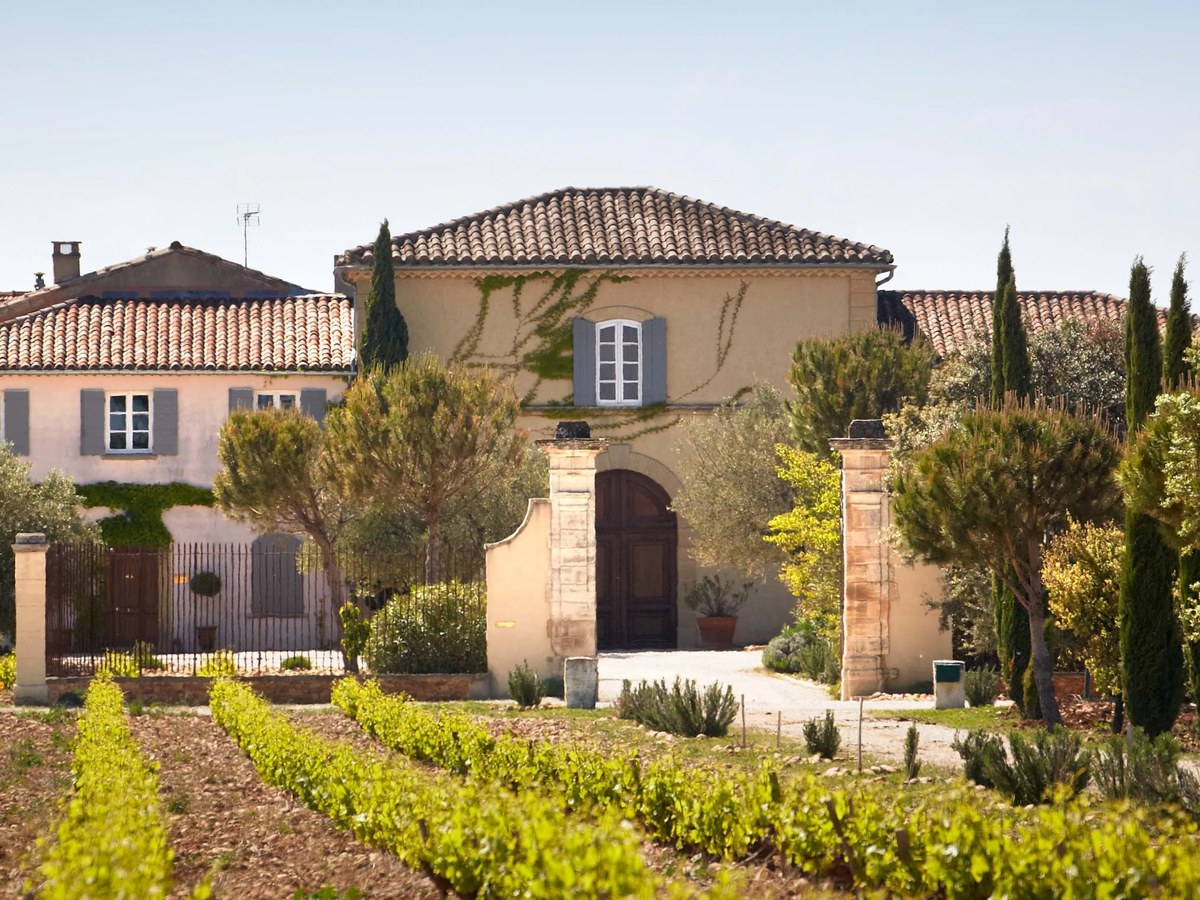
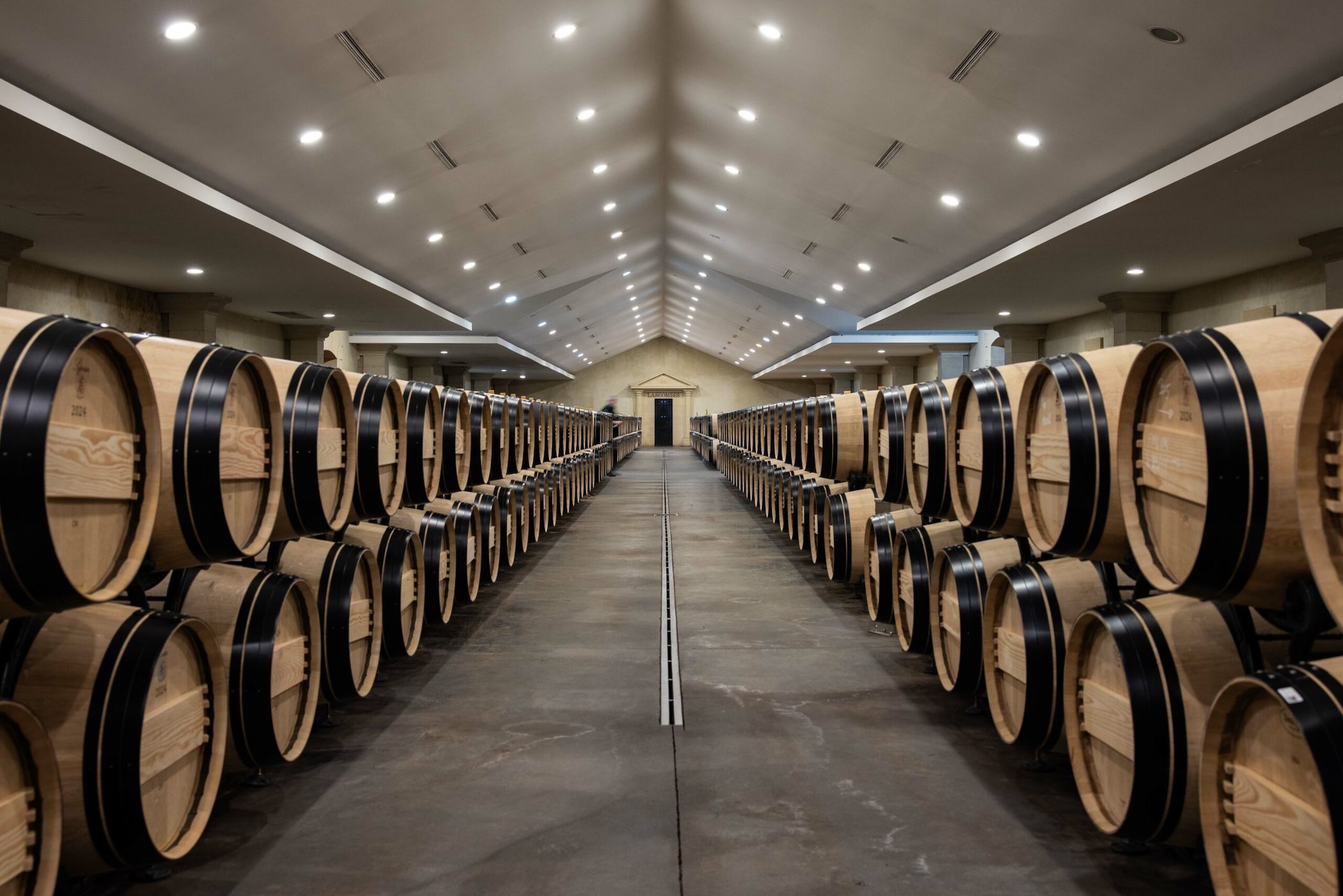
The tasting component, when offered, typically covers the current release of the rouge and blanc, and occasionally older vintages from the estate's library. The Roussanne Vieilles Vignes blanc, one of the Southern Rhône's most age-worthy whites, is a particular point of pride. If the appointment is arranged through a merchant relationship, there is a reasonable chance of tasting a back vintage alongside the current release. The estate visit and tasting is by appointment and is listed as free; confirm the current format directly when you make your appointment request. What is consistent across accounts: this is not a polished hospitality experience in the Napa mold. It is a working estate visit, with concrete floors, the smell of fermenting must in season, and a conversation about viticulture rather than a scripted presentation.
| Estate | Access Difficulty | Booking Route | Walk-In Possible? | Tasting Fee |
|---|---|---|---|---|
| Château de Beaucastel High, appointment essential Direct email/phone No Free | ||||
| La Cave Famille Perrin (village) | Low, open to individual visitors | Walk-in; no appointment needed | Yes | Free |
| Château Rayas | high, near-impossible without introduction | Trade/collector introduction only | No | N/A |
| Château La Nerthe | Moderate, appointment recommended, more accessible | Direct contact or via estate website | Limited | Not published, confirm with estate |
| Domaine du Vieux Télégraphe | Moderate, Brunier family accepts appointments | Direct contact | No | Not published, confirm with estate |
If Beaucastel cannot confirm your dates, look for estates that still offer old-vine Châteauneuf-du-Pape context, serious cellar access, and a clear view of the appellation's terroir.
Château La Nerthe (Châteauneuf-du-Pape): Owned by the Richard family and managed with a slightly more open hospitality posture than Beaucastel, La Nerthe offers a comparable appellation experience: old vines, a historic property, serious Grenache-dominant blends, and somewhat easier appointment access.
Domaine du Vieux Télégraphe (Châteauneuf-du-Pape): The Brunier family's estate on the La Crau plateau produces one of the appellation's benchmark rouges. The Bruniers are known for engaging directly with collectors, and an appointment here gives you a clear view of the galets roulés, the famous rounded stones that define La Crau's terroir, alongside wines that age as gracefully as Beaucastel's.
Château Rayas (Châteauneuf-du-Pape): If Beaucastel is difficult, Rayas is effectively closed to anyone without a pre-existing trade or collector relationship. Rayas does not run a visitor program; Emmanuel Reynaud, its longtime owner-winemaker, died in November 2025, and the estate remains effectively closed to visitors. Worth knowing so you do not waste an inquiry.
A Beaucastel visit rewards collectors who already know the wines and want to deepen that relationship: to see the Mourvèdre parcels, to taste a barrel sample of the current vintage, and to understand why the Perrins have held to their high-Mourvèdre philosophy when most Châteauneuf producers lean heavily on Grenache. It is also worth the effort for anyone planning a serious Southern Rhône itinerary: Beaucastel, Vieux Télégraphe, and La Nerthe in a single trip covers the appellation's range from the galets roulés of La Crau to the clay-limestone soils of the estate's northern parcels.
It is not the right visit for someone new to the appellation who wants a polished, guided introduction. For that, La Cave Famille Perrin in the village,2 where English-speaking sommeliers are on hand and groups of up to 20 are accommodated,3 is a better starting point. The stronger occasions for the estate visit itself are a dedicated Rhône wine trip in spring or early summer, a post-harvest visit in November when the new vintage is in barrel, or a trip timed around a Famille Perrin release when your merchant can facilitate an introduction.
Yes, but only if you approach it correctly. Beaucastel is not a venue that rewards spontaneity or generic inquiries. The estate's appointment-only model is a filter, and passing through it requires either a direct relationship with the Perrins, a merchant who can make an introduction, or a well-crafted, specific email that signals real engagement with the wines rather than tourist curiosity.
The experience on the other side of that filter is not a polished hospitality production. It is a working cellar visit at one of the Southern Rhône's most historically significant estates: the property where the Perrin family has farmed organically for decades, where Mourvèdre holds a place in the blend that no other Châteauneuf producer has matched, and where the Roussanne Vieilles Vignes blanc quietly ages into something that most white Burgundy collectors would find arresting. That is worth a carefully written email and patient follow-through.
For collectors who cannot secure a Beaucastel appointment on a given trip, Vieux Télégraphe offers a comparable depth of engagement with the appellation's terroir and a slightly more accessible hospitality posture. The two visits are complementary rather than interchangeable, but if you can only confirm one in advance, Vieux Télégraphe is the more reliable option. Beaucastel, meanwhile, remains the kind of estate that repays the effort of a second attempt; the wines, and the visit, tend to justify both.
No. Beaucastel is a working estate, not a public tasting room. Arriving without a confirmed appointment means you will be turned away at the gate. All visits require advance contact with the estate, by email or phone, and a confirmed appointment before you travel.
Contact Beaucastel directly to ask about availability for your intended dates, and allow extra time if you are planning to visit during the summer high season (July, August) or harvest (September, October), when estate staff are most stretched.
Estate visits and tastings are currently free of charge. Confirm the visit format directly with Beaucastel when arranging your appointment.
The Hommage à Jacques Perrin is produced only in select vintages and is not a standard tasting-room pour. Access to this cuvée during a visit is relationship-dependent and cannot be assumed. If tasting a specific wine is the purpose of your visit, state that clearly in your appointment request so the estate can advise on availability.
Domaine du Vieux Télégraphe, also in Châteauneuf-du-Pape, is especially comparable alternative, the Brunier family accepts appointments and the estate offers a similarly serious engagement with the appellation's terroir. Château La Nerthe is another option with a slightly more accessible hospitality posture. La Cave Famille Perrin in the village is a useful fallback for tasting across the Perrin portfolio without an individual estate appointment.
Get the App
Take the shortlist into the En Primeur Club app for concierge access, saved places, and the next step after discovery.
Get Exclusive AccessMore from the editors