Looking to visit the Sassicaia winery? This is an exhaustive guide to Tenuta San Guido, exploring the genesis of Bolgheri, the legend of the estate, and how to experience Italy’s most well-known Sassicaia wine at the Tenuta San Guido estate.
Tenuta San Guido is the well-known birthplace of Sassicaia and the catalyst for the "Super Tuscan" revolution, operating as a private, biodiversity-focused agricultural estate rather than a tourist destination.
Located in Bolgheri, the property is closed to the general public, granting access only to vetted industry professionals while offering vertical tastings and Tuscan cuisine at its distinct Osteria San Guido.
The Icon: Home to Sassicaia, the wine that launched the "Super Tuscan" revolution and the only single estate in Italy with its own DOC (DOC Bolgheri Sassicaia).
The Philosophy: A functional agricultural domain focused on polyculture (vines, horses, wetlands) rather than tourism. It operates with an ethos of privacy and preservation.
The Wines:
Accessibility: Strictly Private. The estate does not offer public tours or have a visitor center.
Visitation Policy: Access is restricted to vetted industry professionals (trade and press) by appointment only.
The Public Alternative: Non-industry enthusiasts are directed to Osteria Enoteca San Guido, the estate’s official restaurant, for vertical tastings and retail purchases.
Introduction: The Paradox of the Private Icon
In the pantheon of global viticulture, few estates occupy a position as paradoxical as Tenuta San Guido. It is, by every metric, the visible face of Italian wine on the international stage,the birthplace of Sassicaia, the catalyst for the "Super Tuscan" revolution, and the singular entity responsible for transforming a malarial marshland into one of the world's most prestigious appellations. Yet, physically, it remains a fortress of solitude.
Unlike the Napa Valley model, where global fame often correlates with grand tasting rooms and merchandise centers, Tenuta San Guido remains resolutely introverted. It is, first and foremost, a functional agricultural domain,a biosystem of vines, thoroughbred horses, and protected wetlands,where the production of wine is a daily labor rather than a performative act for tourists.
For the wine enthusiast, this creates a significant barrier to entry. The estate does not sell wine directly to consumers, nor does it operate a public visitor center. However, for the wine industry professional,the sommelier, the importer, the specialized journalist,the gates are not entirely sealed. Access is possible, though it requires navigating a strict protocol that prioritizes professional education over recreational tourism.
This report serves as a comprehensive dossier on the estate, detailing its historical evolution from the experimental plots at Castiglioncello di Bolgheri to the modern, gravity-fed sanctuary designed by Agnese Mazzei. It provides the industry professional with the necessary context to understand the distinct "Genius Loci" of the estate, the technical specifications of its viticulture, and the specific mechanisms required to request a professional audience with the custodians of this legacy, specifically the Incisa della Rocchetta family and estate director Carlo Paoli.
The Historical Genesis: A Vision from the Graves
To understand the current operational philosophy of Tenuta San Guido, one must dissect its origins, which were rooted not in commercial ambition, but in aristocratic experimentation and a profound respect for the natural world.
The Incisa della Rocchetta Legacy
The narrative begins with Marchese Mario Incisa della Rocchetta, a Piedmontese nobleman born in 1899. His marriage in 1930 to Clarice della Gherardesca linked him to one of Tuscany’s oldest families, whose lineage in the Maremma region dates back to the 9th century. The Della Gherardesca family owned vast tracts of land along the Tyrrhenian coast, a landscape that was historically wild, marshy, and largely largely ignored by the quality wine market, which was then focused on the Sangiovese-dominated hills of Chianti Classico.
The Bordeaux Connection and the "Experiment"
Mario Incisa was a student of agriculture and a lover of fine wines, particularly the structured reds of Bordeaux. Upon settling in the Maremma in the 1940s, he made a central pedological observation: the stony, gravelly soils of the San Guido estate bore a striking resemblance to the Graves region of Bordeaux. The name Sassicaia,literally "stony field",is a direct reference to this geomorphological characteristic.
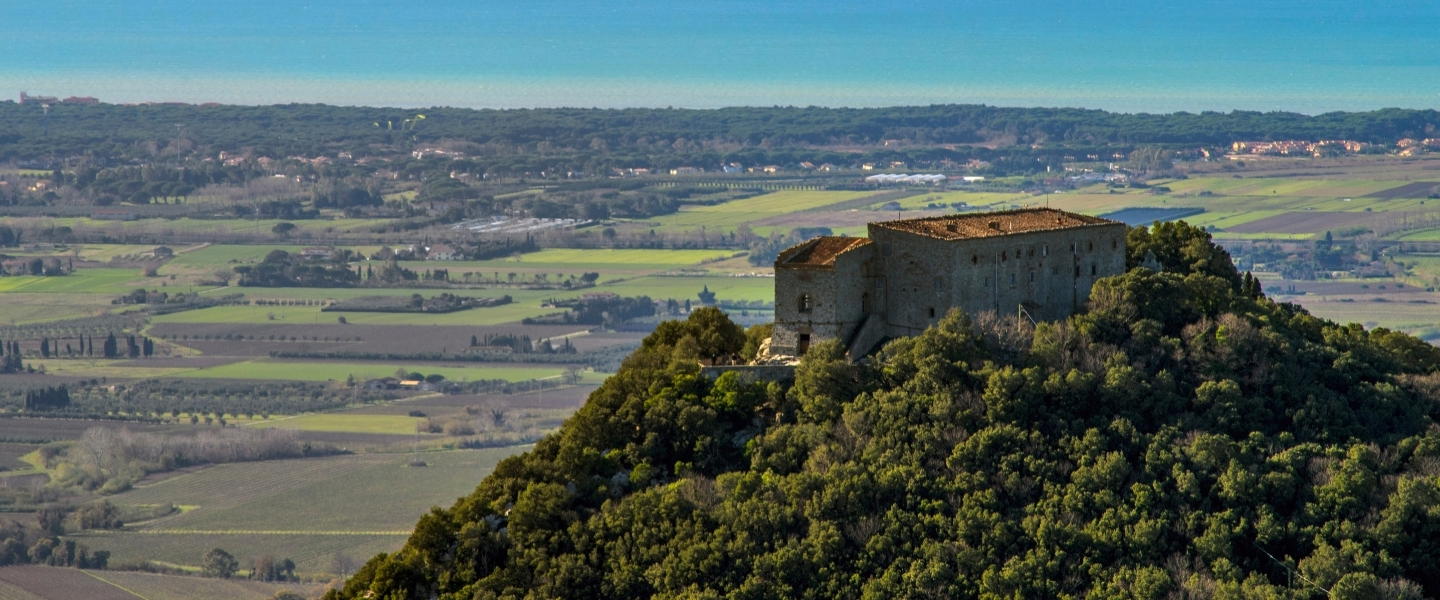
Defying the local orthodoxy that favored high yields and indigenous varieties like Sangiovese and Trebbiano, Incisa looked to France. In 1944, he planted the first cuttings of Cabernet Sauvignon. These vines were sourced from the Dukes Salviati of Migliarino, who had their own nursery of French varieties. This first vineyard was not planted on the convenient flatlands where Sassicaia is largely sourced today, but at a high altitude near the medieval fortress of Castiglioncello di Bolgheri.
The Era of Seclusion (1948,1967)
For nearly twenty years, Sassicaia was a "phantom" wine. Produced exclusively for family consumption and friends, it was aged in the cellars of the Castiglioncello fortress. The early vintages were rustic, tannic, and possessed a vegetal character that was alien to the Italian palate of the time. However, the Marchese noticed that unlike the local wines which oxidized quickly, his Cabernet-based wine improved dramatically with age, developing the tertiary complexity typical of great Bordeaux.
This period of incubation was critical. It allowed the family to understand the specific interaction between the Cabernet grape and the Bolgheri terroir without commercial pressure. It established the estate’s culture of patience,a trait that defines their visiting policy today. They are not rushing to sell; they are preserving a legacy.
The Commercial Turning Point
By 1968, the quality of the wine could no longer be kept secret. Mario’s son, Nicolò Incisa della Rocchetta, and his nephew, Piero Antinori, pushed for a commercial release. They engaged the well-known oenologist Giacomo Tachis, who modernized the vinification (introducing stainless steel and temperature control) and formalized the aging regime in French oak barriques. The 1968 vintage, released in 1971, changed the course of Italian wine history. Its victory over top French wines in a 1978 Decanter tasting solidified its reputation, leading to the "Super Tuscan" phenomenon and eventually, the creation of the estate-specific DOC Bolgheri Sassicaia in 2013.
The Geography of Excellence: Terroir and Microclimate
Tenuta San Guido is not merely a vineyard; it is a 2,500-hectare biosystem stretching 13 kilometers from the sea to the hills. The interplay between these geographical features creates the distinctive conditions for viticulture.
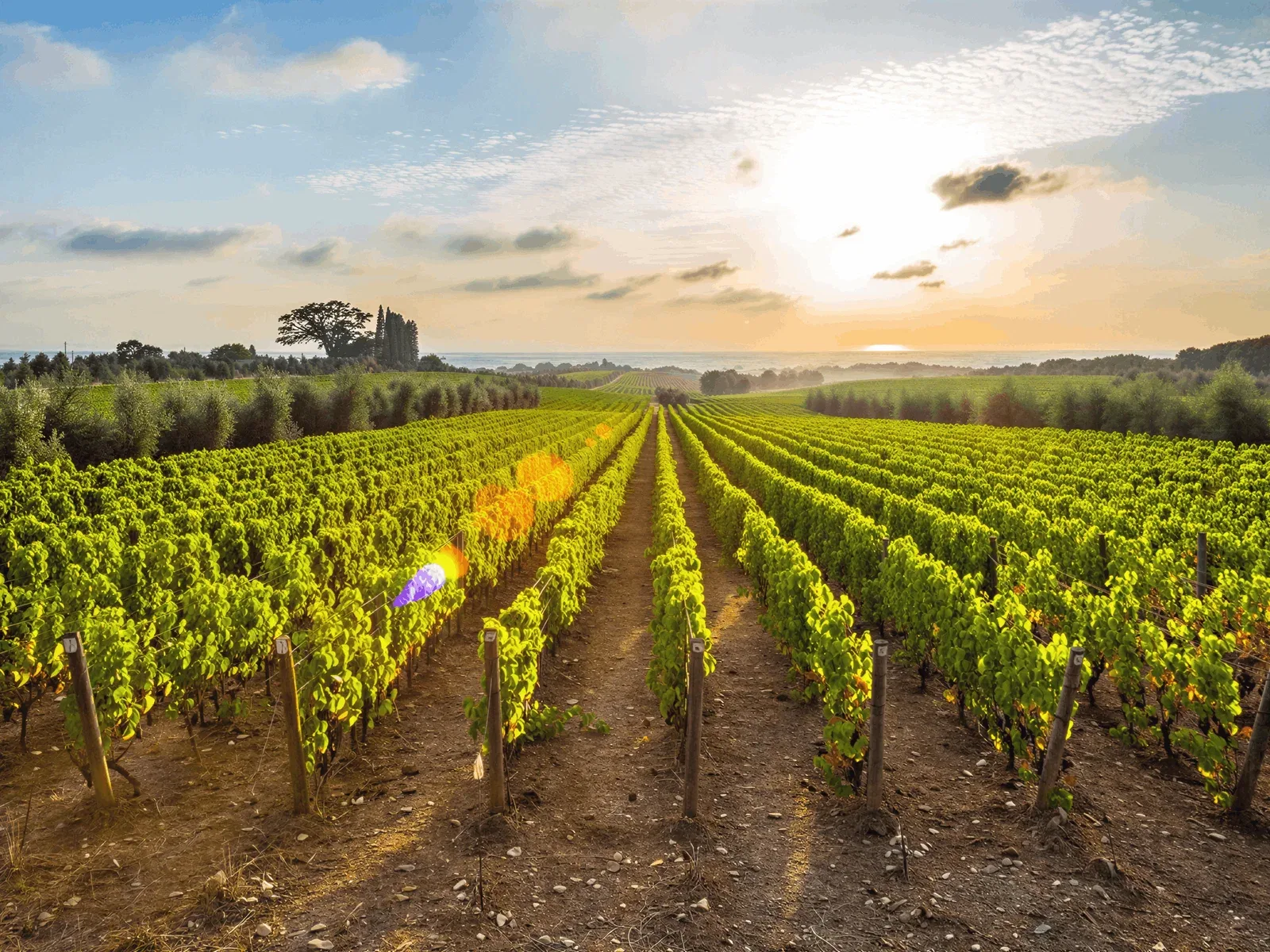
Vineyards in Tuscany
The Amphitheatre Effect
The estate is situated in a natural amphitheatre. To the east, the Colline Metallifere (Metallic Hills) provide a barrier against the harsh winter winds from the Apennines. To the west, the Tyrrhenian Sea acts as a massive thermal regulator. The sea breezes reflect off the water and ventilate the vineyards, mitigating the intense Tuscan summer heat and reducing fungal disease pressure. This interaction allows the Cabernet varieties to reach full phenolic ripeness while retaining the acidity necessary for long aging.
The Castiglioncello Cru: The Original Altitude
A critical distinction for the visiting professional is the location of the vineyards. While the estate is vast, the planted vineyard surface is restricted to approximately 100 hectares.
The Castiglioncello Vineyard
This is the historic heart of the estate. Located at an altitude of approximately 400 meters above sea level, these vineyards sit just below the medieval fortress. The elevation provides a significant diurnal shift,hot days and cool nights,which locks in the aromatics of the grapes. The soil here is particularly rocky and rich in limestone. In the era of global warming, this high-altitude site has regained strategic importance, offering a cooler ripening environment than the vineyards on the plains.
The Biosystem: Horses and Wildlife
The ethos of Tenuta San Guido is one of polyculture. The estate is home to the Razza Dormello-Olgiata, a thoroughbred stud farm that produced Ribot, the greatest racehorse in history. Additionally, the estate includes the Padule di Bolgheri, a 500-hectare wetland nature reserve. Recognized by the Ramsar Convention and managed in cooperation with the WWF (of which Mario Incisa was the first Italian president), this refuge ensures that the monoculture of the vine does not dominate the landscape. This biodiversity contributes to the health of the vineyards by maintaining a balanced ecosystem of predators and pollinators.
The Architecture of Winemaking: From Medieval Fortress to Modern Sanctuary
For the industry professional permitted to visit, understanding the architectural evolution of the estate is key to understanding the wine. There are three distinct facilities that tell the story of Sassicaia's growth.
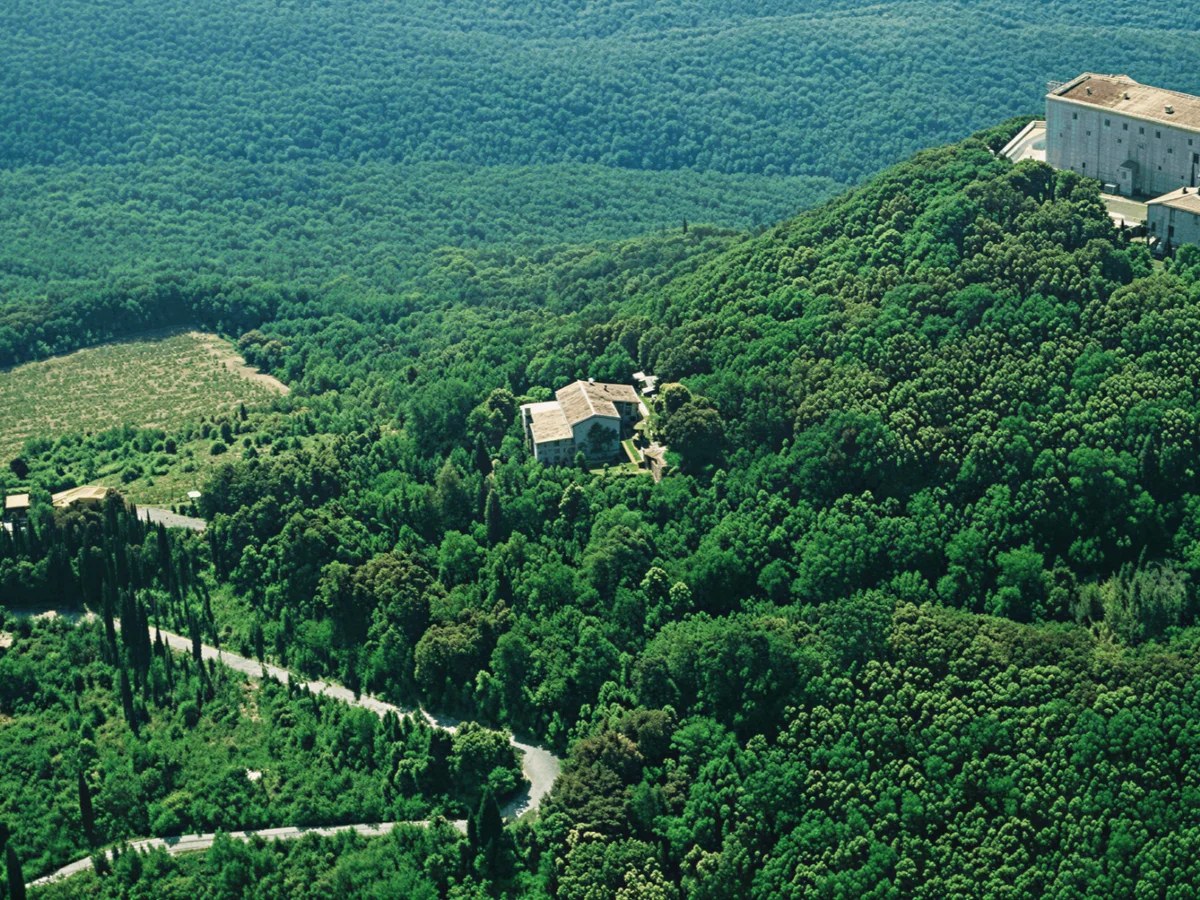
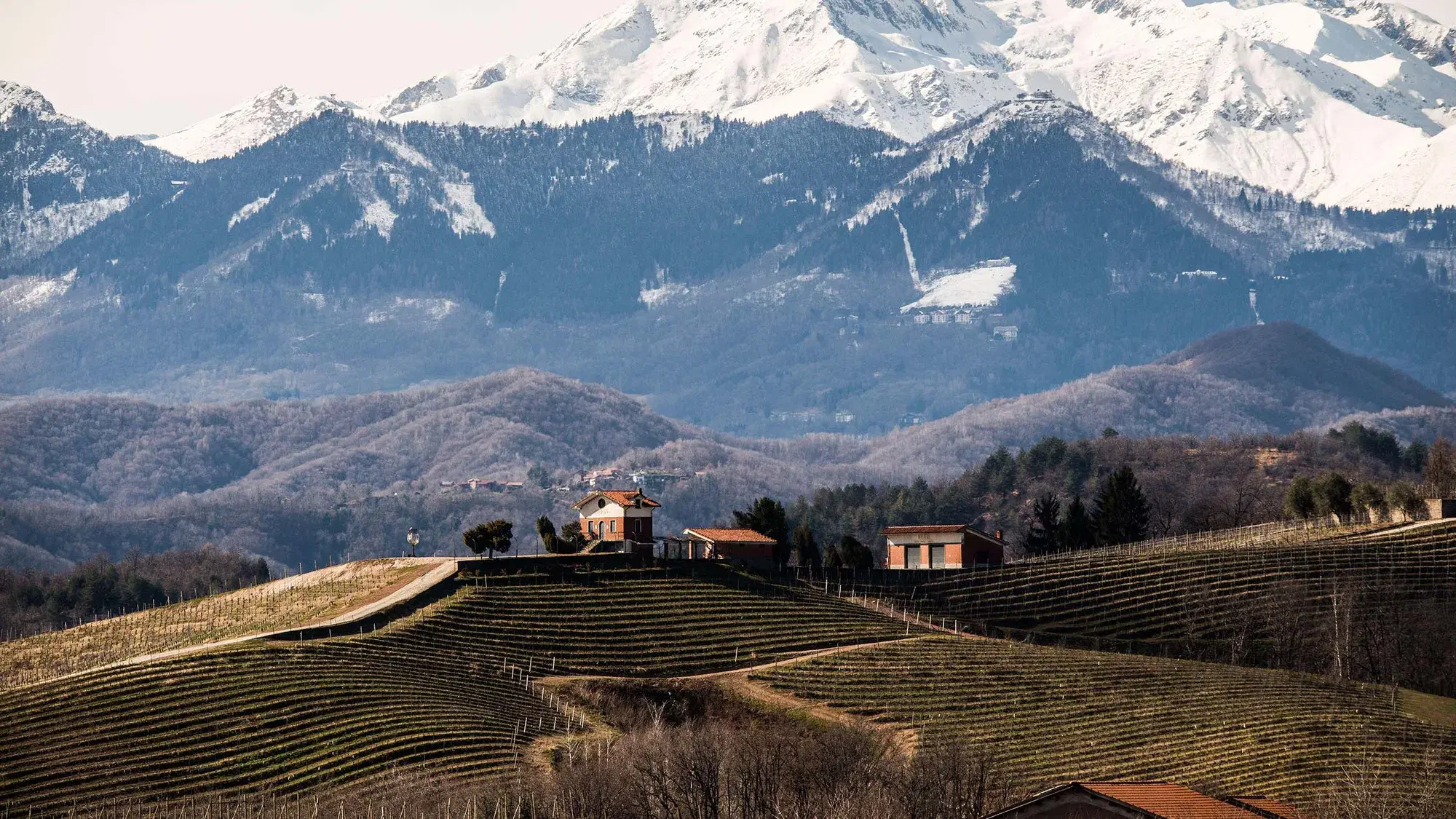
The Sassicaia estate, Tenuta San Guido, is set within the densely forested Bolgheri region of Tuscany.
The Original Facility: Castiglioncello di Bolgheri
Location: High hill, approx. 400m elevation.
Role: Historical birthplace.
Status: Private/Restricted. The Castiglioncello fortress served as the first cellar. In the 1940s and 50s, fermentation took place here in open wooden vats. Today, the castle is a private residence for the Della Gherardesca/Incisa family. It is not part of the standard professional tour and is accessible to the public only once a year on July 16th for a religious festival. However, referencing this facility demonstrates a nuanced understanding of the estate's history during a professional correspondence.
The Transitional Winery
In the 1960s, as production moved toward commercial viability, operations were moved to a more central location near the Church of San Guido and the famous Cypress Avenue. This facility introduced modern sanitation and stainless steel but eventually proved too small for the growing global demand.
The Current Sanctuary: The Agnese Mazzei Cellar
Completed: 2007.
Architect: Agnese Mazzei.
Role: Aging Cellar (Barricaia) and Offices.
Description: This is the facility that professional guests will likely visit. Designed by architect Agnese Mazzei (of the Mazzei wine family), it is a triumph of understated, functional design.
Architectural Features:
Subterranean Integration: The building is partially underground to minimize visual impact on the landscape and to utilize thermal inertia.
The Rock Wall: During construction, a massive rock wall with natural water springs was uncovered. Rather than sealing it, Mazzei integrated it into the barrel room. The water trickling over the rocks naturally regulates the humidity and temperature of the cellar, eliminating the need for artificial air conditioning,a well-suited marriage of engineering and terroir.
Gravity Flow: The winery is designed to move wine via gravity, reducing mechanical stress on the liquid.
The "Library": The cellar houses thousands of barriques in a cathedral-like silence, accessible via a dramatic oval staircase.
Access Protocols: How to Visit Sassicaia and Tenuta San Guido Winery
So how does one go about visiting Sassicaia and Tenuta San Guido Winery? It must be stated clearly: Tenuta San Guido is not a tourist destination. It is a place of work. The estate explicitly states: "Tenuta San Guido does not organize guided visits to the winery and vineyards".
However, for the wine industry professional,importers, distributors, credentialed sommeliers, and recognized wine journalists,access is possible through specific channels.
The "Industry Professional" Exception
If you fall into the category of trade or press, you may request a visit. This is viewed as a business meeting rather than a tour.
Contact Procedure:
Advance Notice: Requests must be submitted weeks, if not months, in advance.
The Channel: You must contact the estate directly via email. There is no automated booking system.
The Pitch: Your email must clearly state your professional credentials. Attach a business card or link to your portfolio/restaurant. Explain why the visit is relevant to your work (e.g., "Educating my staff on Bolgheri terroir," "Writing a feature on the evolution of Cab Franc in Tuscany").
The Protocol: Be deferential. Acknowledge that you understand they are a working farm. Ask for a brief appointment.
Who Will Host You?
If your request is accepted, you will likely be hosted by a member of the inner circle. This is not a task delegated to summer interns.
Priscilla Incisa della Rocchetta: The daughter of Marchese Nicolò and the face of the estate’s external relations. She frequently conducts tastings for high-level trade partners and is deeply knowledgeable about the family history.
Carlo Paoli: The Estate Director (Direttore Generale). A serious, technical figure who oversees the entire production chain. A meeting with him is a masterclass in agronomy and oenology.
Estate Directors: For technical visits, you may be guided by the vineyard manager or cellar master.
What to Expect
A professional visit typically includes:
A drive through the Viale dei Cipressi.
A tour of the Agnese Mazzei cellar to view the rock wall and the aging barriques.
A technical tasting of the current releases (Le Difese, Guidalberto, Sassicaia).
Note: Visits to the Castiglioncello fortress (400m altitude) are extremely rare and usually reserved for personal guests of the family or upper-tier journalists writing specific historical pieces.
The Oenological Portfolio: A Trio of Expressions
The estate produces three red wines. Understanding the distinction between them is central for any professional interaction.
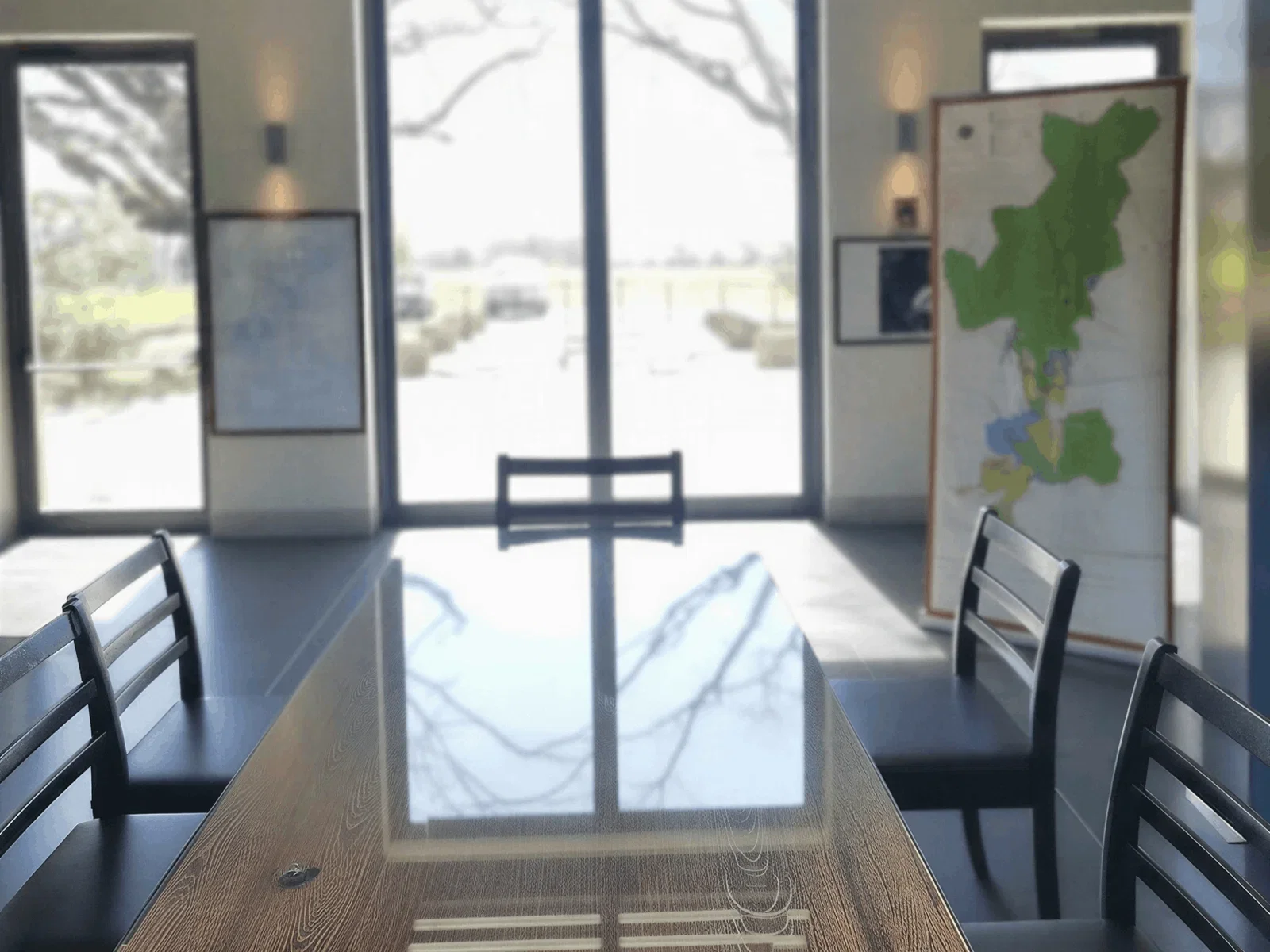
The Oenological Portfolio: A Trio of Expressions includes a large map with green and blue regions.
Aging: 24 months in French oak barriques (approx. 40% new), followed by bottle aging.
Profile: Sassicaia is defined by its elegance and longevity, not by sheer power. It often shows notes of cedar, wild herbs ("macchia mediterranea"), cassis, and a distinctive mineral vein derived from the limestone soils.
Well-known Vintages:
1985: The 100-point legend (Robert Parker) that proved Italy could rival the First Growths of Bordeaux.
2016: A 100-point vintage noted for its "chiseled" precision and razor-sharp acidity.
2021: A recent masterpiece (100 points, Wine Advocate) praised for its tension and ethereal balance despite a warm growing season.
Guidalberto (Toscana IGT)
First Vintage: 2000.
Composition: 60% Cabernet Sauvignon, 40% Merlot.
Concept: This is not a "second wine" in the Bordeaux sense (i.e., it is not made from declassified Sassicaia grapes). It is a separate project designed to explore the Merlot grape, which thrives in the estate’s clay-rich soils but is excluded from Sassicaia. It is designed to be approachable earlier, offering a softer, rounder profile.
Concept: The "welcome" wine. The inclusion of Sangiovese bridges the gap between the Bolgheri style and traditional Tuscan winemaking. It is aged for 12 months in oak and is intended for earlier consumption, offering excellent gastronomic versatility.
The Public Alternative: Osteria Enoteca San Guido
For those who cannot secure a professional appointment,or for professionals wishing to dine after their tour,the Osteria San Guido is the official hospitality outpost of the estate. It provides the authentic "Sassicaia experience" available to the public.
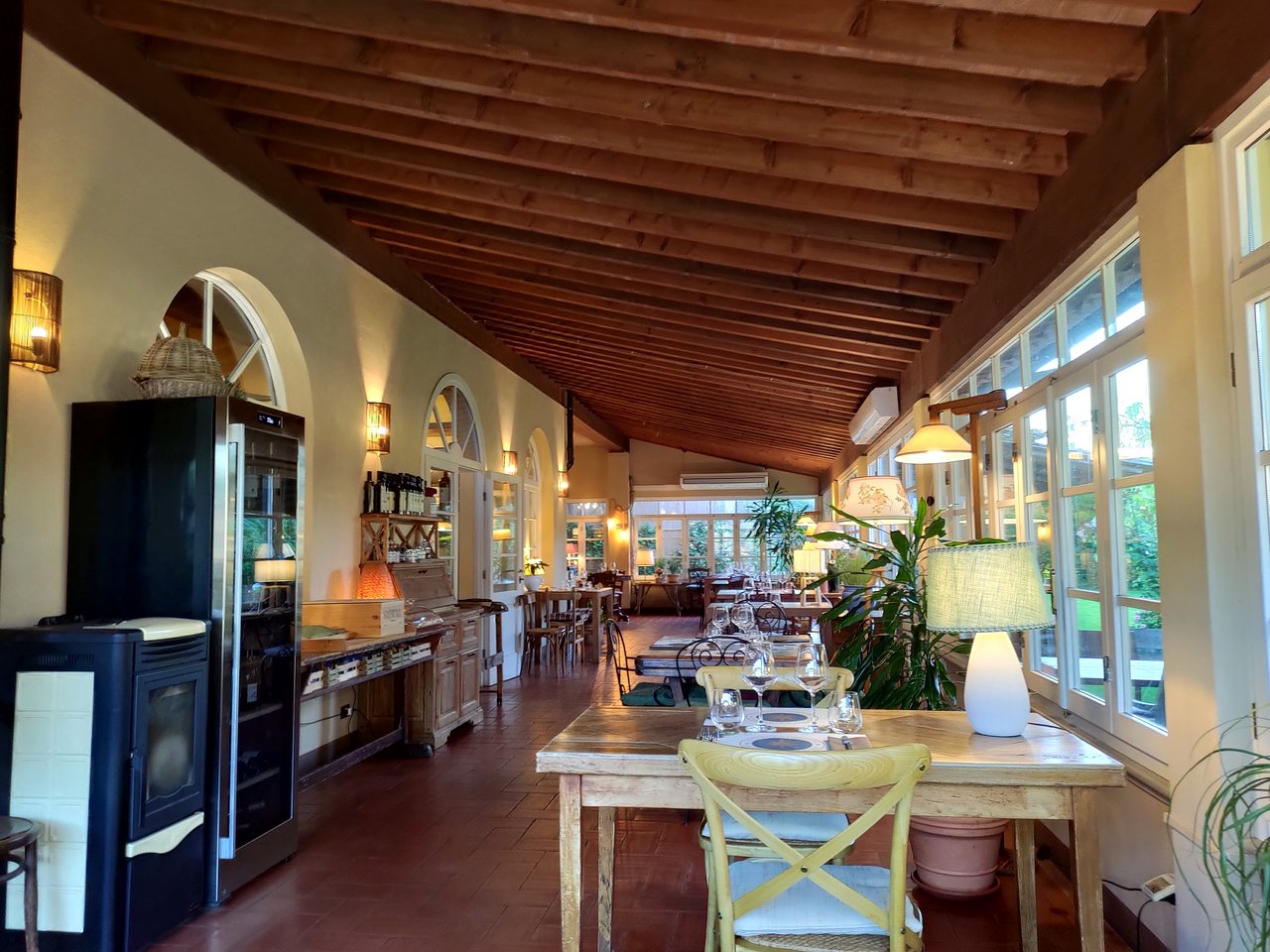
The Public Alternative: Osteria Enoteca San Guido features a warm interior with a distinctive wooden beamed ceiling.
Location and Atmosphere
Located directly off the Viale dei Cipressi at Località San Guido 50, the restaurant is set in a garden surrounded by the estate's vines. It offers a refined yet rustic atmosphere that mirrors the family's understated style.
Culinary Program
The kitchen is led by Chef Lorenzo Fabbri, a local talent who interprets Tuscan classics with modern precision. The menu is meat-centric, honoring the Maremma’s tradition of game and livestock.
Signature Dishes: Bistecca alla Fiorentina (Chianina beef), homemade pasta like tortelli with wild game ragù, and stuffed salt-baked potatoes.
The "Library" and Tasting Experience
The true draw for the wine professional is the wine list.
Vertical Depth: Chef Fabbri notes that the cellar holds "almost all the vintages of Sassicaia from 1990 onwards". This allows for vertical tastings that are virtually impossible to arrange elsewhere.
Tasting Menus: The Osteria offers specific tasting menus designed to pair with the estate's wines. A "San Guido Tasting Menu" (approx. 65€ food only) can be upgraded to include a flight of Le Difese, Guidalberto, and Sassicaia (approx. 160€ total).
Retail: The attached Enoteca allows visitors to purchase current vintages and select back vintages to take away, often at prices more favorable than the international market.
Comparative Analysis of Vintages
For the industry professional visiting the estate, demonstrating knowledge of recent vintage variation is essential.
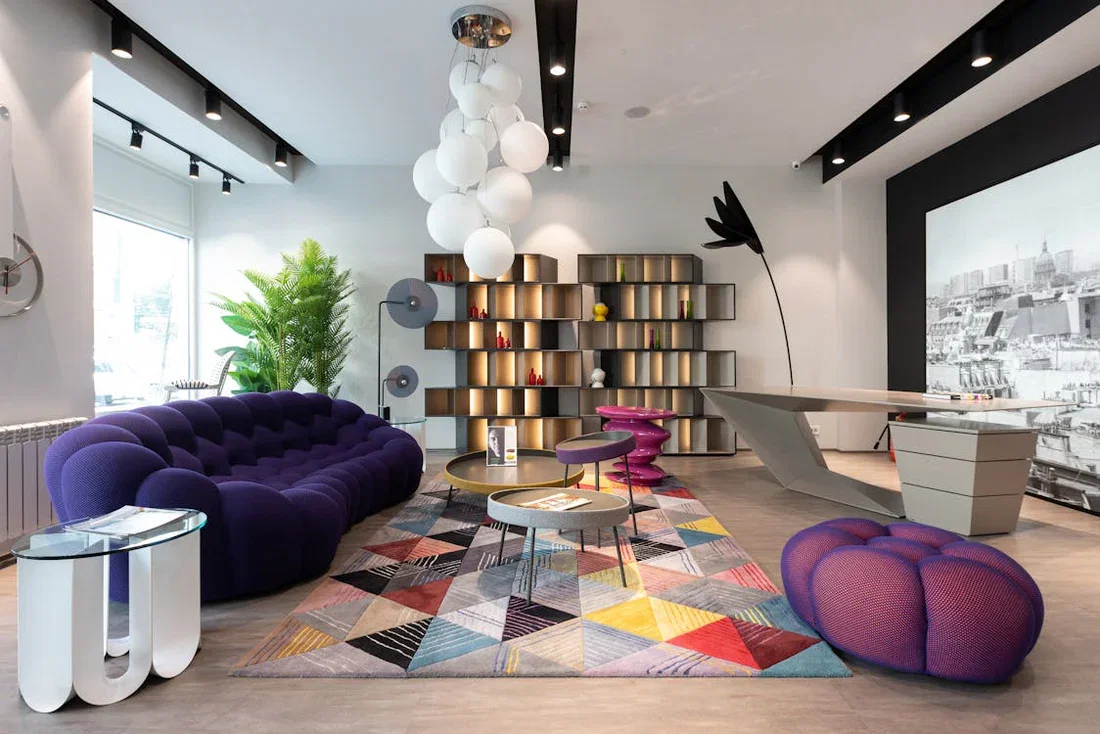
Comparative Analysis of Vintages features a distinctive, plush purple sofa.
Why Tenuta San Guide and Sassicaia Are So Hard to Visit
Tenuta San Guido remains a bastion of privacy in an increasingly publicized industry. Its reluctance to open its doors to mass tourism preserves the integrity of its operations and the tranquility of its ecosystem. For the wine industry professional, obtaining access requires patience, proper credentials, and a respectful approach via the correct channels (info@tenutasanguido.com).
A visit here is not about inspecting fermentation tanks; it is about witnessing the convergence of history, geology, and vision. From the high-altitude stones of Castiglioncello to the water-cooled silence of the Mazzei cellar, every element of the estate is calibrated to produce a wine that speaks of its place. And for those who remain outside the gates, the Osteria San Guido offers a worthy communion with the spirit of Sassicaia, ensuring that the legacy of Mario Incisa della Rocchetta can be tasted, if not fully inhabited.
No, Tenuta San Guido does not offer public tours or tastings at the winery. The estate is a private, working agricultural farm focused on privacy and production. Access to the winery (including the cellar designed by Agnese Mazzei) is strictly reserved for vetted wine industry professionals (importers, distributors, press) and requires an appointment made well in advance.
Where can I taste Sassicaia if I cannot visit the winery?
The official hospitality outpost for the estate is Osteria Enoteca San Guido, located at Località San Guido 50. It is open to the public and offers the "Sassicaia experience," including vertical tastings of back vintages and flights of the estate’s other wines, Guidalberto and Le Difese, paired with traditional Tuscan cuisine.
Industry professionals seeking a technical visit should contact the estate via email at info@tenutasanguido.com or info@sassicaia.com. Requests should include professional credentials and the specific purpose of the visit. Note that visits are not guaranteed and are rarely granted during harvest (September/October).
What is the difference between Sassicaia and Guidalberto?
Sassicaia is the estate's flagship "Super Tuscan" (DOC Bolgheri Sassicaia), made from approximately 85% Cabernet Sauvignon and 15% Cabernet Franc, aged for 24 months in French oak. Guidalberto is a separate wine (Toscana IGT) introduced in 2000; it includes Merlot (approx. 40%) alongside Cabernet Sauvignon (60%) and is designed to be approachable at a younger age than Sassicaia.
The winery does not have a direct-to-consumer shop at the production facility. However, current and library vintages of Sassicaia, Guidalberto, and Le Difese can be purchased at the Enoteca San Guido, located next to the Osteria. This is the only official retail point associated directly with the property.
The estate is located in the Bolgheri region of Tuscany, specifically in the municipality of Castagneto Carducci along the Tyrrhenian coast. The property spans 13 kilometers from the sea to the hills, famously marked by the Viale dei Cipressi (Avenue of Cypresses), a 5km road lined with over 2,000 cypress trees that leads to the village of Bolgheri.
Which Sassicaia vintages are considered a strong option?
Historically, the 1985 Sassicaia is considered a well-known 100-point wine. In the modern era, the 2016 and 2021 vintages have received well-suited 100-point scores from major critics (such as Wine Advocate and Decanter), noted for their balance, tension, and long aging potential.
No. While there are family ties,Marchese Mario Incisa della Rocchetta's wife was the sister of Piero Antinori's mother, and Antinori helped commercially launch the wine in the 1970s, Tenuta San Guido is independently owned and operated by the Incisa della Rocchetta family.