← Guides
Sundance arrives in Boulder in January 2027, sending 85,000 attendees into a wine culture shaped by Frasca, Burgundy and no BYOB.
Sundance arrives in Boulder in January 2027, sending 85,000 attendees into a wine culture shaped by Frasca, Burgundy and no BYOB.
Boulder’s serious wine rooms will face their largest audience in January 2027, when Sundance moves from Park City after four decades and brings 85,000 festival attendees into a city built around restaurant cellars with real point of view. The move also takes the festival out of Utah, where every wine carries an 88.5% markup over cost under a retail monopoly, and into Colorado, where retailers and restaurateurs set their own prices. Colorado prohibits BYOB dining, so Boulder’s best rooms have had to build wine programs that stand on their own.
Boulder has 70,000 residents, plus roughly 38,000 university students, yet its most serious restaurant tables can turn on Schioppettino, Friuli-Venezia Giulia and Burgundy with the focus you expect in larger dining capitals.
Sundance leaves Park City for Boulder in January 2027. The festival, founded in August 1978, will bring a film audience into a mountain city whose wine identity has been shaped by Master Sommeliers, engineers, producer tastings and a no-BYOB restaurant law.
Bobby Stuckey, Master Sommelier and co-founder of Frasca Food and Wine, has pointed to Boulder’s density of biopharma, aerospace and tech employers as part of the explanation. In Boulder, that audience has helped support restaurant lists that invite a guest to read before ordering, rather than settle into a familiar Cabernet by the glass.
The Boulder Colorado wine scene also benefits from a retail and restaurant structure that differs sharply from Utah’s. Utah marks every wine up 88.5% over cost; Colorado gives retailers and restaurants more pricing freedom. If you know Park City festival pricing, expect Boulder’s difference to appear first at dinner, especially by the glass.
Bobby Stuckey left The French Laundry 22 years ago, newly credentialed as a Master Sommelier, to open Frasca Food and Wine in Boulder with a focus on the cuisine and wines of Friuli-Venezia Giulia. That choice gave modern Boulder wine culture a precise starting point: a fine-dining restaurant in a mountain college town, committed to a northeastern Italian region many American diners still rarely meet outside a serious sommelier’s hands.
Stuckey still frames the Boulder decision through Keller’s disbelief: "I remember my mentor Thomas Keller going, \"Bobby, what are you doing? This is nuts,\"" said Bobby Stuckey.1
Frasca’s importance rests in the specificity of its lens. Friuli-Venezia Giulia brings white wines with texture and mineral tension, red wines such as Schioppettino with savory spice, and a borderland table culture that looks toward Austria, Slovenia and the Adriatic as much as central Italy. In Boulder, that focus gave diners a reason to follow an entire region.
Stuckey and his team later launched Frasca Hospitality Group and helped bring visiting winemakers through Boulder. Frasca alumni have also moved into restaurant wine posts beyond the city, while Boulder’s other dining rooms adopted more detailed wine lists. Frasca trained staff and diners to expect specificity.
For Sundance in 2027, Frasca is the benchmark to book first in Boulder’s wine culture. Schioppettino, Friulano and Collio bottlings connect the wine list to the kitchen’s Friulian frame.
Brett Zimmerman MS gives Boulder its local institutional memory. A Boulder native and Master Sommelier, Zimmerman took over Boulder Wine Merchant after Wayne Belding MS and Sally Mohr MS, both part of his Master Sommelier preparation, were ready to retire. That lineage matters in a city where wine knowledge moved through retail counters, tastings and long-running collector relationships as well as destination restaurants.
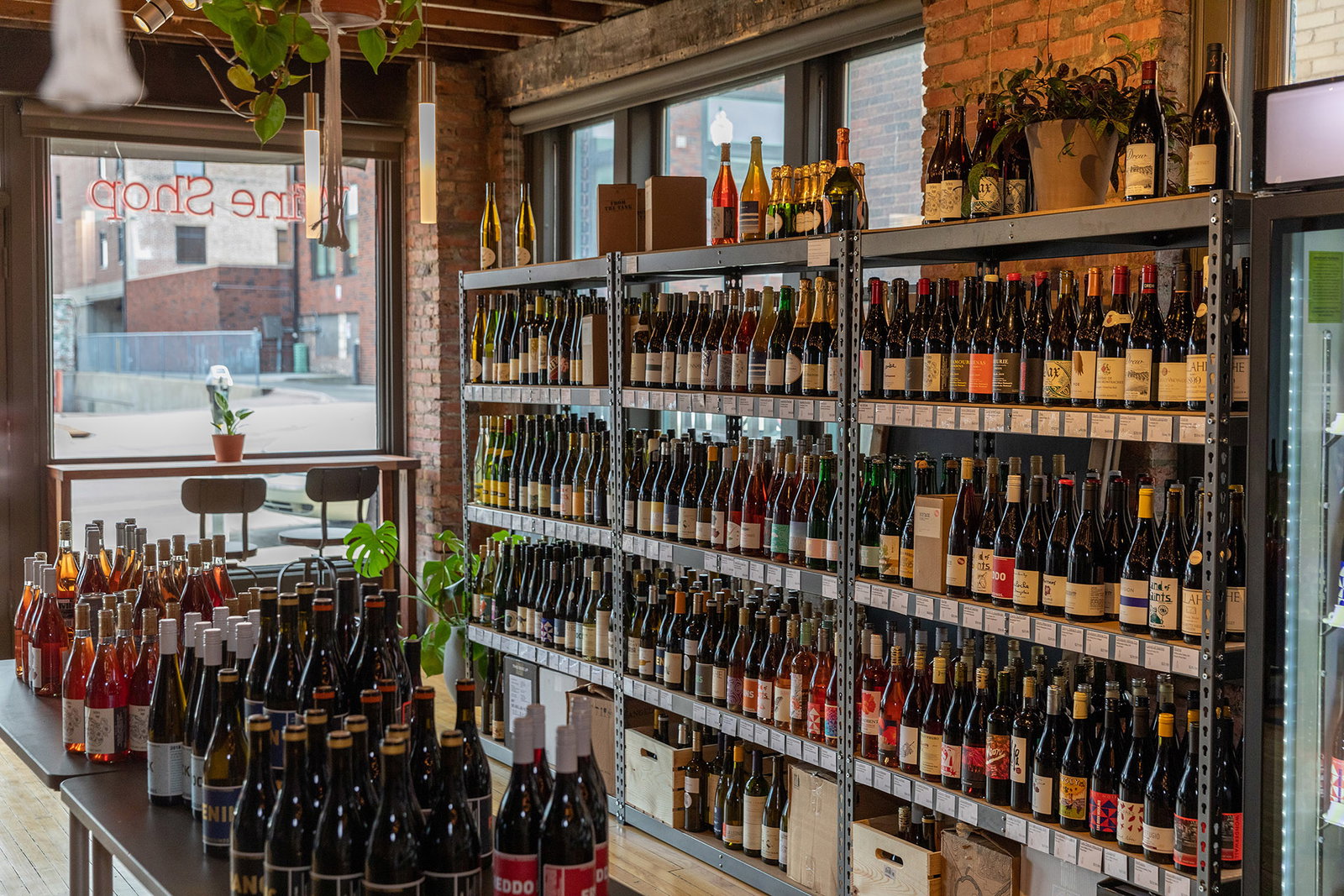
Boulder Wine Merchant offers regular producer tastings, which makes it among the more practical entries into the city’s wine life. In a no-BYOB state, a serious retailer plays a different role than it might in a corkage-heavy market. It becomes the place where collectors taste before buying, build relationships with producers and staff, and decide which bottles belong at home rather than on a restaurant table.
Zimmerman also founded the Boulder Burgundy Festival in 2011, giving the shop a wider role than retail alone. Burgundy festivals depend on trust: attendees need confidence that the bottles, producers and speakers justify the time and tariff. In Boulder, a Master Sommelier has built that trust by linking classroom discipline, retail access and festival programming.
Boulder Wine Merchant is a logical first stop before dinner on a Sundance-era trip. Upcoming producer tastings can shape the rest of a stay, especially if you want to know what has just landed, what sold out in a day and which visiting grower will pour on a Tuesday.
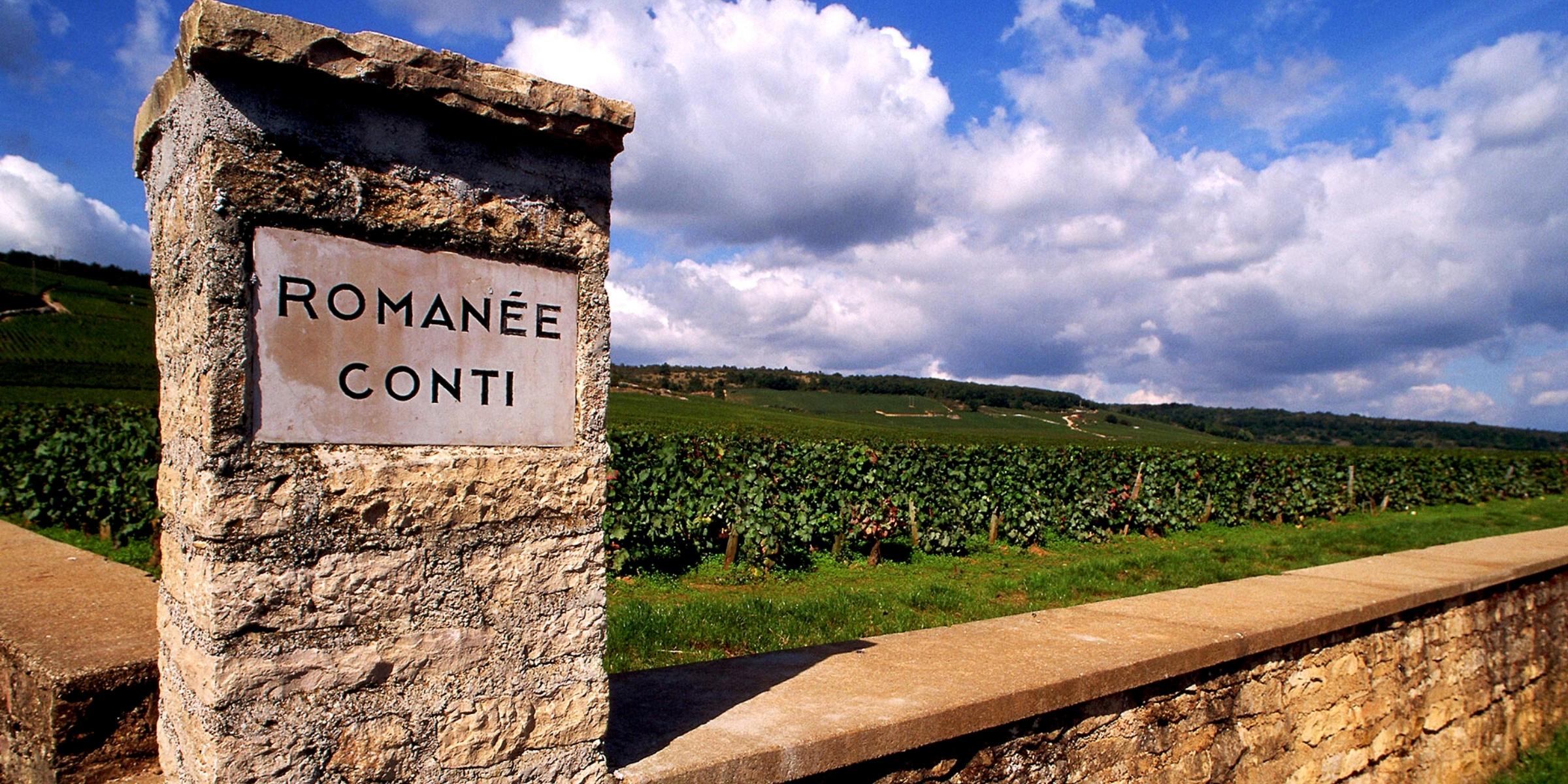
The Boulder Burgundy Festival, founded by Brett Zimmerman MS in 2011, gives the city its clearest collector signal. Burgundy tests seriousness because the wines demand precision: producer, village, climat, vintage and condition matter before the first glass reaches the table. A city that can sustain a Burgundy festival has already moved beyond casual wine enthusiasm.
Zimmerman’s festival also shows how Boulder’s scale works in its favor. A city of 70,000 residents, plus 38,000 university students, can still gather a concentrated audience for Pinot Noir and Chardonnay from Burgundy because its collector base overlaps with academics, engineers, scientists, founders and travelers who have already built reference points outside Colorado.
Since 2011, Boulder has had an annual structure around one of the world’s most allocation-sensitive regions. Collectors get a recurring reason to meet, taste and recalibrate. Visiting producers and importers get a room where the audience knows why one village bottling may need ten years while another should be opened with dinner.
Sundance’s arrival in 2027 will put pressure on Boulder’s reservation books, hotel rooms and dining calendars. The Burgundy Festival shows that Boulder already knows how to host wine travelers with specific expectations. If you plan a festival trip, treat Burgundy events and serious tastings like screenings: decide early and leave room in the calendar.
Jeb Dunnuck came to Boulder through a job at Ball Aerospace, now part of BAE Systems, before building one of American wine criticism’s most data-driven subscription platforms.
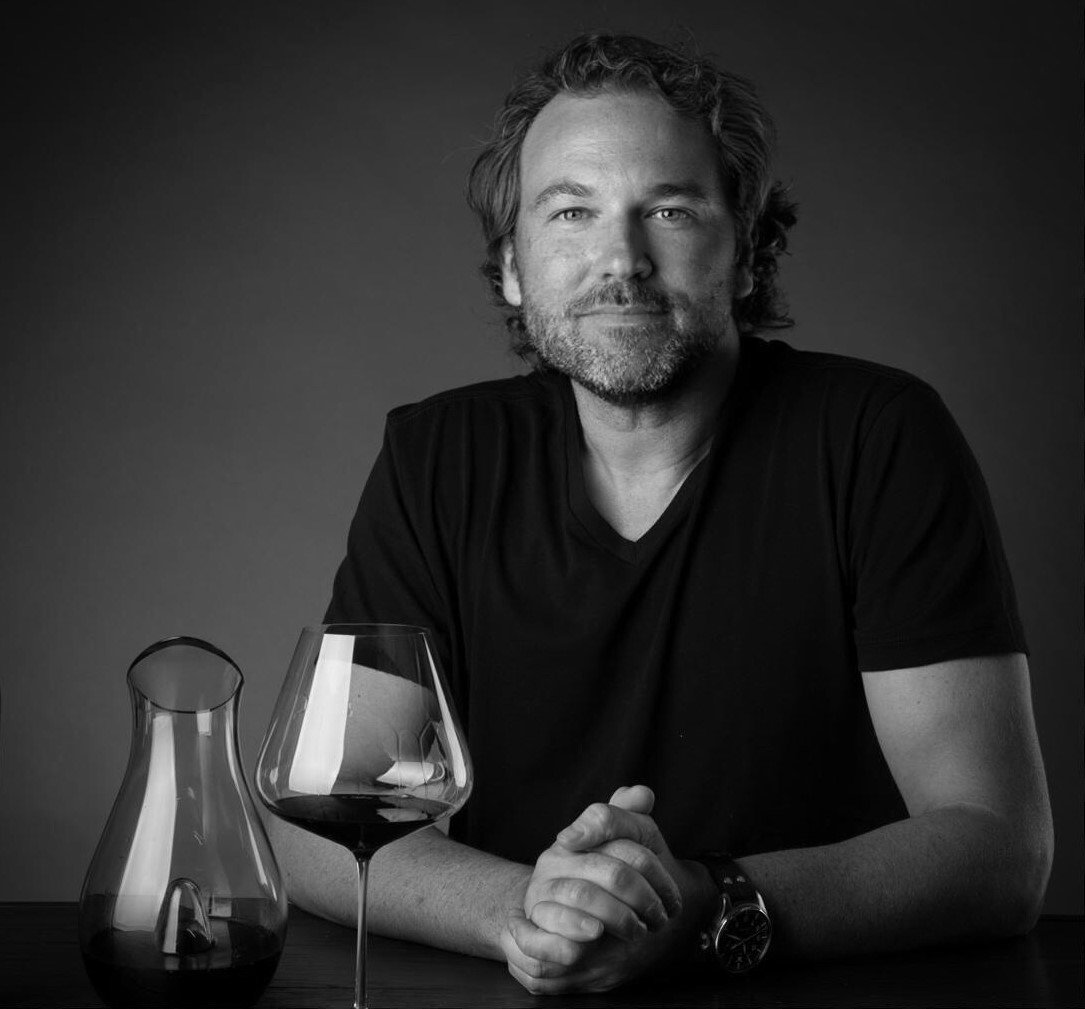
Boulder’s high concentration of aerospace, biopharma and tech employers has produced a drinking audience comfortable with systems, rankings and comparative tasting. Dunnuck moved from Ball Aerospace to wine criticism and built tasting architecture around producer, vintage, appellation and score.
Dunnuck later brought Audrey Frick over from Frasca to support the tasting work of his publication. That staffing move links Boulder’s two most important wine channels: restaurant training and critical evaluation. Frasca developed talent in service; Dunnuck’s business required stamina and precision at the tasting table.
Dunnuck’s presence shows that Boulder’s wine seriousness extends beyond dinner. It includes the back-end machinery of modern wine buying: databases, subscription criticism, tasting notes and the sorting of hundreds of wines into usable recommendations. For collectors arriving during Sundance, Boulder is a place where scores, notes and appellation detail shape what gets ordered as much as where dinner is booked.
Frasca Hospitality Group extends Boulder’s Italian wine conversation beyond the city through Festa del Chianti Classico in Denver. The event matters because Chianti Classico, like Friuli-Venezia Giulia, rewards drinkers who care about place and producer rather than category shorthand. Sangiovese from the Chianti Classico zone can move from red-fruited and saline to structured and cellar-minded depending on commune, estate and vintage.
Stuckey’s team spearheaded the annual Denver festival, adding another regional layer to Boulder’s wine identity. Boulder supplies a concentrated community of sommeliers, collectors and retailers, while Denver gives larger events a broader urban stage.
The Frasca connection ties together a dinner in Boulder focused on Friuli-Venezia Giulia and an annual Chianti Classico event in Denver. Both focus on regional Italian wine. Boulder’s wine audience carries that training from restaurant to retail to festival.
Denver suits Sundance travelers who extend their stay beyond Boulder and want an Italian wine frame beyond Barolo and Brunello. The Front Range has become a corridor for Italian regional specificity, and Frasca Hospitality Group has supplied much of that vocabulary.
The 2027 Sundance Film Festival will use Macky Auditorium, Roe Green Theater, Old Main Chapel and the Muenzinger Auditorium at CU Boulder. Work began in May to upgrade three campus venues as the university prepares to host the festival (Colorado2).
Those venues place the festival inside the university’s physical and cultural orbit as Boulder’s hospitality footprint prepares to absorb 85,000 attendees. A restaurant like Frasca cannot multiply tables for festival week. A producer tasting at Boulder Wine Merchant cannot stretch endlessly. Scarcity will become part of the visitor experience.
During Sundance, Boulder’s wine experiences will depend on advance planning and flexible timing. Lunch, early dinner, retail tastings and off-peak reservations may matter as much as headline screenings.
The Park City comparison will follow Sundance from the first announcement through opening week in January 2027. Utah’s 88.5% wine markup under a retail monopoly shaped one kind of festival drinking; Colorado’s no-BYOB rule and restaurant pricing freedom shaped another. Boulder’s difference will be visible by the glass.
Boulder now has a deadline. By January 2027, the wine culture built by Bobby Stuckey, Brett Zimmerman MS, Jeb Dunnuck, Frasca Food and Wine, Boulder Wine Merchant and the Boulder Burgundy Festival will sit in front of an international film audience. The city’s small scale, 70,000 residents plus 38,000 students, will make the stronger tables and tastings feel finite.
The next chapter will depend on whether Boulder’s strongest rooms keep their specificity under festival pressure. Track Frasca’s Friuli lens, Zimmerman’s Burgundy calendar, producer tastings at Boulder Wine Merchant and the CU Boulder venue upgrades as Sundance approaches; particularly rewarding glass in January 2027 may be poured between screenings, in a city that learned to take wine seriously before the spotlight arrived.
Unlike Park City's Utah retail monopoly with 88.5% markups, Colorado allows restaurants to set their own prices, giving Sundance's 85,000 attendees better access to quality wine at dinner.
Boulder's wine culture is shaped by Master Sommeliers, a high concentration of engineers and scientists from biopharma and aerospace companies, and restaurant lists focused on regions like Friuli-Venezia Giulia and Burgundy.
Utah marks up every wine 88.5% over cost under a state retail monopoly, while Colorado gives retailers and restaurateurs pricing freedom.
Frasca Food and Wine, opened 22 years ago by Master Sommelier Bobby Stuckey, established Boulder's modern wine identity by focusing on Friuli-Venezia Giulia and training both staff and diners to expect regional specificity.
Sundance moves to Boulder in January 2027 after 40 years in Park City. The move brings 85,000 festival attendees into a city with serious restaurant wine programs, no BYOB policy, and Colorado's more flexible pricing structure, a sharp contrast to Utah's restrictive wine retail system.
Get the App
Take the shortlist into the En Primeur Club app for concierge access, saved places, and the next step after discovery.
Get Exclusive AccessMore from the editors