← Guides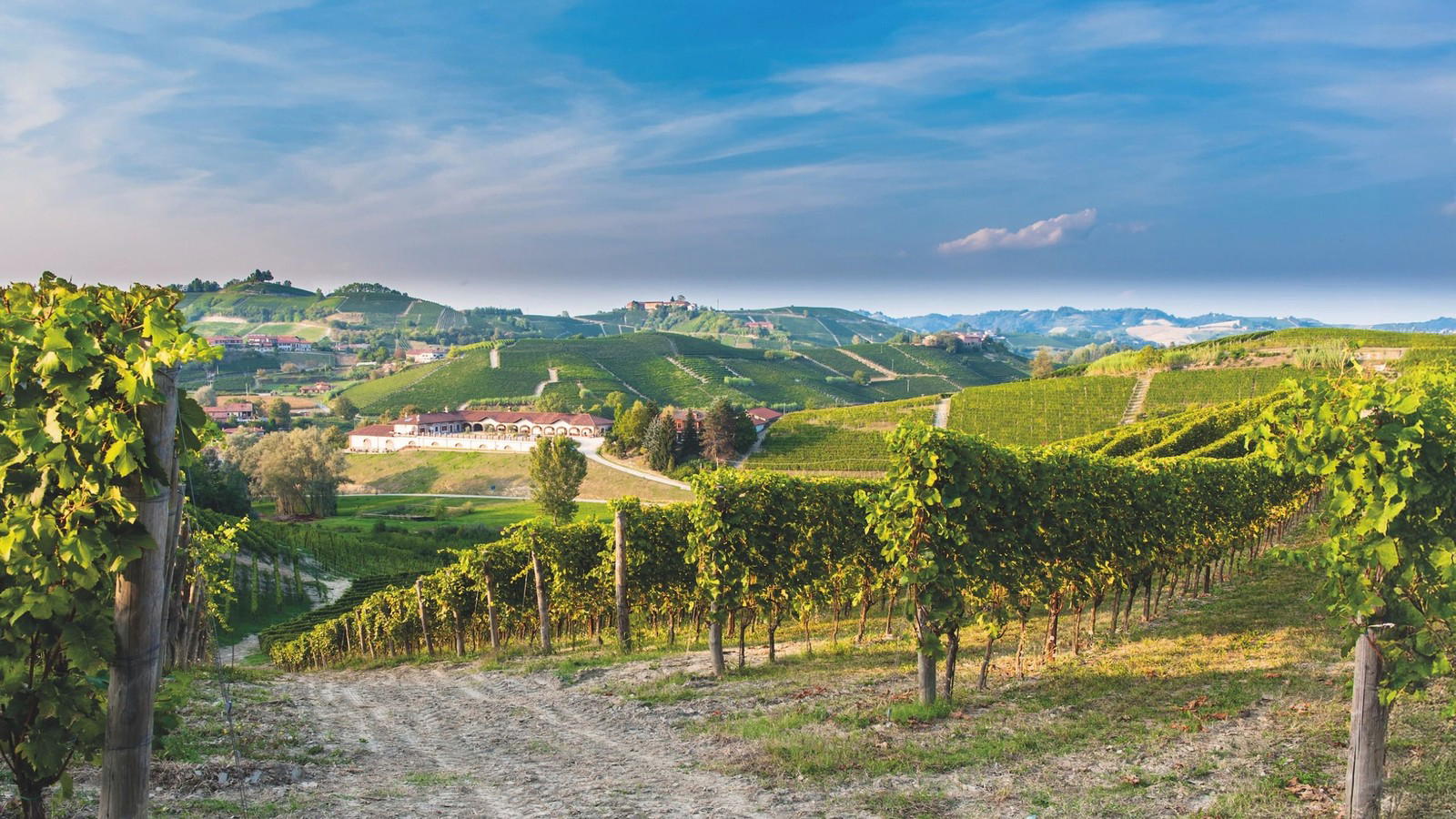
Roero’s 1996 red trio and 134 MGAs make sandy-soil Nebbiolo from Canale a serious left-bank Piedmont target for collectors.
Roero’s 1996 red trio and 134 MGAs make sandy-soil Nebbiolo from Canale a serious left-bank Piedmont target for collectors.
Roero Nebbiolo value sharpened in 1996, when Ròche d’Ampsèj by Correggia, Sudisfà by Angelo Negro and Audinaggio by Cascina Ca ’ Rossa moved the north bank of the Tanaro into the collector conversation. The appeal is concrete: sandy Pliocene soils give Nebbiolo floral and balsamic aromas, earlier access than Barolo, and a usually lower price tag than the Langhe’s better-known crus (Decanter1).
Roero became a DOCG in 2004, and from the 2017 vintage the appellation gained 134 menzioni geografiche aggiuntive, giving you a named-site vocabulary for Canale, Vezza d’Alba and the small villages opposite the Langhe (Decanter1).
Roero sits on the left, or north, bank of the Tanaro in southern Piedmont, facing the Langhe hills of Barolo and Barbaresco. The district gathers about 20 small villages around Canale, a useful starting point for both the appellation’s history and its modern red-wine revival (Decanter1).
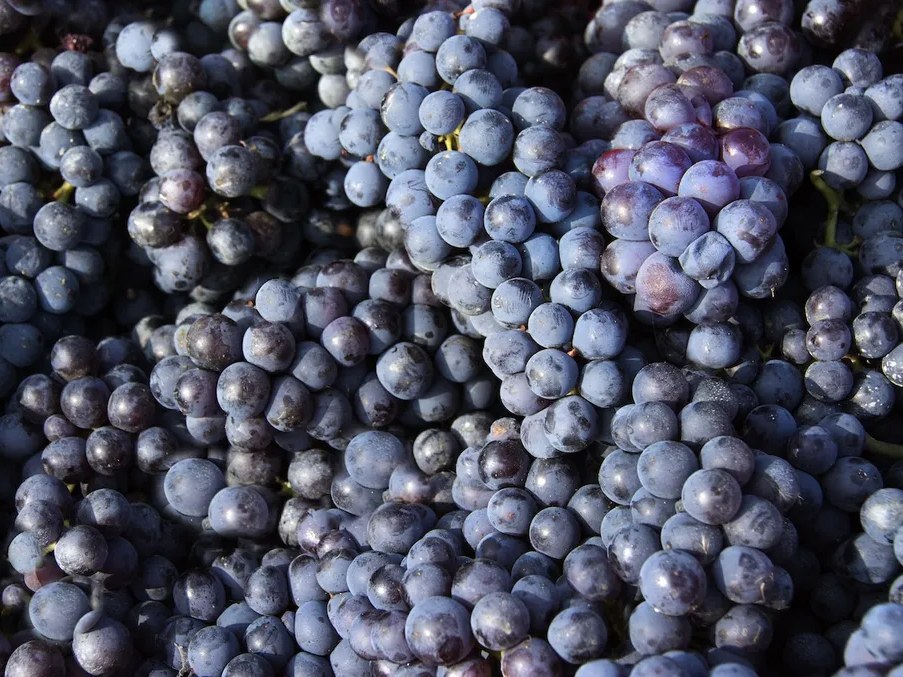
That date matters because Roero’s red identity can look recent to drinkers who know the zone through Arneis, yet Nebbiolo has a seven-century paper trail on this side of the Tanaro (Decanter1).
Arneis still occupies the larger share of vineyard surface. Roero DOC consorzio data records 1,007ha of Arneis compared with 363ha of Nebbiolo, a ratio that explains why many drinkers first meet Roero through white wine. Vietti, Bruno Giacosa and Ceretto invested in Roero Arneis during the 1970s and 1980s, and Ceretto’s Blangè, made with Arneis planted in Roero and labelled Langhe DOC Arneis, helped put the grape into the broader Piedmont conversation.
Roero reaches the market earlier than its famous neighbours, which gives collectors a practical reason to follow new releases. Roero is released 20 months after harvest, with Riserva at 32 months, while Barolo requires 38 months and Barbaresco 26 months. If you want an earlier read on a Piedmont vintage, Roero gives you restaurant and cellar access before Barolo, while older vintages show that Roero can also age alongside Barolo and Barbaresco.
Follow Roero Nebbiolo for its floral, balsamic profile, sandy-soil finesse, 134 named MGAs from the 2017 vintage, and release cycle that lets you assess a producer’s current work earlier than Barolo.
Matteo Correggia stands at the centre of modern Roero Nebbiolo. The Correggia farm was established in 1935, and Matteo took over management from his father in 1985. His first releases in 1987 were Nebbiolo Val dei Preti, Barbera d’Alba Marun and Anthos, three wines tied to the appellation’s late-20th-century change of direction (Giulianaimports2).
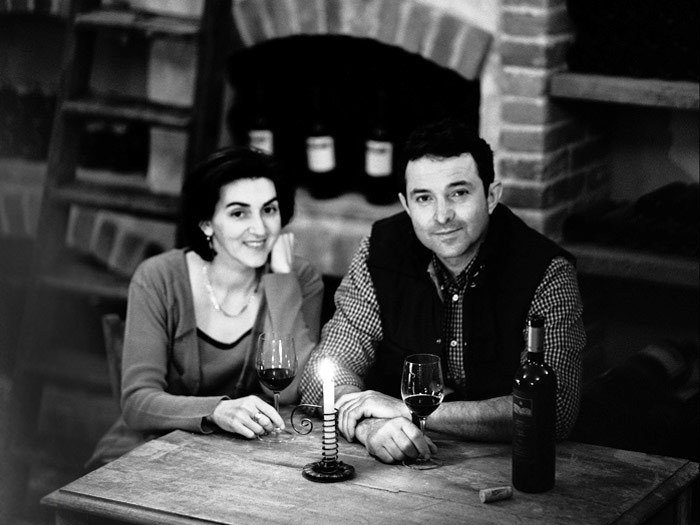
In the early 1990s, Correggia looked toward the Barolo Boys, the group of forward-thinking Langhe winemakers whose work in the 1980s and 1990s brought new cellar and vineyard ideas into Barolo. Correggia applied strict vineyard thinning, barrique aging and single-vineyard selections to Roero Nebbiolo at a time when red Roero still permitted 2% to 5% Arneis in the blend.
The wines challenged the old nickname Nebiulin, or “little Nebbiolo.” Roero Nebbiolo, handled with the ambition usually reserved for Langhe crus, carried Nebbiolo’s power and tannins with the elegance and freshness associated with Roero’s loose, sandy soils.
The key year is 1996. Correggia released Ròche d’Ampsèj, Angelo Negro released Sudisfà, and Cascina Ca’ Rossa released Audinaggio. If you want the shortest list of bottles that explains modern red Roero, start with those three labels and their producers.
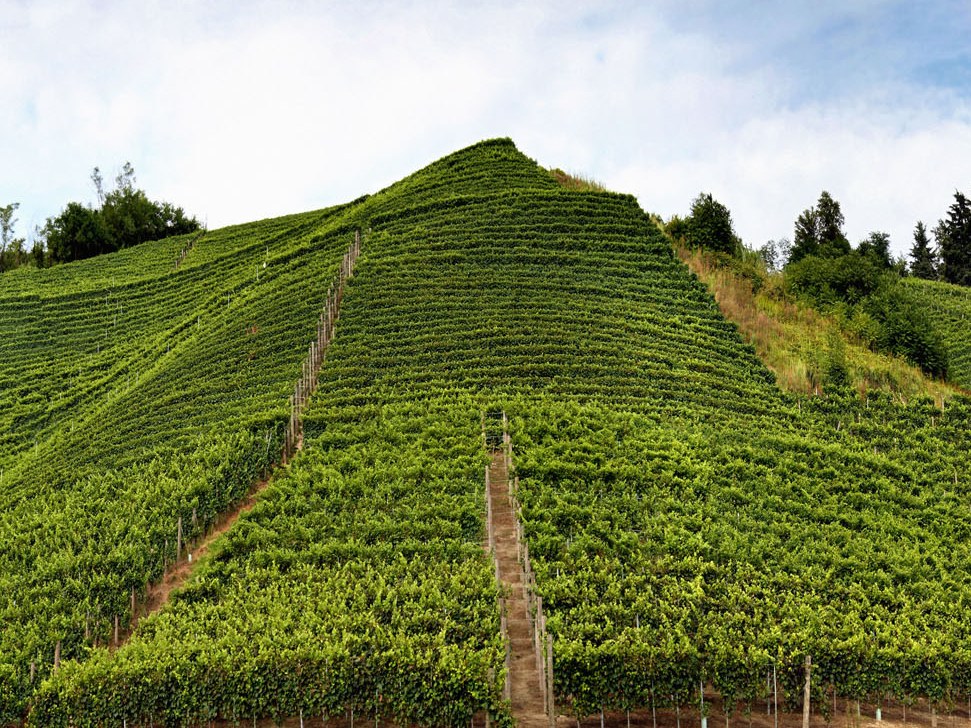
Audinaggio adds one of the clearest site stories in the appellation. Cascina Ca’ Rossa produces it from Valmaggiore, an amphitheatre sub-zone of mostly terraced, south-facing vineyards in Vezza d’Alba. For Burgundy-minded Nebbiolo buyers, Valmaggiore is the place name to note, because the site’s terraces and exposure give you a more precise buying cue than the appellation name alone.
Correggia’s own story is brief and painful. He died in 2001, not yet 40, in a work accident. His wife, Ornella, brought the family together and continued his work, with Giorgio Rivetti of La Spinetta and Elio Altare assisting during the transition. Ornella later built a close team that included Luca Rostagno, keeping the Canale estate at the centre of Roero’s red-wine identity.
Roero’s geological signature comes from ancient Pliocene basin seas. When those seas retreated, they left sandy soils rich in shells and minerals, the base for the appellation’s lighter touch with Nebbiolo.
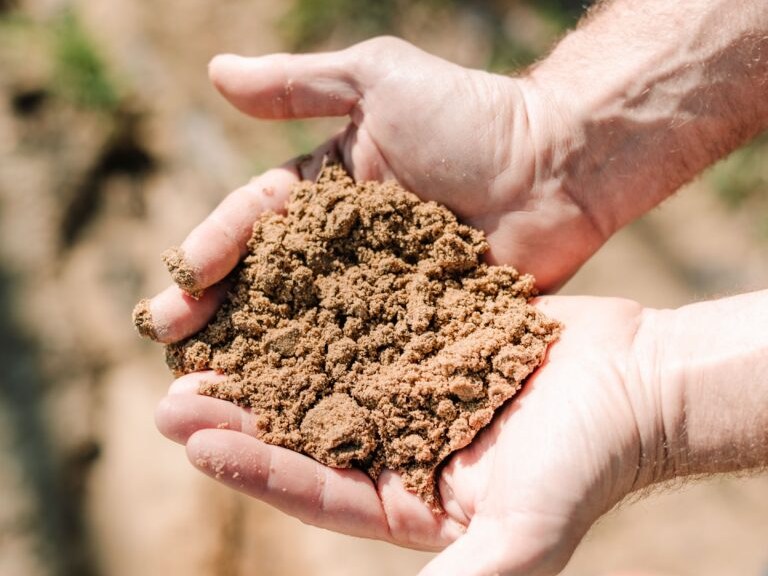
The sensory profile follows the soil. Roero Nebbiolo is associated with floral and balsamic aromas, finesse and lightness, rather than the denser frame many drinkers expect from Barolo. The wines still carry Nebbiolo’s tannic and structural imprint, but the sandy texture gives the palate a different shape from the clay-limestone sites across the Tanaro.
This is where Roero Nebbiolo value becomes most persuasive at the table. A young Roero shows the rose, herb and balsamic side of Nebbiolo without requiring the same patience as a young Barolo. The 20-month release schedule also means the wines reach shelves and restaurant lists while the fruit profile remains immediate.
When Roero moved from DOC to DOCG, the previously permitted fraction of Arneis was removed from the red blend and replaced by native red varieties. Roero still does not require 100% Nebbiolo, unlike Barolo and Barbaresco, but producers have moved toward Nebbiolo in purity.
Matteo Correggia’s Roero Nebbiolo gives a practical view of the modern style. The wine is 100% Nebbiolo from the estate, farmed organically, with a short maceration on skins for 5 to 7 days, frequent punch downs and pump overs, fermentation in stainless steel, and more than 6 months in wood.
At the table, look for Roero with tajarin and veal, or with the mushroom and truffle dishes that pull visitors toward Alba and the hills around Canale. The sandy-soil finesse lets the wine sit with a meal earlier than many Langhe bottlings of the same grape.
Azienda Agricola Matteo Correggia is in Canale, in the Roero district of southern Piedmont, north of Alba and Barolo. The estate’s arc, from its 1935 farm origins to Matteo’s 1985 succession and the 1996 Ròche d’Ampsèj milestone, gives collectors a clear through-line for the appellation’s modern red wines.
Angelo Negro belongs beside Correggia because Sudisfà formed part of the 1996 trio. Put the name on your list when you want Roero’s red-wine turn anchored in a bottle and a producer, not a broad regional claim.
Cascina Ca’ Rossa brings Valmaggiore into the conversation through Audinaggio. The Valmaggiore sub-zone, with its terraced, south-facing vineyards in Vezza d’Alba, gives Roero a visual and viticultural marker that collectors can remember. Audinaggio and Valmaggiore provide a site-based starting point for Nebbiolo.
Vietti, Bruno Giacosa and Ceretto invested in Roero Arneis during the 1970s and 1980s, which helped shape the region’s white-wine dominance before the Correggia-led red revival. Their role explains why Roero’s current Nebbiolo momentum has had to grow inside an appellation better known to many drinkers for Arneis.
With 1,007ha of Arneis against 363ha of Nebbiolo, red Roero occupies a smaller share of the appellation’s plantings. That makes producer selection more important: Correggia, Angelo Negro and Cascina Ca’ Rossa are the names directly tied to the 1996 moment, while Valmaggiore gives site-focused buyers a concrete sub-zone.
Track Roero by producer, MGA and release category. Current Roero offers earlier drinking, Riserva adds a longer pre-release period at 32 months, and older bottles can test Roero’s aging claim. Roero Nebbiolo value is strongest when you buy with the same discipline you already apply to Barolo: vintage, producer, site and storage.
The approval of 134 MGAs from the 2017 vintage gave Roero a more detailed map. The appellation had already achieved DOCG status in 2004, but the MGA framework added named locations to labels, giving collectors a way to compare villages and sites across multiple producers and vintages.
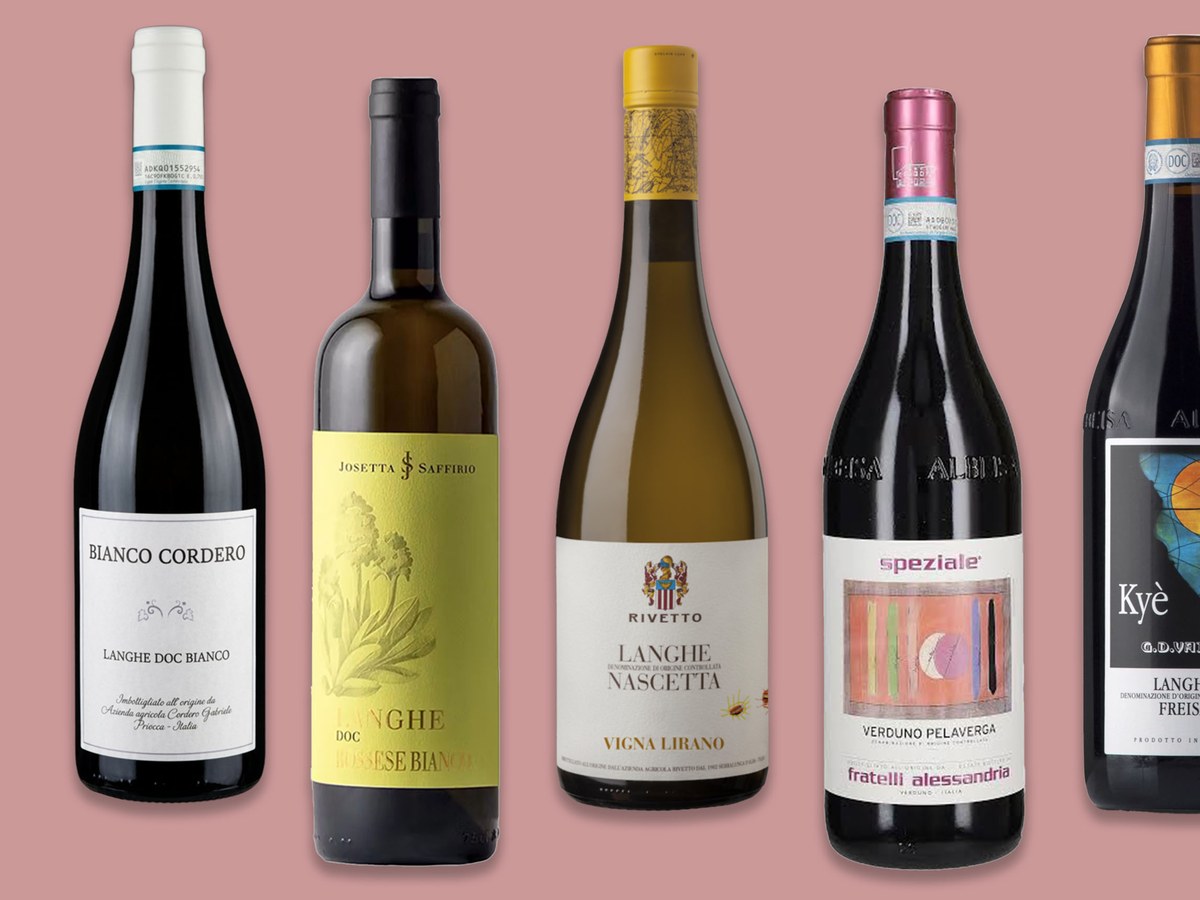
The Langhe has long trained collectors to think through crus, communes and producer signatures. Roero’s 134 MGAs give the north bank of the Tanaro a comparable language, while the wines keep a style shaped by sandy soils, shells and minerals.
Roero’s release timing changes vintage evaluation. A standard Roero reaches the market 20 months after harvest, before Barolo from the same harvest, making a producer’s recent work available earlier. Riserva, at 32 months, gives a longer view without reaching Barolo’s 38-month requirement.
Current-release Roero shows the floral, balsamic and immediately drinkable side of Nebbiolo. Riserva and older vintages show structure, tannin integration and whether Roero can age with Barolo and Barbaresco. Use MGAs, especially from 2017 onward, to move beyond appellation-level buying.
If you visit, cross the Tanaro to Canale, Vezza d’Alba and the villages on the north bank, then connect the glass to the rocche, the sandy peaks and deep chasms that cut through the hills. The castles, forests and hiking trails give the district a different rhythm from the Barolo villages, while the wine remains firmly Nebbiolo.
Bottles from Correggia, Angelo Negro, Cascina Ca’ Rossa and Valmaggiore show how producer names, MGA names and the sandy-soil profile separate this bank of the Tanaro from the Langhe. Taste the 1996-linked producers beside newer 2017-and-later MGA releases, and Roero Nebbiolo value becomes easier to read through dates, sites and cellar history.
Since 2017, the appellation has included 134 menzioni geografiche aggiuntive, giving collectors named-site precision similar to Langhe crus but without the fully priced market premium.
Ròche d'Ampsèj by Correggia, Sudisfà by Angelo Negro, and Audinaggio by Cascina Ca' Rossa defined the 1996 vintage that moved Roero red wine into serious collector conversation. These single-vineyard releases applied strict vineyard thinning and barrique aging to Roero's sandy terroir, challenging the old 'Nebiulin' or 'little Nebbiolo' reputation.
Nebbiolo's connection to Canale in Roero dates to 1303, when the grape appeared in a land lease contract. This seven-century paper trail counters the perception that Roero's red-wine identity is recent, even though Arneis dominated local attention through the 1970s and 1980s.
Roero became a DOCG in 2004. From the 2017 vintage, the appellation provided producers and collectors with precise vocabulary for named sites across Canale, Vezza d'Alba and surrounding villages.
The consorzio records 1,007 hectares of Arneis compared with 363 hectares of Nebbiolo. This nearly 3:1 ratio explains why many drinkers first encounter Roero through white wine, despite Nebbiolo's long historical presence and growing collector interest.
Get the App
Take the shortlist into the En Primeur Club app for concierge access, saved places, and the next step after discovery.
Get Exclusive AccessMore from the editors