← Guides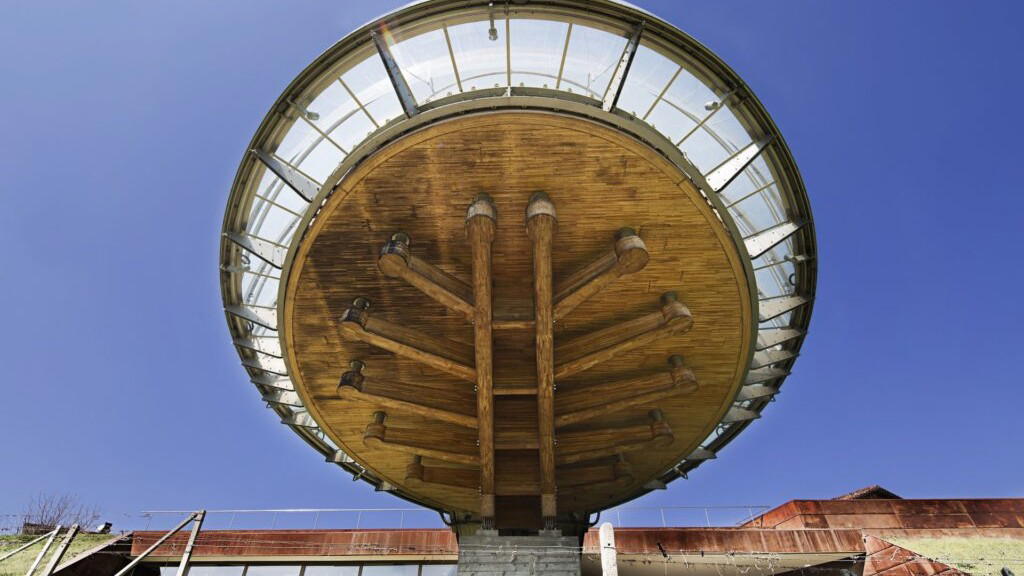
Plan your well-suited ceretto winery visit in 2026 with our comprehensive guide, featuring essential tips on tastings, tours, and local attractions to enhance your experience. Discover the beauty of this well-known vineyard.
Plan your well-suited ceretto winery visit in 2026 with our comprehensive guide, featuring essential tips on tastings, tours, and local attractions to enhance your experience. Discover the beauty of this well-known vineyard.
The confirmation email arrives, and with it a set of directions that end not at a traditional cantina door but at the Acino, Ceretto's well-known pavilion, an oval, grape-shaped glass-and-ETFE bubble that the Deabate studio set above the vineyards of Monsordo Bernardina near Alba. Getting there is the easy part.1 Getting the visit itself requires more planning than simply arriving in Alba and hoping for a strong option. Ceretto offers tasting experiences seven days a week, but all visits are by prior appointment,2 the estate does not operate a walk-in tasting room. One sought-after format, a truffle pairing during the October, November white truffle season, books out well in advance. Access is achievable, but only if you plan ahead.
Ceretto is a family estate of genuine scale, the Ceretto family farms across Barolo, Barbaresco, and the Langhe, with holdings that include Bricco Rocche in Castiglione Falletto3 and Bricco Asili in Barbaresco. The winery's architectural installations, the Acino pavilion, the Cappella delle Brunate chapel frescoed by Sol LeWitt and David Tremlett, the Langa farmhouse at Monsordo Bernardina, have made it a destination for design and food travelers as well as wine collectors. That dual audience compresses demand. During the white truffle season, when the Fiera del Tartufo Bianco d'Alba draws visitors from across Europe and beyond, every serious producer in the Langhe faces the same bottleneck: more people want in than the cellar can absorb without disrupting harvest and production work.
The estate's tasting formats are staff-led and structured, not a self-pour bar. Personalized tour and tasting options are available,4 but each session requires a guide, a prepared flight, and often a kitchen component for the truffle pairing. That limits daily capacity in a way that a simple shop counter does not.
The estate's visit program is managed directly. Contact the estate as early as your travel plans allow. Confirm current availability directly with Ceretto before building your itinerary around a specific date.
The white truffle window is the tightest. The Fiera del Tartufo Bianco d'Alba typically runs through October and into November, and the surrounding weeks are when the pairing experience is at its most vivid, shaved Tuber magnatum pico over Ceretto's Arneis or a mature Barolo from Bricco Rocche. Outside that window, visits are generally easier to arrange, and the cellar is quieter.
The direct route is the only reliable one. Ceretto manages visits through its own hospitality team, reachable by calling +39 0173 268033 or emailing visit@ceretto.com.5 There is no third-party booking platform, no Resy page, no Viator listing that connects directly to the estate's own calendar for a private cellar visit. Tour operators and luxury travel agencies (Abercrombie & Kent, Black Tomato, and similar) do arrange Ceretto visits as part of Langhe itineraries, and for travelers who want the logistics handled end-to-end, that route can be worth the premium, but the underlying access still flows through the estate's own hospitality team.
For the truffle pairing specifically, the estate's website is the starting point. The visit request should specify the format you want (architecture tour, cellar tasting, or truffle pairing), your group size, and your preferred dates with alternatives. A flexible traveler who can shift by a day or two will have meaningfully better odds than someone locked to a single date.
Basic tastings at Ceretto start from €20.2 The estate's hospitality team will quote fees when you make contact. Guided tours and tastings at the Monsordo Bernardina estate in Alba require advanced reservation,4 and dining at the on-site restaurant carries its own cover and menu costs separate from any cellar visit fee. For travelers combining a cellar visit with lunch or dinner, budget for both components independently.
The money-vs-time tradeoff here is clear. Booking directly and early costs only your time and flexibility. Booking through a luxury travel concierge or a specialist Langhe tour operator adds a service premium, but removes the coordination burden and can sometimes unlock dates that appear full to individual inquiries. For a once-in-a-decade truffle-season visit, the concierge route is worth considering; for a more casual cellar stop, direct contact is the sensible path.
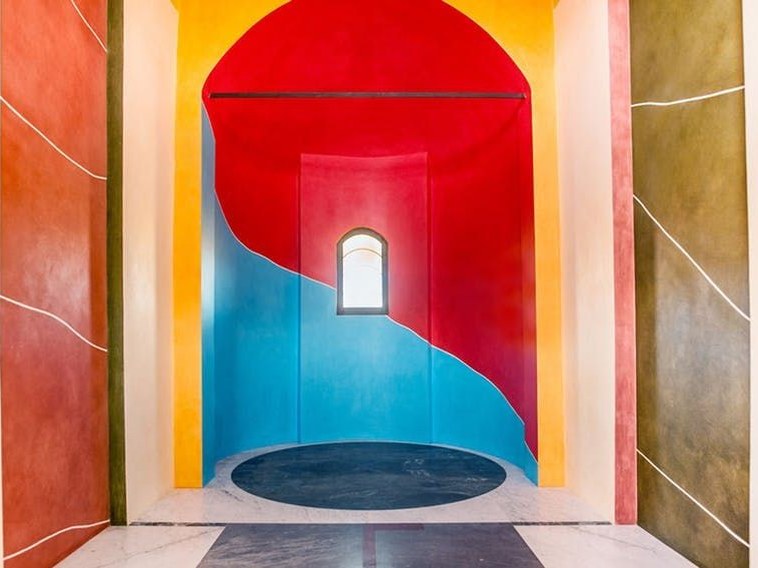
The Acino, the word means "grape berry" in Italian, sits above the vineyards of Monsordo Bernardina in Alba, a transparent ETFE bubble that reads as a single oversized grape from the valley below. The Deabate studio designed the Acino here as a permanent oval pavilion in ETFE that frames views across the Langhe hills, Prapo, Brunate, Rocche, that give the estate's single-vineyard wines their identity. The Cappella delle Brunate, a short drive away in La Morra, adds a second stop: a working chapel whose interior walls carry the Sol LeWitt and David Tremlett fresco commissioned by the Ceretto family, a collaboration between contemporary art and a centuries-old agricultural landscape. Whether both sites are included in a single visit depends on the format arranged with the estate, confirm the itinerary when booking.
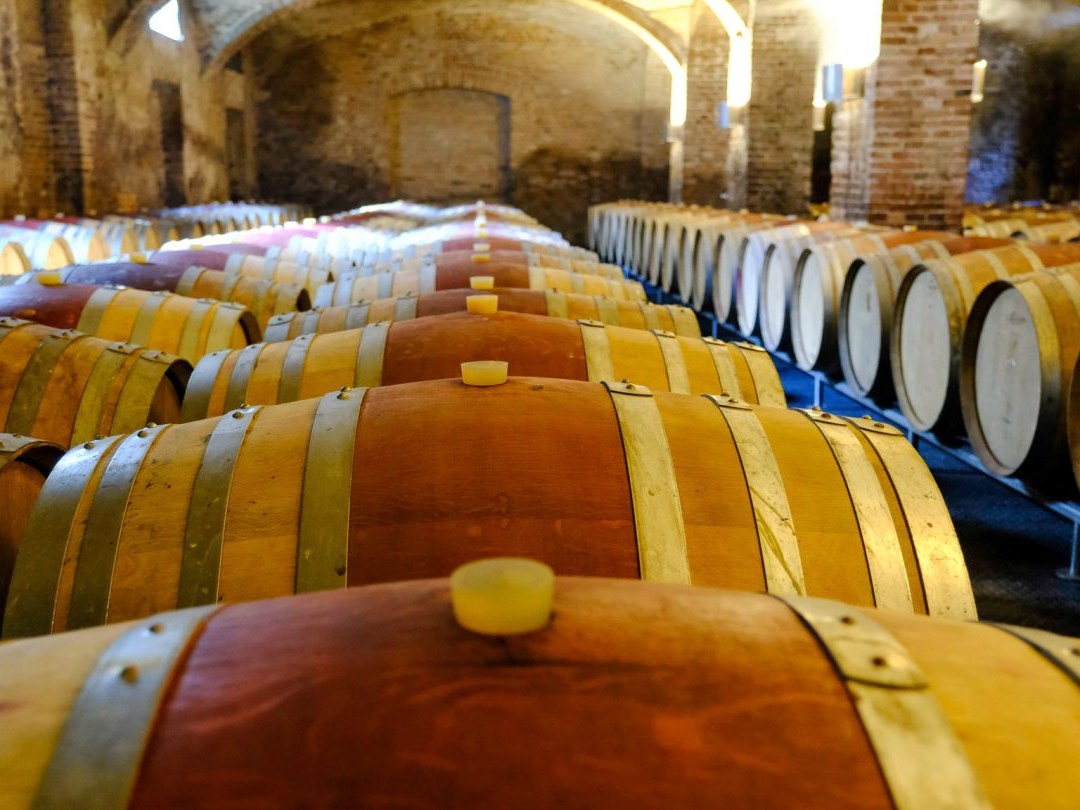
The cellar component moves through the estate's barrel aging rooms, where premium tasting experiences allow sampling of older vintages of Bricco Rocche and Cannubi San Lorenzo.2 Barolo from Bricco Rocche and Barbaresco from Bricco Asili rest in a mix of large Slavonian oak botti and smaller barriques, depending on the cuvée, the current approach leans toward longer aging in larger vessels for the single-vineyard Barolos, a move that shows in the wines' texture.
The truffle pairing, available during the October, November season, brings the visit to the table. White truffle from the Langhe, the same Tuber magnatum pico sold at the Alba market for prices that fluctuate sharply with the harvest, is shaved over dishes paired with wines from the estate's range.
The Blangé Arneis, Ceretto's aromatic white from Roero, is a natural foil for truffle's earthy volatility; the Barolo crus, with their tar and dried rose character, carry the pairing into longer territory.
The format and duration of the tasting component are set by the estate and confirmed at booking.
A visit to Ceretto is also, practically, the moment to establish a direct purchasing relationship with the estate. The single-vineyard Barolos, Bricco Rocche, Prapo, Brunate, are allocated through importers and merchants in most markets, and the stronger vintages move quickly. Building a relationship at the cellar door, even informally, can open a direct channel for future releases.
For collectors outside Italy, the standard route is through a specialist importer or merchant with a Ceretto allocation. In the UK, Berry Bros. & Rudd and Lea & Sandeman have historically carried the range; in the US, the importer network varies by state. En primeur offers for Barolo, typically released before bottling, one to two years after harvest, are one cost-effective entry point for a leading cuvées. The 2022 vintage has been widely discussed as a strong year in the Langhe despite the heat. Confirm current en primeur availability with your merchant.
Ceretto's Langhe Nebbiolo and the Blangé Arneis are widely available, carry the estate's house style, and require no allocation relationship to acquire. They are also the wines most likely to appear on a visit tasting, a useful preview before committing to a case of Bricco Rocche.
| Estate | Visit Format | Booking Route | Truffle Pairing Available | Lead Time (Truffle Season) | Architecture / Art Component |
|---|---|---|---|---|---|
| Ceretto | Appointment-only; cellar + architecture tour + optional truffle pairing | Direct via estate (visit@ceretto.com / +39 0173 268033) | Yes (Oct, Nov) | Unpublished, contact estate early; confirm directly | Acino pavilion (Deabate studio); Cappella delle Brunate (LeWitt/Tremlett fresco) |
| Gaja (Barbaresco) | Appointment-only; cellar tour | Direct via estate; limited availability | N/A (not a published format) | Difficult; often closed to general visitors | None published |
| Marchesi di Barolo (Barolo village) | Walk-in tasting room + museum; appointment for private tours | Direct or walk-in for standard tasting | Seasonal; confirm with estate | Walk-in possible off-peak; appointment advised in Oct, Nov | Barolo wine museum (WiMu) and Enoteca Regionale in the Castello Falletti are civic/regional attractions in Barolo village, distinct from the Marchesi di Barolo winery's own walk-in tasting room. |
| Fontanafredda (Serralunga d'Alba) | Open to visitors; restaurant and cellar tours available | Direct booking via estate website | Yes (seasonal) | More accessible than smaller estates; confirm with estate | Historic royal hunting lodge; village-scale estate |
Confirm format details and availability for Gaja, Marchesi di Barolo, and Fontanafredda directly with each estate before travel.
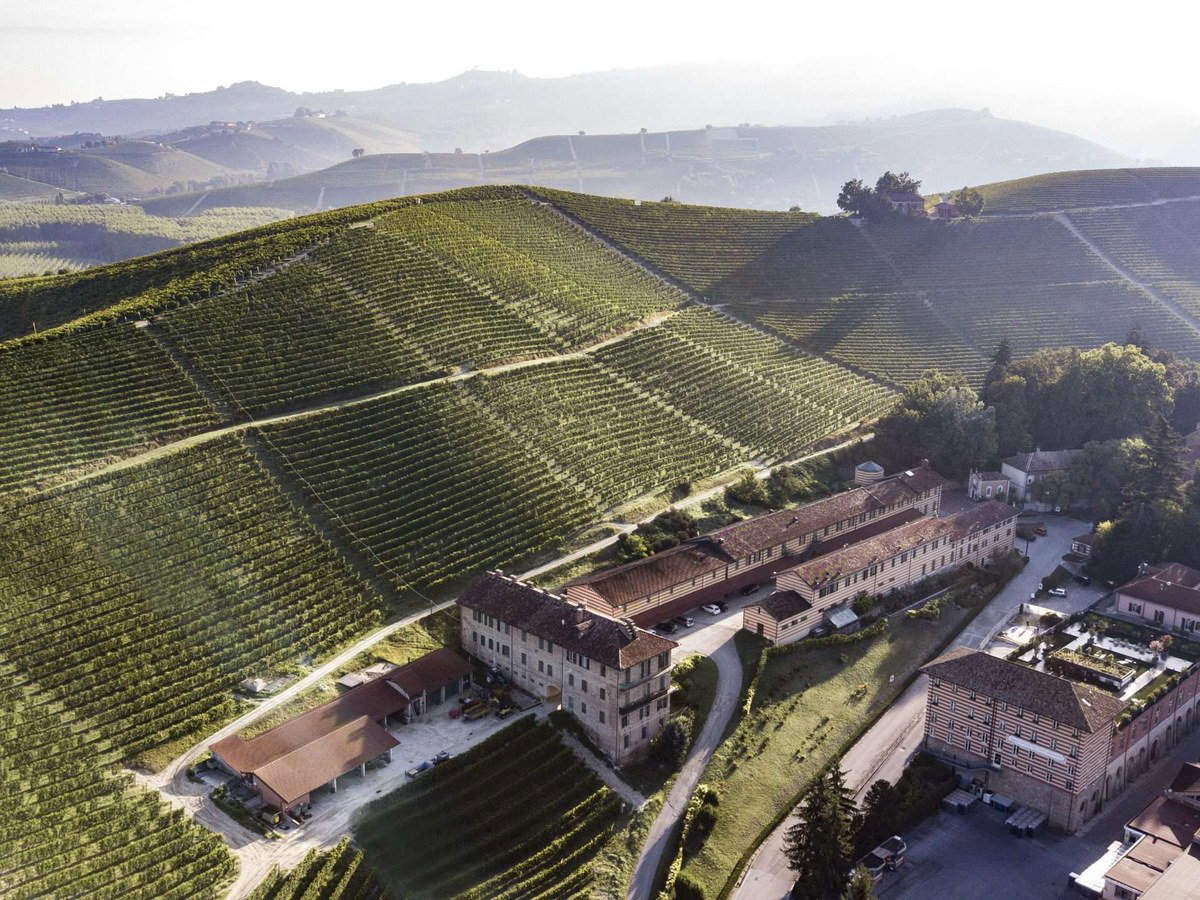
Fontanafredda, Serralunga d'Alba. The former royal hunting estate of Vittorio Emanuele II is especially accessible major Barolo producer for walk-in and short-notice visits. The cellar complex is village-scale, the restaurant serves truffle dishes in season, and the wines, particularly the single-vineyard Serralunga Barolo, are serious. Easier to book, and the setting is its own argument.
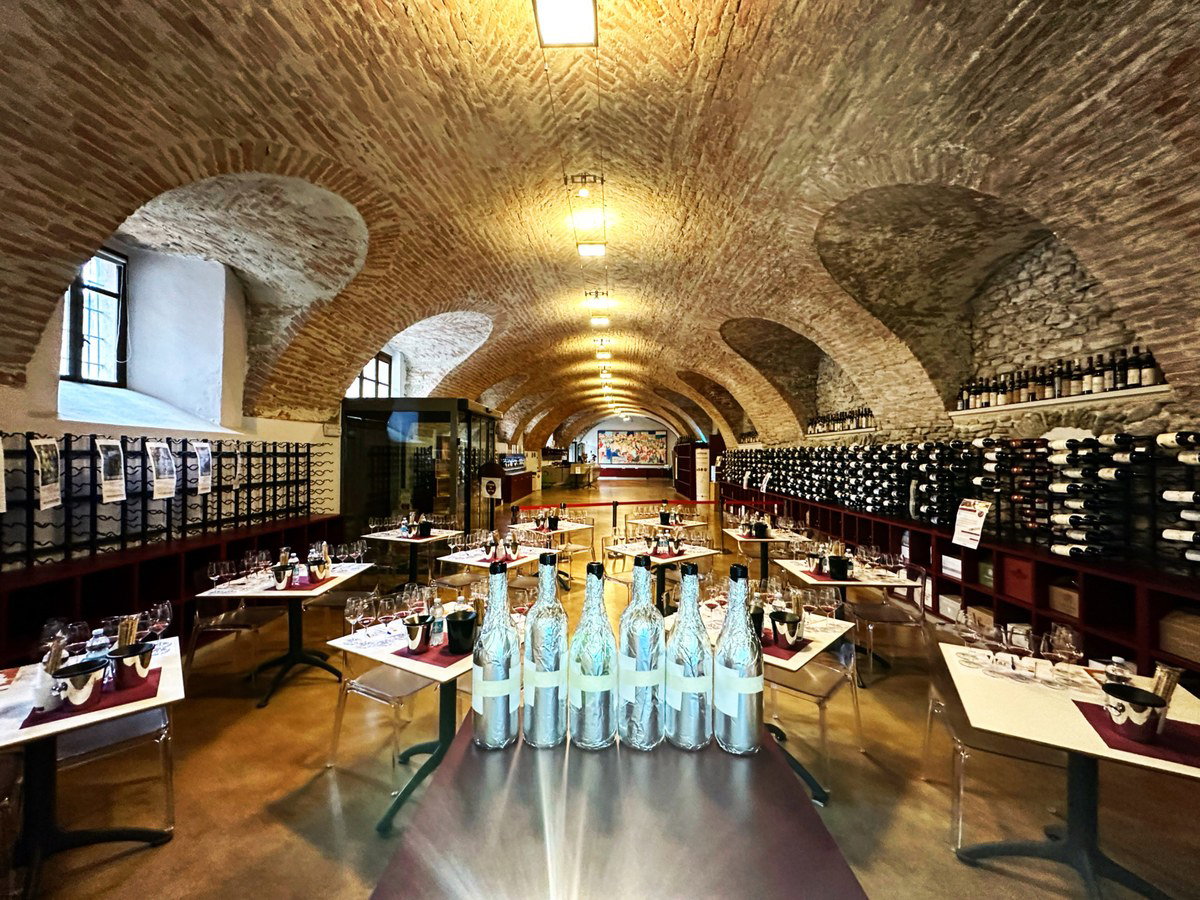
Marchesi di Barolo, Barolo village. The village's Barolo wine museum (WiMu), housed in the Castello Falletti, is worth the visit independently, and the tasting room operates with more flexibility than appointment-only estates. During truffle season, the village of Barolo itself is a short drive from the Alba market, combine a morning at the Fiera with an afternoon tasting here.
Enoteca Regionale del Barolo, Barolo castle. For a structured introduction to the appellation's crus without committing to a single producer, the regional enoteca in the Castello Falletti pours wines from across the Barolo DOCG. It is not a substitute for a cellar visit, but it is an efficient way to calibrate your palate before a producer appointment, or to salvage a day when the appointment falls through.
The Ceretto visit rewards travelers genuinely interested in the intersection of contemporary design and traditional viticulture, the Acino and the Cappella delle Brunate are not incidental to the wine; they reflect a family philosophy that has shaped how the estate presents itself to the world. If architecture and art leave you cold, the cellar and tasting alone are good but not categorically different from other Barolo producers.
The truffle pairing is the occasion that justifies the planning overhead. October and early November, when the white truffle market in Alba is at its peak and the Langhe is in the amber light of late harvest, is when the visit earns its place on an itinerary. Couples celebrating a milestone, collectors building a direct relationship with the estate, and food-focused travelers who want the full Langhe sensory experience, these are the visitors for whom the effort is proportionate. Solo travelers or groups primarily interested in volume tasting across multiple producers may find the format less suited to their pace.
Yes, with the caveat that "planning" here means genuine lead time, not a last-minute inquiry from the hotel lobby in Alba. Ceretto's visit program is one of the few in the Langhe that integrates architecture, contemporary art, and wine into a single coherent experience rather than bolting them together. The Acino above the Monsordo Bernardina vineyard is a legitimate reason to visit even before you open a bottle.
The truffle pairing during October and November is the format that most justifies the effort. White truffle from the Langhe is one of those ingredients that changes the character of a wine in the glass, the Arneis reads differently with truffle volatiles in the air, and the Barolo crus from Bricco Rocche and Brunate show a savory depth that the pairing amplifies. That experience is time-specific and place-specific in a way that a standard cellar visit is not.
For collectors, the visit also opens a direct line to the estate's team, context that sharpens how you buy through your merchant when the next strong Barolo vintage moves through the en primeur cycle. Contact the estate directly to arrange a visit,3 keep your travel dates flexible, and the Langhe in October will do the rest.
No. Ceretto does not operate a walk-in tasting room. All visits are by appointment, arranged in advance through the estate's hospitality team. During the white truffle season (October, November), availability is particularly tight, and walk-in access is not a realistic option.
The estate manages bookings directly: call +39 0173 268033 or email visit@ceretto.com. Contact them as early as your travel plans allow, particularly for the October, November truffle season, when demand is highest. Confirm current availability before finalizing your itinerary.
The Acino pavilion at the Monsordo Bernardina estate near Alba and the Cappella delle Brunate in La Morra, frescoed by Sol LeWitt and David Tremlett, are both associated with the Ceretto estate but sit at separate locations. Whether both are included in a single visit depends on the format arranged with the estate; confirm the itinerary when booking.
The white truffle pairing is a seasonal format tied to the availability of Tuber magnatum pico from the Langhe, which peaks during October and into November. Outside that window, the estate's visit formats focus on cellar tours and wine tastings. Confirm what is available for your travel dates when making contact.
Ceretto's wines, including the Bricco Rocche and Brunate single-vineyard Barolos, are distributed through importers and specialist merchants in most major markets. In the UK, Berry Bros. & Rudd and Lea & Sandeman have historically carried the range. En primeur offers, typically released before bottling, are one cost-effective route for a leading cuvées. Contact your local specialist merchant to check current allocation availability.
Get the App
Take the shortlist into the En Primeur Club app for concierge access, saved places, and the next step after discovery.
Get Exclusive AccessMore from the editors