← Guides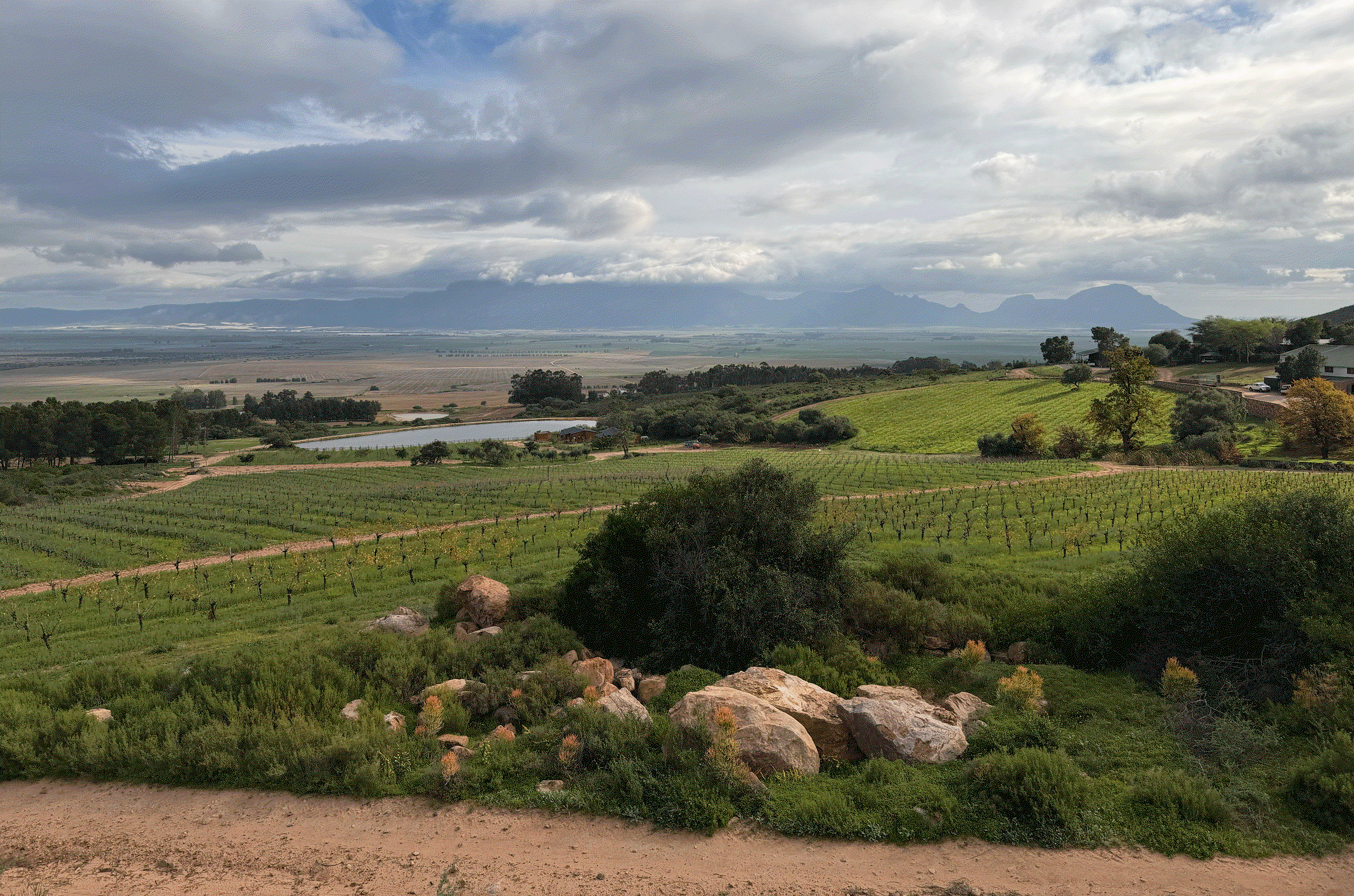
Mphumi Ndlangisa, Testalonga and Schenkfontein are giving Swartland’s rugged north a sharper identity beyond Paardeberg.
Mphumi Ndlangisa, Testalonga and Schenkfontein are giving Swartland’s rugged north a sharper identity beyond Paardeberg.
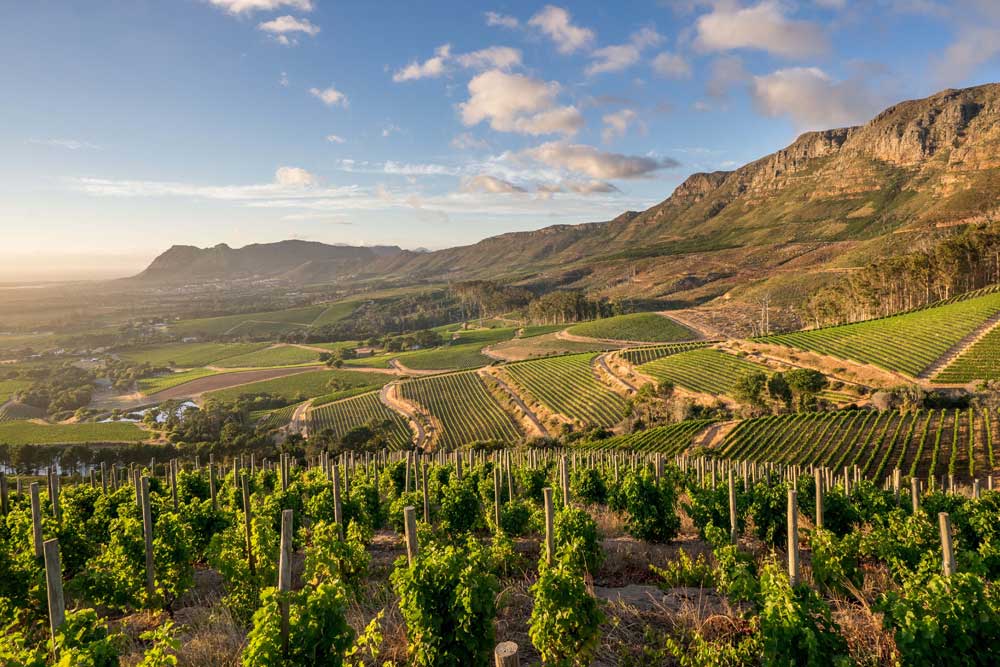
Mphumeleli ‘Mphumi’ Ndlangisa’s 7ha virgin farm in Koringberg is the kind of place that changes how you read a wine map: northern swartland winemakers are turning South Africa’s largest wine region northward, beyond the familiar pull of the Paardeberg. Here, the argument is not made in tasting-room gloss. It is made in dry wind, renosterveld, heuweltjies, and the decision of a former investment banker to stake Magna Carta on organic farming in a hot, marginal-feeling corner of the Cape.
Swartland has long been shorthand for the granite hills and old-vine gravitas of its southern half. The north asks for a different lens. Its scale alone changes the conversation: the region runs across 999,000ha from the Paardeberg in the south to the Piketberg and the West Coast in the north. That sweep contains Koringberg, Schenkfontein, Bandit’s Kloof, Nieuwedrift, Org de Rac, and a set of growers who are finding definition in drier conditions, ocean influence, and soils shaped by organisms far older than any cellar door.
The northern Swartland begins to declare itself around Koringberg, where the road north starts to feel less like an extension of Paardeberg country and more like a separate proposition. Nieuwedrift has been owned by the Mostert family since 1965. Org de Rac sits nearby as one of South Africa’s pioneering organic estates. Ndlangisa’s Magna Carta adds a newer voice to that cluster, less inherited farm narrative, more deliberate leap.
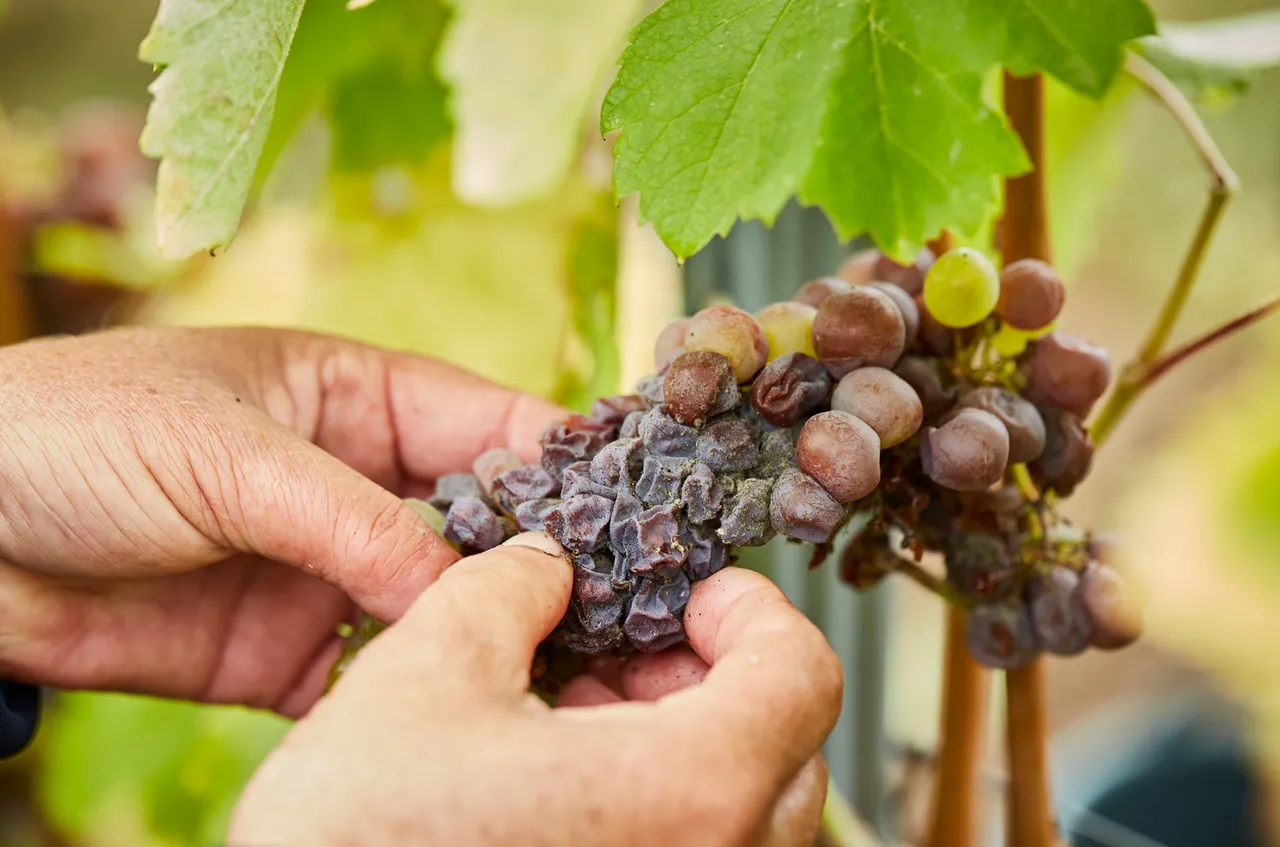
The conditions make the choice legible. This is a hot part of Swartland, yet the Berg River and southeasterly winds coming off the ocean temper the heat. Ndlangisa gives the climatic logic in one clean line.
"the Berg River is a moderating influence as well as the strong southeasterly winds coming off the ocean"
, Mphumeleli 'Mphumi' Ndlangisa, winemaker, Decanter3
For collectors who have followed Swartland through its better-known southern addresses, that sentence matters. It explains why a grower focused on natural wine and organic farming would move into a zone that can look severe on paper. The north is not simply warmer or wilder. It has moderating forces, and the stronger growers are reading them with intent.
Ndlangisa’s career turn gives Magna Carta its first point of difference. He left investment banking to start the natural wine label, then bought his 7ha virgin Koringberg farm in 2020. That is not a cosmetic pivot from finance to lifestyle wine. It is a move from balance sheets to biological risk, from screens and models to a site where farming decisions carry through every bottle.
His farm’s virgin status is central to the story because it positions Magna Carta before inherited vineyard reputation. There is no old cellar mythology to lean on, no established estate tier to revive. Ndlangisa starts with land, organic intent, and a subregion still being explained to international drinkers. For a natural wine label, that can be a sharper credential than polish.
The human detail matters, too. Swartland’s recent history has rewarded producers who work with conviction rather than inherited grandeur. Ndlangisa’s investment-banking background gives him fluency in risk, timing, and patience; his Koringberg farm demands all three in a different register. The attraction is not simply the ability to make wine in the north. It is the chance to define Magna Carta alongside the site rather than after it.
Among northern swartland winemakers, Ndlangisa reads as the new entrant with a particularly clean proposition: organic farming, natural wine, and a farm acquired before the subregion’s identity has hardened into shorthand. For travelers, that makes Koringberg more than a waypoint on the N7. It is one of the first places to look if you want to understand how Swartland’s next vocabulary is being written.
If Ndlangisa gives the north its emerging-founder story, Craig and Carla Hawkins give it an established natural-wine benchmark. They bought Bandit’s Kloof, a 135ha farm, in 2015. The estate is home to Testalonga, South Africa’s leading natural wine label, and the Hawkins have planted Mediterranean vines at 400m above sea level, farmed organically.
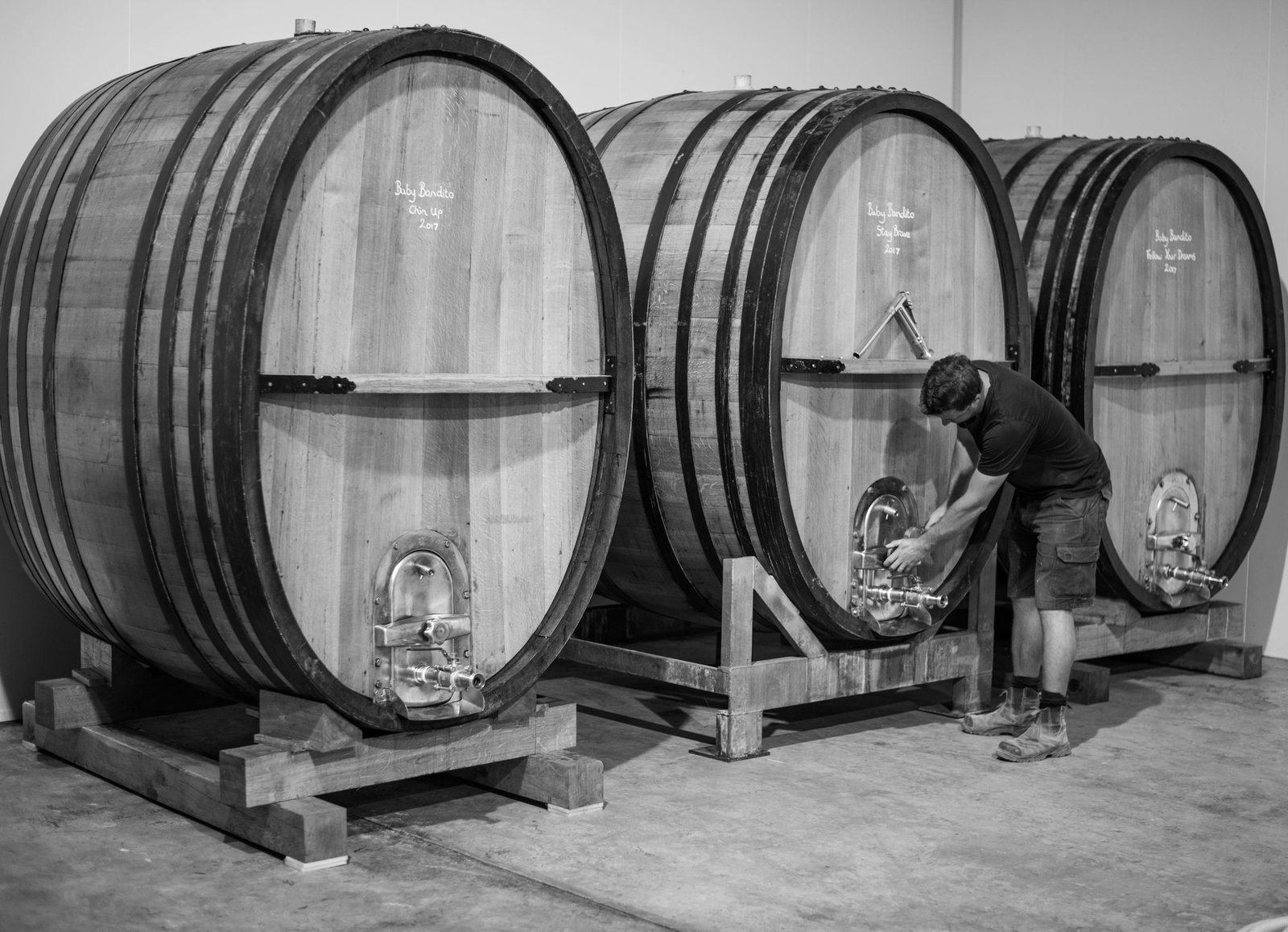
That combination, altitude, Mediterranean varieties, organic farming, and a producer already followed by natural-wine buyers, gives Bandit’s Kloof a different kind of gravity. Testalonga is not an experiment waiting for permission. It already carries a reputation, and the recently launched Bandits Kloof range adds an estate-tier frame to the Hawkins’ work in the north.
"It's in the middle of nowhere. You can watch the fog bank roll right off the ocean"
, Craig Hawkins, winemaker, Decanter3
That fog bank is more than atmosphere. It gives the place a physical cue: ocean influence moving inland, cooling a farm set against the fynbos-clad Olifantsberg Mountain. You can imagine why Mediterranean vines make sense here without needing a technical monograph. The estate sits in a dry, exposed north, yet it is not cut off from maritime relief.
For collectors, the Hawkins’ estate-tier move is the development to track. Testalonga already has international currency among drinkers who follow low-intervention South African wine. Bandit’s Kloof adds a clearer site address to that following, an estate name tied to a 135ha farm rather than a broader sourcing story. In a category where provenance is increasingly the luxury, that distinction matters.
Schenkfontein brings an older cadence to the north. The wine cellar was established in the early 1900s, and Philip Hanekom, a descendant, now runs it. His presence in the story keeps the northern Swartland from becoming only a natural-wine frontier. It is also a place of family continuity, dry-country practicality, and cellars that predate the current international appetite for the region.
Hanekom’s world sits nearer the Piketberg mountain range, where the north’s topography begins to crowd the horizon. The detail of his timber-and-brick office, with a taxidermied caracal behind him, gives Schenkfontein a specific texture: less polished destination architecture, more working cellar with memory in the walls. This matters because the northern Swartland is not being invented by newcomers alone. It is being re-read through both old cellars and new labels.
The estate’s Chenin Cap Classique is the detail that catches the oenophile ear. Chenin Blanc remains one of the Cape’s great interpretive grapes, and the choice to taste it as Cap Classique at Schenkfontein points to a northern producer working beyond the expected still-wine frame. The wine should not be over-described. The category alone is enough to signal intent.
Hanekom also gives the cleanest climatic statistic in the piece. In the north, dryness is not a mood; it is measurable. That dryness shapes farming decisions, vine stress, and the way growers think about moderation from river, wind, and altitude.
The northern Swartland’s most arresting vineyard feature is not a famous slope or a postcard mountain. It is the heuweltjie, the little hill, formed by ancient termite activity. These mounds run from the Berg River toward the West Coast, and some date back 34,000 years. In the vineyard, they read as a biological topography, small rises in the ground that make the soil feel worked from within rather than merely farmed from above.
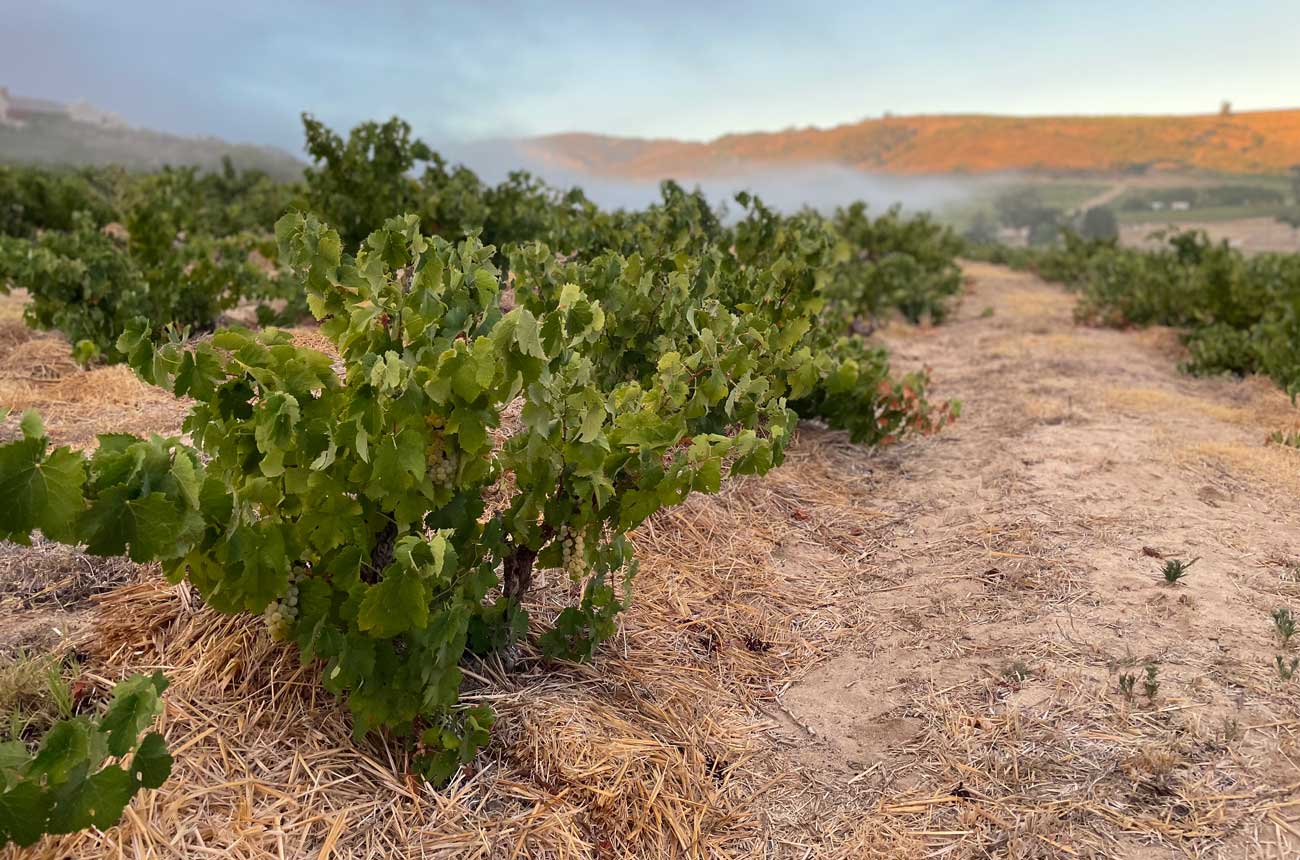
Craig Hawkins puts it plainly when he says the north is built by termites. The phrase stays with you because it shifts the scale of terroir. We often talk about geology in millions of years and viticulture in seasons; here, an active ecological system links the two. The mounds are not decorative. They are part of the region’s physical signature, a visible reminder that soil structure can be shaped by life as much as stone.
The climate adds pressure. Philip Hanekom gives the north’s rainfall frame directly: "Our average rainfall is between 250mm and 450mm. As you move towards Cape Town the rainfall increases." said Philip Hanekom.3 In practice, that statistic explains why organic farming here reads differently than it might in a damper appellation. Lower rainfall can reduce certain pressures, but it also sharpens questions around site selection, vine resilience, and water stress.
For northern swartland winemakers, the appeal lies in the whole matrix: the Berg River’s moderation, ocean-borne southeasterlies, dry air, old termite mounds, and pockets of altitude such as Bandit’s Kloof at 400m above sea level. None of those factors guarantees a wine of consequence. Together, they give serious producers enough specificity to build identity parcel by parcel, range by range, season by season.
The collector signal in the northern Swartland is not a single critic score or a blue-chip auction result. It is the moment before language settles. Magna Carta, Testalonga at Bandit’s Kloof, Schenkfontein, Nieuwedrift, and Org de Rac sit within the same northern arc, yet each offers a different route into the region: new natural label, established natural-wine name with an estate tier, family cellar, long-owned farm, organic pioneer.
That variety gives the traveler a useful itinerary. Start around Koringberg for Nieuwedrift, Org de Rac, and Ndlangisa’s Magna Carta orbit. Continue toward the Piketberg side for Schenkfontein. Follow the iron-red road toward Bandit’s Kloof for the Hawkins’ work with Testalonga and the Bandits Kloof estate range. The route is not about ticking off tasting counters; it is about watching how a large region becomes legible through individual decisions.
For buyers, the practical approach is patient and specific. Track producer releases by name rather than relying on a generic Swartland shelf tag. Separate Testalonga from the newer Bandits Kloof estate tier. Keep Magna Carta tied to Ndlangisa’s Koringberg farm in your notes. Treat Schenkfontein as part of the north’s older cellar fabric rather than an appendage to the natural-wine story. The more precise your vocabulary, the better your cellar will reflect what is actually happening on the ground.
The northern Swartland will not replace the Paardeberg in serious conversations about South African wine. It does something more useful: it widens the map. As Ndlangisa, the Hawkins, Hanekom, and their neighbours continue to work this dry, wind-tempered country, the next chapter of Swartland may be written not around a single hill, but across the long northern road toward Piketberg and the West Coast.
Get the App
Take the shortlist into the En Primeur Club app for concierge access, saved places, and the next step after discovery.
Get Exclusive AccessMore from the editors