← Guides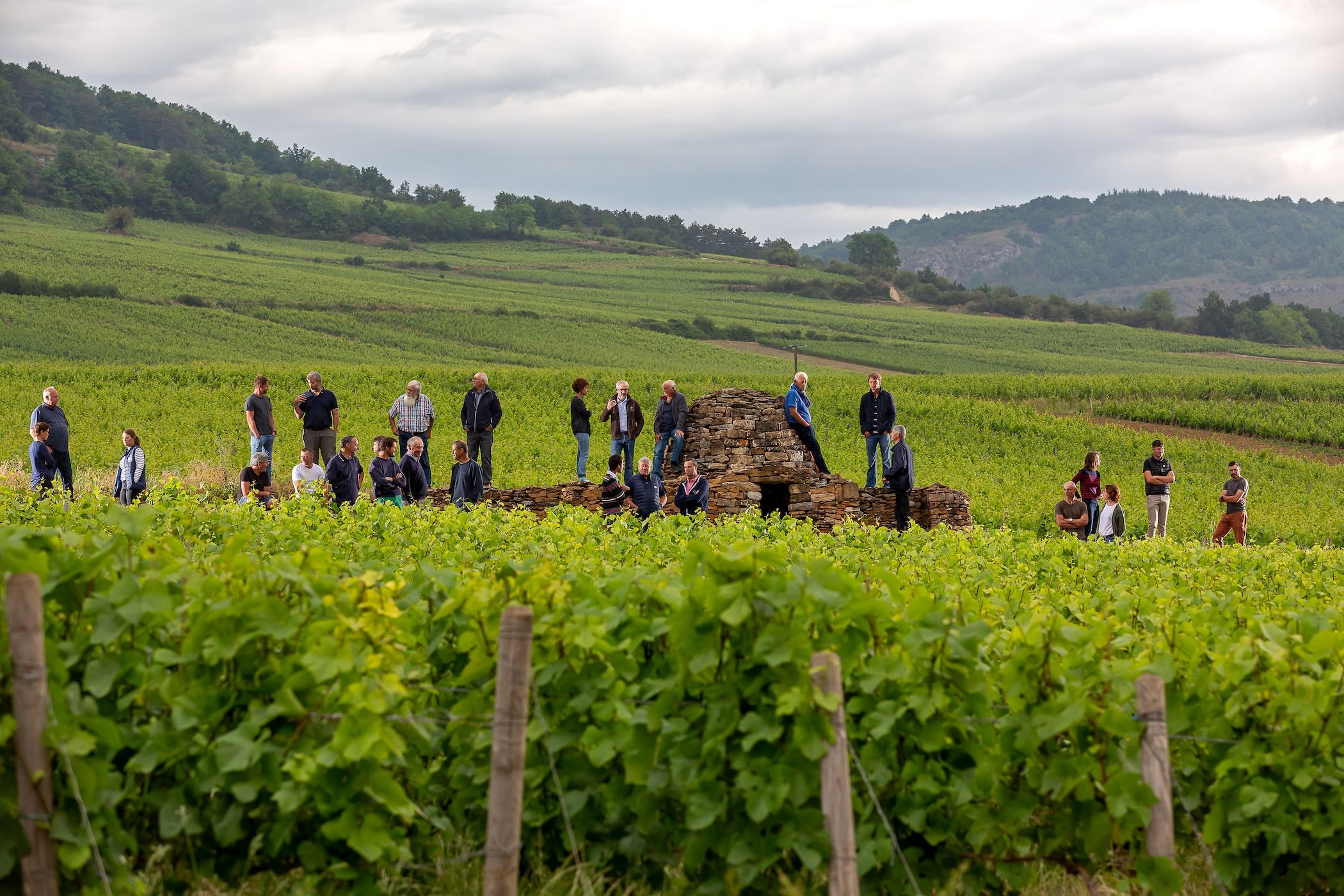
Domaine Chevrot anchors Maranges, Burgundy’s youngest Côte de Beaune appellation, where premiers crus still sit at €20-€40.
Domaine Chevrot anchors Maranges, Burgundy’s youngest Côte de Beaune appellation, where premiers crus still sit at €20-€40.
Domaine Chevrot has made wine in Maranges since 1830, and the 2026 St-Vincent Tournante put Burgundy’s youngest Côte de Beaune appellation in front of 60,000 visitors. Maranges Burgundy wines come from a 200-hectare appellation raised to village status in 1988, with 90% Pinot Noir and seven south-facing premiers crus beneath the Montagne des Trois Croix. Pablo Chevrot, Manon Rousseau-Guérin, Aurore Bachelet, Marie Bouthenet and Elodie Roy are associated with a place that spent decades supplying structure to other labels (Bowlerwine1).
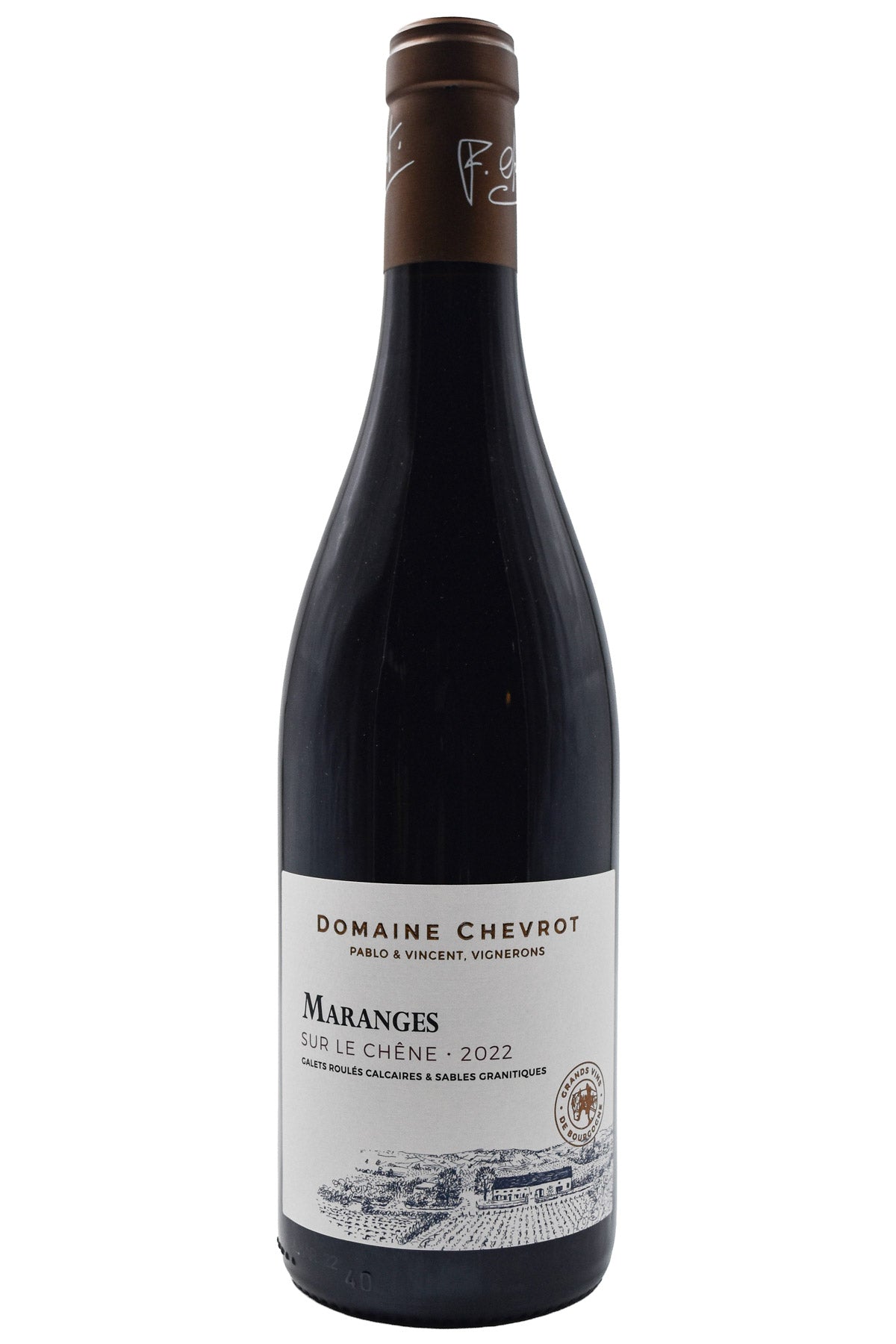
The appeal starts with numbers that still look unusually restrained for the Côte de Beaune. Good village wines begin around €15, while most premiers crus sit between €20 and €40. Domaine Chevrot’s Maranges Sur le Chene 2022 is listed at $46.99 at Flatiron Wines in San Francisco, a useful U.S. marker for a village that remains accessible while its growers refine extraction, farming and cru identity (Flatiron Wines2).
Maranges sits at the southern edge of the Côte de Beaune, across the département line in Saône-et-Loire, around the villages of Dezize, Sampagny and Cheilly. Its administrative youth matters. The appellation was granted in 1988, with both village and premier cru status, which makes Maranges the youngest AOC of the Côte de Beaune. Before that date, its reds were largely sold in bulk as vins médecins, valued for colour and grip rather than village identity (Bowlerwine1).
The St-Vincent Tournante gave that identity a public stage in January 2026. The Burgundian winter festival, established in 1938 by the Confrérie des Chevaliers du Tastevin, grew out of mutual-aid societies whose members worked a sick neighbour’s vines and supported families through the hardest moments of rural life. In Maranges, the procession began at Domaine Chevrot at 5.30am, with Chardonnay already in glass, brass bands in the mist, banners raised and statues of St-Vincent carried by village societies.
Marion Duchemin chaired the organizing committee for two years before the festival arrived in Maranges. The festival brought 60,000 people to three small villages in Maranges. That surge did not change the geology, the old vines or the prices overnight, but it gave Maranges a cultural marker at the same moment its wines are becoming more precise in the glass.
Working the soil sits at the centre of the Chevrot approach. The estate owns two horses and ploughs five hectares by horse, a detail that matters in Maranges because several of the stronger parcels sit on slopes where old Pinot Noir roots search deep through fissured limestone into clay. Pablo Chevrot farms a sliver of Le Croix Moines by hand and horse, and the parcel is helping shape the village’s reputation among drinkers who cellar wine (Bowlerwine1).
From the summit of the Montagne des Trois Croix, limestone fragments, blocks and scree lie over blue-black marls. Belemnites, the bullet-shaped remains of ancient squid, and curled Gryphaea oysters mark the vineyard as former seabed. At one road, Chevrot identifies the fault line, with Maranges on one side and Santenay on the other. The fracture turns the Côte’s dominant east-facing line toward south-facing slopes, which is why Maranges can ripen Pinot Noir with a different register from its northern neighbours.
Water gives the place its tension. Rain enters fissured limestone above the vineyards and collects until it meets marl, then moves downslope. The surface can look dry in summer, and many vines between 60 and 80 years old reach into moist clay below. Three consecutive droughts from 2018 to 2020 left vines severely stressed, while two wet winters helped sustain green growth through the hot 2026 summer. Chevrot’s warning, that one day the village will need water, gives the appellation’s old vines a direct climatic stake.
Maranges has seven south-facing premiers crus, and the names now matter more than the village’s old reputation for sturdy, tannic reds. Clos des Loyères and Clos de la Boutière show the more muscular side of the appellation. Clos des Rois and Les Clos Roussots sit on the more charming end of the spectrum. La Fussière is the largest premier cru and the central expression of Maranges.
Le Croix Moines sits just beneath the cliff at 370m. Pablo Chevrot regards it as taut, elegant and built to age, and he has said that if Maranges had a grand cru, this would be it. Le Croix Moines is not classified as a grand cru, and Chevrot works his sliver of the cru by hand and horse. Le Croix Moines is a cru whose site may not be fully reflected in the old hierarchy.
Les Clos Roussots sits about 90m lower, where groundwater keeps the site cool and late-ripening. Aurore Bachelet’s juicy, open 2024 shows the pleasure that cooler position can give in a recent vintage. Most Maranges premiers crus drink well for three to eight years, while Nicolas Perrault and Bachelet-Monnot have shown bottles back to 2005 that argue for longer cellaring in the right hands.
Those cru distinctions help explain why Maranges Burgundy wines no longer belong under a single rustic label. Site, farming and extraction now shape the firm tannins, leather and spice found in some Maranges bottles. Clos de la Boutière, Les Clos Roussots, La Fussière and Le Croix Moines show distinctions beyond a single village label.
The change in Maranges is technical as much as cultural. A new generation extracts more gently, uses some whole bunches and works with larger vessels. Those choices reduce the old emphasis on force and allow the premiers crus to separate from one another in texture, fruit shape and tannin profile. Maranges reds were once known for lending grip to famous names, and its wines now show less emphasis on power.
Manon Rousseau-Guérin, Aurore Bachelet, Marie Bouthenet and Elodie Roy are part of that change. Marie Bouthenet, 35, runs the family domaine bearing her name. Her presence on the label also signals a generational correction in a village where mothers worked the vines while domaine names traditionally followed fathers and sons. In Maranges today, women’s names appear on cellar doors, labels and domaine signs with a visibility the previous era rarely granted.
Pablo Chevrot adds institutional memory to that generational movement. He served for several years as President of the appellation of Maranges, and Domaine Chevrot played a role in the village gaining its appellation in 1988. The family’s export footprint also matters for readers outside France: half the wine is exported, which helps explain why bottles such as Domaine Chevrot Maranges Sur le Chene 2022 can appear in specialist U.S. retail rather than remaining entirely local.
Maranges remains one of the rare Côte de Beaune villages where a visitor can still walk in, taste with the grower and buy at the cellar door. Elodie Roy has pointed to cellar-door access as part of the village’s identity. In villages where allocations close before the cellar door opens, travel often becomes observation. In Maranges, it can still lead to bottles.
The price frame sharpens that access. Village wines starting around €15 and premiers crus at €20 to €40 give you the ability to taste laterally across sites rather than betting on a single name. A useful itinerary would compare a Chevrot Maranges bottling with Aurore Bachelet’s Les Clos Roussots, then add Nicolas Perrault or Bachelet-Monnot to see how the same appellation ages beyond the first flush of fruit.
Domaine Chevrot Maranges Sur le Chene 2022 at $46.99 provides one practical U.S. reference point. Flatiron Wines in San Francisco lists the bottle and keeps shop hours Monday to Friday from 11am to 8pm, Saturday from 12pm to 5pm, and closes Sundays. The shop can be reached at help@flatiron-wines.com or (415) 780-1405. Availability will vary by market, and a named 2022 Chevrot bottling in U.S. retail shows that Maranges Burgundy wines are sold beyond the local cellar-door circuit.
Cru and producer are better guides to cellaring than appellation shorthand. Bottles from Nicolas Perrault and Bachelet-Monnot going back to 2005 show that the ceiling rises when farming, extraction and site align. Current releases include early-drinking bottles and bottles with the structure to hold.
Maranges changes the southern Côte de Beaune map. The tree-lined Cozanne river, the green fold between two hills, the south-facing premiers crus under the Trois Croix and the fault dividing Maranges from Santenay give the village a physical clarity that translates directly into wine. Above Le Croix Moines, limestone rubble and marl sit below a slope that produces Pinot Noir with tension.
The St-Vincent Tournante began as a system of labour and care among vignerons, and its 2026 arrival in Maranges connected that older solidarity with a new public audience. The festival’s early-morning Chardonnay at Domaine Chevrot, brass bands in mist and processional banners form the social frame behind growers who still present their wines in person.
Maranges Burgundy wines now sit at an unusual intersection: a young appellation by Côte de Beaune standards, old vines in parcels up to 75 years at Domaine Chevrot, premiers crus with clear site identities, and prices that still allow comparative buying. The next chapter will depend on water, farming choices and whether collectors keep treating Maranges as a source of value rather than a substitute for another village. The bottles that name their cru clearly show the southern fault in Pinot Noir.
Get the App
Take the shortlist into the En Primeur Club app for concierge access, saved places, and the next step after discovery.
Get Exclusive AccessMore from the editors