← Guides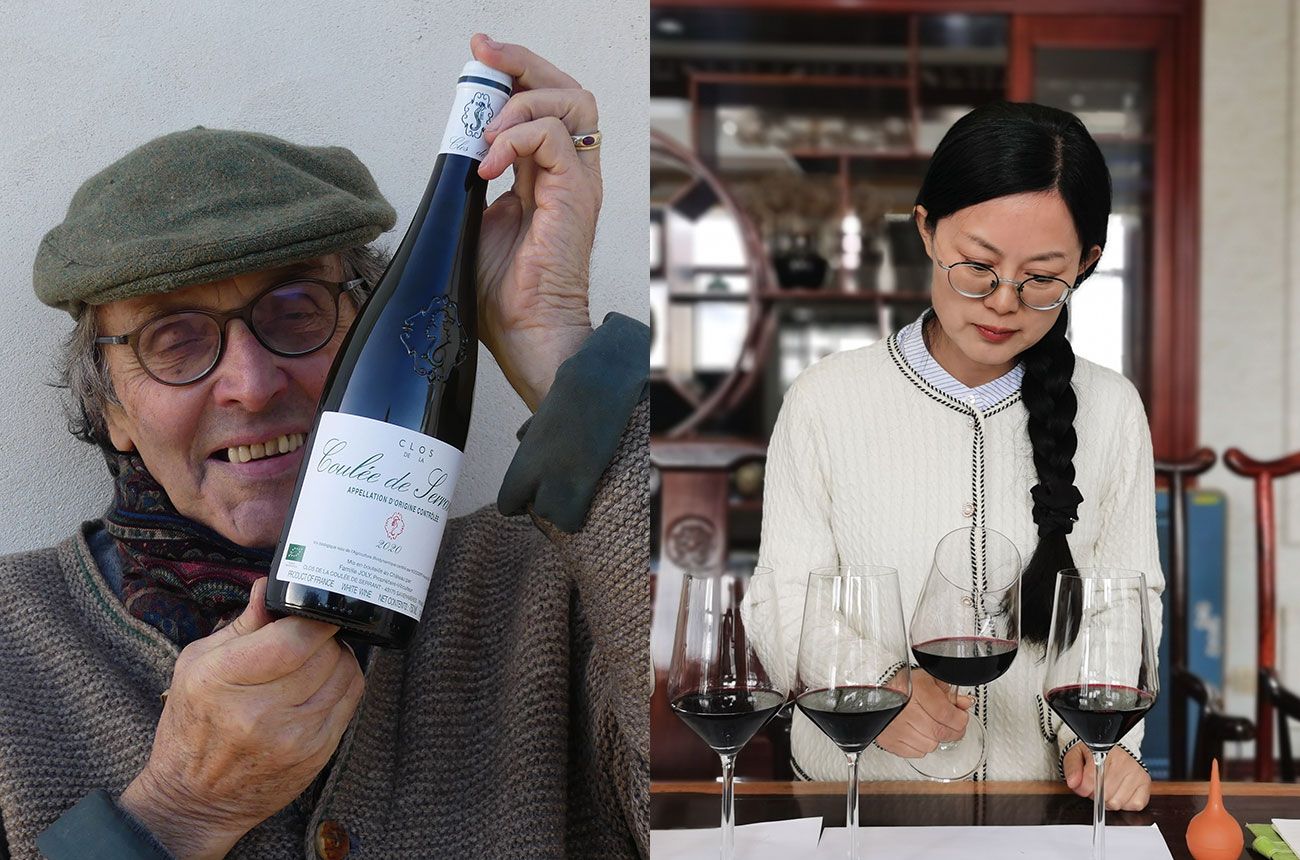
Lalou Bize-Leroy takes Decanter’s 2026 Hall of Fame prize, while Ramiro Ibáñez and Willy Pérez share Rising Star.
Lalou Bize-Leroy takes Decanter’s 2026 Hall of Fame prize, while Ramiro Ibáñez and Willy Pérez share Rising Star.
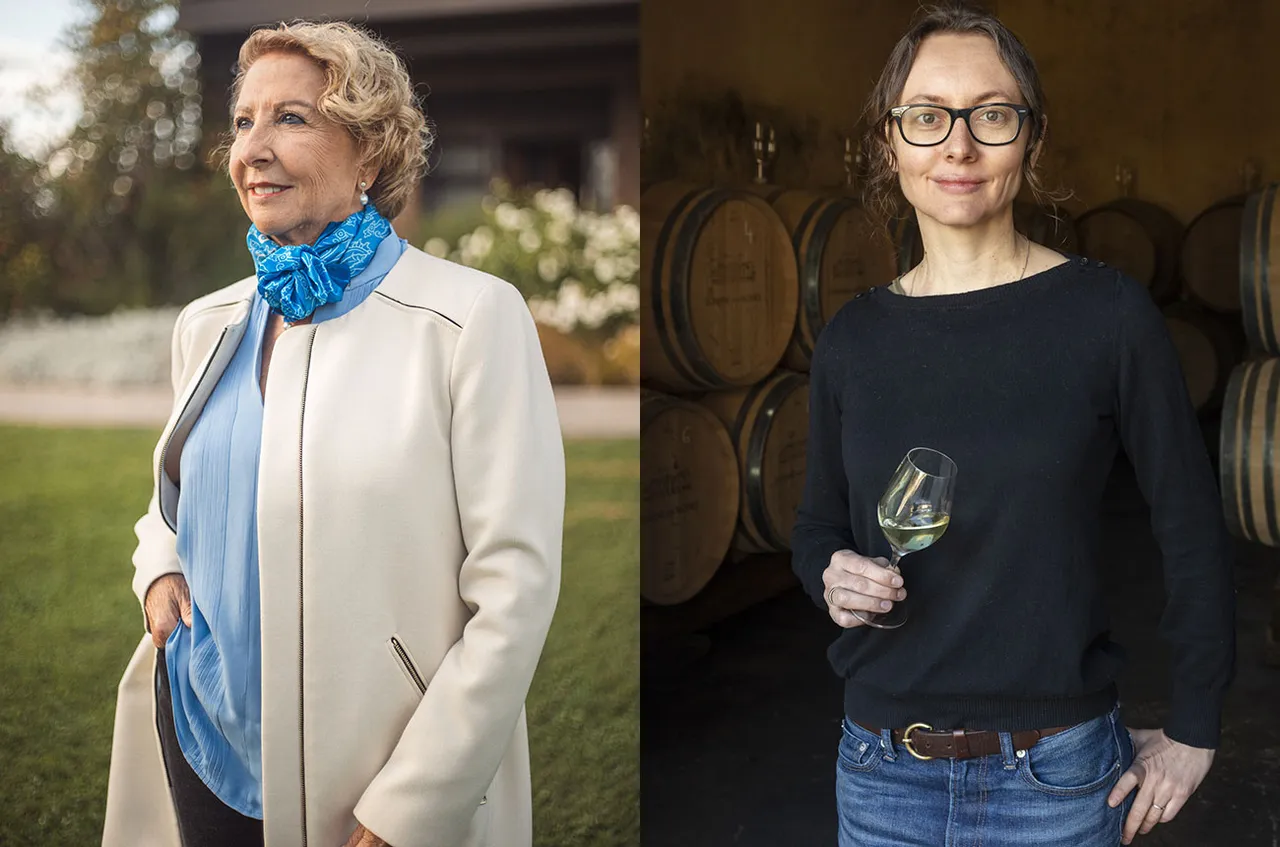
Lalou Bize-Leroy, once co-director of Domaine de la Romanée-Conti, is Decanter’s Hall of Fame 2026 recipient, named on 2 October 2026 alongside shared Rising Star winners Ramiro Ibáñez and Willy Pérez. It is a pairing worth your attention: a Burgundian biodynamic pioneer whose name sits at the summit of collector Burgundy, and two Marco de Jerez researchers who have brought vinos de pasto back into serious fine-wine conversation (Decanter3).
For collectors, the choice marks two distinct kinds of authority. Bize-Leroy’s name belongs to one coveted end of Burgundy, through Domaine Leroy, Domaine d’Auvenay, Maison Leroy and her former DRC role. Ibáñez and Pérez draw their power from a different cellar: archives, vineyard memory, regional identity and the historic De la Riva brand.
Decanter has named Lalou Bize-Leroy the 2026 recipient of its Hall of Fame prize, which the magazine has awarded each year since 1984 to a key figure for an outstanding contribution to wine. This year’s choice recognises a Burgundian career shaped through buying, farming, sorting, domaine ownership and among the more closely watched roles in the Côte d’Or.
Born in Paris as Marcelle Leroy in 1932, Bize-Leroy entered the family wine business through Maison Leroy. She trained with her father, Henri Leroy, and began buying wines for the négociant business in 1955, aged 23. That early buying role still matters to a serious Burgundy drinker. It put her where growers, parcels, élevage and vintage judgment meet, well before the collector market tightened the region around a few names and allocation anxiety.
Her Domaine de la Romanée-Conti chapter gives the Decanter Hall of Fame 2026 award another credential. Bize-Leroy became co-director of DRC in 1974, succeeding Henri Leroy, who had acquired a 50% stake in the producer in 1942. She resigned in 1992 to focus on her own domaines, and her daughter, Perrine Fenal, took on the DRC role. In Burgundy terms, that is a rare institutional arc: Maison Leroy, DRC, then the domaines that now command intense collector demand.
Bize-Leroy created her own domaines in 1988. Decanter identifies Domaine Leroy and Domaine d’Auvenay among the more sought-after Burgundy names by collectors, with the explanation rooted as much in the vineyard as the cellar. Charles Curtis MW, Decanter’s Burgundy correspondent, pointed to her leadership in biodynamic grape-growing, low yields and rigorous sorting. The award reads as recognition of choices made vine by vine, bunch by bunch.
Control sits at the centre of the Bize-Leroy story. Collectors discuss Domaine Leroy and Domaine d’Auvenay because her work ties Burgundy’s hierarchy of place to exacting farming and selection. Decanter describes her as a pioneer of biodynamic methods in Burgundy, and Curtis credits her influence across generations of growers.
“Although the négociant wines Mme Bize-Leroy bought for Maison Leroy were brilliant, her lasting contribution to the art of winemaking stems from the rigour and precision she brings to grape-growing and winemaking at her two domaines,” said Charles Curtis MW.1 That sentence gives collectors the key to the Decanter Hall of Fame 2026 decision. It moves the focus from reputation alone to the chain of choices that gives a bottle authority: cultivation, selection, vinification and the refusal to let appellation prestige carry the wine by itself.
For anyone buying Burgundy, the honour reinforces what the market already understands about the Leroy and d’Auvenay names. Demand begins with provenance. Bottles tied to Bize-Leroy’s domaines invite a level of scrutiny that makes storage history and merchant reputation central to any purchase. The label starts the conversation. Condition decides it.
There is a travel lesson here, too. Burgundy itineraries often begin with village and appellation, then move toward producer access. Bize-Leroy’s career asks you to follow the person first. Maison Leroy explains the buying eye, DRC explains the grand cru frame, and Domaine Leroy and Domaine d’Auvenay explain the viticultural discipline that made her own bottlings so closely followed.
Collectors should resist reading the award as a simple buying signal. The bottles were already in the inner circle. The sharper reading is archival: the Decanter Hall of Fame 2026 award adds fresh institutional weight to a career whose wines have long required patience, trusted channels and clean provenance.
Ramiro Ibáñez and Willy Pérez share Decanter’s Rising Star 2026 award, taking the story from Burgundy’s most chased domaines to the Marco de Jerez. Decanter calls them “Jerez mavericks,” a phrase that fits because their work has been anchored in research rather than novelty. They met at university, pursued their own day jobs, and jointly explored the region’s vineyards, wines and people.
The award frames Jerez through two men who have used history as a working instrument. Their collaboration culminated in the rebirth of the historic De la Riva brand, and Decanter credits them with inspiring a new generation of producers. Ines Salpico, Decanter’s regional editor for Spain, Portugal and South America, places their influence firmly in the region’s records, vineyard memory and identity.
“Through painstaking research work, relentless digging into archives and informed dissent, [Ibáñez and Pérez have] inspired a new generation of producers and opened a discussion about Jerez's history, identity and future,” said Ines Salpico.2 The line matters because it describes another route to collector recognition. Ibáñez and Pérez have built attention through regional argument, vineyard study and the recovery of categories many fine-wine drinkers had left outside the frame.
For the oenophile traveler, Jerez now asks for a wider lens than the familiar fortified canon. The Marco de Jerez remains inseparable from sweet, oxidative and biologically aged wines, yet Ibáñez and Pérez have helped place unfortified whites back into the discussion. Their Rising Star award gives that work a broader audience while keeping it tied to the region’s older forms.
That is the useful insider signal. Rising Star recognition can arrive before every cellar programme has reorganised itself around the names involved. With Ibáñez and Pérez, follow De la Riva, vinos de pasto and Jerez’s vineyard history together, then taste with that map in mind.
The rebirth of De la Riva is the practical emblem of the Ibáñez-Pérez collaboration. Decanter describes the brand as historic, and its revival grew from the pair’s shared exploration of Jerez’s vineyards, wines and people. In a region often discussed through ageing systems and cellar styles, that emphasis on vineyard identity gives collectors another route into the glass.
Vinos de pasto sit at the centre of this renewed attention. Decanter identifies them as unfortified wines, and places their rebirth within the duo’s understanding of vineyard history and profile. For readers who know Jerez through flor, oxidative ageing or sweetness, the category changes the first question. You begin by asking where the wine came from, which tradition it speaks to, and how the white-wine conversation connects to older regional practice.
Willy Pérez has said unfortified white wines need to remain connected to the sweet, oxidative and biologically aged wines that came before them, because all of it belongs to Jerez. That argument protects vinos de pasto from being treated as a detached fashion. It binds the category to the same regional memory that gives mature Sherry its authority.
For travelers, this is where Jerez becomes especially rewarding. A visit built only around famous cellar architecture and solera vocabulary misses part of the current conversation. A sharper itinerary follows the line from traditional fortified expressions to the unfortified whites now being discussed with renewed seriousness. De la Riva gives that conversation a named point of entry, while Ibáñez and Pérez give it intellectual discipline.
For collectors, the lesson is equally direct. Keep the new white wines within Jerez’s older grammar. The bottles make more sense beside the region’s sweet, oxidative and biologically aged traditions, because that is the continuity Pérez insists on. If Burgundy collectors read producer, parcel and vintage reflexively, Jerez now asks for a similarly attentive reading of vineyard, category and history.
The Decanter Hall of Fame 2026 and Rising Star awards honour different forms of authority. Bize-Leroy’s authority comes through decades of Burgundian practice, from Maison Leroy buying to DRC co-direction to the creation of her own domaines in 1988. Ibáñez and Pérez bring authority through research, regional recovery and the revival of a historic Jerez brand. Precision links them.
For Burgundy buyers, the Bize-Leroy award will not make Domaine Leroy or Domaine d’Auvenay easier to find. Decanter already identifies them among the more sought-after Burgundy names by collectors. Use the award as interpretation. It helps explain why these bottles sit where they do in serious cellars: biodynamic leadership, low yields, rigorous sorting and a career that connects négociant judgment with domaine control.
For Jerez buyers, the Rising Star award should sharpen attention on Ramiro Ibáñez, Willy Pérez, De la Riva and vinos de pasto. The category’s appeal depends on connection rather than separation, as Pérez’s comments make clear. Treat the wines as part of Jerez, rather than as a workaround for drinkers who think they do not like Sherry. That distinction will matter as more collectors begin to map the Marco de Jerez through vineyard identity.
The two awards also give wine-focused travel a precise pairing: Burgundy for the study of producer discipline at the highest level of demand, Jerez for a region re-reading its own vineyard and cellar inheritance. One trip asks how a single figure can influence generations of growers. The other asks how two researchers can help a region recover parts of its vocabulary.
The forward view is clear without forcing a market forecast. The Decanter Hall of Fame 2026 confirms Bize-Leroy’s place in Burgundy’s modern canon, while the Rising Star award places Ibáñez and Pérez before collectors who follow regional change before it hardens into consensus.
Lalou Bize-Leroy received the Decanter Hall of Fame 2026 award on 2 October 2026. The award recognises her outstanding contribution to wine through her work at Maison Leroy, Domaine de la Romanée-Conti, and her own domaines, Domaine Leroy and Domaine d'Auvenay.
Bize-Leroy became co-director of DRC in 1974, succeeding her father Henri Leroy who had acquired a 50% stake in 1942. She resigned in 1992 to focus on her own domaines, and her daughter Perrine Fenal took on the DRC role.
Ramiro Ibáñez and Willy Pérez shared the Rising Star award. They are Marco de Jerez researchers who have helped return vinos de pasto to serious fine-wine discussion and work with the historic De la Riva brand.
Bize-Leroy created Domaine Leroy and Domaine d'Auvenay in 1988. These domaines are now among the more sought-after Burgundy names by collectors, known for biodynamic farming, low yields and rigorous sorting.
Both domaines are highly sought-after because Bize-Leroy's work links Burgundy's hierarchy of place to biodynamic methods, low yields and exacting selection standards. Her approach emphasises rigour in grape-growing and winemaking rather than relying solely on appellation prestige.
Get the App
Take the shortlist into the En Primeur Club app for concierge access, saved places, and the next step after discovery.
Get Exclusive AccessMore from the editors