← Guides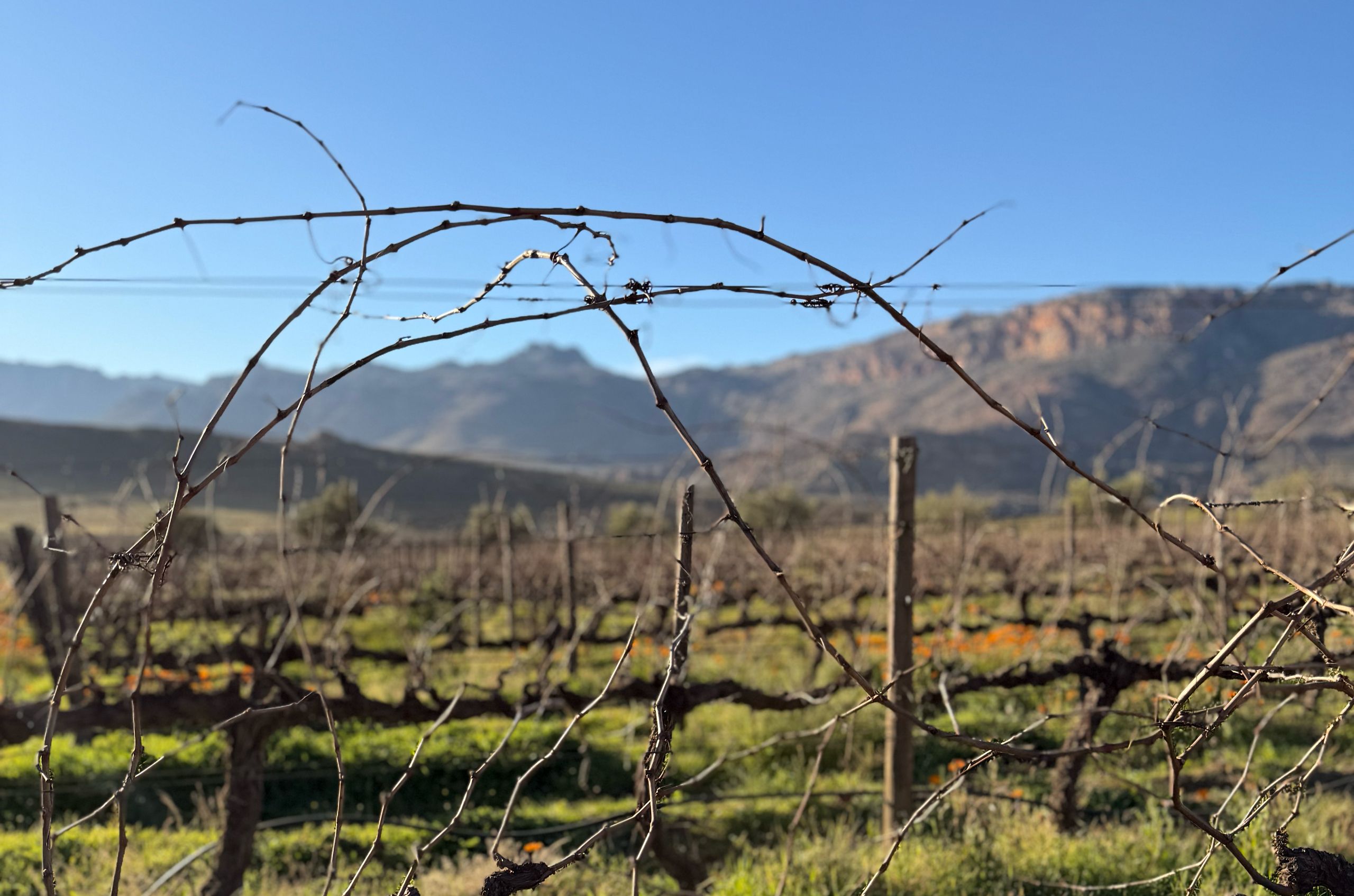
At Dwarsrivier, David Nieuwoudt farms Cederberg high-altitude wine at 1,000m, with long hang time and a three-month harvest.
At Dwarsrivier, David Nieuwoudt farms Cederberg high-altitude wine at 1,000m, with long hang time and a three-month harvest.
At 1,000m above sea level, David Nieuwoudt’s Cederberg Private Cellar gives South African altitude a precise address: Dwarsrivier in the Western Cape, where the Nieuwoudt family settled in 1893. Today, 74 of the farm ’s 5,500ha sit under vine, a small, high-country planting that anchors the estate’s place in the Cape’s cooler inland story.
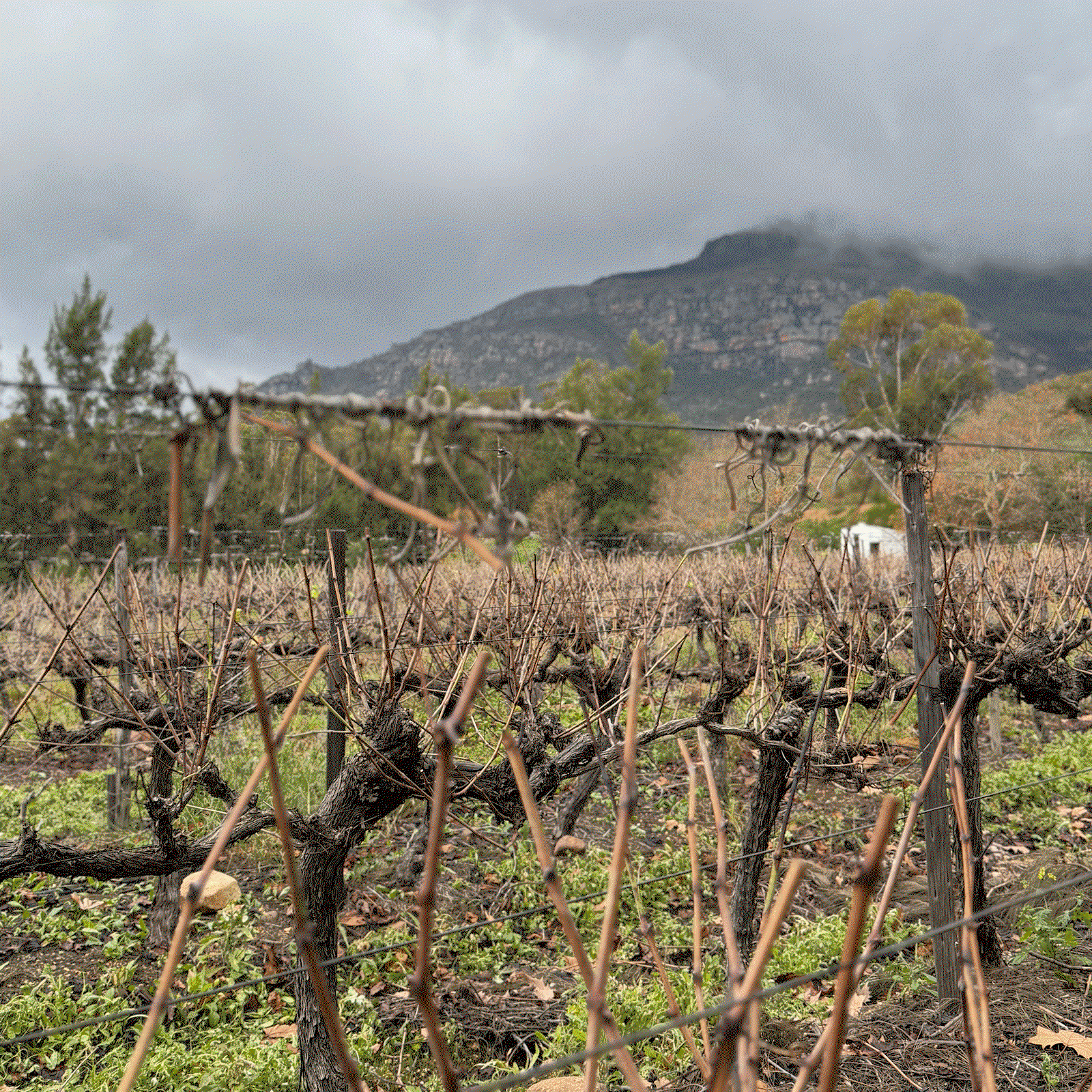
Cederberg Wines works in Western Cape mountain country, with vineyards spread below sandstone outcrops at roughly 1,000m. During Decanter’s field visit, David Nieuwoudt and his daughter Emma were at the Nieuwoudt family’s ancestral farmhouse, where lunch was served beneath a gnarled, century-old vine and the vineyards dropped away below the table.
Cederberg records an average 22°C difference between day and night, and harvest stretches almost three months. That long hang time gives David Nieuwoudt a technical foundation for ripening at altitude, while the cool nights help frame the freshness that collectors increasingly seek in South African white wines and reds.
Cederberg plants just 74ha within a 5,500ha property. Cederberg high-altitude wine begins with different pre-fermentation conditions from South African Chenin Blanc from the Swartland or Stellenbosch Cabernet from lower, warmer sites.
The Nieuwoudt family farmed fruit, tobacco, vegetables and livestock at Dwarsrivier after settling there in 1893. In 1997, David Nieuwoudt was studying viticulture when he convinced his father to move from fruit farming into wine production. David is cellarmaster, and the Nieuwoudt family, including David and Emma Nieuwoudt, are listed as owners.
David Nieuwoudt states his winemaking philosophy plainly, and it fits Cederberg, where snow, frost fans and late-ripening fruit set the cellar calendar.
"The wines will always be technically correct. I leave the poetry up to the mountains."
, David Nieuwoudt, winemaker, Decanter3
Cederberg high-altitude wine makes South Africa’s cooler inland possibilities tangible. The Nieuwoudt family has worked the site long enough to turn altitude from a number on a map into farming practice.
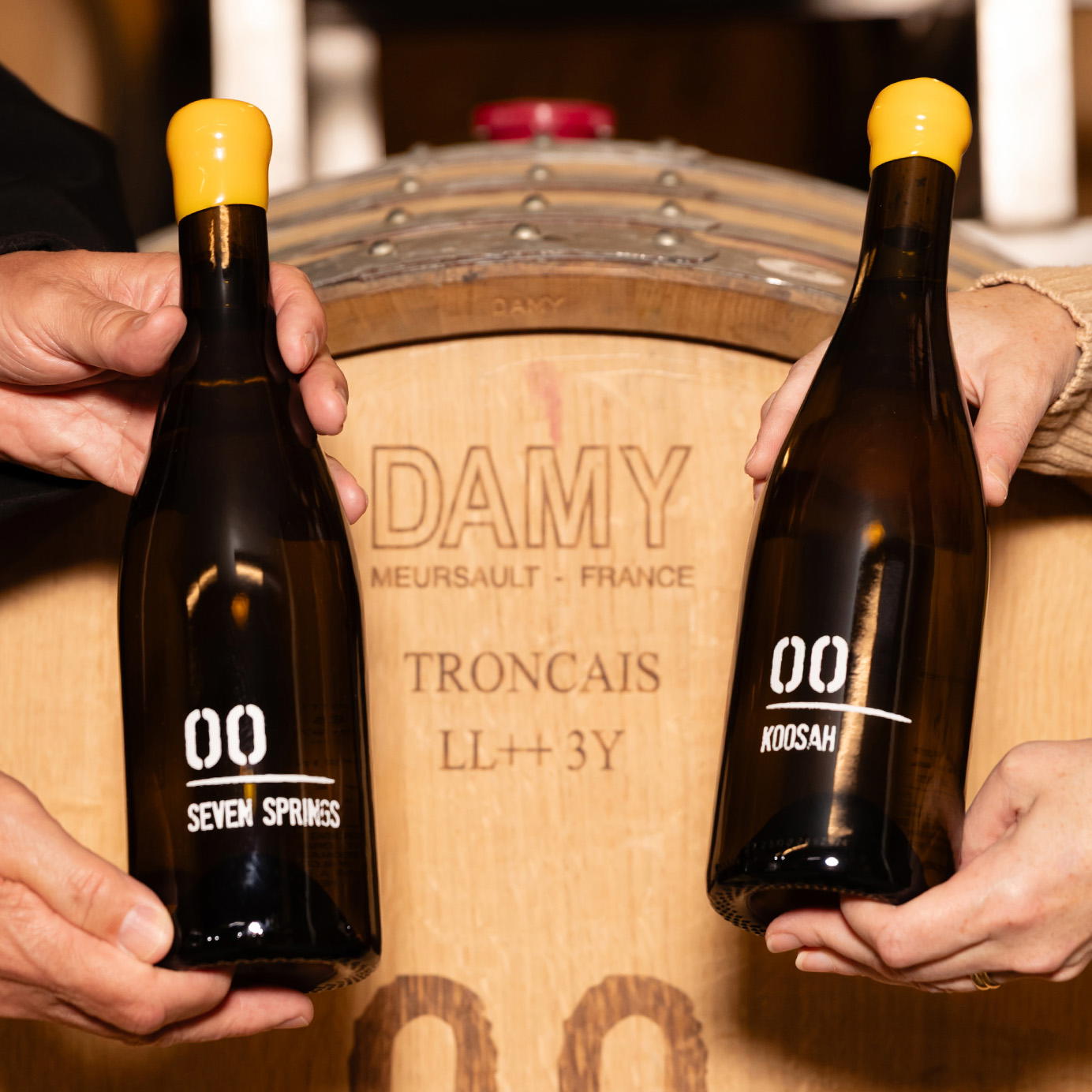
Emma Nieuwoudt’s presence at Dwarsrivier adds a generational line to the estate’s current chapter. During Decanter’s visit, the Five Generations Chenin Blanc 2024 was served with bobotie, the Cape baked meat casserole topped with savoury custard.
Cederberg’s altitude gives the estate both advantage and risk. Winter snow is common, and black frost keeps the team alert at night. Fans installed through the vineyards help mitigate the frost threat.
At Cederberg, harvest can stretch almost three months, a pace that would feel compressed elsewhere if heat forced picking into a shorter window. At altitude, the extended period lets the estate follow ripening across blocks and varieties rather than treating the vineyard as one date in the diary.
South African Chenin Blanc already has a deep bench of serious producers. Cederberg’s claim rests on geography and farming.
Cederberg belongs to a wider ascent across South African wine country. In the Skurfberg, an unofficial satellite ward in the Citrusdal Mountains, Chris Alheit’s Magnetic North comes from 540m. Rosa Kruger offered Alheit a few rows of vines in 2011, and that parcel became part of one of the Cape’s most closely followed Chenin Blanc conversations.
Piekenierskloof sits roughly between 620m and 750m, and many of the older sites are dry-farmed and ungrafted. Grenache carries much of the area’s identity, with some old vines standing as tall as a person and earning the nickname booms, meaning trees.
In a market often crowded with regional shorthand, Piekenierskloof gives you visible vine architecture, while Skurfberg gives you parcel-driven Chenin Blanc at 540m with maritime influence from the West Coast.
These areas place Cederberg high-altitude wine within a longer South African pattern. The thread runs through old bush vines, rediscovered Chenin parcels, dry-farmed Grenache and newer projects that use data to decide where vines can handle future heat.
Dr Tara Southey created TerraClim, a climate and terrain mapping platform. Her work gives the altitude discussion a sharper edge than elevation alone, because a vineyard’s temperature, aspect, sunlight, water, wind and soil all influence the final wine.
"Higher sites generally experience cooler summer maximums and dramatically fewer hours of extreme heat, potentially delaying ripening and preserving acidity and freshness"
, Dr Tara Southey, climate scientist, Decanter3
Cooler summer maximums delay ripening and preserve acidity. Altitude can shift the drinking profile of South African wines without requiring a producer to chase earlier picking dates for freshness alone. It also gives growers another tool as warmer seasons put pressure on traditional lower-elevation sites.
"I've been telling people for the last 15 years: Plant higher," said Rosa Kruger.3 Her current work outside Ceres in the Koue Bokkeveld uses satellite mapping and hydrological keyline design to capture and direct rainwater, with water treated as the central factor when planting a vineyard.
Inland Ceres and Piekenierskloof typically record daily summer diurnal ranges of 13°C to 15°C, while maritime Banghoek sits closer to 10°C. Two sites at the same elevation can behave differently, and on the Ceres Plateau at 960m to 1,060m, winter temperatures fall consistently with elevation while stronger UV and direct solar radiation create what Dr Southey calls cooler air with stronger radiation.
Mount Sutherland sits at 1,500m on the Roggeveld plateau in the Karoo region of the Northern Cape. Rosa Kruger later planted Chardonnay and Pinot Noir for the Rogge Cloof brand at 1,516m, where snow, remote farming conditions and late pruning to escape frost shape the work.
Farther north, Bertie and Alette Coetzee’s Lowerland farm in Prieska sits at 1,000m, with vines growing in Kalahari red sand over limestone. Lukas van Loggerenberg makes the wines. The farm’s regenerative system includes kudus, pigs, Bonsmara cattle and sheep moving through the vineyard environment.
Mile High Vineyards pushes the number higher still, growing grapes at 1,690m in the Eastern Free State within sight of Lesotho’s peaks. Altitude matters most when temperature, water, wind, aspect and soil align for ripening.
The newly approved Piket-Bo-Berg Wine of Origin in the Northern Swartland adds an official appellation signal to the same movement, with slopes rising to 785m. Banghoek and Simonsberg-Stellenbosch, along with Simonsberg-Paarl, also have potential to plant up to 700m. South Africa’s altitude story now spans old vineyards, family estates, new Wine of Origin recognition and frontier sites that would have sounded improbable to many growers a generation ago.
Cederberg’s vineyard facts include roughly 1,000m elevation, an average 22°C day-night difference, a harvest that can run almost three months, and only 74ha under vine across a 5,500ha property. Those details carry more weight than a broad claim about mountain wine.
Chris Alheit’s Magnetic North from Skurfberg at 540m, Piekenierskloof Grenache from 620m to 750m, Rogge Cloof Chardonnay and Pinot Noir at 1,516m, and Mile High Vineyards at 1,690m each give a different expression of elevation. You can follow Chenin Blanc, Grenache, Chardonnay or Pinot Noir through this altitude map rather than treating South Africa as a single warm-country profile.
If you plan the journey, Dwarsrivier offers particularly complete estate narrative in this group: the Nieuwoudt family settlement date of 1893, David’s 1997 pivot into wine production, Emma’s role in the family operation, and the visible mountain setting that frames the cellar. Cederberg Wines lists +27 (0)27 482 2827 and info@cederbergwine.com for direct contact.
Cederberg high-altitude wine gives you a family estate, a measurable climate advantage and Five Generations Chenin Blanc 2024 in the same glass.
Tagged
Get the App
Take the shortlist into the En Primeur Club app for concierge access, saved places, and the next step after discovery.
Get Exclusive AccessMore from the editors