← Guides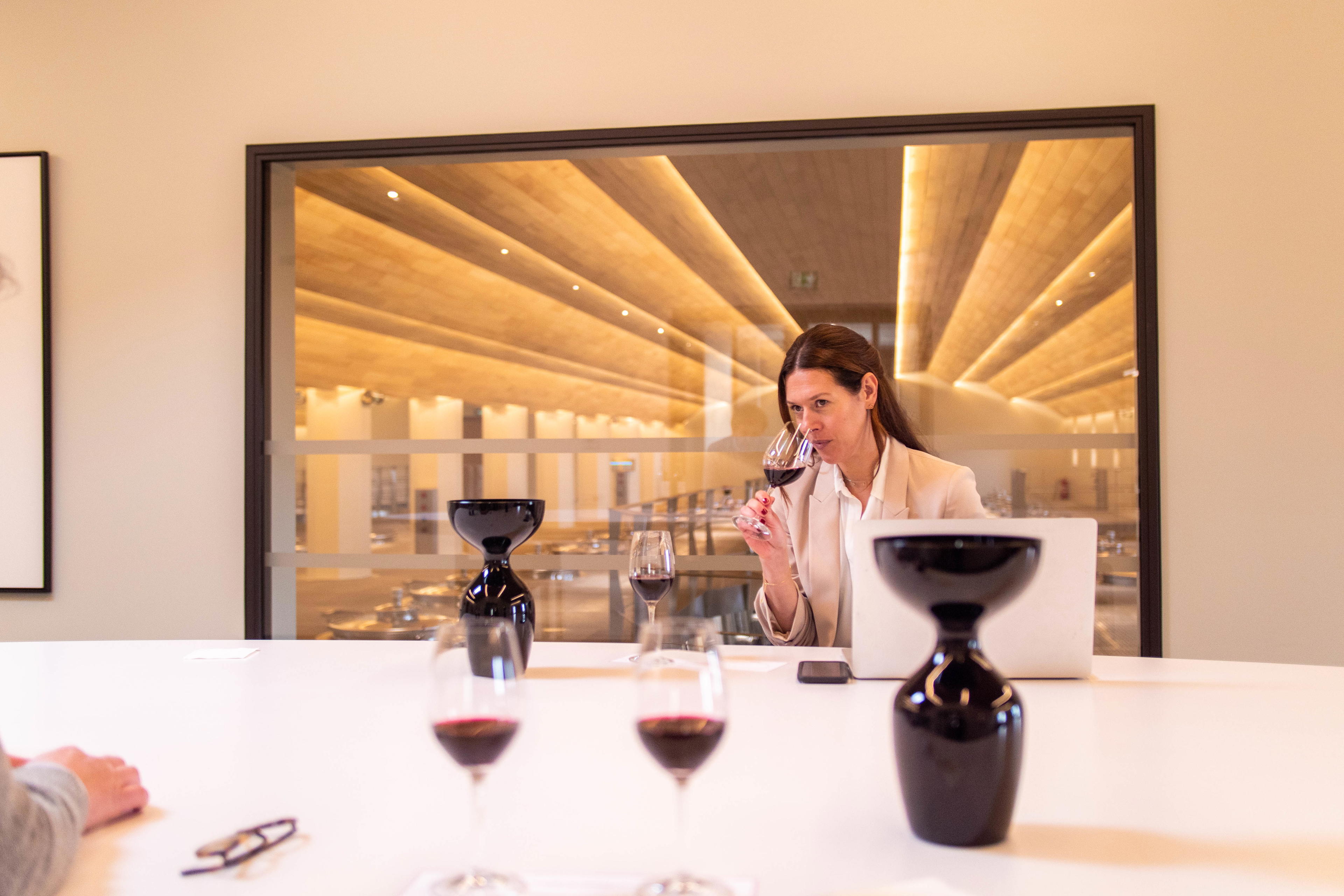
Decanter’s blind panel tasted 147 Right Bank 2020s; 35 reached Outstanding or above, with Pomerol plush and St-Emilion elegant.
Decanter’s blind panel tasted 147 Right Bank 2020s; 35 reached Outstanding or above, with Pomerol plush and St-Emilion elegant.
Thirty-five of 147 Right Bank 2020s reached Outstanding or above in Decanter’s two-day blind tasting, giving collectors a clearer read on St-Emilion and Pomerol beyond en primeur enthusiasm. The panel found 3 Notable, 32 Outstanding, 98 Highly Recommended, 14 Recommended, and not a single wine in the Commended or Fair brackets (Decanter1).
The tasting reads less like a roll call of trophy labels than a vintage diagnosis. An unusually early start, extreme heatwaves and the driest summer since 1959 shaped Bordeaux in 2020, yet Decanter’s panel found freshness and balance rather than excess. Merlot carried the year well. Put that in your cellar ledger (Decanter1).
The 2020 St-Emilion Pomerol tasting gives collectors a disciplined blind-panel view of a vintage many already had marked in pencil. Decanter’s panel, Georgie Hindle, Arthur Coggill and Tom King, tasted 147 wines and placed 35 at Outstanding or above. Hold that number first: it shows depth across the submissions rather than one or two famous estates pulling focus.
That does not mean every bottle belongs in the same cellar slot. Pomerol and St-Emilion behaved differently. According to Decanter’s report, Pomerol showed greater consistency, especially toward the lower end of the tasting, with wines described as plush and fleshy. St-Emilion was more varied at entry level, but the top end often showed greater elegance and finesse. If you buy across both appellations, use Pomerol for breadth and St-Emilion for more selective upper-end choices.
The tasting also lands at a useful moment in the drinking curve. Decanter’s judges found roughly half the wines ready to drink now, while the remainder showed cellar potential through bright acidity, concentrated fruit and structured tannins. For a collector with restaurant corkage plans, a home rack and a longer term storage account, 2020 can cover more than one purpose.
Decanter’s format gives the result much of its force. The wines were assessed over two days in a blind tasting, removing the label hierarchy that can shadow Bordeaux. The panel consisted of Georgie Hindle, Arthur Coggill and Tom King, and the entry criteria focused tightly on the 2020 vintage: grand vin Pomerol and St-Emilion Grand Cru, Grand Cru Classé or 1er Grand Cru Classé wines (Decanter1).
That matters for two reasons. First, the tasting was not a loose regional survey padded with second labels or casual submissions. It looked at the wines collectors actually chase, pour, compare and cellar. Second, the blind format forced the glass to carry its own argument. Pomerol’s generosity had to show as texture and fruit, not as the emotional pull of a famous address. St-Emilion’s upper-end finesse had to show as poise and length, not as classification theater.
The score distribution also deserves a close read. Out of 147 wines, 3 were rated Notable, 32 Outstanding, 98 Highly Recommended and 14 Recommended. Decanter recorded 0 Commended and 0 Fair. Put another way, more than nine in ten wines reached Highly Recommended or above. For a hot, dry year, the useful surprise is this: the panel found moderation where it had reason to fear overwork (Decanter1).
The report notes that alcohol levels and oak influence were more moderate than the judges expected. That detail is not cosmetic. In warm Bordeaux vintages, the collector’s risk is not ripeness itself, but ripeness pushed into gloss: too much extraction, too much wood, fruit that loses shape. Decanter’s read of 2020 points elsewhere, with freshness, balance, and Right Bank Merlot that ripened without tipping the wines into heaviness.
The headline number is 35 wines at Outstanding or above from 147 tasted. That is nearly one quarter of the field, and it gives the 2020 St-Emilion Pomerol tasting a clear collector use: start with the upper tier, then widen the search to the Highly Recommended group where Pomerol’s consistency may prove useful for drinking bottles.
The full distribution is the cleanest buying map:
For buyers, the zero at the bottom is as important as the 35 at the summit. It suggests a vintage with few traps among the wines submitted under Decanter’s criteria. That does not erase bottle by bottle judgment; storage, provenance and release channel still matter. But it changes the tone of the search. You are not filtering a weak year for isolated successes. You are sorting a broad pool of capable wines by style, drinking window and appellation character.
Decanter’s report also gives a useful split between immediate pleasure and patience. Roughly half the wines, the judges agreed, felt ready to drink now. The rest offered cellar potential, supported by bright acidity, concentrated fruit and structured tannins. Use that split directly: pull some bottles for dinner now and leave the more structured wines in the back of the cellar.
There is a restaurant angle here too. Wines that are approachable without being soft are the bottles sommeliers can pour with confidence by the glass or recommend for a table that wants Bordeaux without a ceremony. King’s response to the tasting, as reported by Decanter, was that he did not encounter a wine he disliked. From a blind format, that panel-wide reaction is worth noting.
Pomerol emerged from Decanter’s tasting as the more consistent appellation, especially at the lower end. The report describes the wines as plush and fleshy, faithful to a fruit-forward signature. Coggill also observed, in Decanter’s account, that Pomerol was more generous. If you want 2020 Right Bank bottles for near-term drinking, this is the appellation cue.
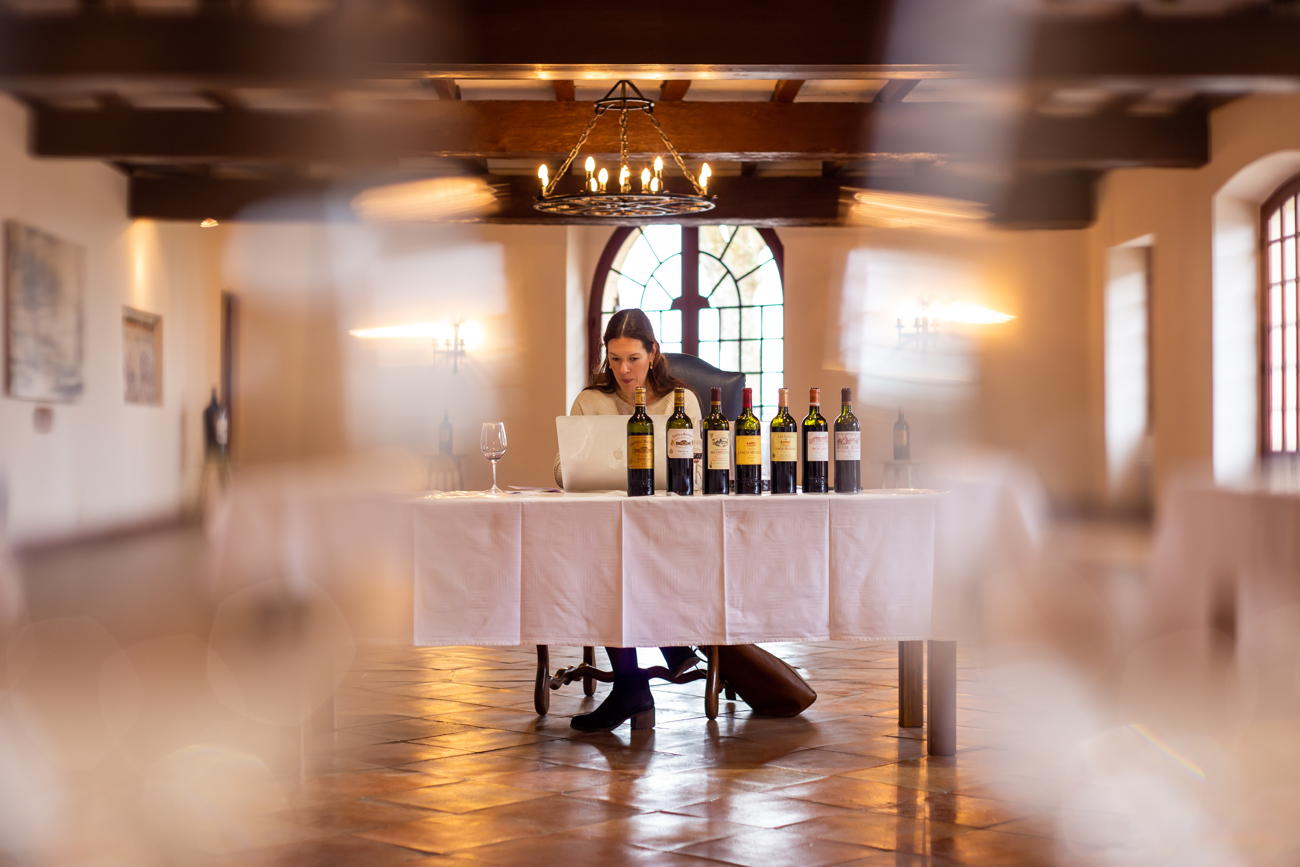
Generosity in Pomerol should not be confused with looseness. The better read from the panel is that the wines carried ripe Merlot through a dry, hot season while retaining freshness. The useful move is not to invent blackberry, violet or truffle where none was provided. The facts are enough: plush texture, fleshy fruit, moderate alcohol and oak influence, and a strong showing across price tiers.
That last point gives Pomerol practical value. In trophy years, collectors often focus on the few bottles that dominate secondary market conversation. Decanter’s 2020 tasting points to a broader buying exercise: after a leading rated wines are allocated, the Highly Recommended Pomerols may supply the bottles you actually open. They sit in the part of the cellar that sees roast lamb, a winter table, or a quiet bottle after a long flight into Bordeaux.
The drinking window note sharpens the appeal. If roughly half the wines are ready now, Pomerol seems likely to account for many of the more open knit bottles, given the panel’s comments on plushness and generosity. That does not make them short lived. It makes them useful. A cellar needs wines that speak before their tenth birthday as much as it needs the stern bottles marked for patience.
St-Emilion read differently in Decanter’s panel. The report describes the appellation as more diverse and patchy at entry level, which it links to the region’s greater size and varied terroirs. Yet the top end frequently showed superior elegance and finesse, outperforming Pomerol in poise and length.
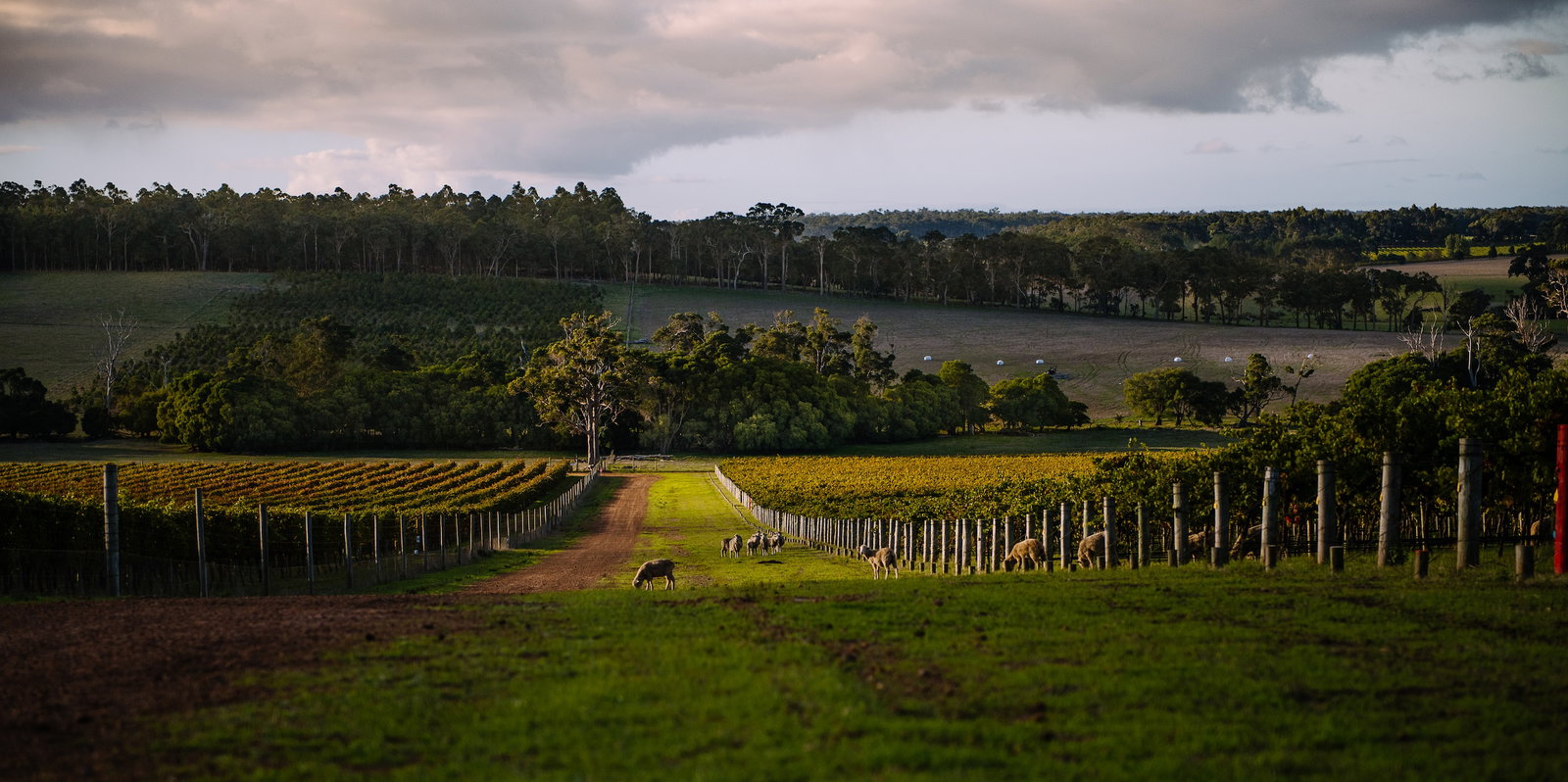
That is a buying instruction, not a criticism. St-Emilion has always asked for more discrimination from collectors because its range is broader. In 2020, according to Decanter’s panel, the reward for that discrimination is elegance. If Pomerol supplies confidence across the lower tiers, St-Emilion asks you to climb toward the stronger addresses and classifications within the tasting criteria: St-Emilion Grand Cru, Grand Cru Classé and 1er Grand Cru Classé wines from the 2020 vintage.
The source article mentions Château St-Georges Côte Pavie in connection with its image credit, and the appellation context matters. St-Emilion’s top wines can deliver a more elongated shape than the more immediately generous Pomerols described in the report. Decanter’s phrasing, elegance, finesse, poise and length, gives the collector a style filter for 2020. Look for St-Emilion bottles where the fruit does not sit heavily on the palate and where tannin frames rather than clamps the wine.
The caution is at entry level. Decanter did not call the weaker St-Emilion wines bad; Coggill said the panel did not find a bad wine. But the report does indicate more unevenness than in Pomerol. If you are buying without tasting, let the Outstanding and Notable categories carry extra weight in St-Emilion, while the Highly Recommended tier deserves closer attention to producer, storage and intended drinking date.
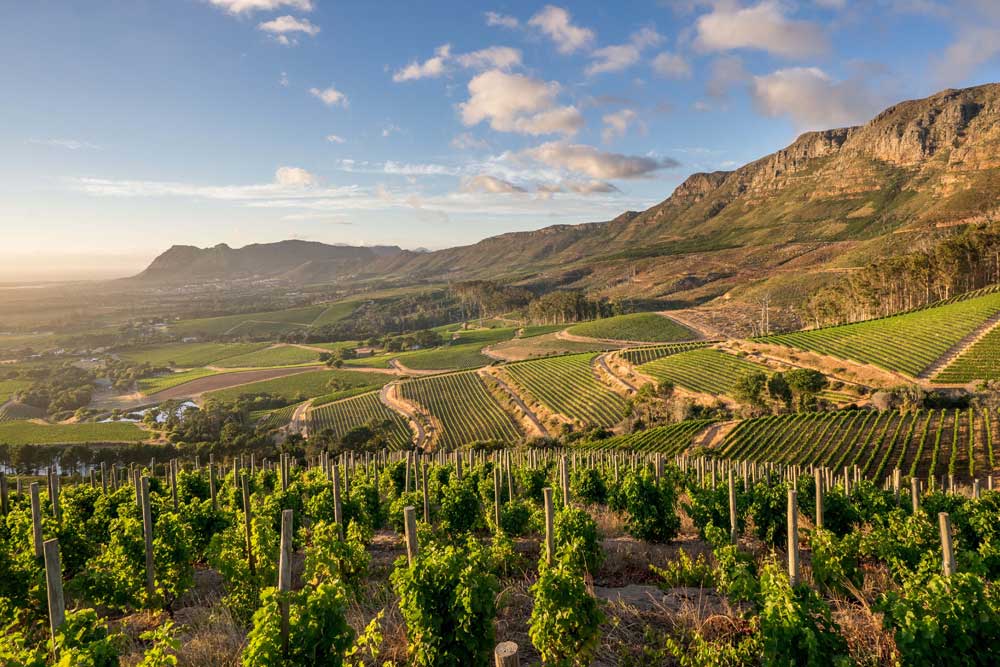
The growing season behind the 2020s could have produced a different tasting. Decanter identifies an unusually early start, extreme heatwaves and the driest summer since 1959, until the 2022 vintage. On paper, that combination raises the usual questions: would the wines be too warm, too oaky, too extracted, too eager to impress?
The panel’s answer was more nuanced. Merlot, dominant on the Right Bank, ripened beautifully under the 2020 conditions, yet the wines showed restraint. Alcohol levels and oak influence were more moderate than the judges had feared. Freshness and balance prevailed. For a buyer, that is the hinge of the vintage: 2020 gave ripeness, but the stronger wines did not seem to trade away composure.
That point changes how you might approach the vintage at the table. A plush Pomerol from 2020 does not need to be treated like a blunt instrument for rich food only. If the wine carries freshness, it can work with dishes where texture matters: duck, veal, mushrooms, aged Comté, or a rib of beef served without too much sweetness in the sauce. St-Emilion at the finer end, with the elegance and length noted by Decanter, belongs with slower meals, the kind where the second glass shows more than the first.
The tasting’s restraint also matters for cellaring. Concentrated fruit without enough acidity can become static. Structured tannins without fruit can feel severe. Decanter’s summary gives 2020 a more complete architecture: bright acidity, concentrated fruit and structured tannins for the wines that need time; approachability for many others. That dual character lets you drink current bottles in Bordeaux restaurants while arranging longer term shipments at home.
The safest collector move after the 2020 St-Emilion Pomerol tasting is to separate bottles by role before chasing names. Use the Notable and Outstanding wines as the spine of a cellar allocation. Use the Highly Recommended tier for near and mid-term drinking, especially in Pomerol, where Decanter found greater consistency and more generous fruit.
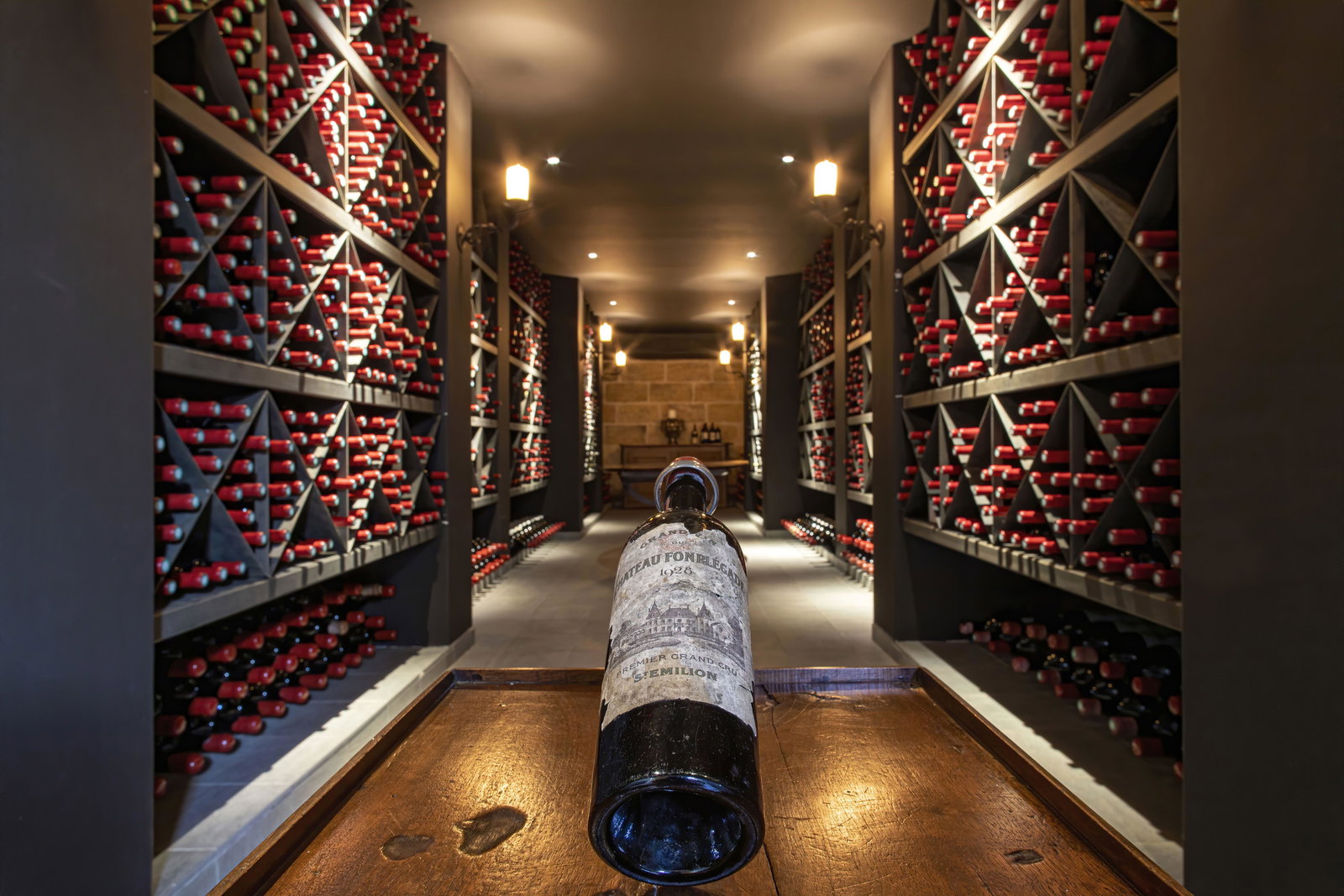
For St-Emilion, the allocation logic is narrower. Decanter’s panel found more unevenness at entry level and more elegance at the summit end, so the classification and score tier should do more work in your sorting. If you already own 2020 St-Emilion, this is the moment to decide which bottles move into the drinking rack and which remain in storage. The source report’s split, roughly half ready now, half suited to further cellaring, gives permission to open selectively rather than treating the whole vintage as untouchable.
Provenance remains the quiet rule. The tasting tells you about quality in the glass under blind conditions; it cannot tell you how a bottle has travelled since release. For higher tier 2020 Right Bank purchases, favor clean merchant channels, original cases where available, and storage records you can trust. For restaurant lists, the vintage is now in a useful window: young enough to carry fruit, developed enough in many cases to offer pleasure without a long decant.
Decanter’s panel has given the 2020 Right Bank a clear frame: broad consistency, generous Pomerol, selective but graceful St-Emilion, and a drinking curve that has already begun for many bottles. The next phase belongs to provenance and patience, as the Outstanding and Notable wines move from tasting bench to private cellar, restaurant list and long lunch in Bordeaux.
If 2020 continues to show freshness alongside its ripe Merlot core, collectors will not need to treat the vintage as a museum piece. The better bottles should become part of the rhythm of drinking: Pomerol for earlier generosity, St-Emilion for shape and length, and the top tier held just long enough for the tannins to loosen their grip.
Nearly 24% of the wines, 35 out of 147, received Outstanding or Notable ratings in Decanter's blind tasting. This included 3 Notable and 32 Outstanding wines, with no wines falling into the Commended or Fair categories.
Pomerol showed greater consistency across the board, with wines described as plush and fleshy, particularly at lower price points. St-Emilion was more varied at entry level but a leading wines often displayed greater elegance and finesse.
Roughly half of the wines tasted were judged ready to drink now. The remainder showed cellar potential through bright acidity, concentrated fruit and structured tannins, making 2020 suitable for both near term drinking and long term storage.
The 2020 vintage featured an unusually early start, extreme heatwaves, and the driest summer since 1959. Despite these conditions, Decanter's panel found freshness and balance rather than excess, with Merlot performing particularly well.
The tasting was conducted blind over two days by Decanter's panel of Georgie Hindle, Arthur Coggill, and Tom King. Only grand vin Pomerol and St-Emilion Grand Cru, Grand Cru Classé, or 1er Grand Cru Classé wines from 2020 were included.
Get the App
Take the shortlist into the En Primeur Club app for concierge access, saved places, and the next step after discovery.
Get Exclusive AccessMore from the editors