TOBIs
TOBIs occupies a corner of Amager Vest that Copenhagen's more observant dining crowd has quietly claimed as its own. The address on Leifsgade sits at a comfortable remove from the tourist circuits of Nørreport and Vesterbro, placing it firmly in the neighbourhood-restaurant tier that the city does particularly well. What draws repeat visitors is a menu structure that rewards attention rather than demanding it.
Pearl is the En Primeur Club membership app — saves, bookings, and concierge access live there. Same editors, same standards.
- Address
- Leifsgade 3, 2300 Amager Vest, Denmark
- Phone
- +45 53 87 80 83
- Website
- tobiscafe.dk
- Directions
- Get directions
 Saves & bookings on Pearl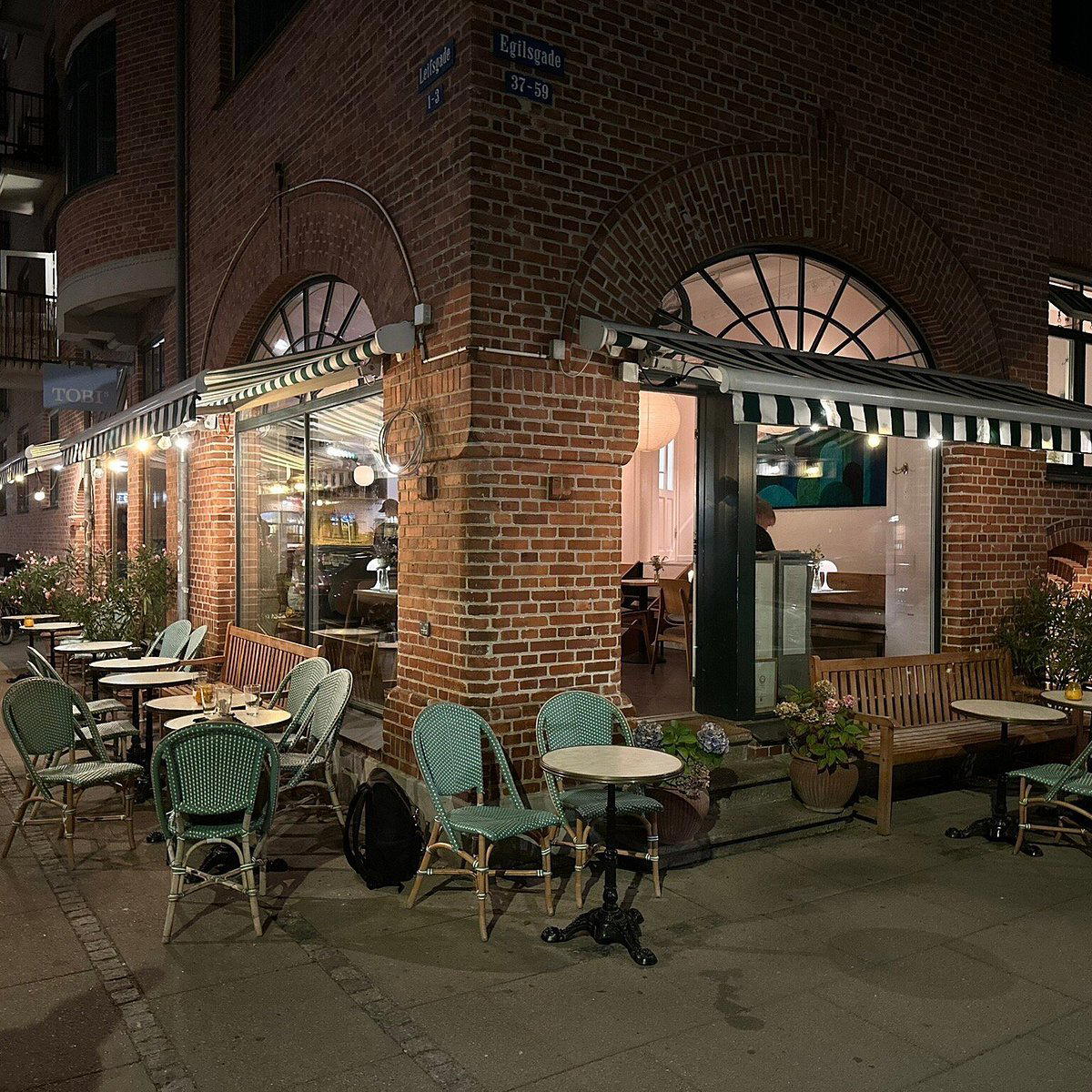
Amager Vest and the Case for Eating Off the Main Circuit
Copenhagen's most discussed restaurants tend to cluster in a handful of postcodes: the new-Nordic flagships around Christianshavn, the natural-wine-and-small-plates rooms of Vesterbro, the old-school seafood houses of the harbour. Amager Vest sits adjacent to all of this without quite belonging to any of it, which is precisely what gives addresses like Leifsgade 3 their particular character. The neighbourhood operates at a slower register than the areas that attract international press, and the restaurants that settle here tend to reflect that cadence: fewer tasting menus designed for the 50 Best conversation, more cooking that assumes you'll return.
TOBIs fits that pattern. The Amager Vest address signals something about the intended relationship with its guests — proximity to the locals who live and work around Islands Brygge and the quieter residential streets behind Amagerbro, rather than proximity to the Noma pilgrims arriving at Copenhagen Airport with a reservation list.
How the Menu Earns Its Structure
The editorial angle that matters most at a restaurant like TOBIs is not the pedigree of the kitchen or the length of the wine list — it is what the menu's architecture reveals about the kitchen's priorities. In Copenhagen's current dining scene, there are broadly two schools of menu construction. The first is the closed tasting-menu format, in which the kitchen controls pacing, portion, and narrative from start to finish. The second is a more open à la carte or small-plates model, where the guest does the editing. The city's most interesting rooms tend to have a clear opinion about which of these serves the food better.
Amager Vest restaurants in particular have gravitated toward the second model, partly because the neighbourhood clientele expects flexibility, a quick dinner on a Tuesday, a longer table on the weekend, and partly because the cooking in this part of the city tends to be ingredient-driven rather than concept-driven. A menu built around what arrives from suppliers that week reads differently from one built around a through-line narrative. It rewards the diner who knows to ask what came in, rather than the one who wants to be guided.
The address alone situates it within a tradition of Copenhagen neighbourhood cooking that has quietly produced some of the city's most consistent kitchens, even when those kitchens never attracted the Michelin inspectors who spend their time in Indre By and Frederiksberg.
Where TOBIs Sits in Copenhagen's Broader Dining Map
To understand TOBIs's position, it helps to think about how Copenhagen's dining scene has stratified over the past decade. At the leading end, a cluster of tasting-menu rooms competes on the global stage, and increasingly on price, with some counters asking well over 2,000 DKK per head before wine. Below that, a mid-tier of ambitious neighbourhood restaurants has expanded significantly, absorbing trained cooks who left the flag-ship kitchens looking for more sustainable working conditions and audiences that actually want to eat rather than experience.
For readers building a Copenhagen itinerary, this matters because the mid-tier neighbourhood room is often where the city's cooking is most alive. The pressure to perform for international press is lower; the relationship with suppliers is often longer and more personal; the cooking can afford to be specific rather than legible to a global audience. That is a different kind of value from what you get at a tasting-menu counter, and it is one that Copenhagen does particularly well. For cocktails and wine before or after dinner in this part of the city, Ruby and Charlie's Bar both represent the kind of serious-but-informal programme that pairs naturally with neighbourhood dining. For something with a stronger jazz and late-night character, Bird is the reference point. The 71 Nyhavn Hotel bar covers a more traditional harbour-side register if the evening calls for it.
The Danish Neighbourhood Restaurant in European Context
It is worth situating Copenhagen's neighbourhood-restaurant culture against the broader European picture. In Paris, the bistronomie movement of the 2000s established the template: trained chefs, shorter menus, natural wine, lower prices than their fine-dining peers. Copenhagen developed its own version of this, shaped by the same generation of cooks but inflected by Scandinavian ingredient culture and a different relationship with seasonality. The Danish autumn and winter, in particular, produce a style of cooking, root vegetables, preserved fish, fermented dairy, game, that has no precise equivalent in the French or Italian mid-tier. Neighbourhood restaurants in Amager Vest are part of this tradition, even when they are not making explicit claims to it.
Elsewhere in Denmark, restaurants making similar neighbourhood-scale arguments include Bardok in Aarhus and Hugos No. 19 in Køge, both of which operate in the same register of local trust over destination profile. For wine-bar formats specifically, Oasis Vinbar in København K, Visselulles Vinbar in Sønderborg, and No 43 in Hørsholm map the range of how Denmark's mid-tier has absorbed the European natural-wine moment. Internationally, the programme-driven bar model has its own reference points: Bar Leather Apron in Honolulu and Jewel of the South in New Orleans show how similar neighbourhood-scale ambition plays out in very different cultural contexts.
For a fuller orientation to Copenhagen's dining scene across price tiers, neighbourhoods, and formats, see our full Copenhagen restaurants guide.
Know Before You Go
- Address: Leifsgade 3, 2300 Amager Vest, Denmark
- Neighbourhood: Amager Vest, south of Islands Brygge
- Website / Phone: Not available at time of publication
- Getting There: Accessible from the city centre via the Amagerbro area; cycling is the practical local default
- Price Range: Not confirmed, budget for a mid-tier Copenhagen neighbourhood dinner until verified pricing is available
Budget Reality Check
| Venue | Price |
|---|---|
| TOBIsThis venue — the venue you are viewing | This venue |
| Bird | World's 50 Best |
| Charlie's Bar | World's 50 Best |
| Ruby | World's 50 Best |
Continue exploring
More in Copenhagen
Bars in Copenhagen
Browse all →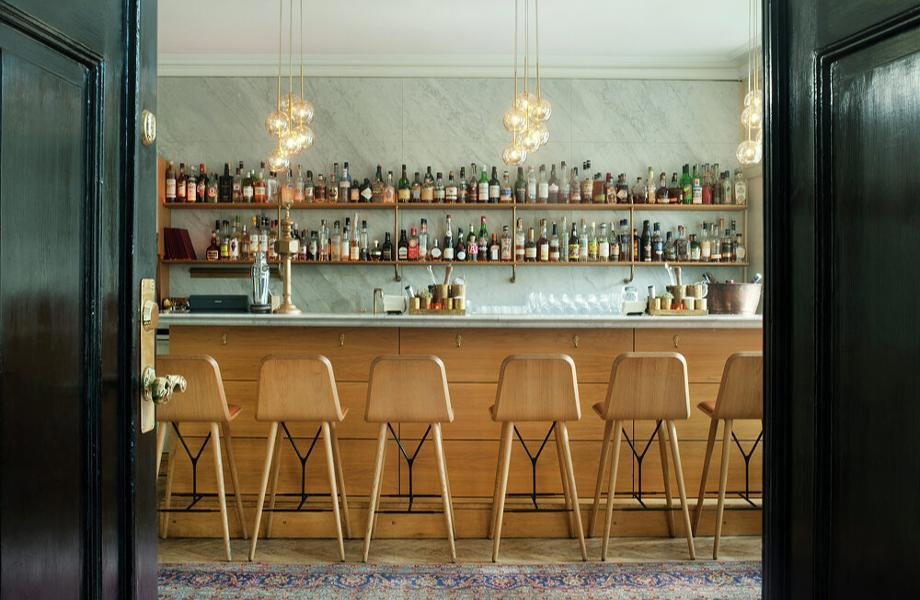
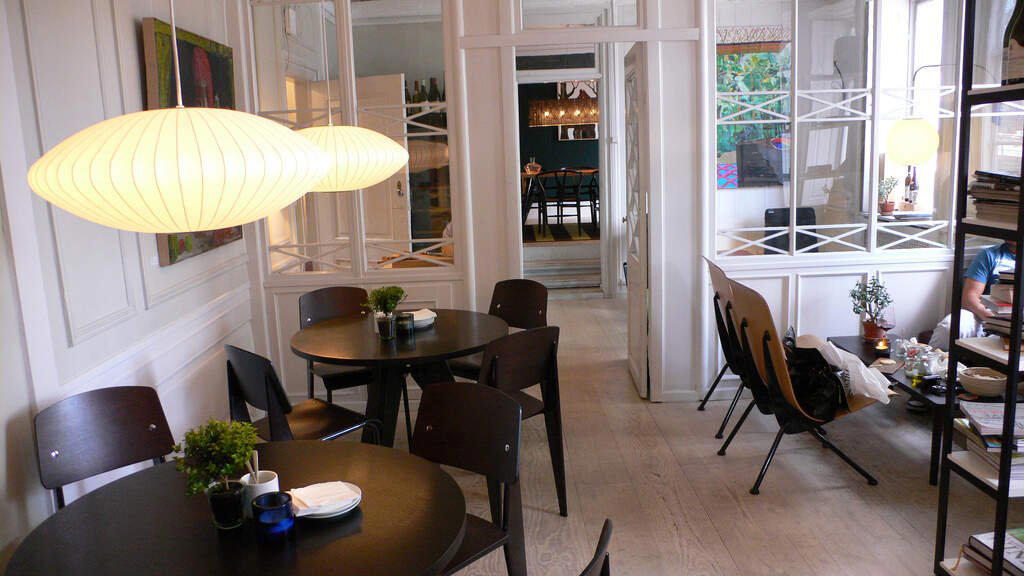
Restaurants in Copenhagen
Browse all →
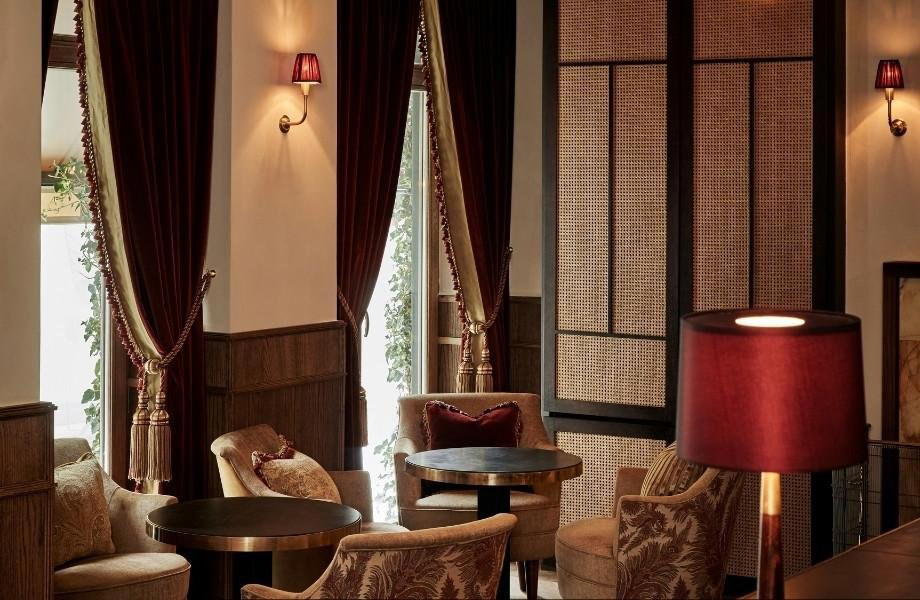
Hotels in Copenhagen
Browse all →

At a Glance
- Cozy
- Casual Hangout
- Seated Bar
Current opening hours
- Monday
- 8 AM–7 PM
- Tuesday
- 8 AM–11 PM
- Wednesday
- 8 AM–11 PM
- Thursday
- 8 AM–11 PM
- Friday
- 8 AM–11 PM
- Saturday
- 10 AM–11 PM
- Sunday
- Closed
Hours can change for holidays and private events. Last verified .
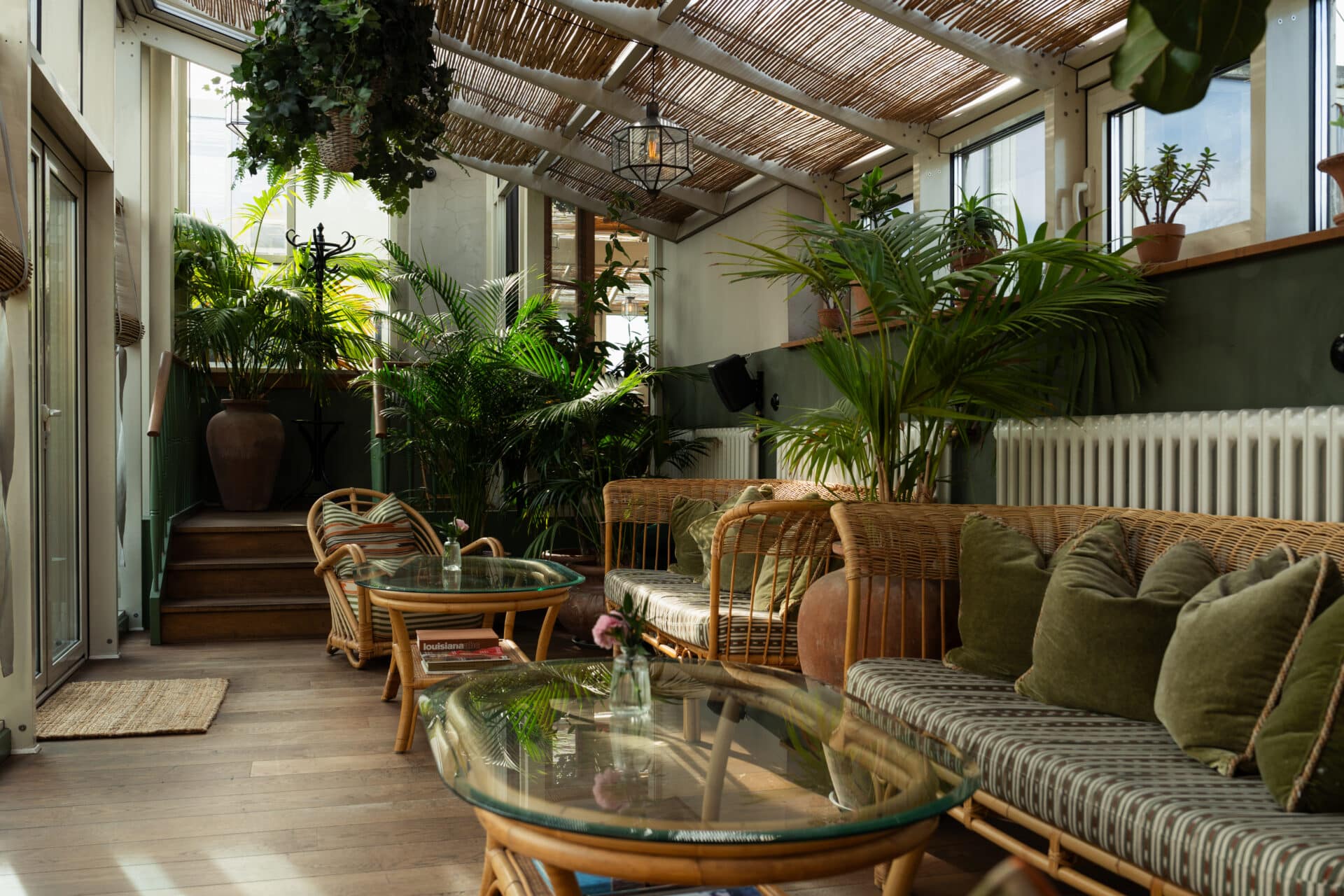
Cozy, homey, and relaxed atmosphere reflecting Copenhagen's cafe culture.
Know Before You Go
- Getting there
- Leifsgade 3, 2300 Amager Vest, Denmark