On the second floor of La La Grande GINZA, Serpent occupies a quieter register than the district's louder cocktail destinations — the kind of address where a milestone occasion sits comfortably alongside serious drinking. Ginza's bar scene rewards patience and local knowledge, and Serpent draws from both traditions.

Pearl is the En Primeur Club membership app — saves, bookings, and concierge access live there. Same editors, same standards.
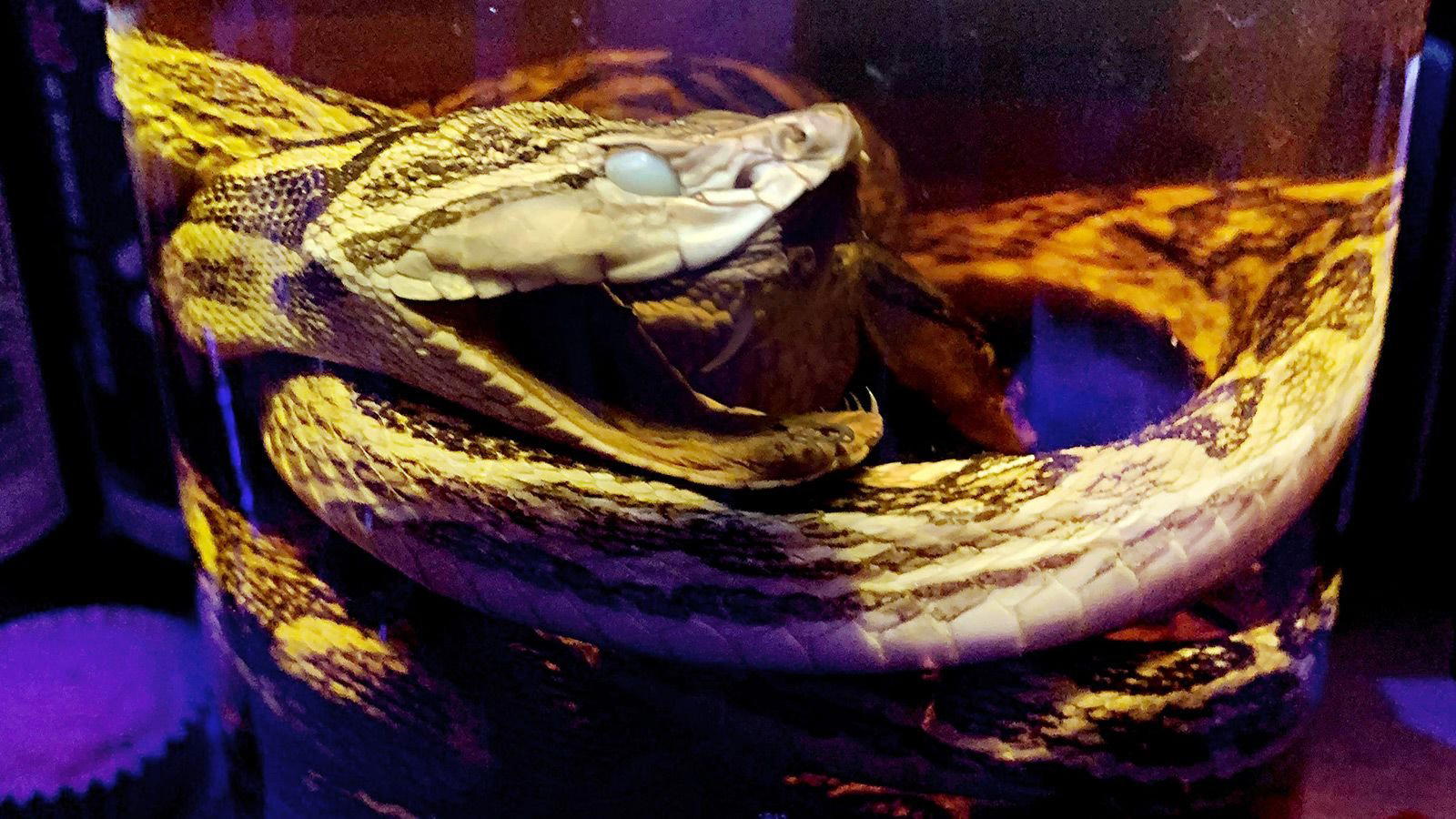
A Second-Floor Address in One of Tokyo's Most Demanding Neighbourhoods
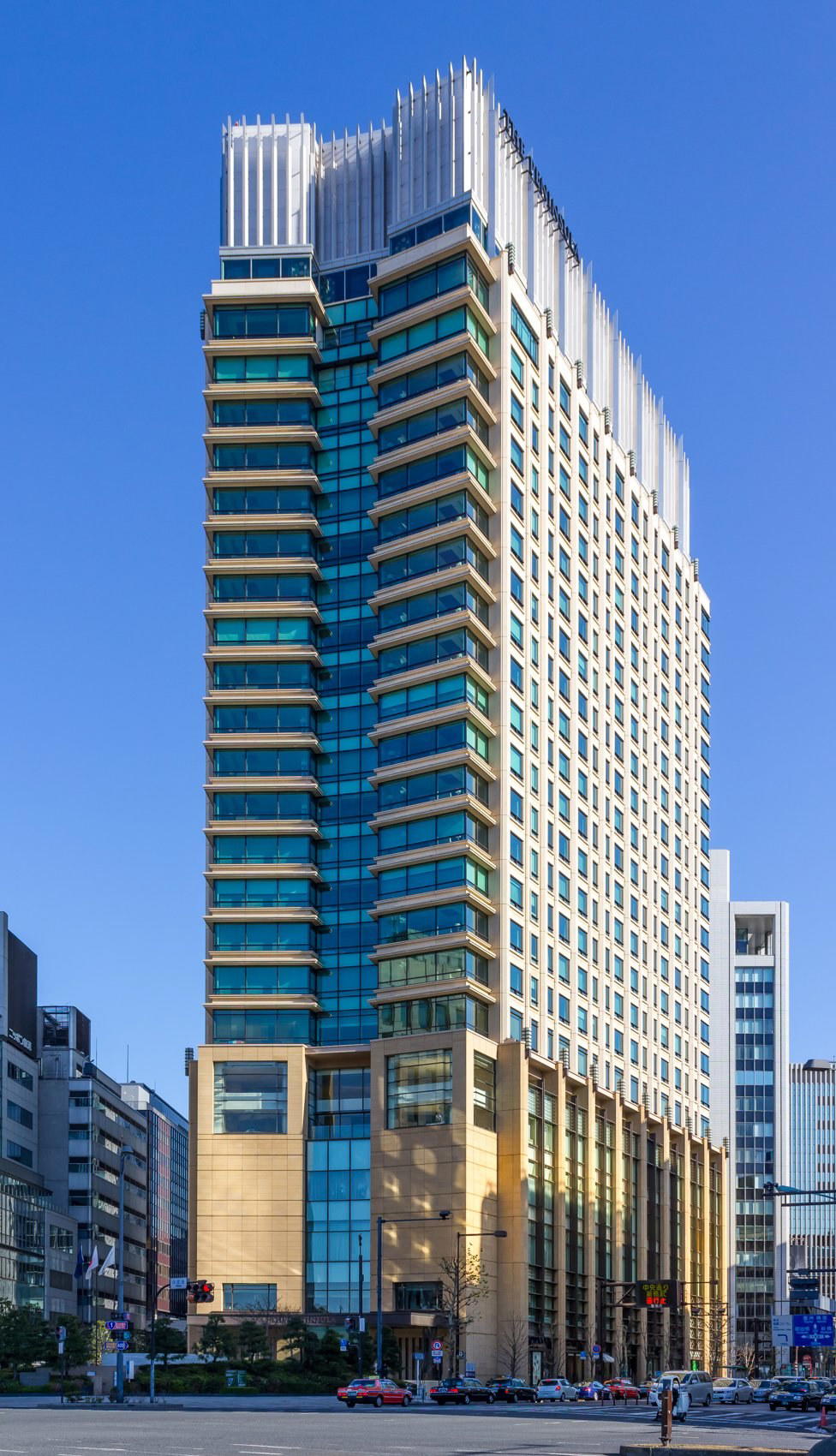
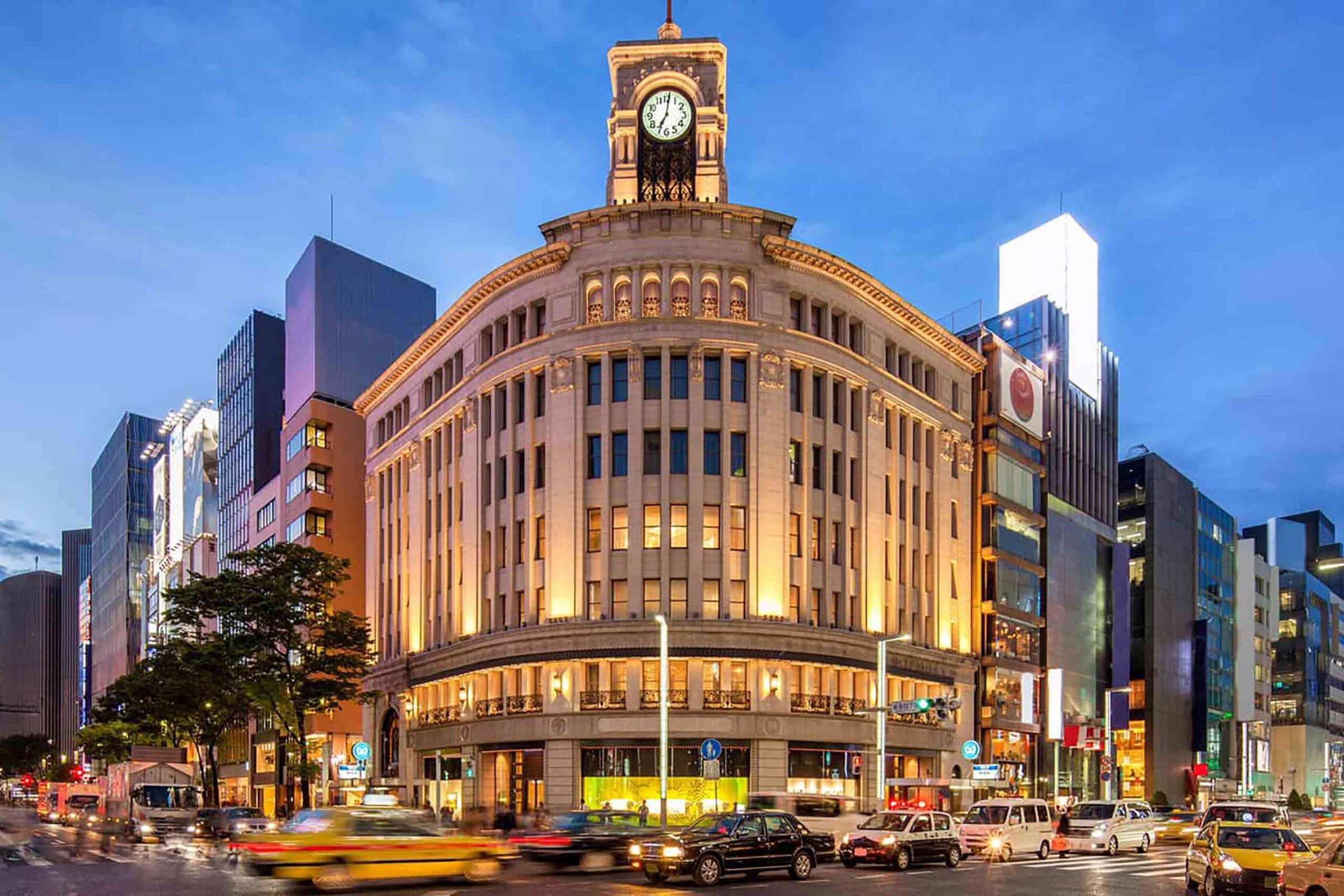
Ginza sets a high threshold for bars. The district's drinking culture runs deep — Star Bar Ginza has been shaping classical Japanese bartending for decades, and counters like Bar High Five and Bar Orchard Ginza have attracted international attention for the precision of their technique. Against that backdrop, a second-floor room at La La Grande GINZA — a low-profile building on 6-chome, signals a particular kind of intention. You don't land here by accident. The address is specific enough that guests arrive because they sought it out, which tends to self-select a room that values conversation over spectacle.
That verticality matters in Ginza. The neighbourhood's ground-floor bars often carry brand visibility as part of their identity. A second-floor room, by contrast, operates at a different tempo: lower ambient noise, a more contained sightline, and an entrance that requires at least one deliberate decision. These are not trivial atmospheric conditions. They shape how a meal, a toast, or a long evening unfolds, and they make the room well-suited to occasions where the conversation is as important as what's in the glass.
Occasion Dining in the Ginza Bar Register
Tokyo's approach to occasion drinking differs meaningfully from what you'd encounter in London or New York. The bar is not simply where you go after dinner, it can be the destination itself, a full arc from arrival to final nightcap, with the craft of the bartender functioning as both entertainment and hospitality. Ginza codifies this more formally than most Tokyo neighbourhoods. The suits at the counter at 8 pm are not accidental; the district attracts the kind of guest for whom a carefully chosen bar is a statement, not an afterthought.
Serpent sits inside this tradition. For milestone meals and deliberate celebrations, the Ginza bar tier offers something that louder, higher-volume venues cannot: the sense that the room is arranged around the guest's experience rather than around its own throughput. Bar Libre offers a comparable sense of considered intimacy within the Tokyo bar circuit, while Bar Benfiddich, located in Shinjuku, represents a different expression of the same craft-first philosophy at the premium end of the city's bartending scene. Serpent's Ginza postcode places it in conversation with these addresses without replicating any of them.
The Ginza Premium Bar Context
Positioning in Ginza's bar tier is partly a function of address, partly a function of what the room communicates about its own ambitions. The neighbourhood's leading counters have become reference points for Japanese bartending internationally, a tradition built on classical technique, ingredient precision, and a service philosophy that absorbs European bar culture and reworks it through a Japanese lens. That synthesis has been documented extensively, from the hard-shaking technique associated with Ueno-era bartending to the fruit-forward clarity that defines counters like Bar Orchard Ginza.
A bar on Ginza 6-chome in 2024 inherits this reputation whether it courts it or not. The expectation, for guests arriving from the broader Tokyo bar circuit or from international references, is that the technical standard will be high and the hospitality considered. What varies across Ginza's bar addresses is temperament: some rooms operate at exhibition pace, others at a more private register. Second-floor rooms in quieter buildings tend toward the latter, which makes them the logical choice when the occasion calls for something that won't be interrupted.
Comparing Notes Across Japan's Bar Scene
Tokyo's bar culture doesn't exist in isolation. Japan's broader cocktail geography has produced serious addresses in Osaka, Kyoto, Nara, and further afield. Bar Nayuta in Osaka and Bee's Knees in Kyoto represent the kind of regional depth that makes Japan's bar scene worth mapping systematically rather than cherry-picking a single city. Lamp Bar in Nara has attracted Michelin recognition that places it among the most awarded bar programs in the country, and Yakoboku in Kumamoto extends the geographic argument further south.
For guests building an itinerary around Japan's drinking culture, the Ginza tier remains the densest concentration of reference-level bars per square kilometre in the country. But context matters: knowing what exists in Osaka or Kyoto makes the Ginza proposition clearer, not more generic. And for those travelling beyond Japan, Bar Leather Apron in Honolulu offers a Pacific reference point that draws on Japanese bar philosophy at geographic remove.
Planning a Visit
Serpent is located on the second floor of La La Grande GINZA at 6-chome-3-18, Ginza, Chuo City, Tokyo. The address is walkable from Ginza Station on the Tokyo Metro Ginza, Marunouchi, and Hibiya lines, with the 6-chome exits placing you within a few minutes of the building. The area is at its most active on weekend evenings, when Ginza's pedestrian zones fill and the district takes on a different character than its weekday business-lunch tempo, for occasion dining, a Thursday or Friday evening often offers the atmosphere of a weekend with marginally less foot traffic. Our full Tokyo guide covers the broader context of the city's drinking and dining scene for guests building a longer itinerary.
City Peers
| Venue | Cuisine | Price | Awards |
|---|---|---|---|
| SerpentThis venue — the venue you are viewing | Not listed | Not listed | Not listed |
| Bar Benfiddich | Not listed | $20–30 | World's 50 Best #62 · Tatler Listed in Best Bars Asia-Pacific |
| Bulgari Ginza Bar | Not listed | $50–100 | World's 50 Best #86 · Forbes Travel Guide Hotel Star Bar |
| The Bellwood | Sushi | $50–100 | World's 50 Best #79 · Tatler Listed in Best Bars Asia-Pacific |
| Tender Bar | Not listed | $50–100 | Not listed |
Continue exploring
More in Tokyo
Bars in Tokyo
All bars in Tokyo →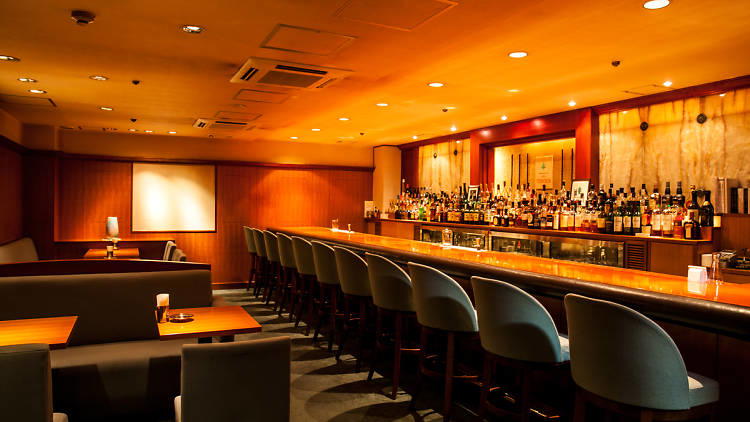

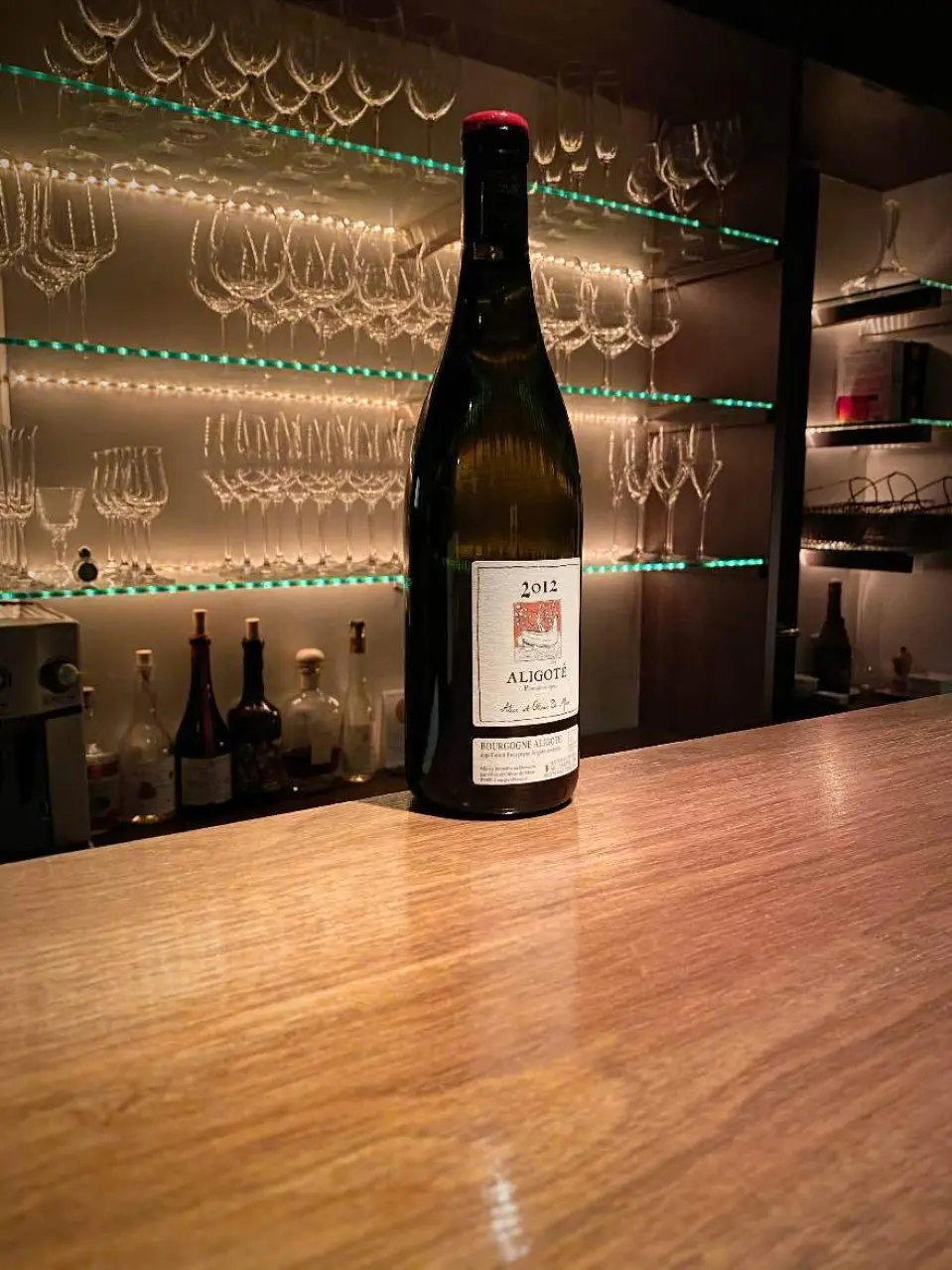


Restaurants in Tokyo
All restaurants in Tokyo →
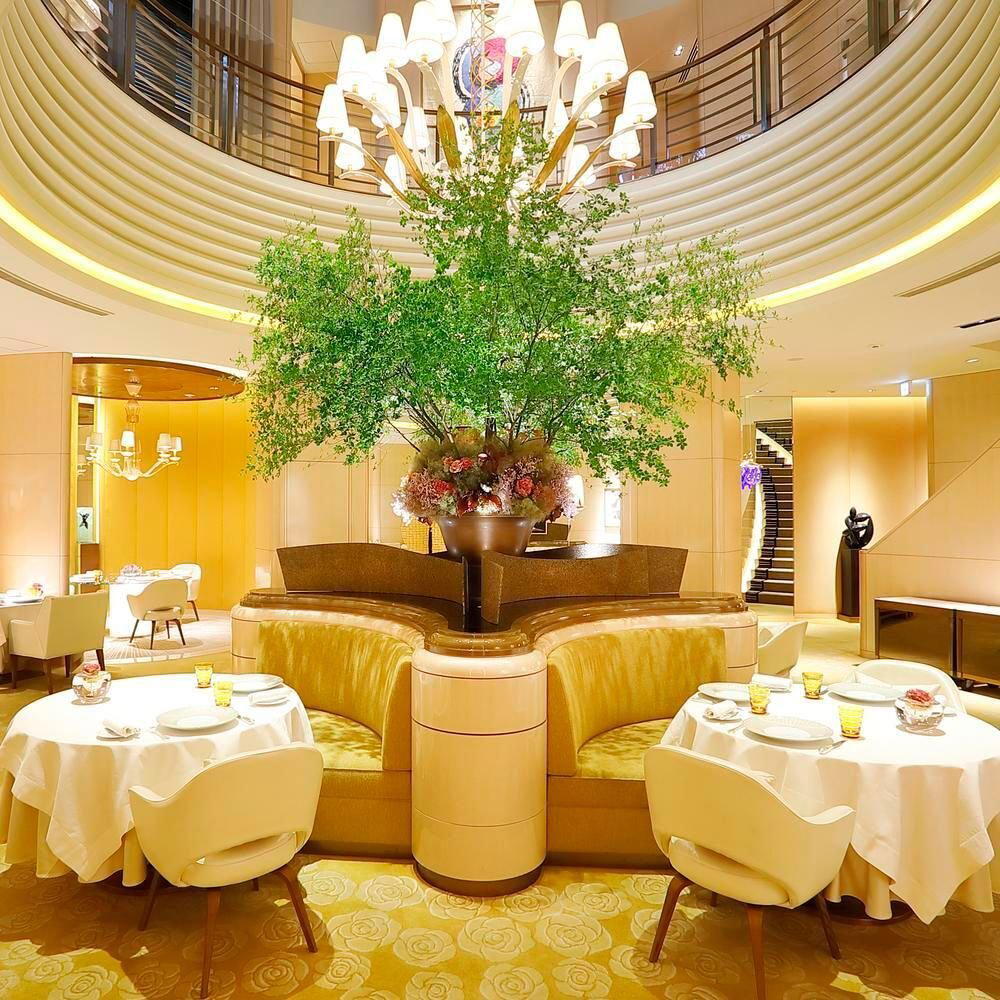

Serpent
The wine
- Wine program
- Deep wine list
- Craft cocktails
Signature drinks: Serpenti Cocktail.
Details
- Sophisticated
- Elegant
- Intimate
- Classic
- Date Night
- After Work
- Late Night
- Special Occasion
- Design Destination
- Standalone
- Counter Only
- Private Rooms
- Craft Cocktails
- Whiskey
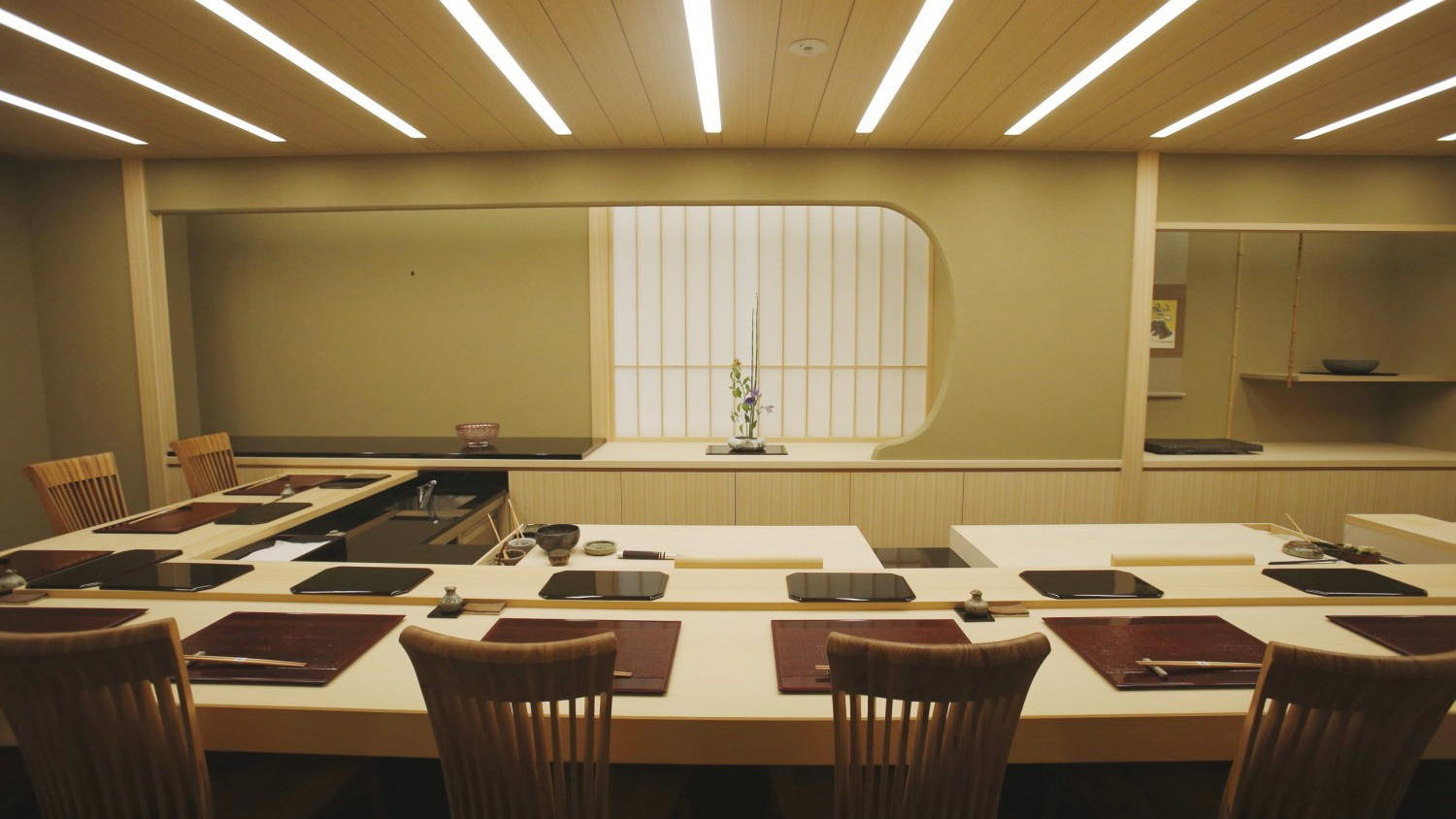
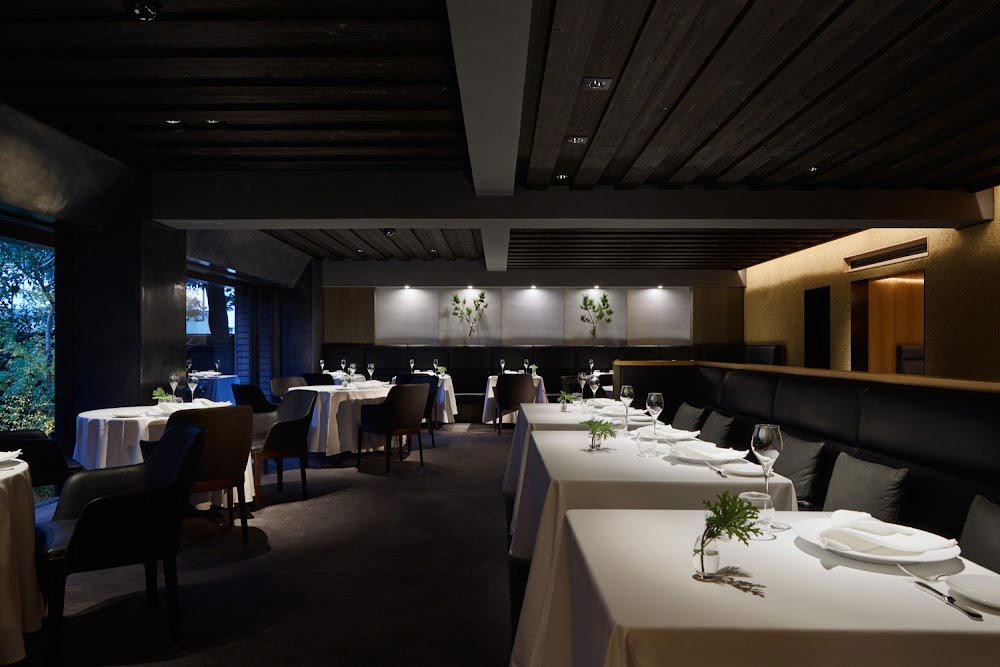
A darkened, refined ginza bar with carefully placed lighting that lets the liquor stand out, polished glassware, and a relaxed, calming atmosphere shaped by owner-selected music.