Kintaro Izakaya on Church Street brings the communal, small-plates logic of Japanese izakaya dining to Toronto's Village neighbourhood. The format suits groups grazing through an evening rather than diners seeking a fixed arc. It sits in the mid-tier of the city's Japanese casual dining scene, where atmosphere and shared eating rhythm matter as much as individual dishes.
Pearl is the En Primeur Club membership app — saves, bookings, and concierge access live there. Same editors, same standards.
- Address
- 459 Church St, Toronto, ON M4Y 2C5, Canada
- Phone
- +1 647 560 5335
- Website
- kintaroizakaya.com
- Directions
- Get directions
 Saves & bookings on Pearl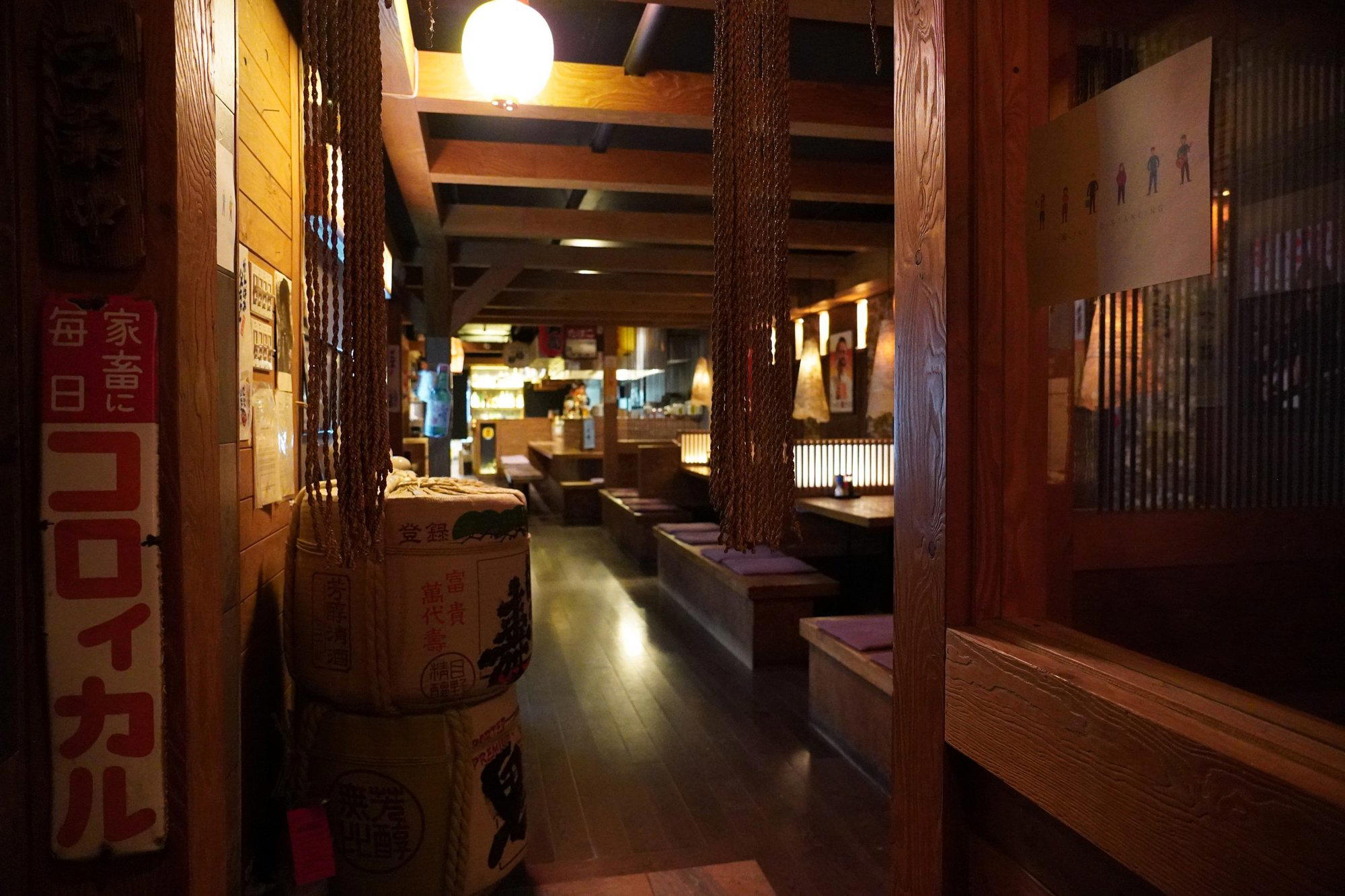
Church Street and the Izakaya Format in Toronto
Toronto's Japanese restaurant scene has organised itself into relatively distinct tiers over the past decade. At one end sit the omakase counters and kaiseki rooms where a single seat commands triple-digit minimums and months of advance planning. At the other end, the izakaya format has carved out a durable middle ground: communal tables, small plates designed for sharing, and a pace set by the group rather than the kitchen. Kintaro Izakaya, at 459 Church St in the Village neighbourhood, operates squarely within that second tradition.
The izakaya model originated in Japan as a place workers stopped between the office and home, ordering grilled skewers and cold beer in rough succession. What Toronto's version of the format does, at its better addresses, is preserve that low-formality rhythm while adapting the menu logic to a city with different ingredient sourcing and a more varied drinking culture. The question worth asking of any Toronto izakaya is not whether it feels authentically Japanese in a museum-replica sense, but whether the small-plates pacing and the social contract of the format hold up across an evening.
Eating with an Eye on Provenance
The sustainability angle in Japanese casual dining is worth examining on its own terms, because it cuts against a common assumption. The izakaya format, with its emphasis on grilled proteins, fried snacks, and rich sauces, does not obviously lend itself to sourcing-forward cooking. Yet the broader movement in Toronto's mid-range restaurant scene has pushed kitchens at this price point to think harder about where proteins and produce originate, largely because the customer base on Church Street and in the surrounding neighbourhoods has become more attentive to those questions.
Japanese cuisine has its own historical relationship with sustainable practice, even if the vocabulary is different. The nose-to-tail logic of yakitori, where every part of the bird is allocated to a specific skewer and preparation, is a form of waste reduction that predates any contemporary sustainability discourse. Similarly, the emphasis on seasonal eating that structures traditional Japanese menus, from the first bamboo shoots of spring through the citrus notes of autumn, maps onto the locally-sourced, seasonal-rotation model that Toronto's farm-to-table movement has pushed since the early 2010s. Whether a given izakaya executes on that alignment is a matter of operational commitment rather than format.
Toronto's proximity to Southern Ontario's agricultural belt gives kitchens in the city a genuine advantage on fresh produce sourcing. The challenge for a Japanese-leaning menu is finding Ontario producers whose output connects to the flavour logic of the cuisine, something the city's more ambitious Japanese restaurants have navigated with increasing confidence over the past several years.
The Village Context
Church Street between Wellesley and Bloor functions as a distinct hospitality zone within Toronto's downtown core. The strip's character has shifted across decades, but its current form combines neighbourhood-facing casual dining with a bar scene that draws both residents and visitors after dark. An izakaya sits naturally in that environment: the format tolerates walk-ins later in the evening, pairs well with pre- or post-bar visits, and scales gracefully from a table of two to a group of six without restructuring the whole meal.
For drinks before or after, the surrounding area offers options across different registers. Bar Mordecai and Bar Raval each represent different points on Toronto's cocktail spectrum, and Bar Pompette skews toward natural wine if the evening calls for something lower-octane. Civil Liberties rounds out the neighbourhood's bar options with a more eclectic programme. Any of them make a coherent pairing with a shared-plates dinner that doesn't attempt to be the entire evening's event.
Across Canada, the bar and casual dining scenes in mid-sized cities show comparable patterns. Atwater Cocktail Club in Montreal, Botanist Bar in Vancouver, and Humboldt Bar in Victoria each anchor their neighbourhood's casual hospitality ecosystem in ways that parallel what Church Street attempts. Further afield, Missy's in Calgary, Bearfoot Bistro in Whistler, Grecos in Kingston, and Bar Leather Apron in Honolulu each represent the same logic applied to different cities: a well-positioned bar or casual dining room that acts as social infrastructure for its immediate neighbourhood rather than a destination requiring advance planning from across the city.
Planning the Visit
The Church Street address places Kintaro within walking distance of Wellesley Station on the Yonge-University line, making it accessible from most parts of the downtown core without requiring a car. The izakaya format at this price tier in Toronto generally operates on a first-come basis or accepts reservations on short notice rather than demanding weeks of lead time, which is part of the format's utility for spontaneous evenings. Current hours, booking policy, and pricing should be confirmed directly with the venue before visiting, as this information was not available at time of publication. For a fuller picture of where Kintaro sits within Toronto's wider dining and drinking scene, our full Toronto restaurants guide maps the city by neighbourhood and category.
Cost and Credentials
Comparable venues nearby, for context on price, style, and recognition.
| Venue | Cuisine | Price | Notes |
|---|---|---|---|
| Kintaro IzakayaThis venue — the venue you are viewing | Not listed | $$ | Not listed |
| Thor Espresso Bar | Fashion District, Bar | $$ | Not listed |
| The Shameful Tiki Room | Not listed | $$ | West Queen West, tiki_bar |
| Krave Coffee | Hillcrest, Bar | $$ | Not listed |
| El Trompo | Kensington, pub | $$ | Not listed |
| Three Monks and a Duck | Not listed | $$ | West Queen West, cocktail_bar |
Continue exploring
More in Toronto
Bars in Toronto
Browse all →
Restaurants in Toronto
Browse all →
Hotels in Toronto
Browse all →


At a Glance
- Cozy
- Lively
- Intimate
- After Work
- Late Night
- Group Outing
- Casual Hangout
- Standalone
- Seated Bar
- Booth Seating
- Sake
Current opening hours
- Monday
- 5 PM–1 AM
- Tuesday
- 5 PM–1 AM
- Wednesday
- 5 PM–1 AM
- Thursday
- 5 PM–1 AM
- Friday
- 5 PM–2 AM
- Saturday
- 5 PM–2 AM
- Sunday
- 5 PM–1 AM
Hours can change for holidays and private events. Last verified .
Cozy and casual Japanese atmosphere with a bustling, convivial vibe praised for its warmth and authenticity.