
Falstaff Bar - 88 Falstaff Points
Bar Maria gives Helsinki’s cocktail scene another address in Kruununhaka, placing a small bar-format stop on Mariankatu within a city that increasingly rewards focused drinks rooms over hotel-lobby gloss. With, it is better read as a neighbourhood bar entry than a trophy-counter destination.

Pearl is the En Primeur Club membership app — saves, bookings, and concierge access live there. Same editors, same standards.
- Address
- Mariankatu 23, 00170 Helsinki
- Directions
- Get directions
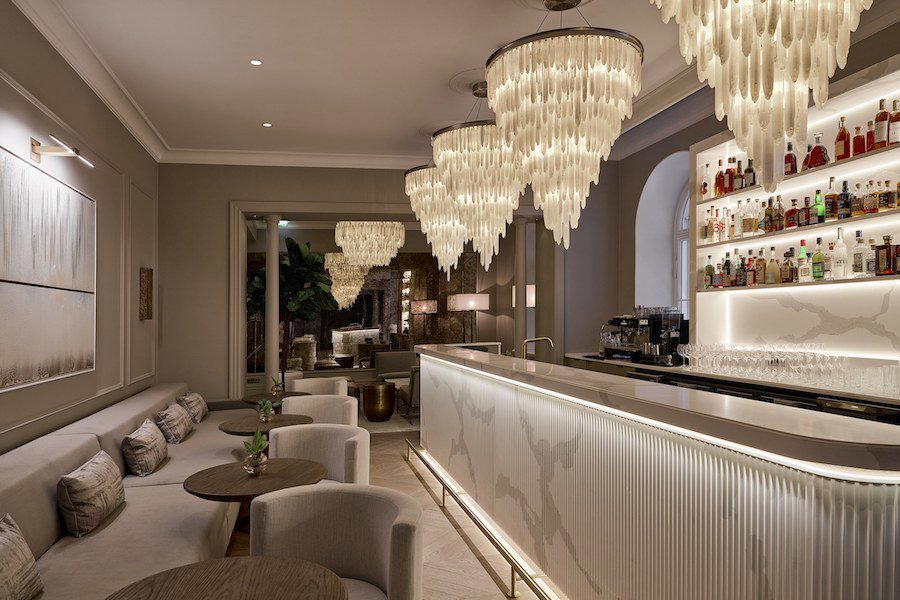
First impression: Mariankatu after dark
Kruununhaka changes character quickly after office hours. The government quarter empties, the streets around Senate Square lose their daytime formality, and the blocks north of the harbour settle into a quieter rhythm than Kallio, Punavuori, or the late-night parts of Kamppi. Bar Maria sits at Mariankatu 23, in that older Helsinki register where a bar is judged less by spectacle than by how convincingly it holds a room: lighting, pacing, glassware, music level, and the confidence of the bartender working within a compact brief.
That matters in Helsinki because the city’s cocktail culture has moved beyond the simple question of whether a bar can make a correct classic. The sharper distinction now is format. Some addresses lean into high-energy rooms, some build menus around Nordic botanicals, and some work as neighbourhood drinking rooms where technique is expected but not announced every few minutes.
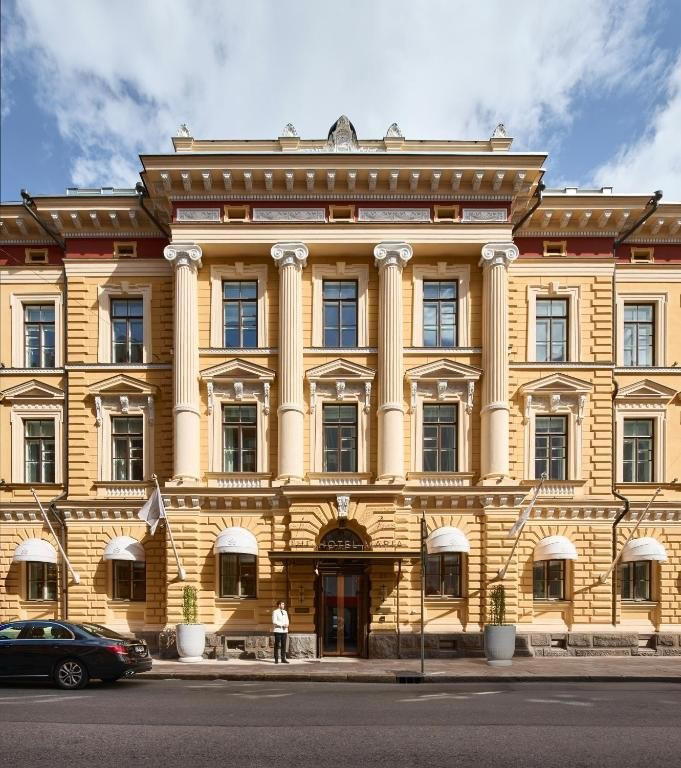
The Mariankatu location also frames the likely use case. This is not the side of Helsinki associated with loud bar-hopping strips or waterfront hotel theatre. Kruununhaka is more measured: stone buildings, institutional neighbours, and a residential calm that makes a small cocktail room feel different from a central station stop-in. The scene rewards bars that can create atmosphere without turning the room into a set. For visitors, that distinction is useful. Helsinki’s serious drinking is not concentrated in one district; it is spread across neighbourhoods, and the value lies in matching the bar to the hour.
The Helsinki cocktail mood: smaller rooms, cleaner intent
Finland’s capital has a particular advantage as a drinking city. It is large enough to sustain specialist cocktail bars but small enough that weak concepts are exposed quickly. Local drinkers notice when a programme is built on surface styling rather than disciplined service. The broader Scandinavian shift toward precision, lower sweetness, and ingredient restraint is visible in Helsinki bars, but it rarely feels as monastic as Copenhagen’s tasting-menu culture. The better Helsinki cocktail rooms tend to keep hospitality legible: a guest can order without performing expertise, while the bartender has room to show technique if the conversation goes there.
Bar Maria, on the available record, belongs to that map as a Helsinki bar rather than as a restaurant, hotel lounge, winery, or chef-led concept. That classification carries its own editorial weight. Cocktail bars in the city now compete not only with one another but with natural-wine rooms, design hotels, and restaurants that have improved their aperitif and digestif lists. A standalone bar must justify the extra stop. It does so through rhythm: how quickly the first drink arrives, whether the menu gives enough guidance, whether the room is hospitable to both a short drink and a longer evening, and whether the staff can steer a guest without turning the exchange into a lecture.
The stronger reading is comparative. Helsinki has enough category depth that a bar on Mariankatu can be assessed against peers by setting, purpose, and degree of ceremony. For a visitor building an evening, that is often more useful than a list of adjectives. A bar near the older civic core carries a different promise from a bar in a party district: it should be good before dinner, after a restaurant booking, or as a quieter second stop when the evening needs conversation rather than volume.
How Bar Maria fits among Helsinki peers
The city’s bar circuit is increasingly varied, and comparison clarifies what a Mariankatu address can offer. Sling In speaks to a different kind of Helsinki drinking culture, one where name recognition and central movement matter. Alexanderplats sits closer to the restaurant-bar crossover that has become important in Nordic capitals, while Apotek suggests the appeal of a bar whose setting is part of the draw. Chihuahua Julep belongs to the city’s more explicit cocktail-specialist conversation, the kind of place that attracts guests who plan a night around drinks rather than use them as an accessory.
Bar Maria’s available data is thinner than those peer references, so the editorial stance has to be disciplined. It cannot be awarded a status the record does not support. In a mature bar city, not every serious address arrives with a trophy case. Some places function as connective tissue between dinner, neighbourhood, and late evening. The address gives the clearest clue here: Mariankatu places it in a district where a drink can feel local even when the guest is travelling.
For readers comparing Finnish cities, Helsinki’s cocktail scene also differs from smaller urban markets. A Turku address such as Vinho in Turku has a different catchment and often a different relationship to regulars. Cafe Kartano in Tampere sits in another regional rhythm again. And an international reference such as Café La Trova in Miami shows how far bar identity can tilt toward music, heritage, and public performance. Helsinki tends to be more contained. Its better bars do not need to shout their identity from the pavement; they need to make the room work once a guest has chosen the door.
The cocktail programme, read without invented detail
A proper cocktail programme is not only a list of drinks. It is a set of decisions about sweetness, dilution, glass temperature, garnish restraint, service timing, and how much explanation the guest receives. In Helsinki, the stronger programmes often show confidence by leaving space around the drink: fewer theatrical flourishes, more attention to balance and pacing. Bar Maria’s record does not provide the menu or signature drinks, so the responsible way to frame the programme is by expectation rather than description. The category implies a drink-led room. The neighbourhood suggests a more adult tempo than a late-night student corridor. The lack of public award data means the burden falls on the visit itself rather than on reputation.
This is where Helsinki is an appealing city for cocktail drinkers. The market is not so inflated that every counter feels forced into a global ranking chase. At the same time, standards are high enough that a bar cannot survive on vague mood alone. Guests should expect the basics to matter: a clear house point of view, a bartender able to read whether the table wants guidance or privacy, and drinks that do not hide technical weakness behind sugar or novelty. Those are not claims about Bar Maria’s exact menu; they are the criteria by which a bar in this tier should be judged.
The creative vision, if there is one, should be visible through menu architecture rather than biography. A cocktail bar does not need a celebrity founder to have a voice. It can show that voice through the balance between classics and house serves, the number of low-ABV or non-alcoholic options, the presence or absence of local ingredients, and the way staff translate the menu for guests who are not cocktail specialists.
What to pair around the evening
Helsinki works well when planned by neighbourhood clusters rather than rigid itineraries. A drink in Kruununhaka can follow time around Senate Square, the harbour, or the older civic blocks, then lead toward dinner elsewhere without requiring a cross-city expedition. For restaurant planning, Our full Helsinki restaurants guide is the useful companion because the city’s dining strengths are scattered: contemporary Nordic rooms, casual seafood counters, bakery-led daytime stops, and tasting-menu addresses do not all sit on one obvious strip.
Hotels shape the bar decision as well. Helsinki’s central hotels can make lobby drinking convenient, but they also risk turning the evening inward. Using a neighbourhood bar separates the drink from the room key. Travellers choosing where to stay can cross-reference Our full Helsinki hotels guide, then decide whether Mariankatu sits within a comfortable walking or taxi pattern for the night. Without latitude and longitude data in the record, a precise distance calculation would be inappropriate, but the address itself is central enough to be read within Helsinki’s established inner-city grid.
For drink-led travellers, Our full Helsinki bars guide gives the broader field, including rooms that may be more award-driven, more experimental, or more late-night oriented. The category spread matters because a single bar rarely carries an entire evening. Wine-focused readers can also look at Our full Helsinki wineries guide, though Helsinki is a city-consumption market rather than a wine-production destination in the way classic vineyard regions are. For non-restaurant cultural planning, Our full Helsinki experiences guide helps place the drinking stop around design, sauna culture, museums, and waterfront time rather than treating the bar as an isolated errand.
Planning notes for Bar Maria
The confirmed practical detail is the address: Bar Maria, Mariankatu 23, 00170 Helsinki, Finland. That absence should shape expectations. Travellers should verify current hours through a current public listing before setting an evening around it, especially in Helsinki, where opening patterns can shift by weekday and season. Summer brings longer daylight and later casual movement through the centre; winter compresses the evening and makes pre-planning more valuable, particularly when a bar is part of a dinner sequence.
The reservation question is also unresolved in the source record. The safer plan is to build flexibility into the night: use Bar Maria as an early-evening stop or a second drink option rather than the sole anchor for a special occasion unless a current reservation route is found elsewhere. That is not a slight; it is basic travel intelligence in a city where compact rooms can fill quickly on the wrong night and feel effortless on another.
Pricing is another missing field. In practical terms, Helsinki is not a bargain cocktail city by European standards, because labour, rent, taxation, and imported spirits all affect the final glass. Still, without a listed price range, no exact spend should be inferred. The editorial advice is to treat it as a central Helsinki cocktail bar and budget accordingly, then adjust once the current menu is visible. Dress code is not supplied either, and Helsinki generally rewards neat informality over performative dressing. The city’s better rooms care more about behaviour than labels.
Editorial verdict
Bar Maria is useful precisely because it represents the part of Helsinki drinking culture that cannot be reduced to awards data. The record gives a name, a city, a country, and a specific Kruununhaka address; it withholds the usual signals that allow a bar to be ranked by price, trophies, chef name, or published menu. That puts the emphasis back where a bar should earn it: room quality, drink discipline, and fit within the night.
For travellers, the smartest read is modest but serious. This is a Helsinki bar to consider when the evening calls for a central but calmer setting, especially if dinner or hotel plans place the guest near the older civic quarter. It should not be dismissed either. In a city where the cocktail scene has become more granular, a Mariankatu room can do valuable work: giving the night a composed first act, or a quieter final glass, without turning every drink into a production.
Recognition history
Dated appearances from independent guides and award organizations, with the underlying list record or original source where available.
Falstaff Bar - 88 Falstaff Points
Falstaff

Details
- Elegant
- Intimate
- Sophisticated
- Ornate
- Quiet
- Date Night
- After Work
- Special Occasion
- Celebration
- Solo
- Hotel Bar
- Historic Building
- Design Destination
- Seated Bar
- Lounge Seating
- Classic Cocktails
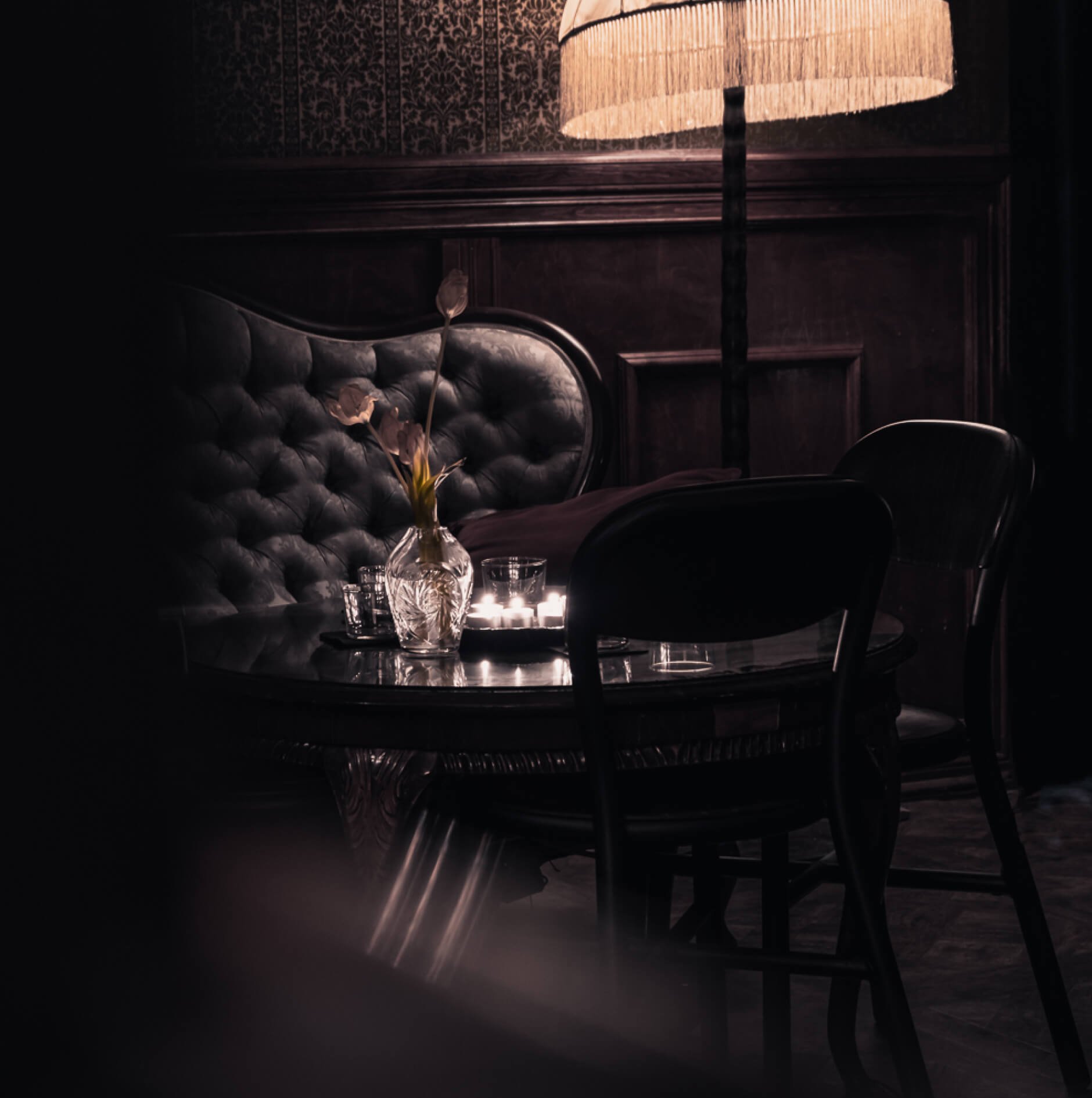
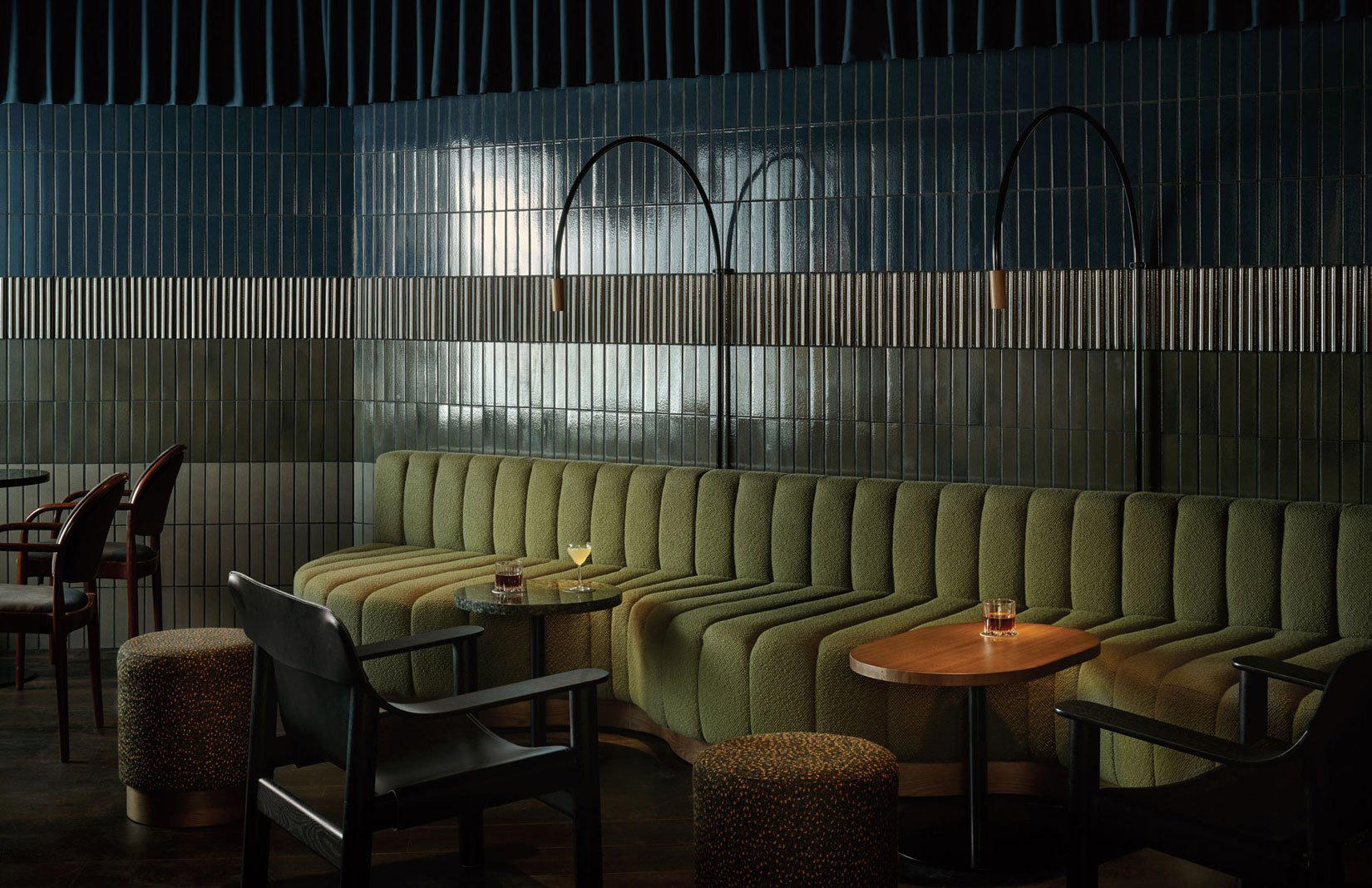
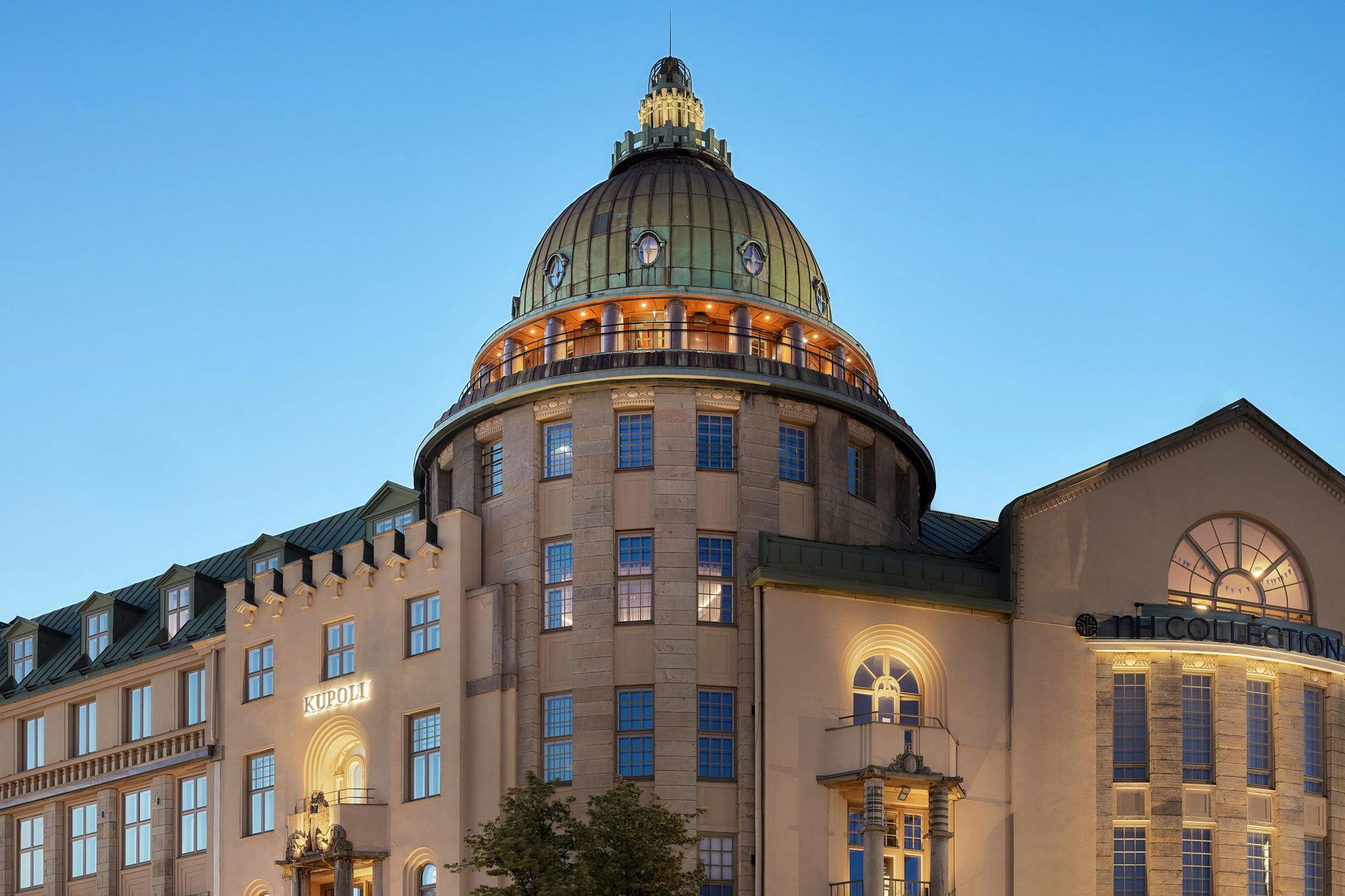
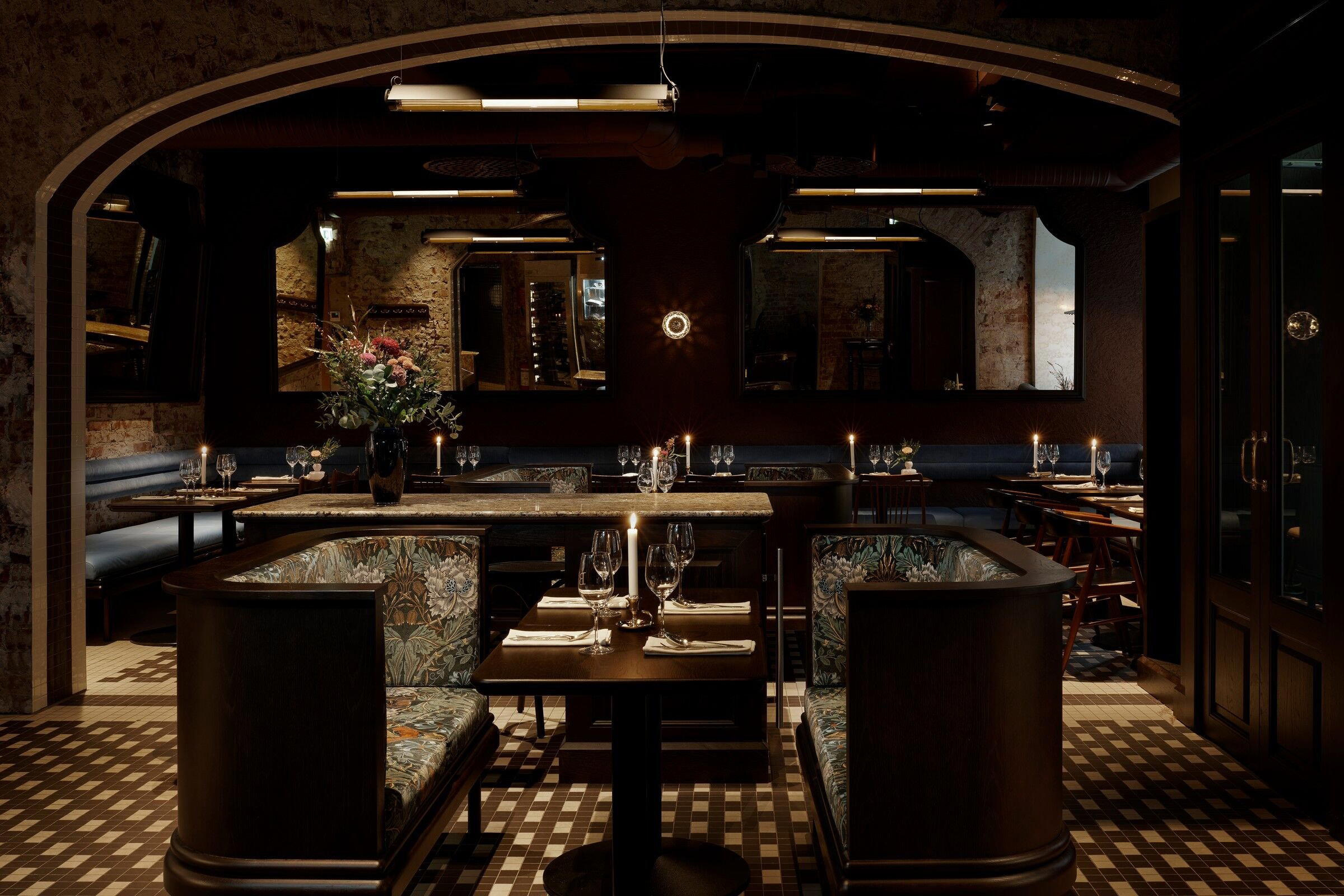
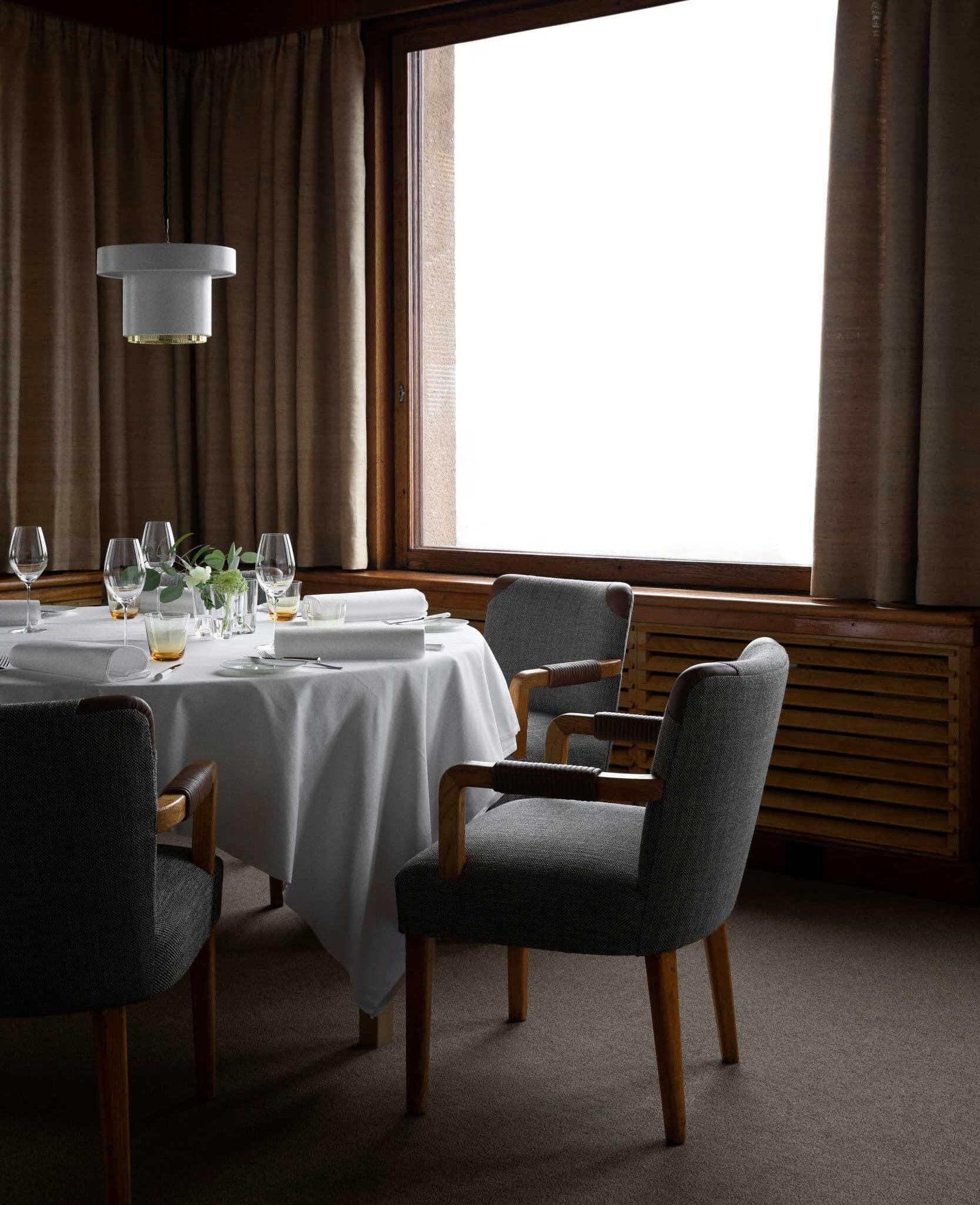
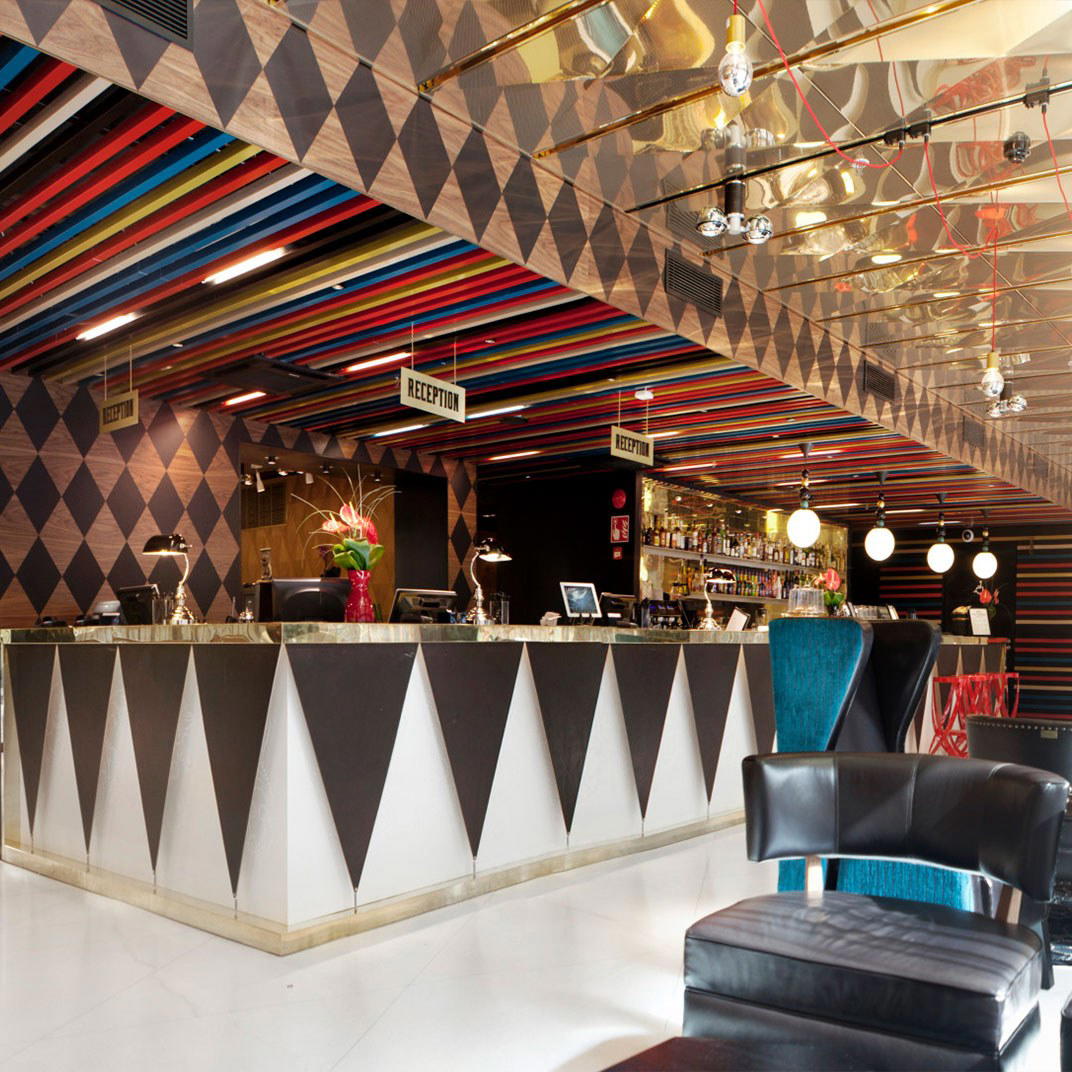
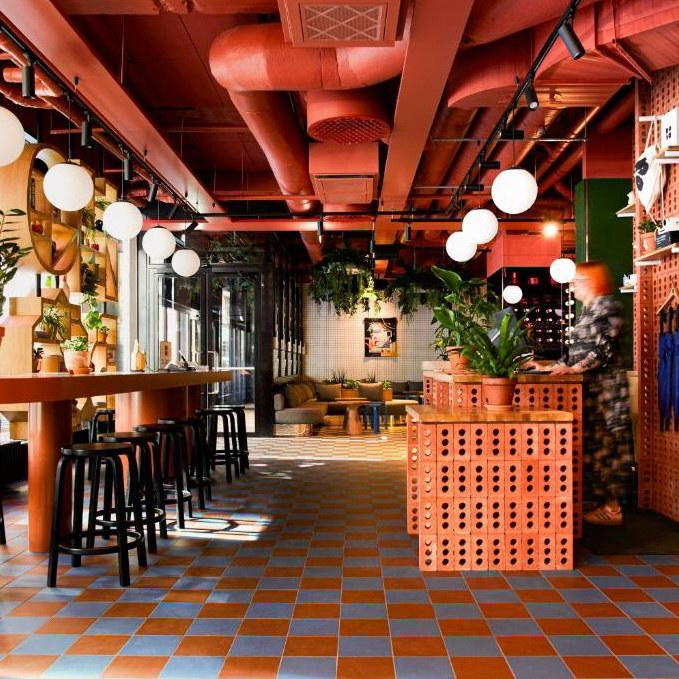
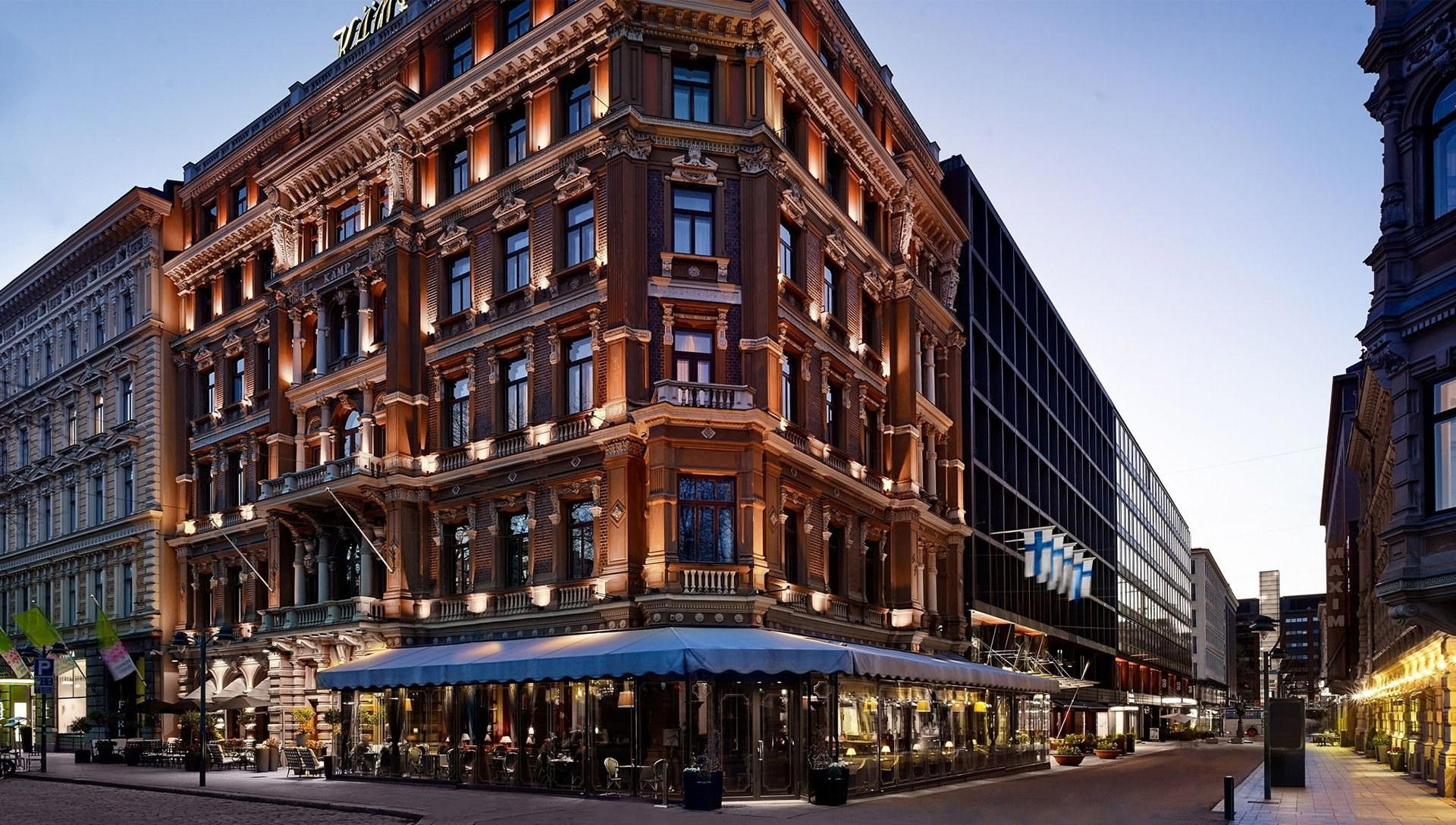
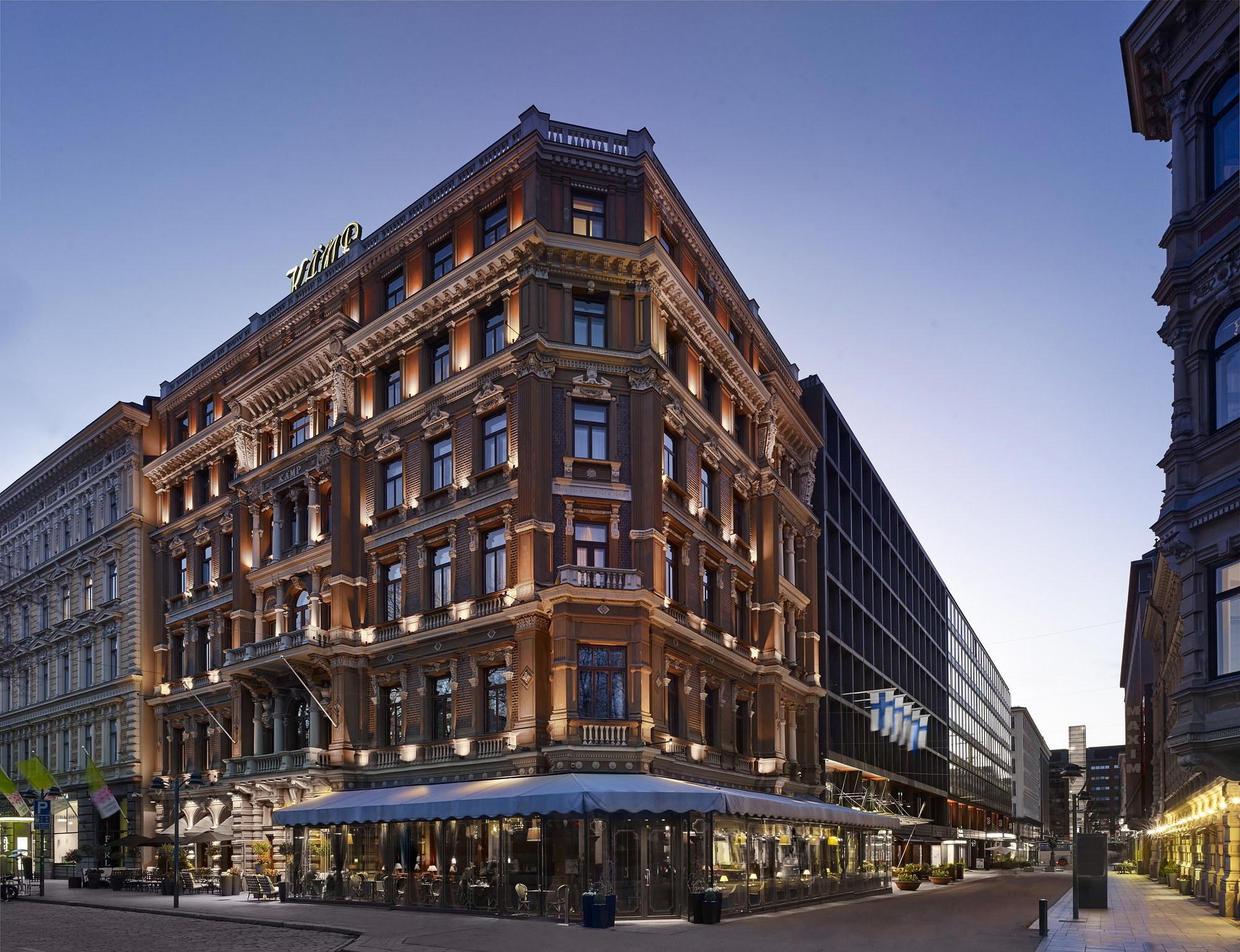
Chic, winter-themed, and quietly elegant, with designer chandeliers evoking Nordic ice and a refined lounge feel.