Bar Léopold sits on Boulevard de la Tour-Maubourg in Paris’s 7th arrondissement, a Left Bank address better known for embassies, museums, ministries, and polished hotel bars than late-night cocktail theatrics. With no published awards, chef details, cuisine label, menu specifics, or booking channel in the available record, it is better read through its neighbourhood role: a composed Paris bar where food and drink matter as a paired evening rather than separate events.
Pearl is the En Primeur Club membership app — saves, bookings, and concierge access live there. Same editors, same standards.
- Address
- Hôtel le Narcisse Blanc, 19 Bd de la Tour-Maubourg, 75007 Paris, France
- Phone
- +33 1 40 60 44 32
- Website
- restaurantcleo.fr
- Directions
- Get directions
 Saves & bookings on Pearl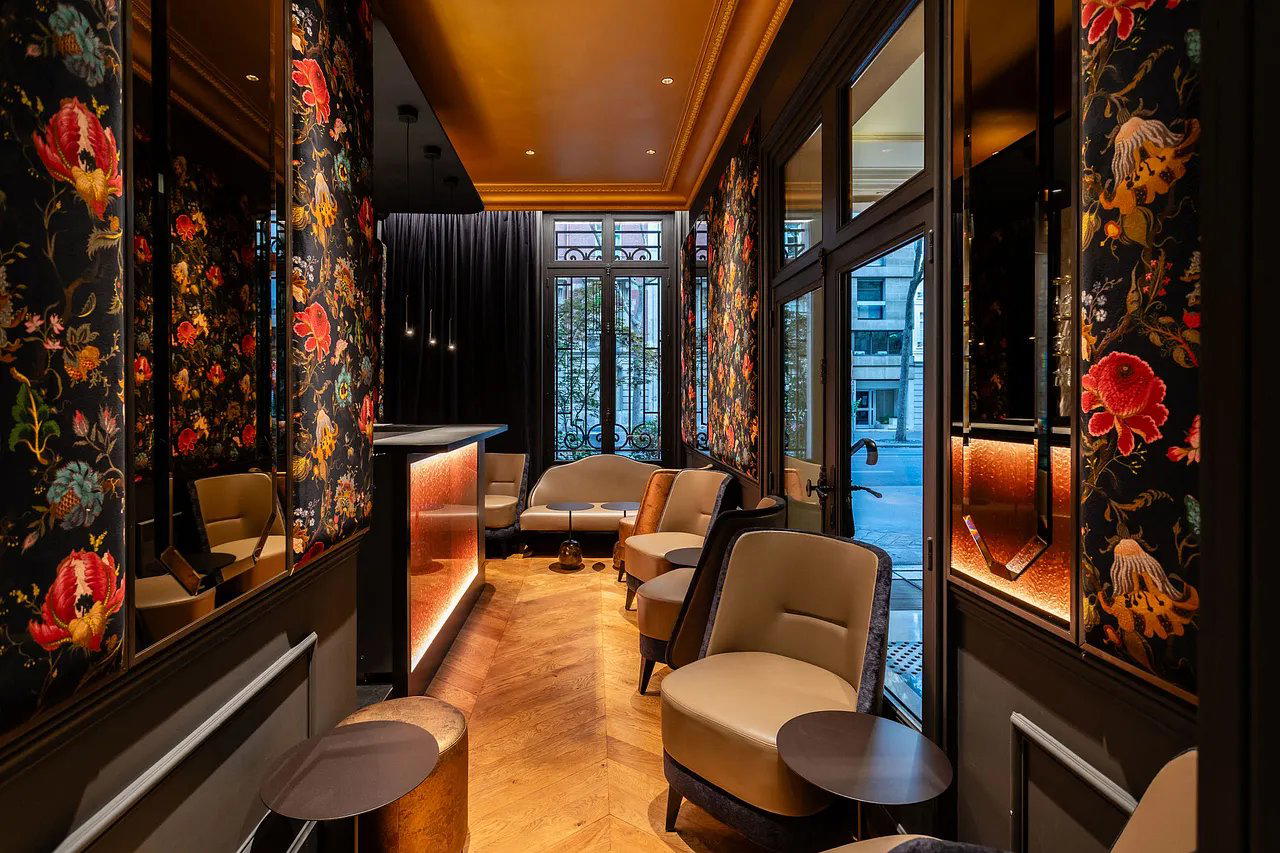
First read: a Left Bank bar shaped by address, tempo, and appetite
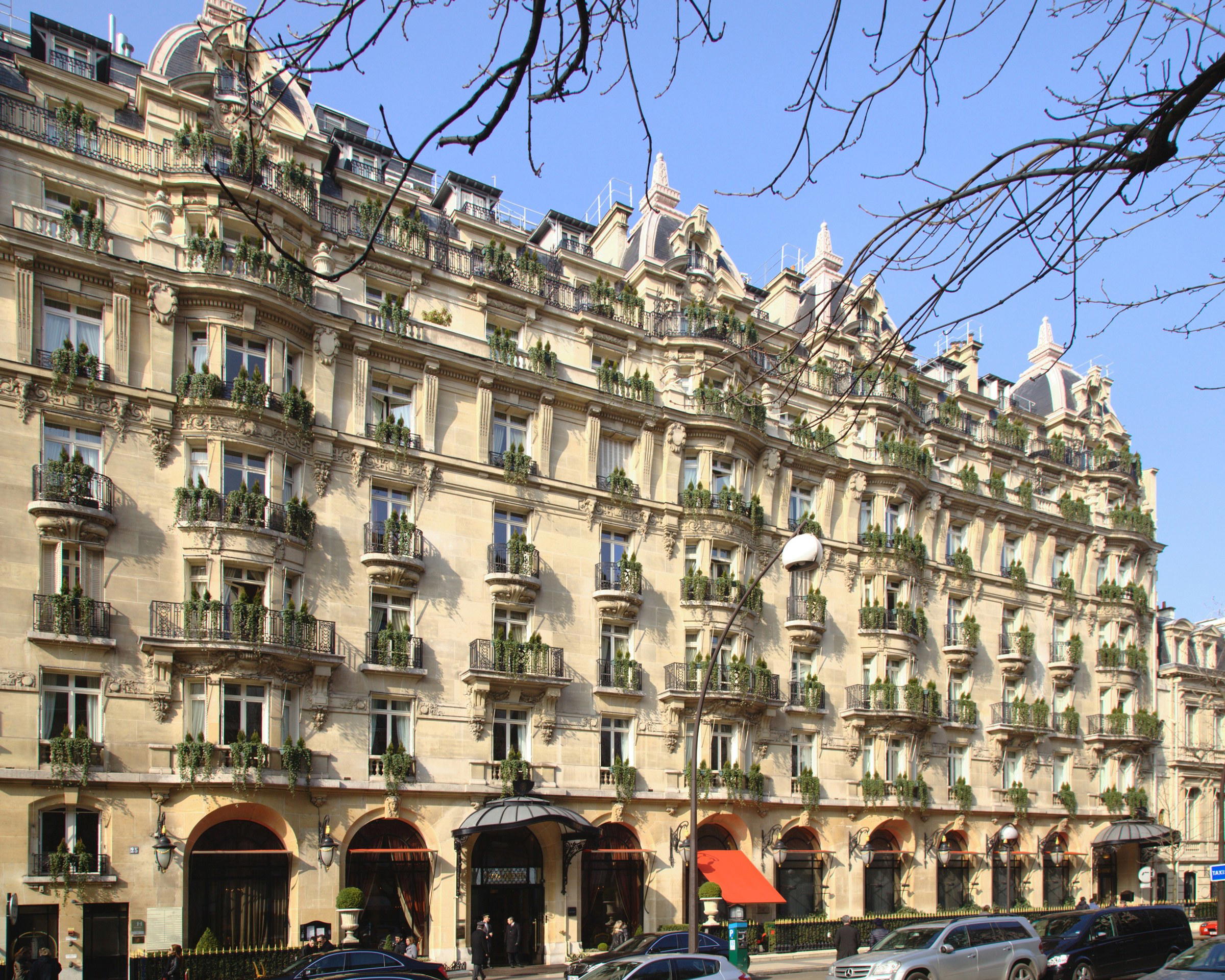
Boulevard de la Tour-Maubourg gives a bar a particular assignment before a glass reaches the table. This is not the Paris of cellar speakeasies behind taco counters, nor the Marais circuit where cocktail rooms trade on compression, noise, and a certain after-work velocity. The 7th arrondissement runs on a different register: broad pavements, government buildings, museum traffic, apartment-house discretion, and visitors who have often crossed the river from more theatrical dining districts. Bar Léopold, at 19 Bd de la Tour-Maubourg, belongs to that Left Bank rhythm. The approach matters because the bar’s usefulness is tied to setting. In this quarter, a drink is rarely just a drink; it is a hinge between a museum afternoon, a formal dinner, a hotel lobby, or a late train of conversation that needs food within reach.
Paris cocktail culture has spent the past decade splitting into distinct camps. One camp prizes hidden entrances, small rooms, and bartender-led technique. Another leans into grand interiors, hotel polish, and Champagne-list confidence. A third, increasingly relevant, treats the bar as a compact dining room where the food program has to carry part of the evening. Bar Léopold sits in the zone where that third category matters. The useful frame is how a bar in this part of Paris has to perform: it must make drinks and food feel aligned enough that guests are not forced to choose between a cocktail hour and a meal.
That distinction is important in Paris because the city’s drinking habits have never been only about cocktails. Wine bars, brasseries, hotel bars, cafés, and restaurant counters all compete for the same evening window. A bar without a clearly published culinary identity has to communicate through pacing, snackability, glassware, room tone, and the way its food supports the first and second drink. In the 7th, where many addresses lean formal, the stronger bar-food model is not excess. It is precision: enough salt, fat, bread, preserved seafood, cheese, charcuterie, or small plates to extend the drink without turning the room into a restaurant. The point is the category: food at a serious Paris bar is not garnish. It is the structural support for the night.
Why the food-and-drink pairing matters more in the 7th arrondissement
The 7th arrondissement has a particular challenge for bars. It is central without behaving like a nightlife district. The Eiffel Tower draws visitors nearby, Invalides anchors a formal civic geography, and the museum-and-embassy corridor pulls in people whose evening plans often involve reservations, taxis, and polished shoes. In that context, a bar has to solve a practical problem: where to pause without committing to a long meal, and where to stay if the first drink turns into supper. Bar Léopold’s address places it squarely inside that problem. The venue data does not provide a price range, phone number, website, hours, or booking method, which makes advance logistics less transparent than at bars with fully published systems. For travellers, that means the decision should be made with a little more discipline: confirm current opening details through a live map listing or the venue’s own current channel before building an evening around it.
Food pairing in a Paris bar is different from food pairing in a restaurant because the drink usually leads. A restaurant may build a sequence around sauces, temperature, and service choreography. A bar has to think in reverse: what can sit beside a spritz, a Martini variation, a glass of white Burgundy, or a low-ABV aperitif without exhausting the palate? The stronger answers tend to be compact and saline. Paris has absorbed this lesson from several directions: the natural-wine bar, the hotel bar, the neo-bistro, and the international cocktail room. Each has taught the city that small-format food can be serious without becoming ceremonial. Bar Léopold is worth considering through this lens because its setting suggests a bar that needs to hold both early-evening aperitif traffic and guests looking for something more substantial than nuts or olives.
Comparison helps. Candelaria represents the hidden-door cocktail model, where the food component is inseparable from the front-room taqueria identity. Danico belongs to the polished destination-cocktail tier, where design and technique drive the room’s reputation. Bar Nouveau sits closer to the contemporary Paris cocktail conversation, with a different kind of address energy. Buddha Bar occupies the large-format, high-drama end of the spectrum. Bar Léopold, by contrast, is better understood as a Left Bank utility with a premium setting: a place whose editorial interest lies in how drink and food can make an evening feel complete in a neighbourhood that does not run on bar-hopping chaos.
The Paris bar scene has moved beyond the cocktail-only script
The old international shorthand for Paris drinking was simple: wine first, cocktails later, serious food somewhere else. That reading is outdated. Paris now has cocktail rooms with laboratory technique, wine bars with Michelin-adjacent kitchens, hotel lounges that act as restaurants after dark, and neighbourhood bars that understand the economics of a guest who wants to stay for two hours rather than twenty minutes. This shift has made bar food a critical signal. A bar with a convincing food program can hold a table through the awkward stretch between aperitif and dinner. A bar without one risks becoming a stopgap.
For Bar Léopold, the lack of public detail in the provided record makes restraint necessary. That absence is itself useful intelligence for a reader choosing among Paris bars. Awarded or heavily documented venues often make sense for travellers who want a trophy reservation or a known drink. Lower-documentation addresses make sense when geography, mood, and timing matter more than collecting a famous room. In the 7th, that can be a rational trade. The neighbourhood’s premium is convenience and composure, not necessarily the public ranking machinery that surrounds better-publicized cocktail addresses.
The pairing question should be asked before the cocktail question. If a bar’s kitchen or snack menu is built for drinking, the evening widens. Bright, bitter, and aromatic drinks need food with grip. Spirit-forward drinks need fat or starch. Champagne and sparkling cocktails ask for salt. Wine by the glass is more forgiving but more revealing: poor bar food feels exposed beside it. None of this requires a long menu. In fact, Paris often rewards short lists. The discipline is in making each plate work with the glass rather than forcing restaurant ambition into a bar-sized room. With Bar Léopold, readers should evaluate the menu on arrival through that standard: not how many dishes are listed, but whether the food makes a second round feel natural.
How to order when the menu is not the headline
When a bar does not publish a signature-drink identity in the available record, the smart order is diagnostic. Start with an aperitif-style drink or a classic cocktail and choose food that will not dominate it. If the bar’s list leans wine, begin with something by the glass and look for small plates or snacks that show seasoning discipline. If the list leans cocktails, ask how the food is meant to sit beside the first drink rather than asking for the strongest or sweetest option. This is not insider theatre; it is practical dining intelligence. A bar that understands pairing will answer in terms of structure: acidity, salinity, bitterness, smoke, spice, temperature, or texture. A bar that cannot answer may still be pleasant, but it is operating as a drinks room with food attached, not as an integrated bar.
That distinction separates useful Paris recommendations from generic lists. A traveller near the Seine may not need the same bar as someone planning a night in the 10th or 11th. The Left Bank brief is different: less crawling, more anchoring. Bar Léopold’s address makes it especially relevant for guests who want an evening that can begin as an aperitif and stretch without changing neighbourhoods. That is also why the absence of a published price range matters. The 7th can skew formal and expensive, and a bar on this boulevard should be approached with that context in mind.
Paris bar decisions are increasingly about format. The city offers destination cocktail rooms, grand hotel bars, wine-first counters, restaurant-adjacent lounges, late-night party rooms, and neighbourhood addresses that work because they sit exactly where people need them. It has a named Paris address but no listed award profile, no published chef, no formal style tag, and no declared cuisine type. That does not make it lesser; it makes it a different kind of recommendation. It is a location-led bar in a district where the supporting cast of the evening matters.
For a broader map of the city, Our full Paris bars guide is the better starting point. Readers planning a full evening can cross-check nearby dining through Our full Paris restaurants guide, especially because food-and-drink pairing decisions often depend on whether the bar is pre-dinner, post-dinner, or the dinner itself. Hotel context matters in this arrondissement as well; Our full Paris hotels guide helps separate destination hotel bars from independent or street-facing rooms. Paris is also a wine city before it is a cocktail city, so Our full Paris wineries guide and Our full Paris experiences guide are useful for readers building a trip around tastings, cellar visits, or guided cultural programming rather than a single bar stop.
Looking outside Paris clarifies the point. Papa Doble in Montpellier reflects a southern French cocktail culture that operates with a different climate, terrace logic, and late-night rhythm. La Vertu in Reims sits in a Champagne-region context where sparkling wine culture shapes expectations around aperitif drinking. Café La Trova in Miami shows how a bar can be inseparable from music, Cuban-American foodways, and high-volume hospitality. Against those examples, Bar Léopold’s Paris identity is quieter and more address-driven. Its value lies in fit: a composed bar for a polished Left Bank evening, not a bar that needs to win the city through spectacle.
Planning notes for a Bar Léopold evening
The practical record is limited, so planning should be conservative. The confirmed address is 19 Bd de la Tour-Maubourg, 75007 Paris, France. Those gaps should shape expectations. Before going, confirm current hours and any reservation requirements through a current public listing or official channel. For timing, the 7th arrondissement generally rewards earlier planning than nightlife-heavy districts because evenings often connect to dinner bookings, hotel returns, and museum-day itineraries. Treat the bar as part of an itinerary rather than an improvised last stop if the rest of the night depends on it.
Dress should follow neighbourhood logic rather than a stated code, since none is listed. Smart casual is the safer default in this part of Paris, especially for guests pairing drinks with food before or after dinner. Budget assumptions should also remain flexible. With no published price range in the record, the fair expectation is not cheap café drinking and not necessarily trophy-bar pricing, but the surrounding district can push bills upward. The better strategy is to decide the role of the visit in advance: one drink and a small plate before dinner, a longer aperitif with several shared dishes, or a nightcap after a Left Bank meal. Each version asks different things of the bar, and the food program becomes more important the longer the stay.
Continue exploring
More in Paris
Bars in Paris
Browse all →
Restaurants in Paris
Browse all →
Hotels in Paris
Browse all →
At a Glance
- Elegant
- Cozy
- Romantic
- Intimate
- Sophisticated
- Date Night
- After Work
- Special Occasion
- Solo
- Hotel Bar
- Design Destination
- Historic Building
- Seated Bar
- Lounge Seating
- Classic Cocktails
- Conventional Wine
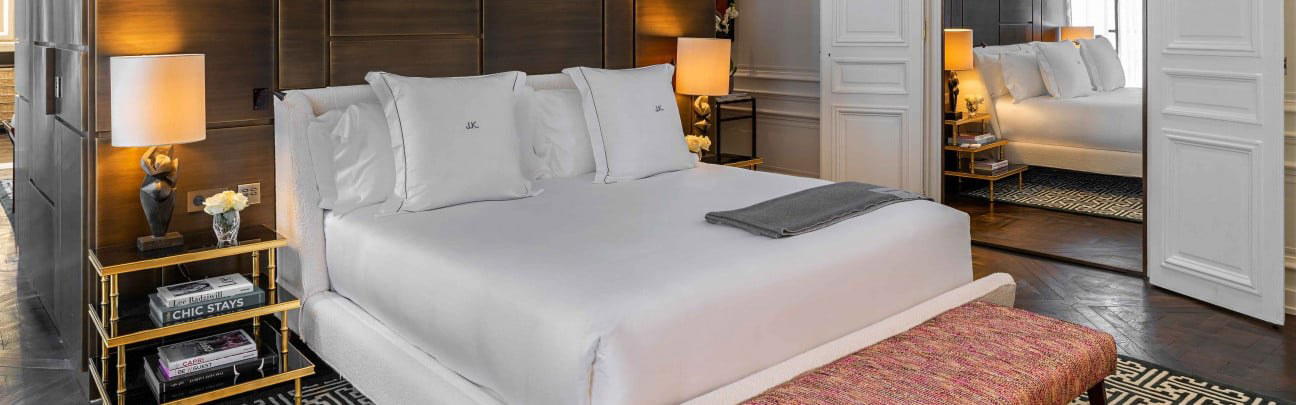
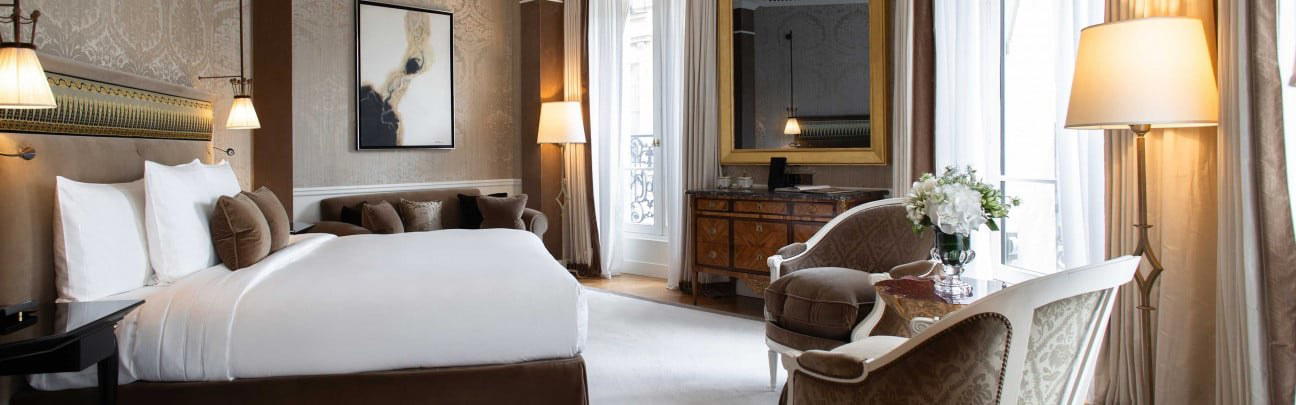
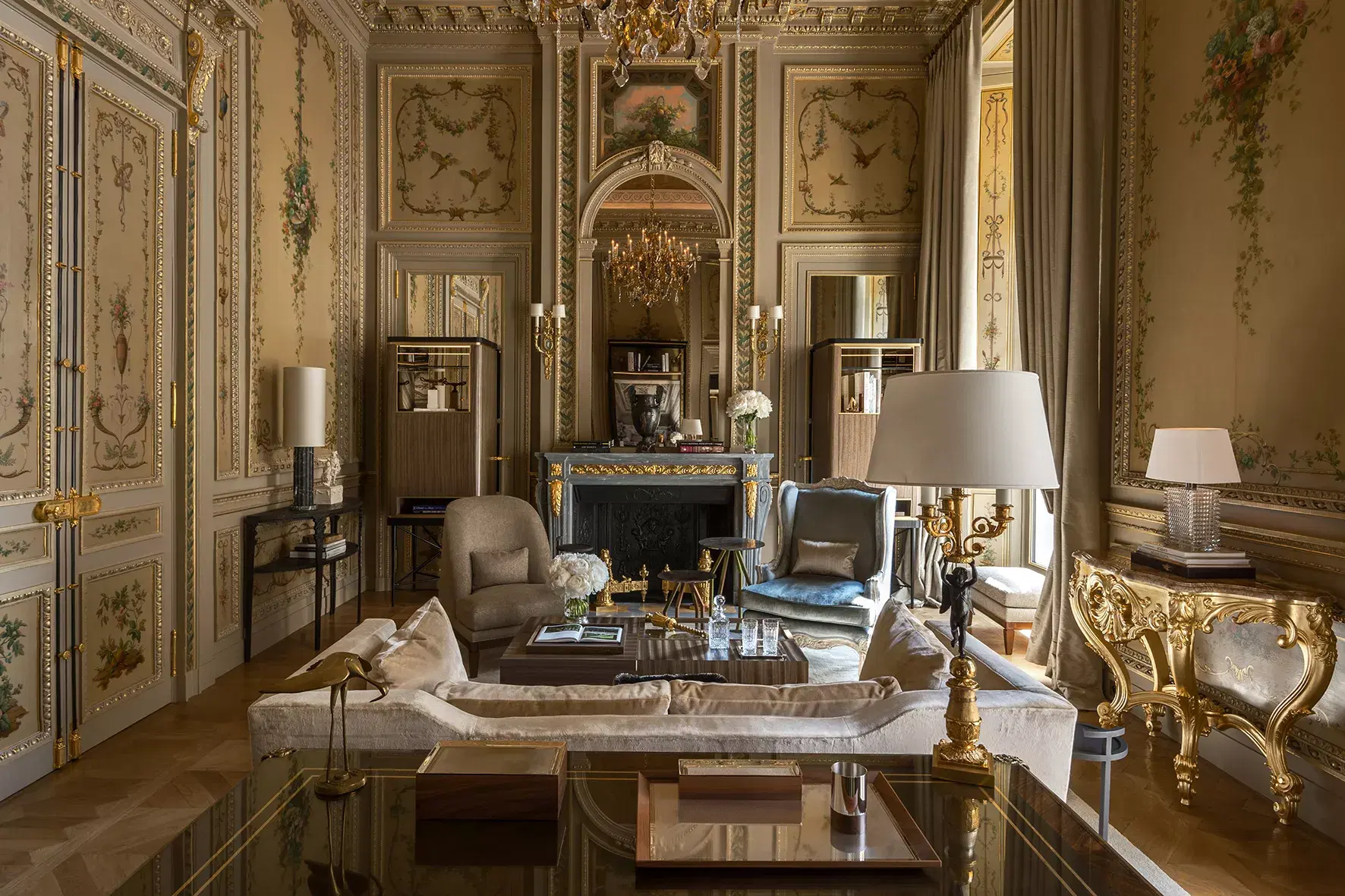
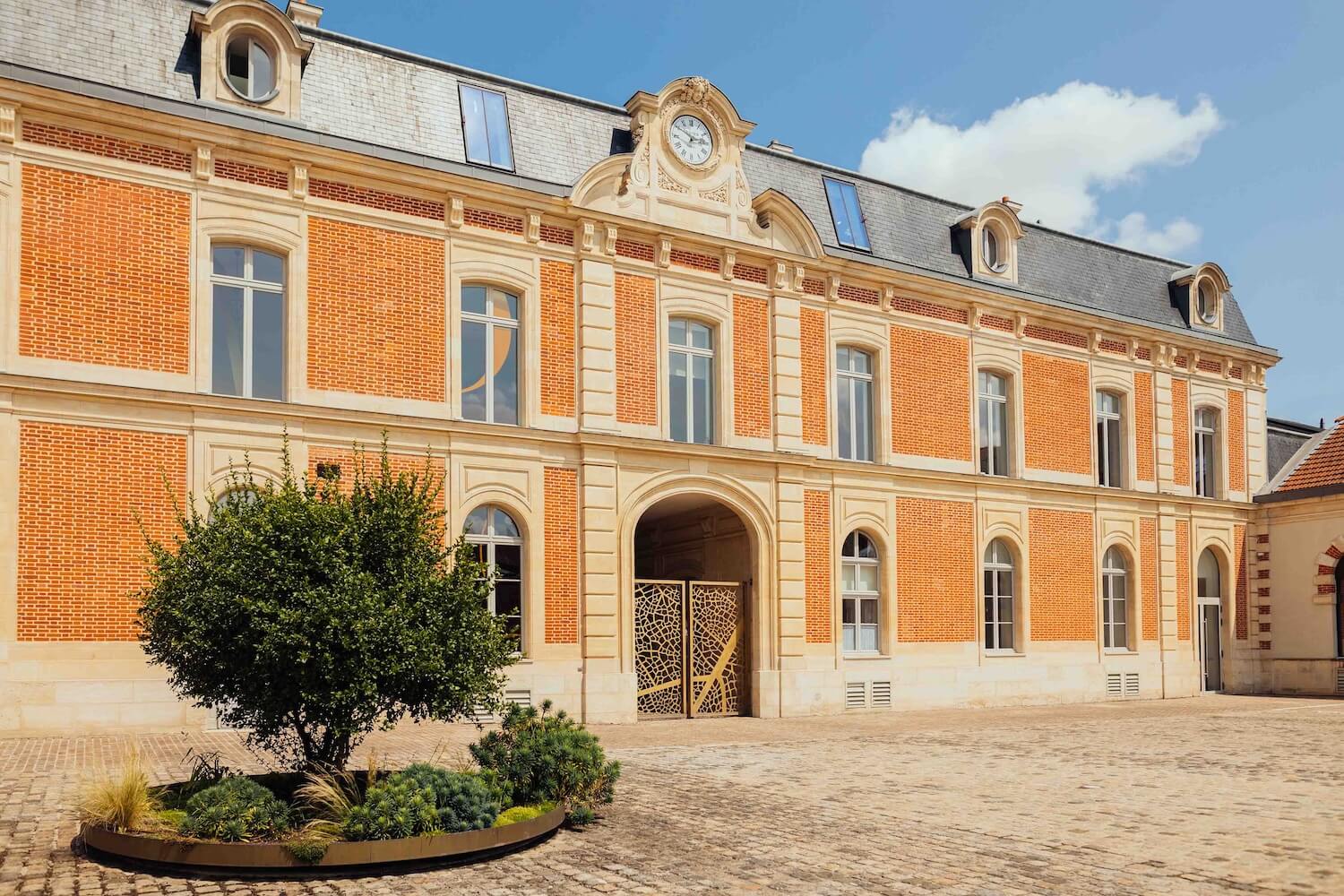
A softly lit, hushed and refined hotel bar with plush seating and a feutred, romantic atmosphere that extends the luxury feel of Le Narcisse Blanc’s interiors, designed for quiet conversation and classic cocktails away from the street.
Know Before You Go
- Getting there
- Hôtel le Narcisse Blanc, 19 Bd de la Tour-Maubourg, 75007 Paris, France