Pietradolce

Pietradolce reads Etna through altitude, lava stone and native varieties rather than through generic Sicilian wine language. The estate’s 2005 start, Etna DOC focus and cellar built around concrete tanks, oak barrel aging and volcanic architecture make it a serious stop for travelers trying to understand why Mount Etna has become one of Italy’s defining wine zones.
Pearl is the En Primeur Club membership app — saves, bookings, and concierge access live there. Same editors, same standards.
- Address
- Castiglione di Sicilia, Sicily, Italien
- Phone
- +39 344 064 0839
- Website
- pietradolce.com
- Directions
- Get directions
 Saves & bookings on Pearl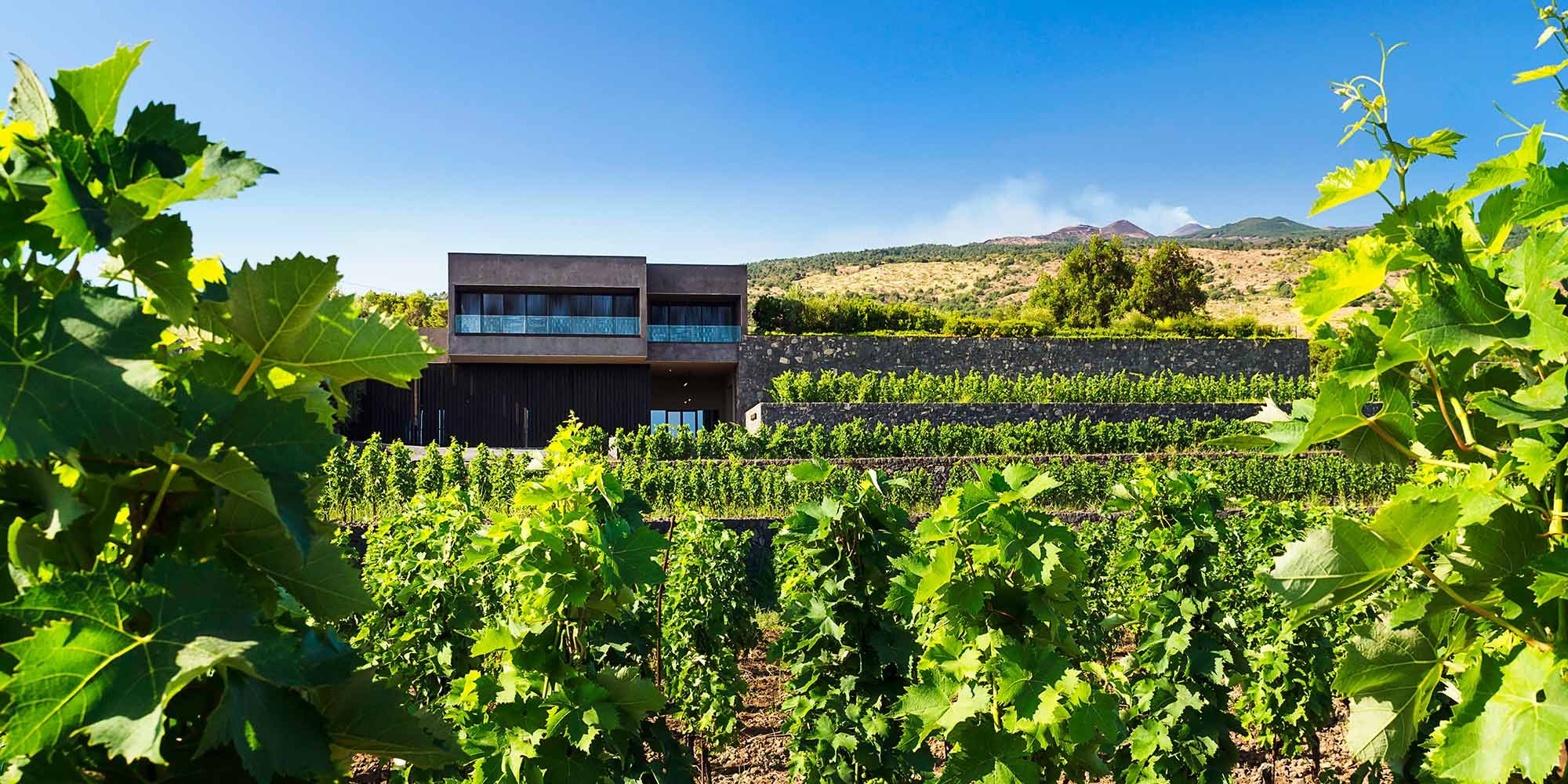
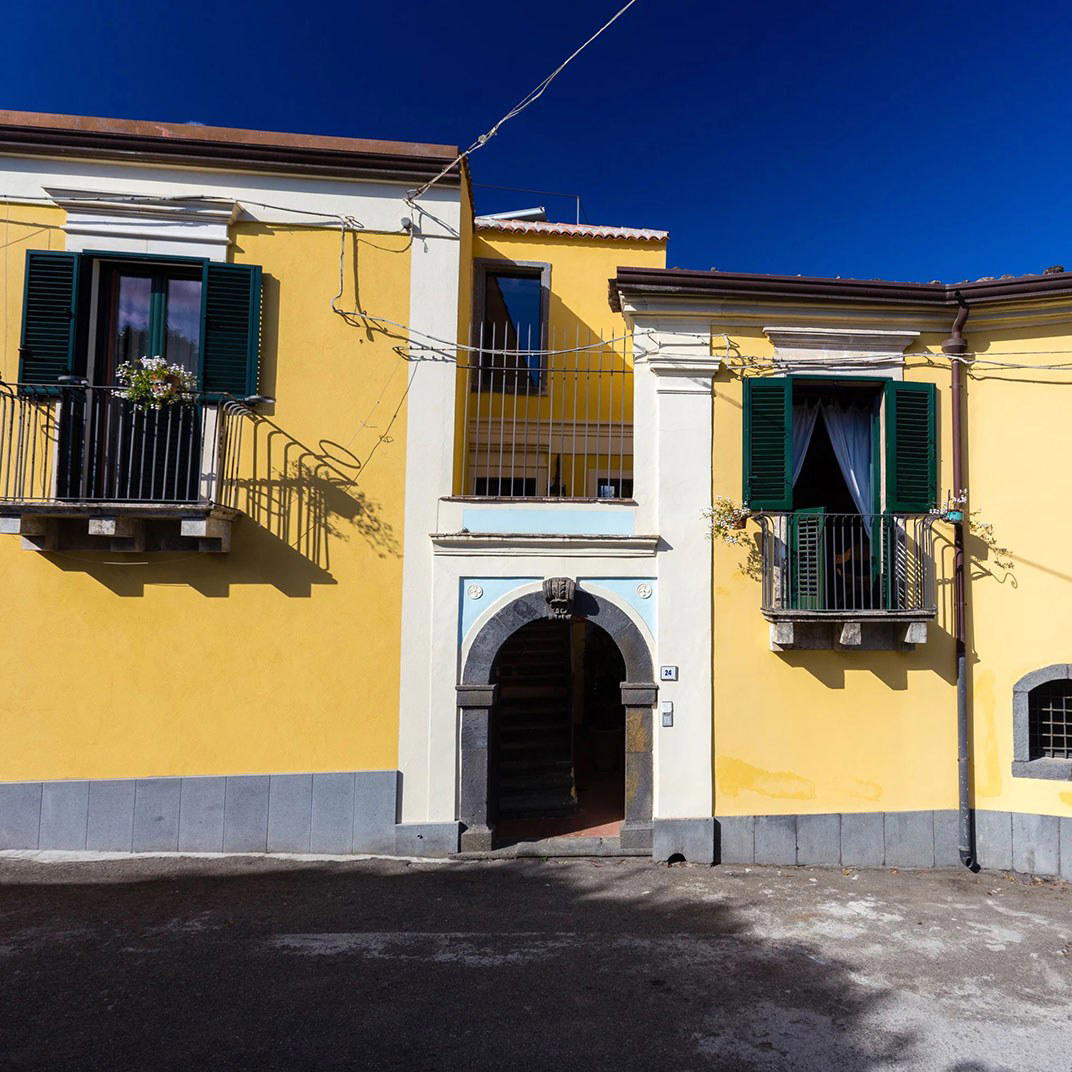
Approaching wine on Mount Etna is never only a matter of bottles. The mountain sets the terms first: black volcanic ground, hard light, vineyards pushed high above the warmer Sicilian lowlands, and cellar architecture that often argue with the slope rather than sit politely on it. Pietradolce belongs to this Etna grammar. Its setting in Solicchiata, near Castiglione di Sicilia, places it on the volcano’s northern side, where altitude, exposure and lava soils have become the language through which serious Etna estates explain themselves.
The estate was opened in 2005 and works within the Etna DOC frame, with a focus on native varieties including Nerello Mascalese, Nerello Cappuccio, Carricante and Catarratto. That matters because Etna’s recent rise has not been built on international grapes or resort-style wine tourism. Its appeal comes from a narrower proposition: mountain viticulture in Sicily, volcanic soils, old agricultural settlements and wines that carry a cooler, more mineral register than many visitors expect from the island.
Altitude and lava stone give the estate its Etna logic
The strongest argument here is geographic. Pietradolce’s vineyards extend across the northern slopes of Mount Etna, with holdings associated with Rampante, Zottorinoto, Santo Spirito and Feudo di Mezzo, plus eastern-slope fruit in Caselle at Milo. The northern sites range from 650 to 950 metres above sea level, while the Milo site sits around 850 metres. Those numbers are not decorative. In Etna wine, elevation is part of the wine’s structure: cooler nights, slower ripening and a mountain profile that separates the region from the broader image of sun-heavy Sicilian production.
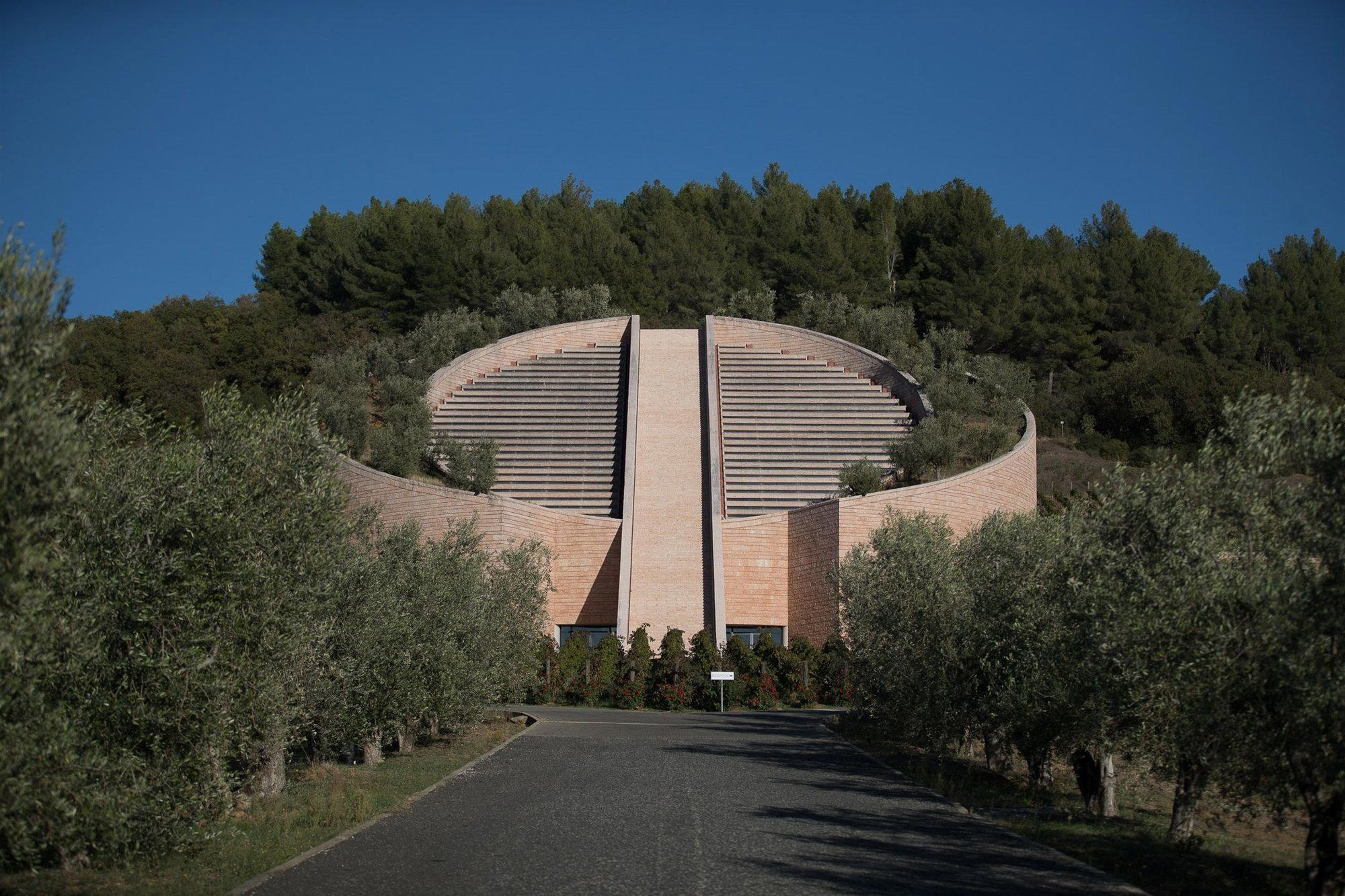
Cellar reinforces the same point in built form. Thick lava-stone walls insulate the vat room, while fermentation takes place in small tulip-shaped raw concrete tanks of 40 hectolitres. Red wines age in oak barrels in an underground barrel room. The sequence is clear: concrete for fermentation, oak for maturation, volcanic stone as both material and message. This is not rusticity performed for visitors; it is a contemporary winery using the geology of Etna as part of its working identity.
That combination also explains the estate’s appeal for wine travelers who are more interested in terroir than in hospitality theatre. The room, the vineyard elevations and the grape choices all point in the same direction. The visit is less about broad Sicilian abundance than about a specific volcanic district learning how to present itself with precision.
Native grapes, controlled scale and a cellar built for interpretation
Etna’s strongest producers tend to make a case for place through disciplined constraint: native grapes, high-altitude parcels, careful cellar choices and a vocabulary that keeps returning to contrade rather than generic regional branding. Pietradolce fits that pattern. Its production scale is boutique by regional standards, with roughly 20 to 35 hectares under vine and output framed in the tens of thousands of bottles rather than industrial volume. That scale matters for visitors because it keeps the estate closer to site expression than to mass-market Sicilian wine.
The variety set is also telling. Nerello Mascalese and Nerello Cappuccio anchor the red-wine identity of Etna, while Carricante and Catarratto speak to the white-wine side of the volcano. The estate’s stated focus covers still red, white and rosé wines, but the more useful editorial point is not the range itself. It is that Etna’s modern reputation depends on native grapes being treated with the seriousness once reserved for more established Italian appellations. Concrete tanks and oak aging sit inside that shift, giving the wines a technical frame without sanding away the place-specific argument.
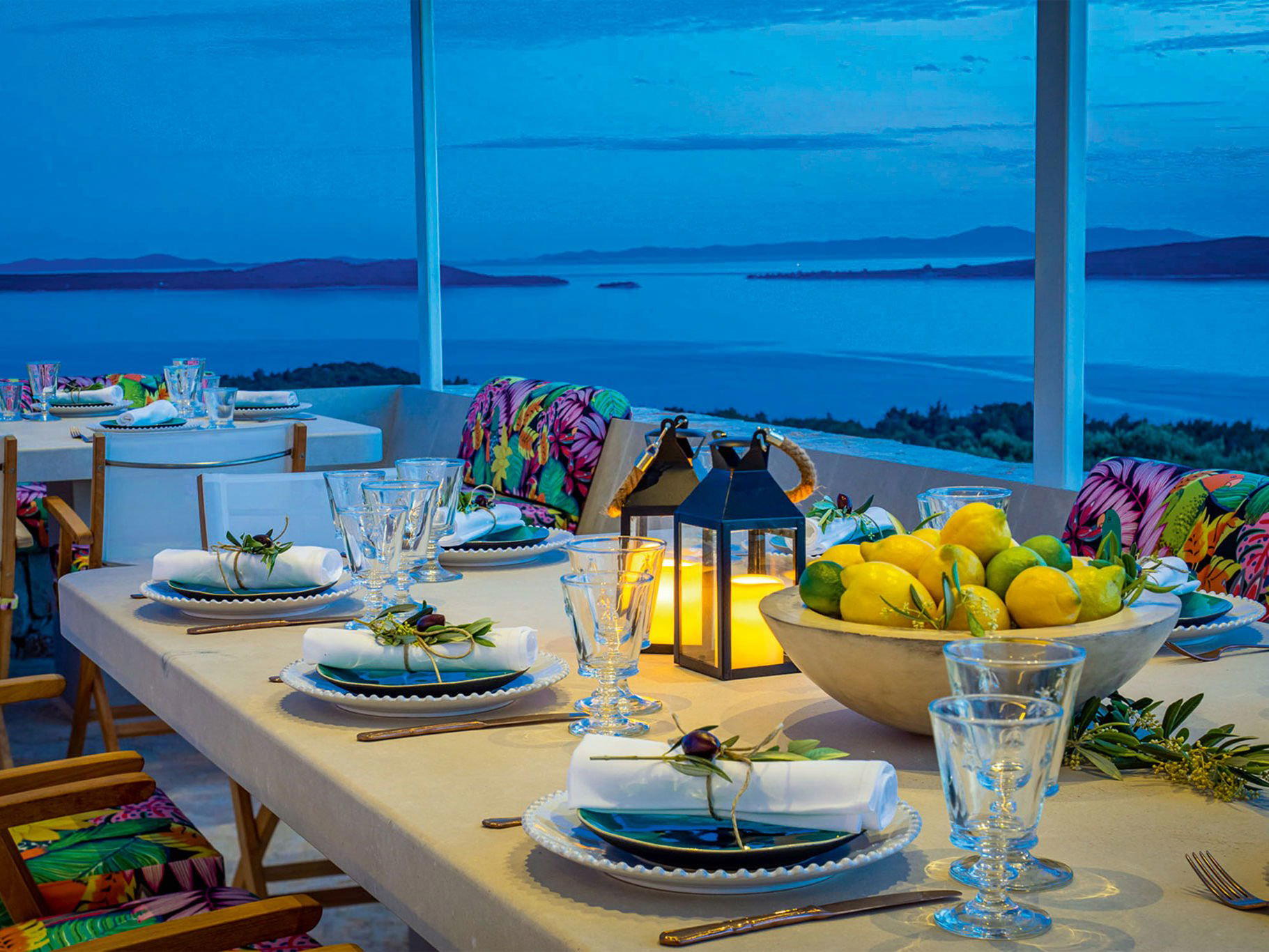
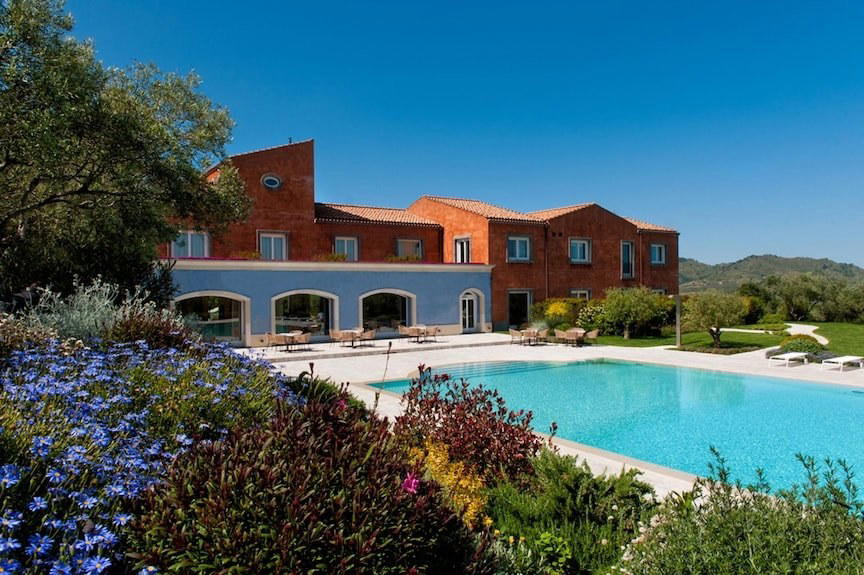
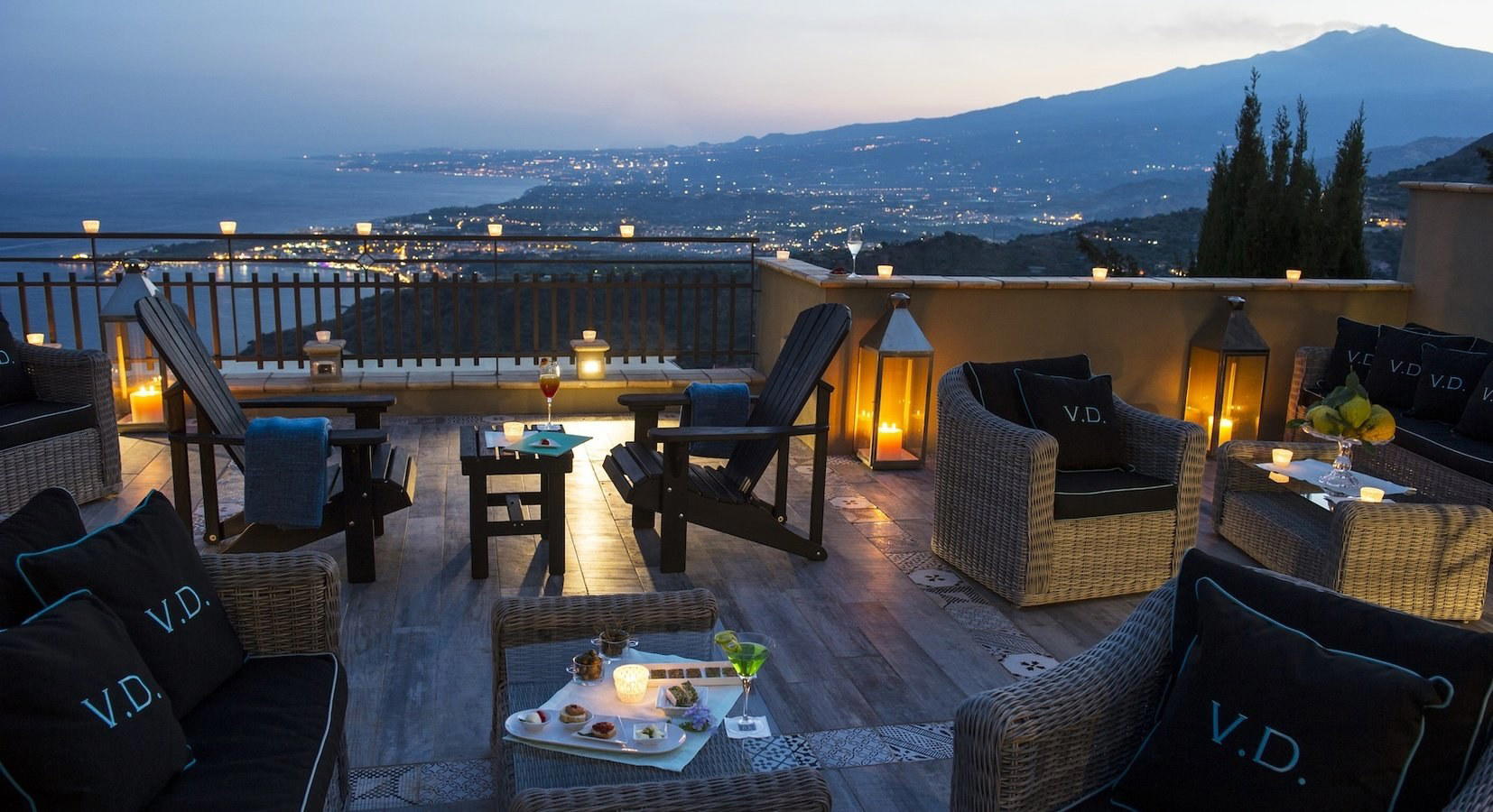
Hospitality follows the same controlled tone. The experience is built around guided tasting, vineyard touring, private tasting and cellar touring, with Italian and English offered. The setting is quiet rather than performative, with mountain and vineyard views, estate grounds, a barrel room and outdoor seating all part of the format. Food pairing is available, and the estate is suited to wine education, small group travel, romantic itineraries, solo exploration and corporate visits. It is not positioned as a children’s stop, and the atmosphere is better read as contemplative than casual.
For a broader Etna itinerary, the surrounding Castiglione di Sicilia wine circuit rewards pacing. Use Our full Castiglione di Sicilia wineries guide to map the area, then compare the region’s different expressions through nearby EP Club entries such as Alberelli di Giodo, Az. Agr. Frank Cornelissen, Carranco, Cottanera and Eduardo Torres Acosta. Those links are useful not because Etna estates are interchangeable, but because the region’s interest comes from how different producers interpret altitude, lava soils and native grapes within a tight geographic frame.
How to place it within a Castiglione di Sicilia trip
Castiglione di Sicilia works well when wine is treated as the anchor rather than an afterthought. The town and its surrounding hamlets sit close to the northern Etna wine zone, so a day can be shaped around cellar visits, vineyard views and a slower reading of the volcano’s agricultural side. Travelers building a fuller stay can pair the wine route with Our full Castiglione di Sicilia restaurants guide, Our full Castiglione di Sicilia hotels guide, Our full Castiglione di Sicilia bars guide and Our full Castiglione di Sicilia experiences guide.
The editorial read is simple: Pietradolce is for travelers who want Etna explained through land, cellar and native grapes, not through a generic tasting-room script. Its 2005 opening gives it enough maturity to feel established within the volcano’s modern wine movement, while the architecture keeps the experience tied to lava stone, concrete and the physical presence of the mountain. For readers extending their wine research beyond Sicily, EP Club’s wider winery index also includes 3GP SRL in Treviso, 47 Anno Domini in Trebaseleghe, A Mano Wine in Noci, »der Steiner« Hans Steiner in Podersdorf am See and & Handwein in Mannheim.
Recognition history
Dated appearances from independent guides and award organizations, with the underlying list record or original source where available.
Falstaff Winery - 5 Stars
Falstaff
Continue exploring
More in Castiglione di Sicilia
Wineries in Castiglione di Sicilia
Browse all →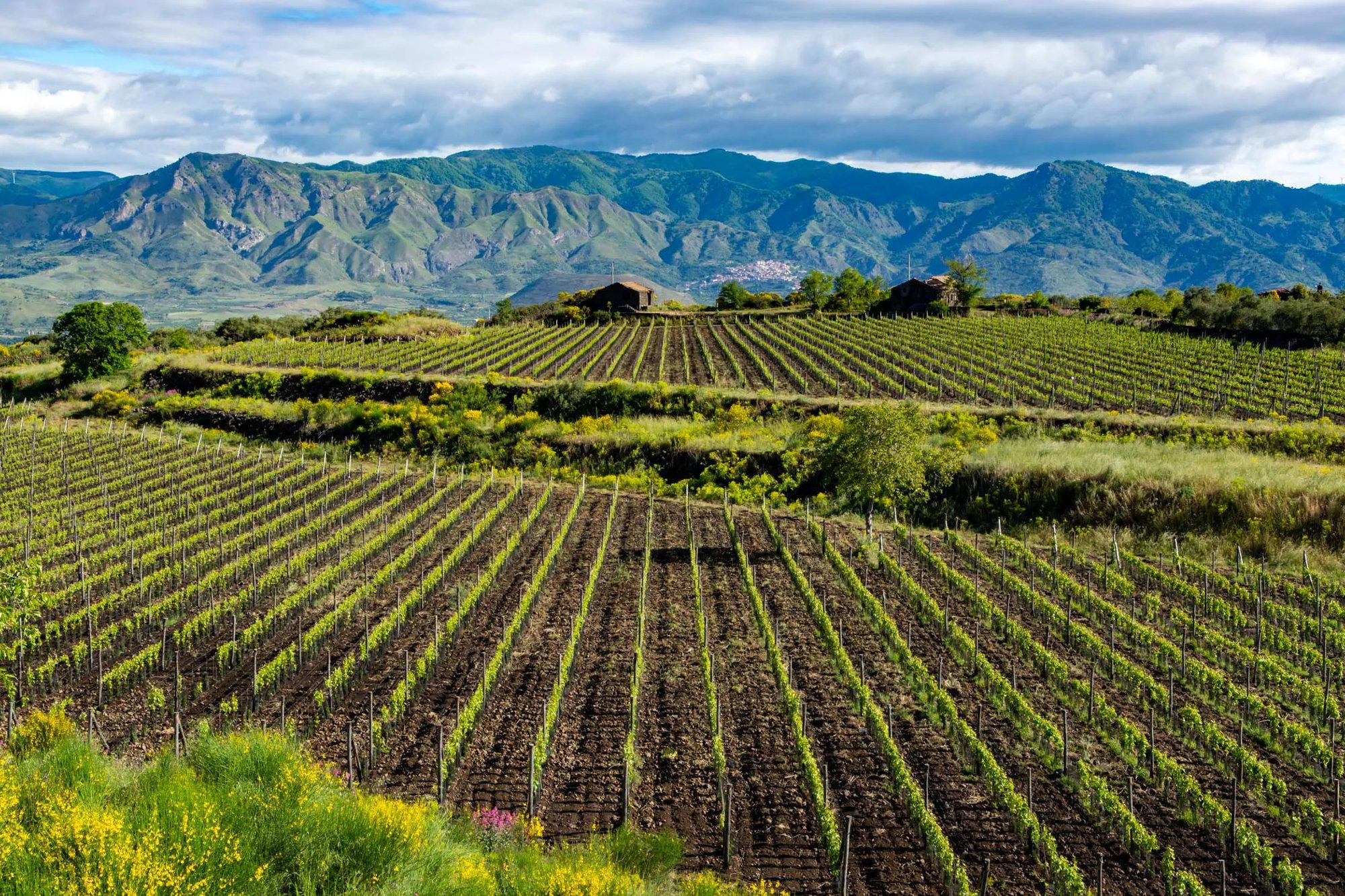
Bars in Castiglione di Sicilia
Browse all →
Restaurants in Castiglione di Sicilia
Browse all →
At a Glance
- Scenic
- Modern
- Rustic
- Elegant
- Well Known
- Wine Education
- Romantic Getaway
- Group Outing
- Special Occasion
- Solo Exploration
- Corporate Event
- Vineyard Tour
- Estate Grounds
- Barrel Room
- Design Destination
- Panoramic View
- Private Tasting
- Sustainable
- Organic
- Dry Farmed
- Mountain
- Vineyard
- Etna DOC
- Nerello Mascalese
- Nerello Cappuccio
- Carricante
- Catarratto
- Still Red
- Still White
- Still Rosé
- Guided Tasting
- Vineyard Tour With Tasting
- Private Tasting
- Cellar Tour
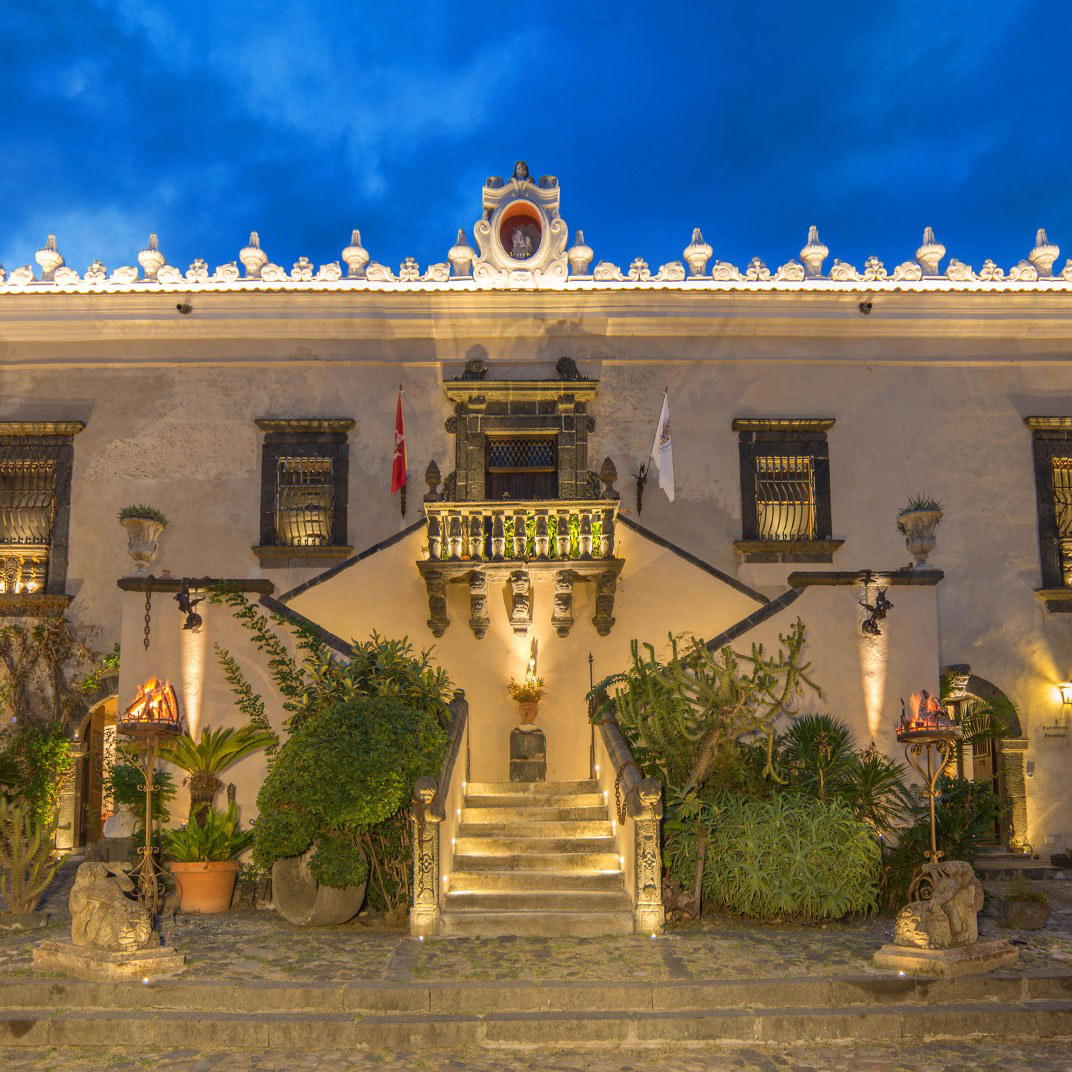
Contemporary yet rooted in Etna’s rural landscape, with lava-stone architecture, underground barrel rooms and artful design elements that create a quiet, contemplative atmosphere focused on the volcano and the vineyards.
Know Before You Go
- Reservations
- Appointment only
- Getting there
- Castiglione di Sicilia, Sicily, Italien