
Falstaff Winery - Listed
Quinta dos Sentidos is a small Algarve estate where wine, olive oil and verjus are presented through a land-first tasting format rather than a conventional cellar-door flight. The draw is the agricultural setting: vineyards, olive groves, fruit gardens, red soil over limestone, underground cellars and a bio-lake folded into a quiet, appointment-led visit.

Pearl is the En Primeur Club membership app — saves, bookings, and concierge access live there. Same editors, same standards.
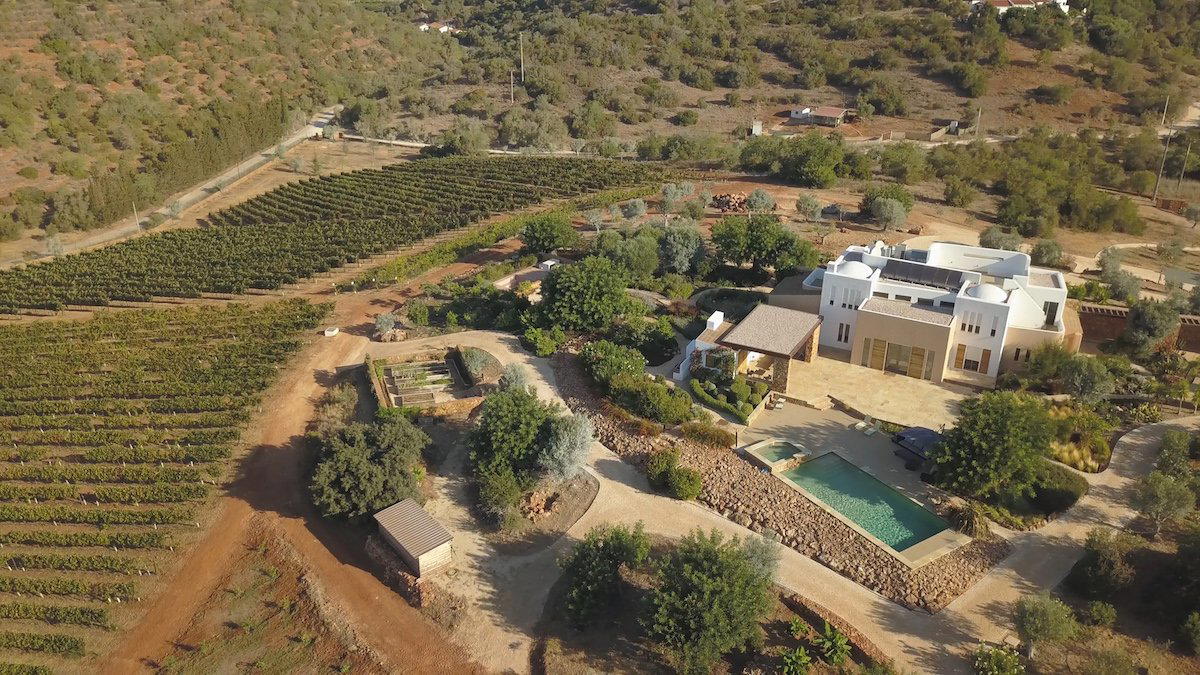
Approach the Algarve through its inland agricultural register and the region changes pitch: less beach-club gloss, more red earth, limestone, orchards and the dry herbal scent of the south. Quinta dos Sentidos belongs to that quieter Algarve, where the estate experience is built around vines, olives, fruit gardens and water, not a tasting bar alone. In a region often read through coastline and resort infrastructure, this is the counterargument: the land is not scenery around the wine, it is the main text.
The estate sits in Tufos, in the Algarve appellation, and has operated since 2013. Production is deliberately small: about 3.5 hectares of vineyards and a family-run model. That matters because Algarve wine tourism can become a scenic holiday add-on; here, the structure is an agricultural walk-through, using vineyard, olive grove, garden and bio-lake to explain why the products belong together. For wider planning, see Our full Tufos wineries guide, alongside Our full Tufos restaurants guide, Our full Tufos hotels guide, Our full Tufos bars guide and Our full Tufos experiences guide.
Red Algarve soil, limestone and a tasting built from the whole estate
Portugal’s better-known wine regions trade on long-established appellation shorthand. The Algarve must persuade drinkers to look beyond tourism and read the agricultural detail. Quinta dos Sentidos makes that case through place: red Silves sandstone, red soil over limestone, orange groves and wild thyme, with vines planted inside a broader cultivated environment rather than isolated as the only crop of interest.
The varieties give the estate a Portuguese-southern frame with international seasoning: Touriga Nacional, Aragonez, Tinta Caiada, Syrah, Arinto and Antão Vaz. That range points to red and white still wines rather than a narrow single-grape proposition. More important is how the visit links wine to olive oil and verjus, placing acidity, fruit, oil and bread within the same Mediterranean table grammar.
The standard tasting includes four premium wines, three olive oils and verjus with bread. It reveals more than a simple flight by asking visitors to compare agricultural products from the same estate ecosystem. Verjus is telling: it pulls the conversation toward acidity and cooking, not just alcohol and bottle hierarchy. For travellers building a broader Portuguese wine route, the contrast with larger or more established addresses such as Adega Cartuxa (Fundação Eugénio de Almeida) in Évora, Adega Cooperativa de Borba in Borba and Adega do Monte Branco in Estremoz is instructive: the Algarve estate experience here is intimate, sensory and cross-category rather than volume-led.
Biodiversity is the estate's operating system, not a decorative claim
Sustainability language is cheap in wine travel; measurable farming detail is more useful. This estate leaves 1.5 hectares as untamed wilderness, supports six bee populations totaling almost half a million bees, and has planted more than 300 species, including 110 fruit-bearing plants, about 40 citrus plants and a separate fruit forest with another 40 fruit types. Those figures change the reading of the place: the garden is not an amenity around the terrace, but part of the estate’s claim about biodiversity, pollination and agricultural balance.
The same logic appears in working practices. Disease control is minimum-intervention, flowering weeds are allowed between rows for green fertilization, and winter composting returns pomace and green cuttings to the soil. Underground cellars use natural insulation, solar energy supports operations, packaging avoids tape, and bottles use certified Portuguese cork. This does not make the estate a technical laboratory; the appeal is grounded. The persuasive force is cumulative: vineyard, orchard, bees, lake, cellar and packaging point in the same direction.
This is where Quinta dos Sentidos has its clearest identity inside Portuguese wine tourism. A visitor comparing routes across the country may use reference points such as 1912Winemakers LDA in Porto, Adega Cooperativa de Ponte de Lima in Ponte de Lima, Adega Cooperativa Regional de Moncao in Monção or Adega do Vadio in Poutena to understand regional difference. Tufos offers a smaller, quieter proposition: not a grand institutional cellar, but a managed agricultural environment where the tasting reads as the final chapter of the walk.
A small-format visit with serious logistical discipline
The hospitality format reinforces the estate’s scale. Visits are by reservation, with a private guided tasting and estate tour rather than a drop-in counter. Group size runs small, the atmosphere is quiet, and the experience can be conducted in Portuguese, English, French, German, Spanish or Danish. Tour duration is listed from 60 to 180 minutes, giving the visit room to be more than a quick pour.
The tour may be led by the owners, the resident winemaker or a sommelière, and the route includes estate grounds such as vineyards, olive groves, gardens and terrace areas. André is named as the hands-on winemaker, but the operational point matters most: in a small estate, production and hospitality sit close together. The person explaining the wine is not separated from the agricultural work by layers of brand theatre.
At $35 per person, the experience sits in an accessible premium bracket for travellers who want more context than a standard tasting without committing to a long formal meal. Dress is casual, children are allowed, groups are accommodated, dogs are not, and shipping is available. Use the visit educationally rather than as celebratory excess: arrive ready to think about Algarve terroir through soil, oil, fruit, water and farming choices. For broader benchmarking beyond Portugal, compare how smaller producer visits differ from winery pages such as Adega Cooperativa de Vale Cambra, CRL in Vale De Cambra, »der Steiner« Hans Steiner in Podersdorf am See and & Handwein in Mannheim.
The critical read is simple: Quinta dos Sentidos is strongest for travellers who care about the relationship between land management and what ends up in the glass. It is less suited to anyone seeking trophy labels, formal awards or a high-volume tasting-room rhythm. The value lies in the coherence of the system: vines beside olives, gardens beside bees, verjus beside wine, and an Algarve identity that makes more sense through red soil than sea views.
Recognition history
Dated appearances from independent guides and award organizations, with the underlying list record or original source where available.
Falstaff Winery - Listed
Falstaff
Continue exploring
More in Tufos

Bars in Tufos
Browse all →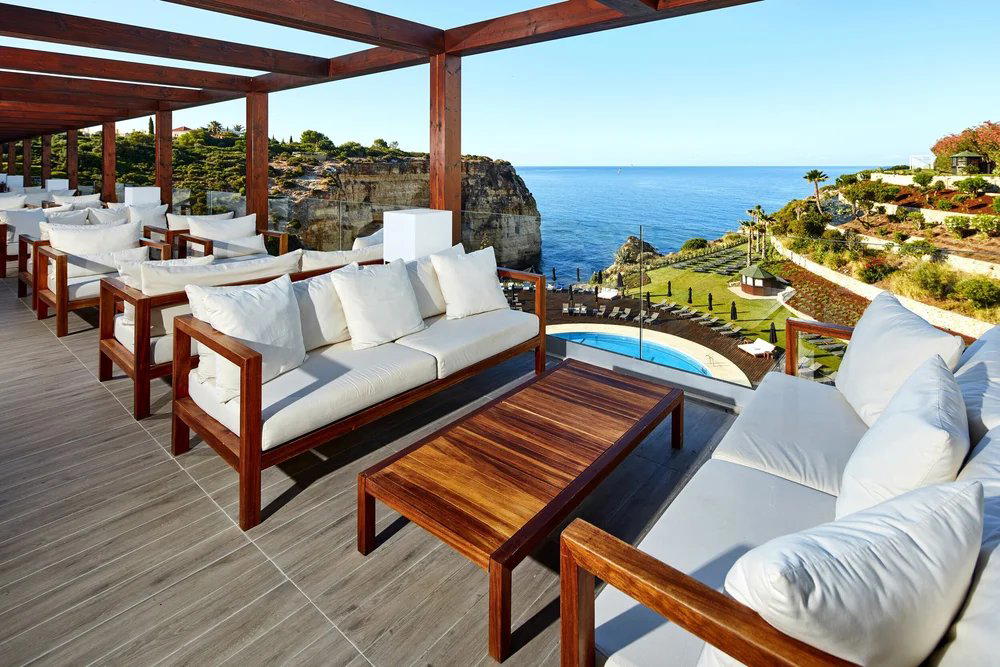
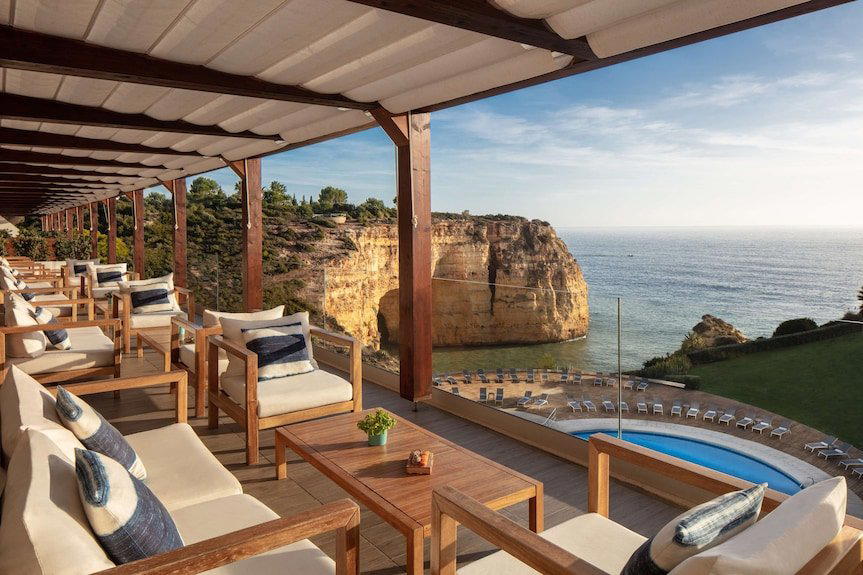
Restaurants in Tufos
Browse all →
Details
- Scenic
- Cozy
- Elegant
- Rustic
- Intimate
- Romantic Getaway
- Group Outing
- Wine Education
- Special Occasion
- Solo Exploration
- Vineyard Tour
- Estate Grounds
- Garden
- Terrace
- Private Tasting
- Sustainable
- Vineyard
- Garden
- Touriga Nacional
- Aragonez
- Tinta Caiada
- Syrah
- Arinto
- Antão Vaz
- Still Red
- Still White
- Private Guided Tasting
- Estate Tour + Tasting
- Wine & Olive Oil Tasting
- Portuguese
- English
- French
- German
- Spanish
- Danish
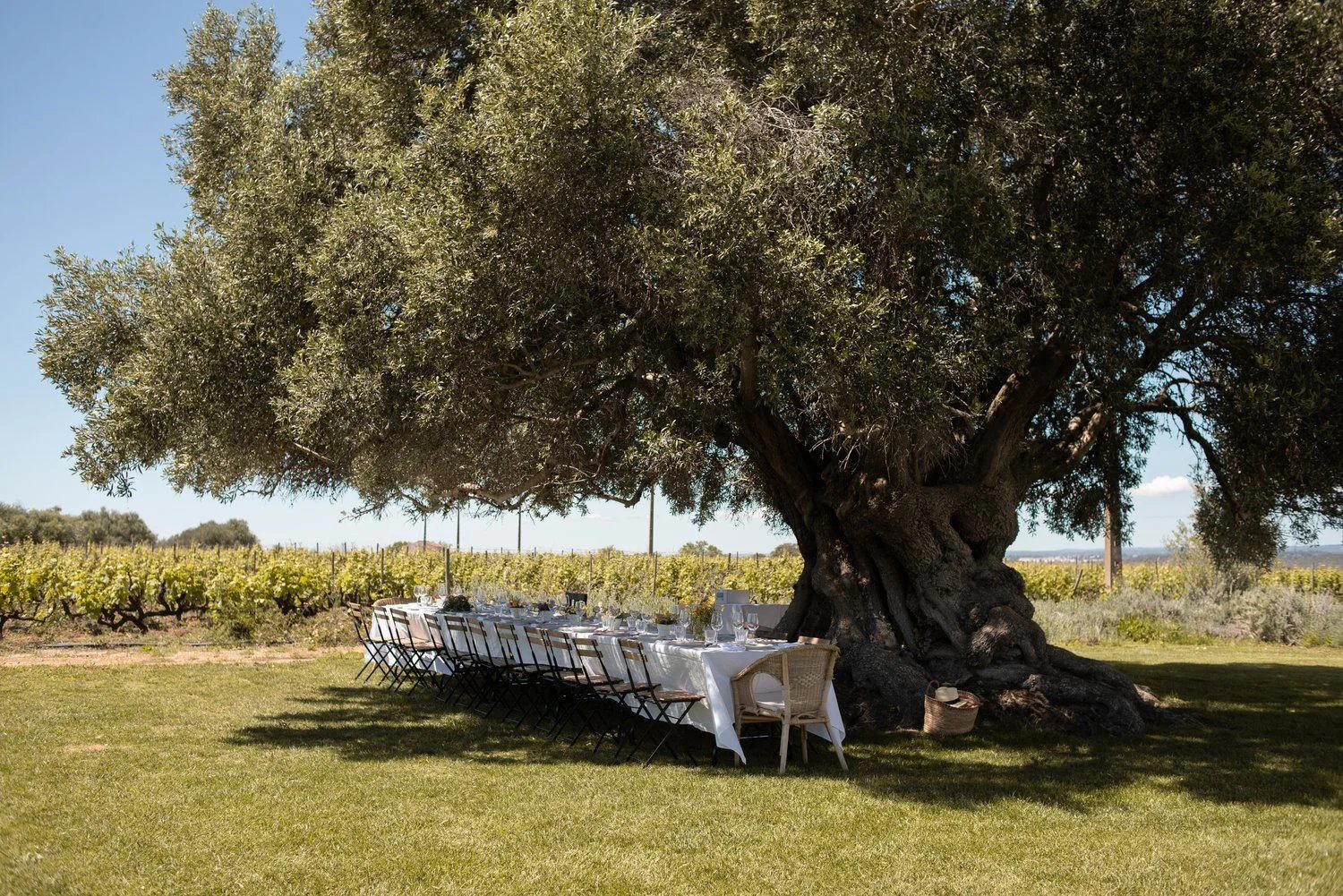
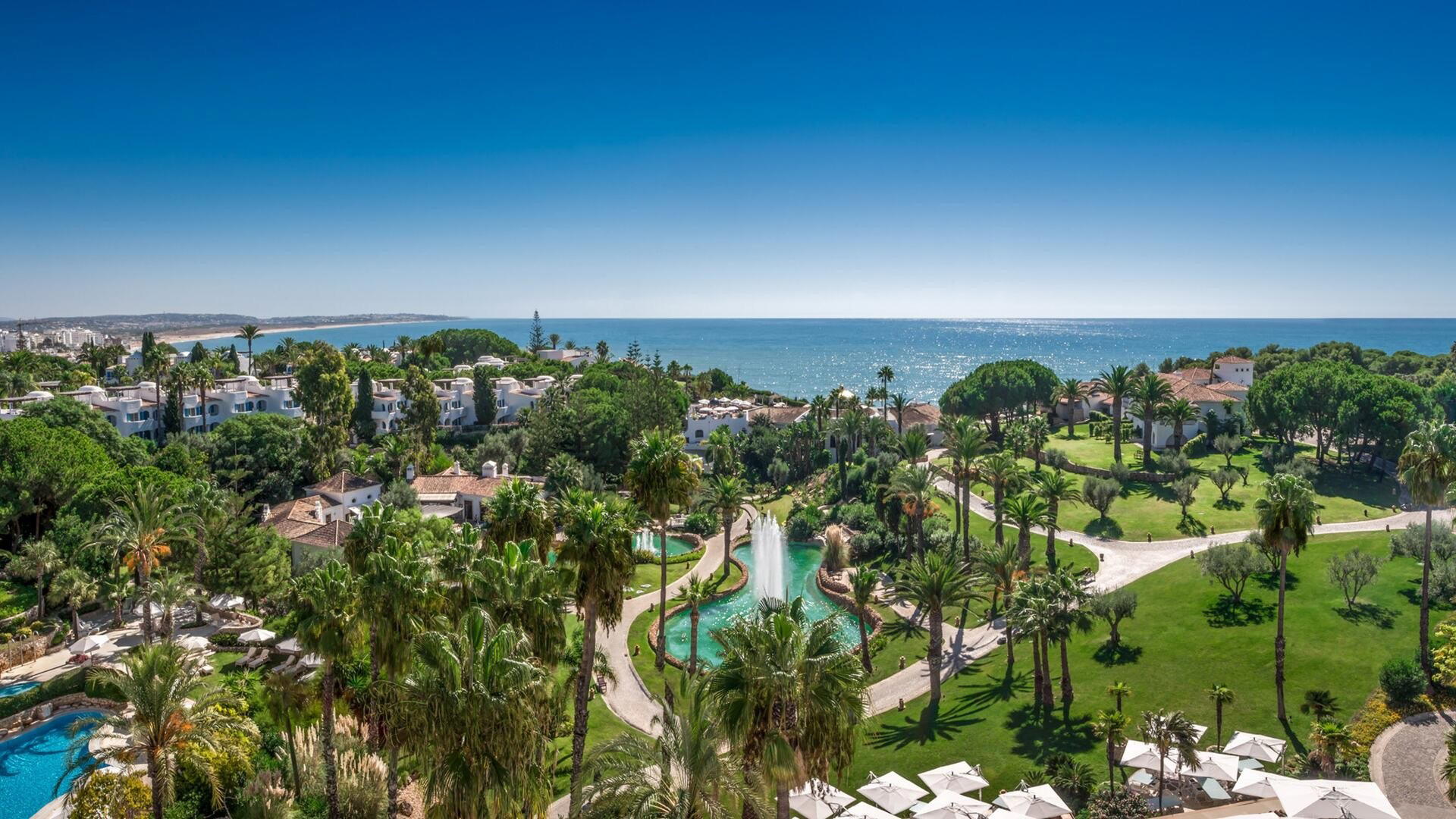
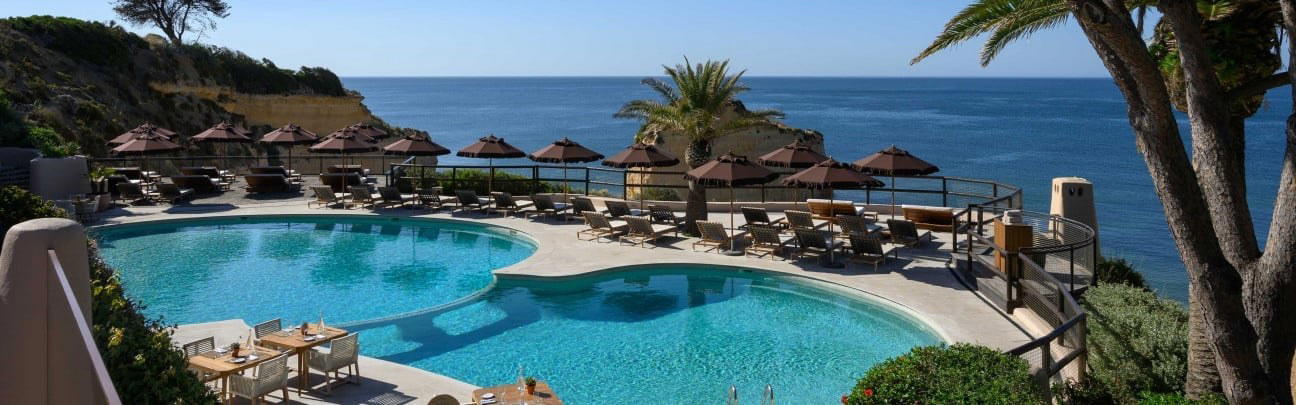
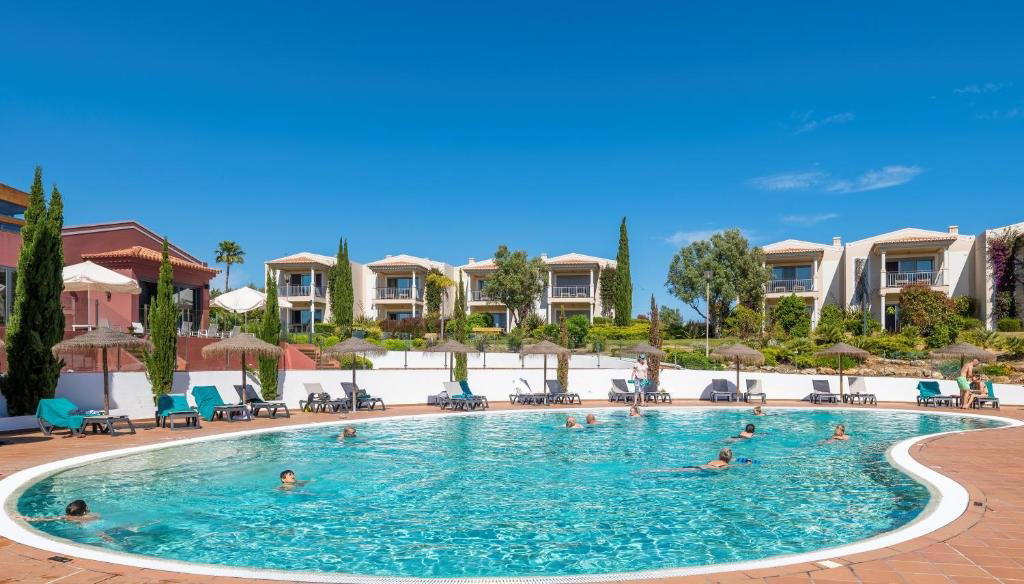
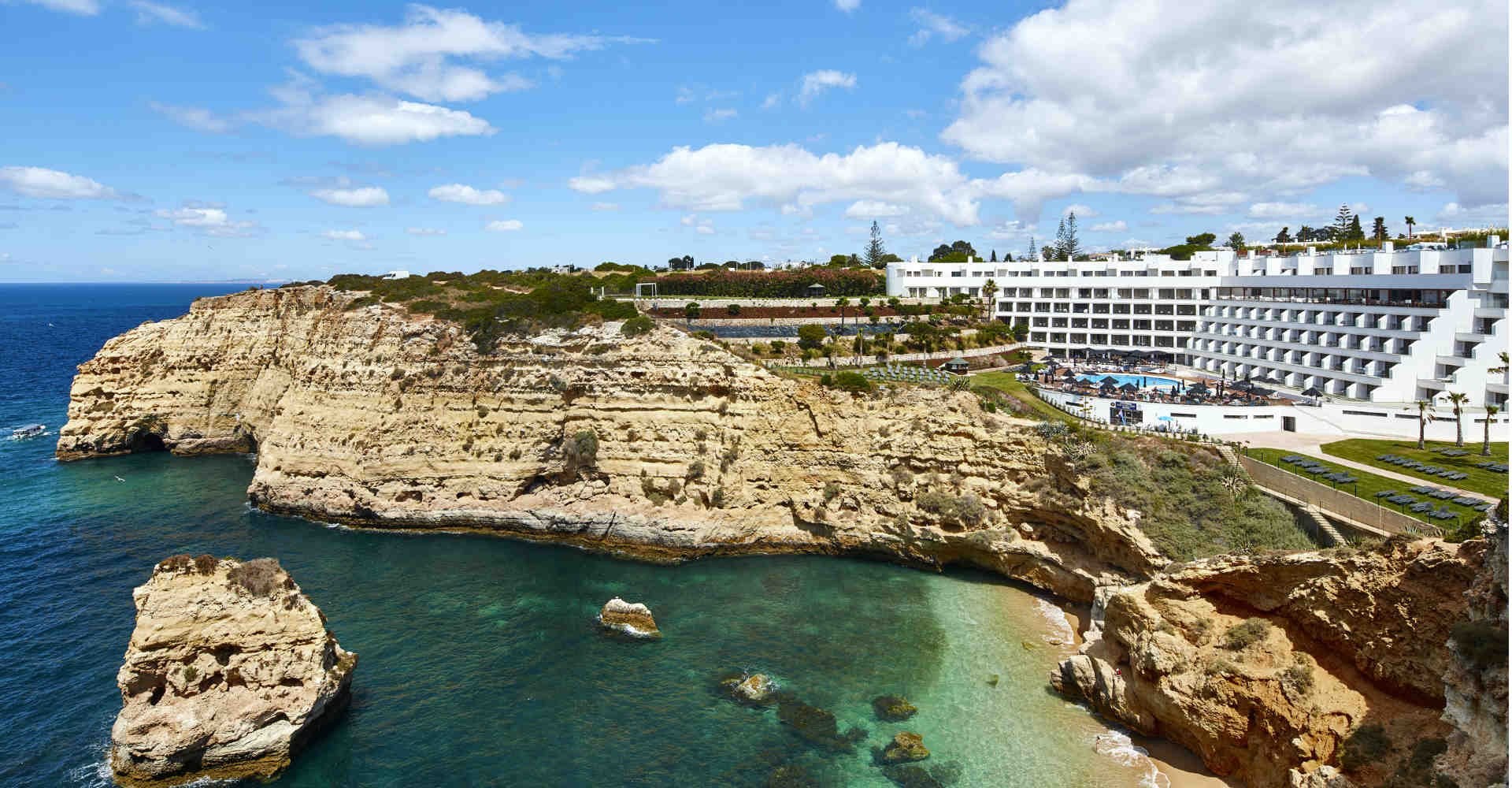
Boutique, peaceful and sensory-focused estate atmosphere with elegant yet cozy covered terrace seating, surrounded by vineyards, olive groves, fruit gardens and a bio-lake, emphasizing closeness to nature and attention to detail.