Aaraha Champagne Bar
Where the Indian Ocean Does Half the Work There is a particular format of resort bar that exists almost nowhere else on earth: a dedicated champagne programme set above open water, where the horizon is unbroken and the tide shifts the light through the afternoon. Aaraha Champagne Bar, on Rangali Island in South Ari Atoll, operates squarely in that format. The atoll itself sits roughly 90 kilometres southwest of Malé, accessible by seaplane in around 30 minutes, which places arrival among the more theatrical approaches in Maldivian hospitality. You cross the lagoon at low altitude, the reef patterns visible through the water below, and land on a pontoon. The bar comes later, but the framing begins in transit. South Ari Atoll occupies a specific position in the Maldives resort hierarchy. It hosts some of the archipelago's longest-established luxury properties and draws divers and marine enthusiasts alongside the standard luxury leisure market, given the atoll's reputation for whale shark and manta ray sightings. That marine character shapes what guests bring to an evening at a champagne bar here: the day has often been spent underwater or on the water, and the shift from that physical immersion to a still, refined glass of something well-chosen carries its own logic. The bar format suits the rhythm of the place. The Case for Champagne in a Tropical Setting Champagne bars as a dedicated category within hotel and resort drinking have expanded considerably over the past two decades. The format has migrated from European grand hotel lobbies, where venues like La Bar du Plaza Athénée in Paris established the template of serious sparkling wine programming in a formal setting, into resort contexts where informality and spectacle coexist. The logic of champagne in a tropical resort is less counterintuitive than it first sounds. High-acid, mineral-driven sparkling wine handles heat and salt air better than most full-bodied reds, and the celebratory register of the category aligns with the occasion structure of resort travel. The interesting editorial question for any champagne bar operating at this latitude is what the programme actually prioritises. In the European hotel bar tradition, depth of vintage selection and by-the-glass prestige cuvées are the primary signals of seriousness. In resort contexts, the cocktail integration often matters as much as the straight champagne list, partly because the guest mix is broader and partly because tropical ingredients offer genuinely useful counterpoints to the wine's acidity. Bars operating in this hybrid space, serious sparkling wine alongside champagne-based cocktails using local citrus, coconut water, or island-grown botanicals, have carved out a distinct identity that differs from both the grand hotel champagne bar and the standard resort cocktail lounge. For context on how cocktail programmes at this level compare across different markets, the approach at Kumiko in Chicago illustrates how a structured drinks philosophy with clear technique can define a bar's identity, while Bar Leather Apron in Honolulu shows how a Pacific setting shapes a programme that takes spirits seriously without abandoning a sense of place. Both operate in the tier where the drinks are the argument, not the backdrop. The Cocktail Programme: Technique and Setting Combined In champagne bar programming, the cocktail list typically splits between two approaches: classical riffs that foreground the wine, French 75 variants, Kir Royale derivatives, Bellini-style fruit integrations, and more technically ambitious compositions where champagne acts as a finishing element or acidic backbone for a multi-ingredient build. The first approach suits venues that want the champagne to remain the visible hero; the second suits programmes that are making a broader argument about the bartender's craft. Bars operating in the second mode tend to draw comparisons with venues like Jewel of the South in New Orleans, where historical cocktail forms are reinterpreted with technical rigour, or Café La Trova in Miami, where cultural specificity drives the menu logic. The difference in a resort setting is that the audience is more varied and the occasion is often celebratory rather than inquisitive, which pushes most programmes toward accessibility without entirely abandoning craft. Superbueno in New York City navigates a version of this tension, high-technique drinks in a context that prioritises energy over ceremony, and the solution usually involves a tiered menu where approachable signatures sit alongside more demanding compositions. Whatever the specific programme at Aaraha, the champagne bar format in a setting like Rangali Island carries an inherent advantage: the environment lowers the barrier to engagement. Guests who would not seek out a technically serious bar in an urban context are receptive to a well-constructed drink when the alternative is watching the sun drop below the Indian Ocean. That is not a small thing. Some of the leading drinking occasions happen not because someone sought out a great bar, but because a great bar happened to be where they already were. Peer Bars and Where Aaraha Sits Within the Maldives, dedicated champagne programming at this level operates in a narrow tier. The broader regional bar scene includes venues like Amber in South Malé Atoll, which represents the kind of resort bar programming that takes its drinks seriously within the archipelago's specific hospitality context. For a broader read on what serious bar culture looks like across different formats and cities, the full South Ari Atoll restaurants and bars guide places Aaraha within its local competitive set. Compared against champagne bar formats in European hotel contexts, the Maldivian version trades formality for immediacy, the dress code relaxes, the setting does more narrative work, and the guest's relationship with the environment is more physical. Bars like The Parlour in Frankfurt, Dear Irving in New York City, or Experimental Bistro in Taipei each make their argument through design, programming, and a specific urban context. Aaraha makes its argument differently: the ocean is part of the drink. That is neither a lesser nor a greater case, but it is a distinct one, and it belongs to a category of bar experience that is genuinely difficult to replicate in a landlocked or urban setting. Travel to Rangali Island requires a domestic or seaplane connection from Velana International Airport in Malé. Seaplane transfers operate during daylight hours, which means early arrival flights maximise flexibility. The island's resort structure means the bar operates within a closed hospitality environment, accessible primarily to guests staying on-property. Planning a visit around Aaraha specifically means factoring in the broader resort booking process rather than a standalone reservation. For guests already committed to South Ari Atoll, Julep in Houston offers an interesting point of contrast as a bar where a defined drinks identity was built in a specific cultural context, the comparison underscores how different the conditions for bar-making can be, and how differently success gets defined. Frequently Asked Questions Is Aaraha Champagne Bar more formal or casual? Resort champagne bars in the Maldives generally sit closer to smart-casual than formal. The setting, open water, tropical climate, a guest base on holiday, tends to pull dress codes away from the stricter conventions of a European hotel champagne bar. Without specific dress code data confirmed for Aaraha, the reasonable expectation is relaxed relative to city equivalents, though resort attire norms typically still favour presentable evening wear over beachwear. What's the signature drink at Aaraha Champagne Bar? No specific signature drink data is confirmed in the available record for Aaraha. In champagne bar formats at this tier, programmes typically anchor around prestige cuvée pours by the glass alongside champagne-based cocktails. The specific menu and any signature builds would be confirmed directly with the resort. What's the standout thing about Aaraha Champagne Bar? The format itself is the argument. A dedicated champagne programme set on Rangali Island in South Ari Atoll, roughly 90 kilometres from Malé, places the drinking experience within an environment that very few bar formats can replicate. The combination of an over-water or lagoon-facing setting with a structured champagne focus is a narrow category globally, and South Ari Atoll's position within the Maldives resort hierarchy means the surrounding context supports a premium standard. What's the ideal way to book Aaraha Champagne Bar? Access to Aaraha is through the Rangali Island resort booking process. The bar operates within a closed resort environment, so independent reservations outside of a resort stay are not the standard arrangement. Guests should confirm bar access and any reservation requirements directly when booking their resort accommodation. Is Aaraha Champagne Bar good value for a bar? Champagne bars operating within luxury Maldivian resorts price at the premium end of the global bar market by structure, the operating costs of a remote island property, combined with champagne import logistics, set a floor that sits well above urban equivalents. Whether that pricing represents value depends on the quality and depth of the champagne programme, which would need to be assessed against the specific list and by-the-glass options on offer at the time of visit. Can you visit Aaraha Champagne Bar as an activity from another island or resort? Resort bars on private island properties in the Maldives are almost universally accessible only to staying guests, given the closed-access nature of individual resort islands. Rangali Island follows this model, meaning a visit to Aaraha requires booking accommodation at the property rather than arriving independently from a neighbouring island. This is a structural feature of Maldivian resort hospitality rather than a specific policy of this bar, and it applies across the atoll's premium properties.

Pearl is the En Primeur Club membership app, where members save venues, book tables and use the concierge.
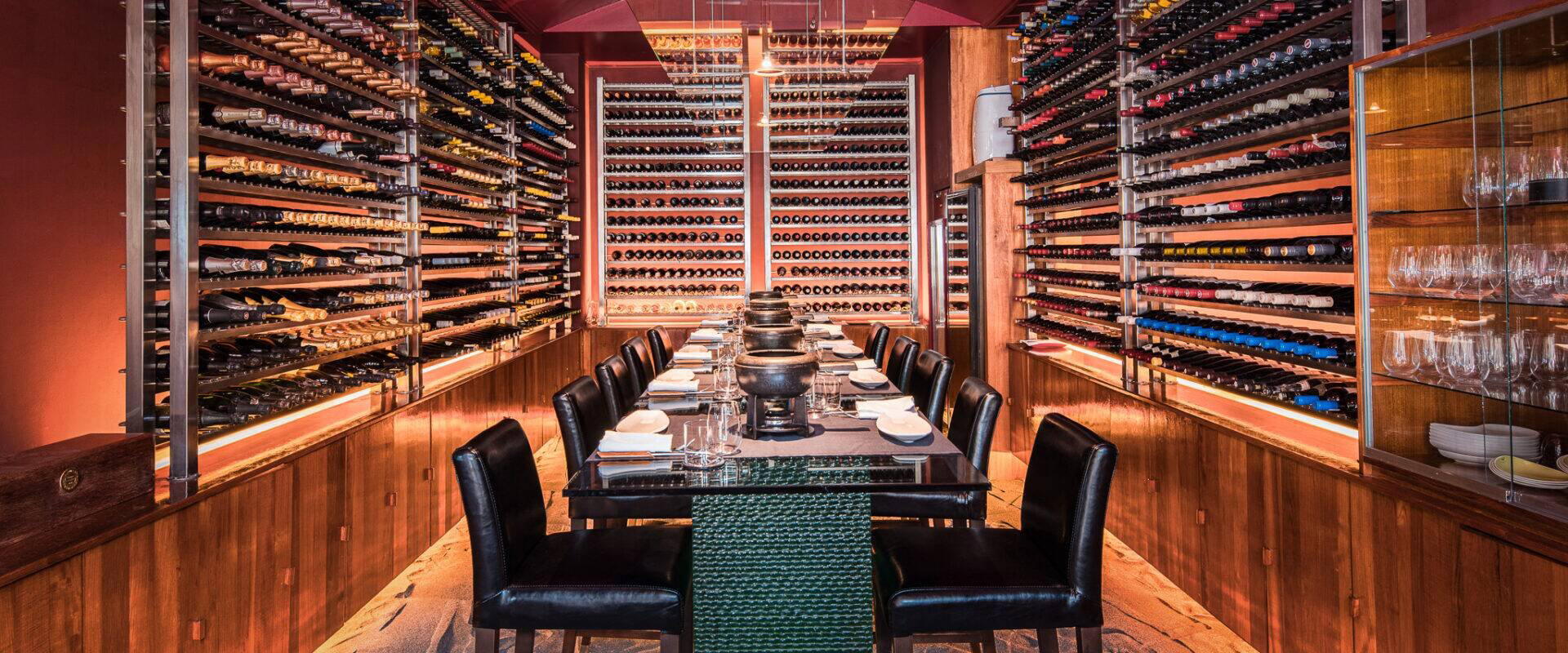
Where the Indian Ocean Does Half the Work
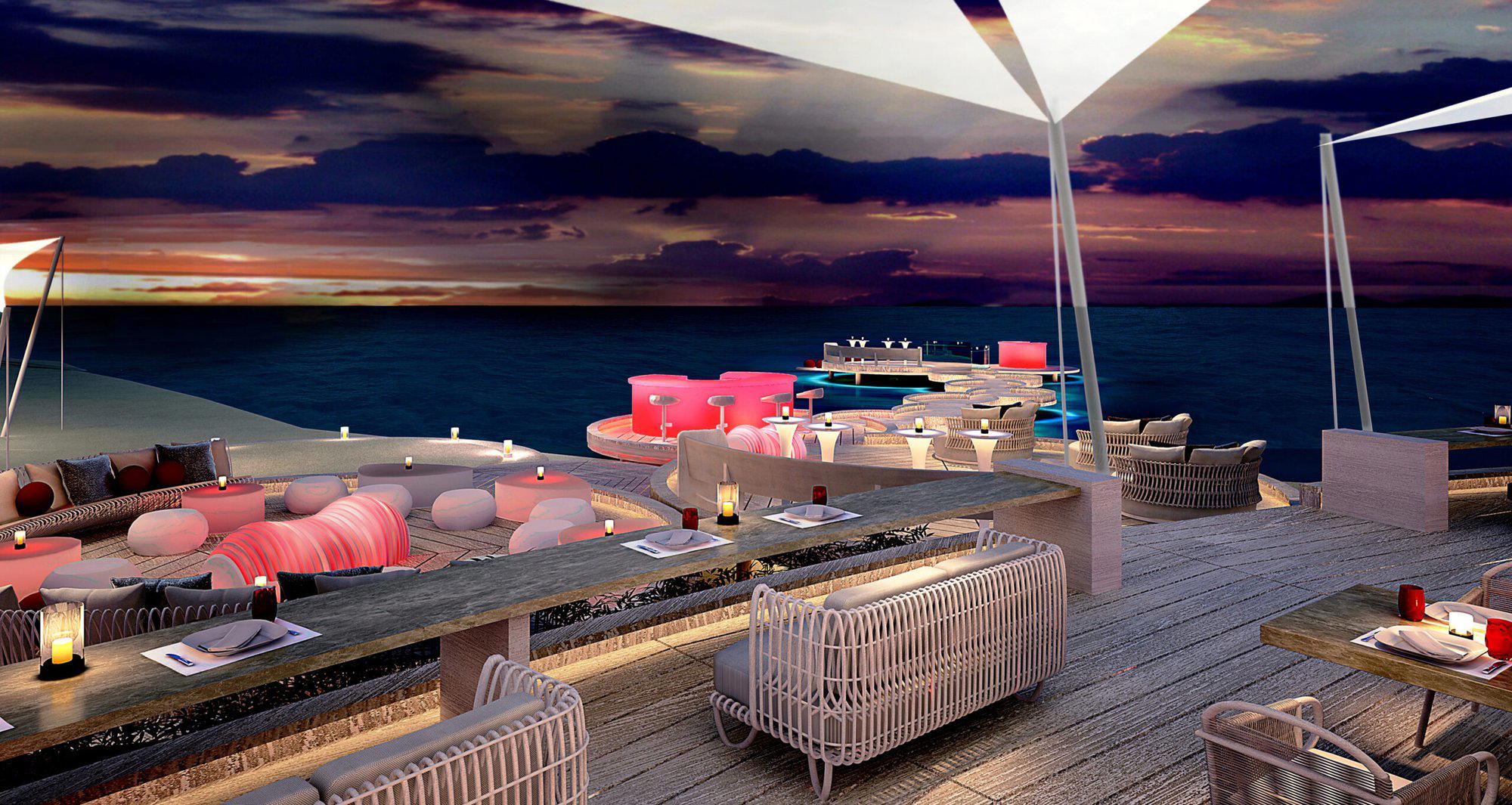
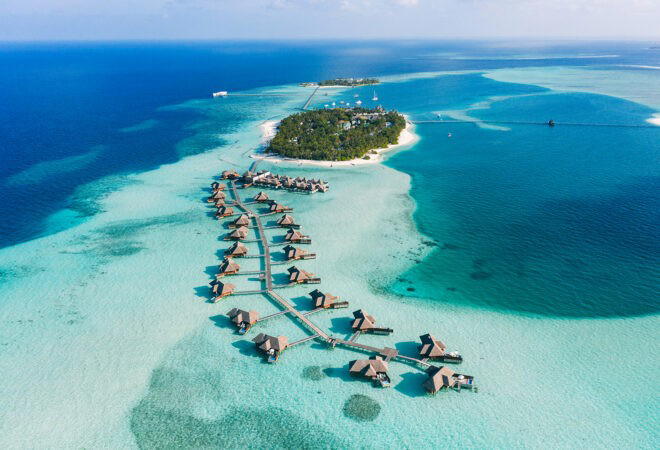
There is a particular format of resort bar that exists almost nowhere else on earth: a dedicated champagne programme set above open water, where the horizon is unbroken and the tide shifts the light through the afternoon. Aaraha Champagne Bar, on Rangali Island in South Ari Atoll, operates squarely in that format. The atoll itself sits roughly 90 kilometres southwest of Malé, accessible by seaplane in around 30 minutes, which places arrival among the more theatrical approaches in Maldivian hospitality. You cross the lagoon at low altitude, the reef patterns visible through the water below, and land on a pontoon. The bar comes later, but the framing begins in transit.
South Ari Atoll occupies a specific position in the Maldives resort hierarchy. It hosts some of the archipelago's longest-established luxury properties and draws divers and marine enthusiasts alongside the standard luxury leisure market, given the atoll's reputation for whale shark and manta ray sightings. That marine character shapes what guests bring to an evening at a champagne bar here: the day has often been spent underwater or on the water, and the shift from that physical immersion to a still, refined glass of something well-chosen carries its own logic. The bar format suits the rhythm of the place.
The Case for Champagne in a Tropical Setting
Champagne bars as a dedicated category within hotel and resort drinking have expanded considerably over the past two decades. The format has migrated from European grand hotel lobbies, where venues like La Bar du Plaza Athénée in Paris established the template of serious sparkling wine programming in a formal setting, into resort contexts where informality and spectacle coexist. The logic of champagne in a tropical resort is less counterintuitive than it first sounds. High-acid, mineral-driven sparkling wine handles heat and salt air better than most full-bodied reds, and the celebratory register of the category aligns with the occasion structure of resort travel.
The interesting editorial question for any champagne bar operating at this latitude is what the programme actually prioritises. In the European hotel bar tradition, depth of vintage selection and by-the-glass prestige cuvées are the primary signals of seriousness. In resort contexts, the cocktail integration often matters as much as the straight champagne list, partly because the guest mix is broader and partly because tropical ingredients offer genuinely useful counterpoints to the wine's acidity. Bars operating in this hybrid space, serious sparkling wine alongside champagne-based cocktails using local citrus, coconut water, or island-grown botanicals, have carved out a distinct identity that differs from both the grand hotel champagne bar and the standard resort cocktail lounge.
For context on how cocktail programmes at this level compare across different markets, the approach at Kumiko in Chicago illustrates how a structured drinks philosophy with clear technique can define a bar's identity, while Bar Leather Apron in Honolulu shows how a Pacific setting shapes a programme that takes spirits seriously without abandoning a sense of place. Both operate in the tier where the drinks are the argument, not the backdrop.
The Cocktail Programme: Technique and Setting Combined
In champagne bar programming, the cocktail list typically splits between two approaches: classical riffs that foreground the wine, French 75 variants, Kir Royale derivatives, Bellini-style fruit integrations, and more technically ambitious compositions where champagne acts as a finishing element or acidic backbone for a multi-ingredient build. The first approach suits venues that want the champagne to remain the visible hero; the second suits programmes that are making a broader argument about the bartender's craft.
Bars operating in the second mode tend to draw comparisons with venues like Jewel of the South in New Orleans, where historical cocktail forms are reinterpreted with technical rigour, or Café La Trova in Miami, where cultural specificity drives the menu logic. The difference in a resort setting is that the audience is more varied and the occasion is often celebratory rather than inquisitive, which pushes most programmes toward accessibility without entirely abandoning craft. Superbueno in New York City navigates a version of this tension, high-technique drinks in a context that prioritises energy over ceremony, and the solution usually involves a tiered menu where approachable signatures sit alongside more demanding compositions.
Whatever the specific programme at Aaraha, the champagne bar format in a setting like Rangali Island carries an inherent advantage: the environment lowers the barrier to engagement. Guests who would not seek out a technically serious bar in an urban context are receptive to a well-constructed drink when the alternative is watching the sun drop below the Indian Ocean. That is not a small thing. Some of the leading drinking occasions happen not because someone sought out a great bar, but because a great bar happened to be where they already were.
Peer Bars and Where Aaraha Sits
Within the Maldives, dedicated champagne programming at this level operates in a narrow tier. The broader regional bar scene includes venues like Amber in South Malé Atoll, which represents the kind of resort bar programming that takes its drinks seriously within the archipelago's specific hospitality context. For a broader read on what serious bar culture looks like across different formats and cities, the full South Ari Atoll restaurants and bars guide places Aaraha within its local competitive set.
Compared against champagne bar formats in European hotel contexts, the Maldivian version trades formality for immediacy, the dress code relaxes, the setting does more narrative work, and the guest's relationship with the environment is more physical. Bars like The Parlour in Frankfurt, Dear Irving in New York City, or Experimental Bistro in Taipei each make their argument through design, programming, and a specific urban context. Aaraha makes its argument differently: the ocean is part of the drink. That is neither a lesser nor a greater case, but it is a distinct one, and it belongs to a category of bar experience that is genuinely difficult to replicate in a landlocked or urban setting.
Travel to Rangali Island requires a domestic or seaplane connection from Velana International Airport in Malé. Seaplane transfers operate during daylight hours, which means early arrival flights maximise flexibility. The island's resort structure means the bar operates within a closed hospitality environment, accessible primarily to guests staying on-property. Planning a visit around Aaraha specifically means factoring in the broader resort booking process rather than a standalone reservation. For guests already committed to South Ari Atoll, Julep in Houston offers an interesting point of contrast as a bar where a defined drinks identity was built in a specific cultural context, the comparison underscores how different the conditions for bar-making can be, and how differently success gets defined.
Continue exploring
More in South Ari Atoll
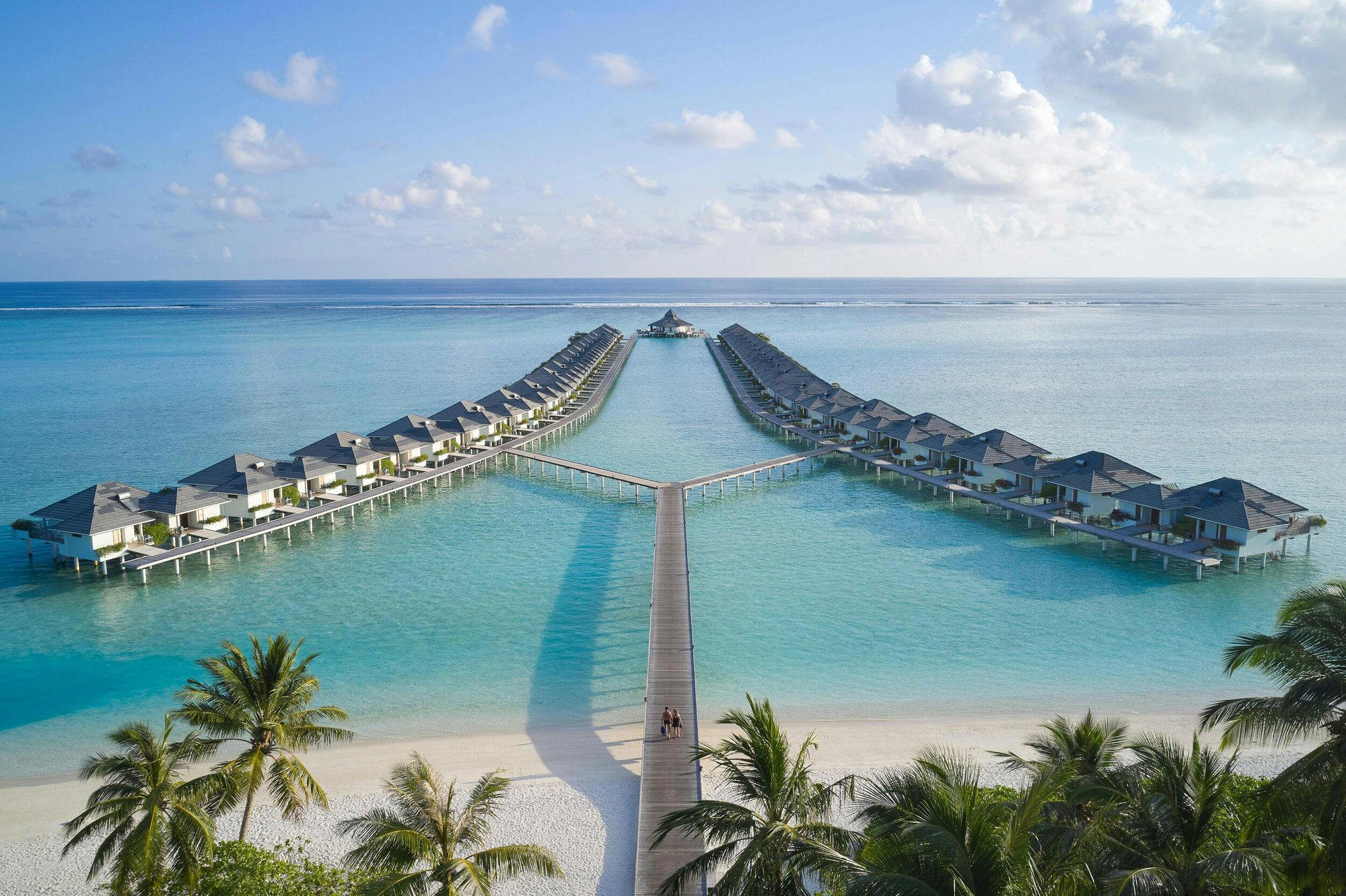
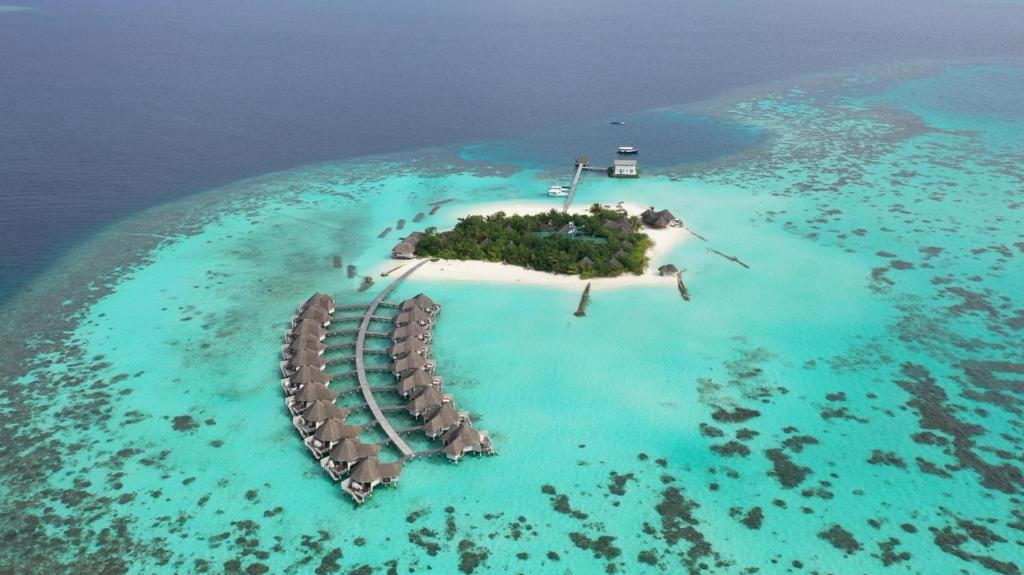
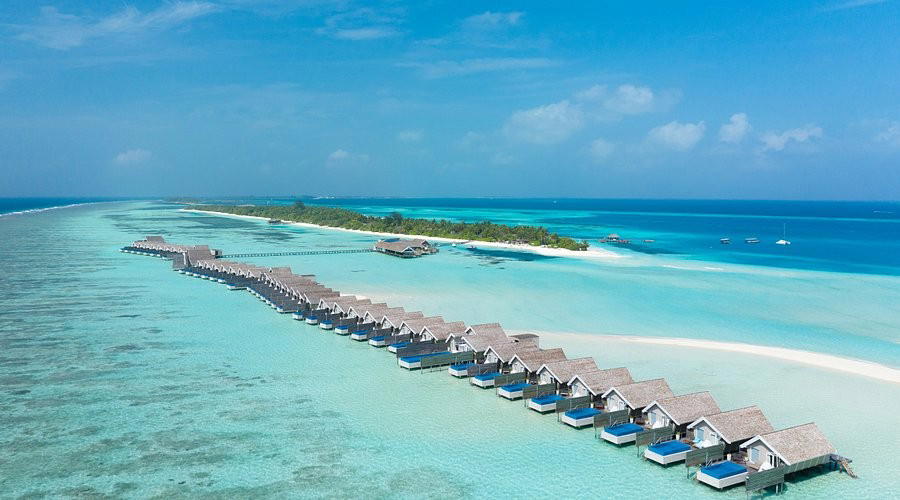
Aaraha Champagne Bar
The wine
- Wine program
- Deep wine list
- Classic cocktails
Signature drinks: champagne by the glass, champagne by the bottle.
Details
- Elegant
- Sophisticated
- Scenic
- Intimate
- Romantic
- Ornate
- Date Night
- Celebration
- Special Occasion
- Waterfront
- Panoramic View
- Hotel Bar
- Seated Bar
- Lounge Seating
- Classic Cocktails
- Waterfront
Sophisticated and elegant, with a quiet, sunset-driven atmosphere above the Indian Ocean and a calm, refined pace for evening drinks.