
Falstaff Winery - Listed
Weingut Werner is a small family Mosel estate in Leiwen with roots traced to 1650 and a clear Riesling center of gravity. The draw is traditional cellar craft, including 1,000-liter Fuder oak, dry and half-dry dinner wines, bottle-fermented sparkling wine, and sweet specialties such as noble rot selections and ice-wine.

Pearl is the En Primeur Club membership app — saves, bookings, and concierge access live there. Same editors, same standards.

Weingut Werner in Leiwen is best presented as a traditional Mosel winery rather than as a restaurant or high-volume visitor attraction. The picture is deliberately simple: a long-established family property with a quiet, rustic character, a strong emphasis on nature, quality, and heritage, and a setting that is treated as part of its identity. For travelers researching Leiwen, the appeal is not a confirmed list of dishes, technical cellar details, awards, or formal service formats. It is the atmosphere of a classic Mosel estate that reads as understated, local, and heritage-minded.
The estate is listed in the $$ range, and its style is described as classic, quiet, rustic, and somewhat hidden-gem in feel. Claims about specific grape varieties, production methods, founding dates, tasting formats, visitor policies, or awards should not be treated as confirmed unless checked directly with the venue. That makes Weingut Werner a page for orientation rather than a technical wine dossier: useful for understanding the character of the place, but not a substitute for current information from the winery itself.
A traditional Mosel winery atmosphere in Leiwen
The strongest theme is atmosphere. Weingut Werner presents itself through the language of a traditional Mosel winery: close to nature, attentive to quality, and rooted in family heritage. That combination suggests a quieter kind of visit than venues built around spectacle or trend-led hospitality. The tone is classic and rustic, with a sense of continuity that suits visitors who value local identity and a less commercialized impression of wine country.
For planning purposes, that means expectations should stay grounded. It is safer to read Weingut Werner as a heritage-oriented estate in Leiwen where the draw is the Mosel winery setting itself: family continuity, quiet surroundings, and an emphasis on quality and nature.
This also affects how to compare it with other options in the area. Rather than ranking it by scores or awards, the more useful comparison is by mood. Weingut Werner belongs on a shortlist for visitors seeking a classic, low-key winery atmosphere in Leiwen. Those looking for highly documented restaurant menus, published service formats, or destination-style hospitality should confirm details in advance and compare with other dining or wine-related options in Leiwen generically.
A fact-checked guide should avoid turning a thin public profile into a fully narrated estate history. It also does not confirm awards or ratings. Those details may exist elsewhere, but they are not part of the available information.
That does not make the venue uninteresting. It simply means the guide should be honest about the level of certainty. The useful, confirmed description is atmospheric: a long-established family property in Leiwen with a traditional Mosel winery feel, a strong nature-and-heritage emphasis, and a $$ price level. Visitors who need practical details should contact the venue or check current official information before making plans.
For a premium venue guide, this restraint matters. Wine regions are especially vulnerable to over-specific copy: a single grape, tasting format, award year, or cellar technique can make a page sound authoritative while misleading readers. Weingut Werner is better served by a cleaner description that foregrounds what is known and leaves technical claims out until they can be verified.
How to use Weingut Werner in a Leiwen itinerary
Within Leiwen, Weingut Werner is most useful as a quiet, classic winery reference point. It may suit travelers who prefer heritage atmosphere over highly produced hospitality, and who are comfortable confirming details directly before visiting.
If you are planning a broader day in Leiwen, treat Weingut Werner as one part of a wider local search rather than a fully specified stop. Compare it with other Leiwen dining and wine options based on the experience you want: a rustic winery mood, a restaurant meal, a hotel base, or a more structured activity. The confirmed profile here supports the first of those most strongly: traditional Mosel atmosphere, family heritage, quiet surroundings, and a quality-focused identity.
The bottom line is direct. Weingut Werner is a classic, rustic, heritage-minded winery in Leiwen with a $$ listing and a hidden-gem feel. Beyond that, the responsible approach is to avoid unsupported specifics and verify practical arrangements directly.
Recognition history
Dated appearances from independent guides and award organizations, with the underlying list record or original source where available.
Falstaff Winery - Listed
Falstaff
Continue exploring
More in Leiwen
Wineries in Leiwen
All wineries in Leiwen →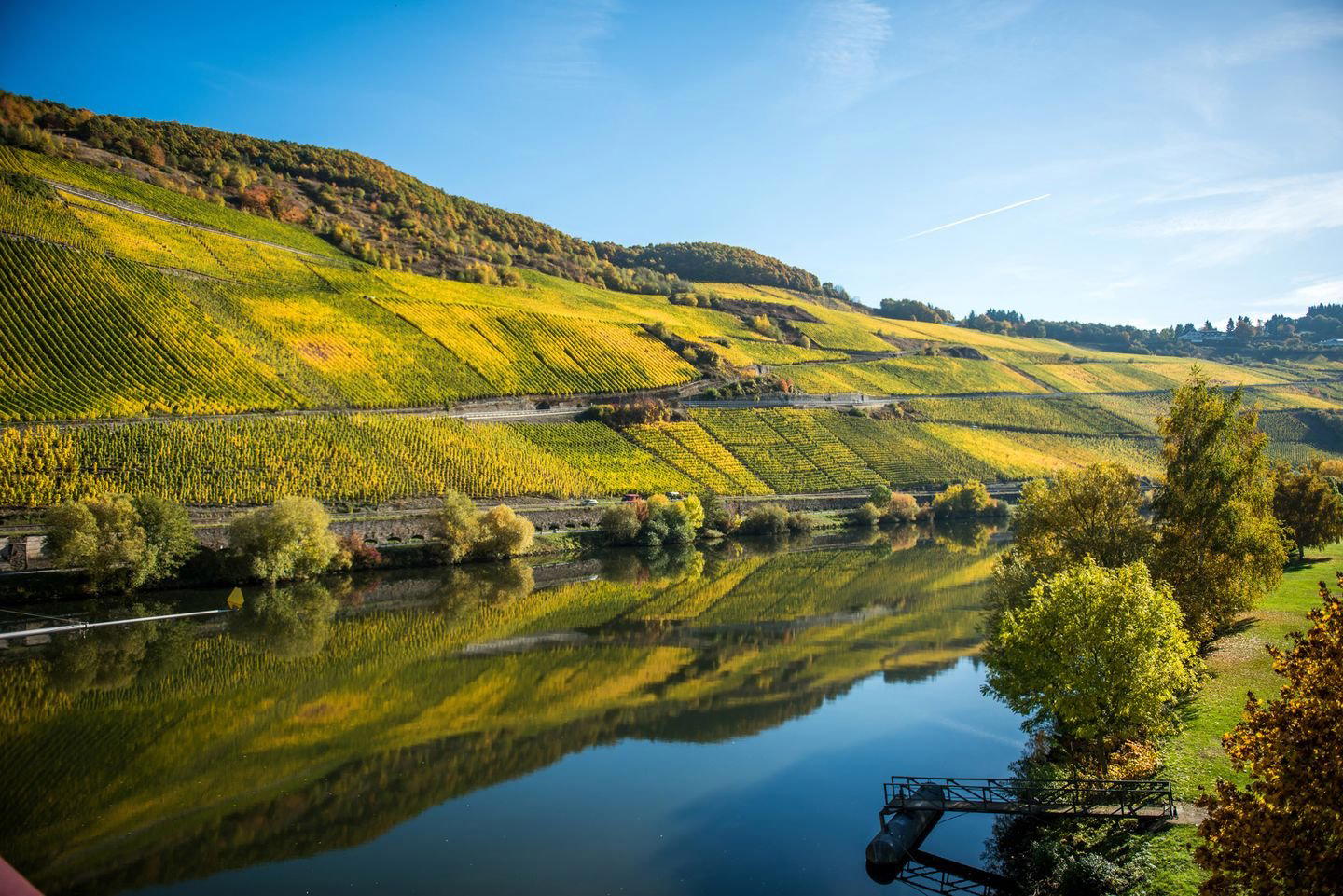
Restaurants in Leiwen
All restaurants in Leiwen →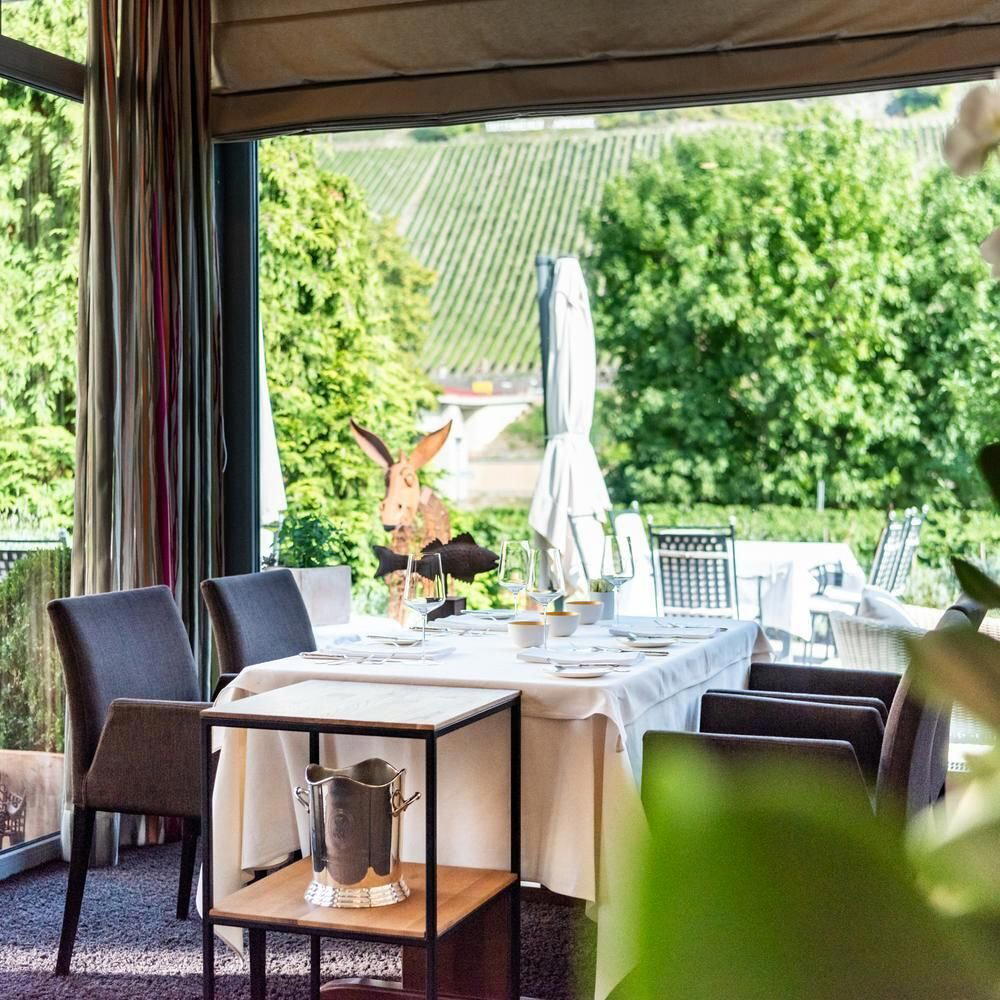
Details
- Classic
- Quiet
- Rustic
- Wine Education
- Solo Exploration
- Special Occasion
- Historic Building
- Private Tasting
- Estate Grounds
- Sustainable
- Vineyard
- Riesling
- Pinot Noir
- Müller Thurgau
- St. Laurent
- Still White
- Still Red
- Sparkling
- Dessert
- Wine Tasting
- Wine Sales
Traditional Mosel winery atmosphere with a strong emphasis on nature, quality, and heritage; the estate presents itself as a long-established family property with a premier location.