Weingut Stegeler

Falstaff Winery - Listed
Weingut Stegeler is a small Berneck wine estate shaped by steep-slope viticulture, Molasse soils, and a biodiversity-led view of the vineyard. Its 1.9 hectares carry seven grape varieties, including PIWI plantings, with red wines aged 12 to 18 months in used barriques before further bottle rest.

Pearl is the En Primeur Club membership app — saves, bookings, and concierge access live there. Same editors, same standards.

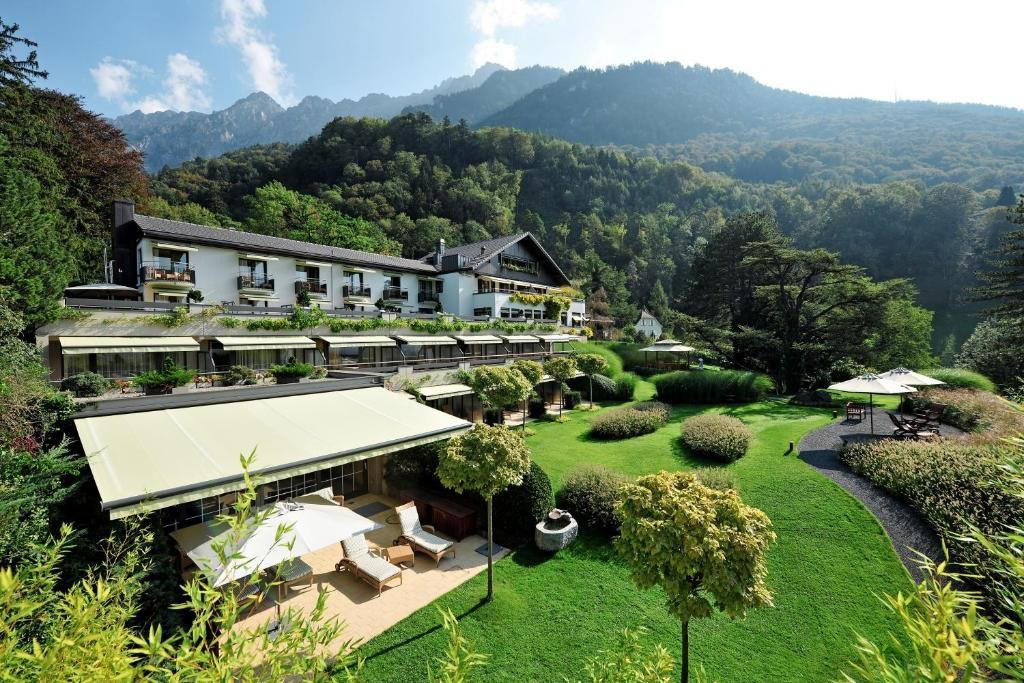
Berneck’s wine country announces itself in gradients: hillside rows, quiet rural views, and the feeling that farming here is shaped by slope as much as by cellar choices. At Weingut Stegeler, the story is best understood through the site itself: an innovative, eco-minded vineyard on one of the steepest sites in Berneck, with a strong emphasis on terroir, biodiversity, and award-winning wine quality.
That is a compact but useful set of facts. Rather than building the estate around grape lists, cellar methods, visiting formats, or named cuvées, the clearest reading is that Weingut Stegeler is a vineyard-led address. The appeal is the combination of steep terrain, ecological intent, and a quiet, rustic atmosphere. For travelers who prefer places with a strong sense of landscape over a highly staged hospitality experience, it reads as a in Berneck.
Steep terrain sets the terms of the wine
The most grounded way to describe Weingut Stegeler is through its hillside. One of the steepest vineyard sites in Berneck is not a neutral backdrop; it shapes the way the estate is perceived. Steep vineyards tend to make visitors notice exposure, access, and the physical demands of farming before they think about branding. Here, that sense of place is central to the venue’s identity.
The estate’s emphasis on terroir reinforces that reading. Terroir is often used loosely in wine writing, but at Weingut Stegeler the facts support a simple interpretation: the vineyard site matters. The slope, the local setting in Berneck, and the estate’s ecological priorities are the reliable anchors. Claims beyond that, specific soils, grape varieties, vinification details, or release schedules, should be treated cautiously unless confirmed directly by the venue.
Biodiversity is another part of the estate’s profile. That gives the vineyard a future-facing quality without needing to overstate the details. The point is not that every farming method, certification, or planting choice is publicly confirmed here; it is that the estate presents itself through ecological awareness as well as wine quality. For a small Berneck wine stop, that is enough to distinguish it from a purely conventional tasting address.
A quiet, rustic, ecology-led address
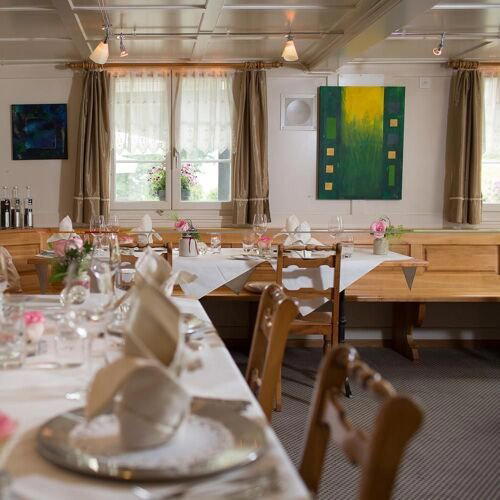
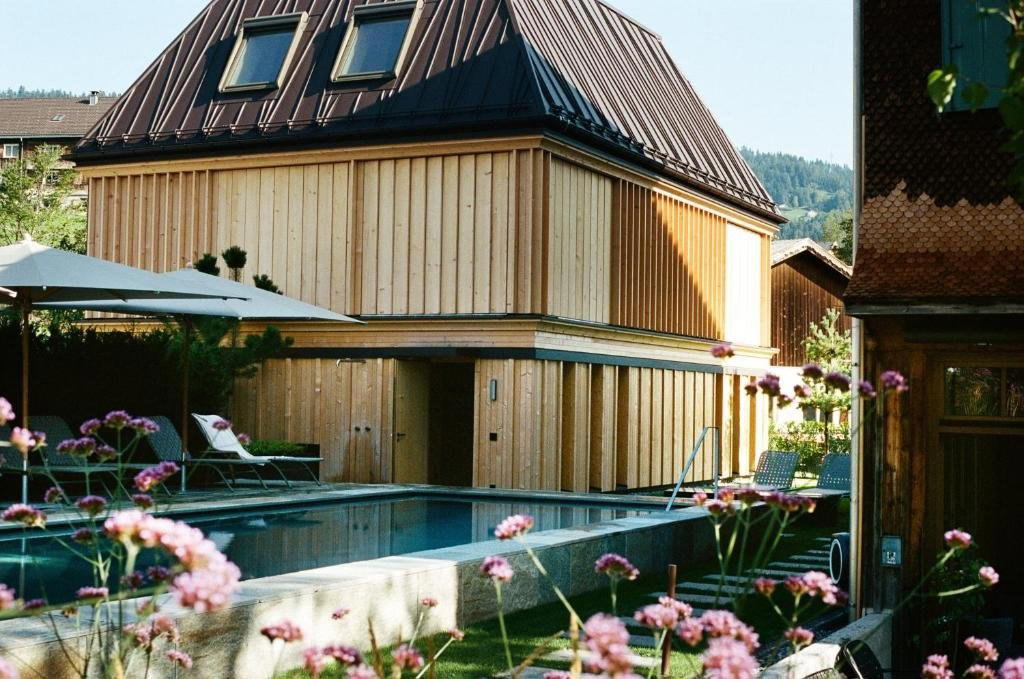
Weingut Stegeler’s atmosphere is best described as, rustic, scenic, and quiet. Those descriptors matter because they set expectations. This is not the kind of listing that should be sold with unsupported promises of a restaurant, a formal tasting room, a particular menu, or a precise service format. The safer and more accurate expectation is a vineyard-led place where the landscape and the estate’s environmental focus are the main draw.
The price level is listed as $, which keeps the venue in an accessible bracket. Readers should understand the listing as broadly affordable by the guide’s pricing scale, then check current details directly with the venue before planning around cost.
The phrase “award-winning wine quality” is part of the profile, but it is best used carefully. Without confirmed award names, years, scores, or rankings, the honest description is general: the estate is recognized for wine quality, while the page should not invent a trophy history or build a ranking narrative. That restraint is especially important for a venue whose strongest confirmed identity already comes from its site, scenery, and ecological stance.
How to read a visit here
Use Weingut Stegeler as a quiet Berneck vineyard stop rather than as a heavily programmed destination. The strongest reason to seek it out is the chance to connect a wine estate with a steep local site, a scenic rural setting, and a clear emphasis on terroir and biodiversity. Visitors interested in Swiss wine landscapes, low-key exploration, and smaller-feeling places will understand the appeal quickly.
That is not a weakness in the estate’s identity; it is simply the responsible way to plan around a vineyard address where the public facts are focused more on place than on visitor logistics.
For broader planning, compare Weingut Stegeler with other dining and drinking options in Berneck generically rather than assuming a specific format. The useful distinction is that Weingut Stegeler’s confirmed strengths are scenic quiet, rustic character, eco-minded vineyard work, biodiversity, terroir, and award-winning wine quality. In a local itinerary, it fits best as a calm, site-focused counterpoint to more conventional Berneck stops.
Recognition history
Dated appearances from independent guides and award organizations, with the underlying list record or original source where available.
Falstaff Winery - Listed
Falstaff
Continue exploring
More in Berneck
Wineries in Berneck
All wineries in Berneck →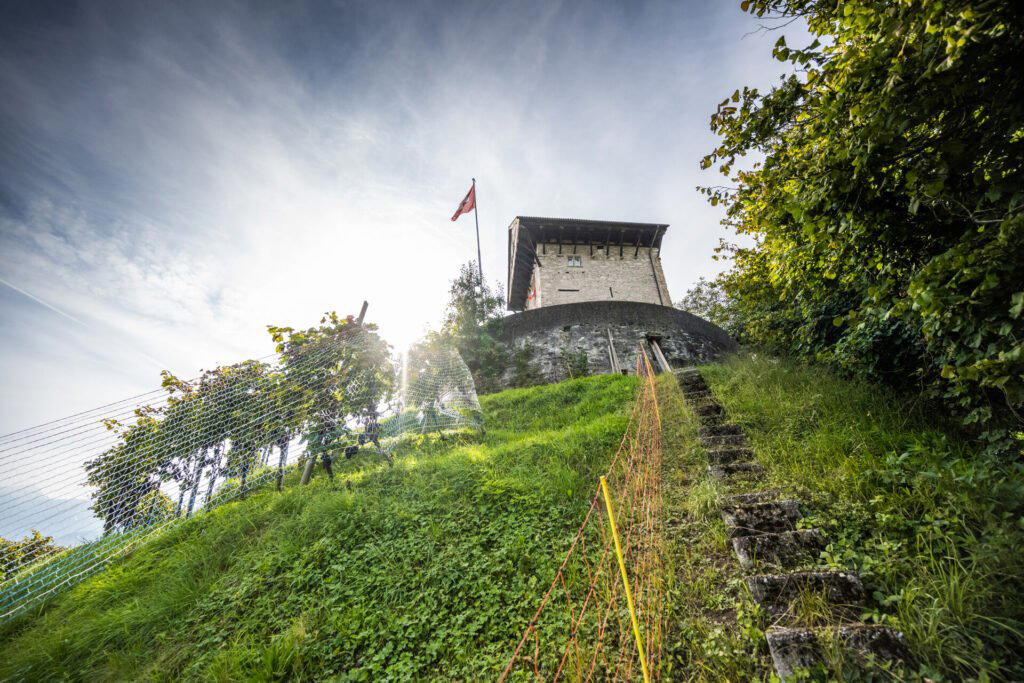

Bars in Berneck
Browse all →
Restaurants in Berneck
Browse all →
Details
- Rustic
- Scenic
- Quiet
- Solo Exploration
- Special Occasion
- Wine Education
- Estate Grounds
- Historic Building
- Design Destination
- Sustainable
- Vineyard
- Pinot Noir
- PIWI Varieties
- Still Red
- Still White
An innovative, eco-minded vineyard on one of the steepest sites in Berneck, with a strong emphasis on terroir, biodiversity, and award-winning wine quality.