
Weingut Nopper is a family-run Baden winery in Waldkirch-Buchholz, shaped by Black Forest foothills, organic viticulture, and a broad farm-based rhythm that includes wine, fruit, brandies, and seasonal events. Its draw is not trophy collecting; it is a grounded regional model where red, white, sparkling, and organic bottlings sit inside a lived agricultural setting.
Pearl is the En Primeur Club membership app — saves, bookings, and concierge access live there. Same editors, same standards.
- Address
- Waldkirch, Baden, Baden-Wuerttemberg, Deutschland
 Saves & bookings on Pearl
Weingut Nopper in Waldkirch is best described through a small set of signals: it is a family-run winery with an organic-forward, locally rooted identity, a modest price marker, and a rustic, classic, scenic, cozy atmosphere. Those details are enough to set expectations without turning the venue into something more specific than the available information supports. This is a place to understand as a working local winery rather than as a highly formal destination built around luxury cues.
One useful frame for visitors is simplicity. Weingut Nopper is presented as traditional and family-run, with an identity that includes both conventional and ecological cultivation. That mixed approach matters because it avoids reducing the winery to a single marketing label. The picture is not of a strictly ceremonial tasting room or a restaurant-style experience, but of a locally rooted winery whose appeal lies in atmosphere, setting, and agricultural continuity.
Baden farming culture, seen through vines, orchards, and organic bottlings
The available facts support a general reading of Weingut Nopper as part of Waldkirch’s local wine culture, with an organic-forward outlook and a traditional family-run tone. What can be said is that the estate’s identity combines local roots with a mix of conventional and ecological cultivation.
That combination gives the venue its editorial shape. It is not framed by data as a high-price prestige estate, nor as a formal restaurant, nor as a venue defined by a single signature bottle. The price category is listed as $, and the mood is rustic, classic, scenic, and cozy. For travelers, that suggests an accessible winery atmosphere where the setting and family-run character are central parts of the appeal.
The organic-forward part of the identity is important, but it should be handled carefully. The information supports describing the winery as organic-forward and ecologically minded, while also noting that its cultivation identity includes both conventional and ecological elements. It does not support naming a particular certification code, vintage, grape variety, or release history. In practical terms, the safer and more accurate description is a locally rooted winery with an ecological emphasis rather than a venue defined by technical specifics.
That restraint is also useful for planning. Visitors looking for a highly documented tasting program, a published menu format, or a detailed list of services should confirm those directly with the venue before making plans.
The tasting-room logic is informal, seasonal, and tied to the landscape
The atmosphere points toward informality, but not toward any specific service format. It is fair to describe the winery as casual in feeling because the listed dress and setting cues are rustic, classic, scenic, cozy, traditional, and family-run. Those details should be checked directly rather than assumed.
What remains is still useful. A winery with a family-run, locally rooted identity and a modest price signal can be appealing precisely because it does not need a complicated premise. It is better understood as a local winery environment where atmosphere, setting, and agricultural identity do much of the work.
The scenic and cozy descriptors are especially important for expectation-setting. They suggest a place that may fit travelers who value a relaxed sense of place over a heavily staged hospitality format.
Confirm opening times, tasting availability, group policies, and any food or retail offerings directly with the winery before visiting. The confirmed profile supports interest in the venue, but it does not support detailed promises about services, formats, or products.
Where it fits in a Waldkirch wine itinerary
In Waldkirch, the winery is a strong candidate for travelers seeking a modestly priced, family-run winery with an organic-forward and locally rooted identity. It fits best into an itinerary focused on atmosphere and place rather than one built around confirmed awards, rankings, chef-led dining, or a highly specific tasting structure. The price marker is $, and the tone is rustic, classic, scenic, and cozy.
For broader planning, it is safest to compare the winery with other Waldkirch dining, wine, lodging, and experience options in general terms rather than relying on peer details. If your priority is a traditional winery atmosphere with ecological cues and local roots, the winery is the relevant named stop here.
Recognition history
Dated appearances from independent guides and award organizations, with the underlying list record or original source where available.
Falstaff Winery - Listed
Falstaff
Continue exploring
More in Waldkirch
Wineries in Waldkirch
Browse all →Restaurants in Waldkirch
Browse all →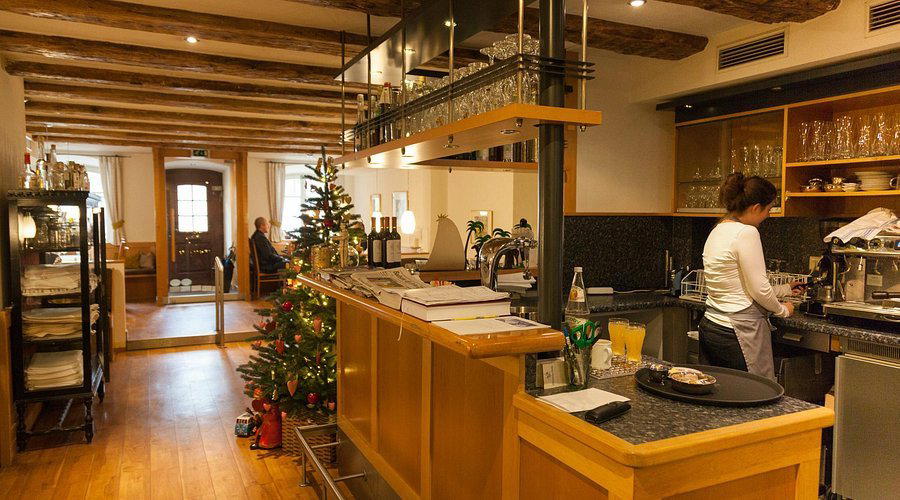
At a Glance
- Rustic
- Classic
- Scenic
- Cozy
- Family
- Group Outing
- Wine Education
- Special Occasion
- Private Tasting
- Vineyard Tour
- Organic
- Vineyard
- Mountain
- Baden
- White
- Red
- Sparkling
- Still Red
- Still White
- Sparkling
- Wine Tasting
- Vineyard Tour
- Cellar Tour
Traditional, family-run winery atmosphere with an organic-forward, locally rooted identity and a mix of conventional and ecological cultivation.