
Weingut J. u. S. Kirchknopf belongs to the quieter side of Rust wine culture: small-scale, family-run, and grounded in Leithaberg DAC rather than spectacle. The draw is the relationship between limestone, slate, Blaufränkisch, Chardonnay and Neuburger, presented through an estate-tasting format that suits travelers who want Burgenland wine explained at its source.

Pearl is the En Primeur Club membership app — saves, bookings, and concierge access live there. Same editors, same standards.

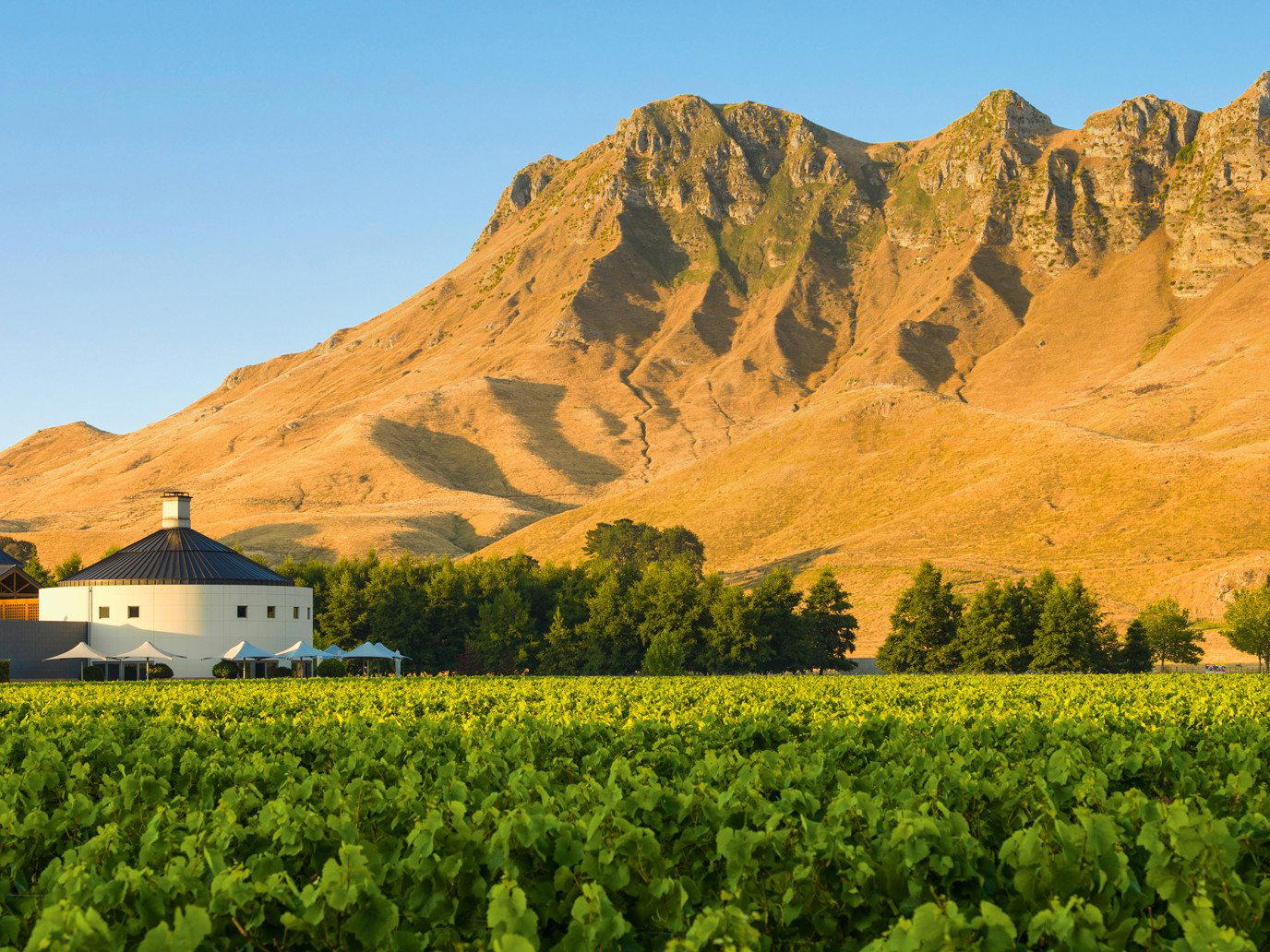
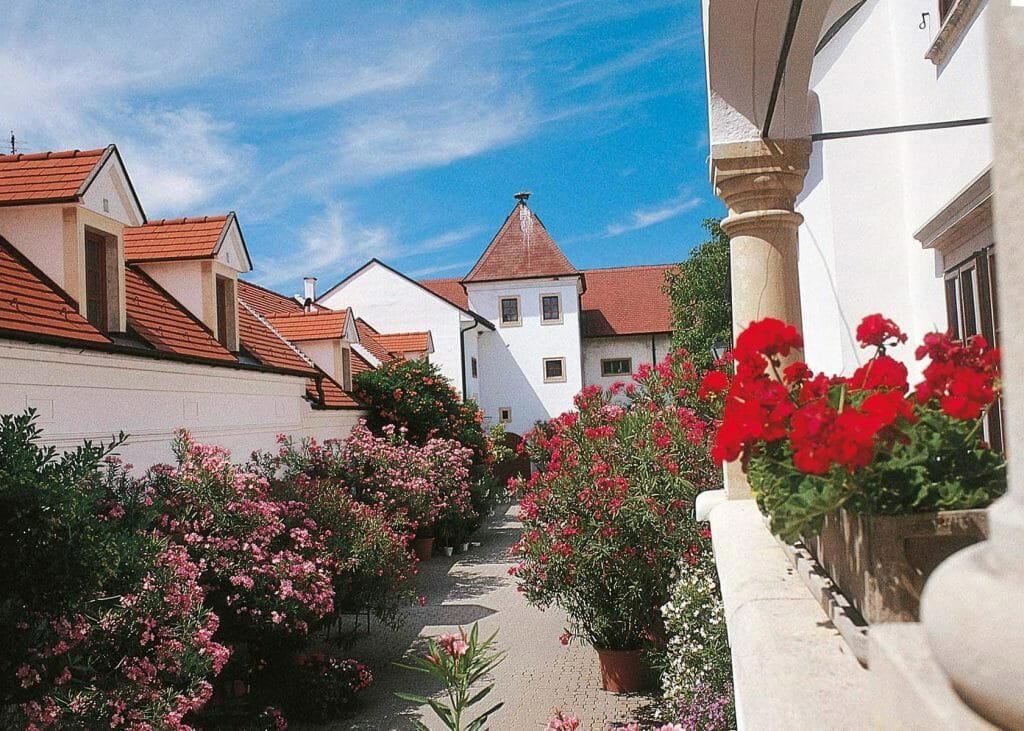
Approaching wine country around Rust, the appeal is not architectural excess but the low, working rhythm of vines, cellars and villages. Weingut J. u. S. Kirchknopf fits that register. The experience is quiet, rustic and close to the work: a small, hands-on winery atmosphere where carefully cultivated Leithaberg vineyards, limestone and slate terroir matter more than staged hospitality. For travelers who want a grounded wine stop rather than a polished showpiece, the draw is the direct connection between estate, landscape and bottle.
The case for this address is deliberately focused. Weingut J. u. S. Kirchknopf is best understood as a small Rust winery centered on Leithaberg vineyards and the geological character associated with limestone and slate. Rather than building the visit around broad claims, awards language or an elaborate hospitality script, the useful way to approach it is through place: the vineyard setting, the estate-direct context and the quiet, classic atmosphere that makes the winery feel like a.
Leithaberg soil, small parcels and a cellar built around site
The more interesting way to read this winery is through its relationship to site. A small, hands-on estate gives visitors a closer view of how vineyard work and local geology shape the identity of a wine address. At Weingut J. u. S. Kirchknopf, the emphasis is on carefully cultivated Leithaberg vineyards, limestone and slate terroir, and a direct-from-the-estate tasting and pickup experience. Those details are enough to define the tone without adding unsupported claims about particular grapes, production methods or cellar programs.
This is not a trophy-cellar format built around awards language or international gloss. It belongs to the estate-direct tradition: modest in feel, close to the producer’s working environment, and more meaningful when considered against Leithaberg’s geology than against a generic tasting-room script. For travelers used to larger, more polished wine tourism circuits, that shift in tempo is the point. The venue’s value is not spectacle; it is the chance to encounter a Rust winery where the experience remains quiet, rustic and rooted in the surrounding vineyards.
Rust’s wine culture rewards that slower reading. The city has a strong wine identity, and a small producer focused on Leithaberg vineyards offers a tighter lens on that landscape than a broad regional overview. The limestone-and-slate profile is the organizing idea here, and the estate setting gives the visit its sense of scale.
Why the estate format matters in Rust
Estate visits change the hierarchy of a wine stop. Instead of treating the winery as a retail counter or a staged attraction, the emphasis moves toward origin, vineyard context and the way a producer presents its own work. At the winery, the direct-from-the-estate structure points to a practical reality of regional wine travel: particularly useful experiences are often the ones that stay close to the land and avoid unnecessary performance.
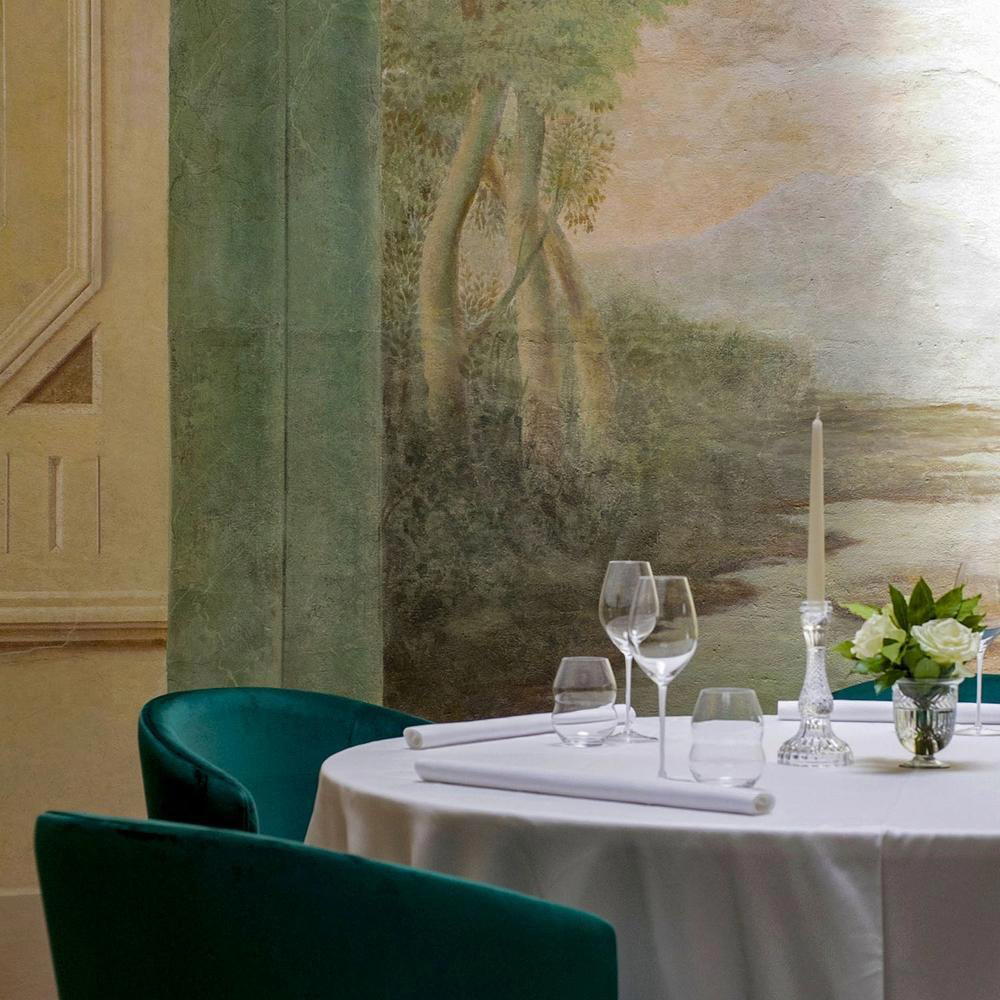
The atmosphere is quiet, rustic, classic and somewhat hidden-gem in character. That makes it especially suitable for visitors who want a calm wine-country stop in Rust rather than a high-volume venue. It is also a reminder that not every meaningful winery experience needs a long list of amenities attached to it. With this address, the safest and strongest description is the simplest one: a small, hands-on Rust winery centered on Leithaberg vineyards, limestone and slate terroir, and estate-direct tasting and pickup.
Planning around that premise helps set expectations. Visitors should treat the winery as part of a broader Rust itinerary, but not assume details that have not been verified, such as specific opening hours, named varieties, food service, reservation rules or special tasting formats. The price level is listed as $$, which gives a general sense of positioning without implying a specific bottle price, tasting fee or package. For current operational details, one reliable step is to check the winery’s own channels before visiting.
Planning a Burgenland wine route without losing the plot
Rust has enough wine addresses and dining options to tempt over-scheduling, but the better approach is to choose stops that clarify different parts of the local wine landscape. The winery works well as a focused Leithaberg stop: quiet, direct, and built around the relationship between vineyard cultivation and limestone-and-slate terroir. Other Rust dining and wine options can round out a day, but this venue should not be treated as interchangeable with larger or more hospitality-driven addresses.
For a wider frame, compare the experience generically with other winery visits in Austria and beyond: some emphasize architecture, some lean into tourism infrastructure, and others foreground the estate itself. The winery belongs firmly in the last category. Its appeal lies in keeping the triangle of Rust, Leithaberg vineyards and estate contact intact. That narrowness is a strength, because it gives the visit a clear editorial reason to exist.
The case for the winery is therefore simple and grounded. It is a small, hands-on winery in Rust with a quiet, rustic, classic atmosphere; a focus on carefully cultivated Leithaberg vineyards; limestone and slate terroir; and a direct-from-the-estate tasting and pickup experience. Travelers looking for spectacle may prefer other formats. Those trying to understand a calmer, more site-centered side of Rust wine country will find a clearer reason to pay attention here.
Recognition history
Dated appearances from independent guides and award organizations, with the underlying list record or original source where available.
Falstaff Winery - Listed
Falstaff
At a Glance
- Quiet
- Rustic
- Classic
- Wine Education
- Solo Exploration
- Special Occasion
- Group Outing
- Private Tasting
- Historic Building
- Vineyard
- Leithaberg DAC
- Chardonnay
- Blaufränkisch
- Neuburger
- Still White
- Still Red
- Estate Tasting
- By Appointment
A small, hands-on winery atmosphere centered on carefully cultivated Leithaberg vineyards, limestone and slate terroir, and a direct-from-the-estate tasting and pickup experience.