Weingut Hofäcker

Falstaff Winery - Listed
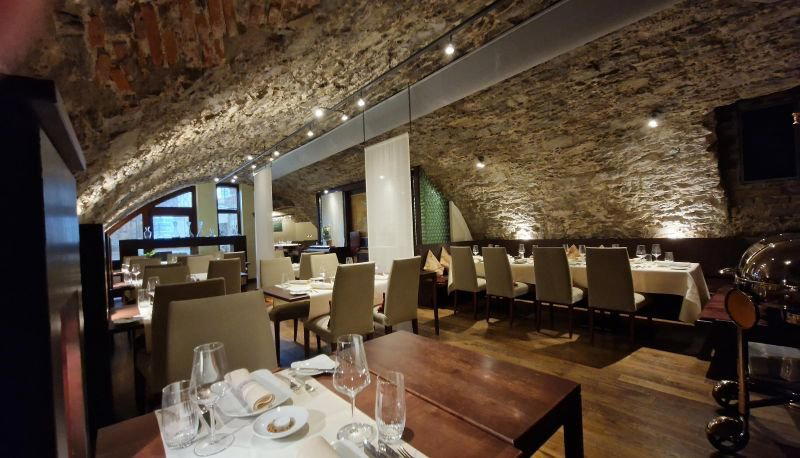
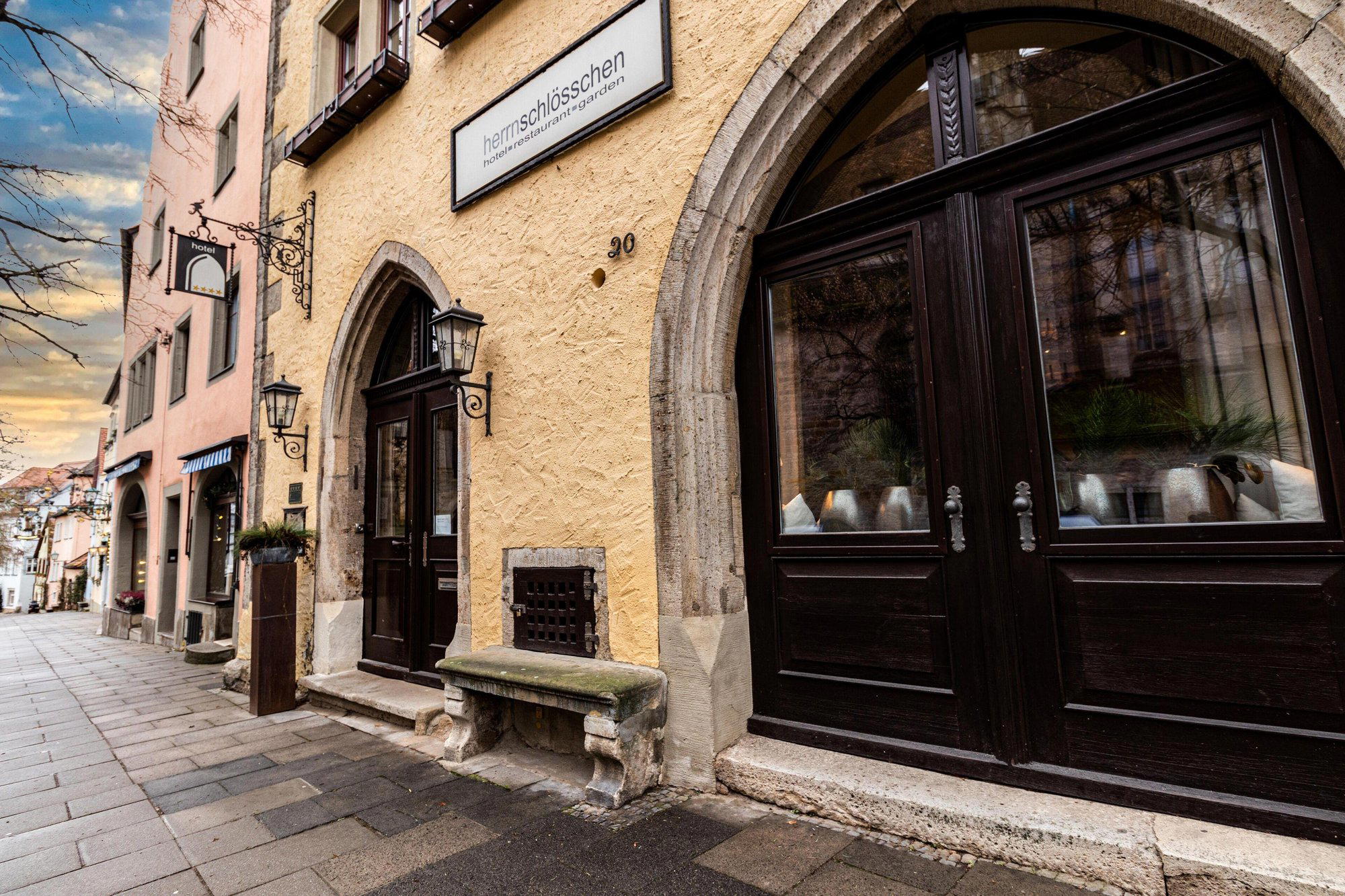
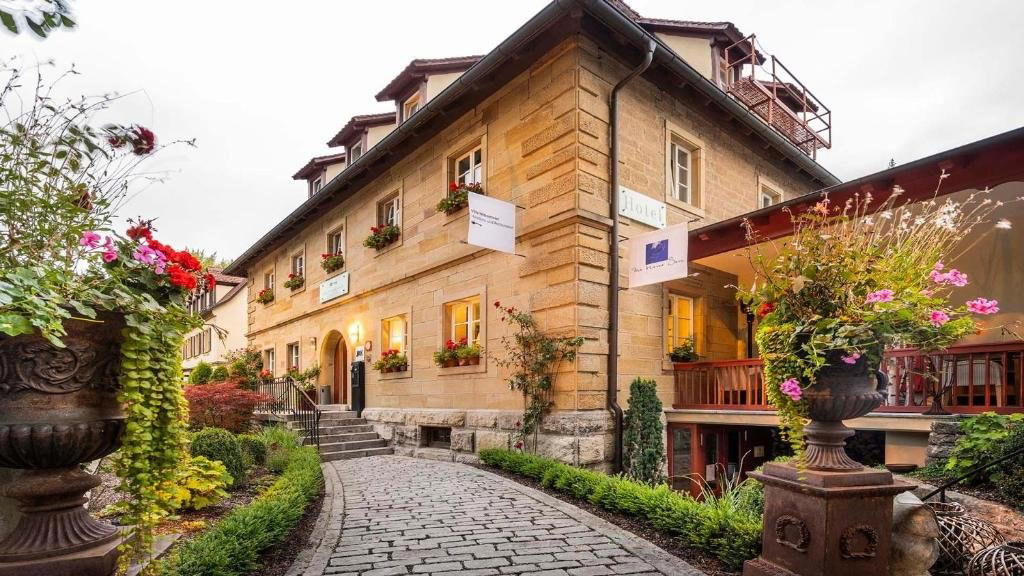
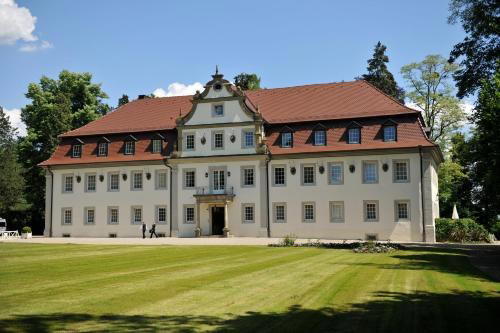
Weingut Hofäcker is a small Weikersheim winery shaped by Queckbronn’s rural Taubertal setting, old vaulted cellars, and a compact, estate-grounded format. The draw is not spectacle but scale: still red, still white, and sparkling wines presented in a quiet family-winery context beneath the historic Gelbes Haus.

Pearl is the En Primeur Club membership app, where members save venues, book tables and use the concierge.

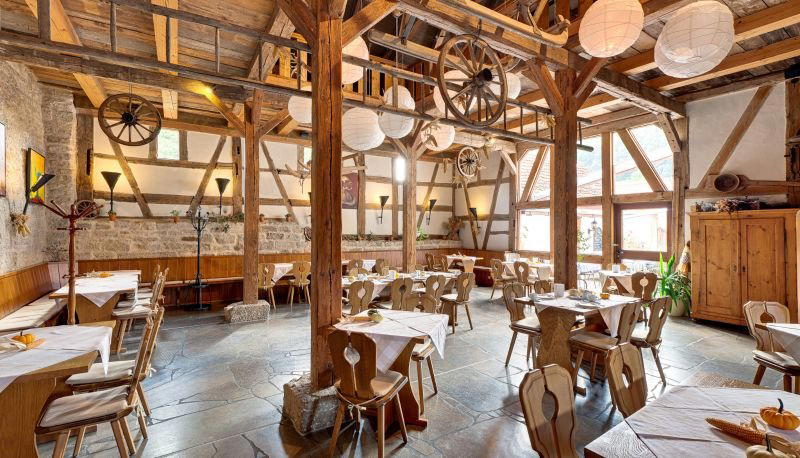
Weingut Hofäcker in Weikersheim is best understood as a small family-run winery with a strong sense of place. The picture is intentionally modest: historic character, old vaulted cellars, and an architecture-focused identity rooted in the Queckbronn hills above Weikersheim. That is enough to set expectations. This is not a page to build around invented menus, published scores, celebrity names, or elaborate hospitality claims; the draw is the quieter atmosphere of a local winery whose setting and cellar character do much of the explaining.
The price signal is simple: $. In premium-travel terms, that does not make the venue less interesting. It points instead to a different kind of value, one based on scale, atmosphere, and local texture rather than spectacle. Weingut Hofäcker reads as rustic, classic, quiet, and slightly hidden-away: a place for travelers who care about the feel of a winery as much as about any formal checklist of amenities.
Queckbronn terroir, read through a small cellar format
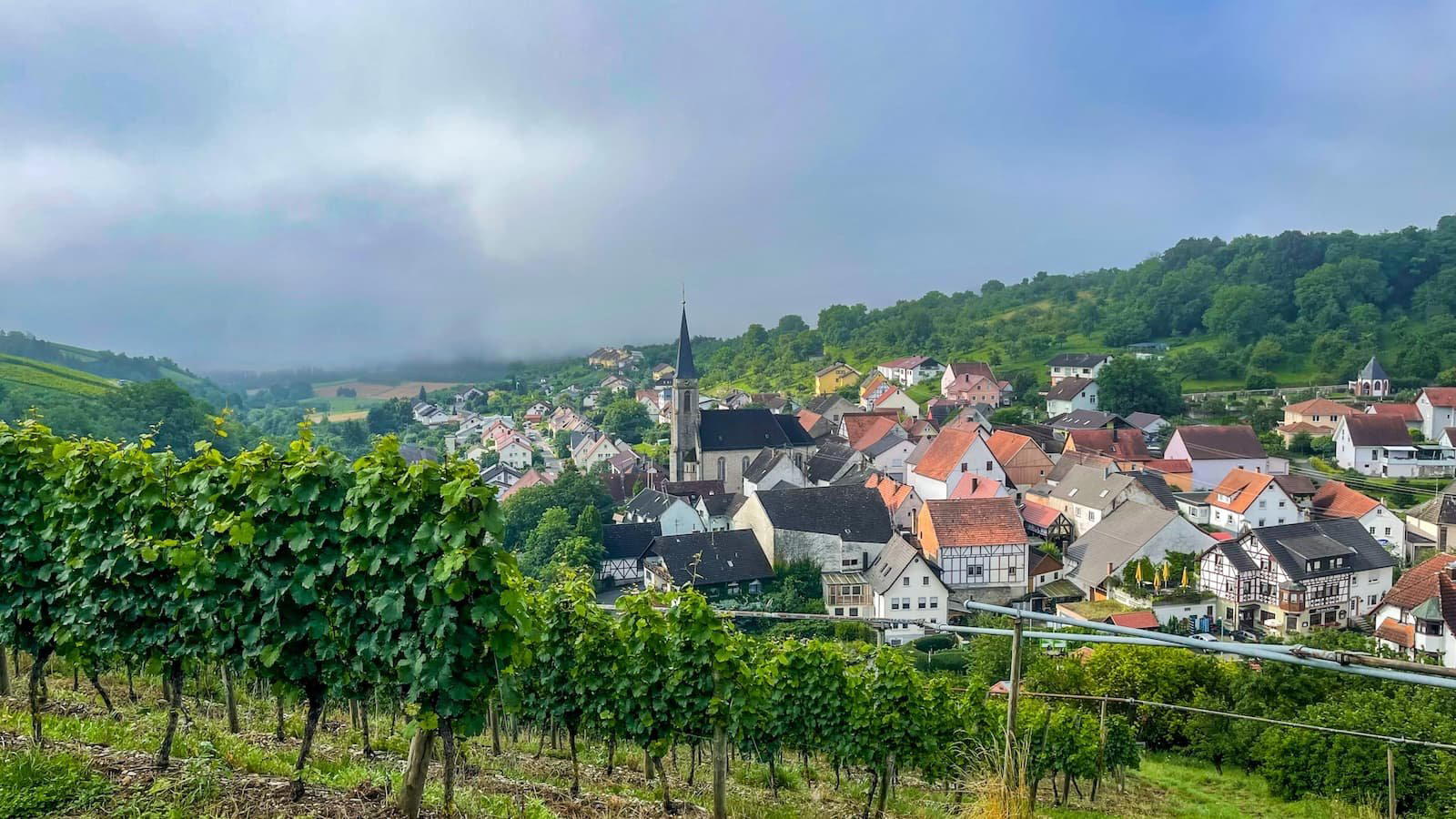
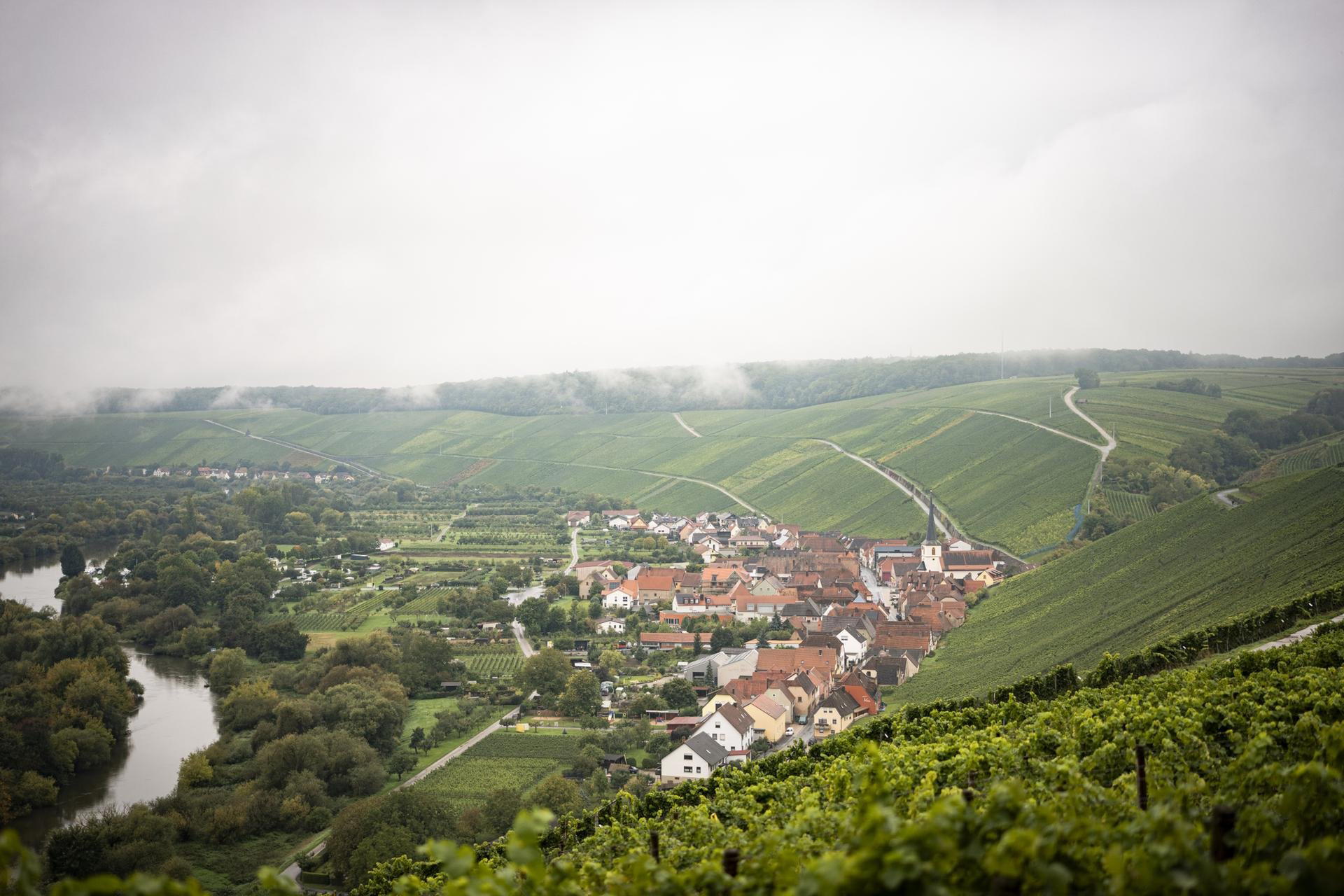
The grounded way to describe Weingut Hofäcker is through its relationship to Weikersheim and the Queckbronn hills. What it does support is a clear architectural and atmospheric identity: old vaulted cellars, historic character, and a small family-run winery format.
That makes the venue most useful for travelers who prefer places with a visible sense of history. The phrase “old vaulted cellars” matters here because it gives the winery a physical anchor. Instead of presenting the estate as a high-design tasting destination or a famous-award address, the safer and more accurate read is that the cellars and architecture help define the visit. The setting in the hills above Weikersheim adds to that feeling of a quiet, local stop rather than a broad commercial showcase.
There is no confirmed basis here for naming a winemaker, listing a cellar-door routine, describing a food offer, claiming a specific tasting length, or promising walk-in availability. Travelers should treat the venue as a small family winery with historic cellars and confirm practical details directly with the winery before making plans.
For broader context in the city, use other Weikersheim dining, lodging, bar, and experience resources generically as itinerary support rather than as direct comparisons. Weingut Hofäcker’s role is specific: it represents a quieter winery stop in Weikersheim, shaped by family scale, older cellar architecture, and the character of the Queckbronn hills.
Why the visit works for travelers who care about place over polish
Wine travel often divides between highly programmed experiences and more place-led stops. Weingut Hofäcker belongs more naturally in the second category. Its strongest signals are not awards, rankings, chef names, or luxury services. They are quieter: family-run scale, rustic classic mood, historic character, and old vaulted cellars.
That profile will appeal most to travelers who like understated venues. Rather than filling those gaps with assumptions, the honest editorial approach is to leave them unclaimed. The confirmed identity is narrower but still meaningful: a small family winery in Weikersheim with a hidden-gem feel and architecture that helps carry the experience.
The $ price marker reinforces that sense of accessibility. It suggests a venue whose appeal is not built around exclusivity language. For some travelers, that is precisely the point. A quiet winery with old cellars can offer a more grounded impression of local wine culture than a place framed by elaborate claims that cannot be verified. The value lies in the scale and the setting.
Visitors planning around Weingut Hofäcker should approach it with practical flexibility. What can be said with confidence is that the venue’s editorial strength is its small family-run character and its historic, cellar-led atmosphere in Weikersheim.
The editorial read
Weingut Hofäcker is a strong fit for travelers who want a quieter, more rustic winery reference in Weikersheim. Its appeal is not dependent on an award history, a famous personality, or a long list of amenities. The story is simpler and more durable: a small family-run winery, old vaulted cellars, historic character, and an architecture-focused identity rooted in the Queckbronn hills above Weikersheim.
For a classic, quiet, hidden-gem winery setting at a $ price level, Weingut Hofäcker is the coherent proposition.
Recognition history
Dated appearances from independent guides and award organizations, with the underlying list record or original source where available.
Falstaff Winery - Listed
Falstaff
Continue exploring
More in Weikersheim
Wineries in Weikersheim
All wineries in Weikersheim →
Bars in Weikersheim
Browse all →
Details
- Rustic
- Classic
- Quiet
- Solo Exploration
- Special Occasion
- Historic Building
- Estate Grounds
- Vineyard
- Still Red
- Still White
- Sparkling
- Wine Tasting
A small family-run winery with historic character, old vaulted cellars, and an architecture-focused identity rooted in the Queckbronn hills above Weikersheim.