Weingut Castel Peter

Weingut Castel Peter is a small Pfalz winery in Bad Dürkheim, framed by terraced vineyard terrain, limestone-influenced soils, and the Mittelhaardt stretch of the Deutsche Weinstraße. The appeal is quiet and regional rather than trophy-driven: Riesling leads the conversation, with Chardonnay and Spätburgunder adding breadth to a still-wine focus shaped by a cool local microclimate.
Pearl is the En Primeur Club membership app — saves, bookings, and concierge access live there. Same editors, same standards.
- Address
- Bad Dürkheim, Rhineland-Palatinate, Deutschland
- Directions
- Get directions
 Saves & bookings on Pearl
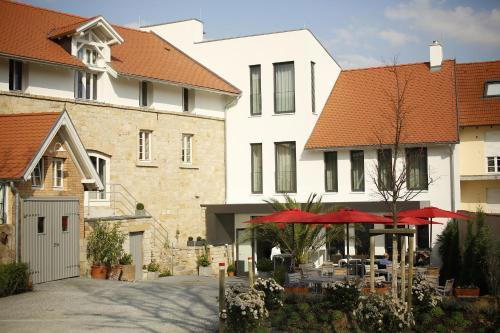
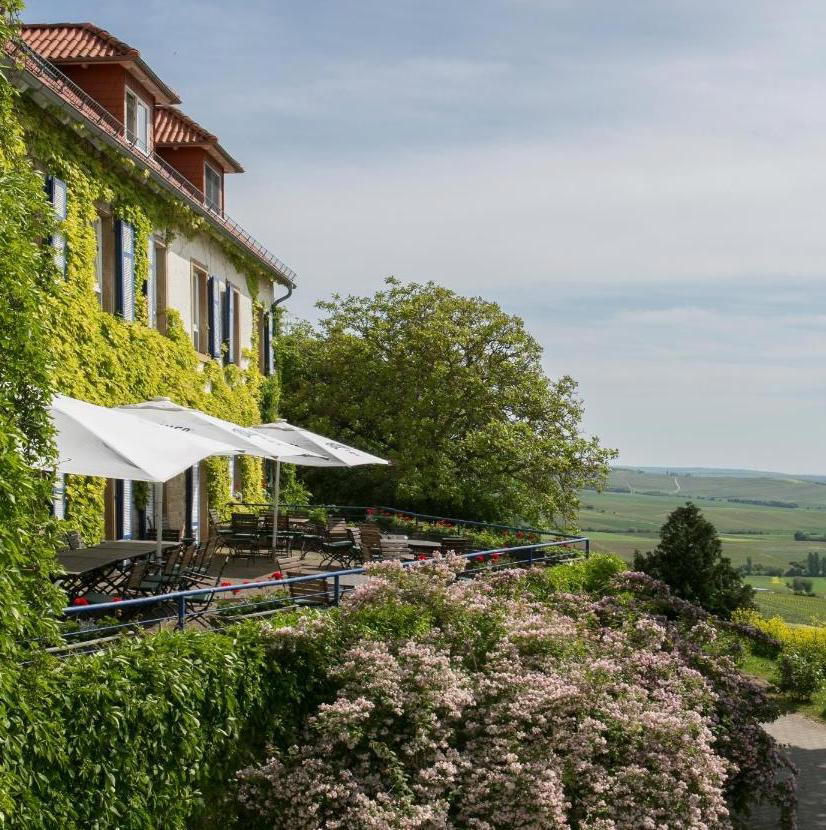
Approaching wine country around Bad Dürkheim, the Pfalz announces itself through vine rows, stone, slope, and the close relationship between town and vineyard. Weingut Castel Peter belongs to that quieter register. The estate is described as a traditional Pfalz winery in Bad Dürkheim, with terraced vineyard terrain, mineral soils, and a cool microclimate shaped by sun-exposed limestone walls.
That makes the strongest editorial hook direct: this is a scenic, rustic winery context rather than a glossy destination concept. The information available supports a grounded picture of place, not a long list of specific services. Travellers should read Weingut Castel Peter as part of Bad Dürkheim’s wine landscape, where terrain, slope, and local atmosphere matter more than spectacle.
Limestone slopes and a cooler Pfalz reading
Pfalz is often associated with sunshine, approachable wine culture, and an easy rhythm of vineyard towns. Bad Dürkheim can still feel quiet and traditional, but the description of Weingut Castel Peter adds more texture: terraced vineyard terrain, mineral soils, and a cool microclimate shaped by sun-exposed limestone walls. Those details are enough to frame the estate without inventing a grape list, cellar method, tasting format, or production history.
The important point is the balance between exposure and restraint. Sun-facing limestone walls suggest warmth and light, while the cool microclimate keeps the setting from being reduced to a simple story of Pfalz ripeness. Mineral soils and terracing also give the place a strong physical identity. Even without details on individual wines, the setting itself explains why a visitor is interested: the estate offers a classic Bad Dürkheim winery environment shaped by slope, stone, and landscape.
The safer and more useful way to describe the winery is as a traditional winery setting with a scenic, rustic mood and moderate pricing. That may sound less dramatic than a claim about a signature wine or special appointment format, but it is more reliable for planning.
A quiet tasting-room format, not a staged wine resort
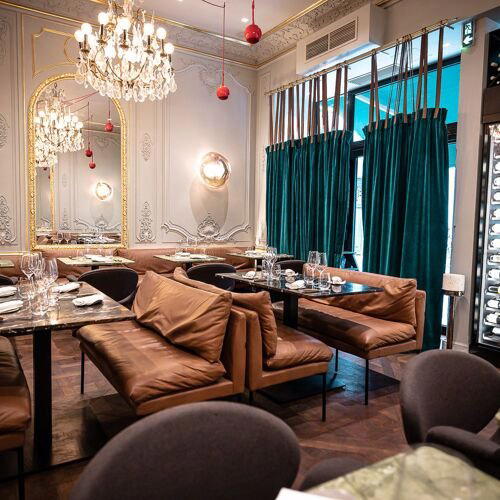
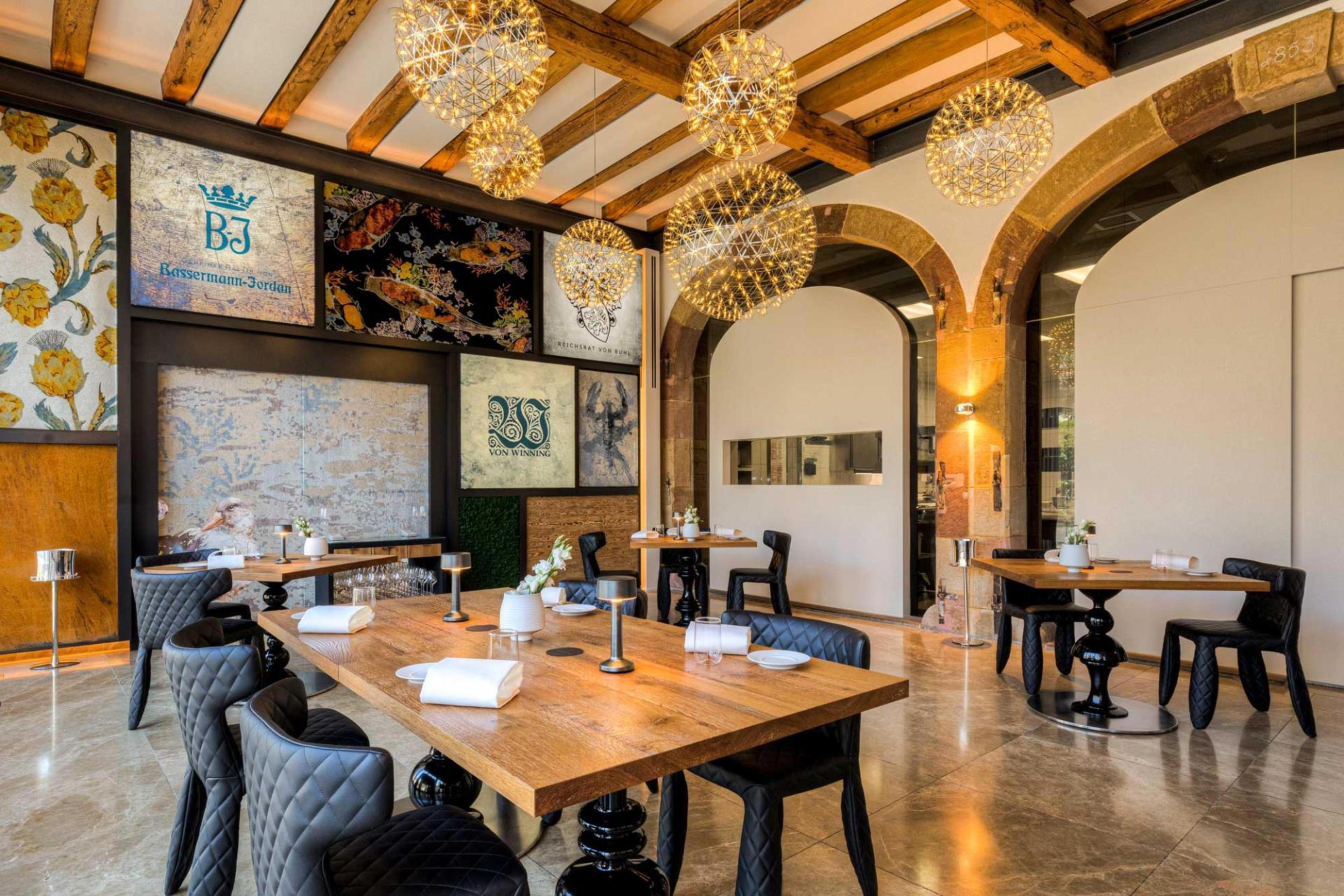
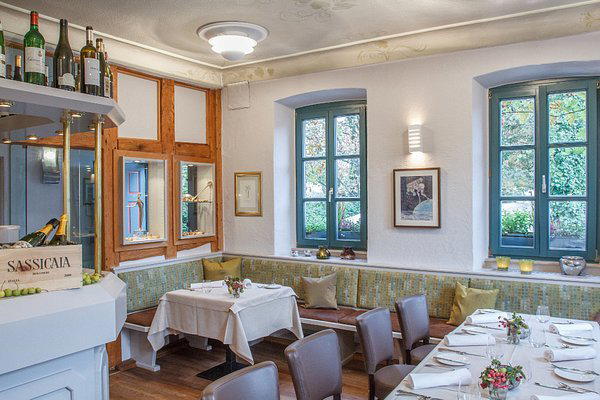
Hospitality mood is described as classic, quiet, rustic, and scenic. That combination tells travellers more than a fabricated list of amenities would. The winery should not be presented as a restaurant, a resort, or a venue with confirmed food pairings, outdoor seating, children’s policies, dog policies, shipping, wine-club structure, or tasting-menu format. None of those specifics are here.
What can be said is that the setting points toward a restrained Pfalz winery experience. The appeal is likely to be strongest for visitors who value atmosphere and landscape: terraced vineyard terrain, mineral soils, and the feel of a traditional Bad Dürkheim estate. It is not necessary to attach claims about a winemaker, founding year, grape varieties, or production scale in order to make the place legible.
That is one of the few practical details that is confirmed, and it should be used carefully. It does not establish the cost of a tasting, a bottle, a meal, or a specific package; it simply signals the venue’s overall price category.
How Castel Peter fits a Bad Dürkheim wine day
Bad Dürkheim rewards itineraries that leave space between stops. The town’s wine identity is dense, and a venue like Weingut Castel Peter is best approached as one reading of the local landscape rather than as an interchangeable address. Its strengths are place-based: terraced terrain, mineral soils, limestone walls, a cool microclimate, and a classic rustic atmosphere.
For planning, keep expectations simple. The confirmed information supports a scenic winery visit in Bad Dürkheim with a traditional Pfalz character and $$ price level. It does not support claims about lunch, dinner, take-out, delivery, specific wine styles, awards, reservations, or a named service model. Travellers comparing options in Bad Dürkheim should therefore treat the winery as a landscape-led winery entry and confirm practical details directly before visiting.
Within the local context, that restraint can be an advantage. Not every worthwhile venue needs a dramatic concept or a long list of features. The winery’s grounded identity is quieter: Bad Dürkheim, terraced vineyard terrain, mineral soils, sun-exposed limestone walls, a cooler microclimate, and a traditional Pfalz setting that reads classic, rustic, and scenic.
Recognition history
Dated appearances from independent guides and award organizations, with the underlying list record or original source where available.
Falstaff Winery - Listed
Falstaff
Continue exploring
More in Bad Dürkheim
Wineries in Bad Dürkheim
Browse all →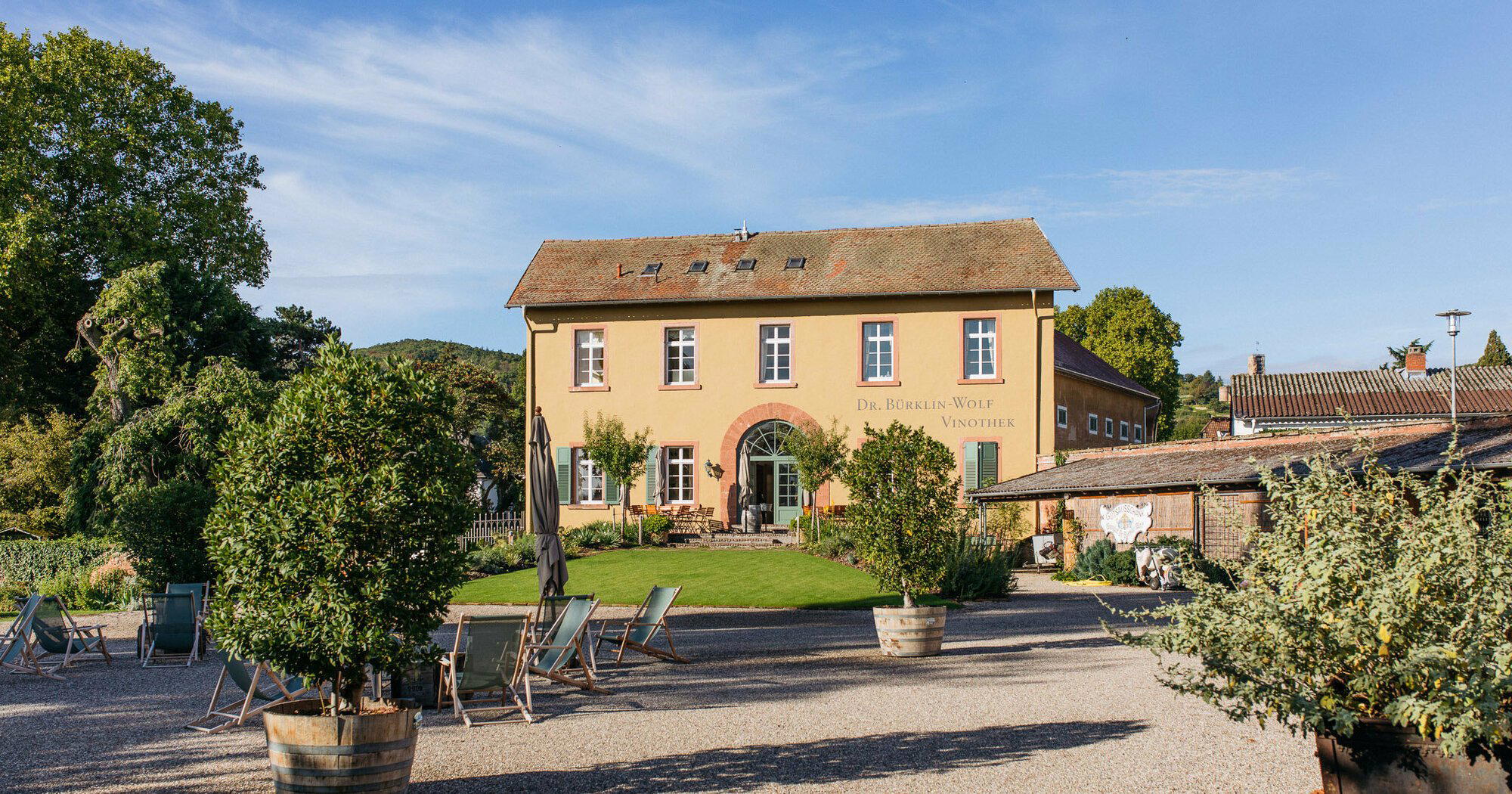
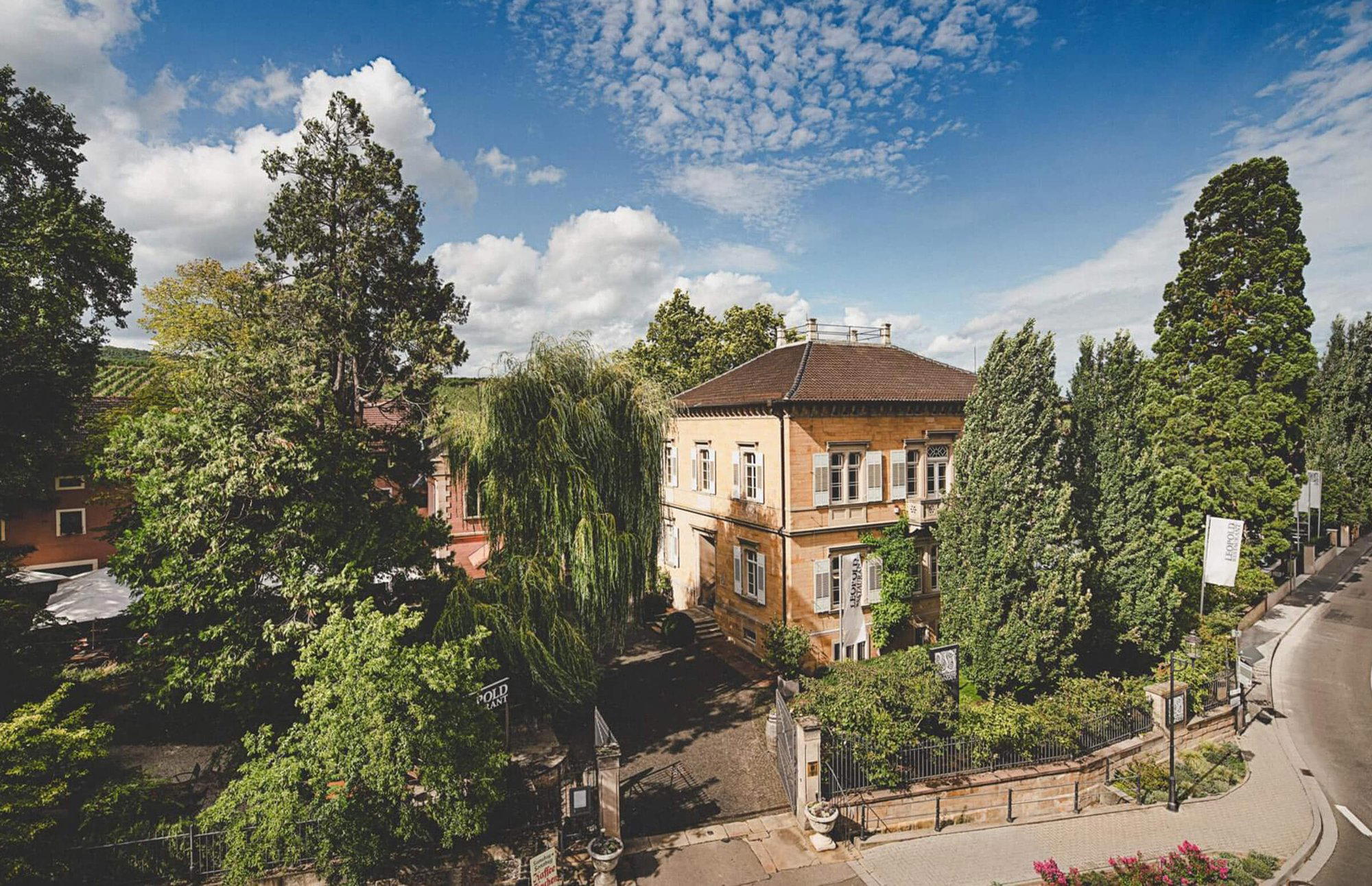
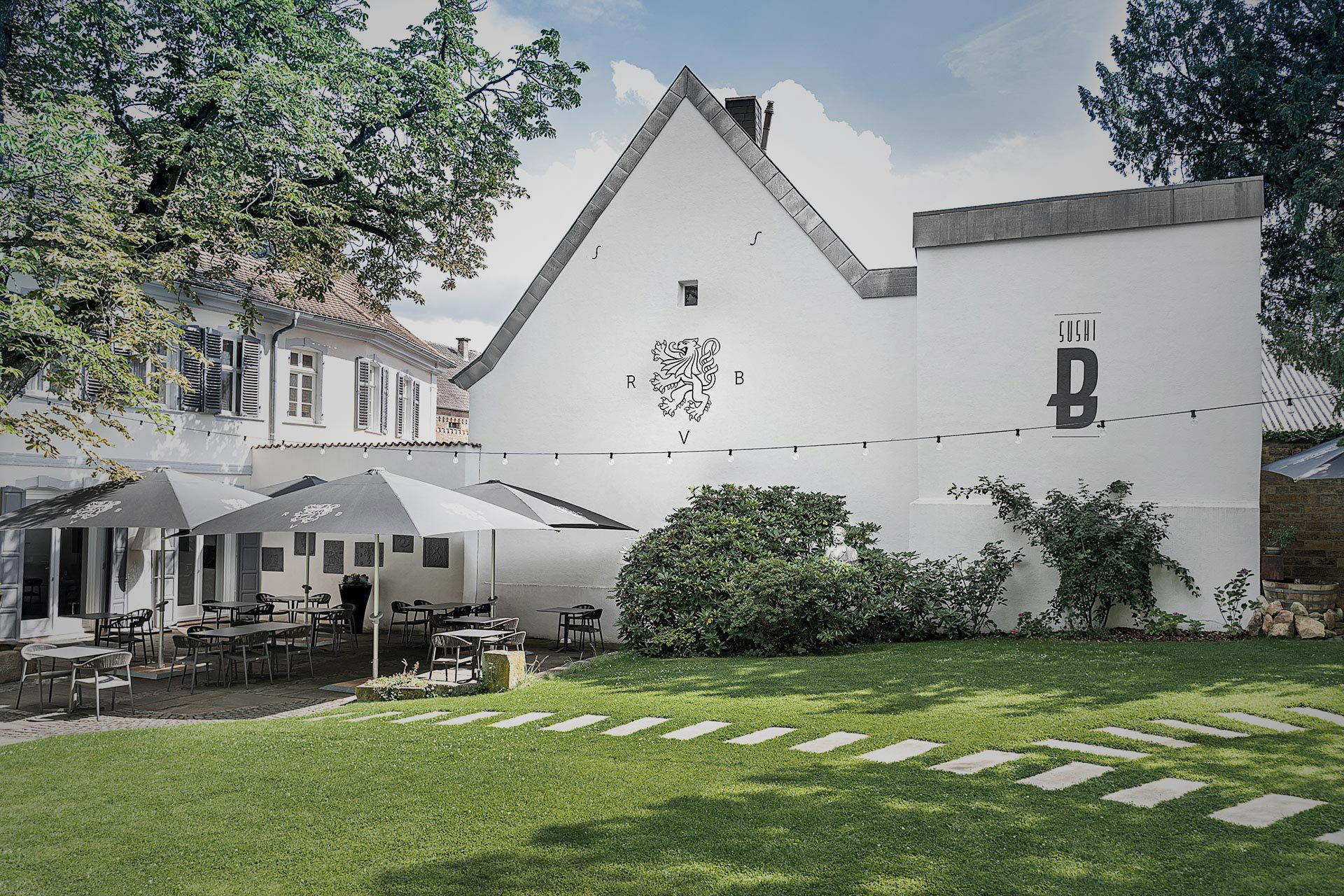
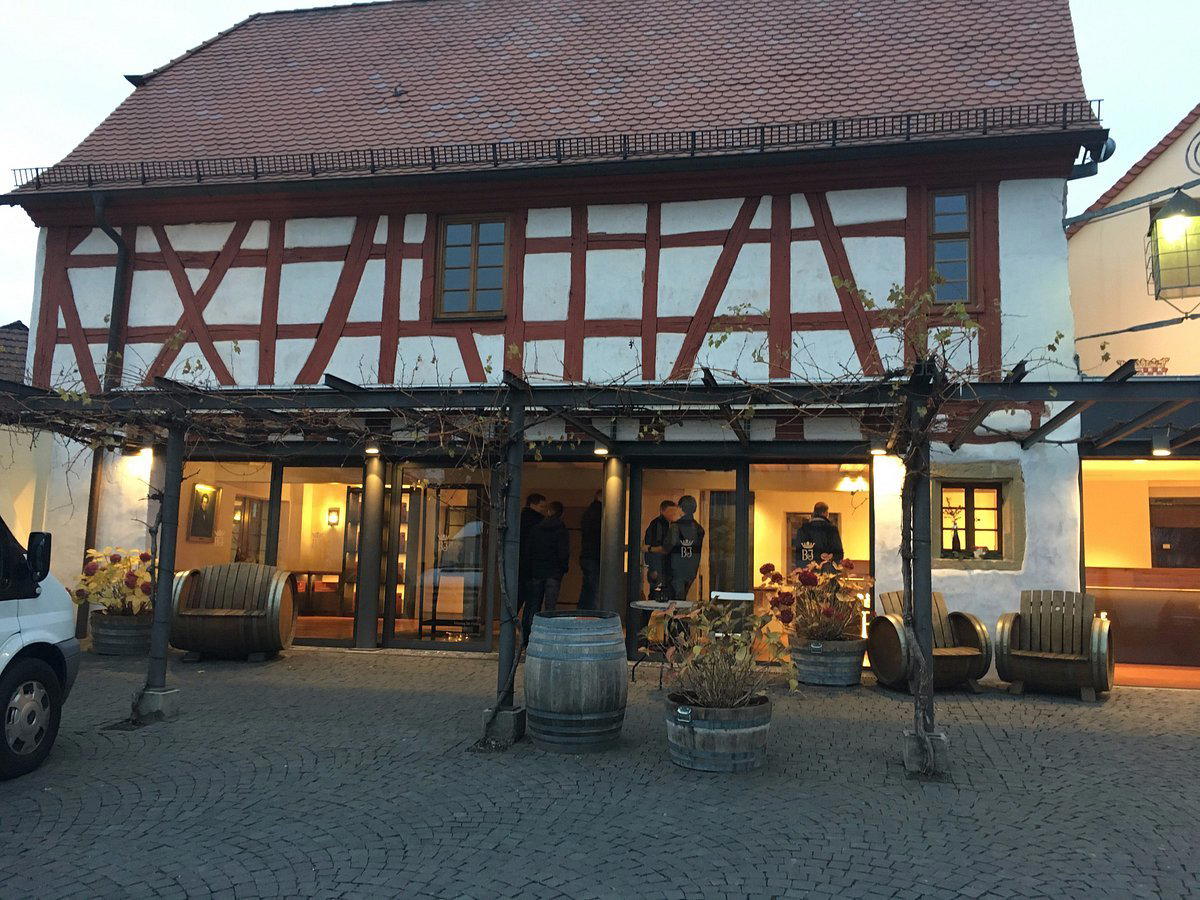
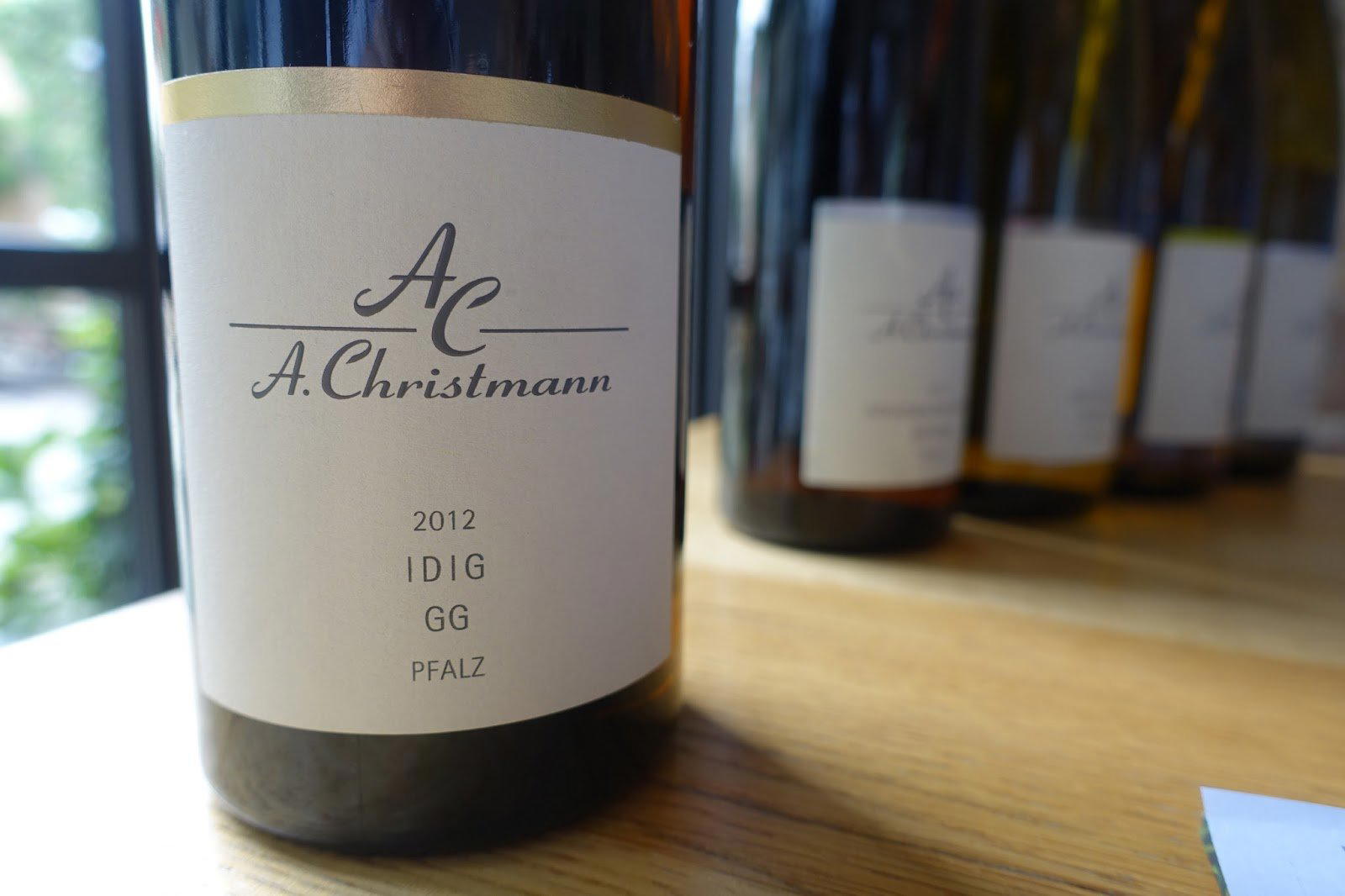
Bars in Bad Dürkheim
Browse all →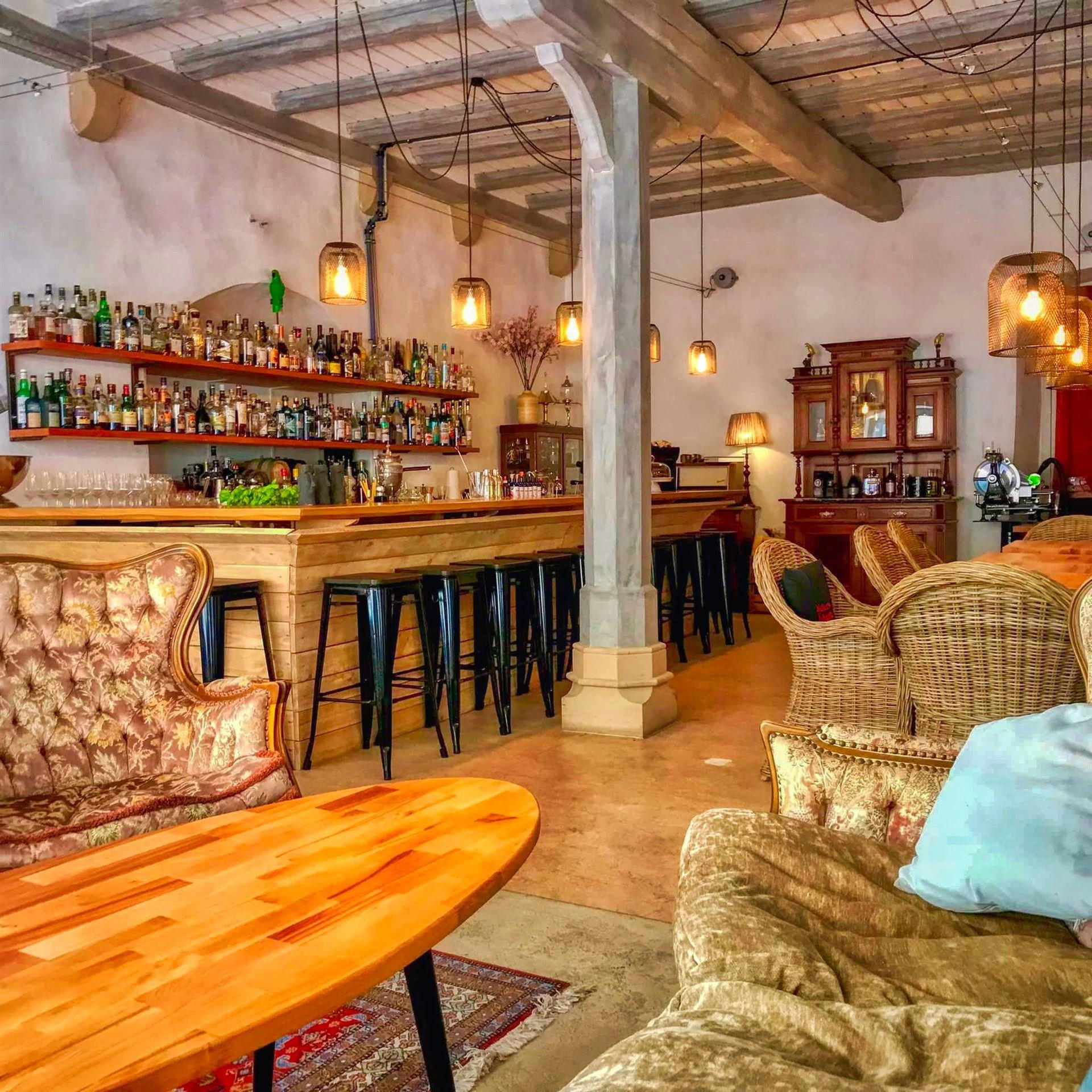
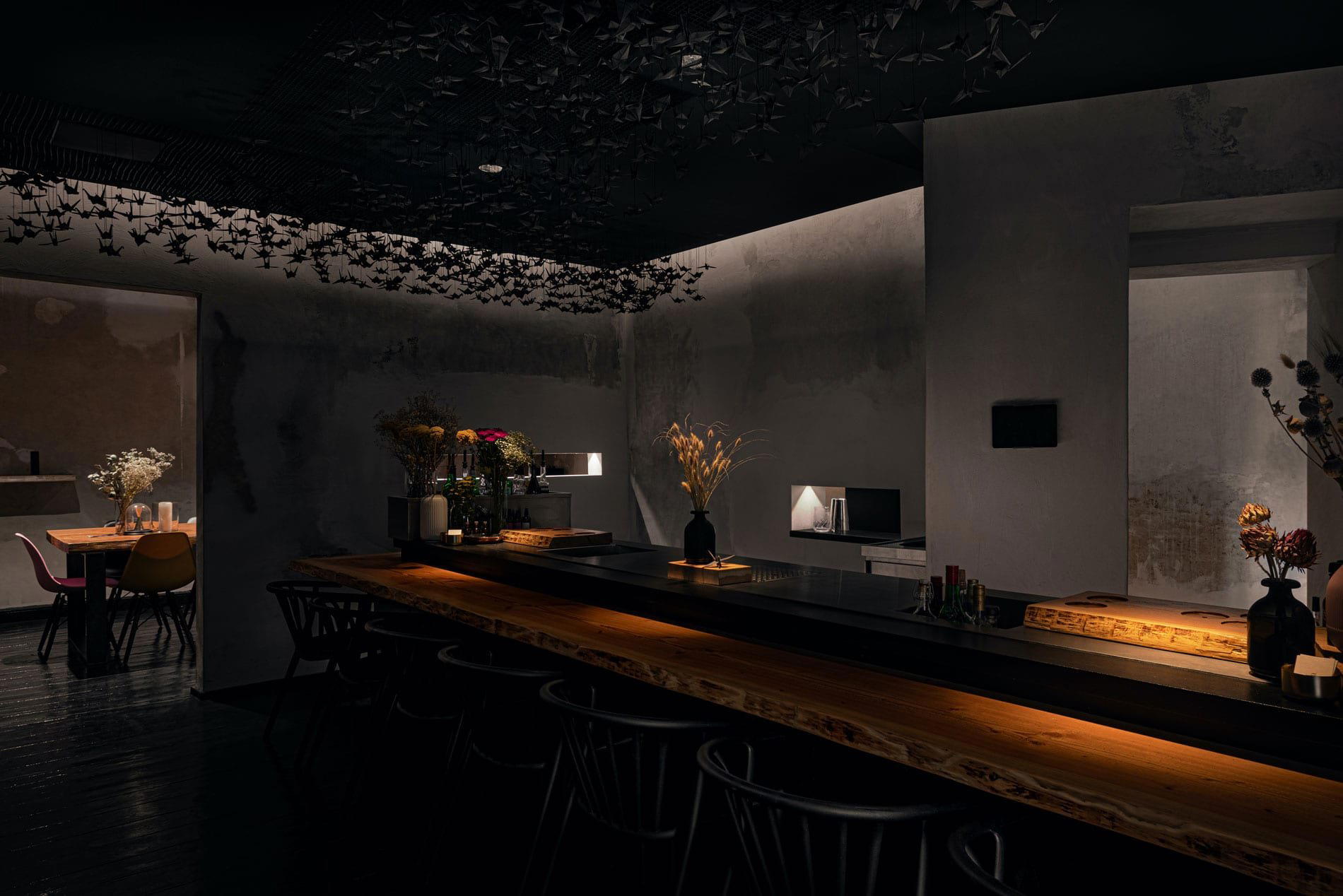
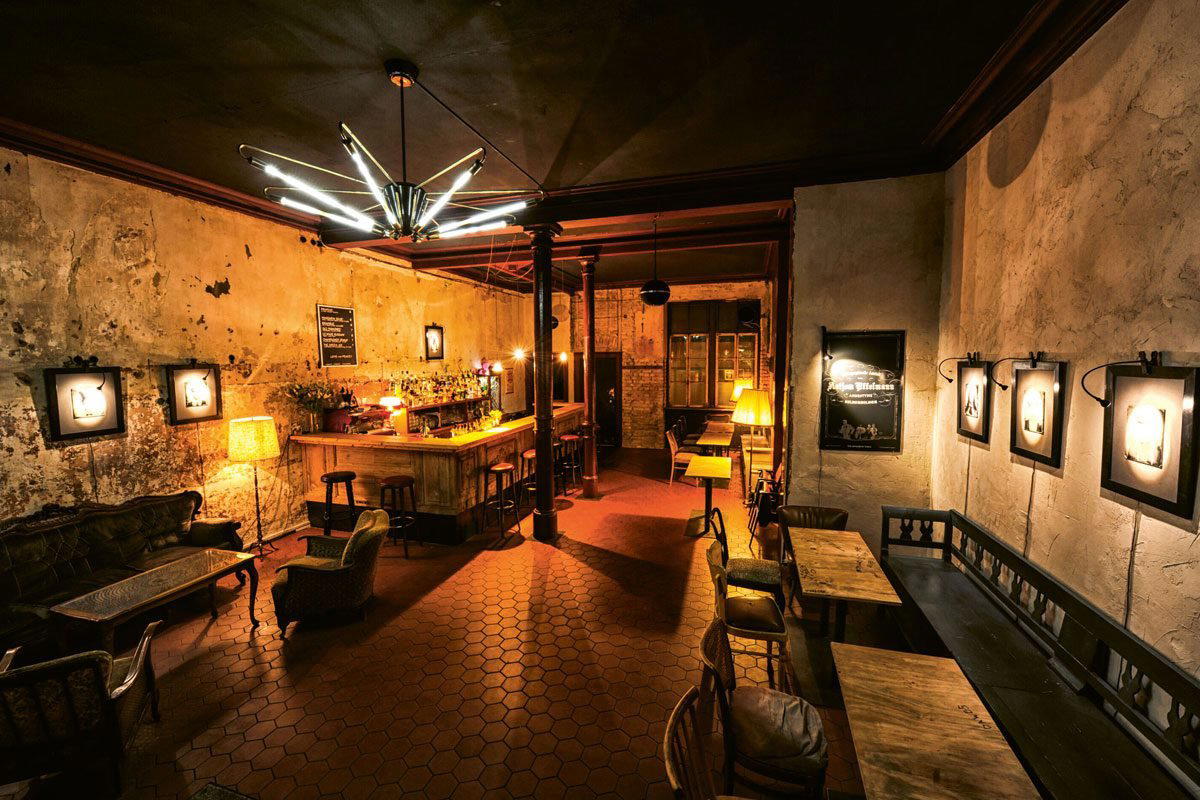
Restaurants in Bad Dürkheim
Browse all →
At a Glance
- Classic
- Quiet
- Rustic
- Scenic
- Wine Education
- Solo Exploration
- Group Outing
- Vineyard Tour
- Historic Building
- Vineyard
- Mittelhaardt/deutsche Weinstraße
- Riesling
- Chardonnay
- Spätburgunder
- Still White
- Still Red
- Tasting Room
Traditional Pfalz winery setting in Bad Dürkheim with terraced vineyard terrain, mineral soils, and a cool microclimate shaped by sun-exposed limestone walls.