
Weingut Caspari-Kappel is a historic organic Mosel estate in Enkirch, founded in 1490 and centred on Riesling from named sites around Enkirch and Traben. Its appeal is quiet and terroir-led: dry, feinherb and fruity-sweet bottlings, plus sparkling wine and secco, framed by steep-slope slate vineyard culture rather than showpiece hospitality.
Pearl is the En Primeur Club membership app — saves, bookings, and concierge access live there. Same editors, same standards.
- Address
- Enkirch, Moselle, Rhineland-Palatinate, Deutschland
- Directions
- Get directions
 Saves & bookings on Pearl
Approaching wine in Enkirch means entering a quieter Mosel register: slate-soil identity, compact village atmosphere, and cellars whose appeal comes less from spectacle than from a clear sense of place. Weingut Caspari-Kappel belongs in that frame: a traditional organic winery with a terroir-driven profile and a strong focus on expressive Mosel Rieslings.
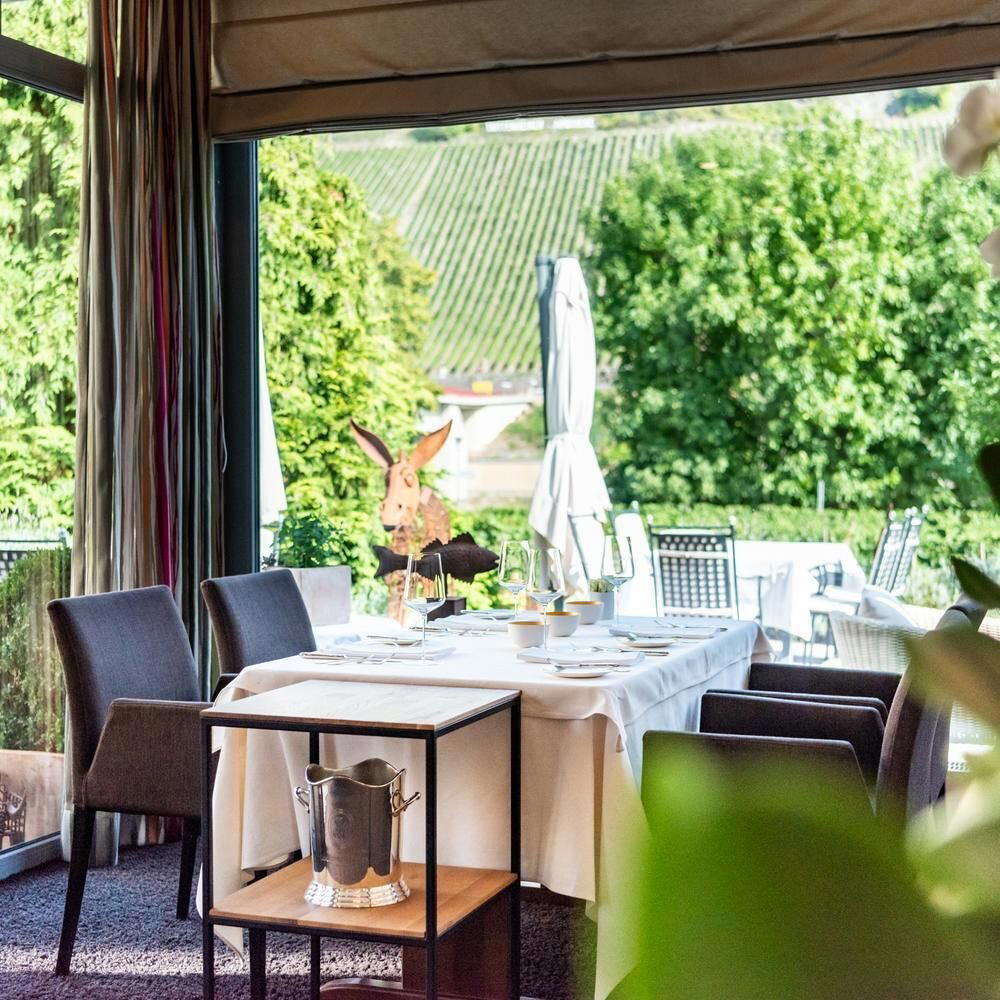
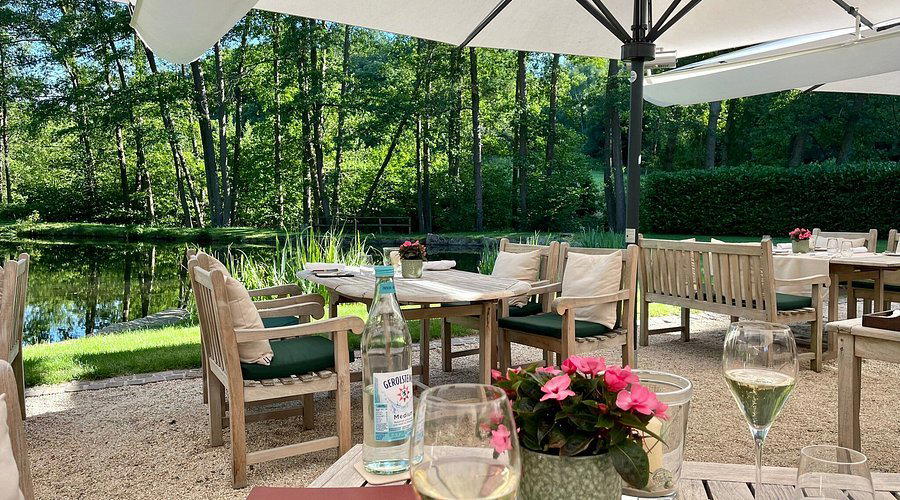
The mood is classic, rustic and low-key.
Slate-soil Riesling is the centre of gravity
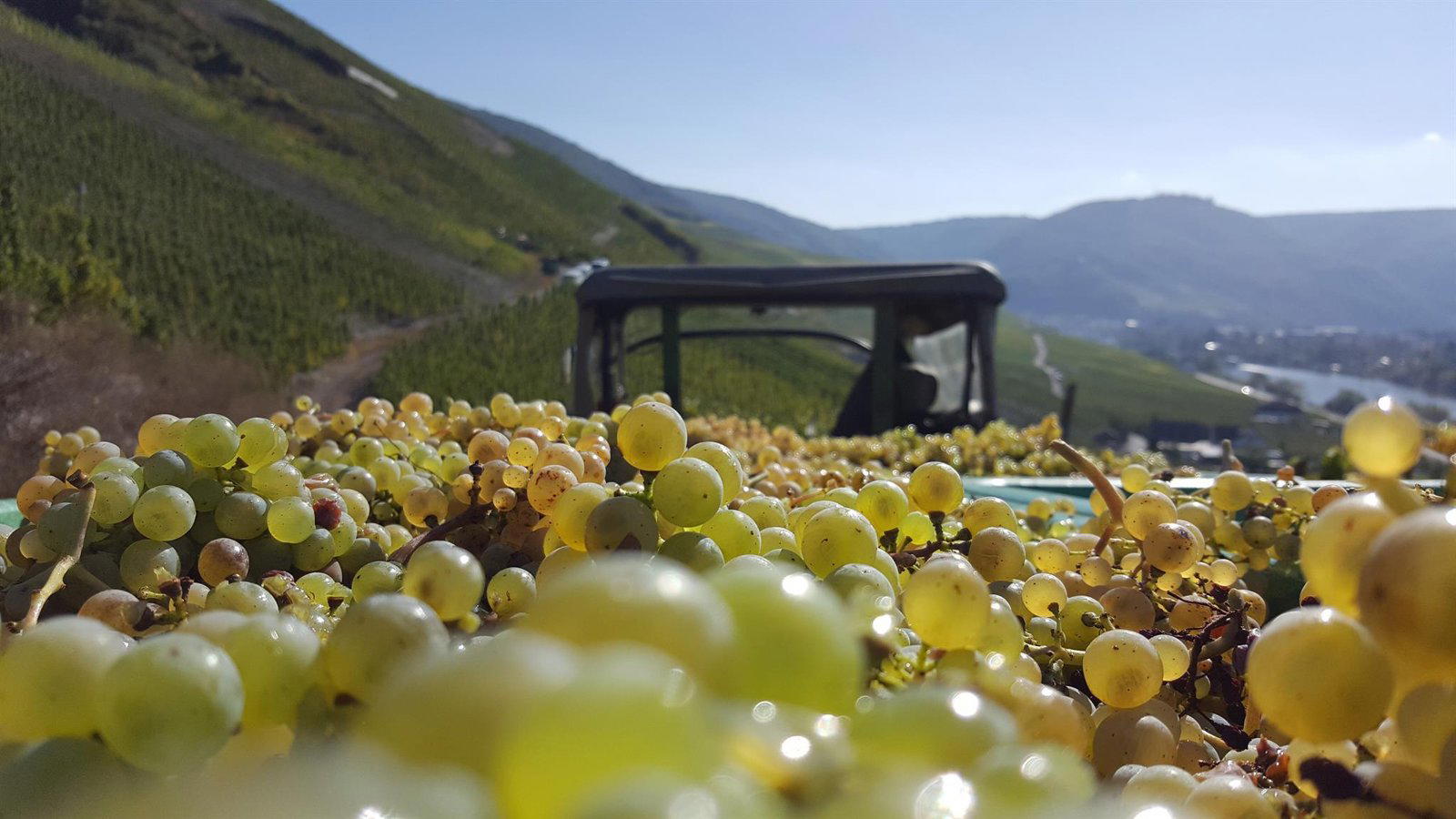
A reliable way to understand Weingut Caspari-Kappel is through its focus on Mosel Riesling. In this part of Germany, Riesling is often read through acidity, aromatic precision and the mineral impression associated with slate soils. For this estate, that slate-soil identity is a part of the story, and it is the safest foundation for any visit or recommendation.
That does not mean every specific bottling, vineyard parcel, vintage note or score should be treated as confirmed here. Those details may matter to collectors when supported by current releases or a producer list, but they are not part of the information. What can be said with confidence is narrower and more useful: Weingut Caspari-Kappel is a traditional organic winery in Enkirch, and its core appeal is expressive Mosel Riesling shaped by terroir.
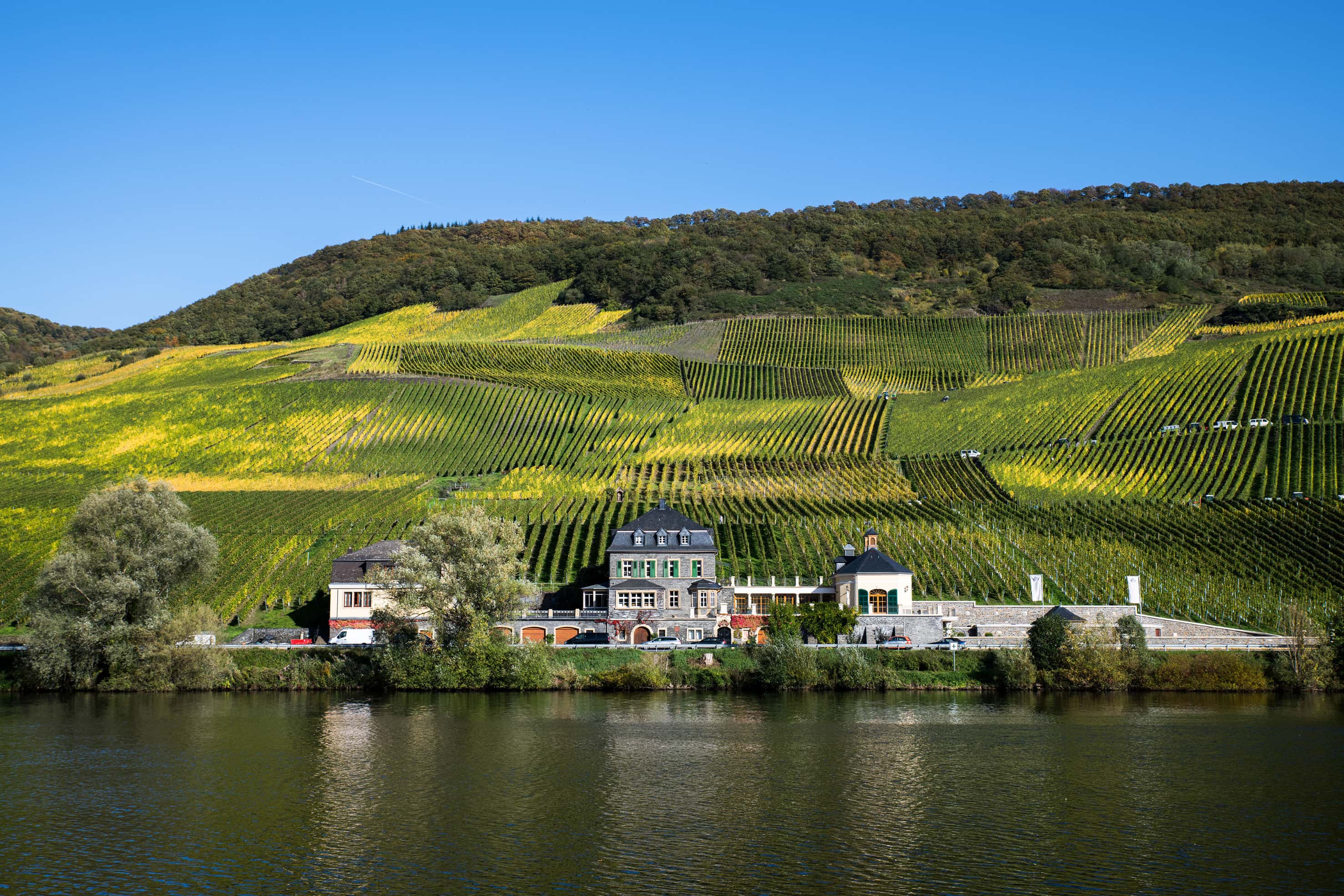
The atmosphere also matters. The profile points toward a classic, rustic and quiet setting rather than a glossy destination built around spectacle. For travellers who enjoy wineries that feel embedded in their village and landscape, that restraint is part of the attraction. The estate is best framed as a place for people interested in the character of Mosel Riesling, not as a venue defined by extras.
A portfolio to approach through place, not hype
With thin data, it is tempting to fill the page with common Mosel assumptions: named sites, sweetness levels, older vines, cellar details, formal tastings or particular service arrangements. The grounded profile is simpler: the winery is associated with organic winegrowing, a slate-driven identity and Rieslings that are intended to express the Mosel.
That is still enough to set expectations. Visitors should come with an interest in Riesling as a grape that can show freshness, aroma and site expression. The estate’s traditional atmosphere suggests a slower, more focused experience than a high-energy bar or entertainment-led stop. If you are looking for a polished hospitality complex, the description does not support that framing. If you are looking for a quiet Enkirch winery with a strong regional identity, the fit is much clearer.
Because no detailed tasting fee, bottle price, tour cost or package information is here, the price note should be read only as a broad indicator rather than a promise of specific offers.
If those details matter for a particular visit, they should be checked directly before making plans. The editorial recommendation rests on the confirmed essentials: Enkirch, organic winery atmosphere, slate-soil identity and expressive Mosel Rieslings.
How to read it within Enkirch's wine culture
Enkirch is a useful place to think about Mosel wine without needing the language of spectacle. The village context supports a more focused kind of wine travel: compact, traditional and closely tied to the landscape. The winery fits that reading because its identity is not built around novelty, but around organic winegrowing, terroir and Riesling.
Strong audience is likely to be travellers who already know they want Mosel Riesling, or who want to understand why slate soils matter so much in the region’s wine culture. The quieter tone also suits people who prefer hidden-gem addresses over crowded, highly programmed destinations.
For wider planning in town, EP Club’s Enkirch coverage can help place the estate alongside other parts of a trip: see Our full Enkirch wineries guide, plus Our full Enkirch restaurants guide, Our full Enkirch hotels guide, Our full Enkirch bars guide and Our full Enkirch experiences guide. Related winery reading can also be approached generically as part of broader German-speaking wine travel, but the winery remains the Enkirch focus here.
Recognition history
Dated appearances from independent guides and award organizations, with the underlying list record or original source where available.
Falstaff Winery - 3 Stars
Falstaff
Continue exploring
More in Enkirch
Wineries in Enkirch
Browse all →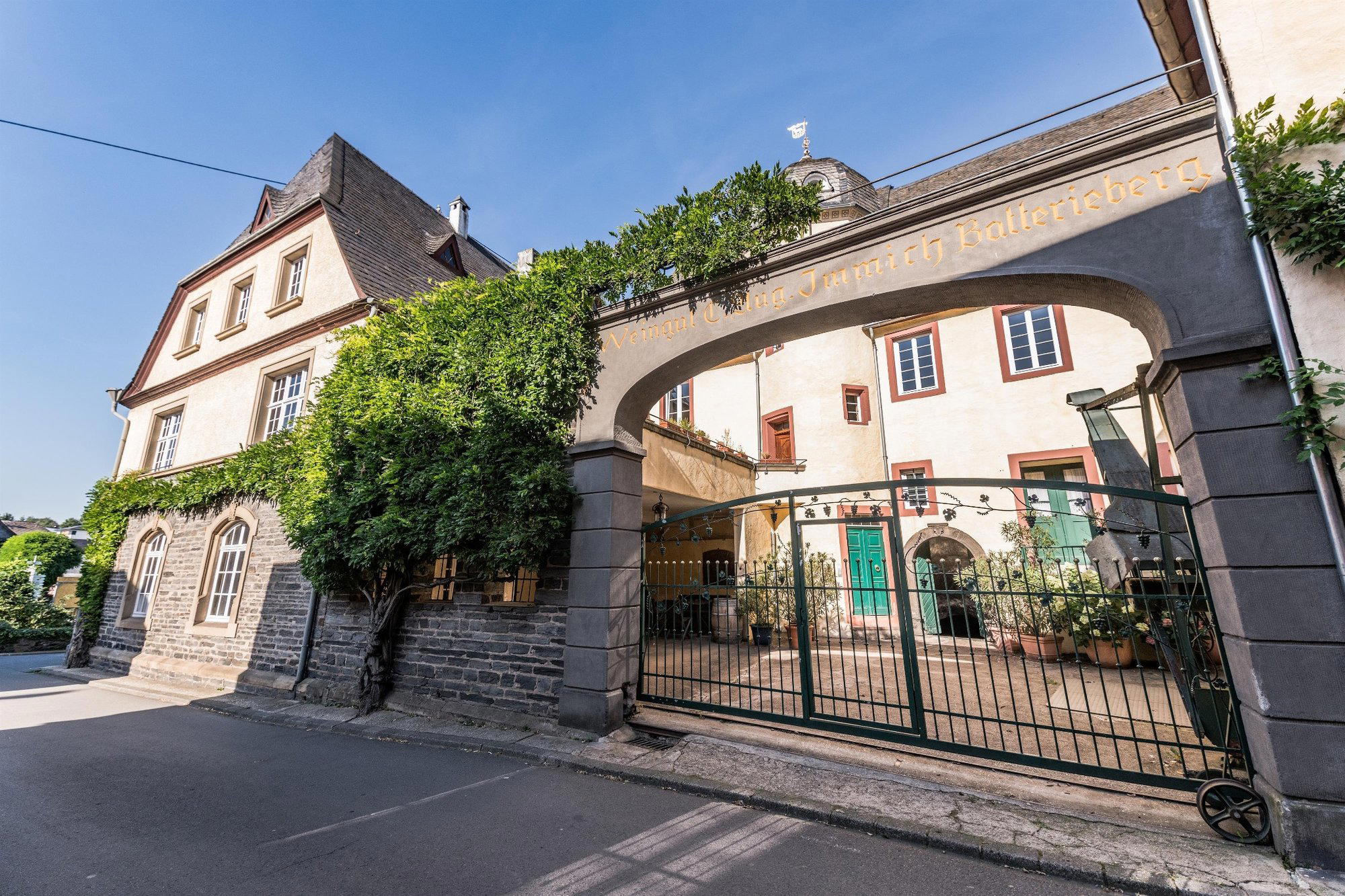
Bars in Enkirch
Browse all →
Restaurants in Enkirch
Browse all →
At a Glance
- Classic
- Rustic
- Quiet
- Wine Education
- Group Outing
- Special Occasion
- Solo Exploration
- Historic Building
- Private Tasting
- Vineyard Tour
- Organic
- Sustainable
- Vineyard
- Bernkastel
- Riesling
- Pinot Blanc
- Pinot Noir
- Still White
- Still Rosé
- Sparkling
- Private Tasting
- Vineyard Tasting
Traditional organic winery atmosphere with a terroir-driven, slate-soil identity and a strong focus on expressive Mosel Rieslings.