Weinbaugenossenschaft Klingnau

Falstaff Winery - Listed
Weinbaugenossenschaft Klingnau is a long-established winegrowing cooperative in Klingnau, rooted in local viticulture rather than destination-winery theatre. Its appeal lies in the cooperative model: member harvests, guided tastings, direct wine sales, and a civic role in keeping Klingnau’s wine culture visible.

In Klingnau, Weinbaugenossenschaft Klingnau is best understood through a simple, grounded frame: a traditional cooperative wine cellar and shop atmosphere in a historic Swiss town, with the emphasis on tastings and local wine culture. The appeal is not an elaborate hospitality concept or a restaurant-style experience. It is quieter, more classic, and more closely tied to the idea of wine as part of local identity.
Because the public profile is limited, it is worth being precise about what can and cannot be said. The confirmed picture is of a cozy, historic, quiet cellar-shop setting with a cooperative character and a focus on tasting. Specific claims about grape varieties, production methods, founding dates, named winemakers, vineyard holdings, awards, food service, seating capacity, or detailed opening patterns are not part of the record here and should not be treated as planning facts.
That restraint actually helps clarify the venue. Weinbaugenossenschaft Klingnau is not presented as a luxury destination, a chef-led dining room, or a high-design visitor center. Its identity rests on a more modest and local foundation: Klingnau, wine culture, and the atmosphere of a traditional cooperative cellar/shop. For visitors who value context over spectacle, that can be the main reason to pay attention.
Cooperative wine culture, not cellar-door theatre
The strongest description of Weinbaugenossenschaft Klingnau is atmospheric rather than technical. It is classic, cozy, quiet, and historic, with a focus on tastings and local wine culture. That gives the venue a different rhythm from places built around extensive menus, dramatic service choreography, or destination dining. The experience should be approached as a wine-culture stop in Klingnau rather than as a full hospitality complex.
The word “cooperative” also shapes expectations, but it should not be used as a license to invent operational details. Without specifics on membership, production structure, vineyard holdings, or bottlings, the honest reading is narrower: this is a local wine venue whose public identity is connected to cooperative cellar and shop culture. The value lies in the atmosphere and the tasting focus, not in unsupported claims about how every bottle is made or distributed.
That makes the venue especially relevant for travelers who like understated places. A quiet cellar-shop atmosphere can be rewarding precisely because it does not overexplain itself. The setting suggests a closer relationship to local habits and local wine identity than to polished tourism language. If your interest is in the feel of wine culture in Klingnau, Weinbaugenossenschaft Klingnau gives you a grounded place to start.
At the same time, expectations should remain practical. Treat the visit as a tasting-oriented stop in a historic cooperative wine cellar/shop atmosphere, and confirm any operational details directly before you go.
How Klingnau's land is presented through local stewardship
It is tempting to turn any wine venue into a detailed terroir story, but the information for Weinbaugenossenschaft Klingnau does not support technical claims about soils, slopes, clones, barrels, or vineyard sites. A more accurate approach is to read the venue through place and atmosphere: Klingnau, a historic setting, a cooperative wine-cellar identity, and a tasting focus tied to local wine culture.
That does not make the venue less meaningful. On the contrary, a wine stop can be important without a long list of published technical details. For many visitors, the most memorable part of a place like this is the tone: classic rather than flashy, quiet rather than crowded in spirit, cozy rather than formal. Those qualities are part of the character and should guide how the venue is described.
The local-wine-culture emphasis is the safest and most useful planning fact. It tells you that Weinbaugenossenschaft Klingnau is not primarily a generic bottle shop in the abstract, nor a restaurant with wine as an accessory. Its identity is tied to Klingnau and to tasting in a traditional cooperative cellar/shop setting. That is the core promise the information supports.
Price is also direct: the venue is listed at the accessible “$” level. That should be read only as a broad price signal, not as a guarantee of exact tasting fees, bottle prices, or package costs. For current details, visitors should check directly with Weinbaugenossenschaft Klingnau before making plans.
Where it fits into a Klingnau wine day
For planning a day in Klingnau, Weinbaugenossenschaft Klingnau fits best as a focused wine-culture stop. Build the visit around tasting and the atmosphere of a historic cooperative cellar/shop, not around a full meal, a long itinerary of on-site amenities, or a confirmed schedule of events. The description supports a compact, place-specific experience.
The mood is likely to appeal most to people who enjoy local context: travelers interested in how a town presents its wine culture, visitors who prefer quiet and classic settings, and anyone who wants a less theatrical stop.
Readers mapping a wider Klingnau itinerary can pair the cooperative with other dining in Klingnau generically, then confirm timing and availability directly with each venue.
The editorial reason to go is clear and modest: Weinbaugenossenschaft Klingnau offers a historic, traditional cooperative wine cellar/shop atmosphere in Klingnau, with a focus on tastings and local wine culture. That is enough to make it relevant for wine-minded visitors who prefer grounded local character over unsupported claims or exaggerated destination language.
Frequently asked questions
What's the general vibe of Weinbaugenossenschaft Klingnau?
It has a quiet, classic, cozy, historic cooperative wine cellar/shop atmosphere in Klingnau. The focus is on tastings and local wine culture rather than restaurant-style service.
Where is Weinbaugenossenschaft Klingnau located?
Weinbaugenossenschaft Klingnau is located in Klingnau.
What should I budget for Weinbaugenossenschaft Klingnau?
Pricing at Weinbaugenossenschaft Klingnau is listed as $.
Why do people go to Weinbaugenossenschaft Klingnau?
People go for tastings and for the quiet, historic atmosphere of a traditional cooperative wine cellar/shop connected to local wine culture in Klingnau.
Recognition history
Dated appearances from independent guides and award organizations, with the underlying list record or original source where available.
Falstaff Winery - Listed
Falstaff
Request a visit to Weinbaugenossenschaft Klingnau
Tell us when you would like to go and how many people, and we put the request to the estate and reply to you by email.
Continue exploring
More in Klingnau
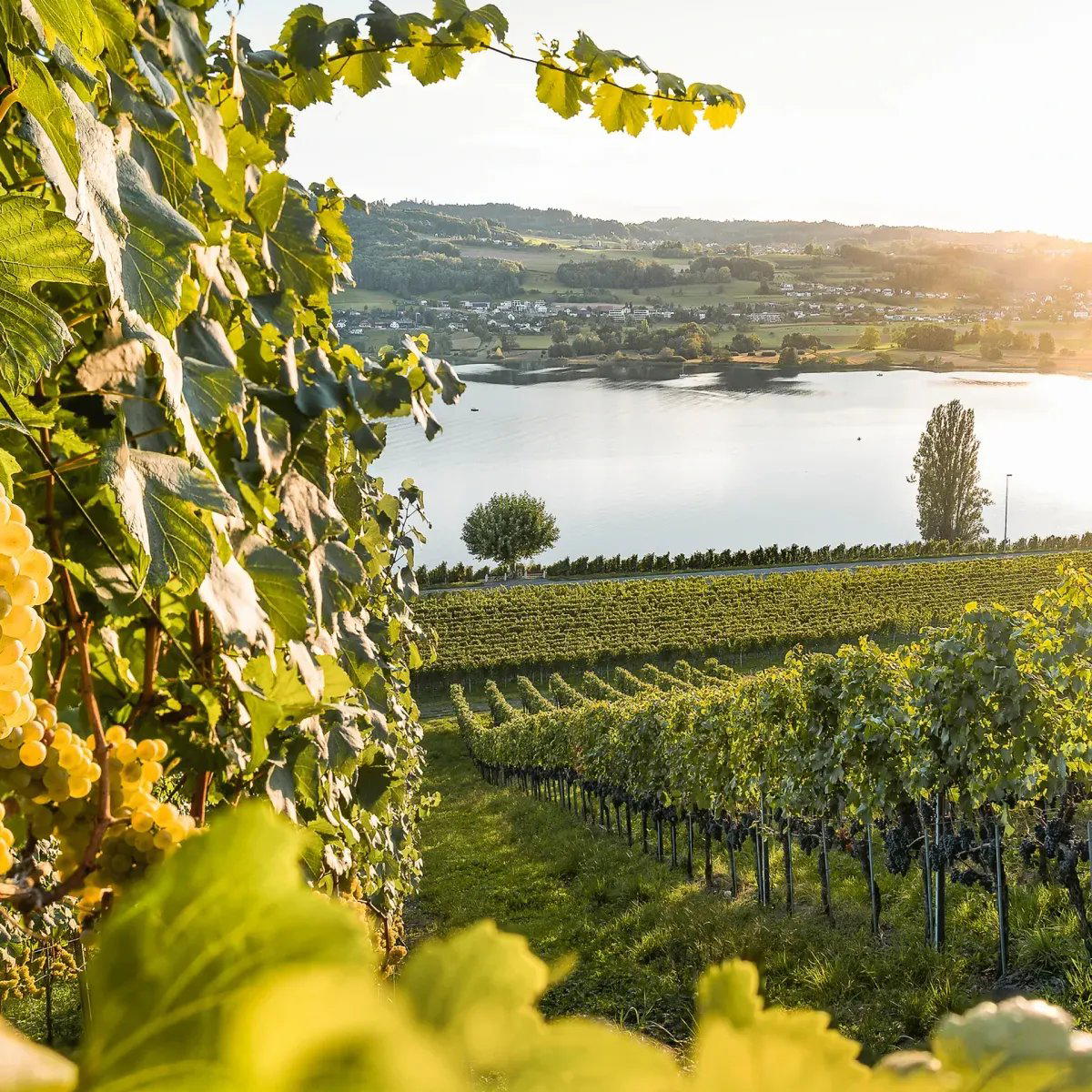
Wineries in Klingnau
All wineries in Klingnau →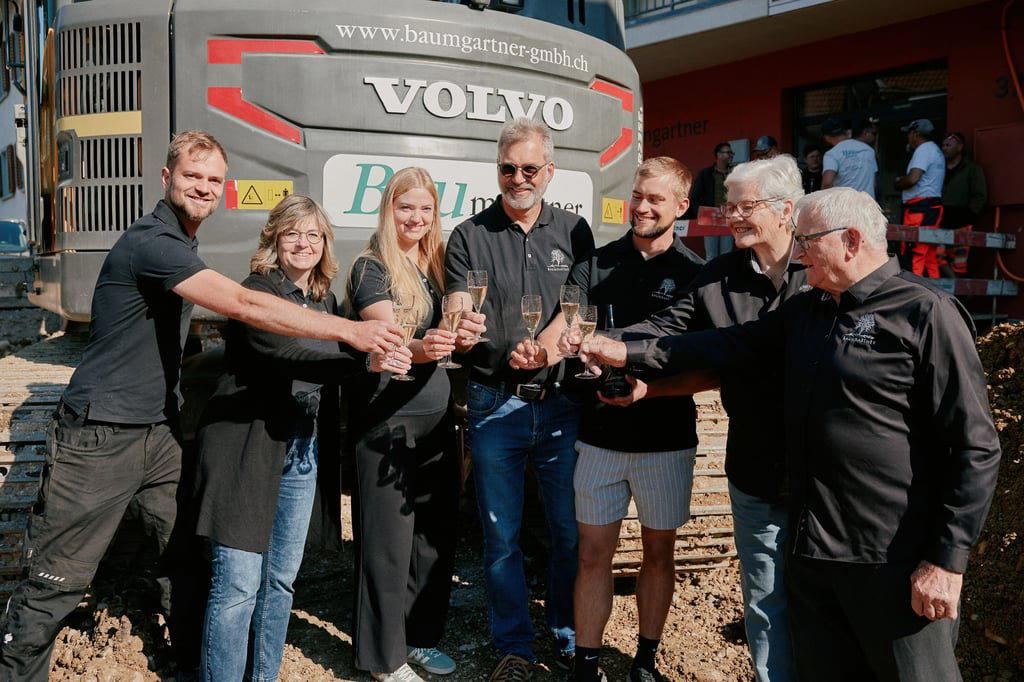
Bars in Klingnau
Browse all →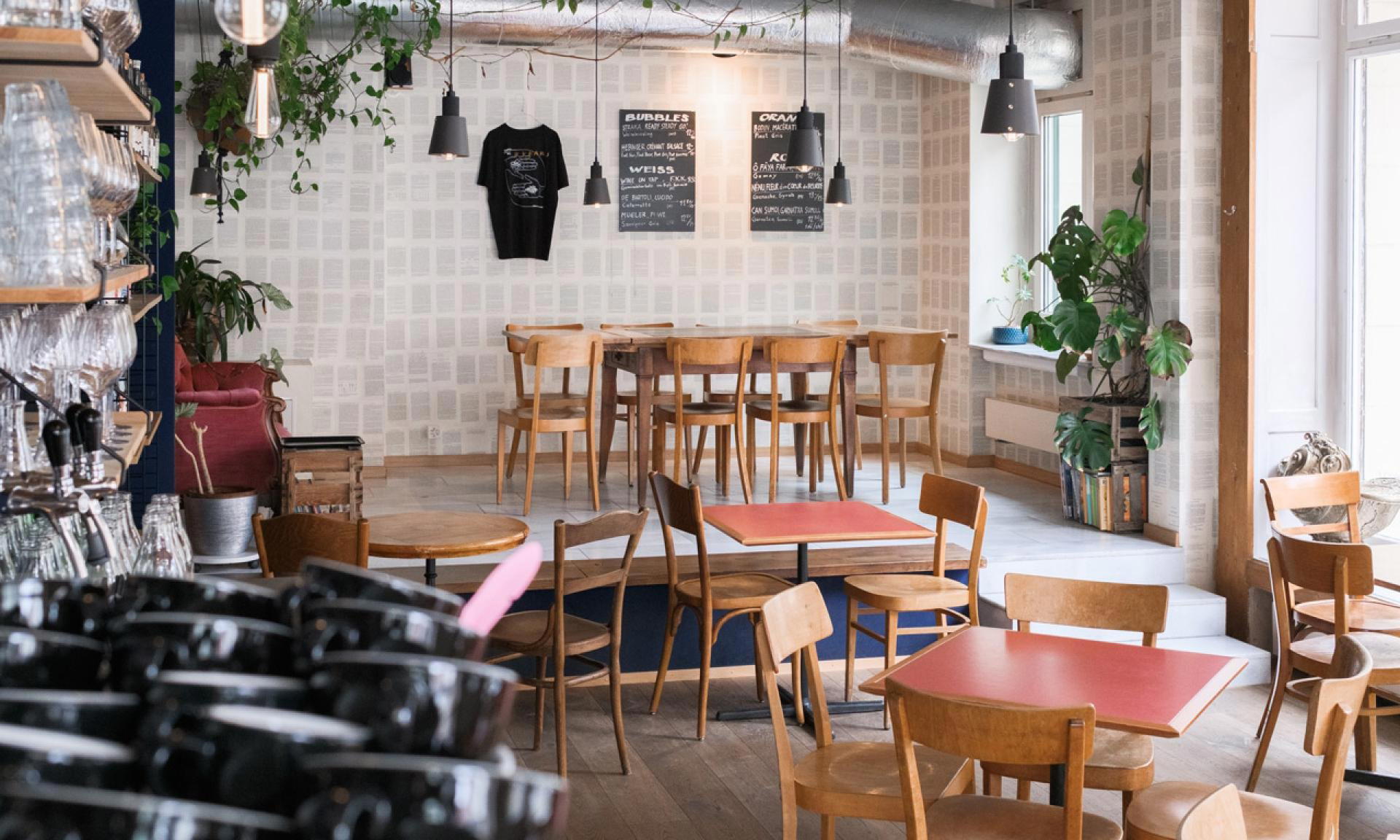
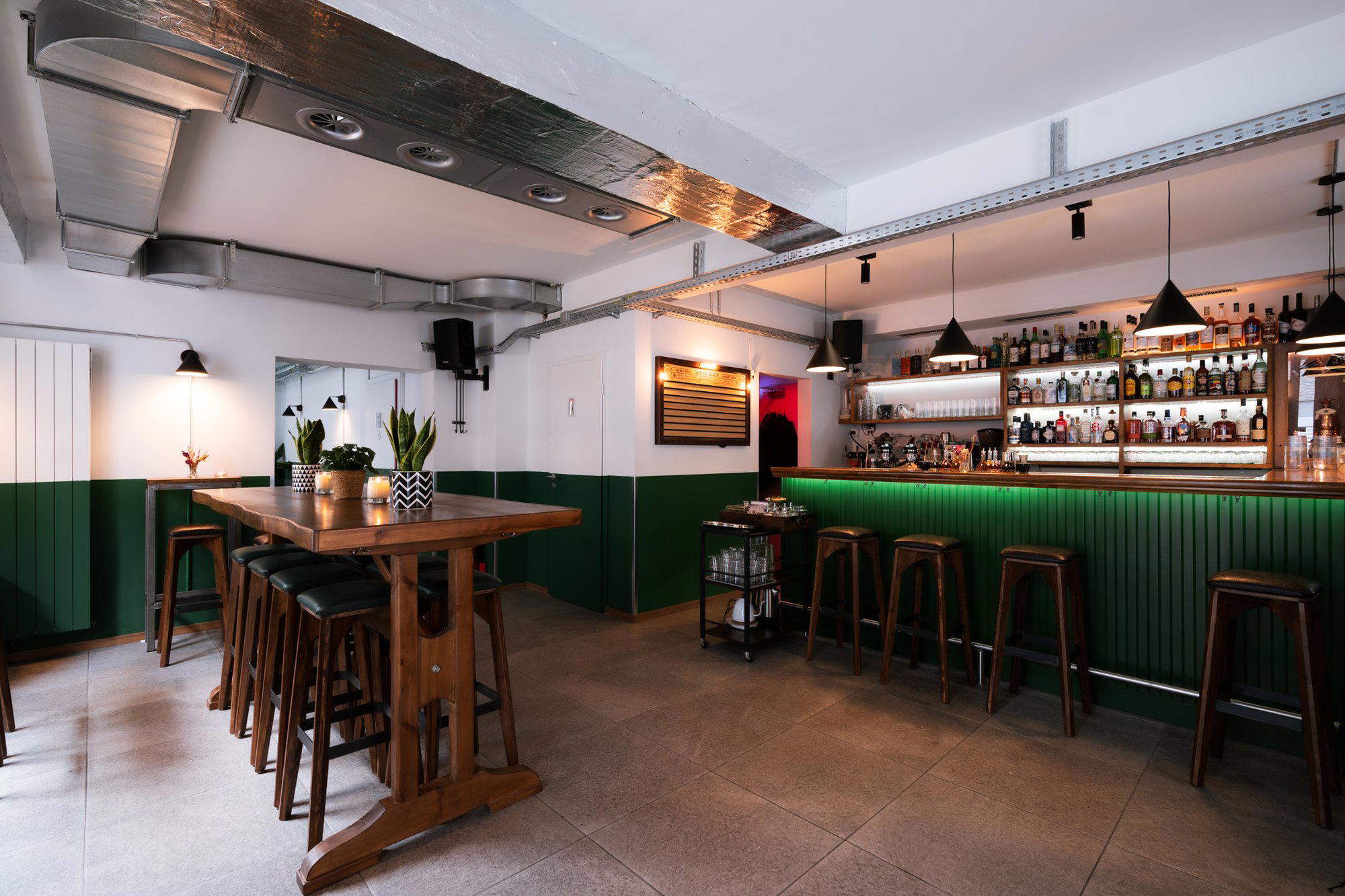
Restaurants in Klingnau
Browse all →

Details
- Classic
- Cozy
- Quiet
- Historic
- Wine Education
- Group Outing
- Special Occasion
- Historic Building
- Private Tasting
- Street Scene
- Blauburgunder
- Riesling Silvaner
- Still Red
- Still White
- Guided Tasting
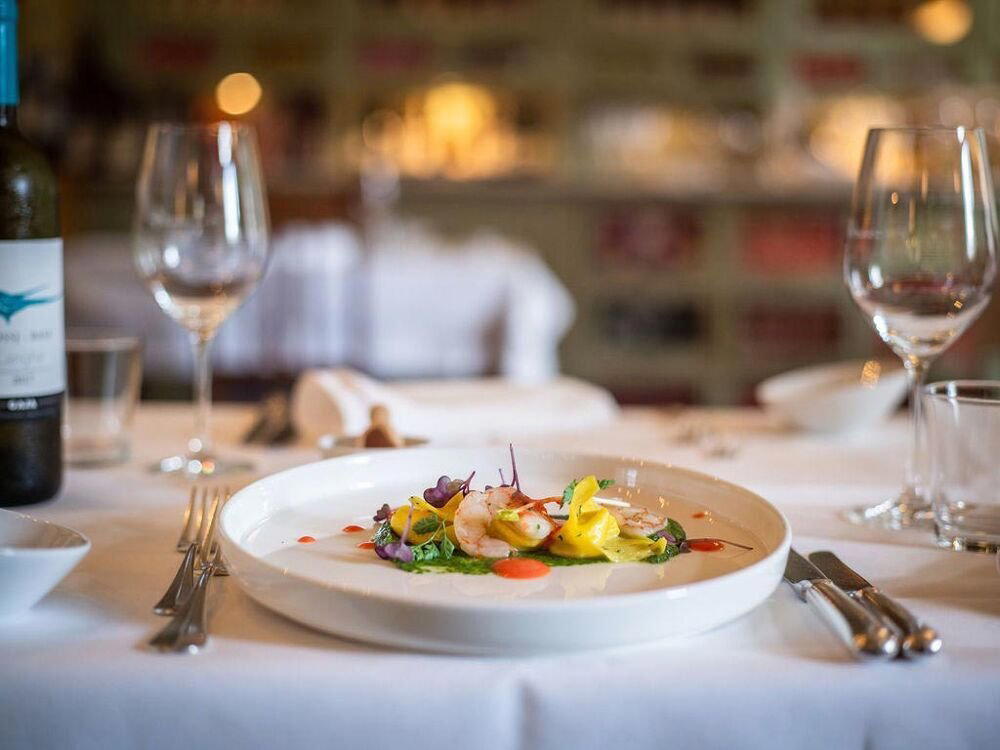
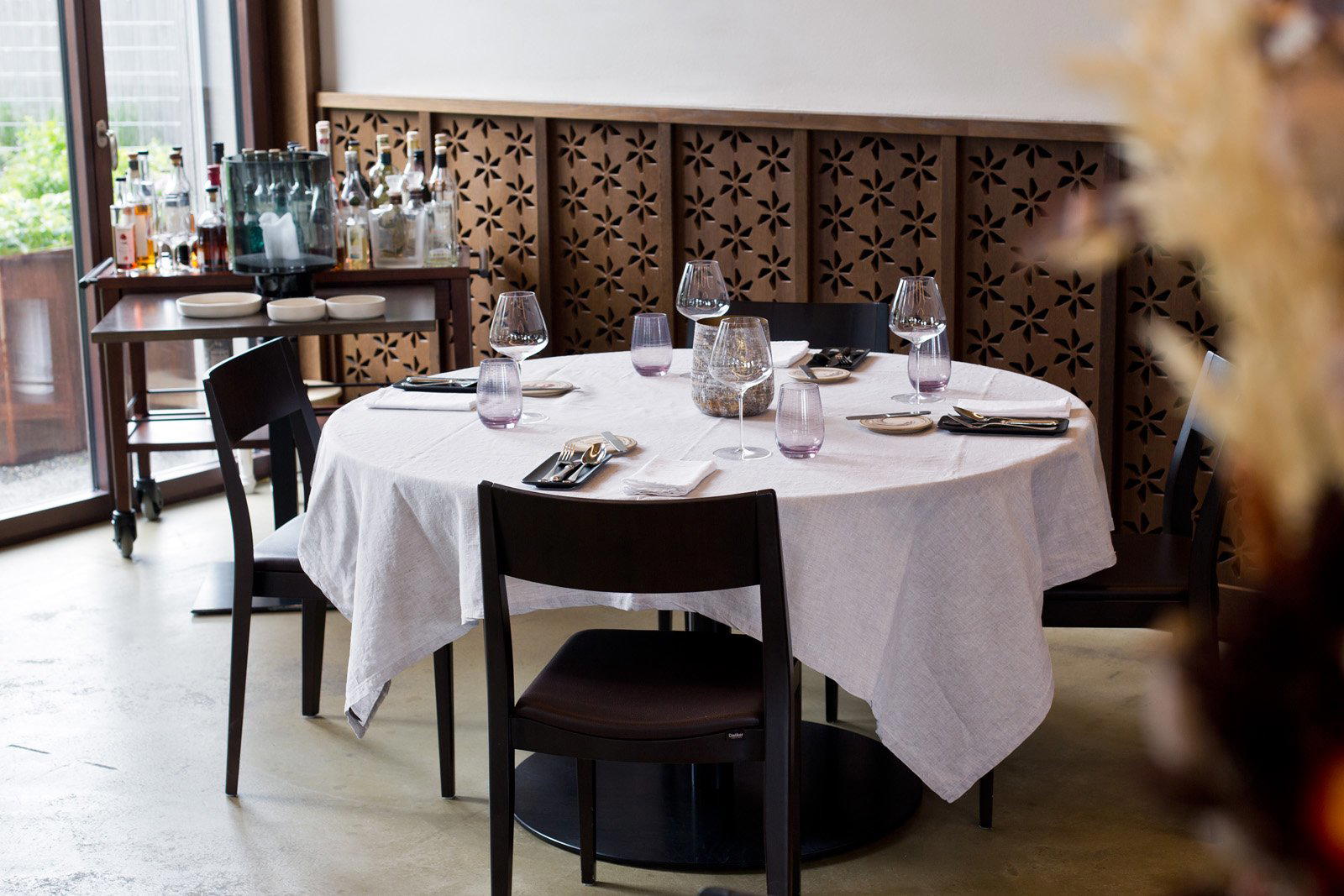
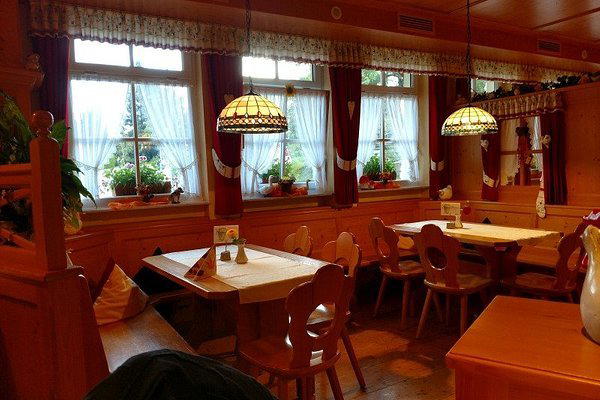
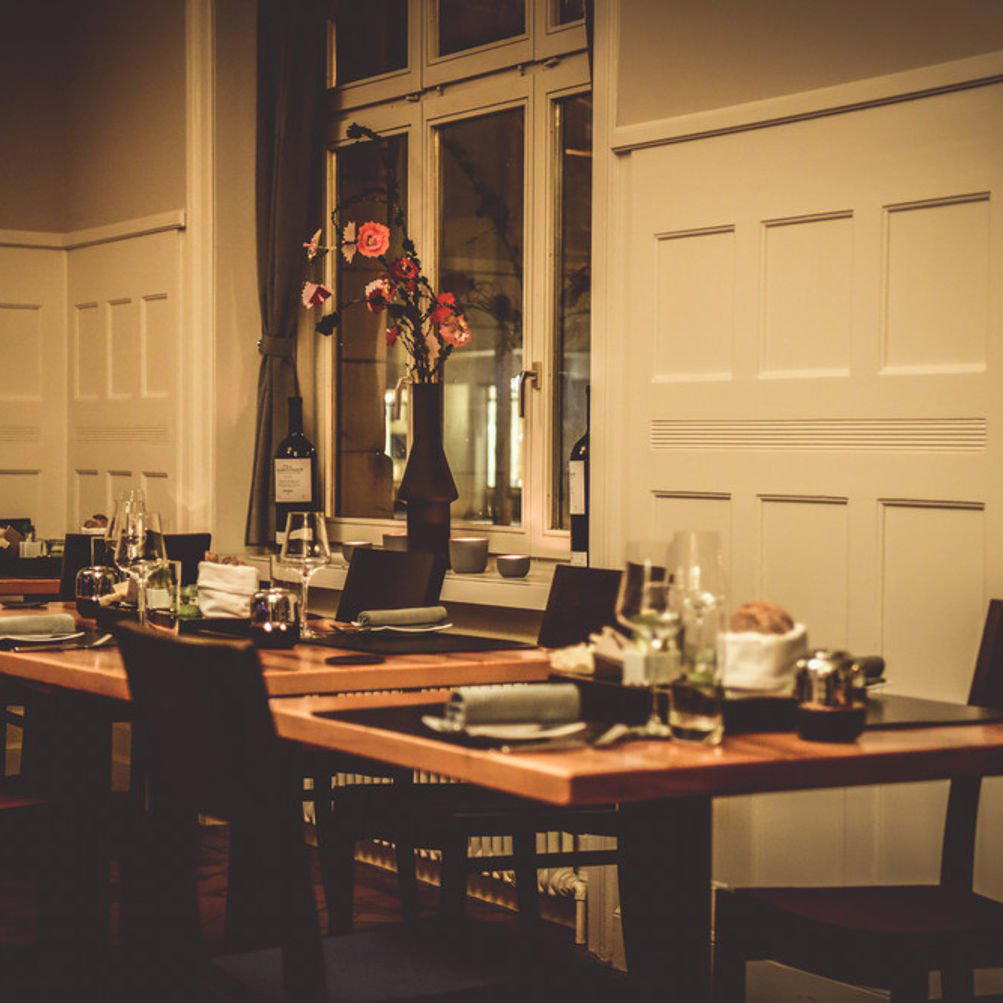
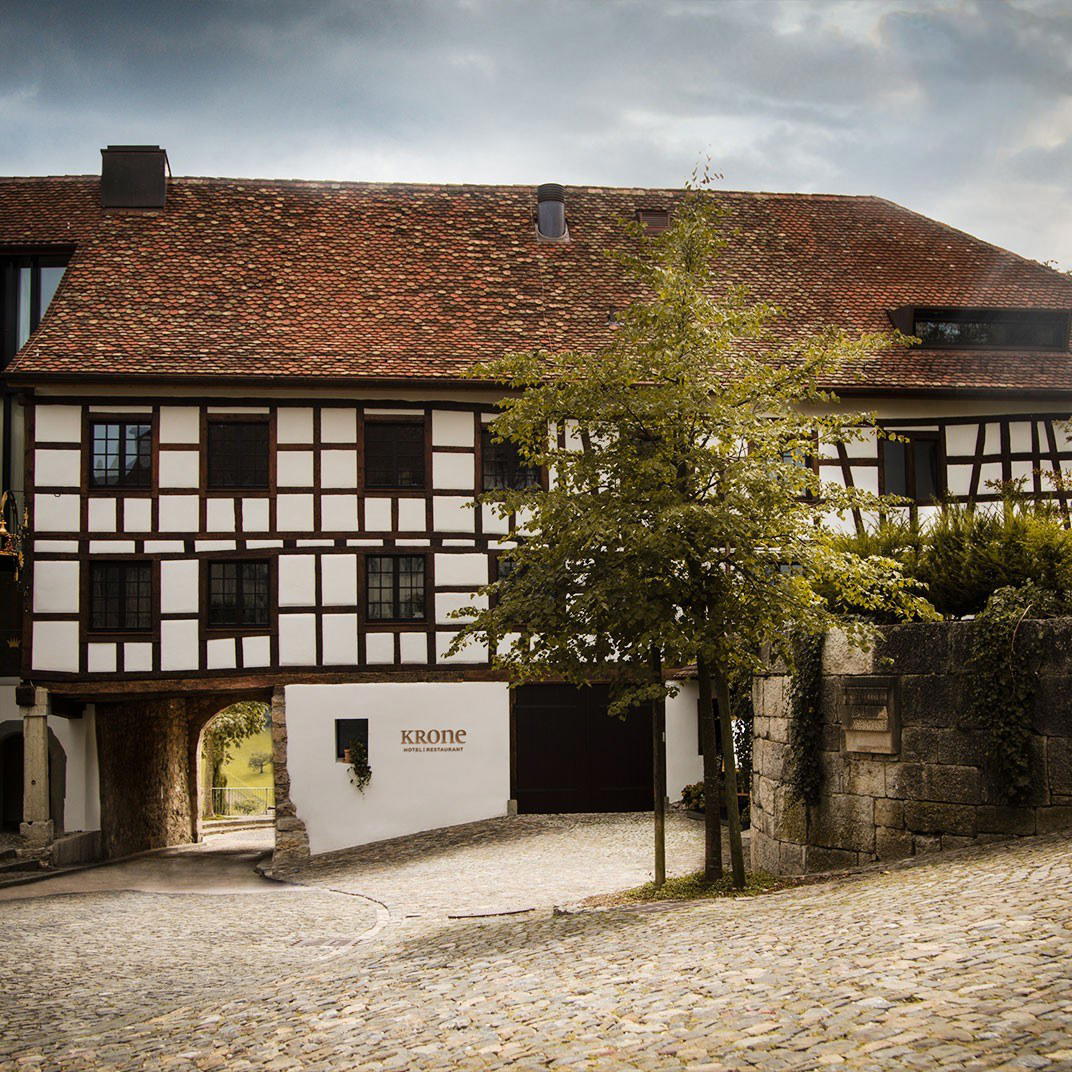
Traditional cooperative wine cellar/shop atmosphere in historic Klingnau, with a focus on tastings and local wine culture.