Weinbau Markus Ruch

Weinbau Markus Ruch is a small natural-wine estate in Neunkirch, rooted in Schaffhausen’s Klettgau hills and built around hand work, Pinot Noir, Müller-Thurgau, and Rheinriesling. Its interest lies less in cellar-tour polish than in terroir expression: alluvial soils, local clones, biodynamic-leaning farming, and a compact portfolio that has found traction with sommeliers across Switzerland, Germany, and Austria.
Pearl is the En Primeur Club membership app — saves, bookings, and concierge access live there. Same editors, same standards.
- Address
- Neunkirch, Canton of Schaffhausen, Schweiz
- Directions
- Get directions
 Saves & bookings on Pearl
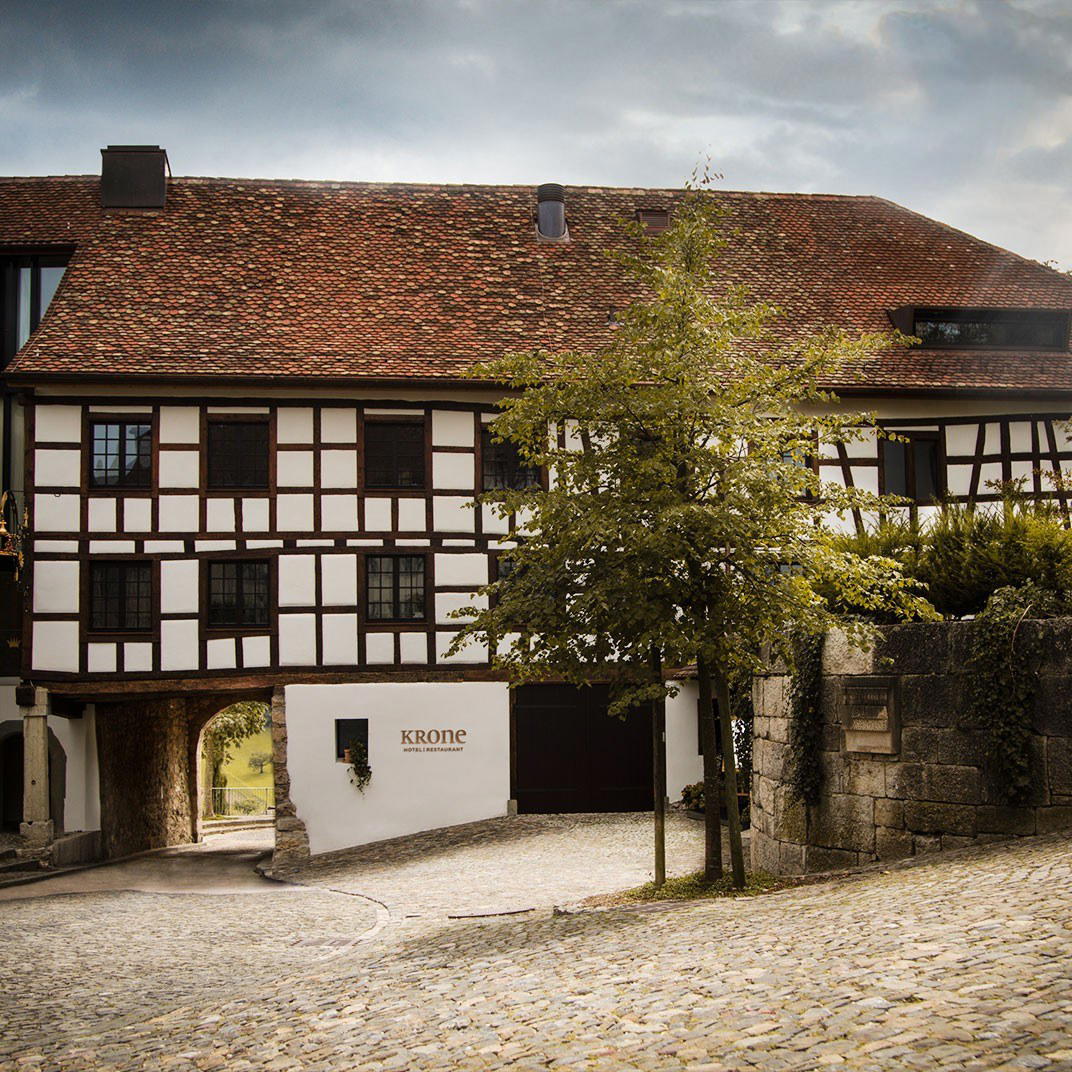
Weinbau Markus Ruch in Neunkirch is best understood as a small, artisanal wine estate rather than as a large hospitality address. The picture is intentionally modest: a hands-on producer rooted in a historic former Zehntscheune/warehouse in Neunkirch, with a micro-estate setting in the Klettgau hills. That combination gives the place its most important character notes: rustic, quiet, intimate, and somewhat hidden from the more obvious routes of Swiss wine travel.
For visitors, the appeal is not a long checklist of amenities or a heavily staged experience. The grounded description points instead to scale and atmosphere. This is a craft-focused venue where the setting matters: an old agricultural building, a small estate context, and a rural northern Swiss landscape that frames the visit without turning it into spectacle. If you are choosing Weinbau Markus Ruch, the reason is the sense of a working place with a quiet identity, not the promise of a broad leisure complex.
Klettgau setting and northern Swiss restraint
A reliable way to describe Weinbau Markus Ruch is through its location and physical character. It is in Neunkirch, connected to the Klettgau hills, and shaped by the feel of a micro-estate. Those facts are enough to distinguish it from more polished or urban wine venues. The tone is rustic rather than formal, intimate rather than expansive, and artisanal rather than corporate.
What can be said with confidence is narrower but useful: the winery belongs on a Neunkirch itinerary for travelers who value small-scale craft, quiet settings, and the atmosphere of a historic working base.
That restraint is part of the editorial point. Some venue guides are strongest when they name a chef, a signature dish, a cellar list, or a formal accolade. This one is stronger when it avoids over-claiming. The facts support a simple reading: the winery is a small, hands-on wine estate in Neunkirch with a rustic, intimate identity and a Klettgau hillside context.
A micro-estate shaped by hand work rather than visitor spectacle
The phrase “hands-on” matters here. It signals a venue whose character comes from small scale and craft focus, not from a broad menu of public-facing services. The historic former Zehntscheune/warehouse gives the estate a rooted, practical feeling, while the micro-estate description places it in a landscape where the surrounding hills are part of the experience.
Nothing in the record supports presenting the winery as a high-volume tasting destination, a restaurant, a hotel-style retreat, or an award-led attraction. It should be framed more carefully: a quiet, hidden-gem wine address with an intimate atmosphere and a strong sense of place. That makes it especially relevant for travelers who prefer understated producers and rural settings over more commercialized stops.
The price indicator is listed as $$, which gives a broad expectation without confirming any specific tasting fee, bottle price, package, or menu. Treat that as a general price band only. It does not establish a particular service format, reservation policy, or included experience.
How to place it within a wider Swiss wine itinerary
Neunkirch is a sensible base for a slower, more selective wine-focused stop, especially for travelers interested in small producers and rural settings. The winery can be placed within that kind of itinerary as the quiet, craft-led address: historic building, Klettgau hills, intimate scale, and a rustic atmosphere.
For planning, it is best to avoid assuming extras. The available facts do not confirm lunch, dinner, food service, delivery, take-out, formal tours, specific tasting hours, group capacity, or dietary accommodations. Visitors should check current official information before making plans, especially if timing, access, or a particular type of visit is important.
The editorial case for the winery is therefore concise but clear. It represents a small, artisanal, hands-on side of Neunkirch: quiet, rustic, and rooted in a historic former Zehntscheune/warehouse with a micro-estate connection to the Klettgau hills. Go for a grounded sense of place rather than spectacle, and judge the venue by its scale, atmosphere, and craft-focused character.
Recognition history
Dated appearances from independent guides and award organizations, with the underlying list record or original source where available.
Falstaff Winery - 4 Stars
Falstaff
Continue exploring
More in Neunkirch
Wineries in Neunkirch
Browse all →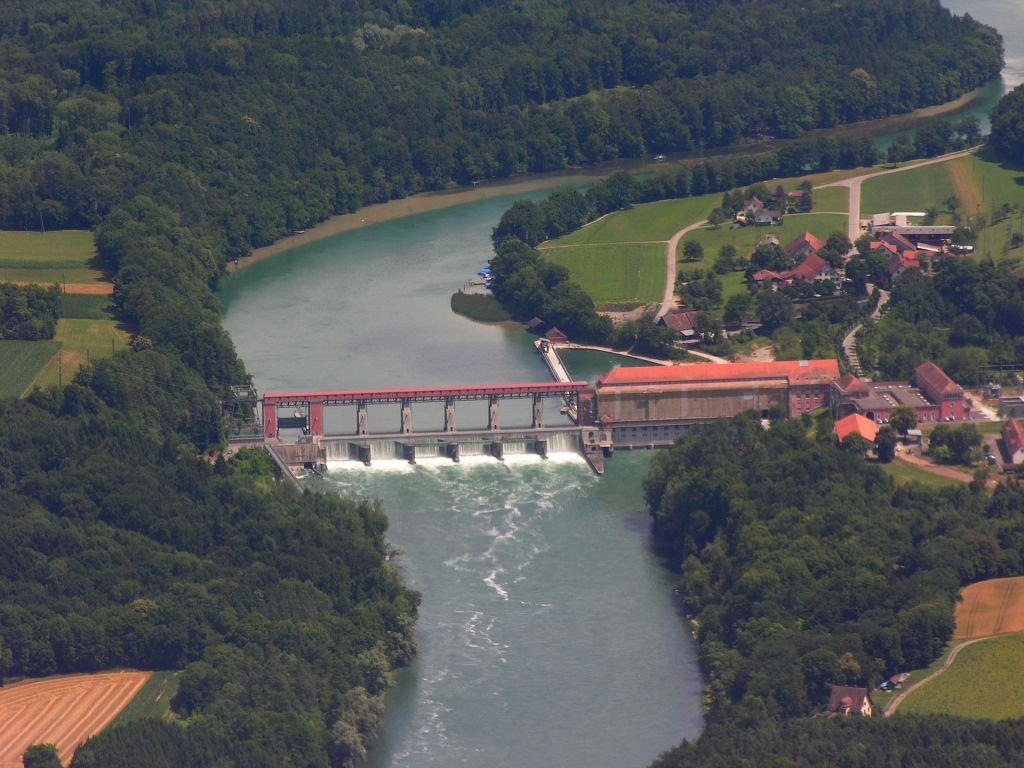
Bars in Neunkirch
Browse all →
Restaurants in Neunkirch
Browse all →
At a Glance
- Rustic
- Quiet
- Intimate
- Solo Exploration
- Wine Education
- Special Occasion
- Historic Building
- Private Tasting
- Estate Grounds
- Biodynamic
- Organic
- Vineyard
- Schaffhausen AOC
- Pinot Noir
- Müller Thurgau
- Rheinriesling
- Still Red
- Still White
- Orange
- Sparkling
- Pet Nat
- Skin Contact
- Amphora
- Tasting
Small, artisanal, and hands-on; the setting is rooted in a historic former Zehntscheune/warehouse in Neunkirch and a micro-estate in the Klettgau hills, giving it a rustic, craft-focused character.