Weinbau Flimmer

Falstaff Winery - Listed
Weinbau Flimmer gives Basel’s wine scene a small-scale, biodynamic address focused on naturally made bottles from newly bred grape varieties. The draw is less grand-estate theatre than hands-on wine education: an urban winery mood, quiet pacing, and a cross-border Basel/Baden identity shaped by low-volume production.

Pearl is the En Primeur Club membership app, where members save venues, book tables and use the concierge.

Basel is not always the Swiss wine image most travellers carry in their heads. The city suggests museums, fairs, border crossings, and Rhine-side aperitifs before it suggests vineyard terraces. That is precisely what can make a smaller wine address interesting: it works outside the grand-estate script. Weinbau Flimmer belongs to that quieter register, with an artisanal, biodynamic profile and a hands-on winery atmosphere centered on naturally made wines from new grape varieties.
The first point to understand is scale and mood. Weinbau Flimmer is presented as small-scale and rustic rather than polished or showy. Its profile points to a quiet, hidden-gem feel, where the emphasis falls on the wines, the farming approach, and the practical work of a small producer. For travellers mapping Basel through food and drink, it is best understood as a specialist wine stop rather than a broad leisure venue.
Biodynamic Basel wine without the grand-estate script
Swiss wine is often discussed through alpine and lakeside regions, but Basel occupies a different position: urban in character, border-facing, and connected to a wider regional culture as much as to the postcard version of Swiss viticulture. Weinbau Flimmer’s focus on biodynamic production gives that setting a contemporary edge. Biodynamics, at its serious end, is not just a decorative label; it changes how a producer thinks about soil life, vineyard rhythm, and the relationship between farming and cellar work.
At Weinbau Flimmer, that biodynamic framework is paired with naturally made wines from new grape varieties. That combination is the most concrete reason to pay attention. Newer grape varieties have become an important subject in European wine because they can point toward adaptation, resilience, and a different way of thinking about the vineyard. In Basel, where wine tourism does not carry the same shorthand as Switzerland’s best-known wine regions, a producer like this gives the city a more experimental wine identity.
The draw is not a famous appellation name or a grand hospitality setting. It is the chance to encounter a small Basel winery whose identity is grounded in biodynamic work, natural winemaking, and newer plant material. That makes Weinbau Flimmer especially relevant for visitors who are curious about how contemporary wine projects can feel personal, agricultural, and modest in scale.
What the winery atmosphere tells you
The description points to a hands-on winery atmosphere rather than a high-gloss venue. That distinction is useful when setting expectations. A quiet, rustic address rewards attention to the essentials: the wines, the production philosophy, and the small-scale nature of the place. It should not be approached as a venue defined by spectacle or by a broad list of ancillary services that are not part of the confirmed profile.
Price indicator is $$, which places Weinbau Flimmer in a moderate bracket. That makes the address approachable in positioning while still clearly belonging to the specialist-wine category. Because the confirmed information is focused on atmosphere, production style, and price rather than on detailed service formats, the most accurate way to describe the visit is simple: a small, artisanal Basel winery centered on biodynamic, naturally made wines.
For a broader Basel itinerary, this is the kind of stop that makes sense alongside the city’s wider dining and drinking infrastructure rather than as a rural grand-estate excursion. It can add a quieter wine-focused counterpoint to a day otherwise built around restaurants, bars, hotels, museums, or cultural stops. The appeal is strongest for travellers who prefer independent, hands-on producers to more formal hospitality settings.
Where it fits in a wider Swiss wine itinerary
Basel is not usually treated as the most obvious starting point for a Swiss wine trip, and that is part of the interest. Weinbau Flimmer gives the city a wine address with a clear point of view: biodynamic, small-scale, rustic, and centered on naturally made wines from new grape varieties. Rather than trying to turn Basel into a classic vineyard-tourism destination, it shows another side of Swiss wine culture: compact, artisanal, and tied to contemporary agricultural choices.
Travellers looking beyond a single stop can treat Weinbau Flimmer as one Basel reference point within a broader Swiss wine itinerary. Other dining and drinking options in Basel can fill out the day, while wine-focused travellers may use the city as a base or waypoint for exploring further afield. The important thing is not to overstate the venue beyond the facts. Its role is specific and appealing: a quiet Basel producer where biodynamic practice, natural winemaking, new grape varieties, and a small hands-on atmosphere define the experience.
Recognition history
Dated appearances from independent guides and award organizations, with the underlying list record or original source where available.
Falstaff Winery - Listed
Falstaff
Continue exploring
More in Basel
Wineries in Basel
All wineries in Basel →Bars in Basel
All bars in Basel →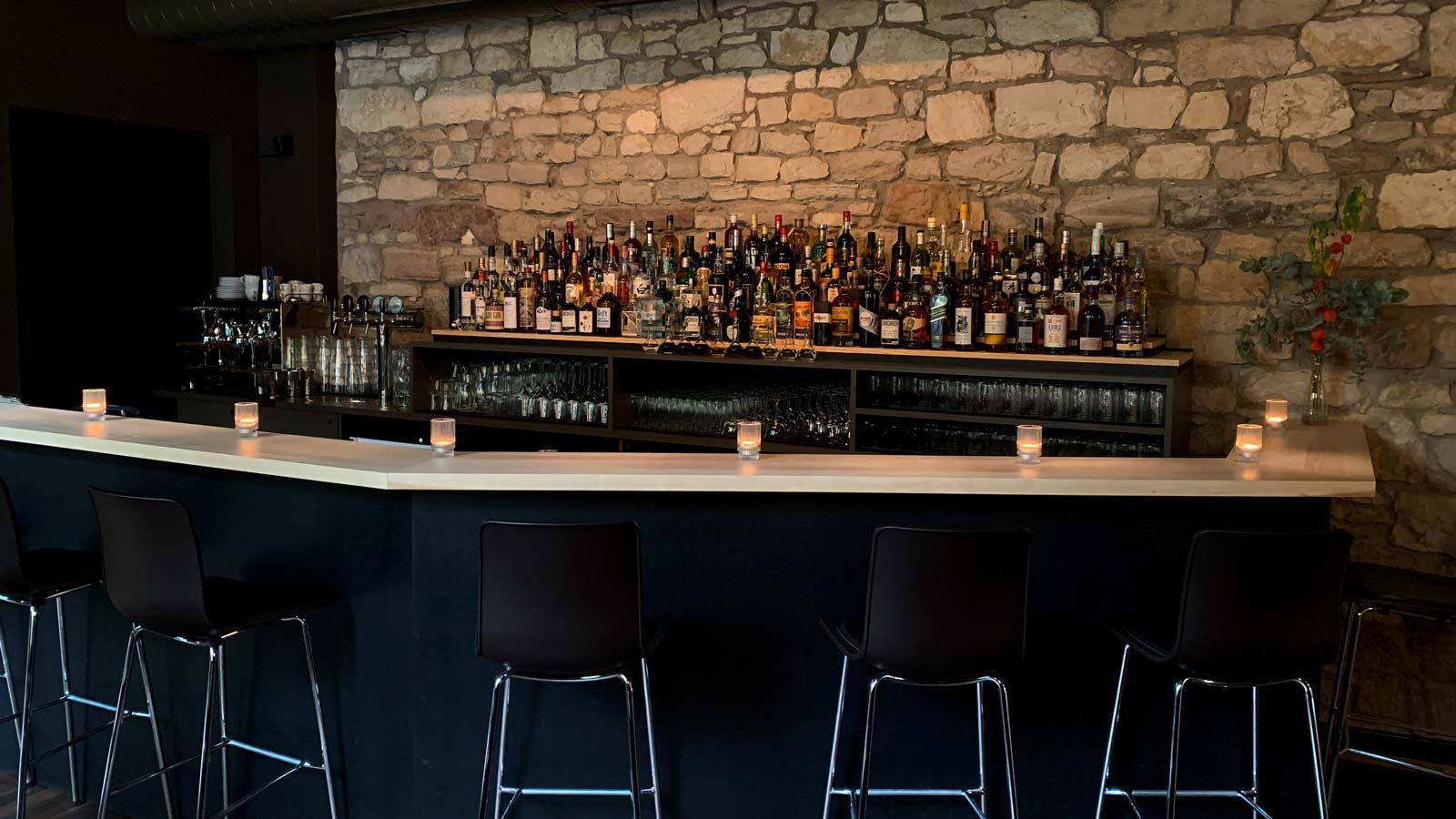
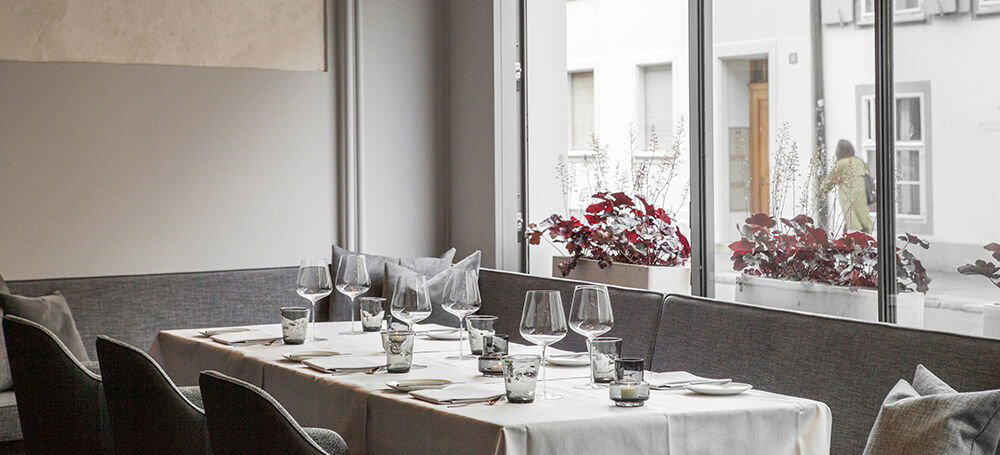
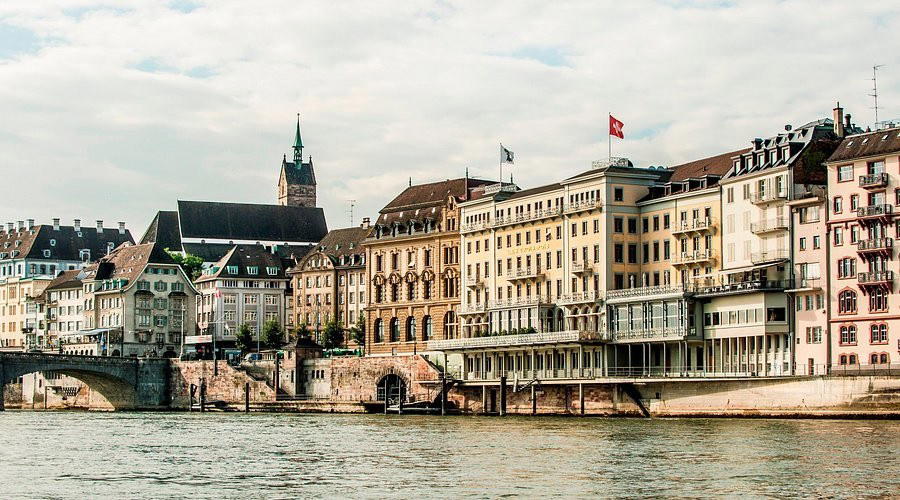
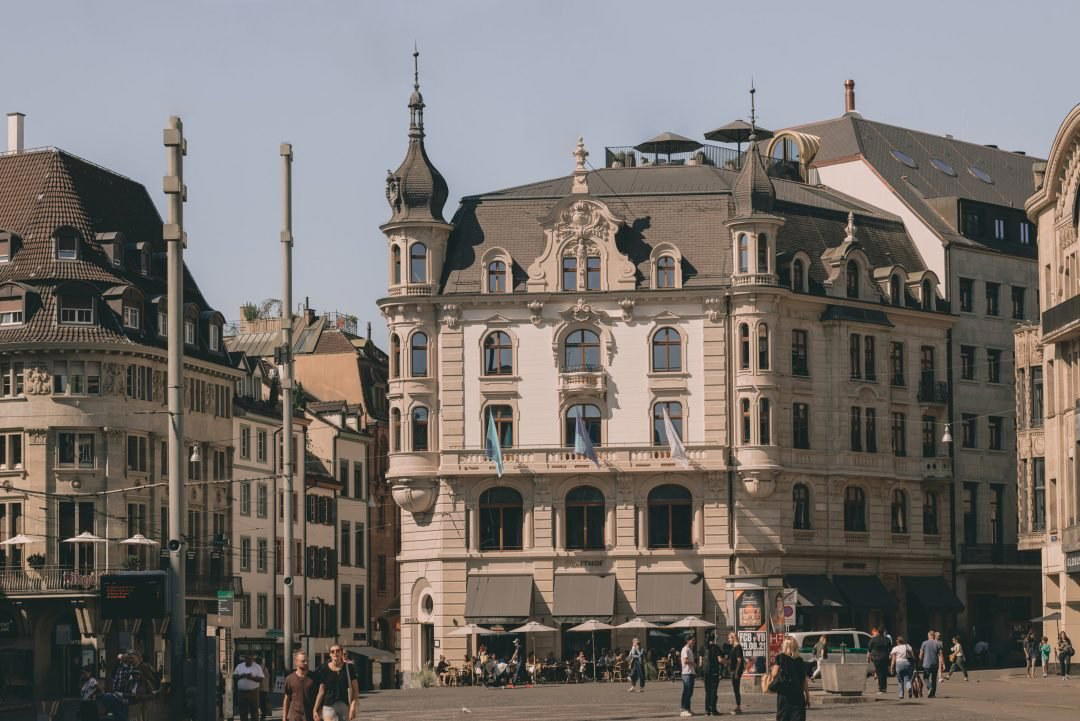
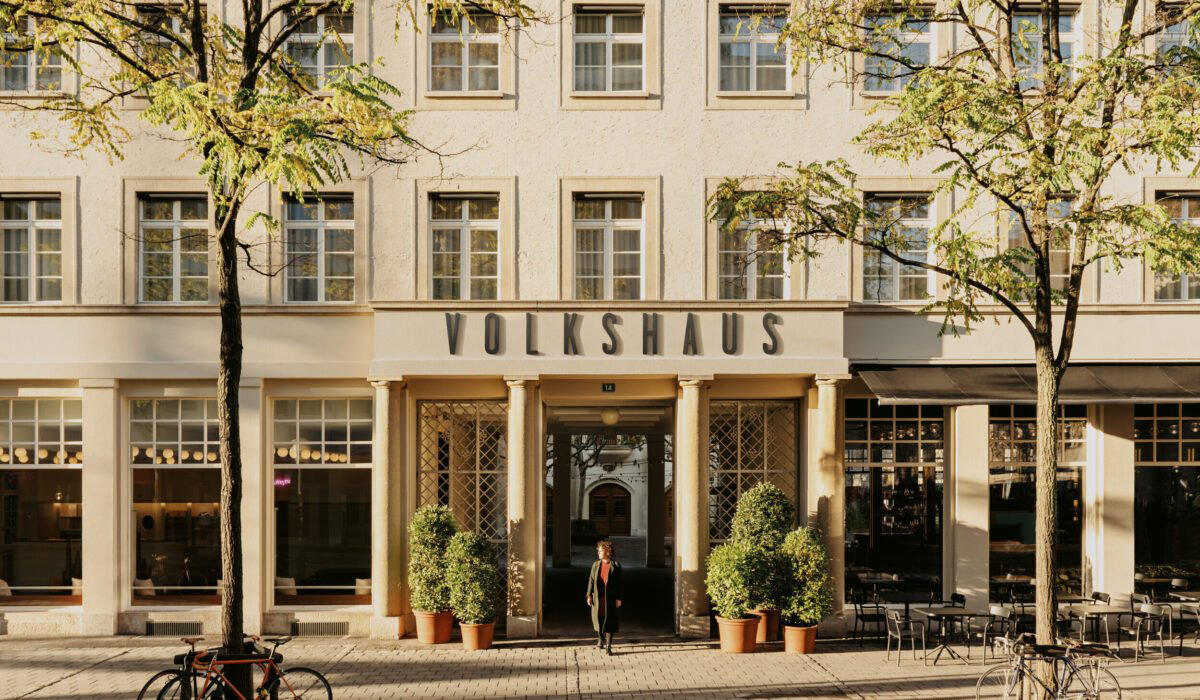
Details
- Quiet
- Rustic
- Solo Exploration
- Wine Education
- Biodynamic
- Still Red
- Still White
- Sparkling
- Still Rosé
- Tasting Room
Biodynamic, hands-on winery atmosphere centered on naturally made wines from new grape varieties; the overall feel is small-scale and artisanal.