Vinicola Cide

Vinicola Cide reflects a trade-facing side of Prosecco country: large-scale sourcing, vinification, bottling, and private-label production rather than cellar-door theatre. Founded in 1978 in Mareno di Piave, it works across sparkling, semi-sparkling, and still wines, with Glera and Pinot Grigio anchoring the Veneto profile.
Pearl is the En Primeur Club membership app — saves, bookings, and concierge access live there. Same editors, same standards.
- Address
- Mareno di Piave, Veneto, Italien
- Directions
- Get directions
 Saves & bookings on Pearl
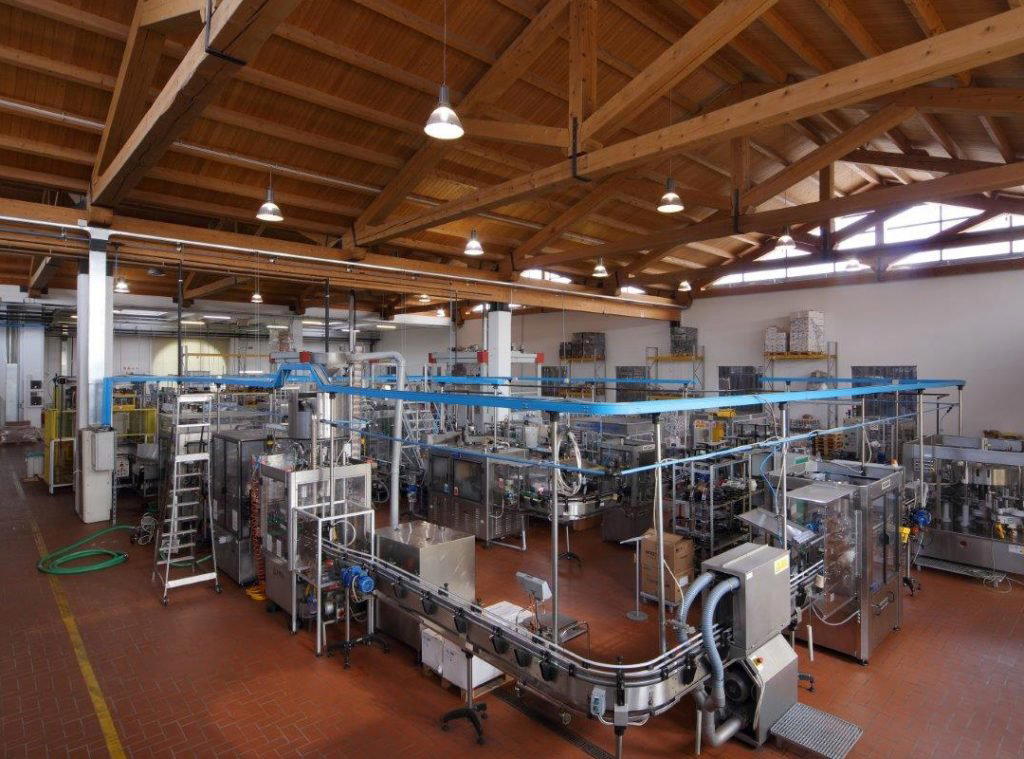
Vinicola Cide in Mareno di Piave is best presented as a production-led winery rather than a visitor-centric hospitality venue. The profile points to an efficient, quality-controlled atmosphere focused on sourcing, vinification, bottling, and private-label production. That gives the place an industrial, modern character: less framed around leisure cues and more around the practical systems that move wine from raw material to finished bottle.
For travellers or researchers reading the Mareno di Piave wine landscape, that distinction matters. Not every winery profile is built around a scenic tasting-room narrative, named hospitality rituals, or a detailed public menu of experiences. In this case, the grounded information supports a narrower and more operational reading. Vinicola Cide is useful as an example of a winery whose identity is tied to production discipline, quality control, and commercial wine work, rather than as a page on which to infer claims about tours, specific wines, awards, food service, or visitor formats.
Production rather than estate theatre
A reliable way to understand Vinicola Cide is through the language of process. The description emphasizes sourcing, vinification, bottling, and private-label production. Those are not decorative details; they define the venue’s role. A winery with that profile is concerned with the steps that make wine consistent, bottled, and ready for market, and with the standards needed to support clients or labels beyond a single public-facing estate identity.
That makes the atmosphere different from a hospitality-first cellar. The industrial, modern description should not be read as a drawback, but as a signal. It suggests a setting where function, efficiency, and control are central to the experience of the place. Readers should not assume a vineyard terrace, restaurant-style service, a casual tasting bar, or a detailed public programme unless those details are confirmed elsewhere by the venue directly.
Those kinds of details may be important when confirmed, but they are not part of the exhaustive record here. The grounded takeaway is simpler: the winery belongs to the production and bottling side of Mareno di Piave’s wine world.
Quality control is the craft signal here
In a production-focused winery, craft is often expressed through repeatable systems rather than spectacle. The profile describes an efficient, quality-controlled environment, which means the editorial focus should be on operational reliability rather than romance. Sourcing decisions, vinification management, bottling discipline, and private-label work all require coordination. They also require a controlled atmosphere where consistency matters.
That is the useful lens for the winery. The venue should not be inflated into an luxury cellar, award-winning destination, or specialist hospitality stop. Its confirmed identity is more technical: a modern winery setting where the work behind the bottle is the central point. For some readers, that may be more informative than a conventional visitor narrative, because it highlights the infrastructure that supports wine production in and around Mareno di Piave.
That should be treated only as a broad guide signal, not as a claim about a specific tasting fee, bottle price, menu, tour cost, or service package. The responsible reading is that winery is low-priced in the guide’s classification while remaining primarily defined by its production atmosphere.
How to read it as a wine traveller
For a wine traveller, the winery is most relevant if the interest is in how wine is sourced, made, bottled, and prepared for labels or markets. Planning should therefore be cautious: treat the venue as a production-oriented winery in Mareno di Piave, and verify any visit arrangements directly before relying on them.
Other dining or drinking options in Mareno di Piave can be considered generically when building an itinerary, but the confirmed venue focus here remains the winery itself. That keeps the guide clean: no invented neighbourhood hooks, no nearby-name dropping, and no assumptions about what a visitor will be served or shown.
The critical point is simple. The winery is not best understood through a fabricated list of awards, signature bottles, dishes, tours, or guest amenities. It is best understood through the confirmed facts: a Mareno di Piave winery with an industrial, modern atmosphere, a quality-controlled production focus, and work centred on sourcing, vinification, bottling, and private-label production. For readers interested in the machinery behind wine rather than only the scenery around it, that is the grounded reason to pay attention.
Recognition history
Dated appearances from independent guides and award organizations, with the underlying list record or original source where available.
Falstaff Winery - Listed
Falstaff
Continue exploring
More in Mareno di Piave
Wineries in Mareno di Piave
Browse all →
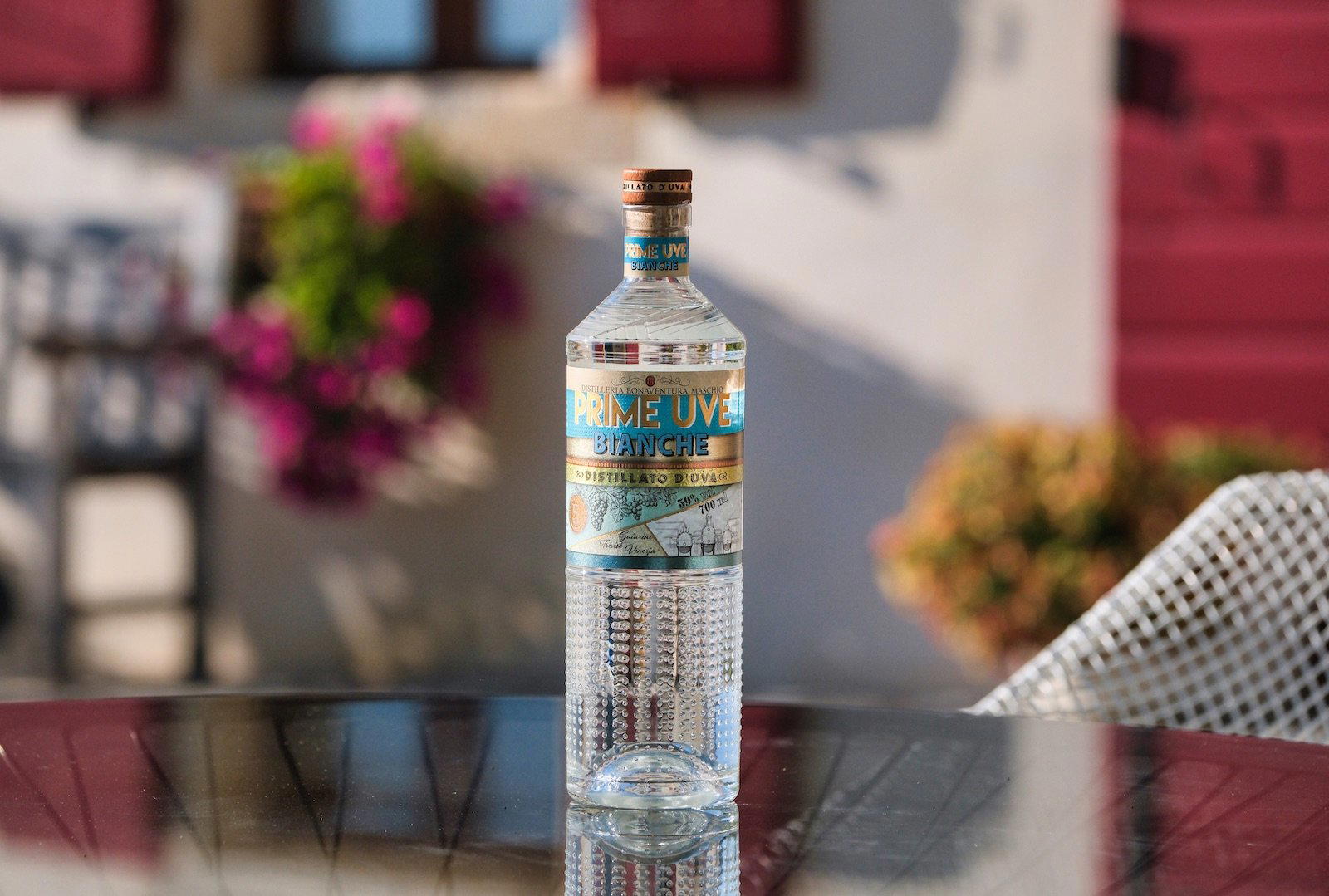
Bars in Mareno di Piave
Browse all →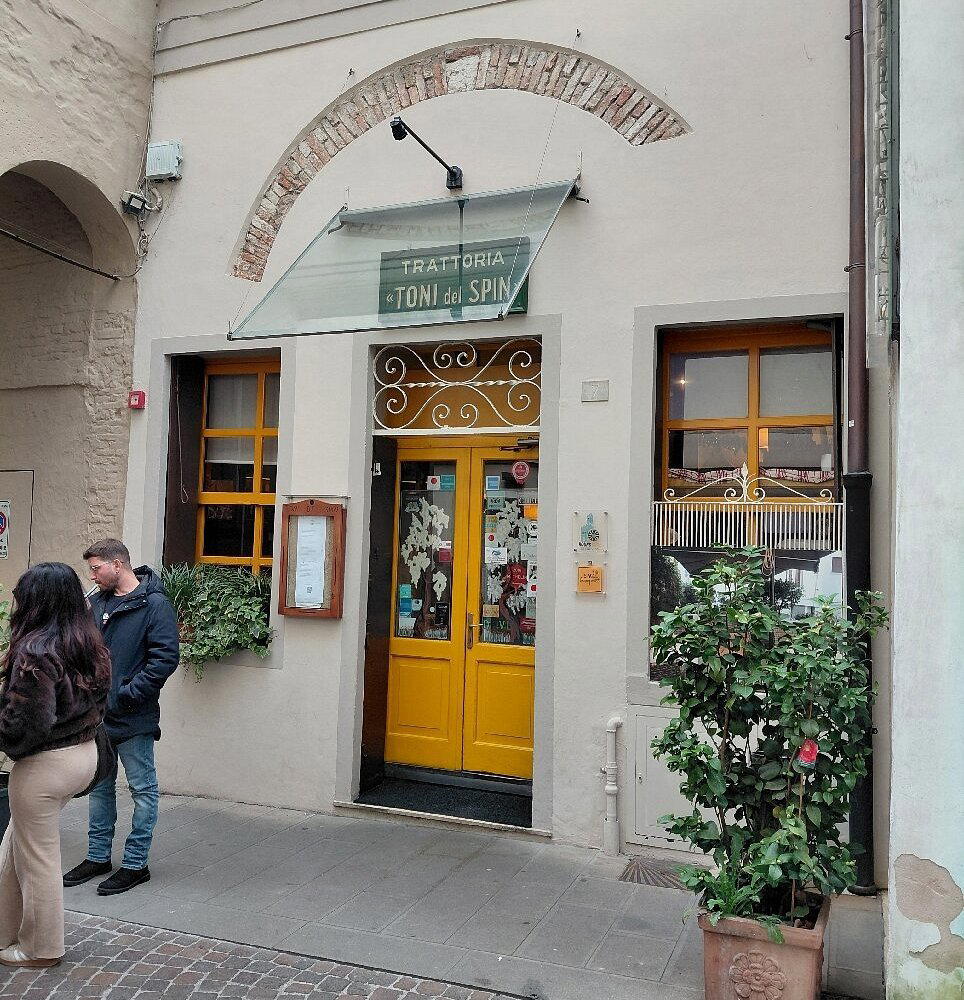
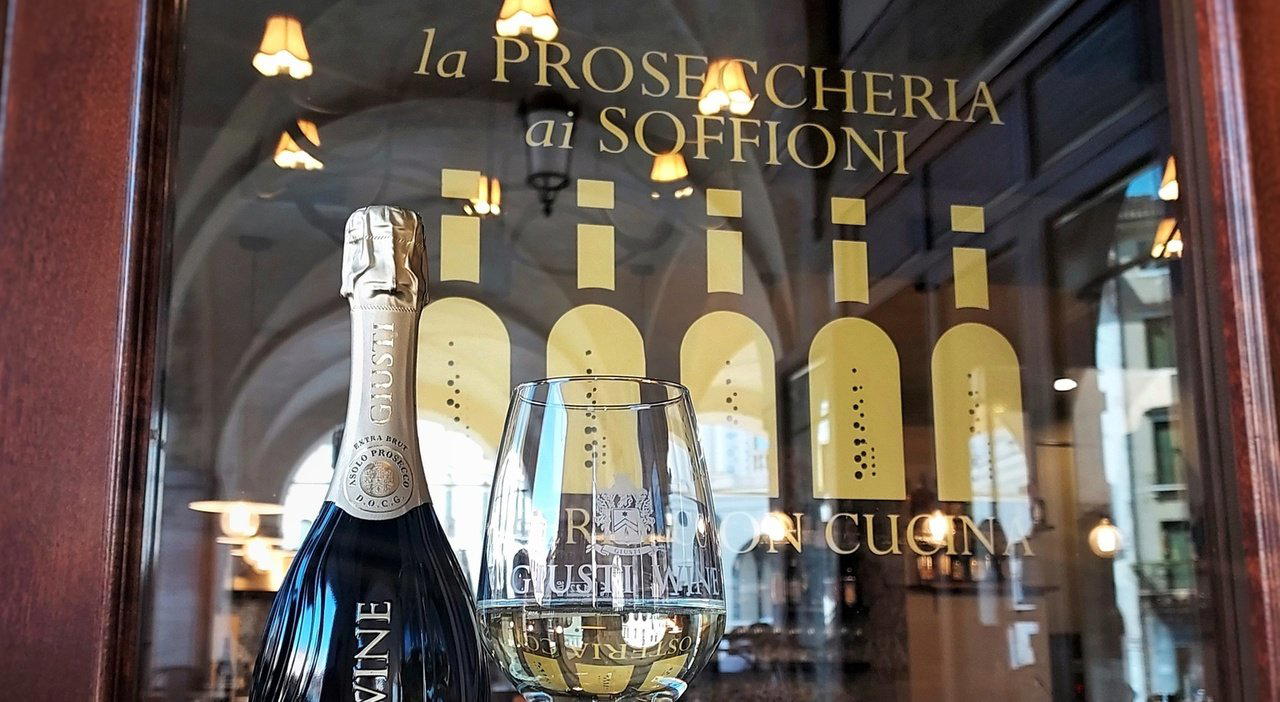
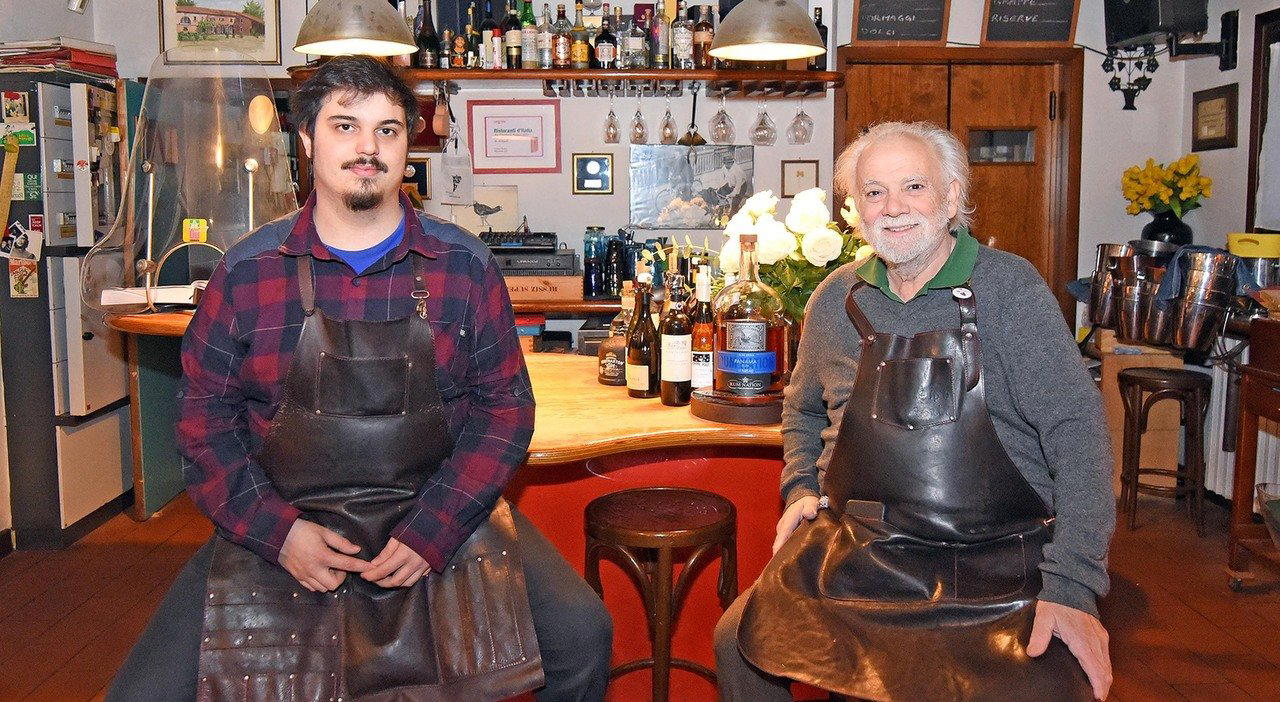
Restaurants in Mareno di Piave
Browse all →
At a Glance
- Industrial
- Modern
- Corporate Event
- Group Outing
- Wine Education
- Private Tasting
- Sustainable
- Organic
- Vineyard
- Conegliano Valdobbiadene Prosecco Superiore DOCG
- Glera
- Pinot Grigio
- Sparkling
- Still White
- Private Tasting
Efficient, quality-controlled winery atmosphere focused on sourcing, vinification, bottling, and private-label production rather than a visitor-centric hospitality setting.