Viña Apaltagua

Viña Apaltagua in Colchagua Valley, Chile blends biodynamic viticulture with large-scale refinement. The estate produces signature wines such as Apaltagua Carmenère Reserva (70-year-old ungrafted vines), Apaltagua Chardonnay Reserva 2024 and Apaltagua Envero Cabernet Sauvignon 2020. With a barrel program that uses French oak for reserve bottlings and stainless steel for fresh varietal whites, Apaltagua marries Old World technique with New World clarity. The cellar team led by winemaker Pablo Barros and consulting biodynamics pioneer Álvaro Espinoza emphasizes soil health, old-vine expression and balanced aging. Internationally exported and featured in global competitions, Viña Apaltagua delivers polished, terroir-driven wines with vivid dark-fruit, saline minerality and measured oak spice.
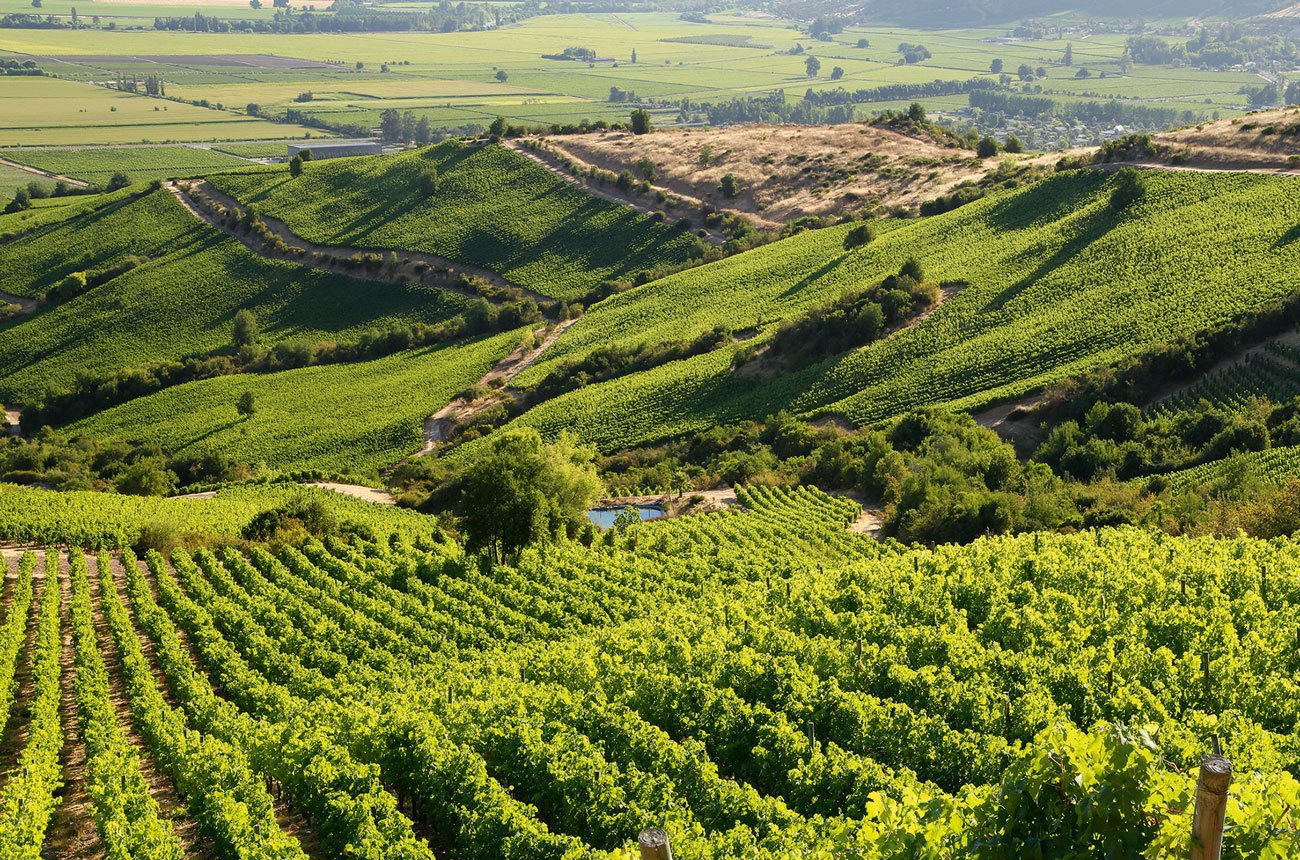
Viña Apaltagua opens with a sensory image of sun-struck leaves and cool cellar air: the estate is located in Chile’s Colchagua Valley, a Mediterranean-climate region known for long, dry growing seasons and dramatic day–night temperature swings. Viña Apaltagua immediately positions itself as a Colchagua Valley winery that channels distinct valley terroirs—Colchagua, Curicó, Maule, Maipo and San Antonio—into varietal clarity. Visitors and trade alike encounter wines that register both fruit intensity and vineyard nuance; the place is defined by old-vine blocks, some exceeding 70 years, and a production scale that supports both approachable bottlings and reserve lines. Apaltagua’s portfolio spans crisp Chardonnay Reserva, a flagship Carmenère Reserva from ungrafted old vines, Cabernet Sauvignon reserves and a Granate Demi Sec sparkling, all crafted to express provenance and texture on the palate.
Heritage and craft converge at Viña Apaltagua under the strategic direction of founding family vision and the operational leadership of winemaker Pablo Barros, with consulting input from Álvaro Espinoza, a recognized figure in biodynamic viticulture. The winery was founded in 1995 after Edward Tutunjian identified Chile’s high-quality potential; since then, Apaltagua has scaled production while retaining a commitment to ecological practices and vineyard stewardship. The cellar philosophy embraces selective sourcing—estate fruit combined with chosen lots from prime valleys—biodynamic and sustainable farming methods, and a winemaking approach that balances modern stainless-steel fermentation for freshness with French oak élevage for reserve complexity. Viña Apaltagua has gained international recognition, exports to roughly 40 countries and participates in global competitions, reflecting a reputation for consistent quality and value rather than single-score spectacle.
The product journey at Viña Apaltagua navigates from vineyard to bottle with attention to site-specific expression. The Apaltagua Carmenère Reserva is a signature: sourced from old, often ungrafted vines, fermented with measured maceration to extract polished tannins, and aged in French oak for structure; tasting notes commonly cite black cherry, dark-plum, tobacco leaf and a savory, herbaceous finish. The Apaltagua Chardonnay Reserva 2024 is fermented for freshness in stainless steel with partial lees contact to lend creaminess, showing green-apple, white peach and mineral lift. Reserve Cabernet Sauvignon bottlings and Envero single-vineyard expressions see longer macerations and 10–18 months in 225L and 300L French oak, delivering cassis, graphite and cedar spice. The Granate Demi Sec and Costero sparkling bottlings provide a textural counterpoint—fine bead, pear-skin aromas and a touch of residual sweetness that pairs well with spicy cuisine. Limited Envero cuvées and reserve releases are managed as small-lot, allocated bottlings for markets and select wine clubs; these allocations emphasize vintage variation and old-vine concentration.
The visitor experience complements the wines. Viña Apaltagua’s cellars and barrel rooms provide an immediate tactile contrast—cool, toasted oak aroma against sun-warmed valley air—while tasting experiences focus on vertical and reserve flights when available. The production footprint supports private tastings and educational conversations about biodynamic timing, soil health and vineyard selection; while specific tour schedules and tasting fees are not published in available sources, private appointments and reserve tastings are typically recommended because allocated bottlings can be limited. Architecturally, the estate reflects functional winemaking spaces rather than extravagant hospitality showpieces: barrel rooms, stainless-steel tanks and bottling lines sit near sorting and processing areas, underscoring a working-winery aesthetic aimed at provenance.
Best times to visit Viña Apaltagua are harvest season (March–April in the Southern Hemisphere) for immersive vineyard activity and spring for flowering and milder tasting conditions. Reservations are prudent for weekends and for requests to taste reserve or small-lot Envero releases; confirm availability via the official site. While onsite tasting hours and contact details are not listed in public sources, the winery’s export footprint and distribution suggest strong international demand, so plan ahead.
Viña Apaltagua rewards travelers seeking wines shaped by old vines, biodynamic principles and multi-valley sourcing. Whether you come for a comparative tasting of Colchagua reds or to sample the Granate Demi Sec sparkling in a quiet barrel room, Viña Apaltagua offers a measured, terroir-focused Chilean wine experience—book ahead to ensure access to reserve flights and limited-release bottlings.
Access the Cellar?
Our members enjoy exclusive access to private tastings and priority allocations from the world's most sought-after producers.
Access the Concierge