Trotte Löhningen

Falstaff Winery - Listed
Trotte Löhningen is a Schaffhausen cooperative winery shaped by limestone-rich Randen slopes, a white-wine identity in Pinot Noir country, and a working cellar inside the 1603 Alte Spitaltrotte. Its preserved 1713 wooden tree press gives the visit a heritage edge, while Riesling-Silvaner, Pinot Noir, Muscaris, sparkling wines, and sweet bottlings keep the range broader than a simple village cellar.

Pearl is the En Primeur Club membership app — saves, bookings, and concierge access live there. Same editors, same standards.

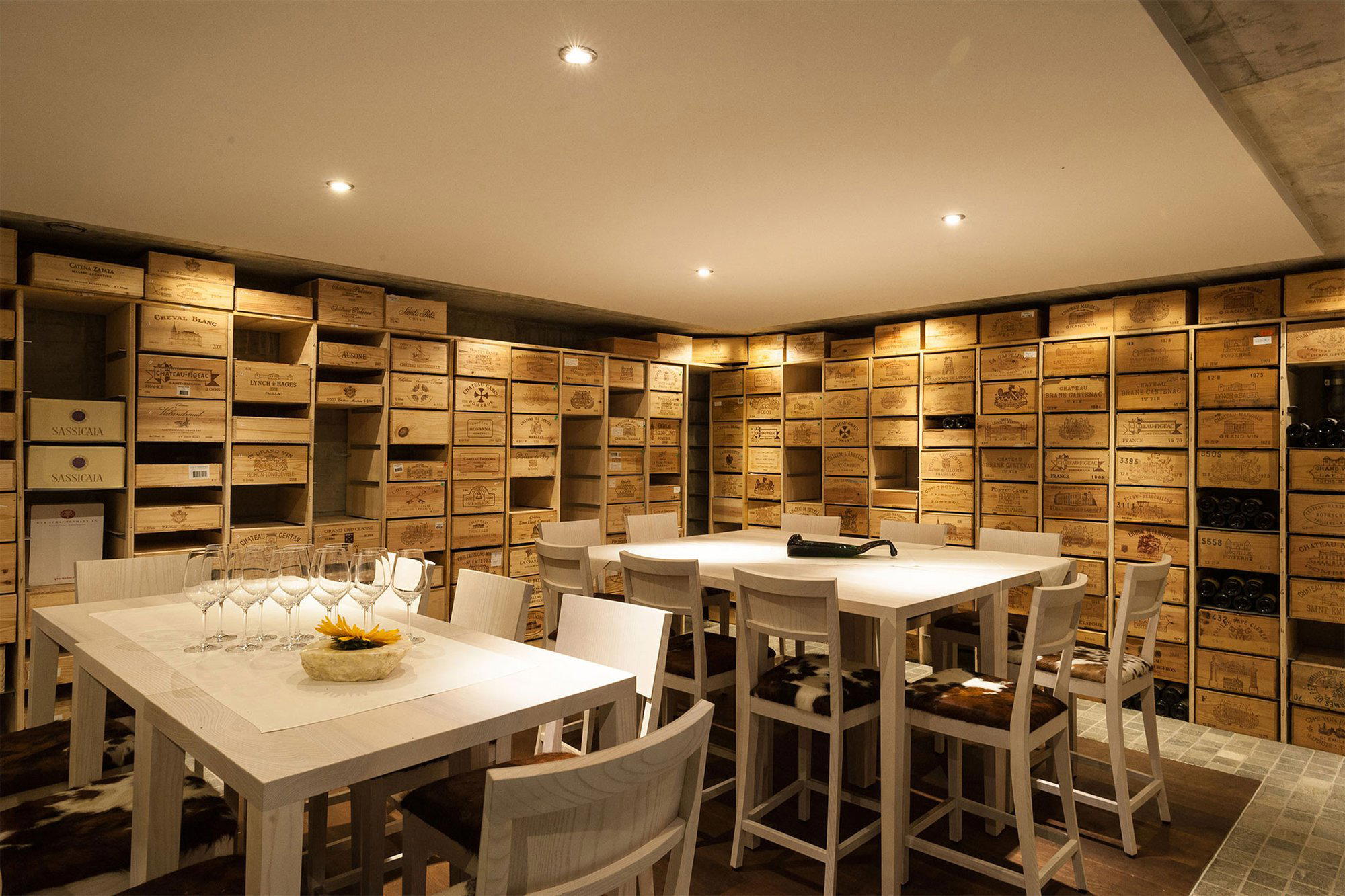
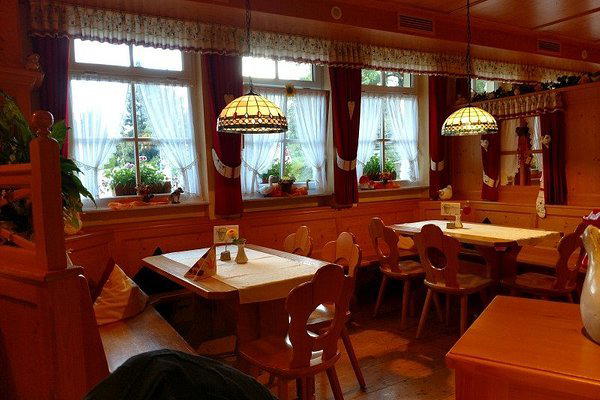
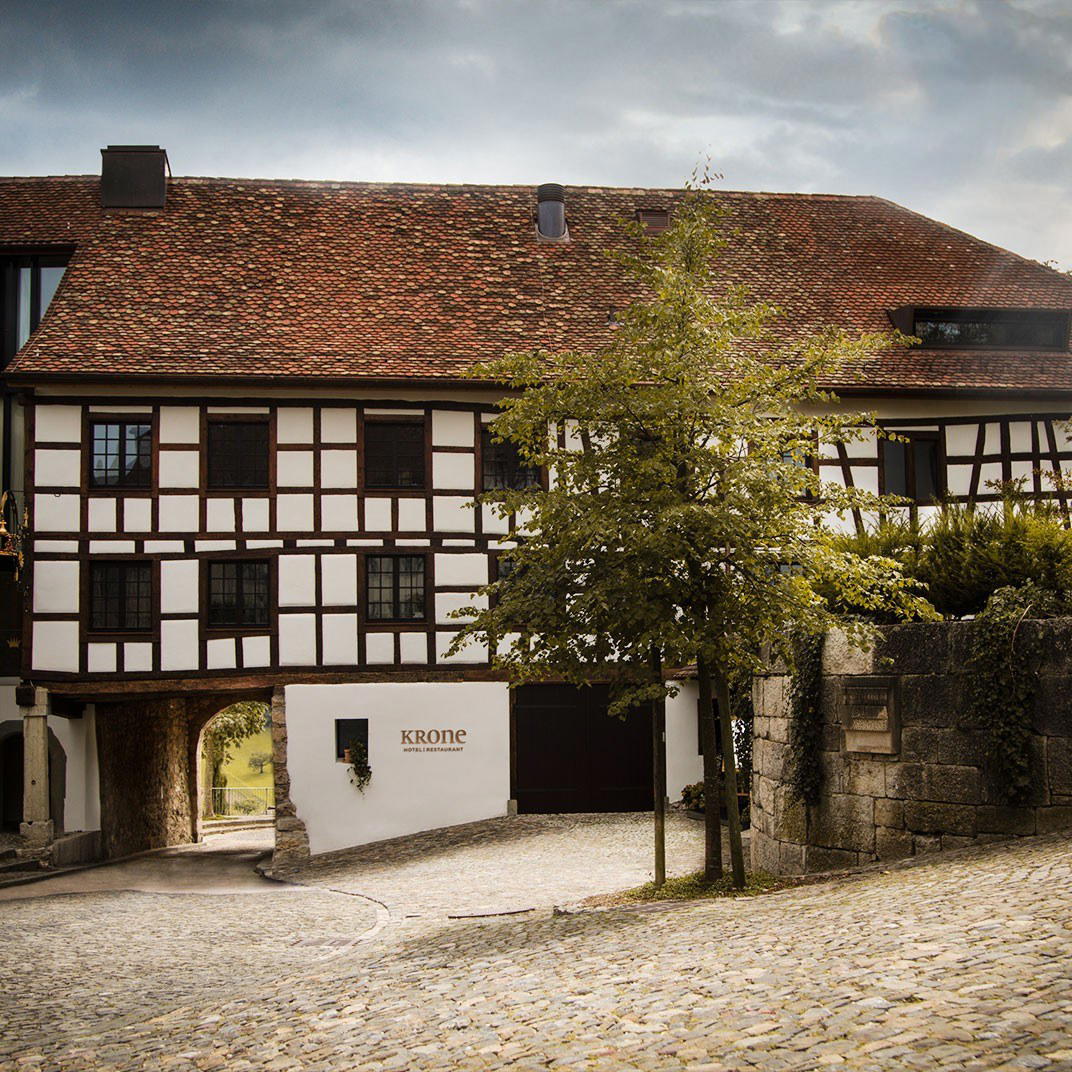
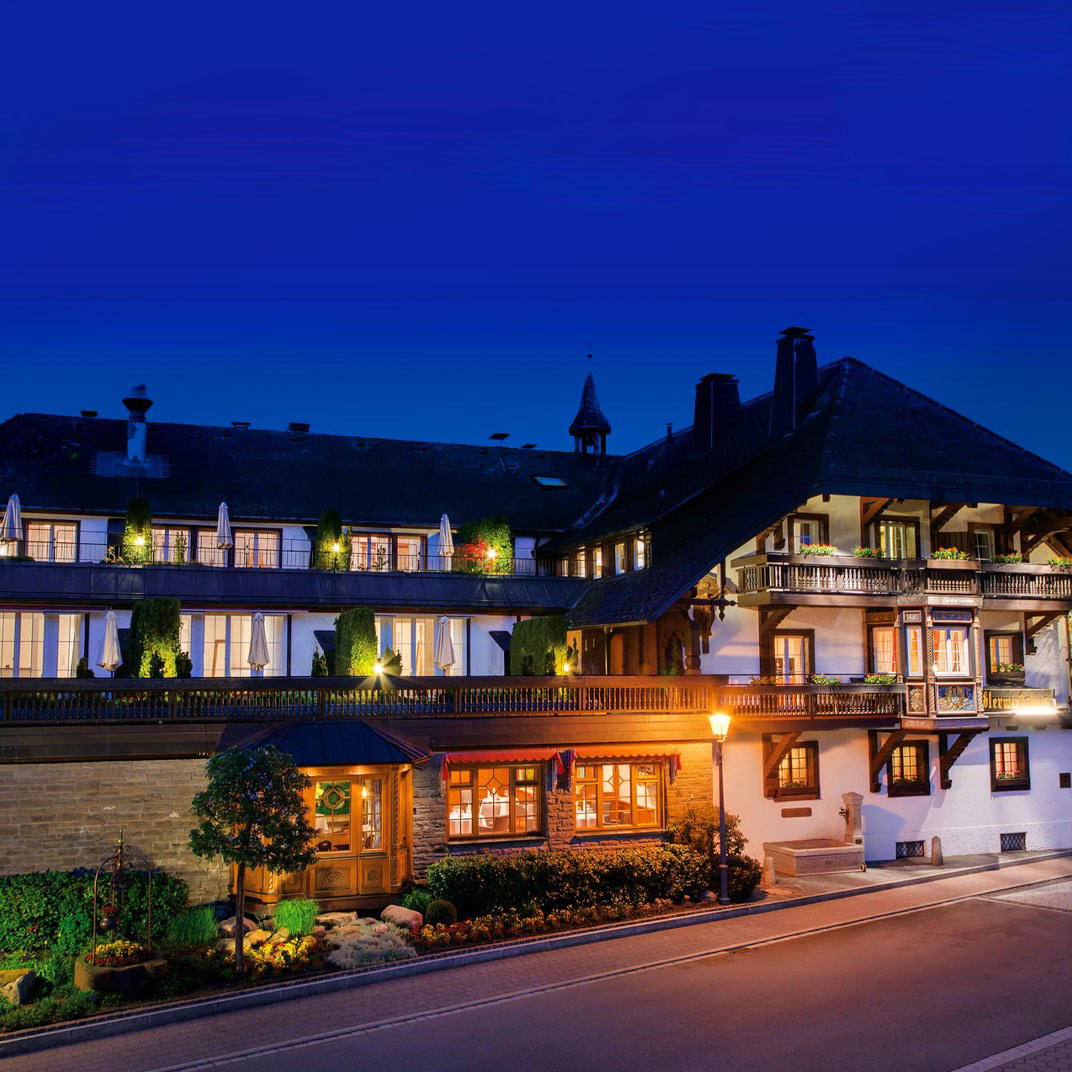
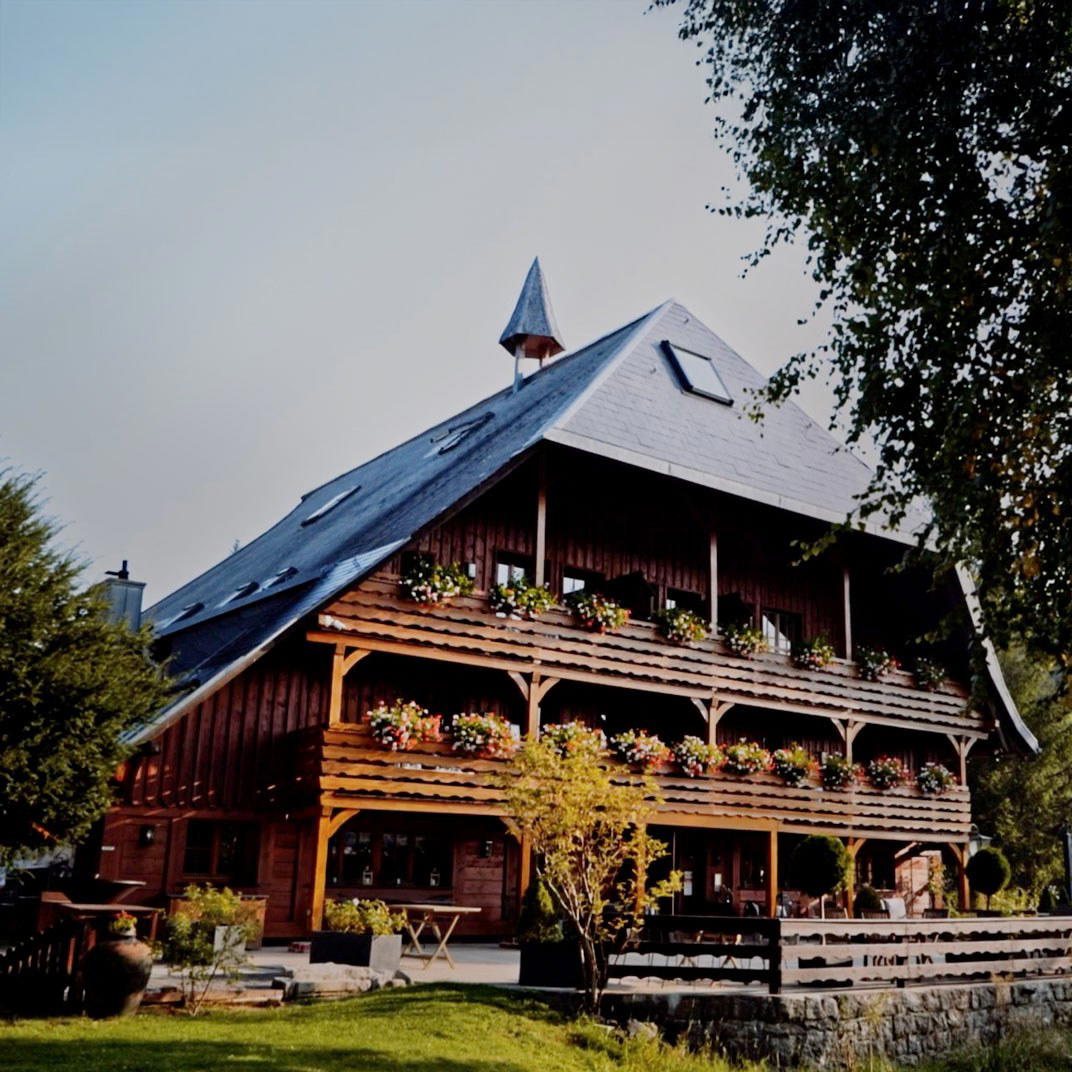
Trotte Löhningen in Lohningen is best understood through its setting rather than through claims about menus, tours, production, or awards. The character of the venue is historic and rustic, centered on the 1603 Spitaltrotte building and its preserved 1713 wooden tree press. That gives the place a clear sense of age and continuity: the appeal is not a polished luxury concept, but a traditional cellar atmosphere with visible historic fabric. In practical terms, the available description points less to a packaged experience and more to the feeling of being in a place shaped by older rural use, where the building itself carries much of the meaning.
For EP Club readers, the most reliable way to frame Trotte Löhningen is as a classic, rustic in Lohningen. The available information supports a nature-pure, traditional cellar culture, but it does not confirm specific grapes, guided tasting formats, vineyard tours, event calendars, wine labels, awards, ratings, ownership details, or service schedules. Those details should therefore be treated as unconfirmed unless checked directly with the venue. This is important because the venue’s charm can be described responsibly without turning uncertain details into promises.
A historic cellar setting in Lohningen
The strongest facts are architectural and atmospheric. Trotte Löhningen is associated with the 1603 Spitaltrotte building, and the preserved wooden tree press from 1713 anchors the venue’s historic identity. Together, those details create a setting that feels rooted in older rural cellar culture rather than in a contemporary hospitality template. The age of the building and the presence of the press give the description weight: they are concrete reference points, not generic mood words.
This makes the venue especially relevant for visitors who value place, texture, and tradition. The draw is the combination of a rustic room, a classic cellar mood, and a historic building that gives the experience its character. It is not necessary to overstate the venue with unsupported claims about specific wine styles or programming; the setting already explains why it stands apart from more generic options in Lohningen. For some visitors, that restraint is part of the attraction, because the venue can be approached first as a historic environment and only then as a possible stop within a broader local itinerary.
The listed price level is $$, which places Trotte Löhningen in a moderate range. Anyone planning a visit should confirm current arrangements directly before making plans. The price signal is useful as a broad orientation, but it should not be read as a substitute for checking what is actually available at the time of a visit.
Rustic character over polished spectacle
Trotte Löhningen’s profile points toward a rustic, classic, hidden-gem experience. The phrase matters because it sets expectations correctly. This is not a page that can responsibly promise a particular tasting route, a named wine program, a specific food offering, or a fixed hospitality format. What can be said with confidence is that the venue’s identity is tied to historic cellar culture, the 1603 building, and the preserved 1713 wooden press. That is enough to define the basic appeal without adding unsupported detail.
That makes it a good fit for people who prefer atmosphere with a sense of continuity. The preserved press is not just a decorative detail in the description; it is central to the venue’s identity. The setting suggests a place where older cellar traditions remain part of the experience, even when the exact public offer should be confirmed directly. Visitors who respond to simple, timeworn materials and an unforced sense of history are likely to understand the venue on its own terms.
Visitors comparing options in Lohningen should think of Trotte Löhningen as a distinctive historic venue rather than as a fully documented restaurant, bar, or modern tasting room. Other dining in Lohningen may suit different needs, but Trotte Löhningen’s strength is its historic-rustic cellar character. For travelers who care about architecture, local texture, and a classic atmosphere, that is the reason to keep it on the shortlist. It is a choice to make for setting and character first, not for a list of confirmed services that the available information does not provide.
Because the confirmed data is intentionally limited, the safest planning advice is simple: use the venue name, the Lohningen location, the $$ price signal, and the historic cellar description as the dependable basis. For anything more specific, including opening times, reservations, accessibility, languages, food service, group arrangements, or current offerings, confirm directly with Trotte Löhningen before visiting. That approach keeps expectations aligned with what is known while still recognizing the venue’s historic and atmospheric appeal.
Recognition history
Dated appearances from independent guides and award organizations, with the underlying list record or original source where available.
Falstaff Winery - Listed
Falstaff
Continue exploring
More in Lohningen
Wineries in Lohningen
All wineries in Lohningen →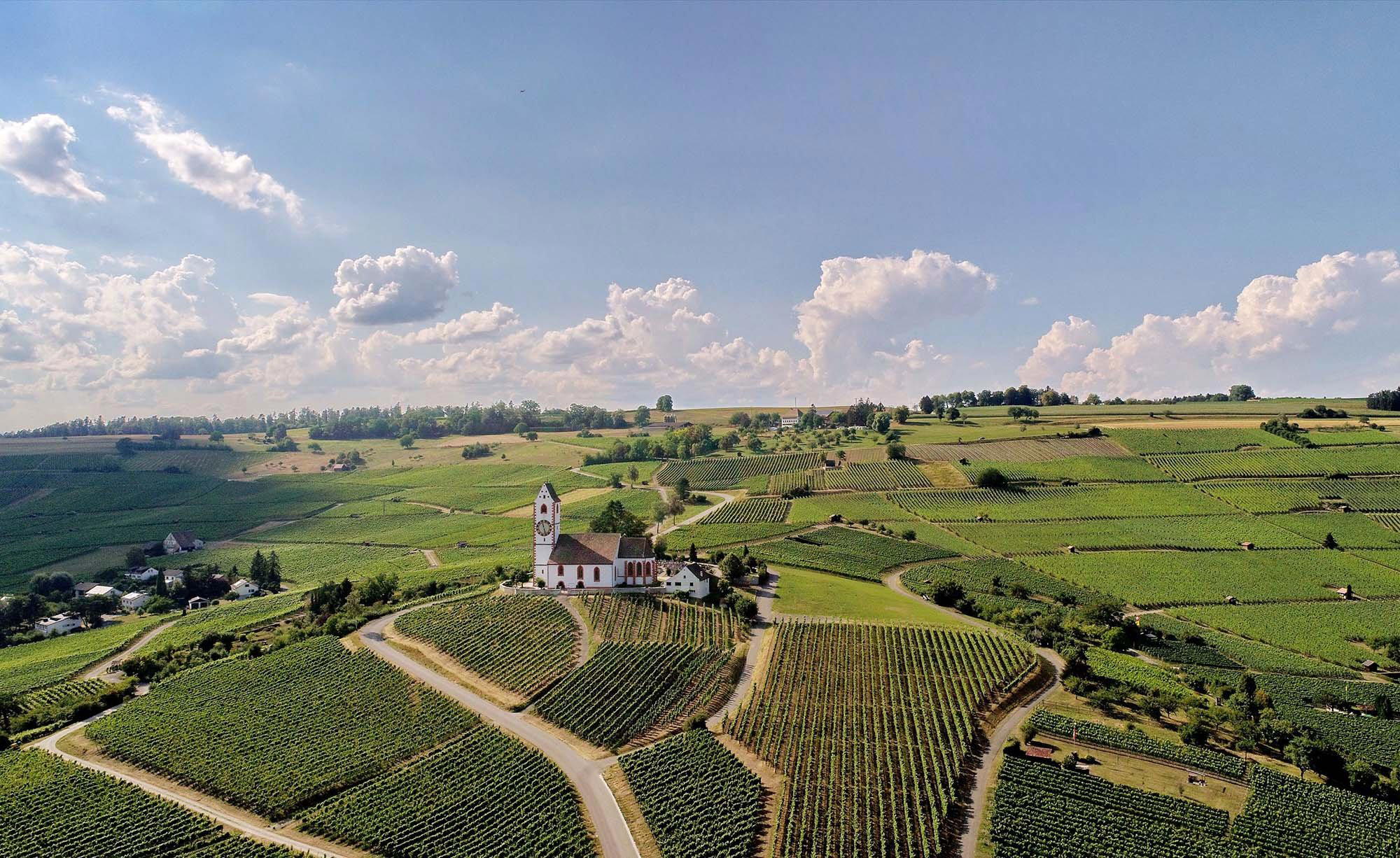
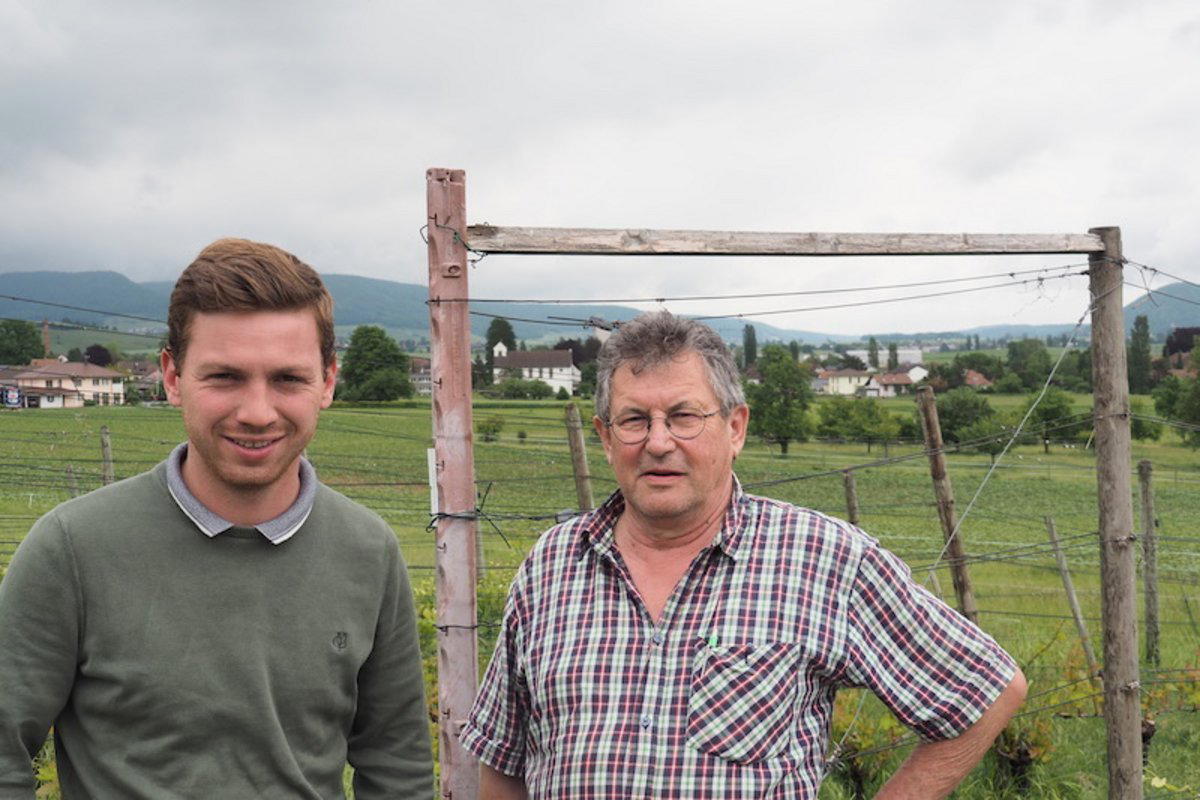
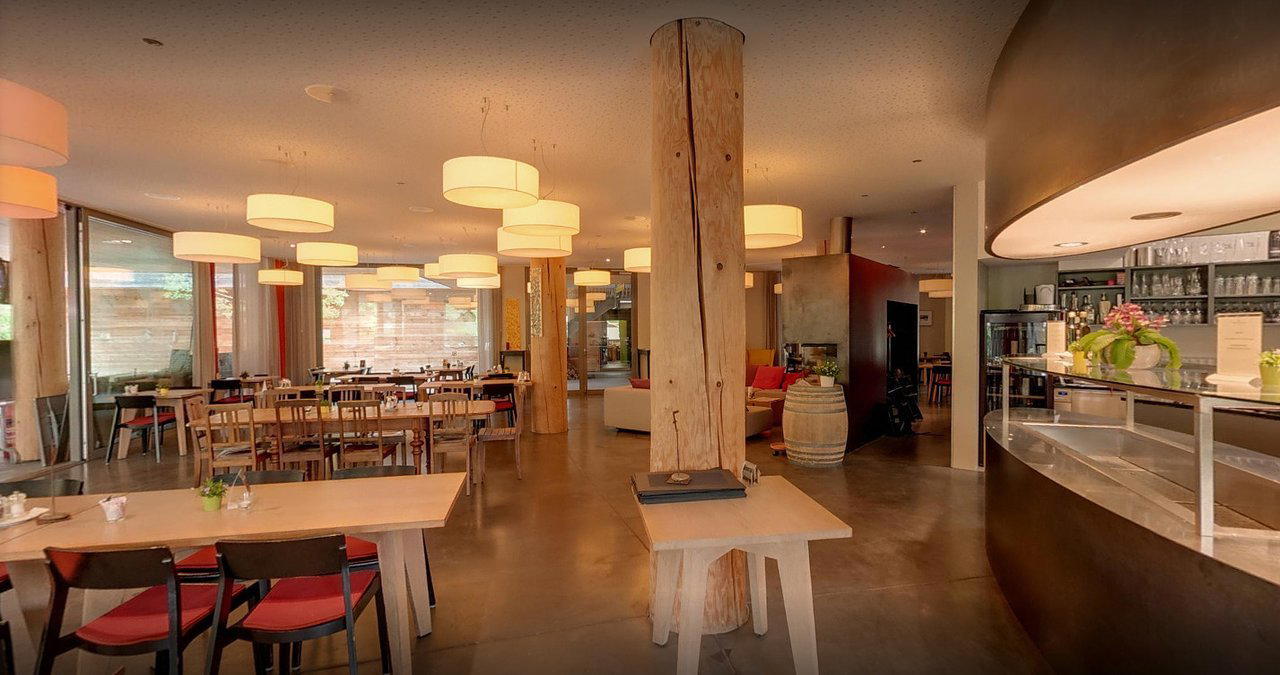
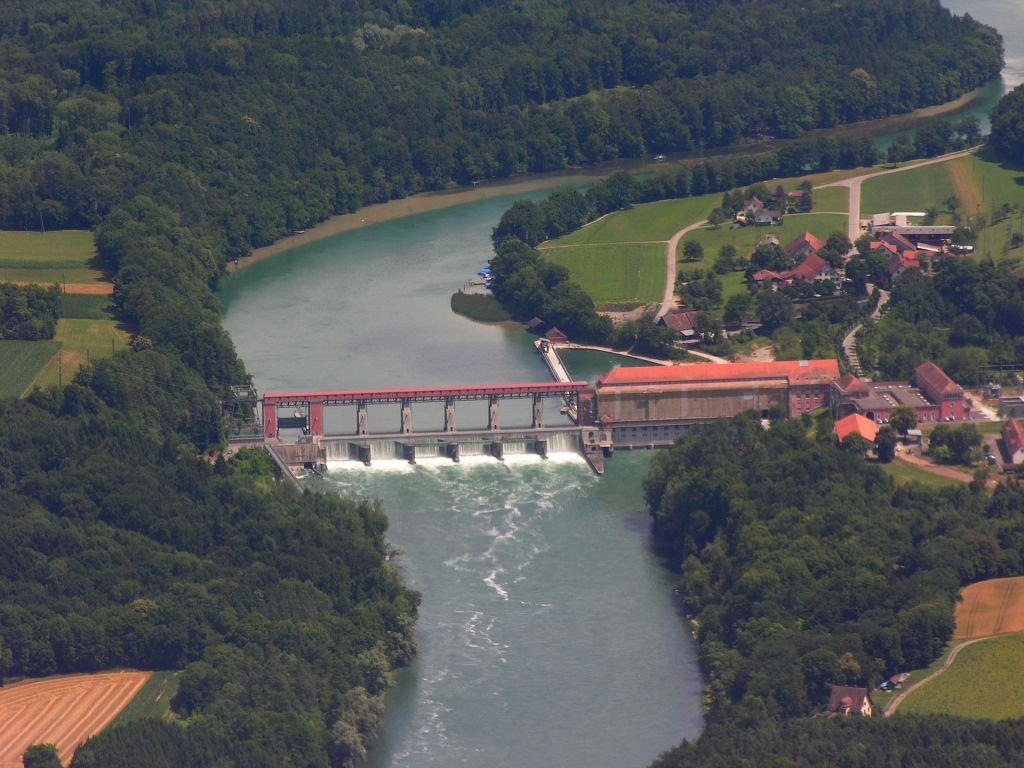
Bars in Lohningen
Browse all →
Restaurants in Lohningen
Browse all →
Details
- Rustic
- Classic
- Wine Education
- Group Outing
- Special Occasion
- Historic Building
- Estate Grounds
- Vineyard Tour
- Private Tasting
- Organic
- Vineyard
- Riesling Silvaner
- Pinot Noir
- Chardonnay
- Sauvignon Blanc
- Cabernet Dorsa
- Muscaris
- Still White
- Still Red
- Sparkling
- Dessert
- Guided Tasting
- Cellar Tasting
- German
- English
- Italian
- French
Historic and rustic, centered on the 1603 Spitaltrotte building and its preserved 1713 wooden tree press, with a nature-pure, traditional cellar culture.