Sparapani / Frati Bianchi

Falstaff Winery - Listed
Sparapani / Frati Bianchi is a Cupramontana winery shaped by Verdicchio country, estate fruit, and a cellar conceived around wood, rough stone, brick, and travertine. Its appeal lies in the Marche connection: a family-rooted producer, active since 1985, with a modern cellar project from 2014/2015 and a portfolio anchored by Verdicchio dei Castelli di Jesi DOCG.

Pearl is the En Primeur Club membership app, where members save venues, book tables and use the concierge.
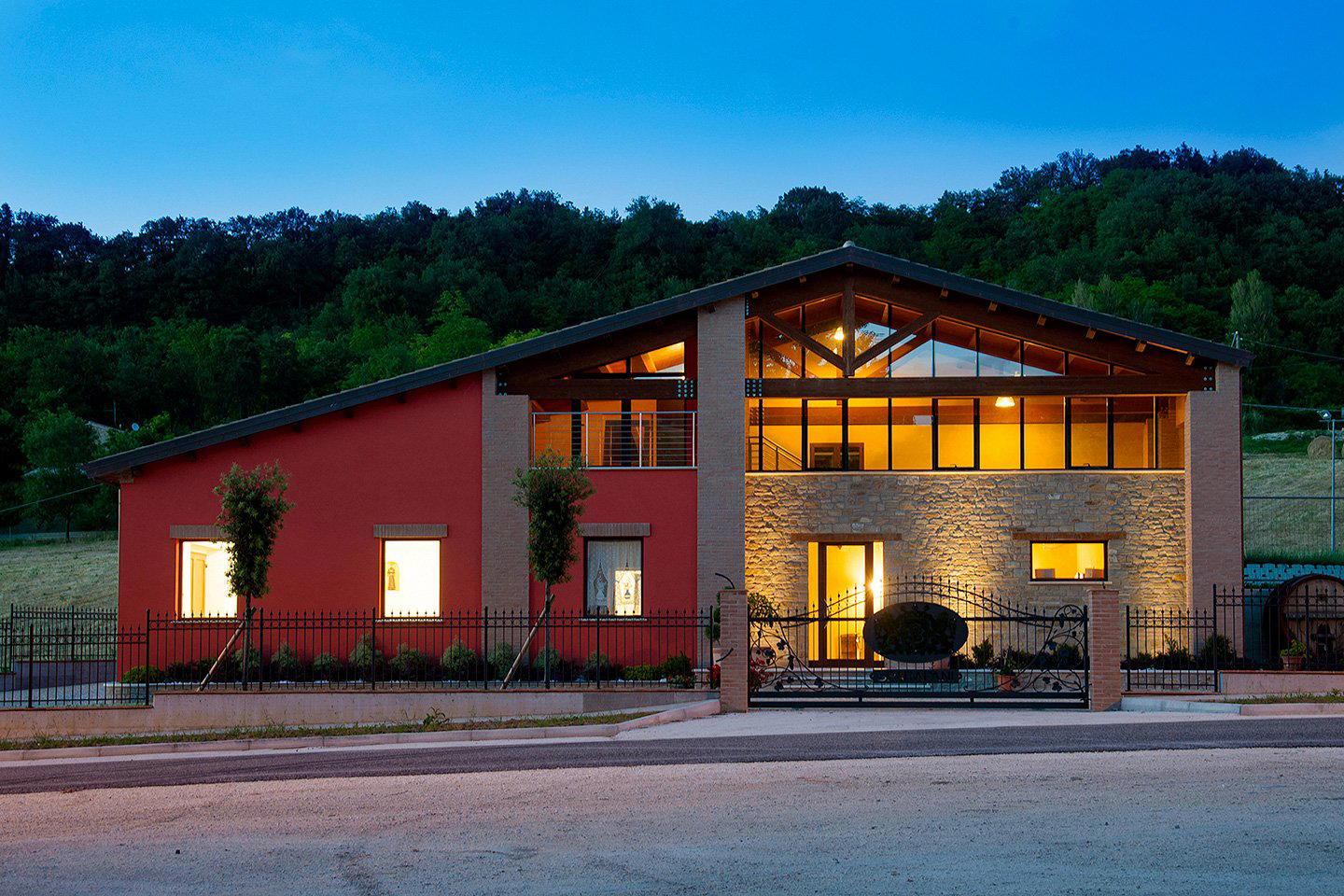
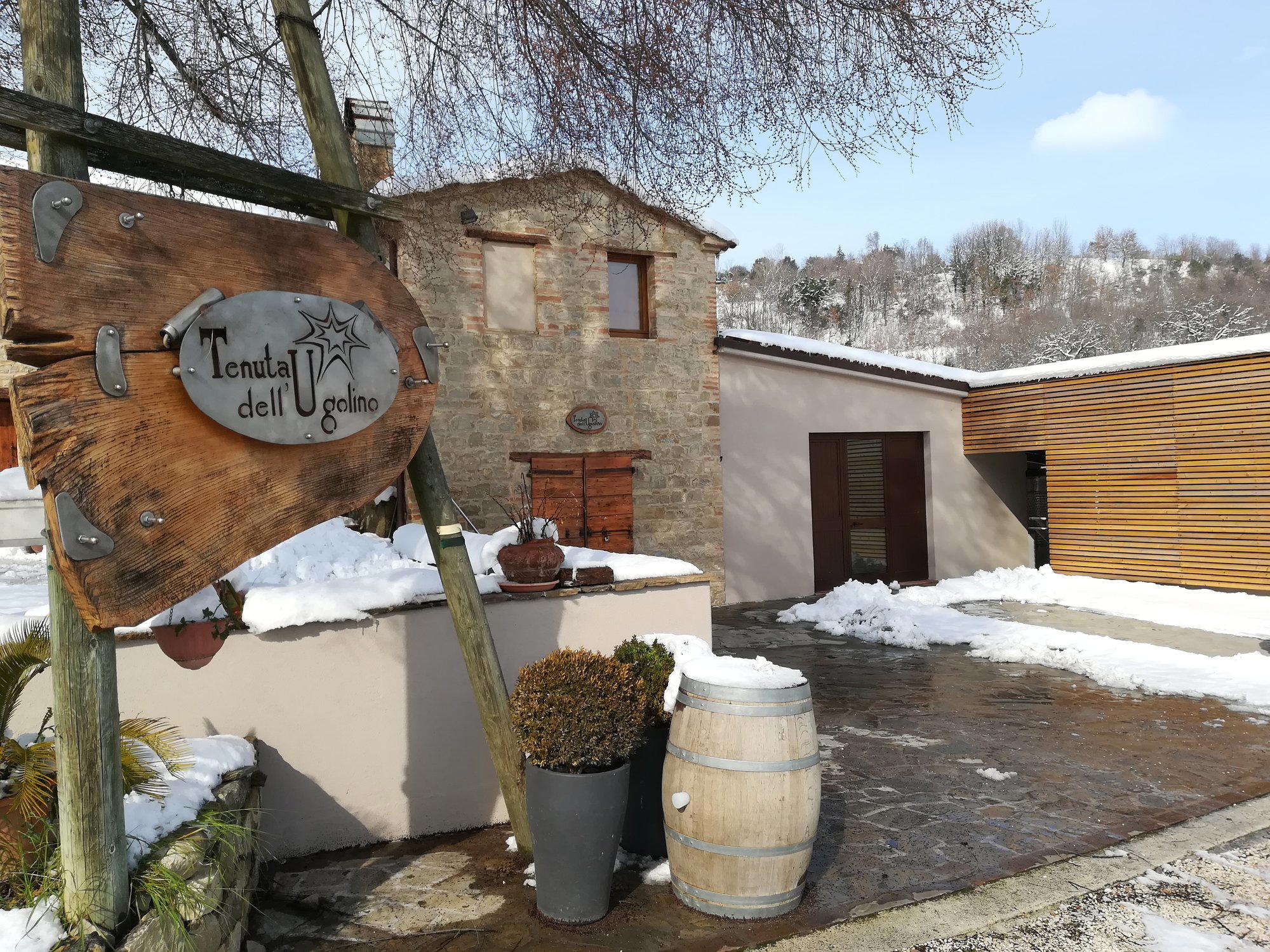
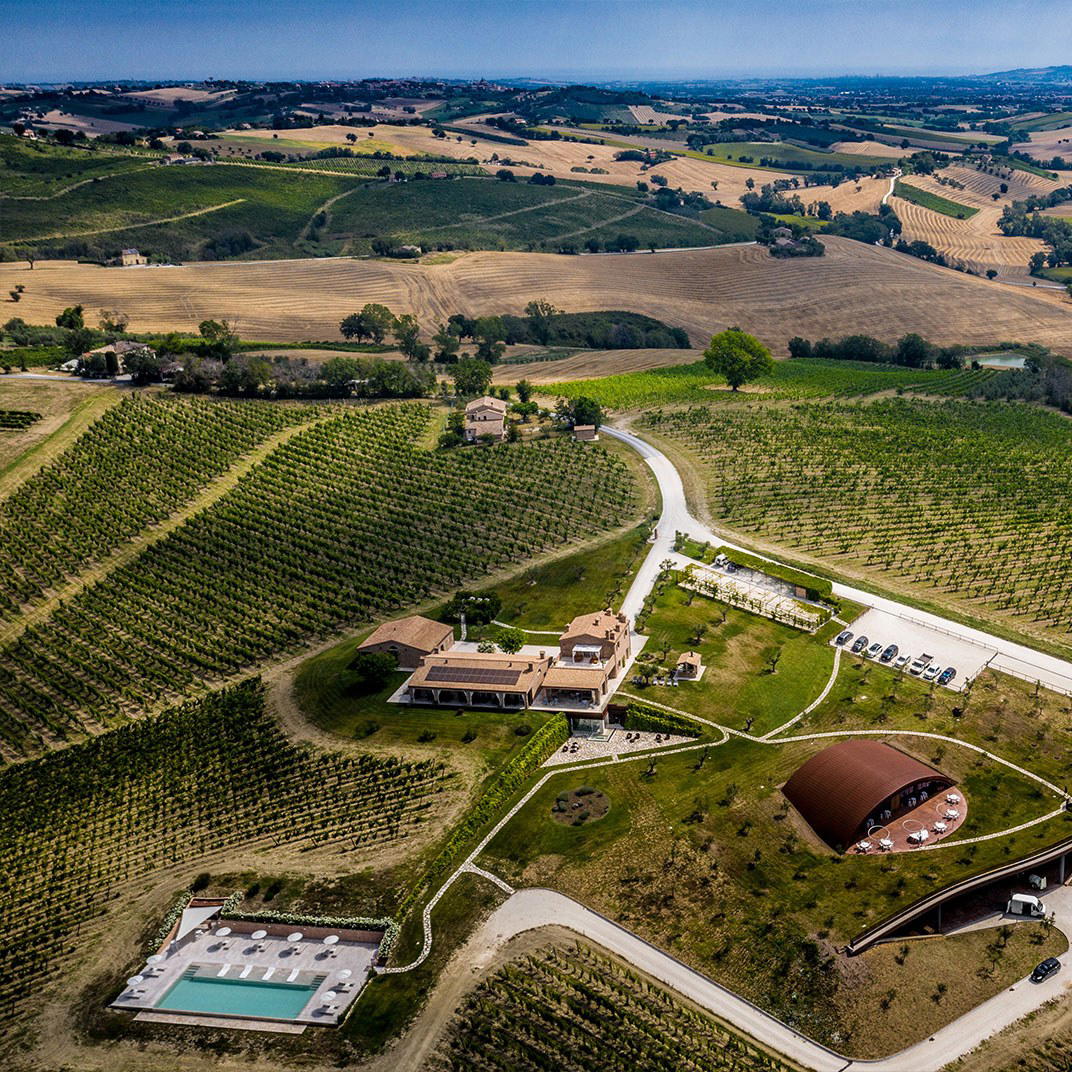
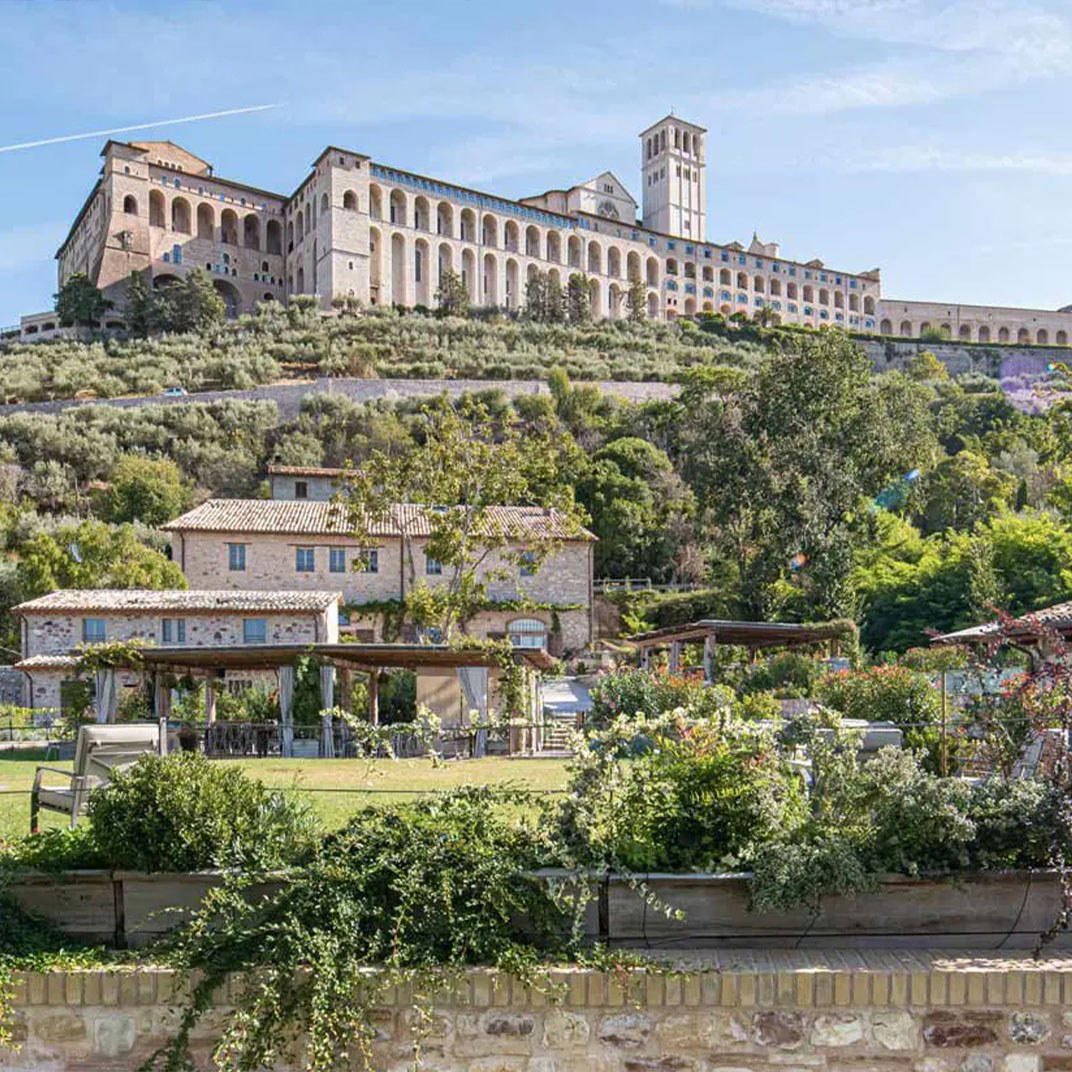
Approaching Cupramontana wine means entering Verdicchio territory before any cellar. The town sits inside one of central Italy’s defining white-wine zones, where the grape is regional grammar rather than fashion: acidity, structure, almond-edged restraint, and the ability to read as everyday or serious depending on farming, site, and cellar choices. Sparapani / Frati Bianchi belongs to that grammar. Its estate setting, vineyards, adjacent hermitage, and newer cellar of wood, rough stone, brick, and travertine place the visit firmly in Marche, not in a generic tasting-room template.
That physical language matters. Italian winery architecture often splits between production efficiency and visitor theatre; here the point is quieter, tied to local materials and agricultural continuity. The cellar, inaugurated in 2014/2015, signals investment without cutting the producer from its rural frame. In Cupramontana, that distinction is useful. Verdicchio does not need stagecraft; it needs context where land, grape, and estate decisions remain legible.
Verdicchio country, read through an estate-grown lens
The editorial reason to pay attention is the relationship between place and grape supply. Sparapani / Frati Bianchi works with proprietary grapes, meaningful in a region where Verdicchio spans a wide commercial spectrum. Estate control does not automatically guarantee quality, but it changes the conversation: the wine is tied to land the producer farms, not to a purchasing strategy based on available fruit. For a traveller trying to understand Cupramontana through wine, that matters more than a long list of cellar adjectives.
The visible anchor is Verdicchio dei Castelli di Jesi DOCG, with Verdicchio central and Montepulciano also in the varietal picture. The named bottle Salerna Verdicchio di Jesi Classico Superiore 2022 gives the estate a clear regional marker. “Classico Superiore” is not decoration; it places the wine in a more specific appellation conversation, where expectations move beyond freshness toward shape, persistence, and stronger origin. No invented tasting note is needed. The classification itself tells the reader which competitive lane the bottle enters.
Farming philosophy is conventional rather than organic. That is not a moral verdict, but useful in 2026, when many premium-wine travellers filter visits through sustainability language. This is not a biodynamic or certified-organic story. The stronger case is regional fidelity: a family winery rooted in Cupramontana since the 1930s, formally open from 1985, working in the local Verdicchio tradition while updating the cellar environment in the last decade.
A cellar built to make Marche materials part of the experience
Winery hospitality increasingly risks becoming interchangeable: polished counters, scripted flights, and bottle displays that could sit anywhere. More interesting Italian estate visits often let the building carry part of the argument. At Sparapani / Frati Bianchi, wood, rough stone, bricks, and travertine create a tactile vocabulary connected to rural Marche architecture. The effect is not spectacle. It aligns the built environment with the wine’s claim to place.
The adjacent Hermitage of the White Friars adds another layer, because Cupramontana’s wine identity is not only agricultural; it is historical, monastic, and hillside-based, as many central Italian wine zones are. The estate’s “Frati Bianchi” identity sits naturally in that register. For travellers moving through the region, this stop makes more sense as part of a local itinerary than as an isolated luxury appointment.
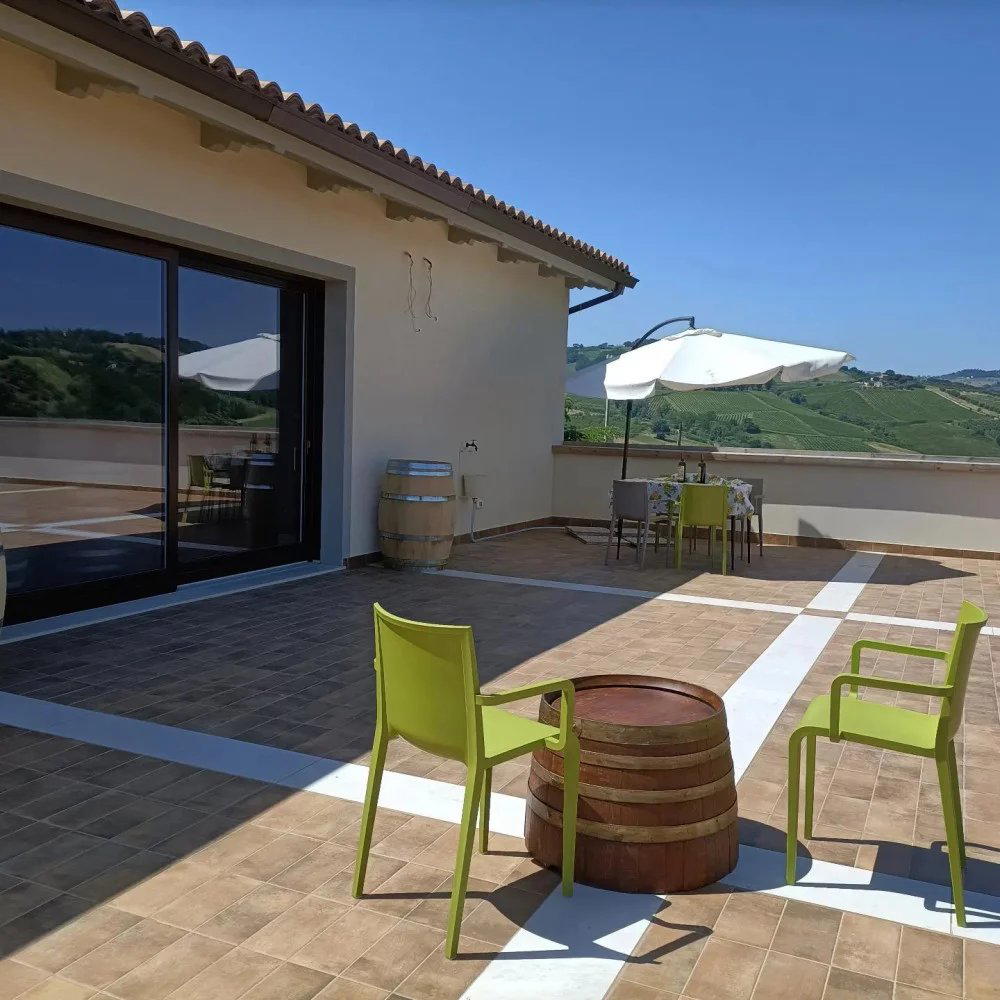
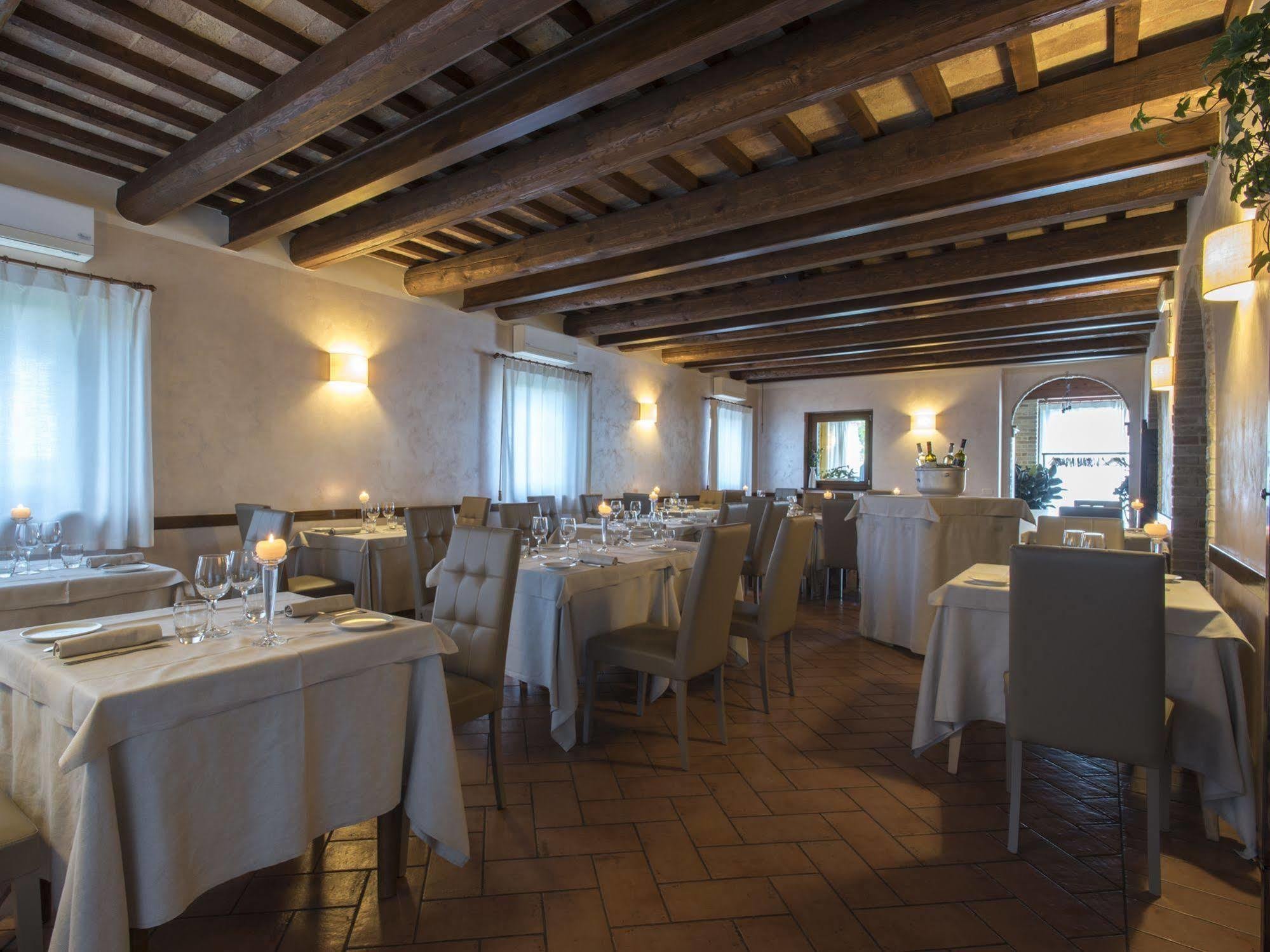
The room’s mood is quiet and classic, with rustic edge rather than urban polish. That separates the winery from hospitality-heavy estates built around dining, terrace service, or large-scale leisure. There is no food-pairing program attached to the visit profile. The appeal is focused: tasting room, estate grounds, vineyard context, and the architecture of a cellar conceived to bridge tradition and modernity.
How to place it in a Cupramontana itinerary
Cupramontana rewards slow wine travel. Its value is not breadth for its own sake, but concentration: visitors can use Verdicchio as the through-line and compare how producers translate the same regional language through farming, cellar design, and hospitality format. Sparapani / Frati Bianchi fits that model for travellers interested in estate identity, wine education, and a setting still attached to agricultural origins.
The experience suits small groups and solo exploration, especially visitors who prefer quiet wineries over high-volume tasting rooms. Production scale is medium, allocation status is open, and the wine focus spans still white, still red, and sparkling styles, though Verdicchio remains the clearest lens. Dress and mood are casual rather than formal, appropriate for a rural Marche winery, not a city salon dressed as a cellar.
For trip planning, keep the winery inside a broader Cupramontana map rather than making it the whole day. EP Club’s city pages can structure that route: Our full Cupramontana wineries guide is the natural starting point, with nearby context in Our full Cupramontana restaurants guide, Our full Cupramontana hotels guide, Our full Cupramontana bars guide, and Our full Cupramontana experiences guide. For a wider view of wine travel across Italy and beyond, continue with 3GP SRL in Treviso, 47 Anno Domini in Trebaseleghe, A Mano Wine in Noci, a6mani in Fragagnano, Abbadia Ardenga in Torrenieri, Abbazia di Crapolla in Neapel, Abbazia Monte Oliveto in Asciano, Abbazia Santa Anastasia in Castelbuono, »der Steiner« Hans Steiner in Podersdorf am See, and & Handwein in Mannheim.
The critical read is simple: Sparapani / Frati Bianchi is strongest as a place-based Verdicchio visit, not a luxury-winery performance. The trust signals are concrete, if understated: family roots in Cupramontana since the 1930s, operating history from 1985, estate-grown grapes, cellar renewal in 2014/2015, and a named Classico Superiore bottling tied directly to Verdicchio di Jesi. In a region where the grape is the headline, that is enough to justify attention.
Recognition history
Dated appearances from independent guides and award organizations, with the underlying list record or original source where available.
Falstaff Winery - Listed
Falstaff
Continue exploring
More in Cupramontana
Wineries in Cupramontana
All wineries in Cupramontana →
Details
- Rustic
- Classic
- Quiet
- Wine Education
- Solo Exploration
- Group Outing
- Special Occasion
- Estate Grounds
- Historic Building
- Design Destination
- Vineyard
- Verdicchio
- Montepulciano
- Still White
- Still Red
- Sparkling
- Tasting Room
A tradition-forward winery setting with a strong sense of place, combining historic agricultural roots with a newer cellar that blends natural materials like wood, rough stone, bricks, and travertine.