Raka Wine Estate

Falstaff Winery - Listed
Raka Wine Estate belongs to the Stanford side of Overstrand wine country, where coastal air, river plains and mountain slopes shape a quieter cellar-door rhythm than the Cape’s busier wine routes. The estate’s appeal is rooted in relaxed tasting-room hospitality, a red-leaning varietal range and a setting that makes terroir part of the visit rather than an abstract label claim.

Pearl is the En Primeur Club membership app, where members save venues, book tables and use the concierge.

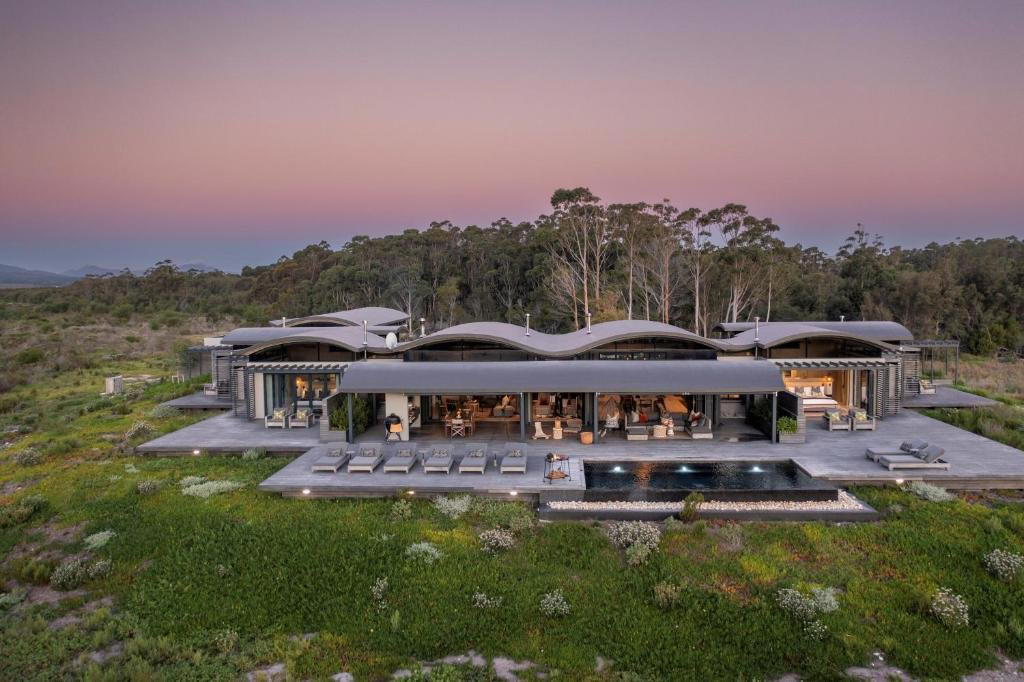
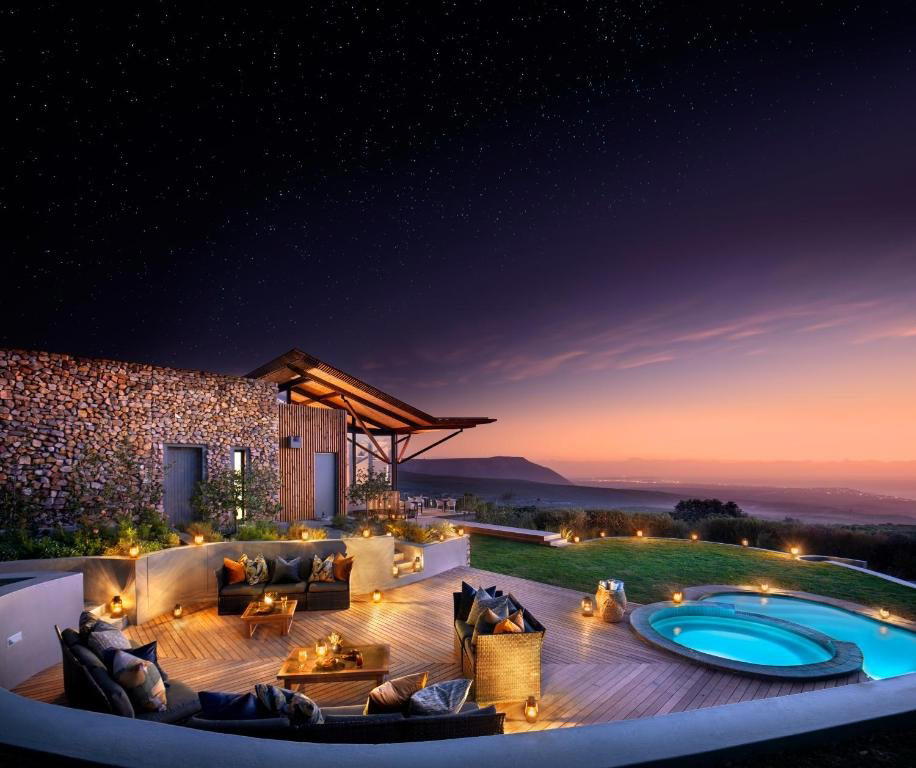
Approaching wine country around Stanford, the mood shifts from destination dining and polished cellar architecture to a looser Overberg rhythm: open valley, vineyard views, mountain lines and the cooling logic of the coast. Raka Wine Estate fits that register. This is not the theatre of a grand estate visit; it belongs to the country tasting-room tradition, where the room, the vineyard outlook and the glass are read together.
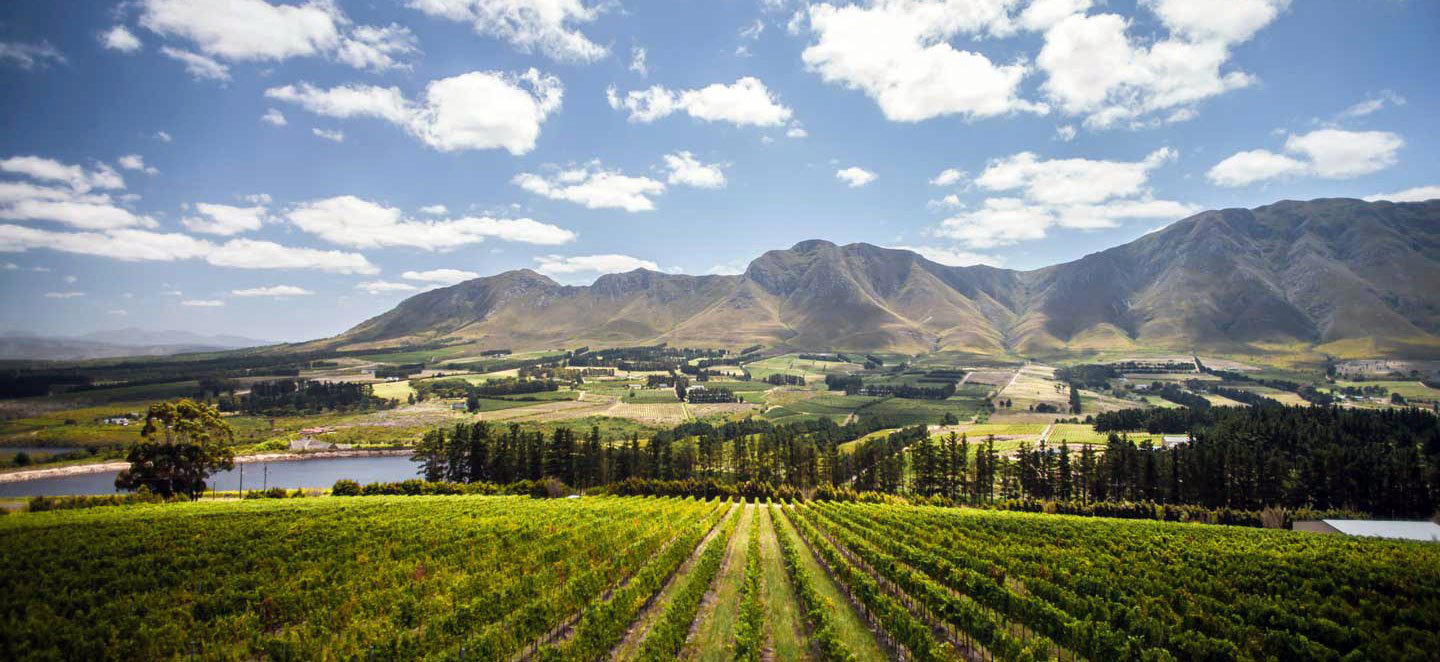
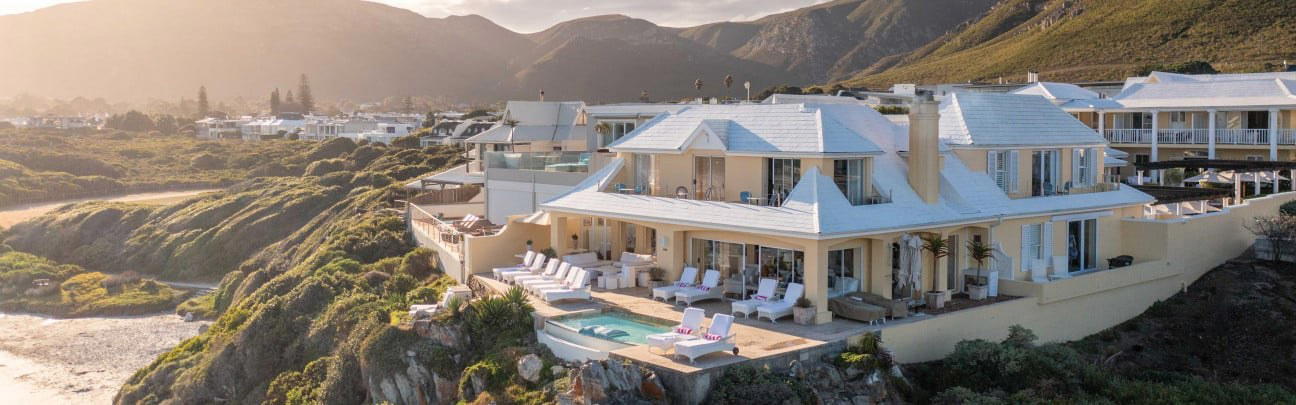
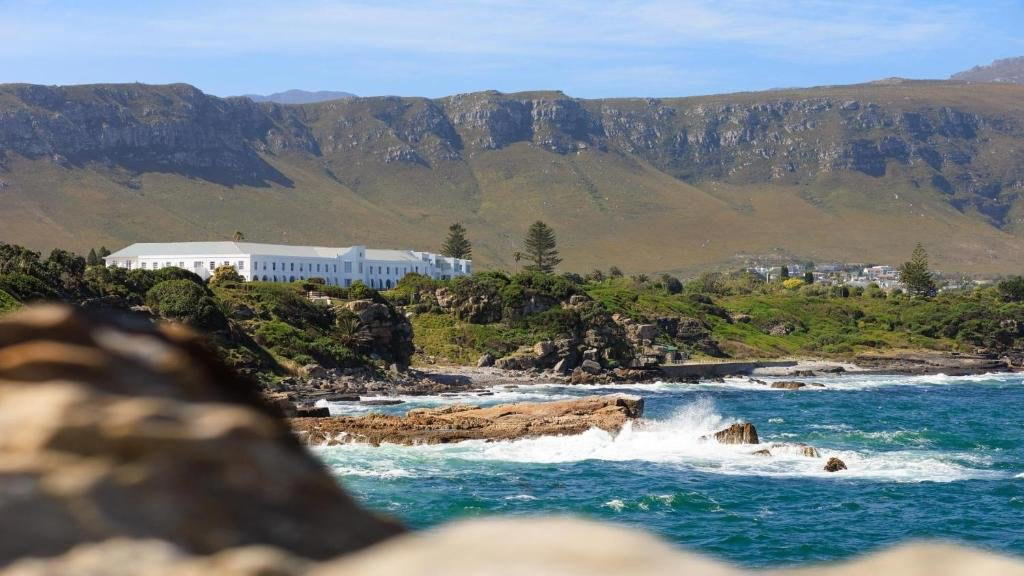
That context matters in Overstrand. The area’s wine identity is built less on a single famous grape than on the meeting of coastal influence, varied soils and small-route tourism. Around Stanford, sandy coastal ground, rocky mountain slopes and river-plain fertility create a broad physical palette. Raka sits within that matrix in the Klein River Wine Ward, a setting where sea breezes and valley shelter are part of the wine conversation.
Coastal-valley wine country, read through the glass
Raka’s strongest editorial argument is terroir expression. The estate works in a cool, sea-influenced environment rather than a hot inland frame, and its listed varietals point to a cellar comfortable with structure as well as freshness: Shiraz, Sangiovese, Merlot, Cabernet Sauvignon, Petit Verdot, Malbec, Pinotage and Sauvignon Blanc. That range places the experience in a South African tradition where Bordeaux varieties, Rhône references and local Pinotage can sit beside a coastal white without forcing a single-house stereotype.
The Stanford route rewards visitors who think in gradients rather than absolutes. A glass here is best understood against the region’s physical contrasts: maritime air, valley warmth, mountain shadow and soils that change quickly across short distances. Raka’s gravity-flow cellar adds another useful signal, because it points to a production culture attentive to handling and flow rather than only to label design. The estate also identifies sustainable practice as part of its production philosophy, a relevant detail in a region where agriculture, tourism and landscape are tightly linked.
The tasting format is aligned with the route’s low-pressure character. Standard tastings and paired tastings are part of the offer, and the overall feel is quiet, rustic and intimate rather than performance-led. That distinction is not minor. In heavily trafficked wine regions, tasting rooms can become retail counters with vineyard wallpaper. In this part of Overstrand, the stronger visits are slower: the setting carries interpretive weight, and the wines make more sense when the coastal-valley conditions are allowed into the frame.
A country tasting room with family-run scale
Raka opened in 2002, which gives it enough history to feel established without turning the visit into a heritage pageant. Winemaker Josef Dreyer is the named cellar figure, but the more useful point is structural: this is a family-run winery of medium scale, with an intimate cellar feel and a tasting-room atmosphere pitched toward conversation rather than choreography. The format suits travellers who want wine education without the stiffness that sometimes comes with formal cellar tours.
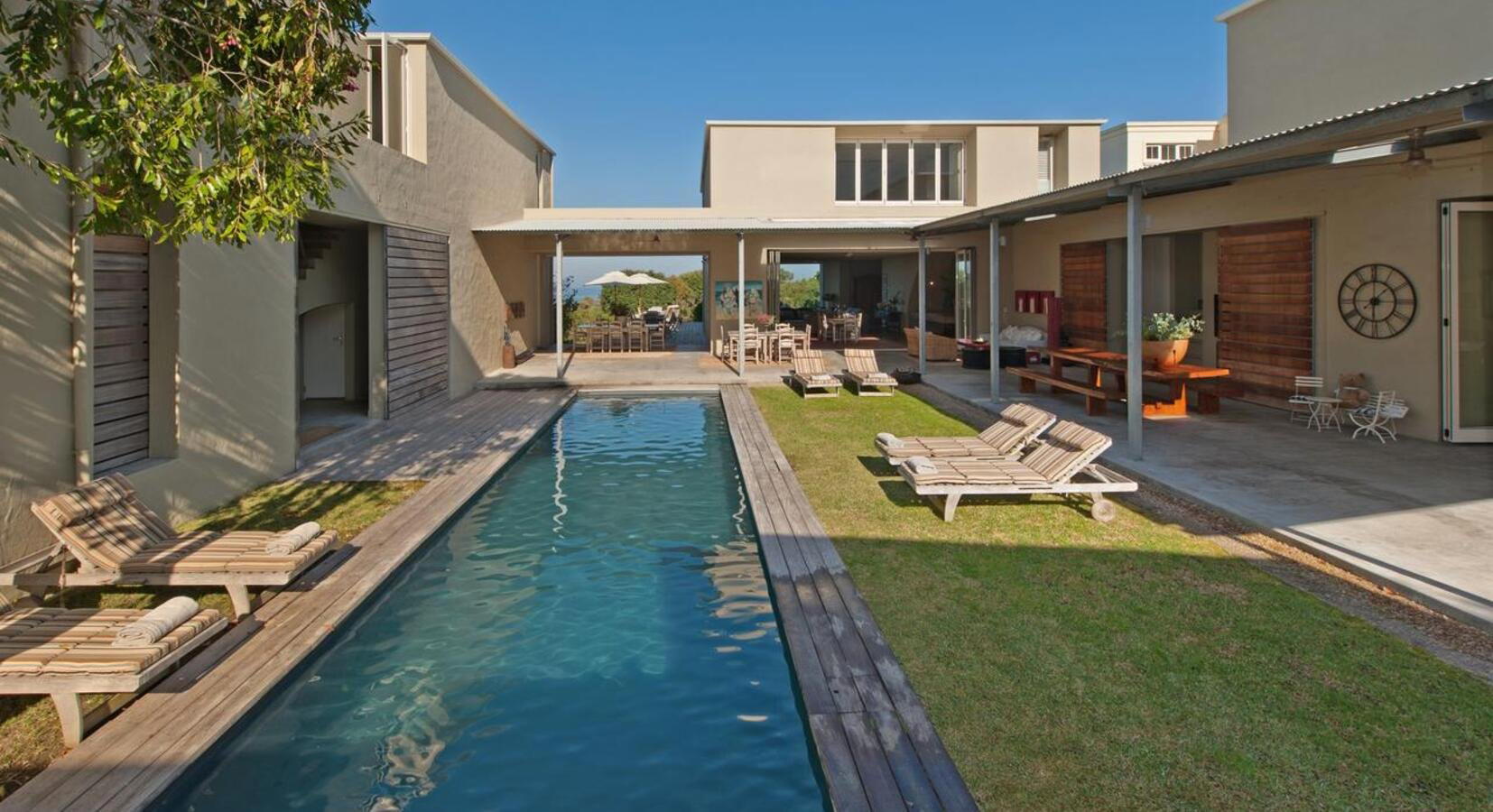
Hospitality here is practical and relaxed. The estate is walk-in friendly, casual in dress code and suited to groups, families, solo exploration and special-occasion stops that do not require white-tablecloth ceremony. Outdoor seating and vineyard and mountain views give the visit its sense of place; the quiet noise level keeps the emphasis on tasting rather than crowd management. Food pairing is part of the experience, which helps the wines register as table wines rather than isolated samples.
Price positioning is moderate, marked at $$, so the estate sits in a useful travel category: serious enough to anchor a wine-route day, informal enough not to demand the planning burden of a prestige appointment. On-site parking, card and contactless payment options, English-language tours and a typical 60- to 90-minute visit duration make it easier to fold into a broader Overstrand itinerary. The estate is not dog-friendly, while children are accommodated, a distinction worth noting for mixed groups.
How to place it in an Overstrand itinerary
Raka is best read as part of the Overstrand wine and travel pattern rather than as an isolated stop. The region combines wine, coastal nature, village-scale hospitality and slower rural roads, so the strongest itinerary gives the estate space instead of treating it as a quick pour between lunch and a viewpoint. A paired tasting makes sense for visitors trying to understand how the red varieties handle the area’s coastal-valley conditions; a standard tasting suits those using the stop as an introduction to the Klein River Wine Ward.
For broader planning, EP Club’s city guides are useful companions: Our full Overstrand wineries guide frames the regional cellar-door circuit, while Our full Overstrand restaurants guide, Our full Overstrand hotels guide, Our full Overstrand bars guide and Our full Overstrand experiences guide help turn the visit into a coherent day or weekend.
Travellers building a wider South African wine route can also place Overstrand against other cellar-door styles across the country: 4G Wines in Kapstadt, A. A. Badenhorst Family Wines in Paardeberg, Aaldering Estate in Stellenbosch, Alheit Vineyards in Hermanus, Allée Bleue in Groot Drakenstein, Allesverloren in Riebeeck West, Anthonij Rupert in Franschhoek and Babylonstoren in Simondium. For a wider European contrast in small-producer culture, see »der Steiner« Hans Steiner in Podersdorf am See and & Handwein in Mannheim.
The editorial case for Raka is clear: it is a relaxed, country-scale expression of Stanford wine tourism, with enough varietal breadth to interest drinkers beyond a single preferred style and enough landscape presence to make the tasting feel grounded. Go for the coastal-valley context, the red-focused range, the gravity-flow cellar signal and the slower pace that defines this corner of Overstrand.
Recognition history
Dated appearances from independent guides and award organizations, with the underlying list record or original source where available.
Falstaff Winery - Listed
Falstaff
Continue exploring
More in Overstrand
Wineries in Overstrand
All wineries in Overstrand →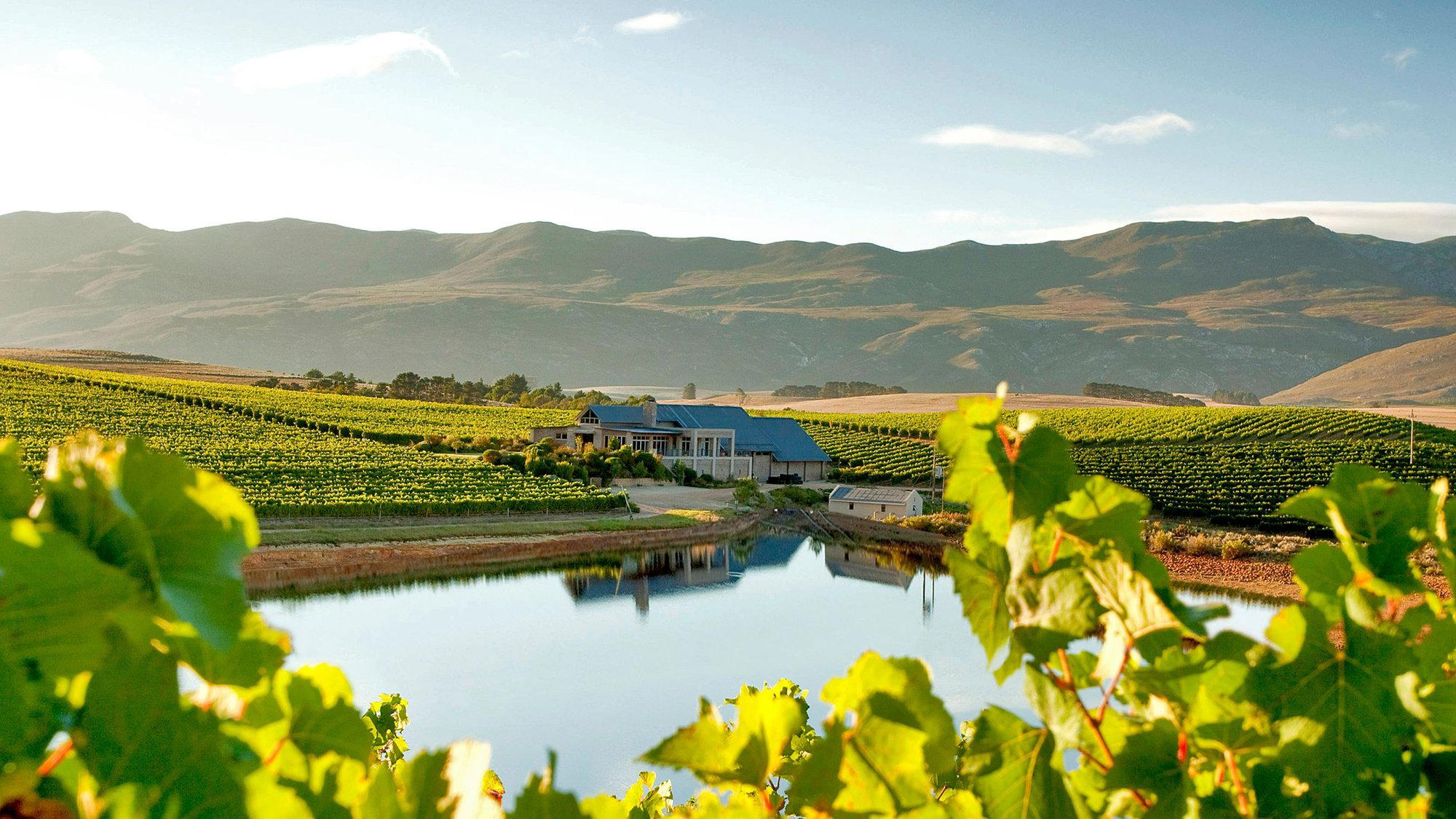
Restaurants in Overstrand
Browse all →
Details
- Scenic
- Rustic
- Cozy
- Intimate
- Classic
- Group Outing
- Family
- Wine Education
- Solo Exploration
- Special Occasion
- Historic Building
- Design Destination
- Private Tasting
- Vineyard Tour
- Sustainable
- Vineyard
- Mountain
- Shiraz
- Sangiovese
- Merlot
- Cabernet Sauvignon
- Petit Verdot
- Malbec
- Pinotage
- Sauvignon Blanc
- Still Red
- Still White
- Standard Tasting
- Paired Tasting
- English
Relaxed country tasting-room atmosphere in a scenic coastal-valley setting, with warm hospitality and an intimate cellar feel.