Lomond

Falstaff Winery - Listed
Lomond is a cool-climate Cape Agulhas wine estate near Gansbaai, framed by dam water, vineyards and coastal air rather than polished cellar-door theatre. The draw is terroir expression: estate, single-vineyard, limited-release and Cap Classique bottlings presented in a relaxed tasting-room setting with local platter ingredients and a strong sense of the Agulhas Plain.

Pearl is the En Primeur Club membership app, where members save venues, book tables and use the concierge.

Water sets the tone before the wine. The tasting room looks across the 100-hectare Lomond Dam toward vineyards, farmland and the Uilenkraals River Valley, making the Cape Agulhas argument visible: not inland grandeur dressed for tourism, but coastal agriculture shaped by wind, cool air and proximity to the sea. In Gansbaai, where marine weather and rural quiet meet, that matters. The estate presents its wines through aspect, soils and climate rather than cellar theatrics, and the room gives visitors the map before the first pour.
South African wine tourism often divides between grand historic estates and smaller, site-led producers whose appeal rests on origin rather than ceremony. Lomond sits firmly in the latter camp. Founded in 2004, it works from the Agulhas Plain near Cape Agulhas, close enough to the ocean for maritime influence to shape the estate’s public identity. The production language is cool-climate and terroir-driven, and the portfolio supports that: Estate Wines, Single Vineyard & Limited Release, 7 Rows, Cap Classique and a cellar-club subscription released twice yearly. The range signals a producer interested in layers of place, not one broad cellar-door label.
Cool-climate Agulhas wines, read through water, wind and vineyard source
The Cape Agulhas proposition differs from the familiar Cape Winelands script. The story is not manor-house formality or long oak avenues; it is a southern coastal edge where the sea moderates ripening and vineyard identity carries the commercial weight. Lomond’s focus on selective hand harvesting and sorting fits that reading. Manual selection is not decorative language in a place-led winery; it helps protect site expression before the cellar intervenes.
The varietal base is broad enough to make the estate more than a single-style stop. Sauvignon Blanc, Merlot, Shiraz, Sémillon, Nouvelle, Cabernet Sauvignon, Pinot Noir, Mourvèdre and Viognier are all planted, giving the tasting format room for red and white still wines, rosé and sparkling. The point is not variety for its own sake. It is that Cape Agulhas can be read through multiple lenses: aromatic whites, structured reds and Cap Classique as different tests of the same coastal conditions.
Vineyard identity also extends into naming and landscape. Fynbos-rich vineyards named after local plant species tie the agriculture to surrounding ecology, while the dam, wetlands and valley views make hospitality feel connected to the farm rather than appended to it. This is the estate’s clearest position: the tasting room is a scenic platform for understanding place, and the wines underline source, parcel and release type.
A relaxed tasting room with local food rather than restaurant theatre
Hospitality is deliberately rural. Tastings include standard, estate-flight and single-vineyard options, with a small-capacity feel, conversational noise level and outdoor seating when conditions suit. The experience is built for lingering: a typical visit runs about 120 to 180 minutes, appropriate where water view, vineyard context and food platters set the pace. This is not formal fine dining, and that is its advantage. The tone is casual, welcoming and low-friction.
Food supports the wine, but is not generic. Platters draw on local cheese from Stonehouse in Stanford, cured meats from Richard Bosman and trout products farmed by B’Bos Trout in the Lomond Dam. That sourcing shows how the estate frames hospitality: not as a full restaurant, but as a regional pairing layer grounded in nearby producers. For travellers using Gansbaai as a coastal base, the tasting room can sit beside marine excursions, nature drives and long lunches rather than compete with them.
Recognition is more visitor-sentiment than medal-table driven. The estate displays a rating from 673 user reviews, a useful signal for a rural tasting room with meaningful foot traffic. There is no need to inflate that into an awards narrative. Lomond’s credibility rests on clearer facts: a cool-climate Cape Agulhas location, a production model with single-vineyard and limited-release wines, an estate setting built around a large dam and vineyards, and a cellar-club structure pointing to repeat purchase rather than passing-tourist novelty.
The conservation thread is present but should be read carefully. Sustainability is part of the estate’s public positioning, and the wetlands, fynbos references, dam and farm setting make stewardship a natural conversation. The exact substance matters less to visitors than the visible consequence: landscape is not background décor. Agricultural, ecological and hospitality elements sit in the same frame.
How to place Lomond in a Gansbaai itinerary
Gansbaai is better known to many travellers for the coast than for cellar-door depth, which makes Lomond useful in a broader trip. It gives the area a wine stop with enough structure for enthusiasts, without the formality or density of a classic Cape Winelands day. The estate is walk-in friendly, has on-site parking and suits groups, couples and solo tasters seeking a rural setting with a defined wine focus. Children and dogs are not the natural fit; the stronger match is a slow tasting built around water views, vineyard context and cool-climate bottles.
For a fuller regional plan, pair the estate with EP Club’s city guides rather than treating it as an isolated detour: Our full Gansbaai wineries guide, Our full Gansbaai restaurants guide, Our full Gansbaai hotels guide, Our full Gansbaai bars guide and Our full Gansbaai experiences guide. Readers building a wider South African wine route can also place this coastal expression beside other estate and producer pages, including 4G Wines in Kapstadt, A. A. Badenhorst Family Wines in Paardeberg, Aaldering Estate in Stellenbosch, Alheit Vineyards in Hermanus, Allée Bleue in Groot Drakenstein, Allesverloren in Riebeeck West, Anthonij Rupert in Franschhoek, Babylonstoren in Simondium, »der Steiner« Hans Steiner in Podersdorf am See and & Handwein in Mannheim.
Recognition history
Dated appearances from independent guides and award organizations, with the underlying list record or original source where available.
Falstaff Winery - Listed
Falstaff
Continue exploring
More in Gansbaai
Wineries in Gansbaai
All wineries in Gansbaai →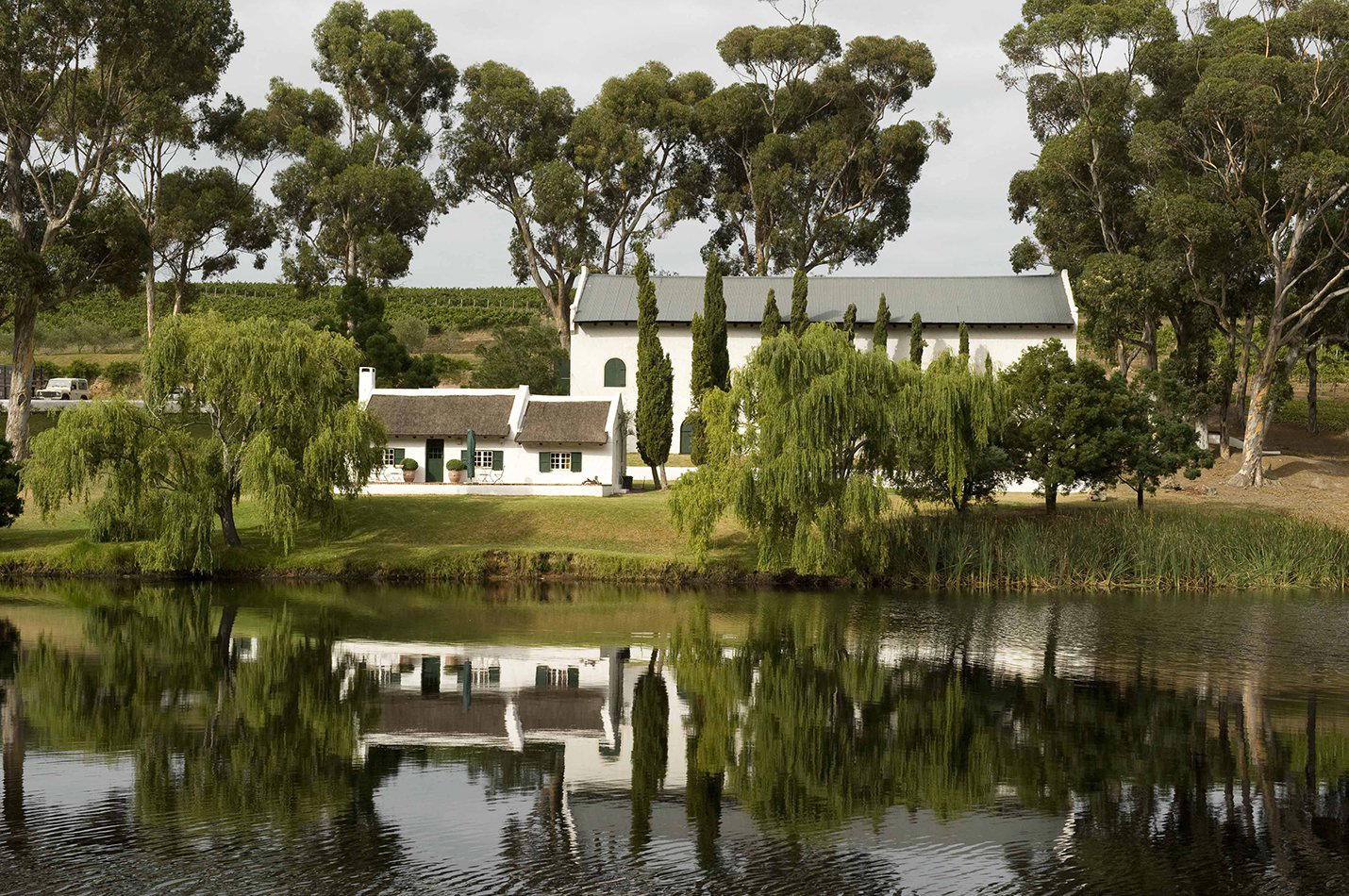
Restaurants in Gansbaai
Browse all →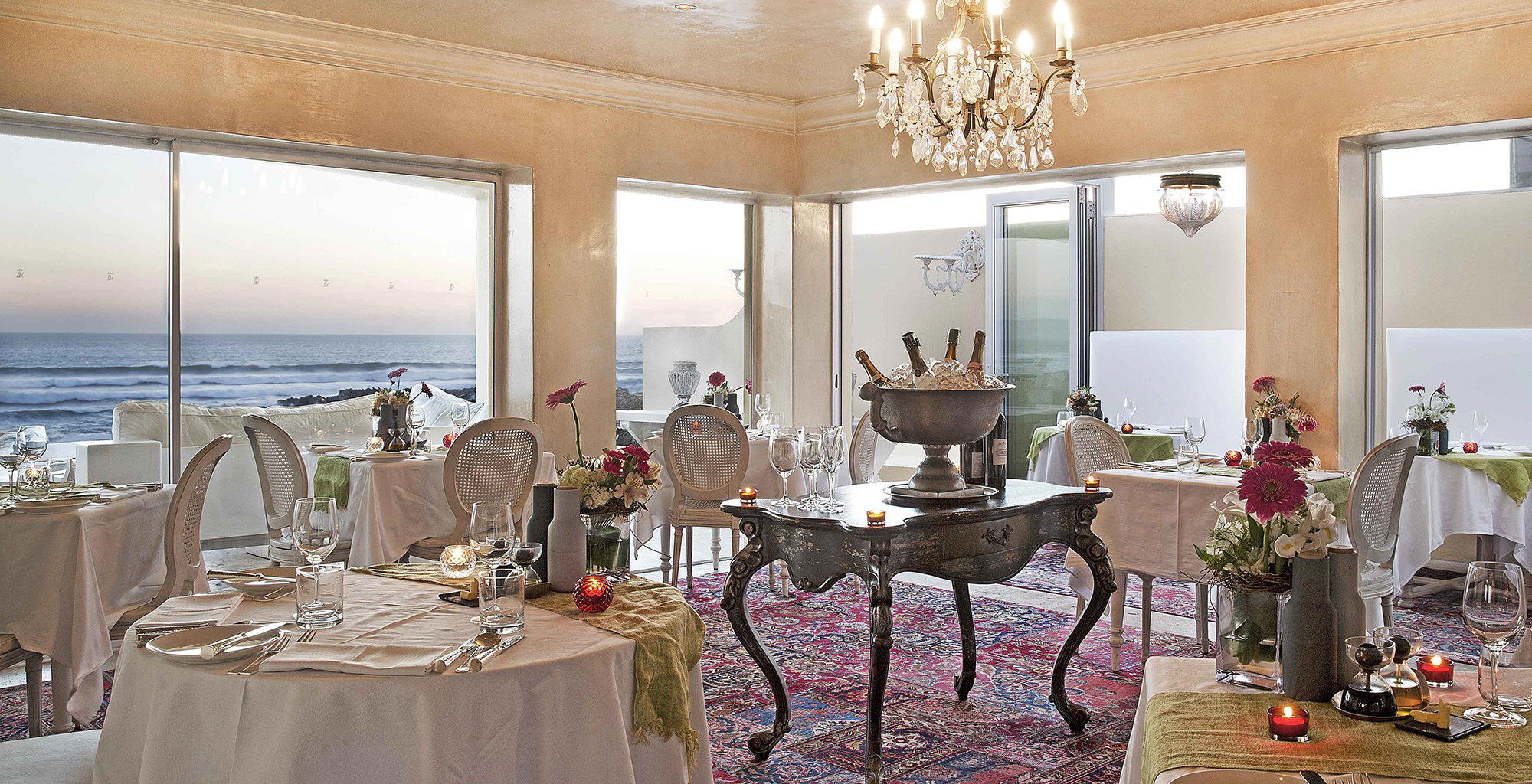
Details
- Scenic
- Rustic
- Classic
- Intimate
- Group Outing
- Wine Education
- Romantic Getaway
- Special Occasion
- Solo Exploration
- Estate Grounds
- Panoramic View
- Waterfront
- Vineyard Tour
- Picnic Area
- Sustainable
- Waterfront
- Vineyard
- Mountain
- Sauvignon Blanc
- Merlot
- Shiraz
- Sémillon
- Nouvelle
- Cabernet Sauvignon
- Pinot Noir
- Mourvèdre
- Viognier
- Still Red
- Still White
- Still Rosé
- Sparkling
- Standard Tasting
- Estate Flight
- Single Vineyard Tasting
Rural, relaxed tasting room overlooking a large dam and vineyards, with scenic waterscapes and valley views; atmosphere described in reviews as welcoming, friendly and reflective of South African hospitality.