Ploder-Rosenberg

Falstaff Winery - 3 Stars
Ploder-Rosenberg is a small biodynamic estate in St Peter Am Ottersbach, working about 11–12.5 hectares in Vulkanland Steiermark and producing roughly 50,000 bottles a year. The draw is the agricultural setting as much as the glass: PIWI varieties, Demeter-certified farming, low-intervention cellar work, tastings by reservation, and a quiet farm atmosphere shaped by vineyards, orchards and mixed biodiversity.

Pearl is the En Primeur Club membership app — saves, bookings, and concierge access live there. Same editors, same standards.

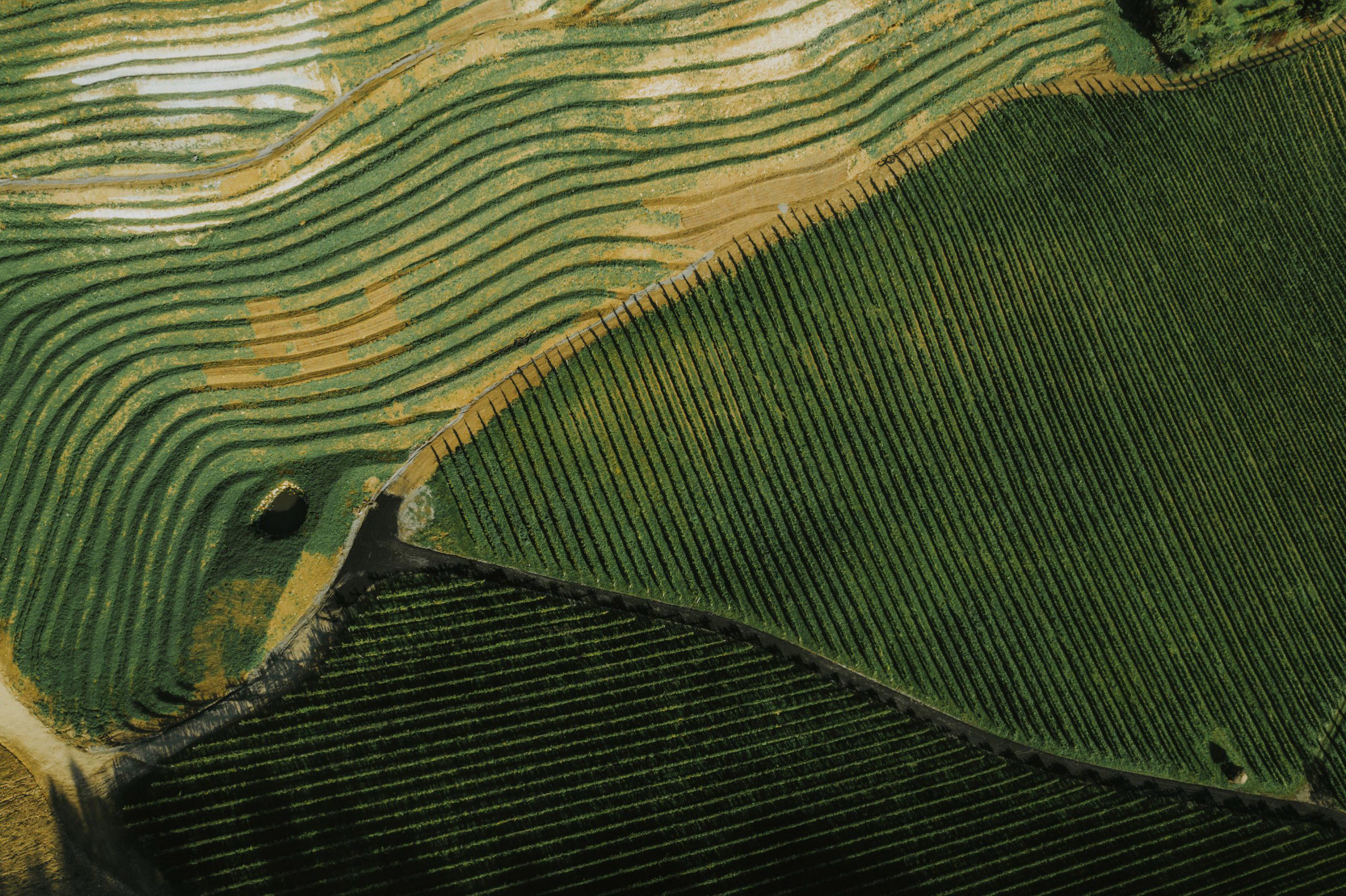
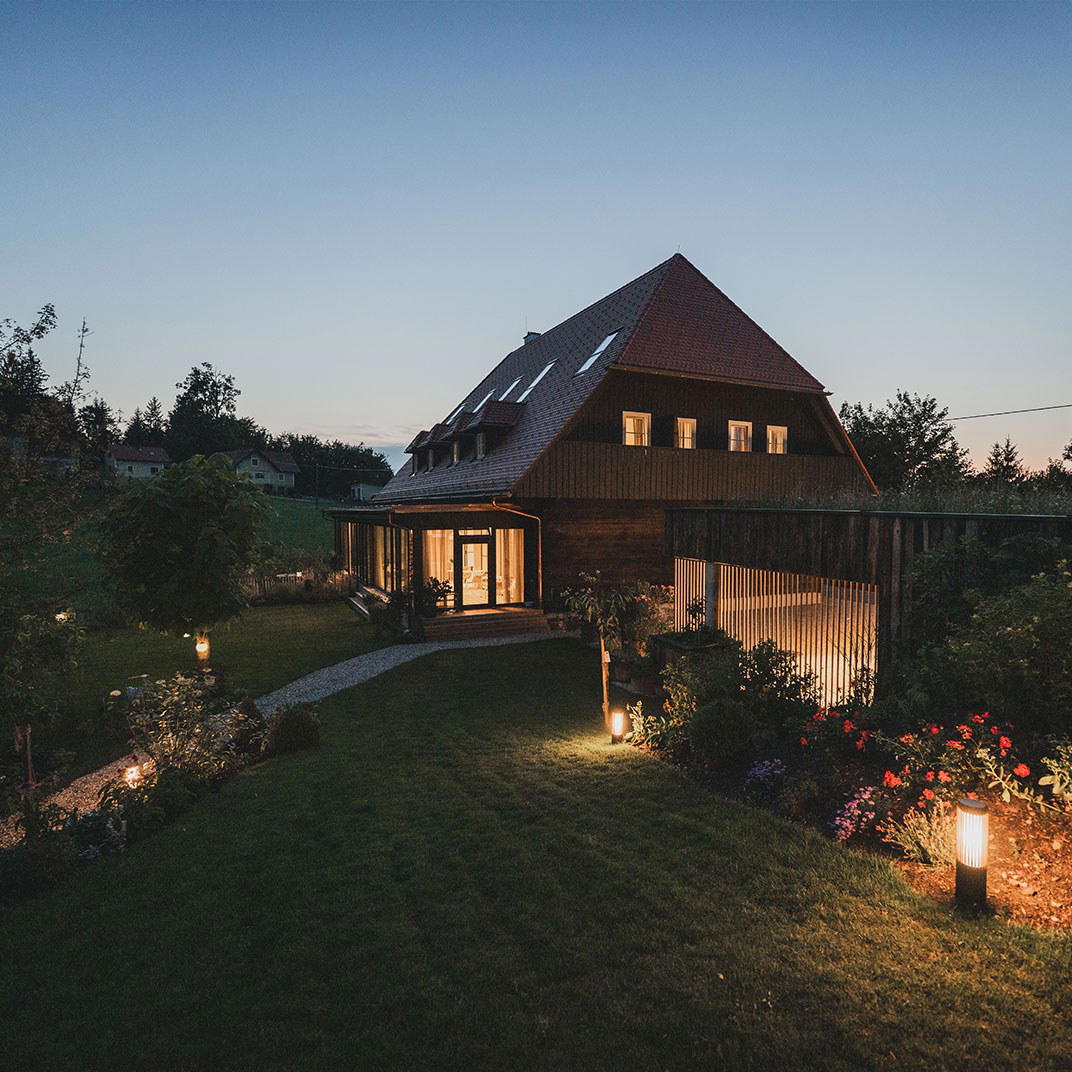
Approaching the wine country around St Peter Am Ottersbach, the mood shifts toward a quieter rural register: farm landscape, scenic surroundings and a more down-to-earth sense of place. Ploder-Rosenberg belongs to that atmosphere in the Styrian Vulkanland, presenting itself as a biodynamic family estate shaped by permaculture, PIWI vines and low-intervention cellar work. It is the kind of address where the setting is not incidental background, but part of how the estate is understood: the rural surroundings, the agricultural language and the emphasis on farming all point in the same direction.
For EP Club readers, the useful lens here is not urban luxury or a polished showroom experience, but the way a family estate connects farming choices with a visitor’s sense of the land. The appeal is simple and specific: a rustic, quiet setting in St Peter Am Ottersbach, with tastings at the farm and a natural feel. That makes the venue especially legible for travelers who prefer wine experiences that stay close to the place of production, where the visit is framed less by display and more by the character of the farm itself.
Volcanic Styria, biodynamics and the PIWI question
Ploder-Rosenberg is best understood through its stated focus on biodynamic farming, permaculture and PIWI vines. Rather than presenting the estate through scores, awards or detailed production figures, the grounded story is its agricultural identity within the Styrian Vulkanland. In that context, the farming vocabulary is not decorative: it is the main way the estate signals what matters, from the organization of the land to the choices made in the vines and cellar.
PIWI vines are part of that identity because they point toward resilience-minded viticulture and a practical relationship with the land. In the same way, the reference to low-intervention cellar work suggests an approach that aims to keep the wine conversation close to farming, rather than shifting attention toward technical polish or luxury cues. Together, these ideas give Ploder-Rosenberg a clear profile without needing a long list of external credentials.
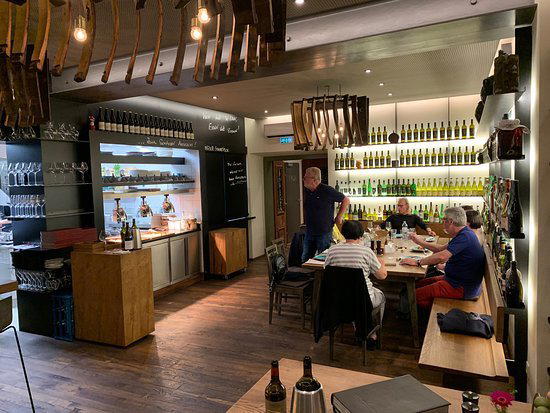
That makes Ploder-Rosenberg a fit for travelers who want a calm rural wine stop rather than a high-gloss hospitality model. The draw is not a documented grand format, a named chef, or a formal dining program; it is the quiet farm atmosphere and the chance to taste in the context of the estate itself. The emphasis is on coherence: biodynamics, permaculture, PIWI vines and low-intervention cellar work all reinforce the impression of a family estate rooted in its landscape.
A farm tasting rather than a showroom tasting
The hospitality note is concise: Ploder-Rosenberg offers tastings at the farm. That detail matters because it frames the visit around place and farming rather than around spectacle. Expect the tone to be rustic, scenic and quiet, with the estate’s biodynamic and permaculture focus shaping the experience. A farm tasting, in this sense, carries a different rhythm from a more formalized visit: the point is not theatrical presentation, but proximity to the estate’s everyday agricultural identity.
The reliable takeaway is that Ploder-Rosenberg is a biodynamic family estate in St Peter Am Ottersbach where tastings are part of the farm setting. For visitors, that means the wine is encountered alongside the place that produces it, which is precisely the quality that gives the estate its particular appeal within this rural part of Austria.
Price is listed as $$, placing the venue in a moderate bracket. Beyond that, the most useful way to read the estate is through its farming philosophy: PIWI vines, low-intervention cellar work and a quiet rural atmosphere in the Styrian Vulkanland. The value of the visit is therefore not described in terms of elaborate service details, but in the more direct experience of a family estate presenting its wines through the lens of the farm.
How it fits an Austrian wine itinerary
Austria’s wine travel can range from polished cellar visits to more rural estate experiences. Ploder-Rosenberg sits firmly in the latter direction: a biodynamic family estate where permaculture, PIWI vines and low-intervention cellar work define the profile. It works well as a stop for travelers who want their itinerary to include a quieter register of Austrian wine culture, one that makes room for farming practice and landscape rather than only for conventional hospitality formats.
For travelers exploring dining and wine around St Peter Am Ottersbach, Ploder-Rosenberg offers a grounded rural counterpoint to more conventional hospitality. Other local options can be considered generically depending on the shape of a trip, but this estate’s specific identity is tied to the farm, the vines and the quiet Vulkanland setting. Its usefulness on an itinerary comes from that clarity: it is not trying to be everything, but it does offer a distinct rural and biodynamic point of view.
The editorial case for Ploder-Rosenberg is therefore specific: go for a calm, rustic look at a biodynamic family estate in St Peter Am Ottersbach, with tastings at the farm and a focus on permaculture, PIWI vines and low-intervention cellar work. It is not presented here through awards, exact production statistics or elaborate service claims; its value lies in the connection between farming, wine and rural atmosphere. For EP Club readers, that makes it a venue to understand through texture and context: the quiet setting, the family-estate frame and the consistent agricultural philosophy are the reasons it belongs on the map.
Recognition history
Dated appearances from independent guides and award organizations, with the underlying list record or original source where available.
Falstaff Winery - 3 Stars
Falstaff
Continue exploring
More in St Peter Am Ottersbach
Wineries in St Peter Am Ottersbach
All wineries in St Peter Am Ottersbach →
Bars in St Peter Am Ottersbach
Browse all →
Details
- Rustic
- Scenic
- Quiet
- Cozy
- Group Outing
- Wine Education
- Romantic Getaway
- Solo Exploration
- Estate Grounds
- Vineyard Tour
- Picnic Area
- Organic
- Biodynamic
- Sustainable
- Vineyard
- Garden
- Mountain
- Souvignier Gris
- Bronner
- Sauvignon Blanc
- Chardonnay
- Pinot Gris
- Gelber Muskateller
- Still White
- Still Rosé
- Orange
- Skin Contact
- Sparkling
- Standard Tasting
- Private Tasting
- German
- English
Biodynamic family estate in the Styrian Vulkanland with a natural, down-to-earth feel, focused on permaculture, PIWI vines and low-intervention cellar work, offering tastings at the farm and a quiet rural atmosphere.