MOSTI Furer

Falstaff Winery - Listed
MOSTI Furer sits in Staufen’s quieter agricultural register: a small family-run cider and wine producer where apple juice, still wines, dessert wine and vinegar matter as much as cellar theatre. The appeal is local and practical rather than trophy-driven, with a farm-shop atmosphere, conventional production and a direct-sales model rooted in Aargau’s orchards and vineyards.

Pearl is the En Primeur Club membership app, where members save venues, book tables and use the concierge.

Approach the farm-shop end of wine culture and the usual tasting-room script falls away. The scene is quieter, more functional, and closer to the workbench than the reception desk: house-made juice, wine and vinegar in a rural setting that rewards intent rather than spectacle. In Staufen, MOSTI Furer belongs to the kind of producer where the place is read through everyday goods as much as through wine. Its appeal is not built on ceremony or a highly staged visit, but on the sense that production, buying and local routine sit close together. That makes the venue especially easy to understand for travellers who are less interested in performance and more interested in seeing how a small rural producer presents itself through what it makes.
Orchards, vines and the farm-shop model
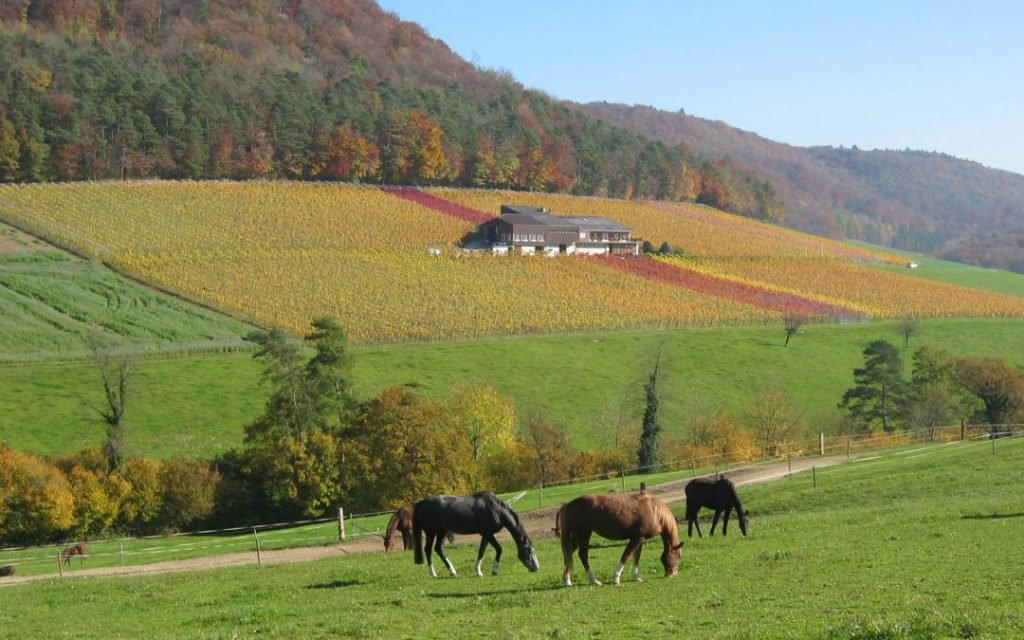
MOSTI Furer is best understood through its rural farm-shop atmosphere. The picture is direct: a functional setting focused on house-made juice, wine and vinegar, with the quiet, rustic feel of a working cidery and small winery. That makes the experience less about formal hospitality language and more about direct producer goods. The setting matters because it changes the pace of the visit. Instead of a visit organised around polished tasting-room theatre, the emphasis falls on direct shelves, practical buying and products that feel tied to daily use.
The useful lens is simpler: MOSTI Furer is a Staufen venue with a hidden-gem feel, where the appeal comes from a modest farm-shop setting and a focus on juice, wine and vinegar. The word modest is important here. It does not reduce the interest of the place; it clarifies it. The attraction lies in the unforced character of the venue, where the farm-shop model gives the experience a grounded quality.
Terroir expression here should not be presented through named parcels, soil maps or grand cru language. The grounded description is more modest and literal: a rural Staufen producer setting where house-made juice, wine and vinegar define the offer. For travellers used to wine as a restaurant-list item, this kind of farm-shop context gives a quieter, more practical view of local production. It shifts attention away from prestige vocabulary and toward the everyday forms in which fruit, wine and vinegar become part of local buying habits. That is the more accurate frame for MOSTI Furer: not a grand statement about region, but a small-scale encounter with producer goods in their own setting.
What the portfolio says about place
The strongest signal is not a trophy list or a critic score, but the combination of house-made juice, wine and vinegar. That distinction matters. A conventional winery visit often asks the guest to judge vintages and cellar decisions; a farm-shop producer suggests a different rhythm, one closer to pantry goods, rural buying and everyday use. Juice, wine and vinegar also broaden the way the place can be read. They place wine within a wider producer portfolio rather than isolating it as a luxury object.
In this segment, the credibility comes from format and atmosphere: rustic, quiet and functional, with a hidden-gem quality rather than a polished destination-winery posture. The lack of overt spectacle is part of the point. MOSTI Furer is more persuasive when approached as a direct rural address than when forced into the expectations of a high-touch tasting destination.
Staufen also makes the format legible. The tone is rural and practical, not luxury-coded. The price signal is modest, with a $ listing rather than a luxury-tier classification, but the better way to read the value is through access to producer goods rather than through restaurant-style spend. For a wider map of the city’s hospitality options, EP Club’s Staufen coverage can be read alongside other local dining and travel categories. In that broader context, MOSTI Furer functions as a quieter counterpoint: a place where the interest is not a long menu, a formal pairing structure or a designed hospitality narrative, but a compact rural stop anchored by what is made there.
A visit for low-key buying rather than cellar theatre
The best expectation is a compact, low-key farm-shop experience focused on house-made juice, wine and vinegar. That expectation will serve visitors better than looking for a luxury winery frame. The visit is most coherent when treated as practical and unhurried, with attention paid to the directness of the offer and to the understated atmosphere surrounding it.
That makes MOSTI Furer a narrow but useful address for travellers interested in rustic, practical producer settings. The grounded editorial recommendation is simple: go for the farm-shop atmosphere and the focus on juice, wine and vinegar, not for a luxury winery experience. Its usefulness lies precisely in that narrowness. It does one kind of experience clearly, and that clarity is what gives the listing its value.
For readers building a broader route beyond Staufen, other winery and producer listings can be useful for orientation across styles and regions. The useful distinction is scale and mood: MOSTI Furer is less about comparison shopping than about a quiet Staufen setting where a rural farm-shop atmosphere frames house-made juice, wine and vinegar. It is best placed in an itinerary as a small, grounded stop rather than as the central performance of the day: a venue for low-key buying, local texture and a more functional view of wine culture.
Recognition history
Dated appearances from independent guides and award organizations, with the underlying list record or original source where available.
Falstaff Winery - Listed
Falstaff
Continue exploring
More in Staufen
Wineries in Staufen
All wineries in Staufen →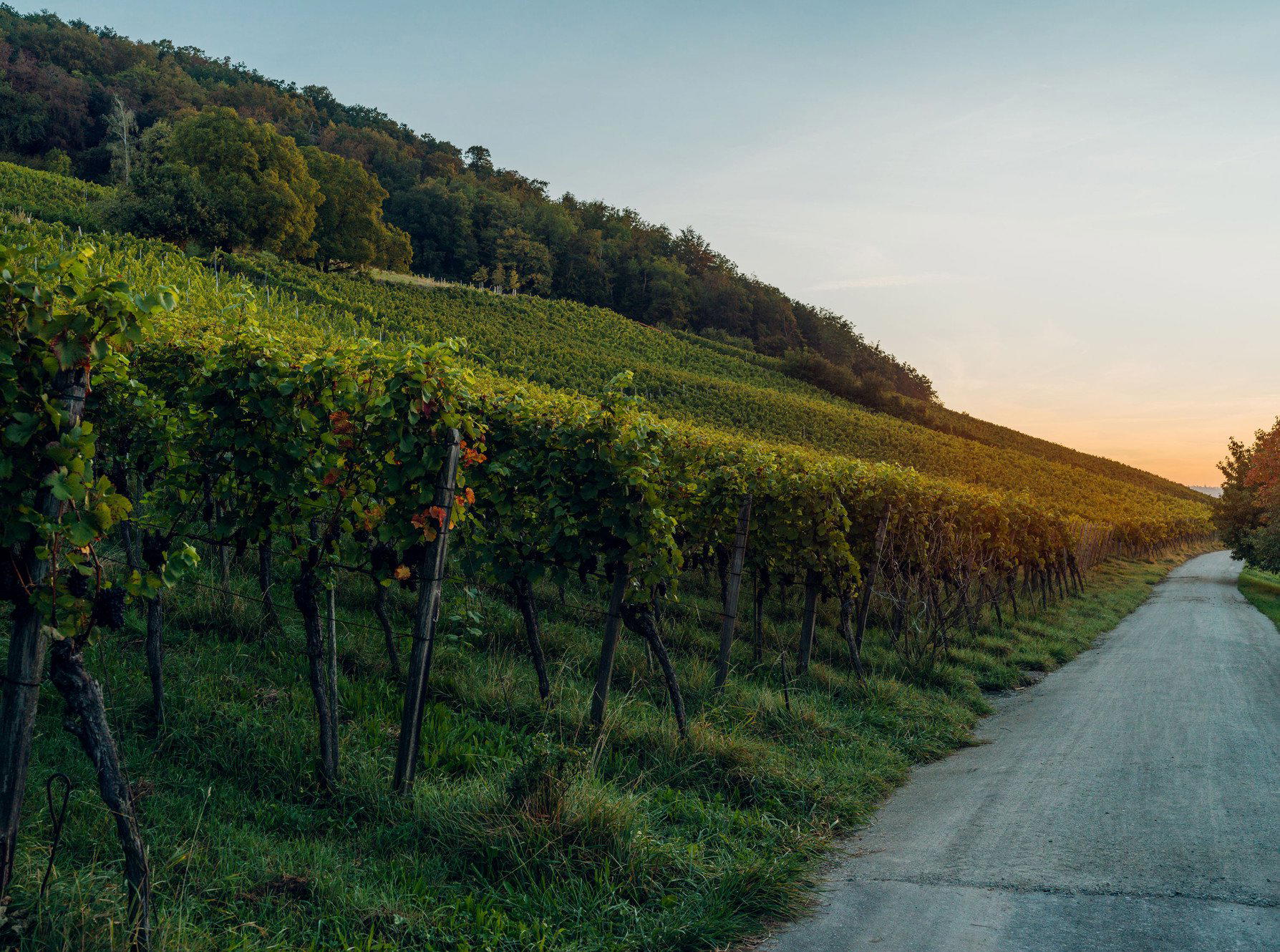
Bars in Staufen
Browse all →
Restaurants in Staufen
Browse all →
Details
- Rustic
- Quiet
- Solo Exploration
- Still White
- Still Red
- Dessert
- German
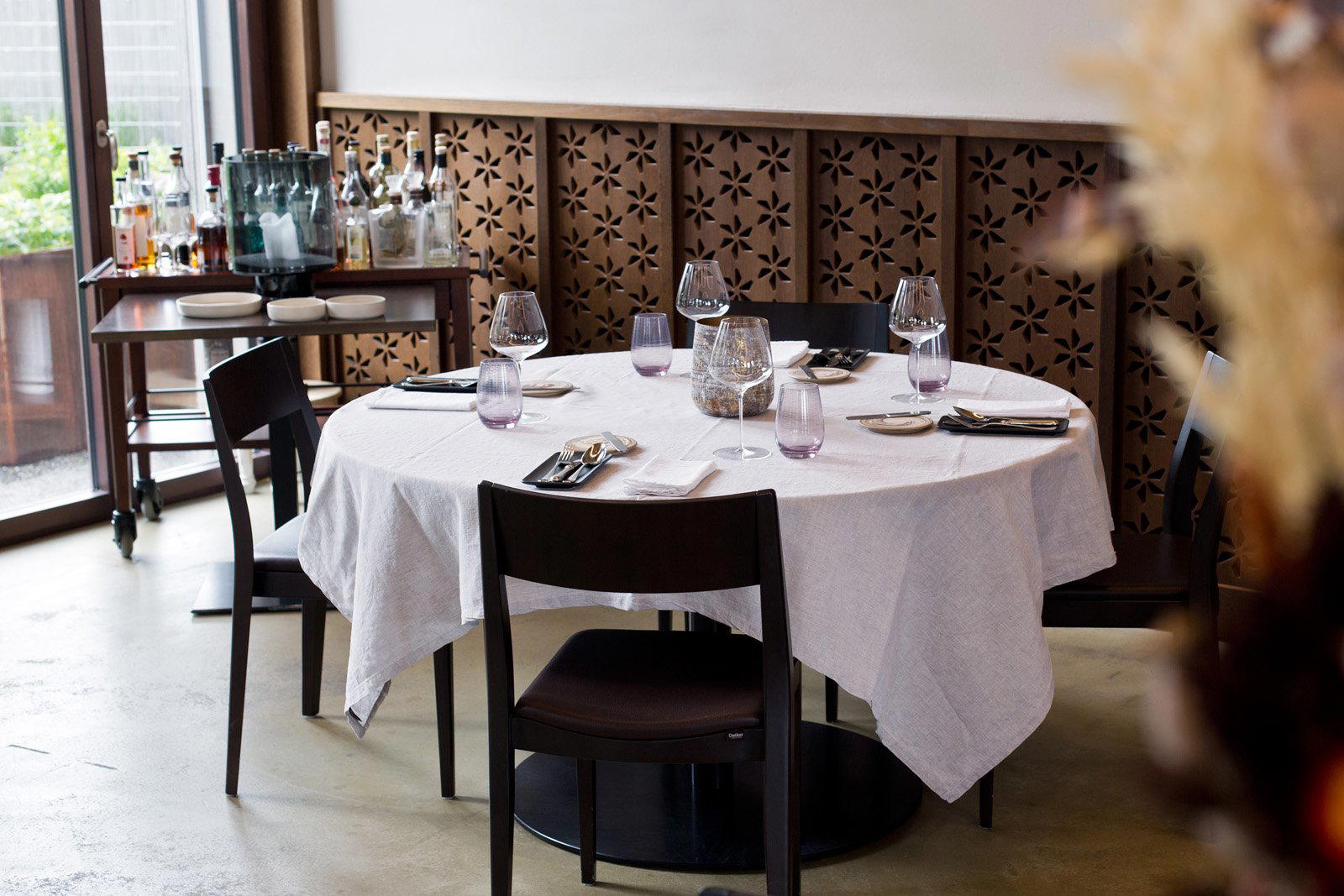
Rural farm-shop atmosphere focused on house-made juice, wine and vinegar, with a direct, functional setting typical of a working cidery and small winery.