Adrians Weingut

Falstaff Winery - 3 Stars
A small biodynamic estate in Oberflachs, Adrians Weingut reads the Aargau Jura through Pinot Noir, Riesling-Silvaner, Charmont and Zweigelt. The draw is scale and soil: three hectares, hillside parcels in Schenkenbergertal, Demeter-aligned farming and a cellar approach built around minimal technology rather than showmanship.
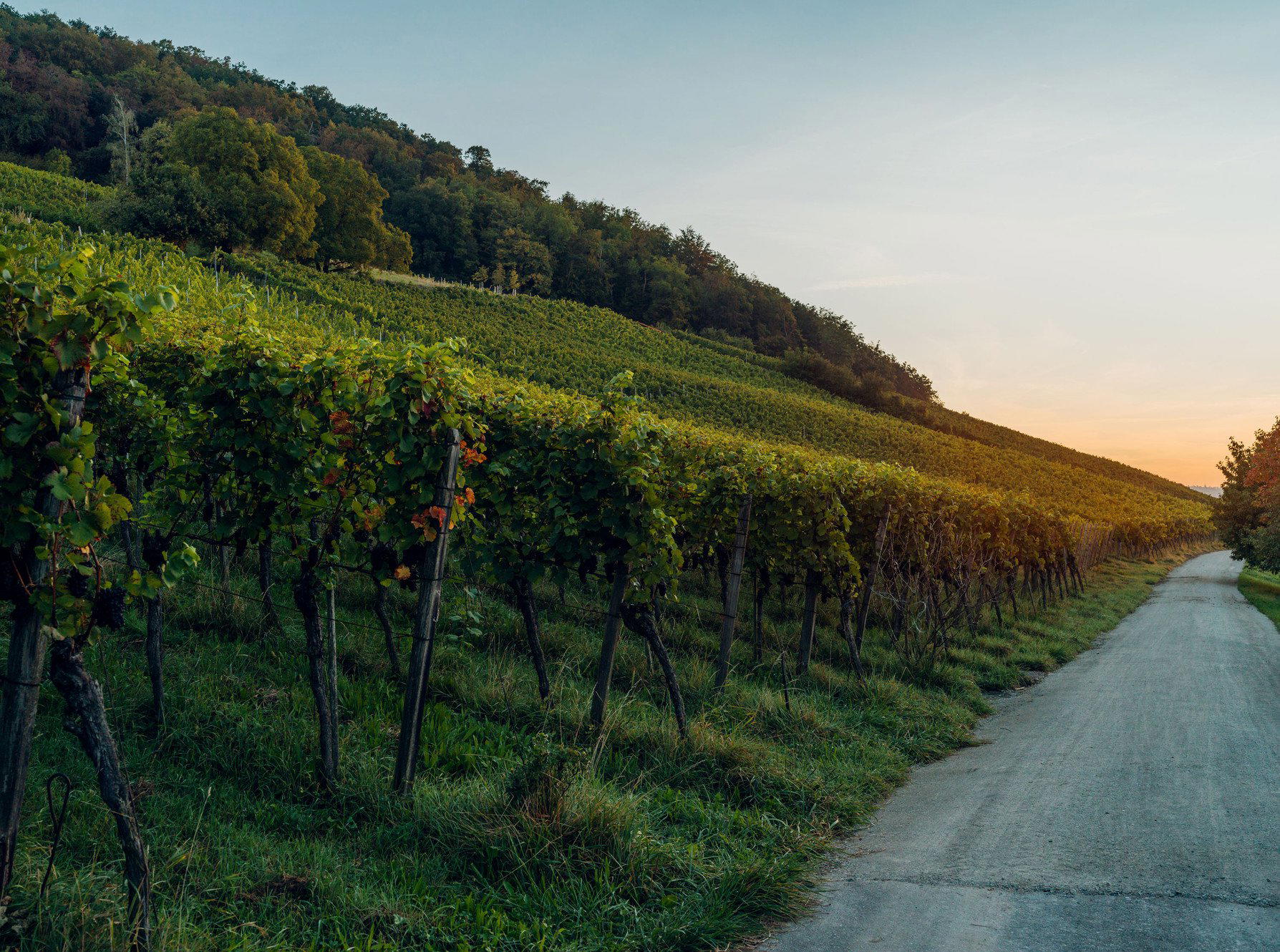
Adrians Weingut in Oberflachs is best understood as a small biodynamic estate in a sun-drenched hillside setting. The appeal is not built around spectacle or a highly polished hospitality format; it rests on a quiet, rustic atmosphere, a natural sense of place, and a terroir-focused approach that keeps the vineyard at the center of the experience. That distinction matters, because the venue reads less like a designed attraction and more like a hillside wine address whose character comes from land, farming and restraint.
A hillside estate with a quiet biodynamic identity
The story here is compact but clear. Adrians Weingut is a small biodynamic estate in Oberflachs, set on a scenic hillside and shaped by a natural, land-led feel. Its identity is tied to an intact and diverse vineyard ecosystem rather than to a long list of public-facing amenities or promotional claims. The emphasis is therefore on the estate as a living agricultural place: the slope, the light, the vineyard environment and the quiet sense that the wines are being framed by their setting.
The cellar approach is described through minimal technology, which supports the broader impression of a restrained, terroir-focused producer. That does not require inventing a detailed wine list, a production figure, a certification claim, or a visitor format. The grounded point is simpler: Adrians Weingut presents itself as a quiet, authentic Oberflachs estate where the farming environment and hillside setting matter. In editorial terms, the absence of extra detail is not a weakness to be filled with assumptions; it is part of the way the place should be read, with attention kept on the essentials that are actually known.
For travelers, that makes the venue useful as a low-key wine-country stop rather than a destination defined by luxury extras. The price level is listed as $$, and the atmosphere is scenic, rustic and hidden-feeling, with the biodynamic estate character doing most of the work. It is the sort of address that suits visitors who are comfortable with understatement, and who are more interested in a sense of landscape than in a heavily scripted experience.
The main signal is place, farming and restraint
Adrians Weingut’s strengths are not tied to a named grape, a specific bottle, an award, or a chef-like personality. They are tied to the estate’s biodynamic orientation, the Oberflachs hillside, and a preference for minimal technology in the cellar. That makes the venue most compelling for readers who value setting, farming philosophy and a quieter style of wine experience. The profile should be approached through those signals rather than through expectations of a broad hospitality program.
What can be said confidently is that the estate’s atmosphere is natural, terroir-focused and intentionally understated. Those words carry most of the editorial weight here: natural points to the feel of the place, terroir-focused to the vineyard-led perspective, and understated to the way the estate avoid unnecessary flourish.
Biodynamics can sometimes become a broad marketing shorthand, but here the grounded description points to a practical vineyard-first identity: an intact, diverse ecosystem, a sun-drenched slope, and a cellar approach that avoids unnecessary technological framing. The result is a venue profile that is best read through restraint rather than embellishment. Instead of stretching the page into claims about style, bottles or service, the more accurate reading is to let the farming language and hillside context define the attraction.
A small-estate feel rather than a polished circuit
The hospitality impression is quiet and authentic, with a rustic hillside character. It is better described as a small-estate setting than as a large, highly produced tasting-room circuit. Visitors looking for a scenic Oberflachs wine stop with a natural atmosphere will find the clearest reason to pay attention here. The appeal is in the scale and mood: a place that ask for a slower, more observant visit rather than a checklist-driven one.
This is also the kind of venue where the surrounding Oberflachs context matters. Rather than building the visit around claims about formats or amenities, the safer itinerary is to treat Adrians Weingut as a terroir-focused estate and plan the rest of the day around other dining or leisure options in Oberflachs generically. That keeps expectations realistic while still acknowledging the value of the setting: the estate can anchor a wine-country moment without needing to carry an entire day on promises that are not stated.
The editorial case for Adrians Weingut is precise: a small biodynamic estate in Oberflachs, a sun-drenched hillside setting, minimal technology in the cellar, and a quiet, natural feel. It is a strong fit for readers who want a rustic, land-led wine experience without needing the page to promise details that have not been verified. In that sense, its strength is exactly its modesty: the venue is presented through place, farming and atmosphere, not through exaggeration.
Frequently asked questions
What's the vibe at Adrians Weingut?
It is quiet, rustic and natural, shaped by a sun-drenched hillside setting in Oberflachs. The feel is terroir-focused and authentic rather than highly polished.
How pricey is Adrians Weingut?
Pricing at Adrians Weingut is listed as $$.
What's Adrians Weingut's location?
Adrians Weingut is located in Oberflachs.
What's the standout thing about Adrians Weingut?
The key draw is its identity as a small biodynamic estate with a natural, terroir-focused atmosphere and minimal technology in the cellar.
Do they take walk-ins at Adrians Weingut?
Check directly with Adrians Weingut before planning a visit.
What's Adrians Weingut a good pick for?
It suits readers looking for a quiet, scenic and rustic wine estate in Oberflachs, especially those interested in biodynamic farming and a land-led atmosphere.
Anything to keep in mind for Adrians Weingut?
The details emphasize the estate’s small biodynamic character, hillside setting and natural atmosphere. Specific visitor services, opening arrangements and payment details should be confirmed directly.
Recognition history
Dated appearances from independent guides and award organizations, with the underlying list record or original source where available.
Falstaff Winery - 3 Stars
Falstaff
Request a visit to Adrians Weingut
Tell us when you would like to go and how many people, and we put the request to the estate and reply to you by email.
Continue exploring
More in Oberflachs
Wineries in Oberflachs
All wineries in Oberflachs →
Bars in Oberflachs
Browse all →
Restaurants in Oberflachs
Browse all →
Details
- Scenic
- Rustic
- Intimate
- Wine Education
- Solo Exploration
- Group Outing
- Estate Grounds
- Vineyard Tour
- Private Tasting
- Biodynamic
- Organic
- Sustainable
- Vineyard
- Garden
- Pinot Noir
- Riesling Silvaner
- Charmont
- Zweigelt
- Still Red
- Still White
- Sparkling
- Pet Nat
- Private Appointment Tasting
- Winemaker Hosted Tasting
- Vineyard Visit
Small biodynamic estate in a sun-drenched hillside setting, with a natural, terroir-focused atmosphere and minimal technology in the cellar, emphasizing an intact, diverse vineyard ecosystem and a quiet, authentic feel.