Manousakis Winery
Manousakis Winery sits in Vatolakkos, a village in the hills above Chania on the western edge of Crete, where Rhône varieties take root in terrain that most of Greece's wine industry has left alone. For visitors willing to travel beyond the island's coastal circuit, the address repays the detour.
Pearl is the En Primeur Club membership app — saves, bookings, and concierge access live there. Same editors, same standards.
- Address
- Vatolakkos 73005, Chania, Crete, Greece
- Phone
- +302821078787
- Website
- manousakiswinery.com
- Directions
- Get directions
 Saves & bookings on Pearl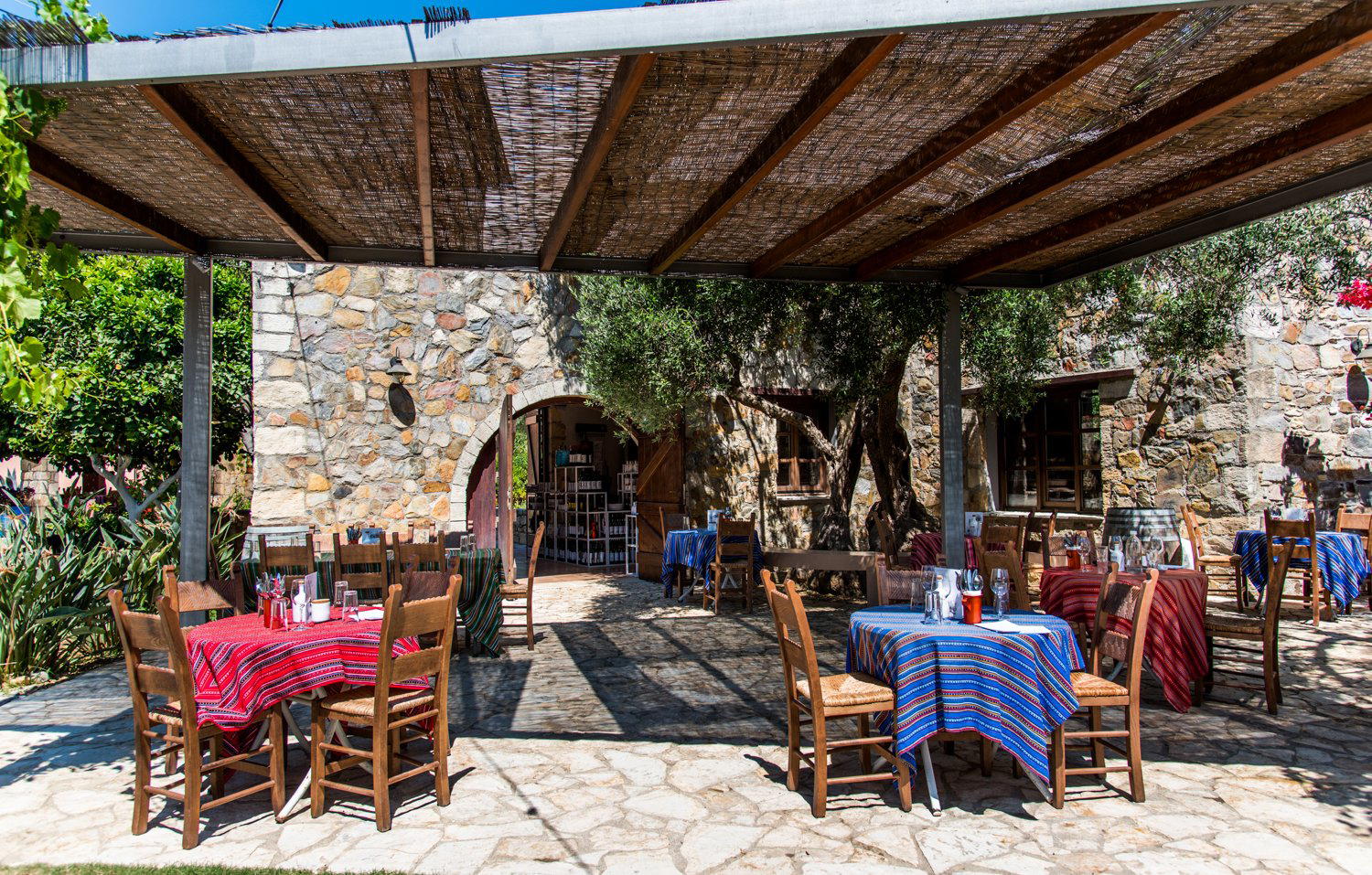
Where Crete's Western Hills Define the Glass
Western Crete does not announce itself the way the Aegean coastline does. The road into Vatolakkos climbs through olive groves and dry-stone terraces, the landscape hardening as altitude replaces sea breeze. This is the inland fringe of the Chania region, where the Lefka Ori mountains push weather patterns south and the limestone-heavy soils hold heat differently from the sandy plains closer to the coast. It is in this part of the island that Manousakis Winery operates, and the terrain is not incidental to what ends up in the bottle.
Crete has long occupied an ambiguous position in the Greek wine conversation. The island produces enormous volume, much of it destined for taverna carafes, but a smaller cohort of producers has spent the past two decades making a different argument: that Cretan terroir, when taken seriously, can yield wines with genuine regional identity. For context on where this fits across the broader Greek wine spectrum, see our guides to producers such as Alpha Estate in Amyntaio and Aidarinis Winery in Goumenissa, both operating in northern appellations with their own distinct terroir arguments.
Rhône Varieties on Cretan Ground
The editorial thread that runs through Manousakis is the decision to plant Rhône varieties in Cretan soil. This is not a common choice. Most of Crete's serious producers have doubled down on indigenous grapes: Vidiano for white wines, Kotsifali and Mandilari for reds. Those varieties carry appellation status and a generation of advocacy behind them. Planting Grenache, Syrah, Mourvèdre, and Roussanne in their place is a statement about terroir comparability rather than local heritage.
The logic is not entirely without precedent. The southern Rhône and Crete share structural similarities: high summer temperatures, strong winds, low rainfall, and soils that drain fast and stress the vine. Grenache, in particular, is almost promiscuously adaptable to Mediterranean limestone terrain, and at altitude it can retain the acidity that the valley floor loses. Whether Cretan Grenache makes a case for itself on its own terms rather than as a stand-in for its French reference point is a question the winery's wines are asked to answer. It reflects a judgement that the terroir expression is coherent, not merely competent.
For comparison, it is worth noting how other Greek producers have handled the native-versus-international variety debate. Abraam's Vineyards in Komninades and Acra Winery in Nemea each operate within established appellations where indigenous varieties carry both regulatory and commercial expectations. Manousakis has no such framework to lean on, which makes the production choices more exposed and the recognition more meaningful when it arrives.
The Setting as Context, Not Backdrop
Arriving at a winery in Vatolakkos involves committing to the interior. There is no coastal proximity to soften the journey, no touristic infrastructure to suggest the visit is casual. The address puts visitors into the working agricultural zone of western Crete, where the production decisions make immediate physical sense: you can see the conditions that shape the vines before you taste what those conditions produce.
This kind of setting tends to filter the visitor pool. Estates in more accessible locations, closer to Chania's old town or the resort strip east of the city, accommodate higher visitor volumes and wider audience profiles. A winery at this address draws people who have already made a decision about what kind of Crete they want to see. That is not a disadvantage; it tends to produce more focused tasting experiences because the audience self-selects for interest.
For visitors planning the broader trip, our full Vatolakkos wineries guide covers the regional context in more depth, and the Vatolakkos restaurants guide can help with the wider day's planning. The Vatolakkos hotels guide is worth consulting if you are considering a longer stay in the Chania hinterland rather than on the coast.
Where Manousakis Sits in the Greek Wine Tier
Greece's wine geography is better understood as a series of distinct micro-arguments than as a single national narrative. The north has Xinomavro and Naoussa's structured reds. Santorini has Assyrtiko on volcanic pumice. The Peloponnese has Nemea and Agiorgitiko. Crete has been slower to consolidate a fine wine identity, in part because volume production dominated for so long, and in part because the island's sheer size makes a unified regional story difficult to sell.
Within that context, a producer. The peer comparison is not with taverna carafes but with the emerging cohort of Cretan estates that have begun appearing in serious wine lists. Producers such as Aiolos Winery in Palaio Faliro and Akrathos Newlands Winery in Panagia, operating in different Greek terroirs, illustrate how varied the country's wine identity is across regions. Anatolikos Vineyards in Xanthi and the historically significant Achaia Clauss in Patras further map the breadth of that national picture.
For those interested in how old-world European wine production compares across different terroirs, Abadía Retuerta in Sardón de Duero offers an instructive parallel: an estate making a case for an unconventional Spanish terroir in the same way Manousakis makes a case for western Crete.
Planning the Visit
Vatolakkos sits in the hills south of Chania city, making it reachable by car in under half an hour from the city centre, though the drive requires confidence on narrow inland roads. The village is not served by public transport in any practical way, so arriving by hire car is the default. Chania's airport handles direct international flights during the summer season, with connections through Athens available year-round. For bars and additional experiences in the wider area, our Vatolakkos bars guide and Vatolakkos experiences guide round out the planning picture.
Comparable Venues
Comparable venues nearby, for context on price, style, and recognition.
| Venue | Cuisine |
|---|---|
| Manousakis WineryThis venue — the venue you are viewing | Vatolakkos, Syrah, Grenache |
| Melissanidi Distillery | Winery |
| Dourakis Winery | Alikampos, Vidiano, Vilana |
| Zefyros Distillery | Winery |
| Campari Ouzo Distillery | Winery |
| Kazakis Distillery | Winery |
Continue exploring
More in Vatolakkos
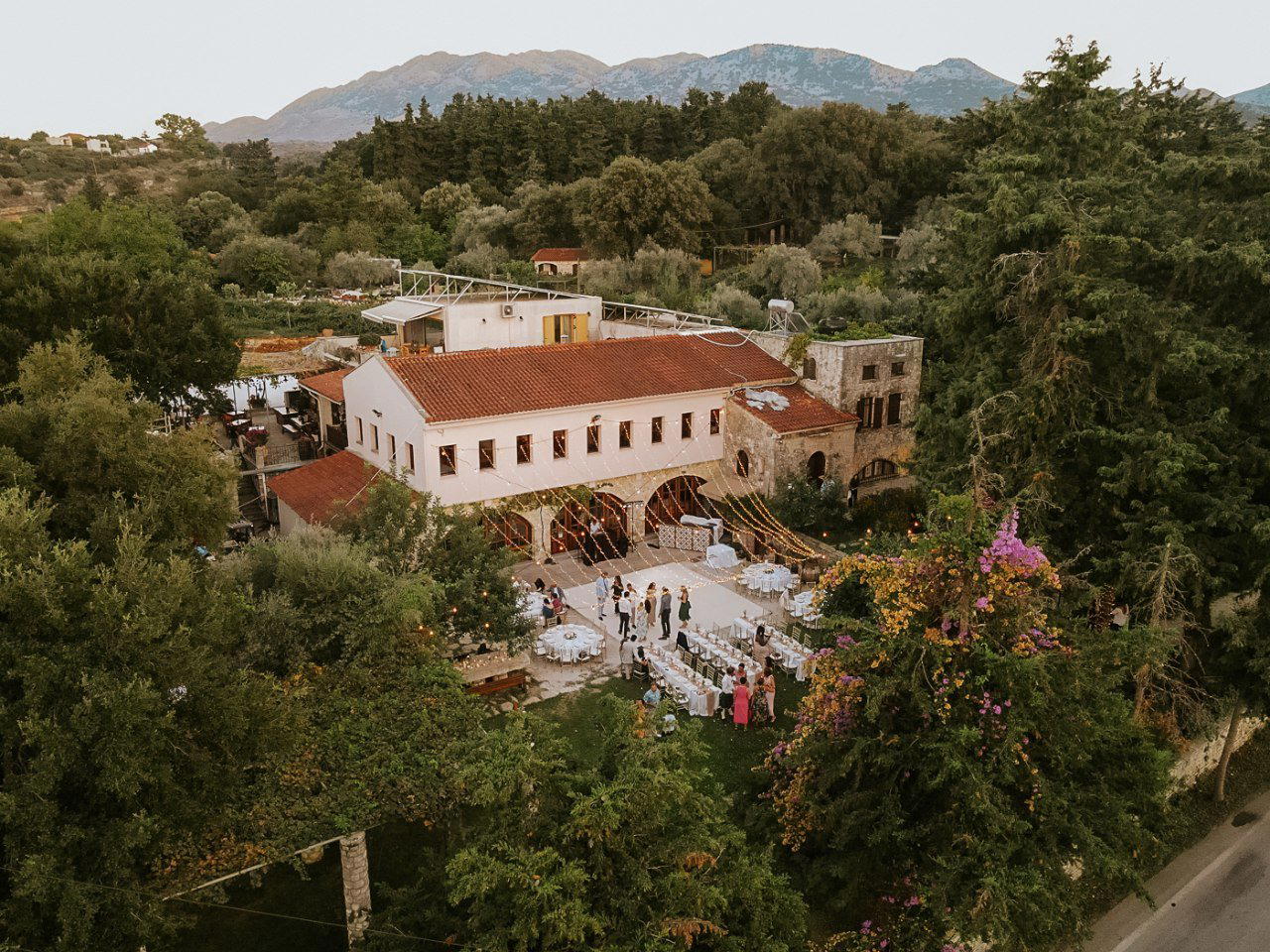
Wineries in Vatolakkos
Browse all →
Bars in Vatolakkos
Browse all →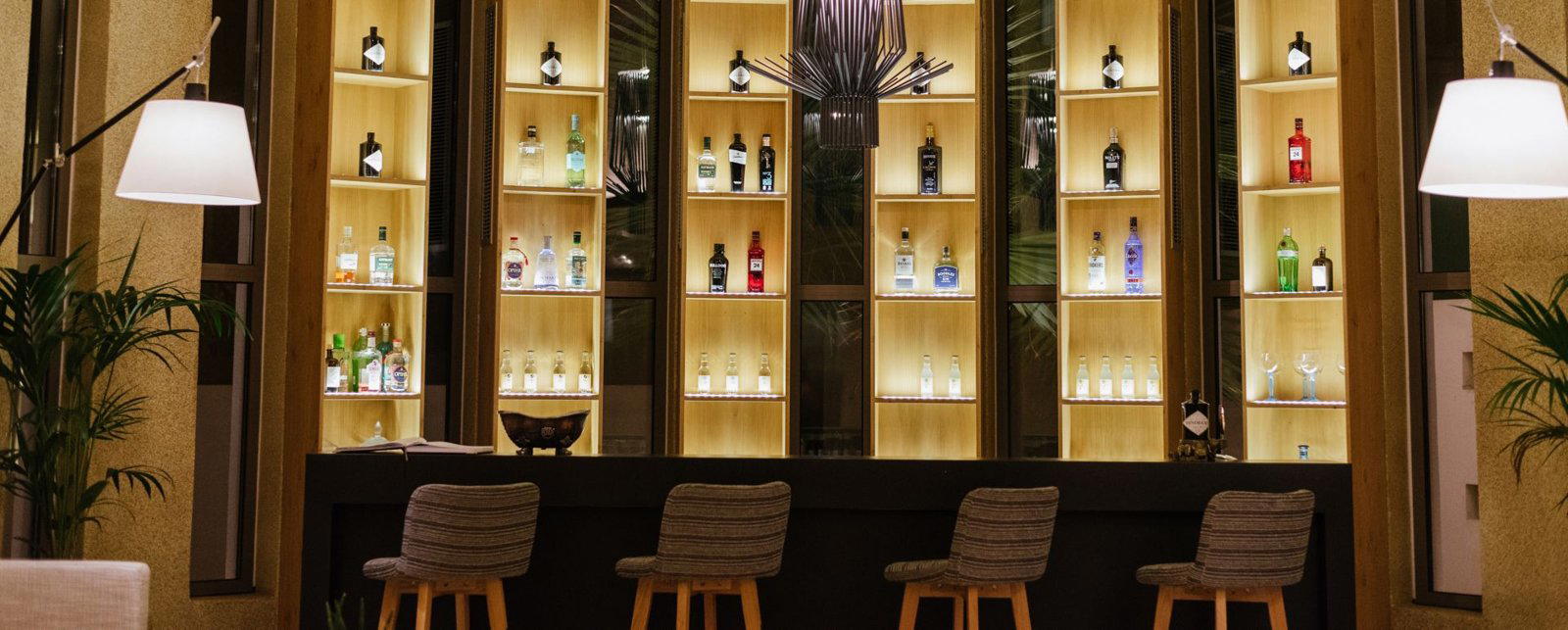
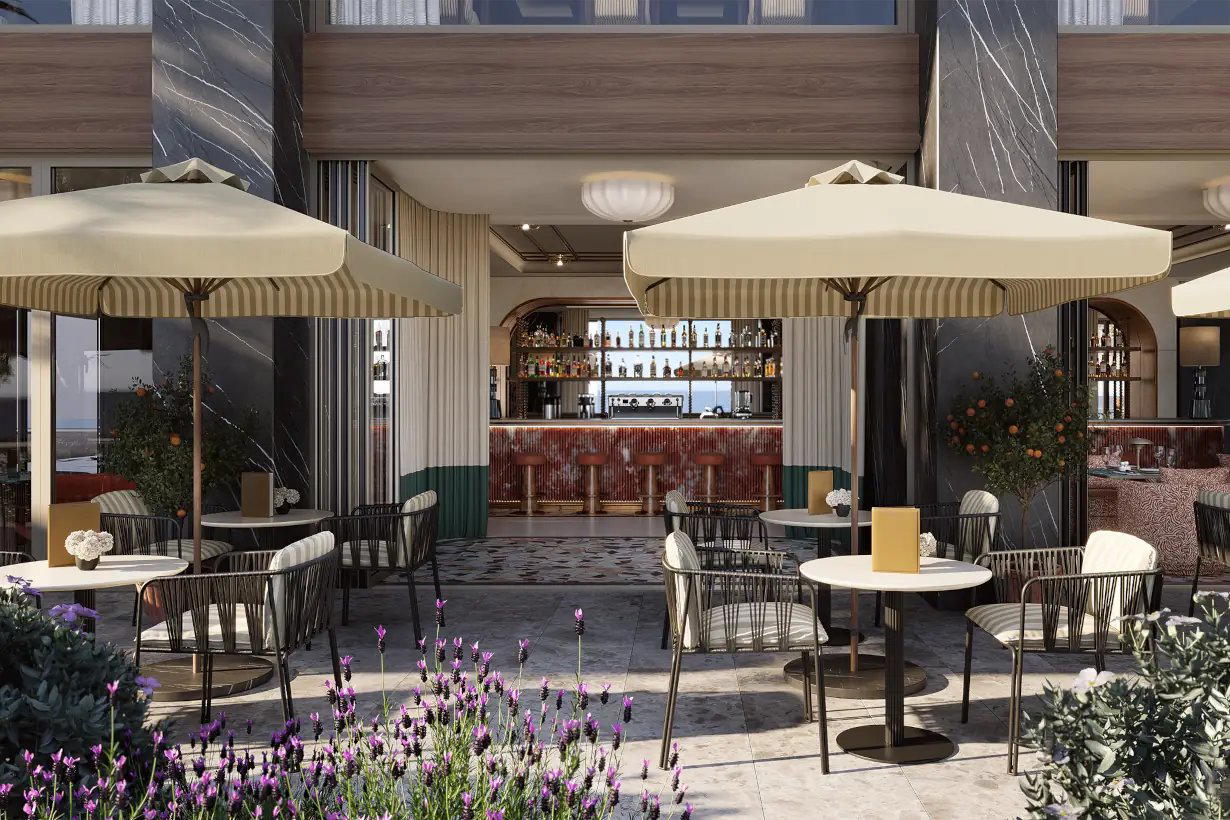
Restaurants in Vatolakkos
Browse all →
At a Glance
- Rustic
- Scenic
- Wine Education
- Solo Exploration
- Vineyard Tour
- Estate Grounds
- Panoramic View
- Organic
- Mountain
- Vineyard
- PGI Chania
- Syrah
- Grenache
- Mourvedre
- Roussanne
- Vidiano
- Romeiko
- Assyrtiko
- Still Red
- Still White
- Still Rosé
- Estate Tasting
- Vineyard Tour
Current opening hours
- Monday
- 12–6 PM
- Tuesday
- 12–6 PM
- Wednesday
- 12–6 PM
- Thursday
- 12–6 PM
- Friday
- 12–6 PM
- Saturday
- 12–6 PM
- Sunday
- Closed
Hours can change for holidays and private events. Last verified .
Rustic and scenic hillside setting amid vineyards with a focus on natural winemaking.