La Roncaia

Falstaff Winery - Listed
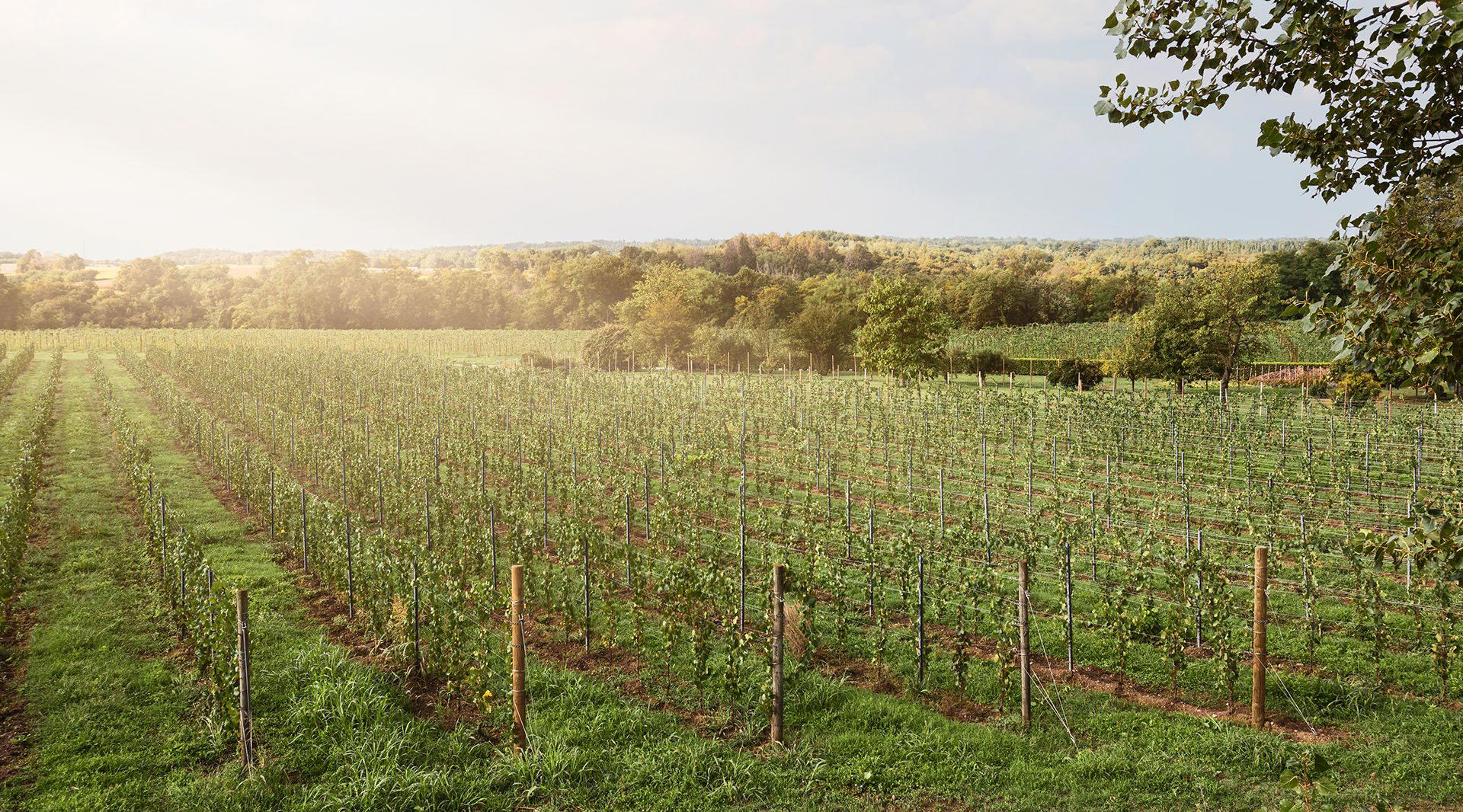
La Roncaia is a small Fantinel family estate in Friuli Colli Orientali, shaped by terraced vineyards, marl-clay and sandstone soils, and a cellar language built around hand selection, long maceration, French oak, and passito wines. The draw is not spectacle, but a compact Friulian portfolio that moves from Ribolla Gialla and Friulano to Refosco, Ramandolo, and Picolit with a clear hillside signature.

Pearl is the En Primeur Club membership app — saves, bookings, and concierge access live there. Same editors, same standards.
- Address
- Via G. Verdi, 26, 33045 Cergneu Inferiore UD, Italy
- Phone
- +39 0432 790280
- Website
- laroncaia.it
- Directions
- Get directions

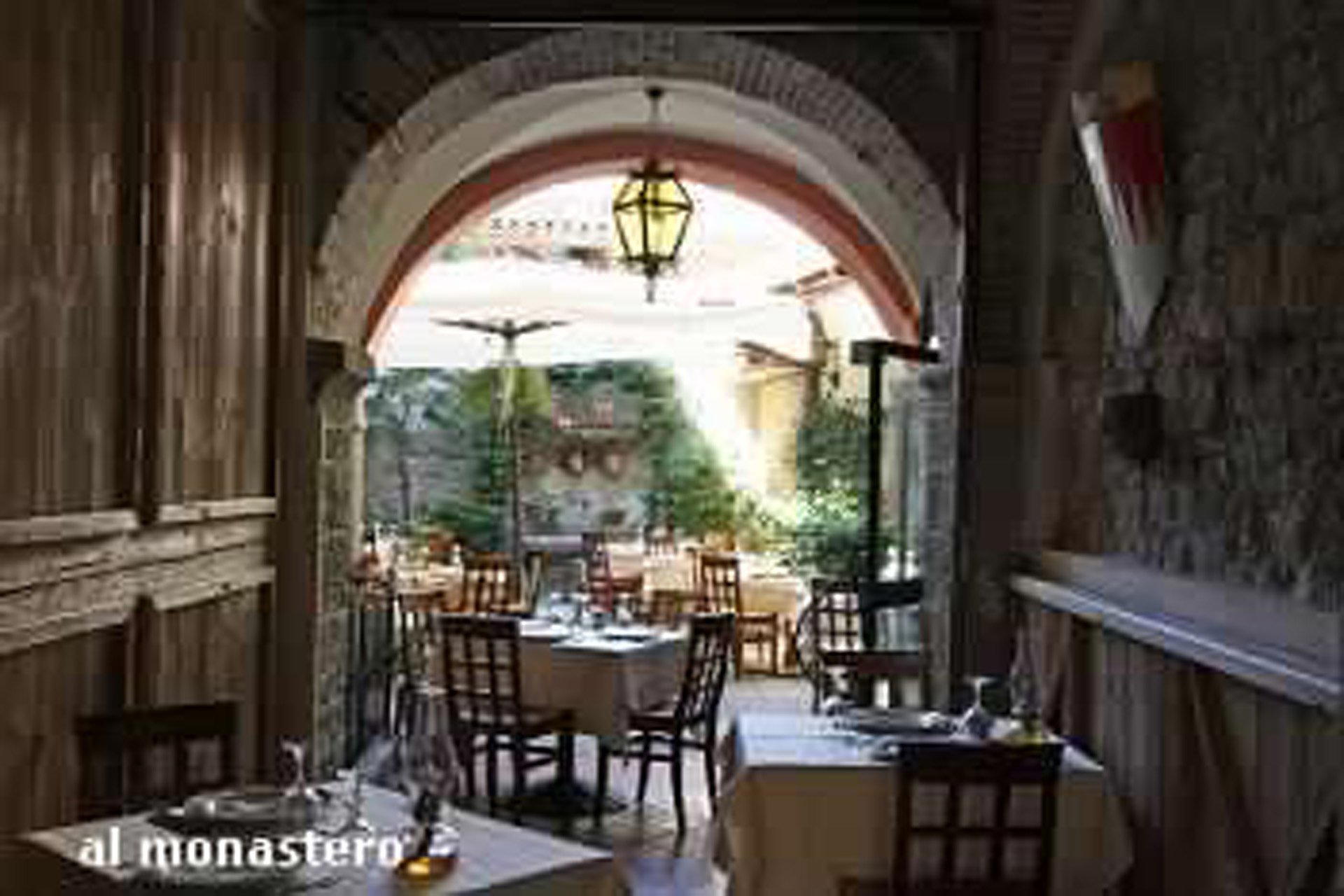
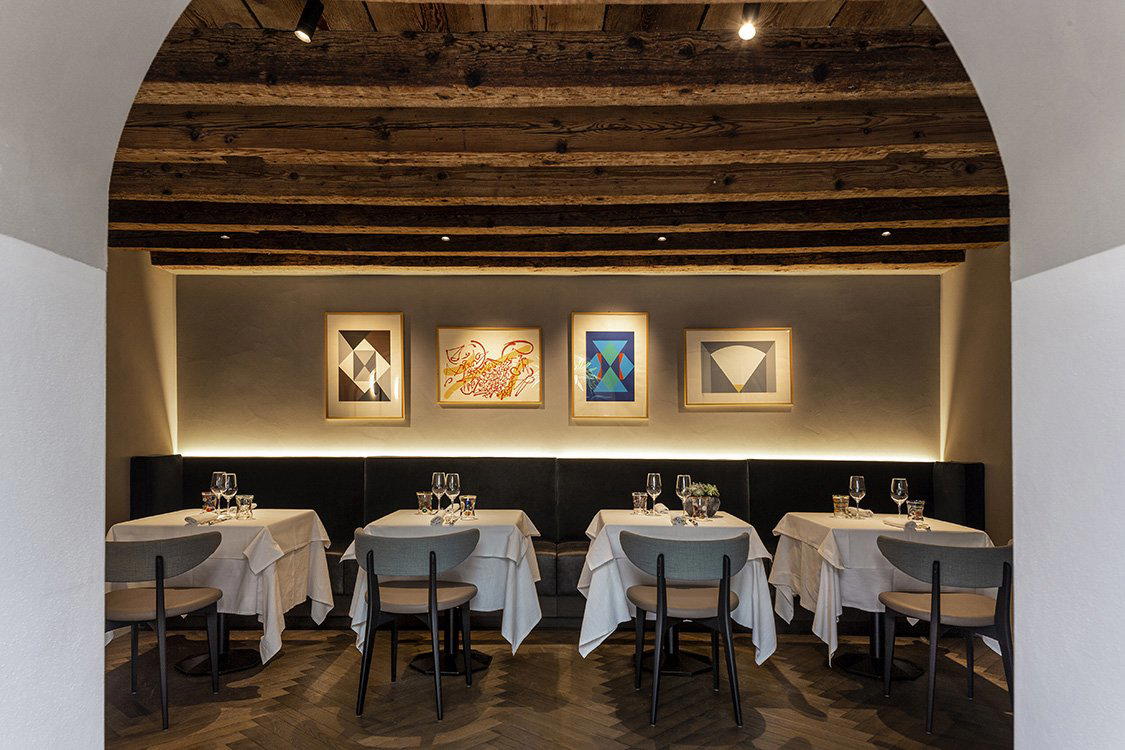
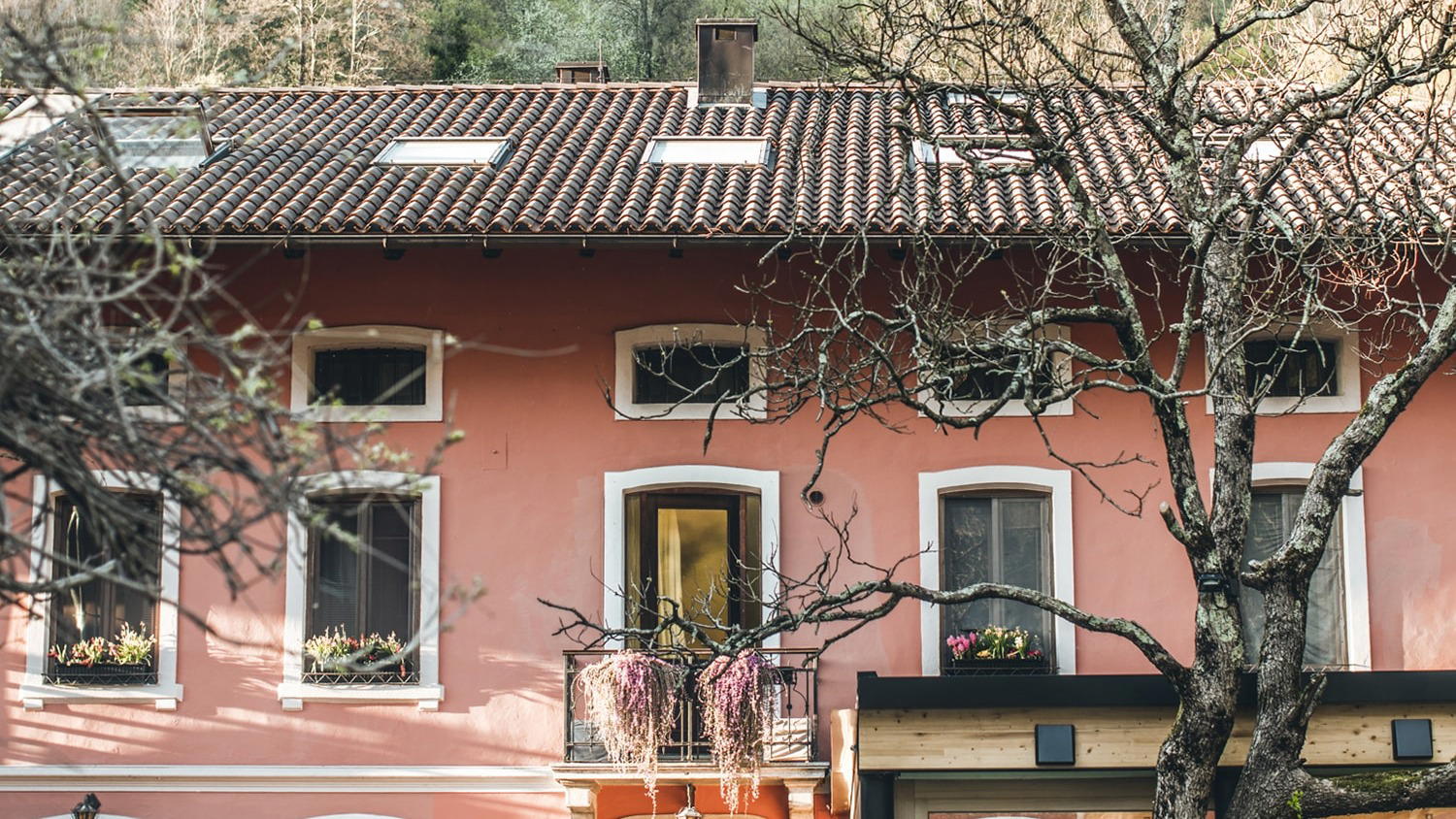
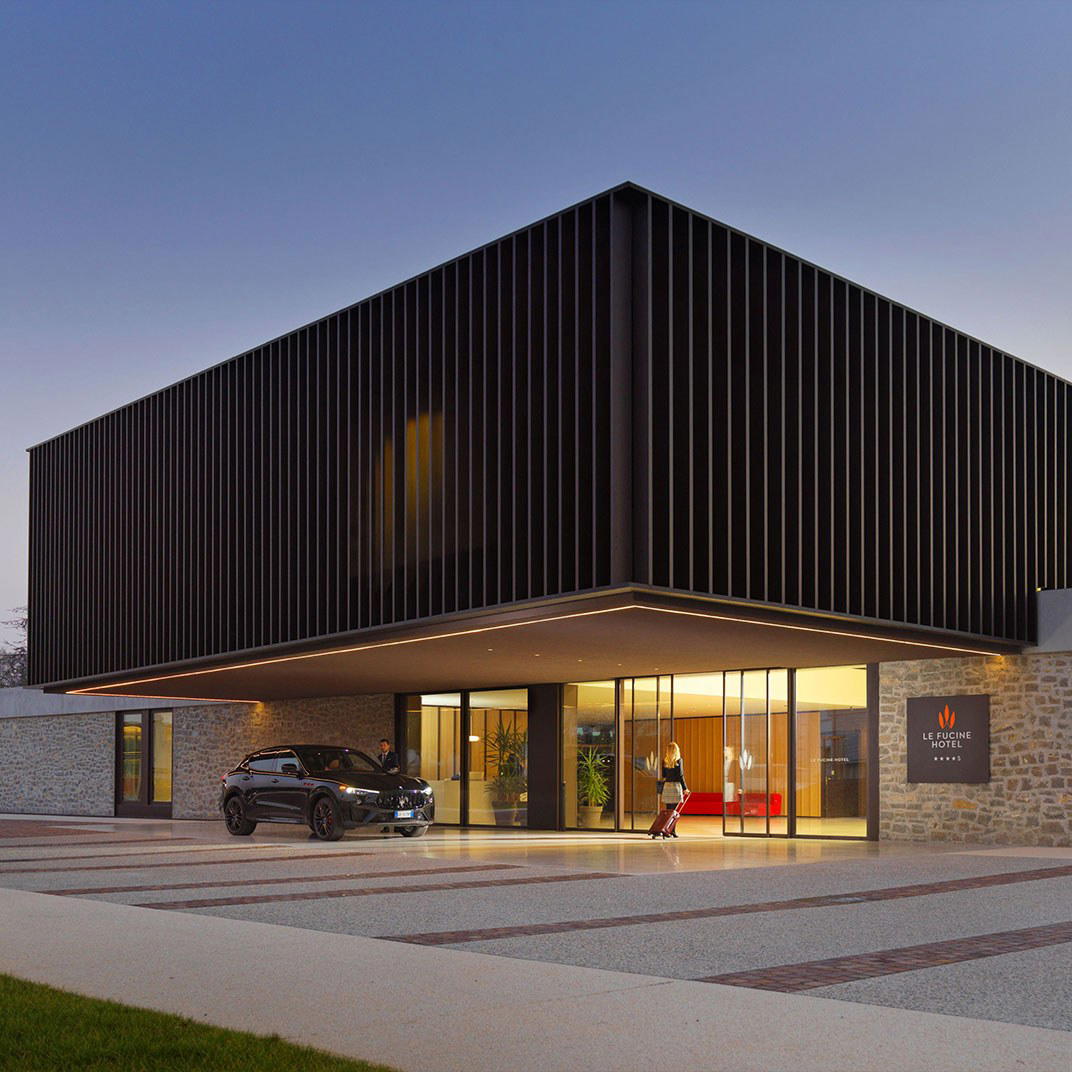
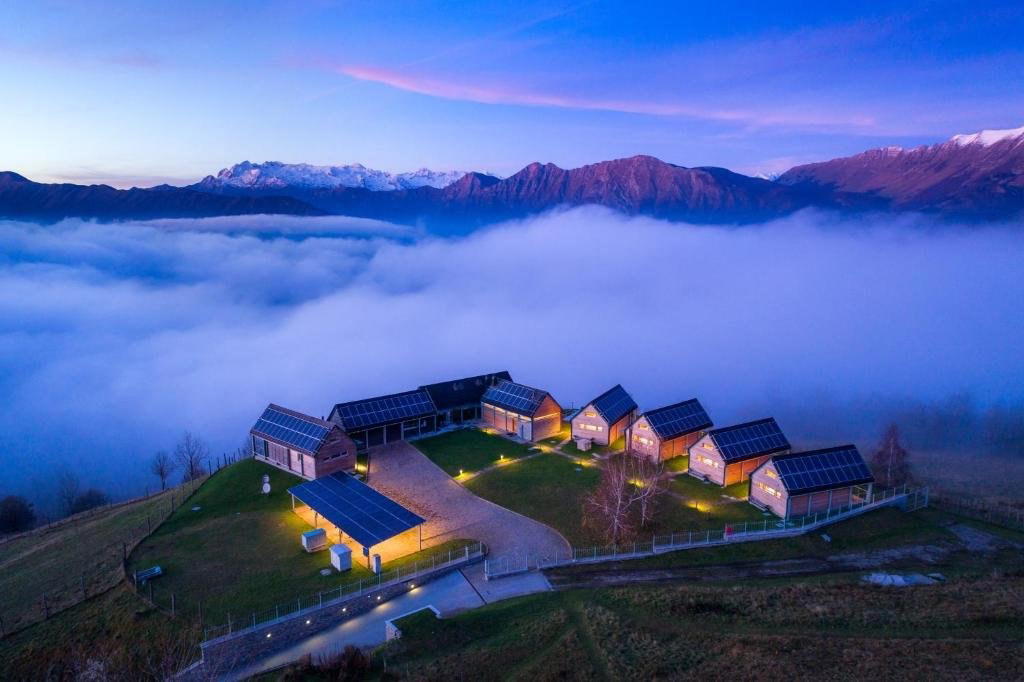
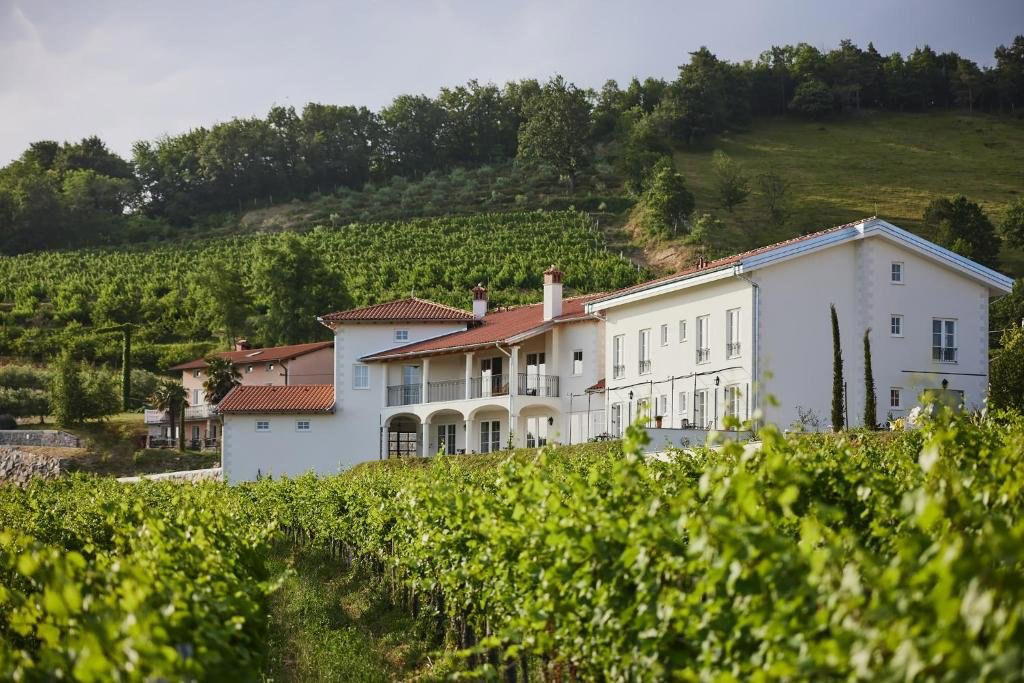
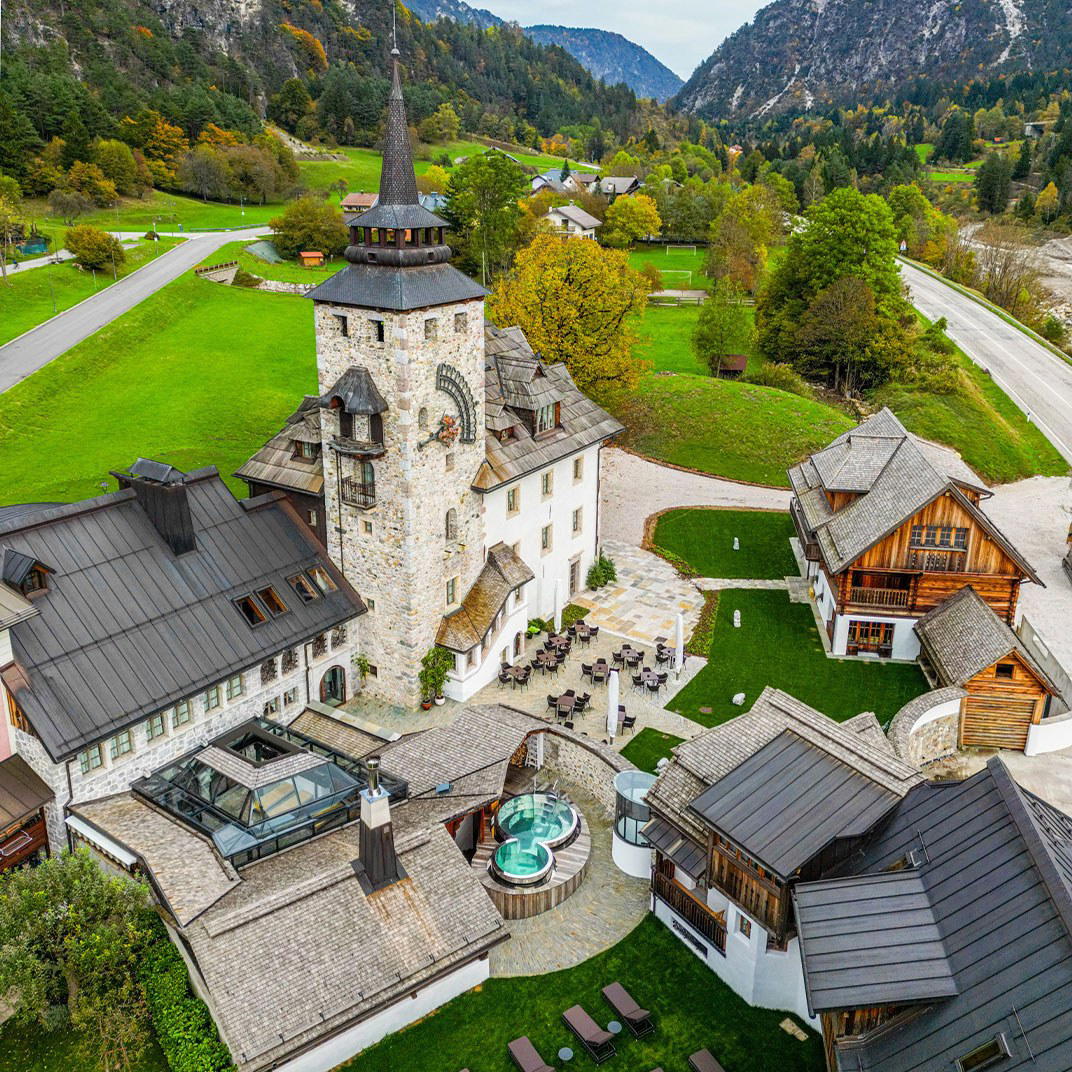
La Roncaia in Spilimbergo is best approached as a quiet Friulian hillside winery rather than as a high-volume tasting stop. The picture is deliberately simple: a boutique estate, a tranquil mood, and a stone-clad cellar that is integrated into the surrounding landscape. Its appeal rests less on spectacle than on the atmosphere of a rural winery where tradition and patience are central to the experience.
It is a scenic, elegant, rustic, and romantic place, with a contemplative character that suits visitors who want a slower encounter with Friulian wine culture. Specific claims about grape varieties, appellations, production numbers, tasting formats, vineyard tours, opening dates, or cellar techniques should not be treated as confirmed here unless directly with the estate.
Friulian hillside wine, read through atmosphere and tradition
La Roncaia’s strongest confirmed identity is that of a Friulian hillside winery with a strong sense of tradition. The estate’s atmosphere is described as tranquil and contemplative, which makes it better suited to a measured visit than to a hurried itinerary. The stone-clad cellar is part of that identity: it is presented not as a detached showroom, but as a cellar integrated into the landscape.
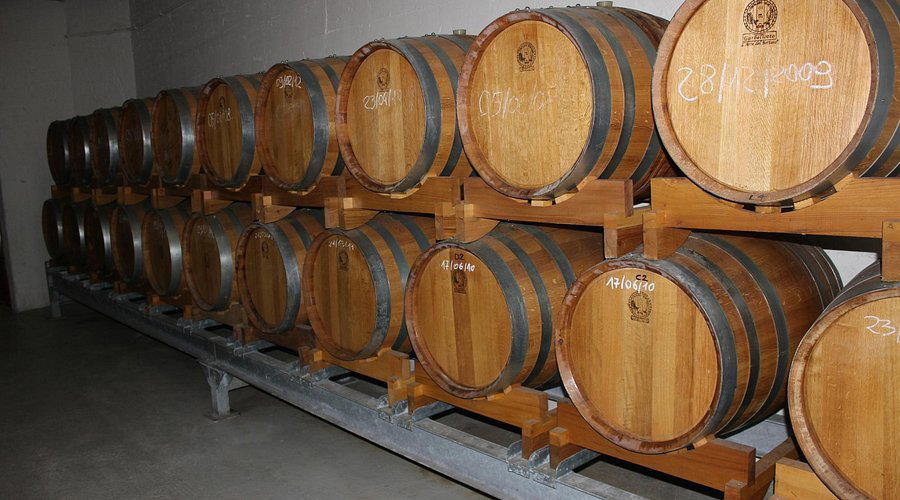
The description also points to slow barrel aging and manual grape selection as important parts of the estate’s traditional character. Those details should be read carefully: they support the idea of a patient, hands-on winery culture, but they do not confirm a full technical specification for any particular wine. In other words, the grounded story is one of craft, time, and manual care, not a catalogue of cuvées, vintages, or production methods.
This restraint is useful for planning. La Roncaia is not best summarized through unsupported claims about a specific tasting menu, a named wine range, a guided-tour schedule, or a detailed cellar program. Its confirmed appeal is more elemental: hillside setting, Friulian tradition, a rustic-elegant mood, and a winery environment shaped by quiet rather than performance.
A boutique estate format, not a mass-market premise
That does not confirm a specific bottle price, tasting fee, or package cost; it simply gives readers a broad expectation that the venue belongs in a more considered, higher-end category than a casual budget stop.
The “boutique” description is also important. It supports an image of a smaller, character-led winery rather than a generic commercial venue. Readers should therefore avoid assuming a particular service model and should check current arrangements directly before planning a visit.
What can be said with confidence is that La Roncaia’s setting and cellar atmosphere are part of the experience. The hillside context, the stone-clad architecture, and the emphasis on tradition give the venue a coherent identity. For visitors who care about the mood of a place as much as the list of wines, that is the central reason it belongs in a premium Spilimbergo guide.
Where it fits in a Spilimbergo itinerary
Within Spilimbergo, La Roncaia works as a calm, scenic wine-focused stop. It is most compelling for travellers who want a rustic-elegant Friulian setting and a sense of continuity with traditional cellar work. The visit should be framed around atmosphere, landscape, and the slower rhythms associated with barrel aging and manual selection, rather than around claims about specific tours, pairings, awards, scores, or production statistics.
Travellers building time around the city can pair the wine visit with other Spilimbergo dining, hotel, bar, and experience planning in a general way. Since no other comparison venue is beyond La Roncaia itself, unnamed local options are the cleanest reference point.
The editorial reason to go is focused and modest: La Roncaia offers a tranquil, scenic, and tradition-minded winery atmosphere. Its confirmed signals are the $$$ price category, the boutique hillside setting, the stone-clad cellar integrated into the landscape, and the emphasis on slow barrel aging and manual grape selection. For readers seeking a romantic, rustic, and contemplative Friulian winery experience in Spilimbergo, those grounded details are enough to define the appeal.
Recognition history
Dated appearances from independent guides and award organizations, with the underlying list record or original source where available.
Falstaff Winery - Listed
Falstaff
Continue exploring
More in Spilimbergo
Wineries in Spilimbergo
Browse all →
Bars in Spilimbergo
Browse all →
Restaurants in Spilimbergo
Browse all →
Details
- Scenic
- Elegant
- Rustic
- Romantic
- Quiet
- Romantic Getaway
- Group Outing
- Special Occasion
- Wine Education
- Solo Exploration
- Estate Grounds
- Vineyard Tour
- Panoramic View
- Historic Building
- Private Tasting
- Vineyard
- Mountain
- Garden
- Refosco Dal Peduncolo Rosso
- Merlot
- Cabernet Franc
- Friulano
- Ribolla Gialla
- Pinot Grigio
- Picolit
- Ramandolo
- Still Red
- Still White
- Dessert
- Standard Tasting
- Guided Tasting
- Vineyard Tour And Tasting
- Private Tasting
- Italian
- English
Boutique Friulian hillside winery with a contemplative, tranquil atmosphere, stone-clad cellar integrated into the landscape, and a strong sense of tradition around slow barrel aging and manual grape selection.